
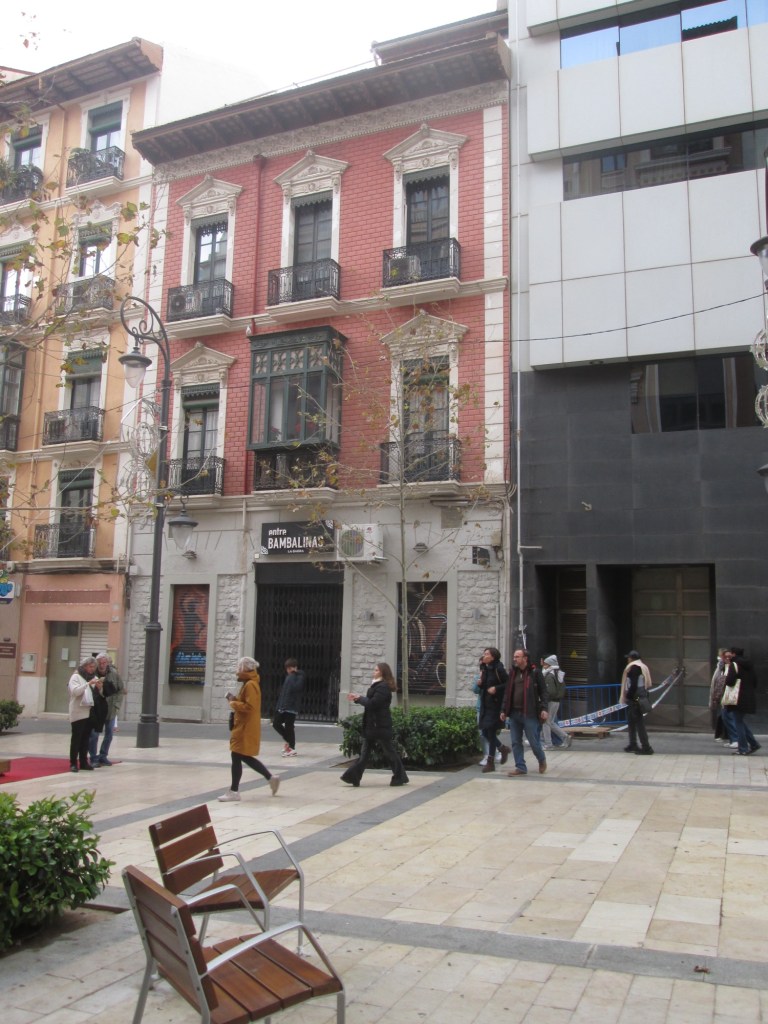
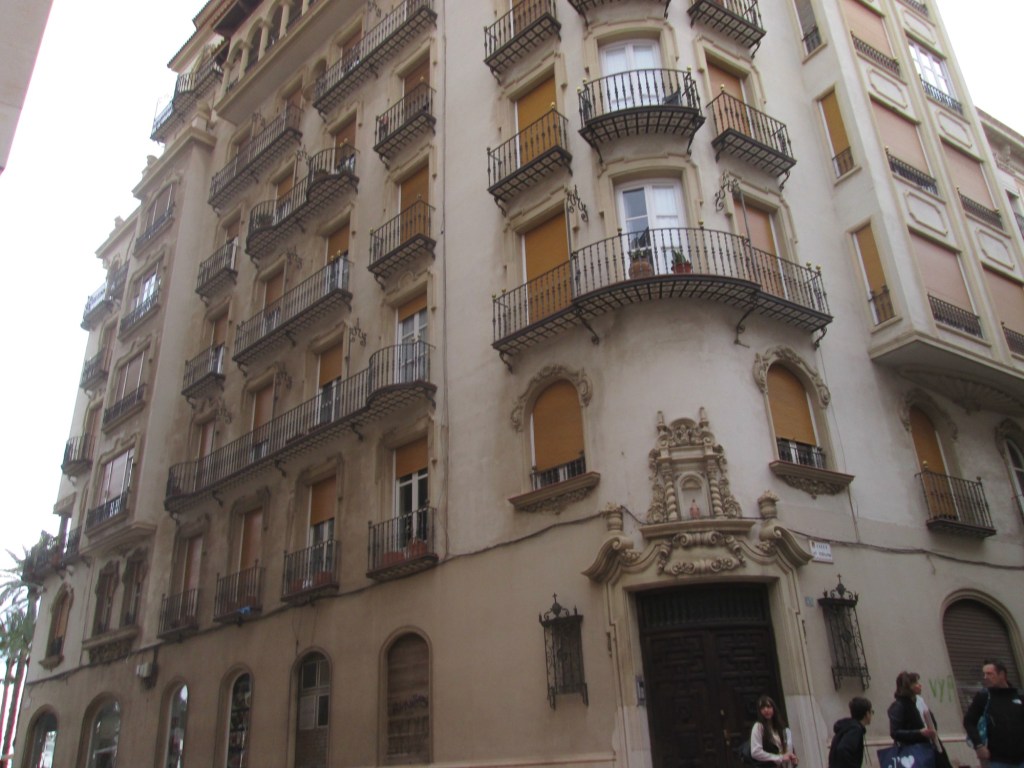
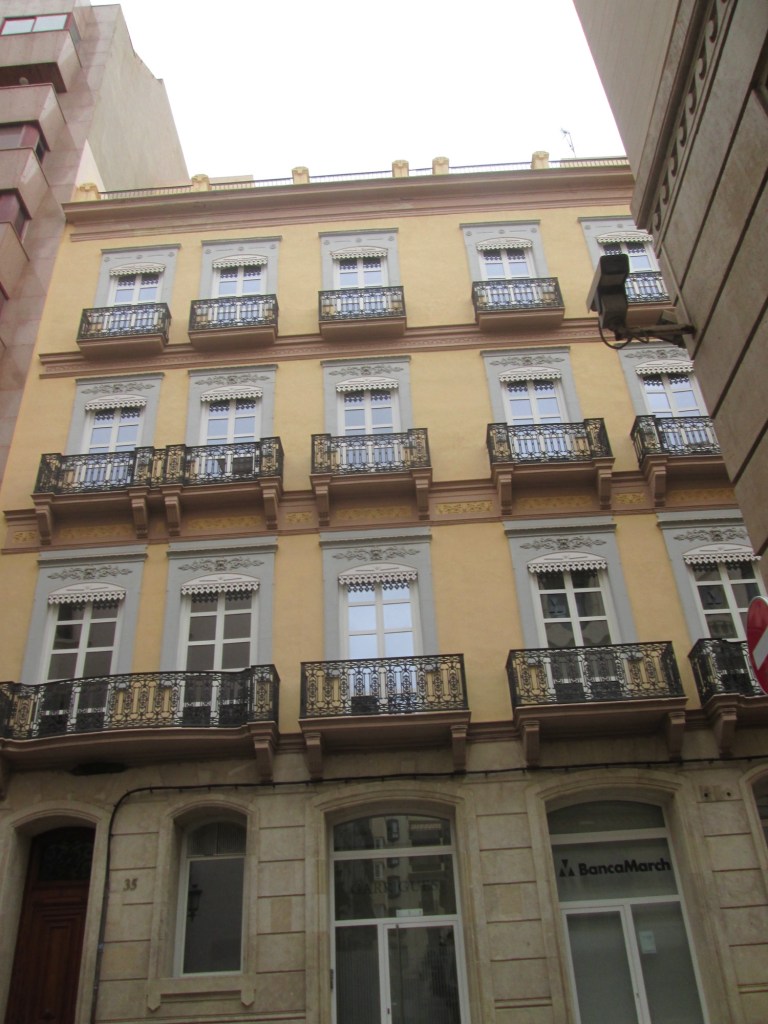
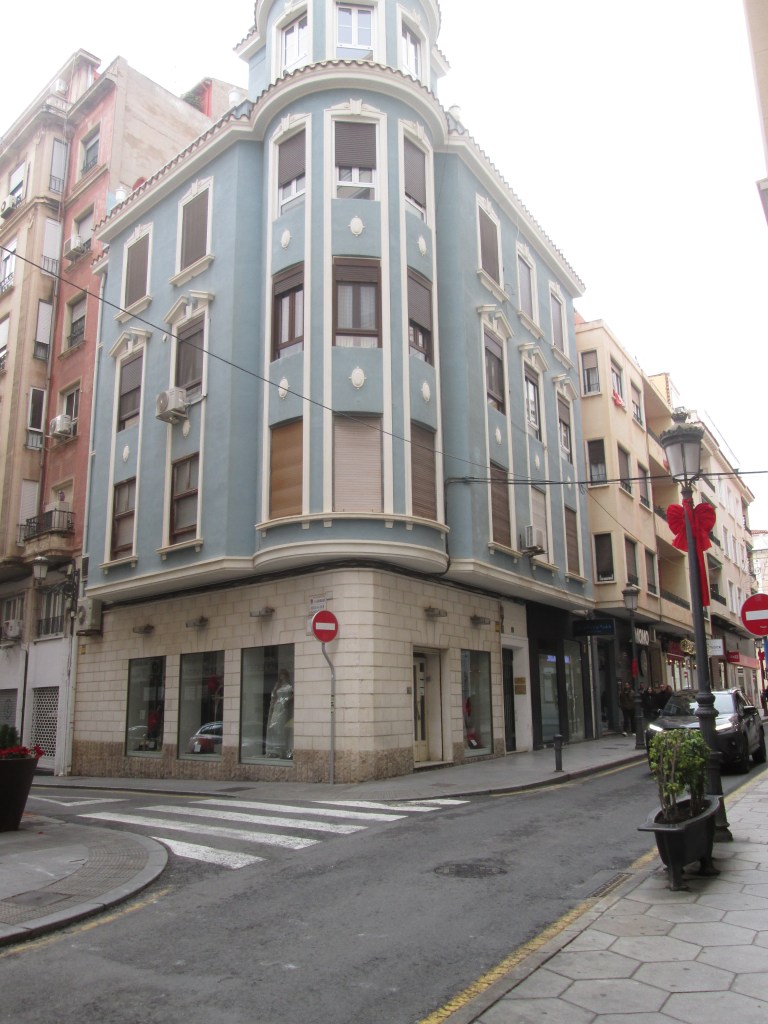
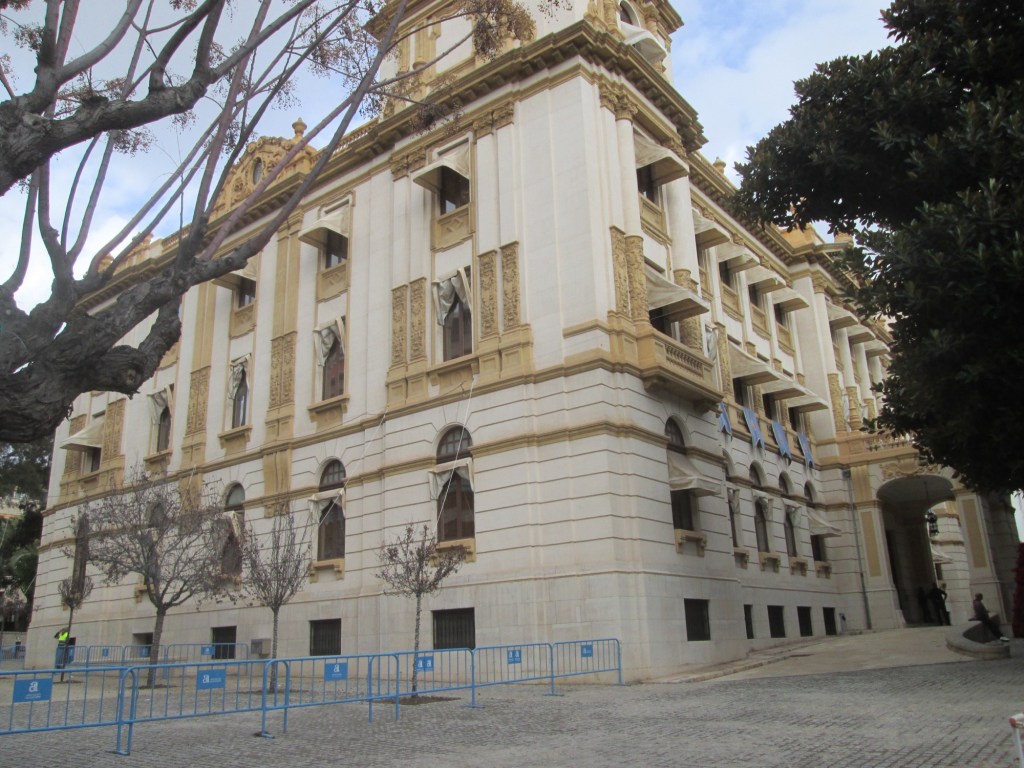
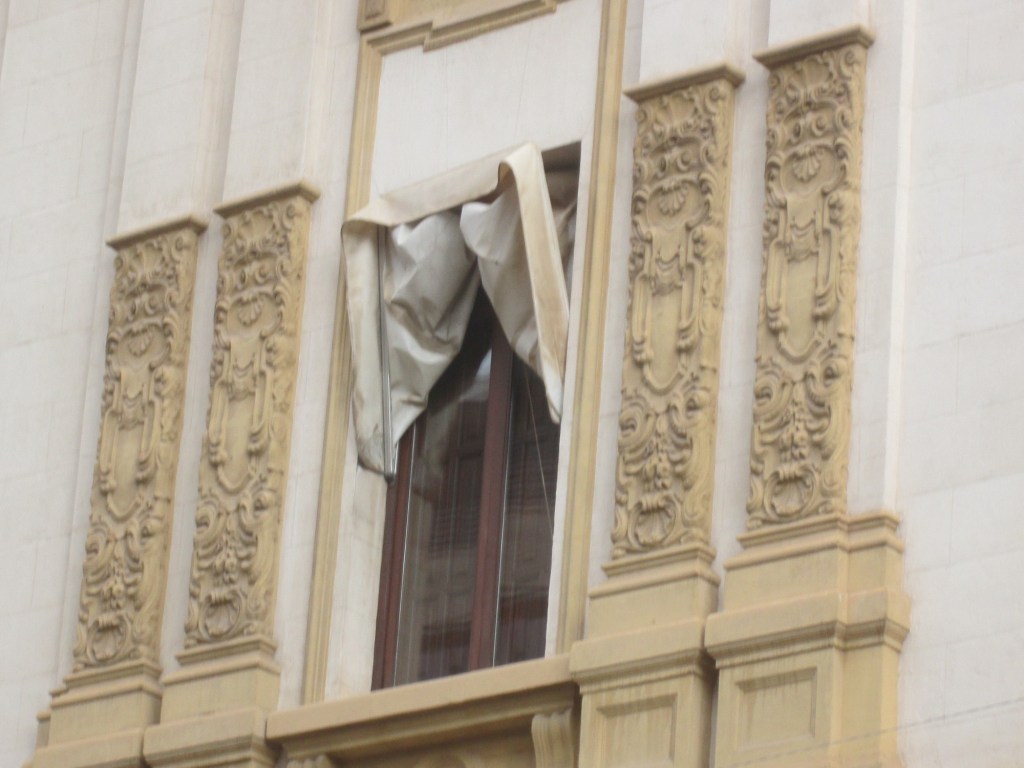
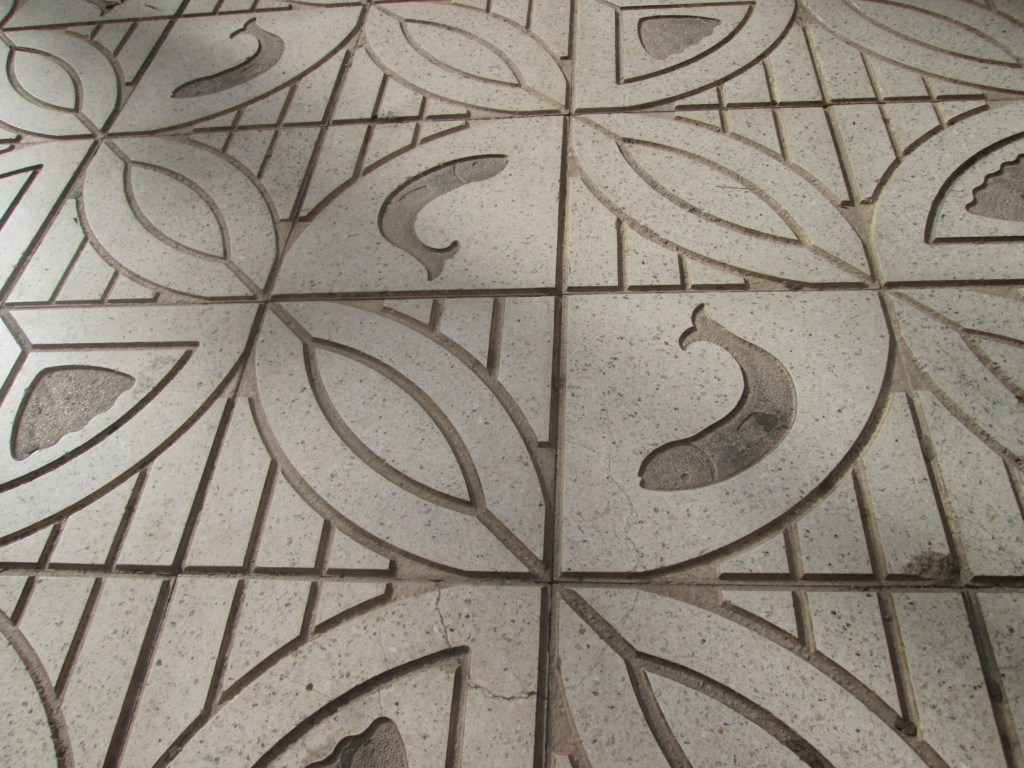
Last days can often be difficult on holiday, not least this one with a flight booked to depart at 10 pm. I took breakfast in the hotel for a change, packed and left my luggage at the hotel and set off for another stroll around this city I have come to like. There are some fine buildings, I love the chairs randomly glued to the pavements so you can take a break whenever you feel the need. There are some excellent examples of turn of the century (19-20) archictecture dotted around the streets.

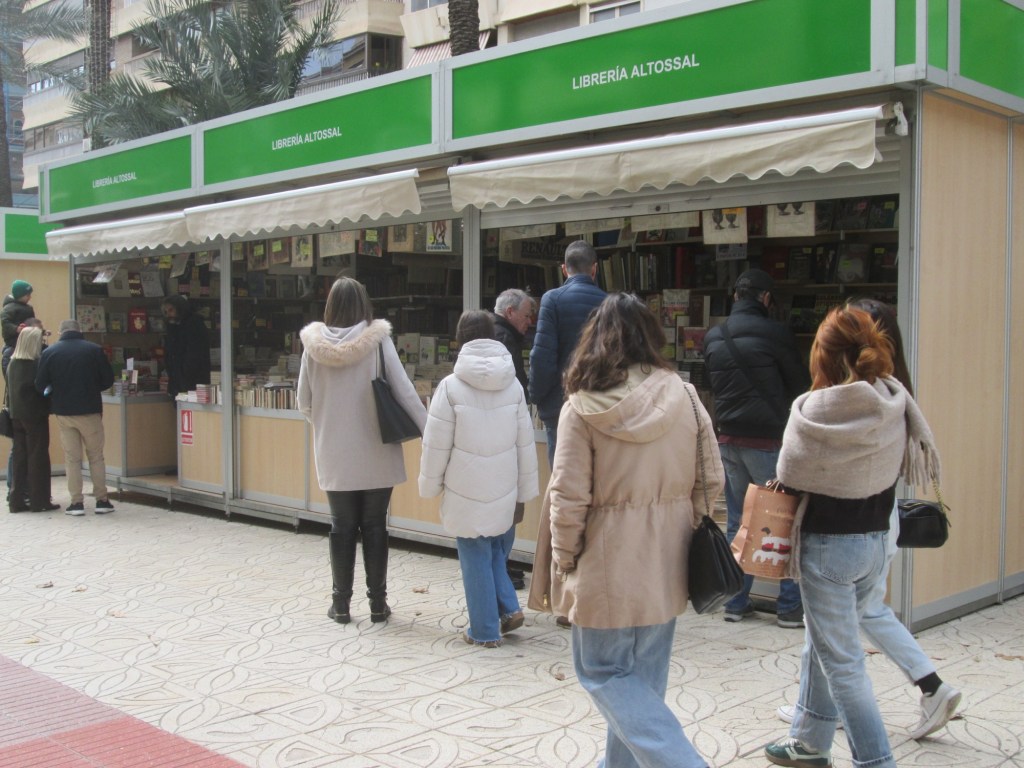
My route takes me past the book cabins I’d seen before and this time they were open. Paperbacks ranged from 5 to 12 euros with some deals three for 12 euros. There were a few English and German titles among them as well and all the kiosks seemed to be doing steady business. Good to see lots of children’s books, history and philosophy as well as fiction from popular Spanish authors like Perez-Reverte, Carlos Zafron. Javier Marias and Almudena Grandes and of course translations of John Grisham and Dan Brown. I didn’t see any Harry Potter.
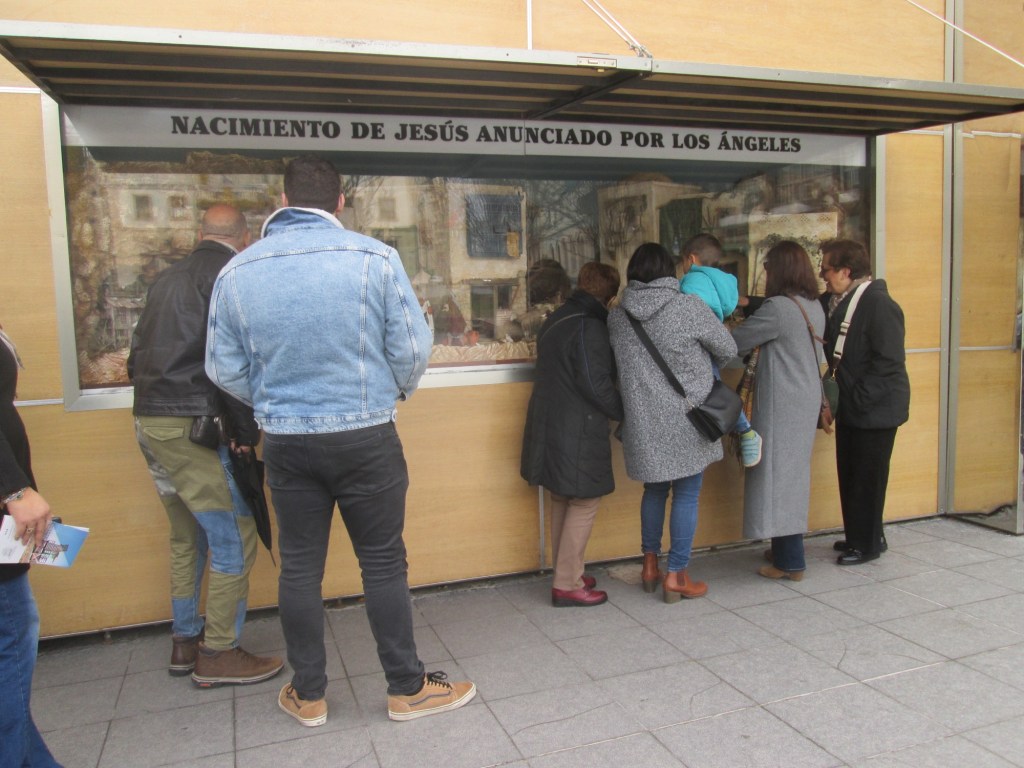
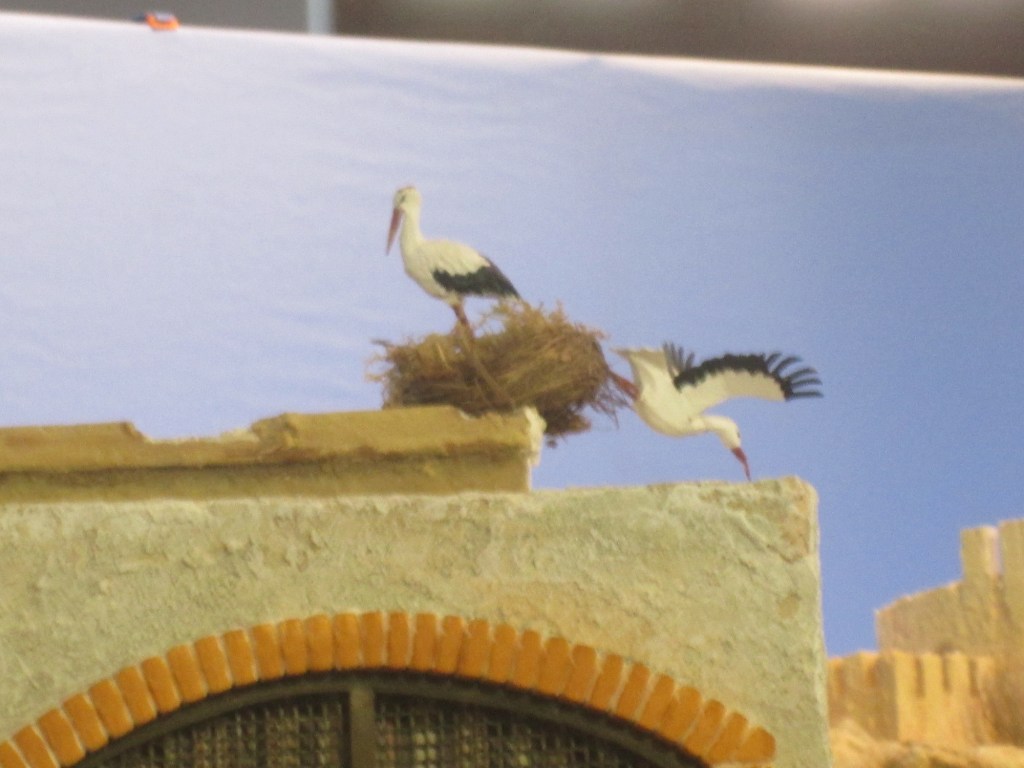
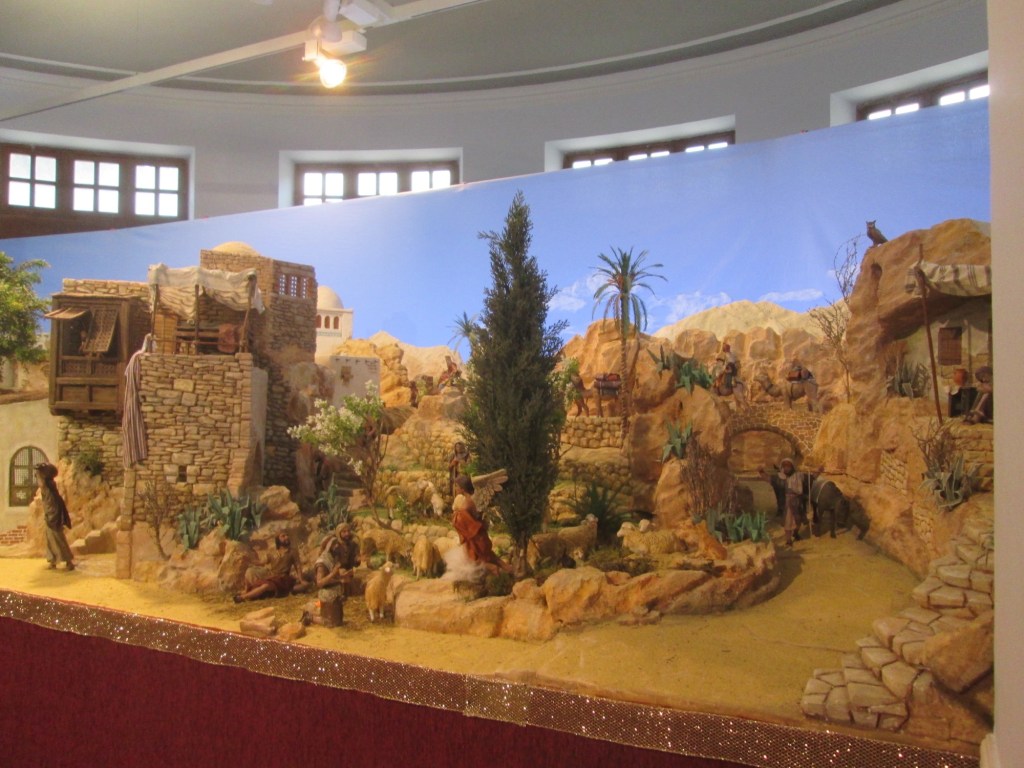
Also attracting a lot of attention was the four sided display of belenes in front of the Town Hall with scenes of the birth, shepherds and three kings – Los Reyes – who are of course all-important in Spain with the 6th January almost bigger than Christmas.
Down by the marina a lone saxophonist busker was trying hard but basically was practising his scales in public with scores on a phone attached to his alto.
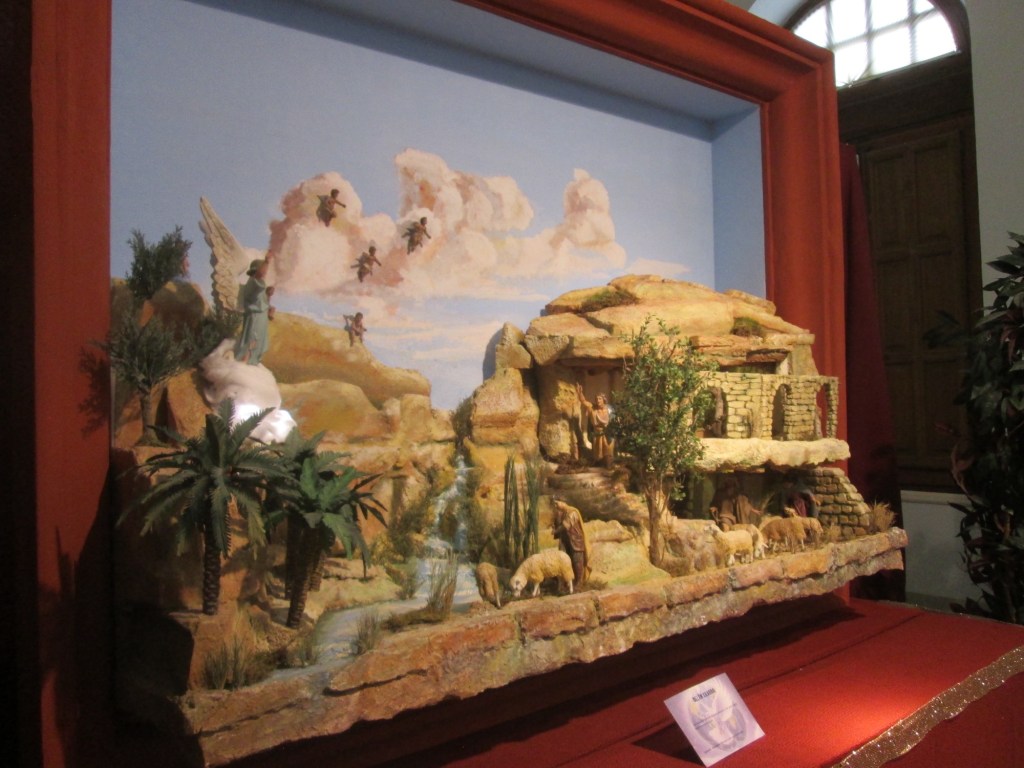
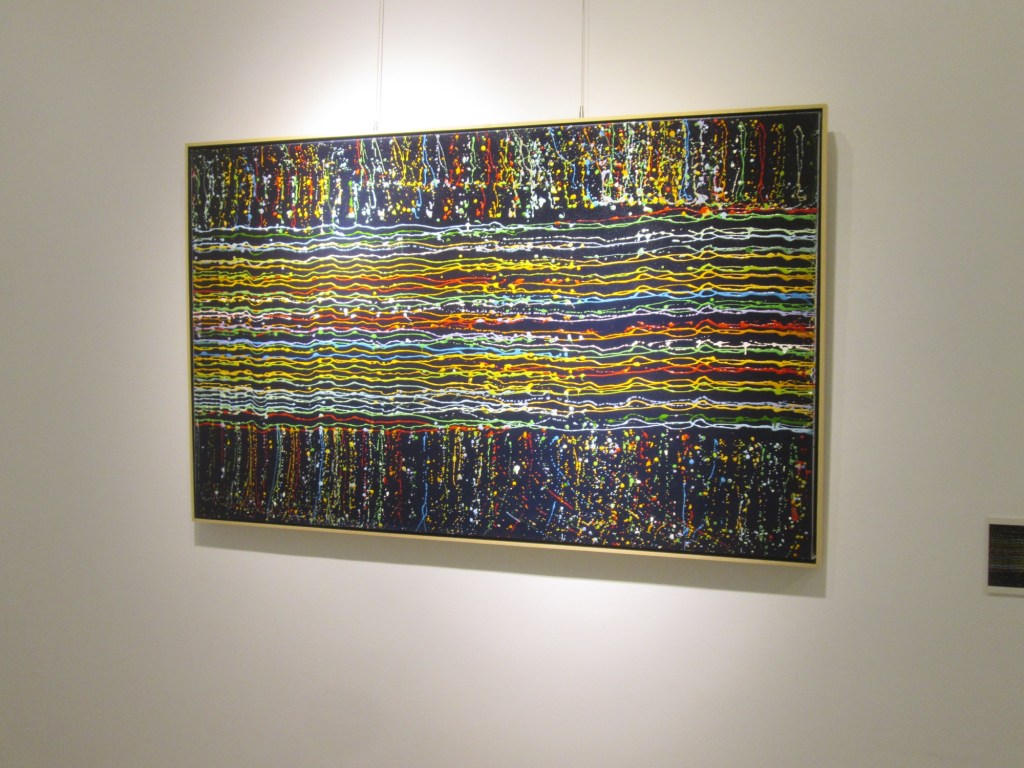
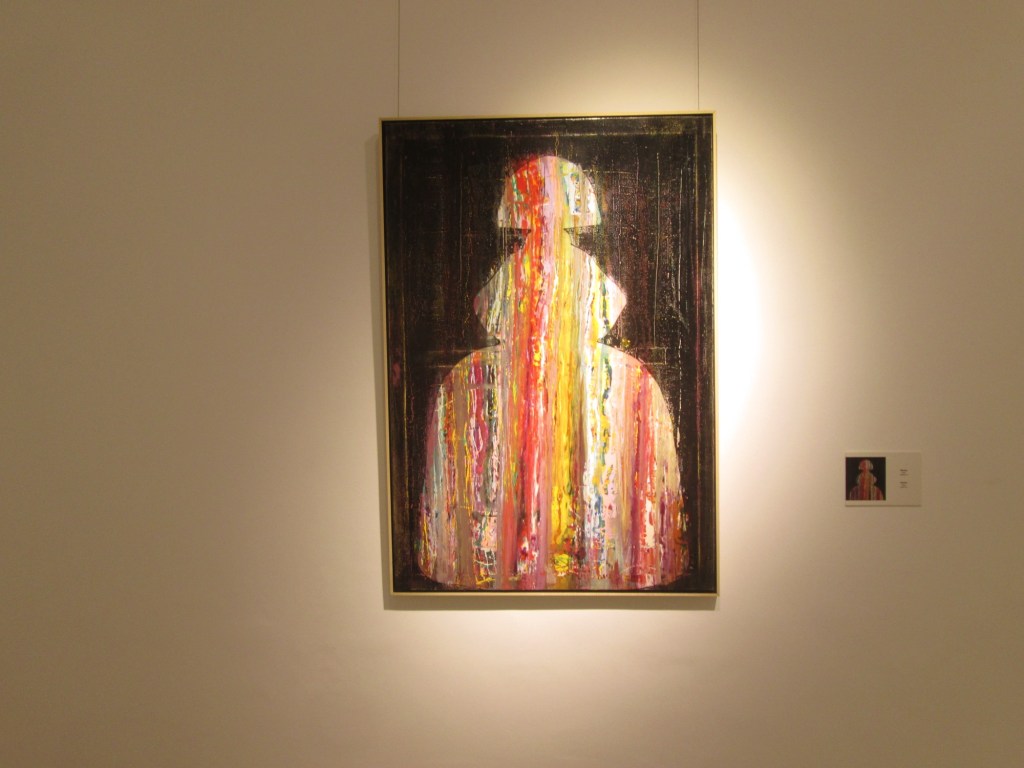
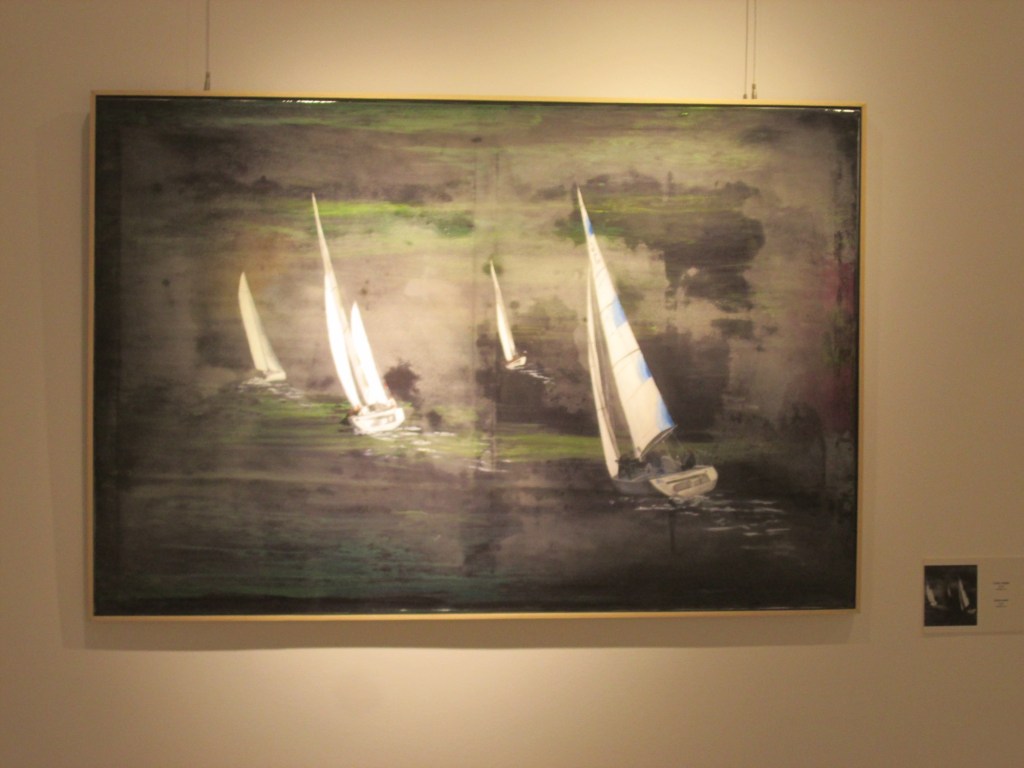
Wandering back up through the avenues what should I come across but another museum, The Palacio Principal, with displays of – you guessed it- belenes but also an exhibition by Francisco Rubio which involved an interesting mix of abstract and figurative work, sometimes in combination.
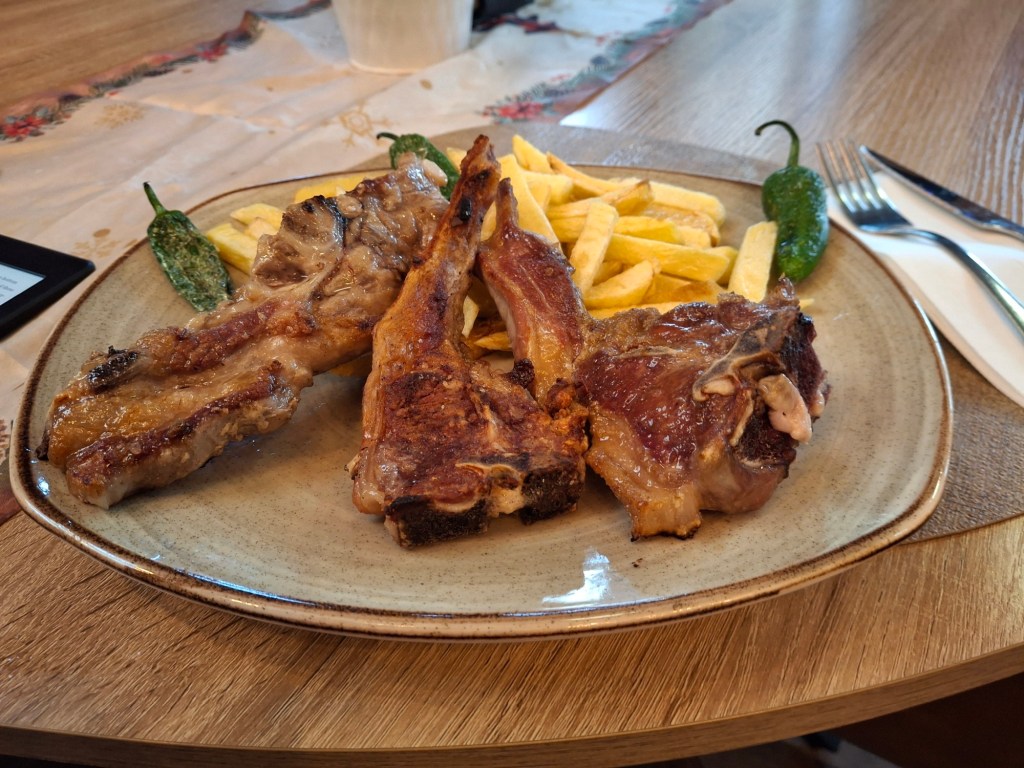
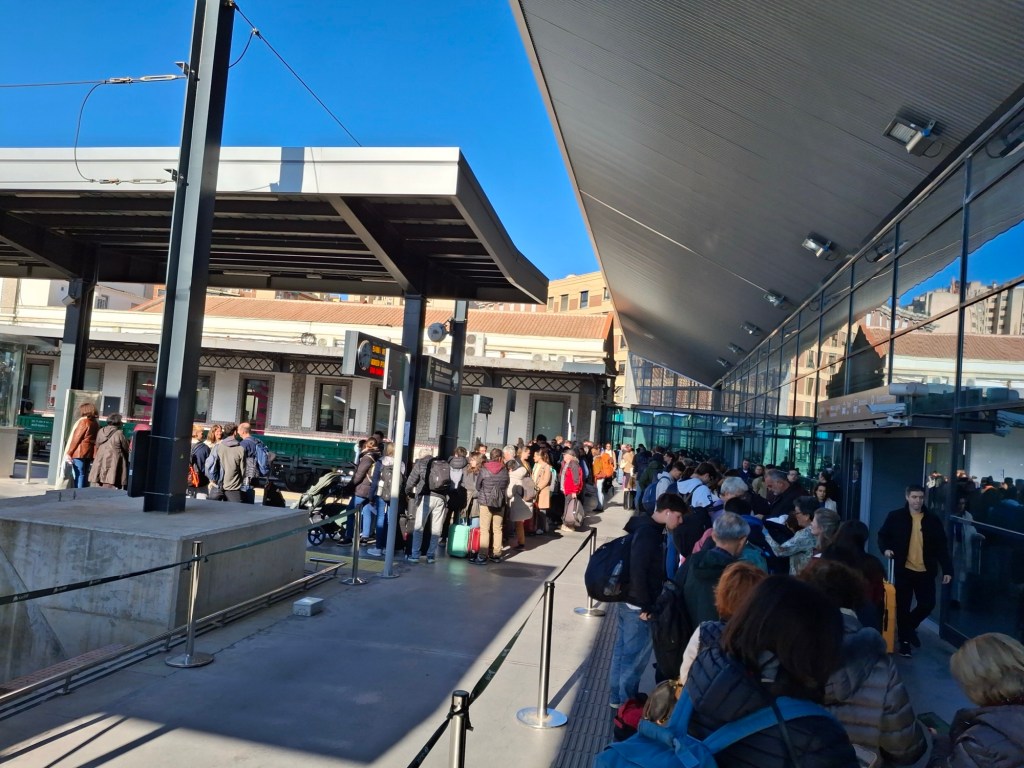
I’m not fan of photographing meals but my lamb cutlets for my last lunch were worthy and very tasty as well – but no hot padron peppers! Then back to the hotel to collect cases and the C6 bus to the airport. It’s every 15 minutes and whisks us via the train station and then through the newish suburbs, past a huge desalination plant and along the beach at Playa de Agua Amarga before turning west to the airport.
In the hotel there was an exhortation to be very sparing of water – keep your towels, take shorter showers as there has always been an acute shortage of water in the area. One woman I was chatting to before the music the other evening told me that 80% of Alicante’s drinking water – I had declined any alongside my meal – comes from desalination and that she had frequently in her childhood faced water being turned off in her home. I tried to joke that Christmas Day had changed all that but am not quite sure it worked.
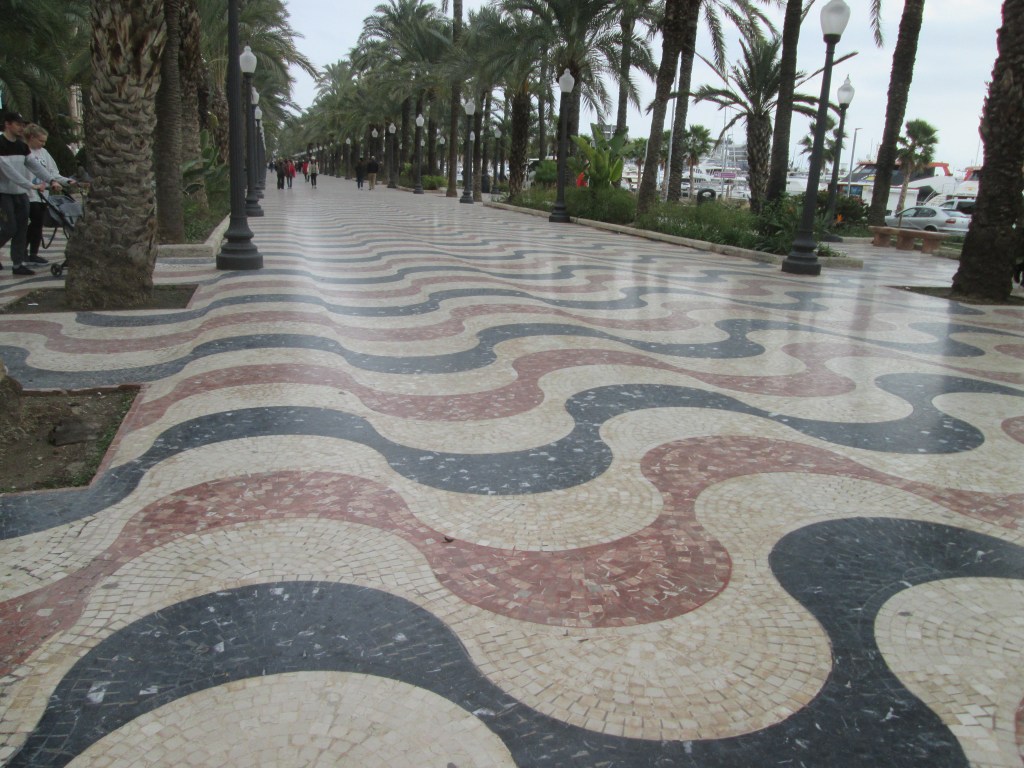
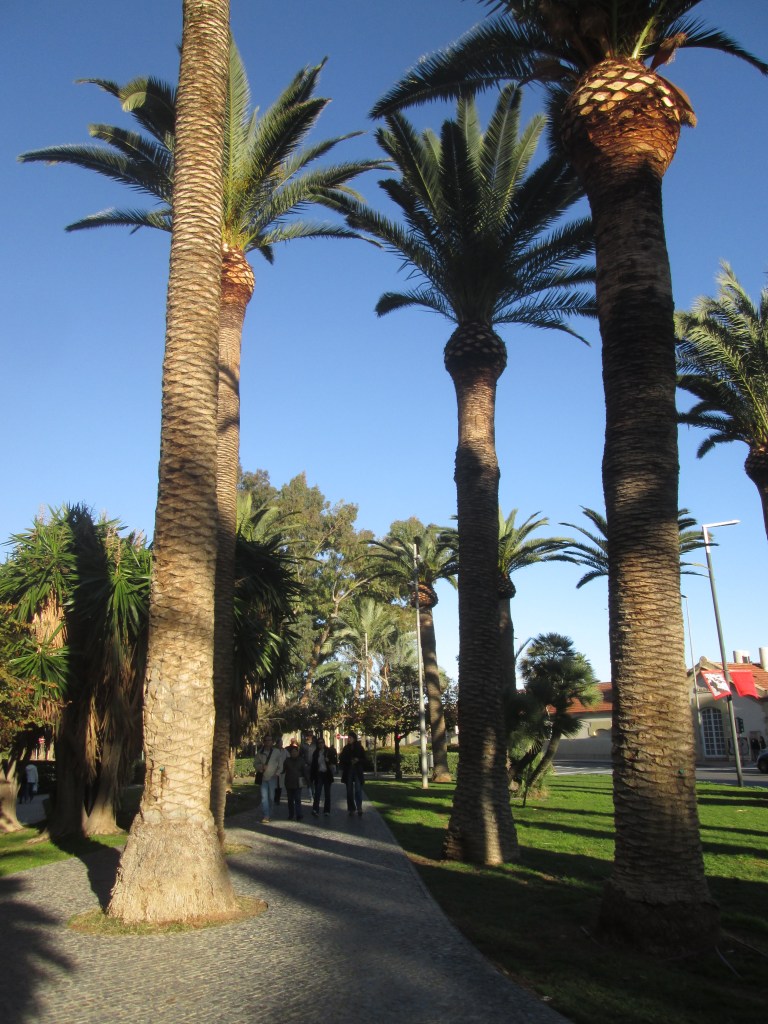
I had equivocated for quite a while about whether to make this trip – can I bear the inevitable airport hustle, am I too old to be doing this stuff, can I better last year’s wonderful week in Madrid and Granada? I am so glad I did. I’ve explored a new city, found new artworks, architecture and archaeology. I’ve been to classical and jazzy gigs and had great food. Apart from the soggy Christmas Day the sun has shone and temperatures have been around 17-18 degrees Celsius in the day. People have been friendly and I’ve actually managed a few conversations. I have one regret. I’ve ogled other people’s arroces – you mustn’t call them paella here. These rice dishes come with seafood, meat and vegetable versions and are very similar to the Valencian staple with crusty base and pan-cooked rice and accompaniments. Problem? They are always for a minimum of two people. So I’ll just have to find someone to come back with me.







 mikeandmurakami.com