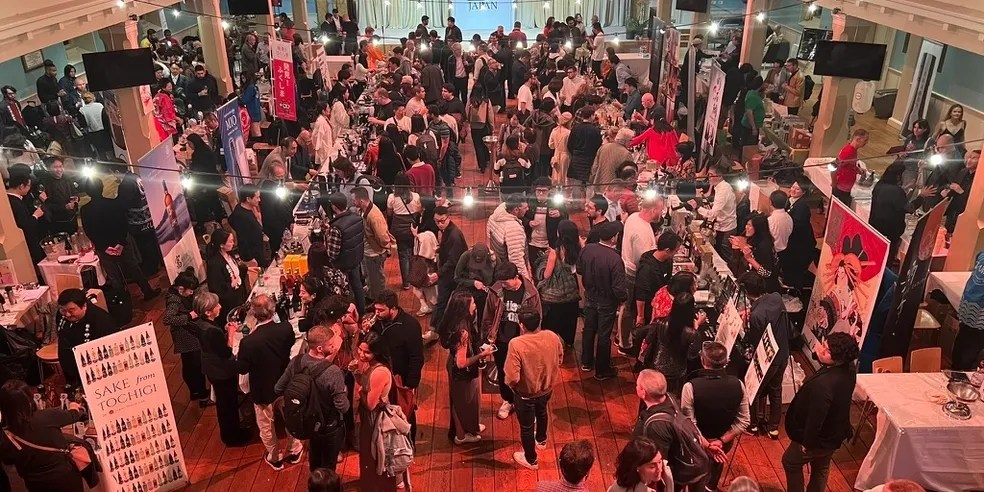
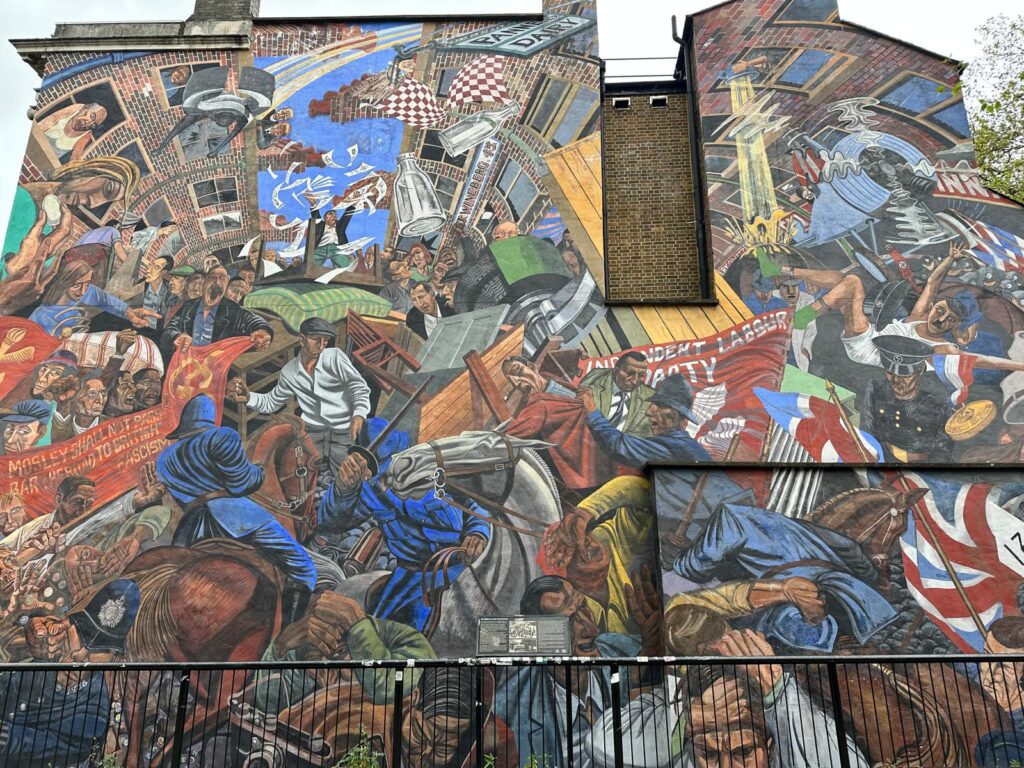
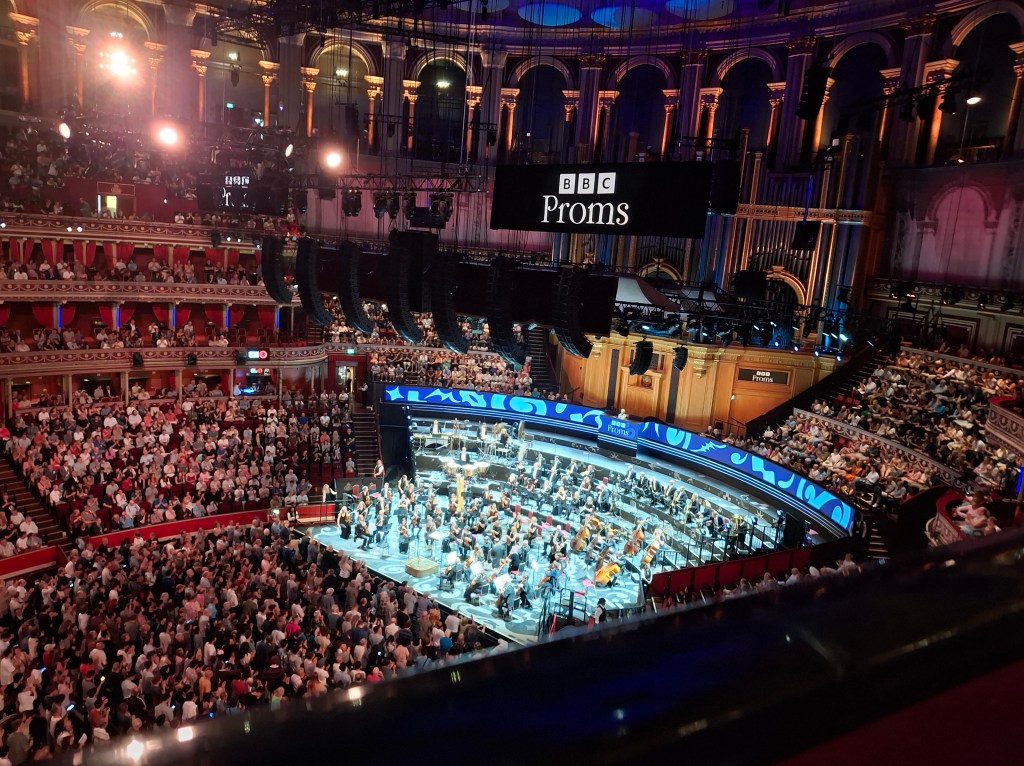
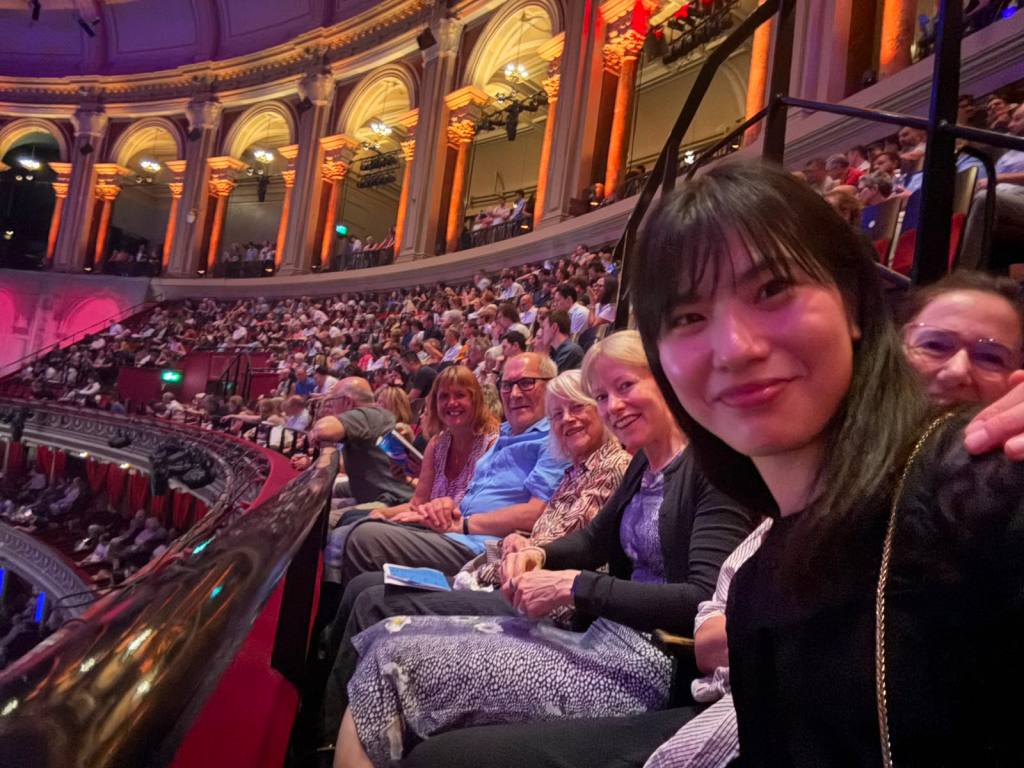
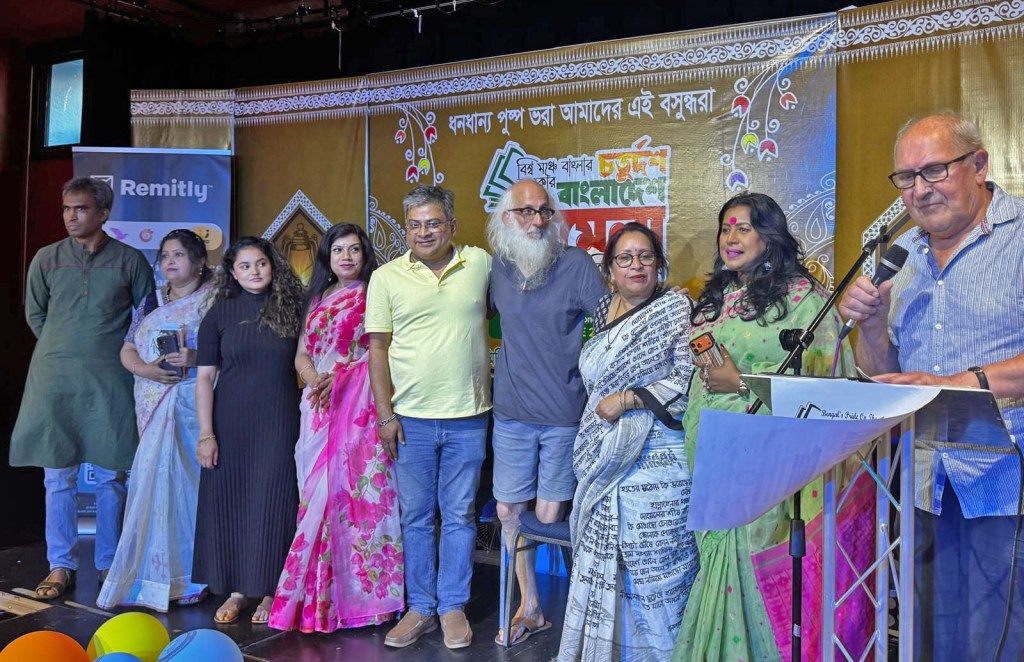
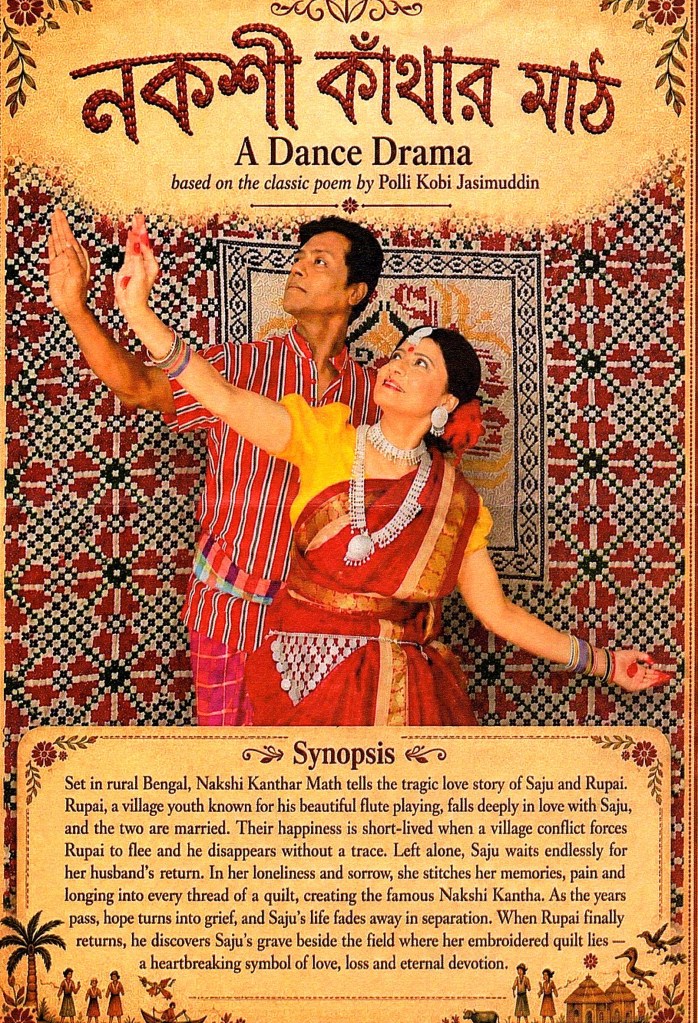
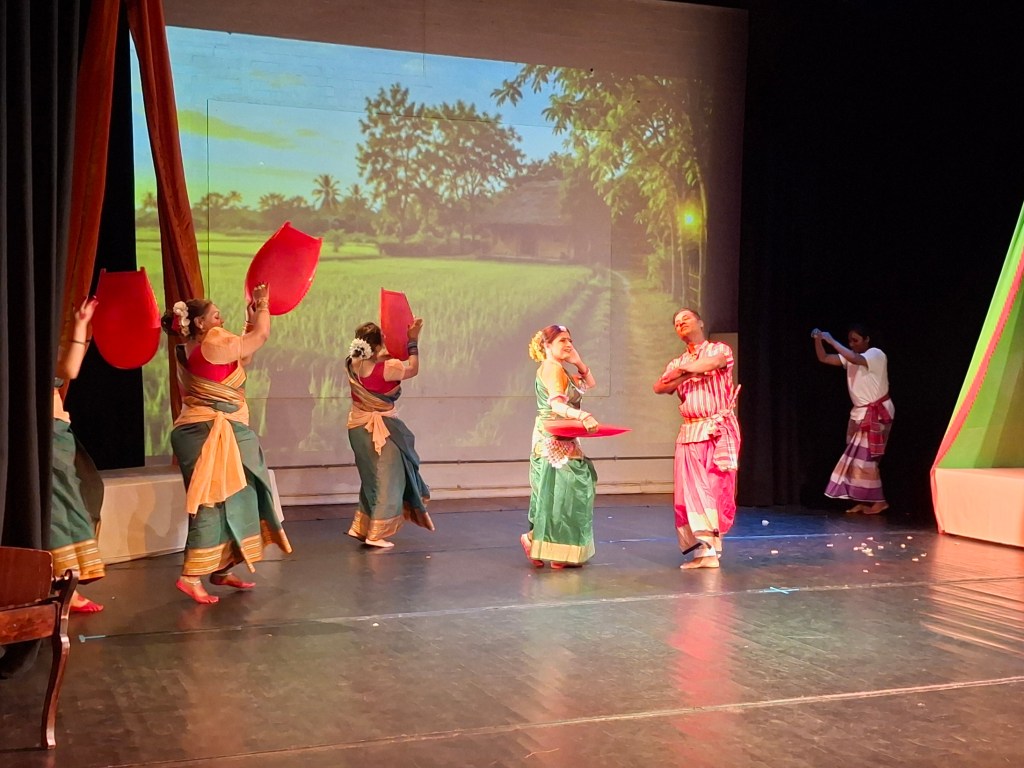
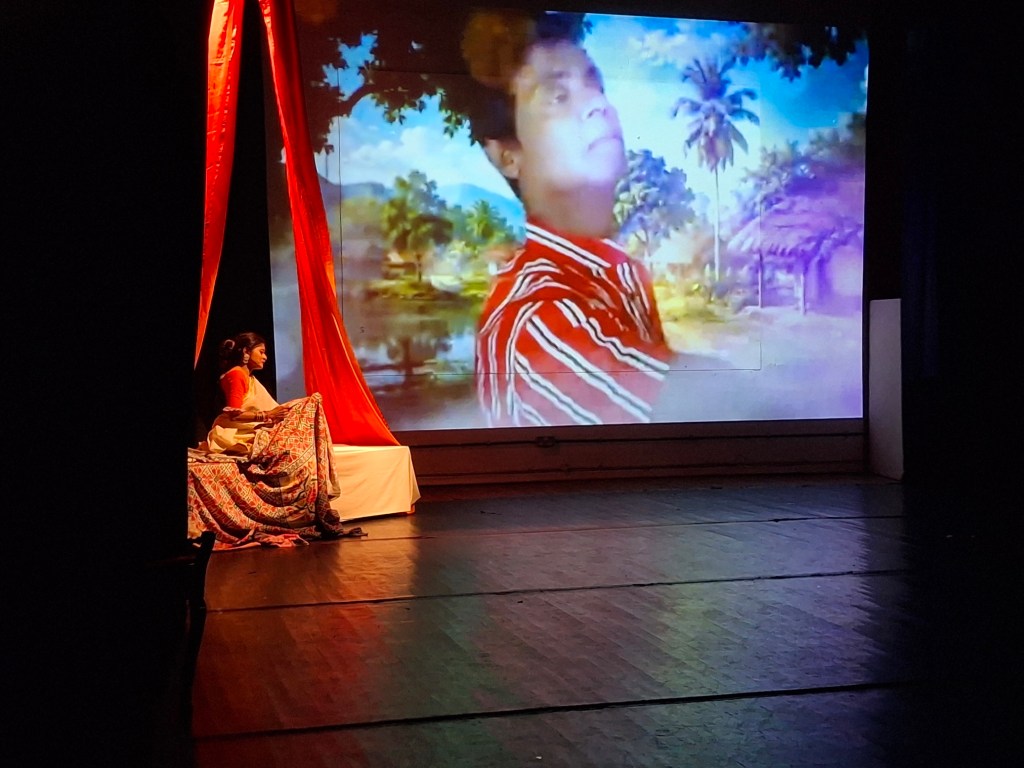
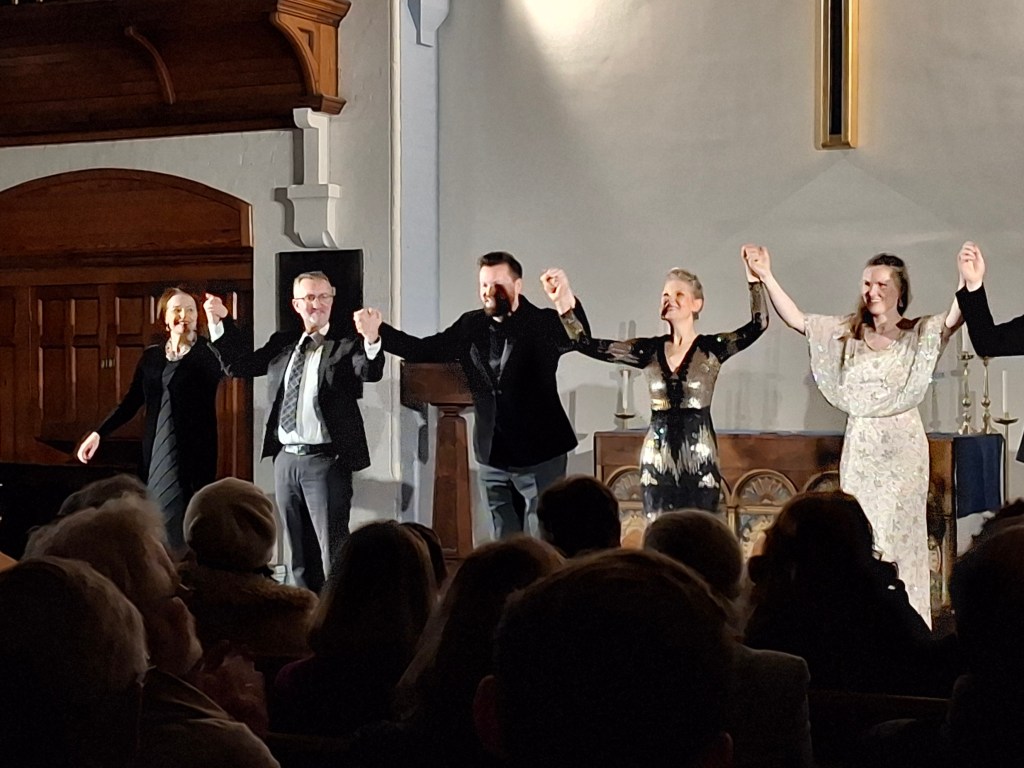
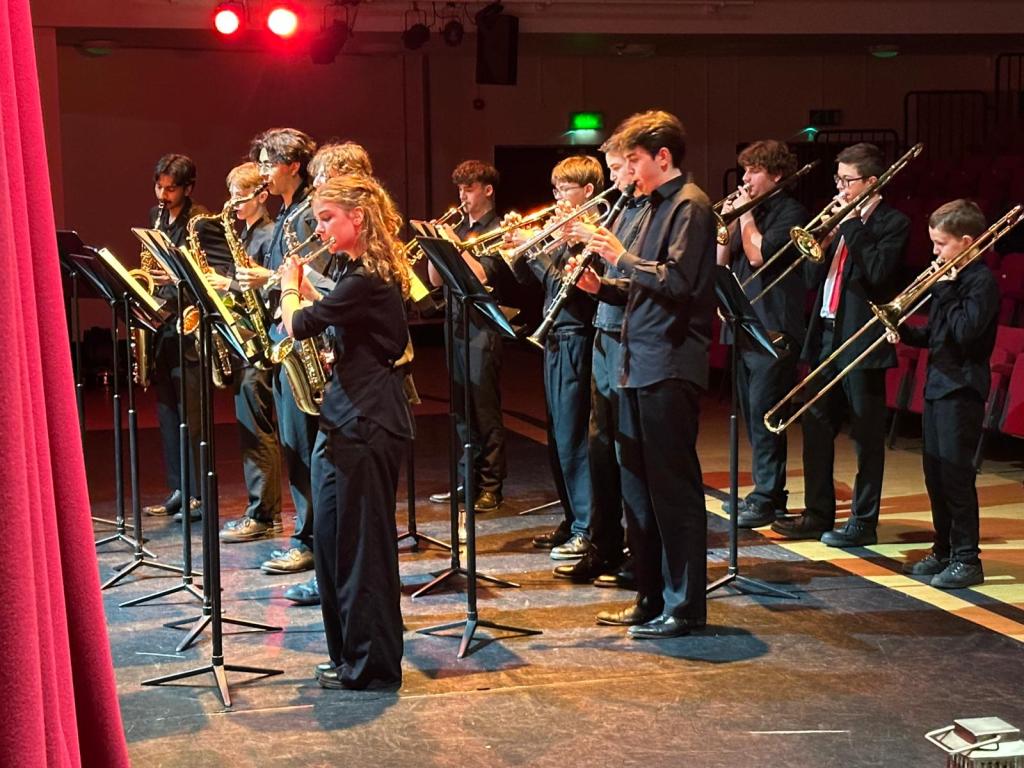
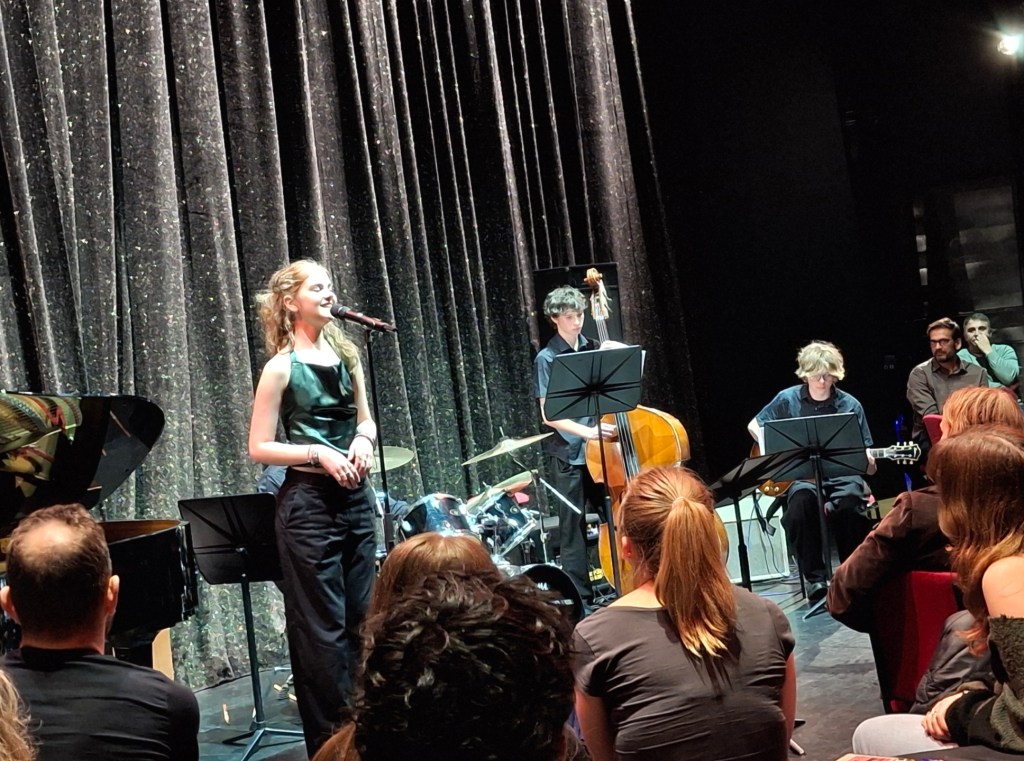
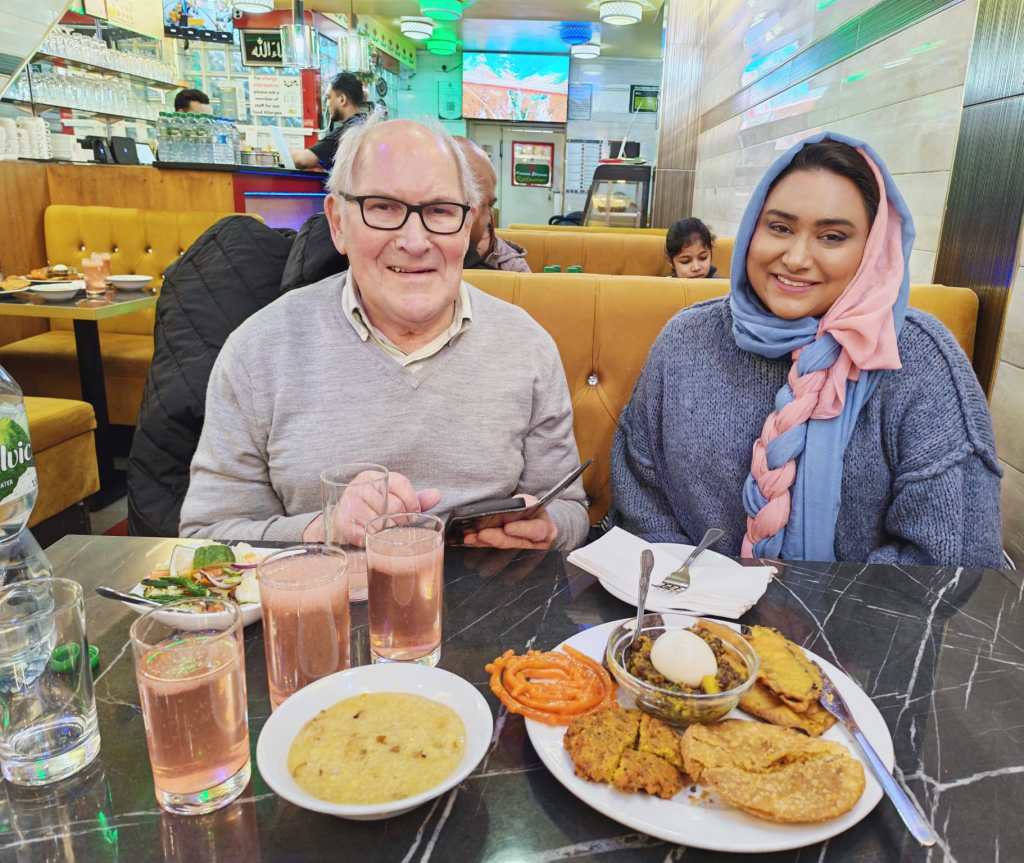
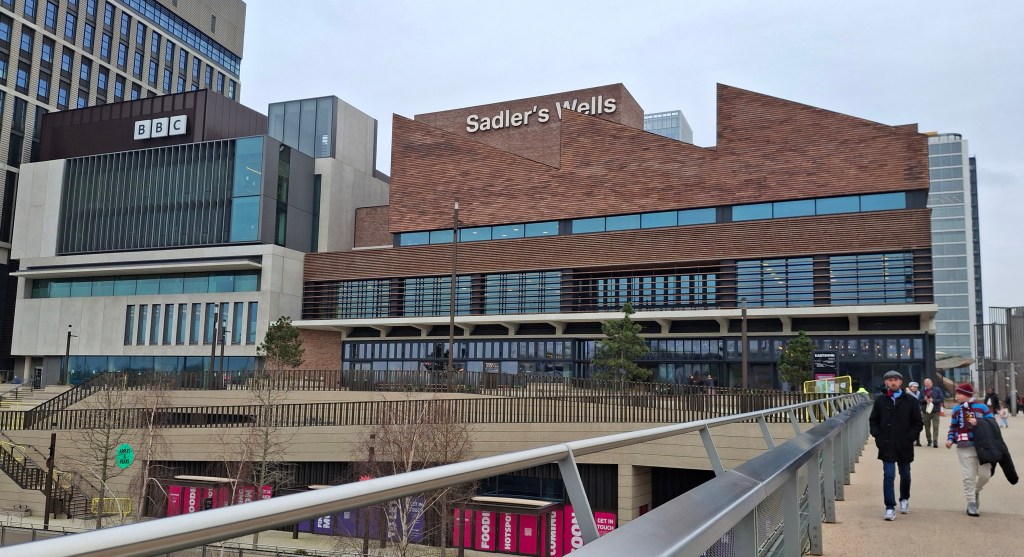
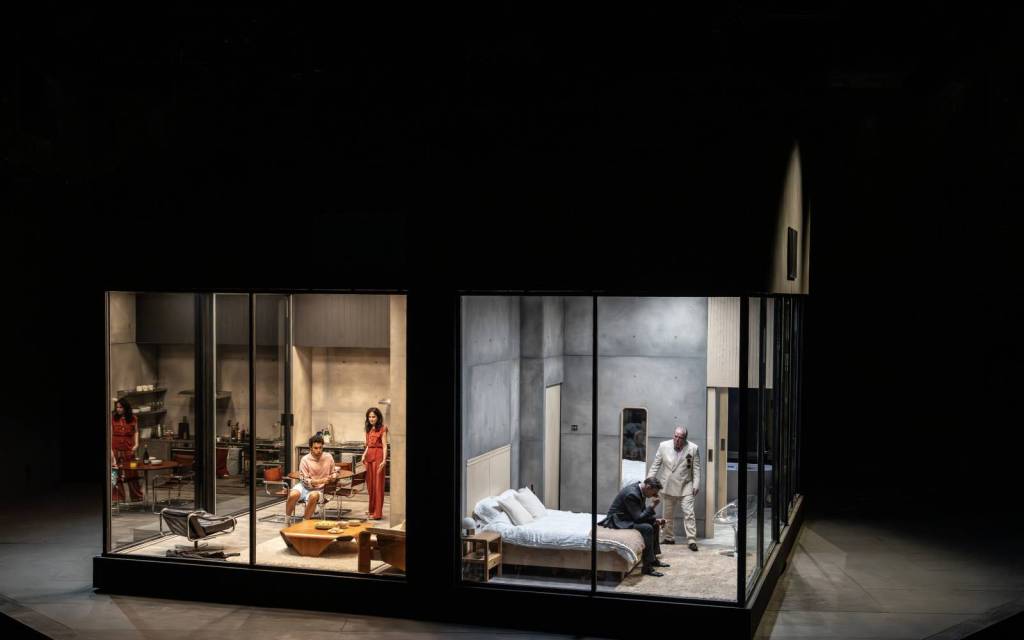
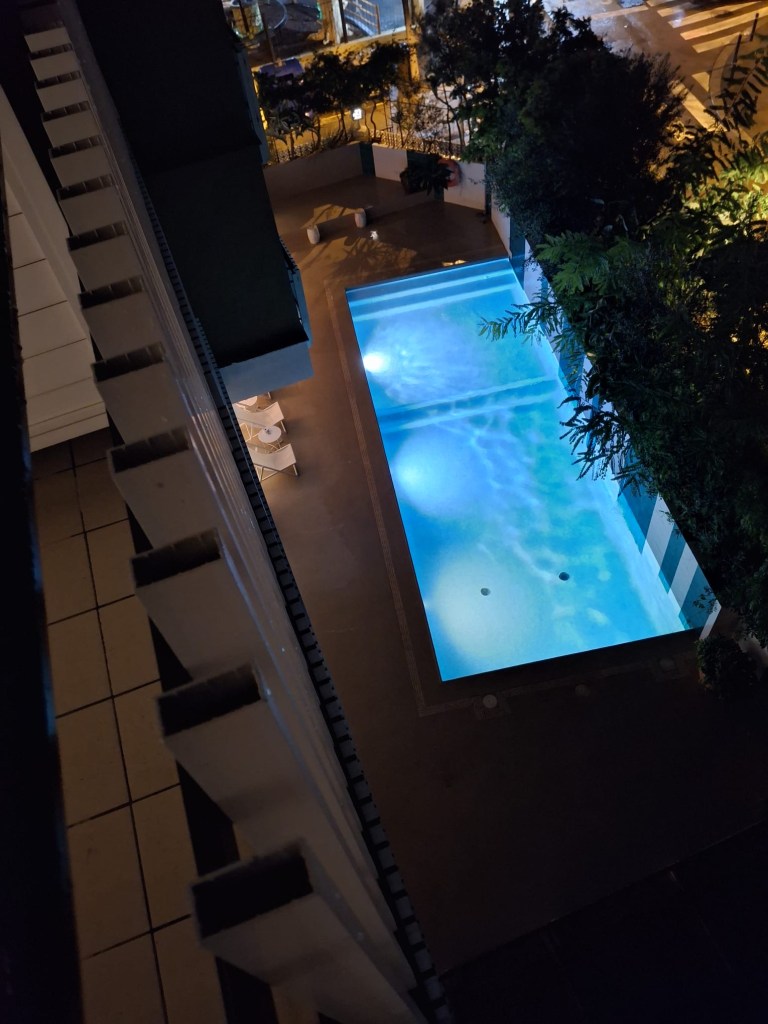
One and Two: My run of nine nights away from home in the evening started with Saturday at Sadler’s Wells East with Jo and Sunday with the last item on my previous blog with BBPC at Cable Street and dinner in Shadwell afterwards.
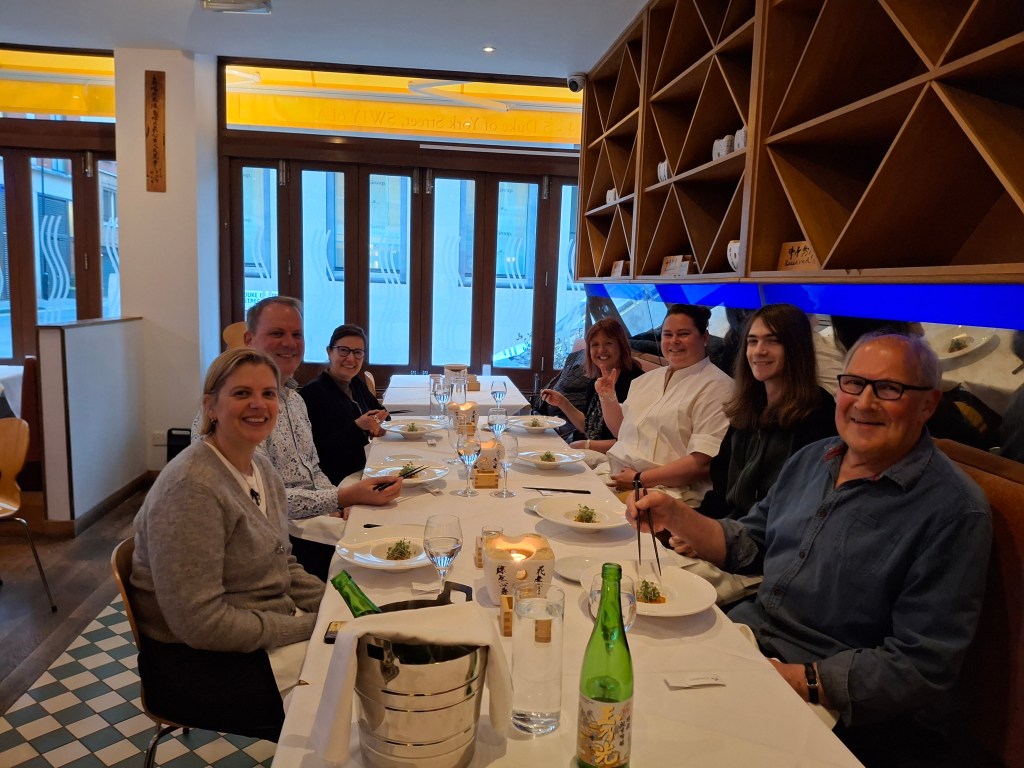
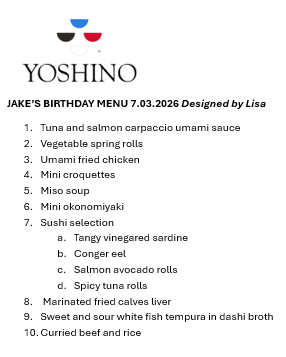
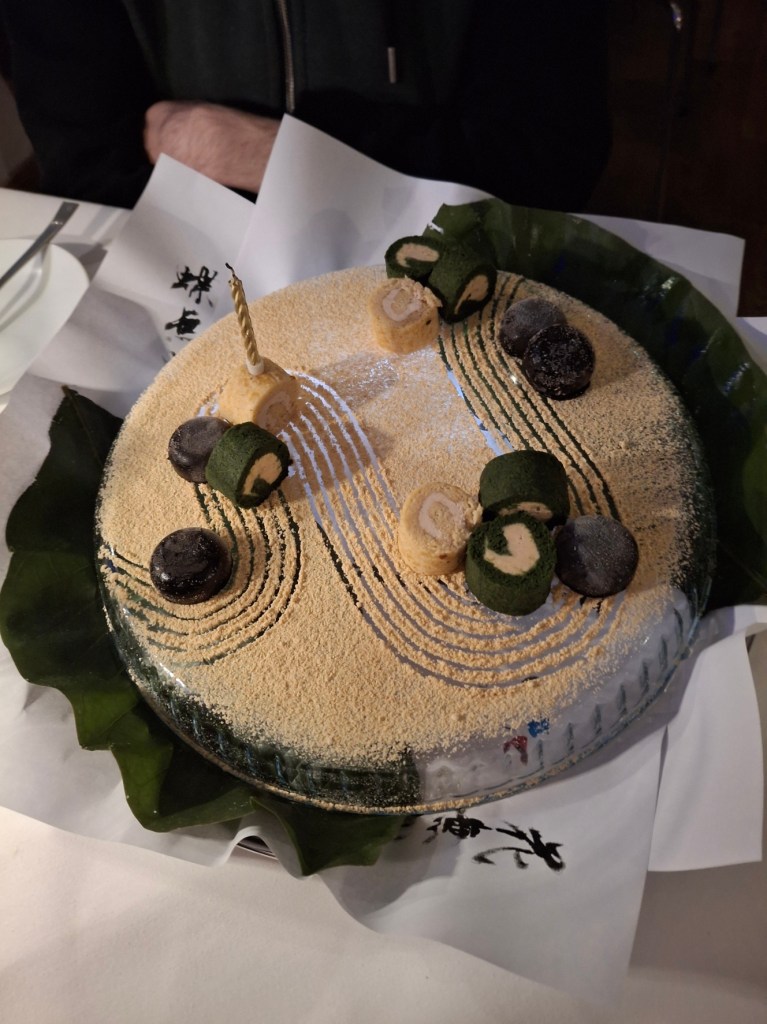
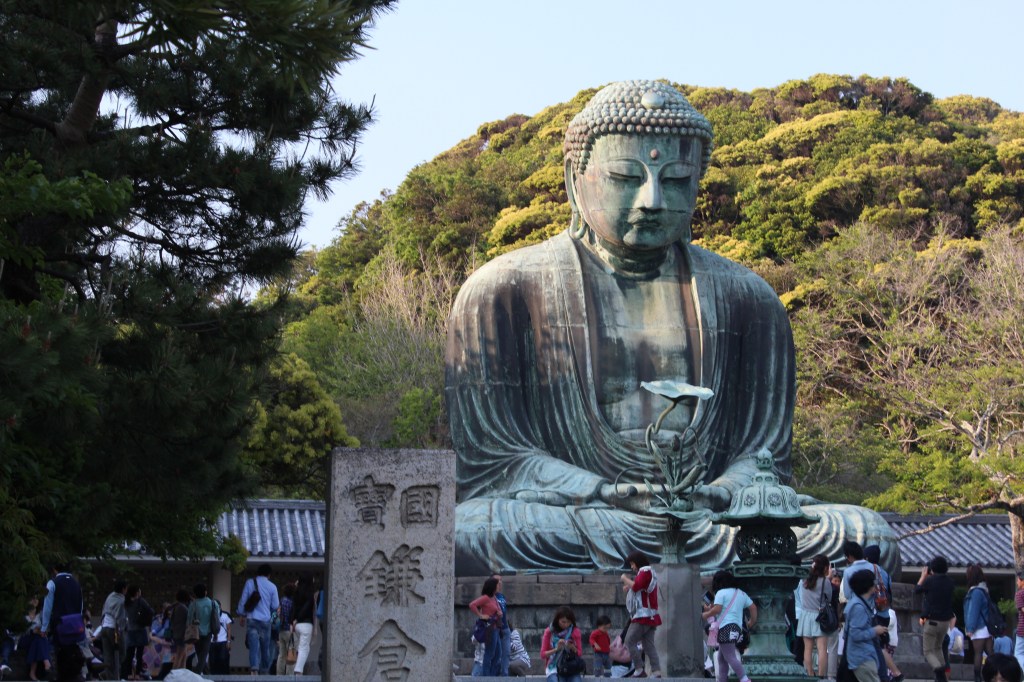
Three: The new week kicked off with a dinner at Yoshino. Few will need reminding that this serves the best Japanese food in London and has ultra efficient and very friendly Lisa as it host. Lisa introduced me to Shoko when she came to a Prom in August when Dani Howard’s SIGNAL was given its world premiere. Since then we’ve touched base briefly at Yoshino and at the Drink Japan festival but decided to spend an evening together. It got off to a good start when I gave Shoko a copy of 101 Great Things about Japan (still available on Amazon) and heard a succession of “wows” as she leafed through it and suggested that I know more about Japan than she does. The clincher though was that Dee and I had loved our visit to Kamakura which is Shoko’s home town. It is also the setting for Kore-eda’s lovely film Our Little Sister. Outstandingly good food as usual plus lots of time to chat with Lisa too as the restaurant was not too busy. A lovely evening and pretty relaxing for a change.
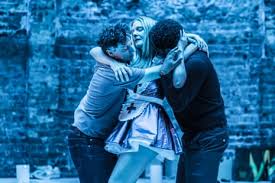
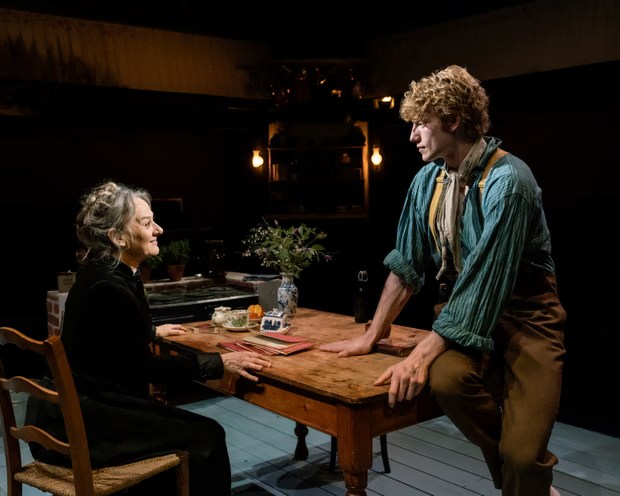
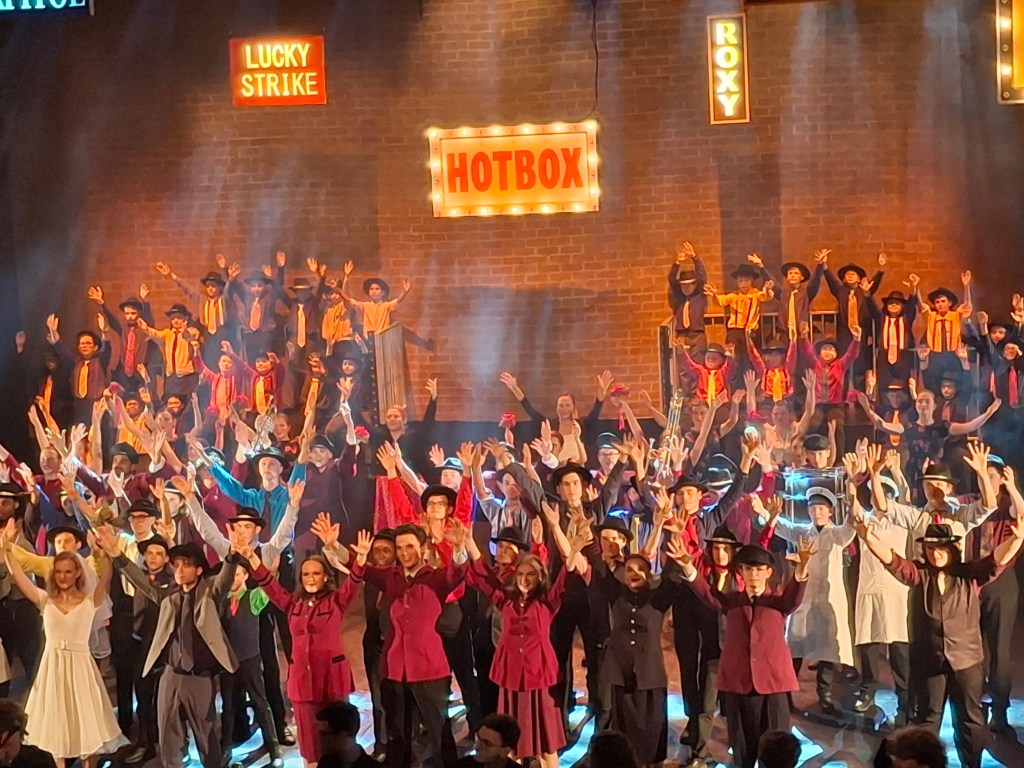
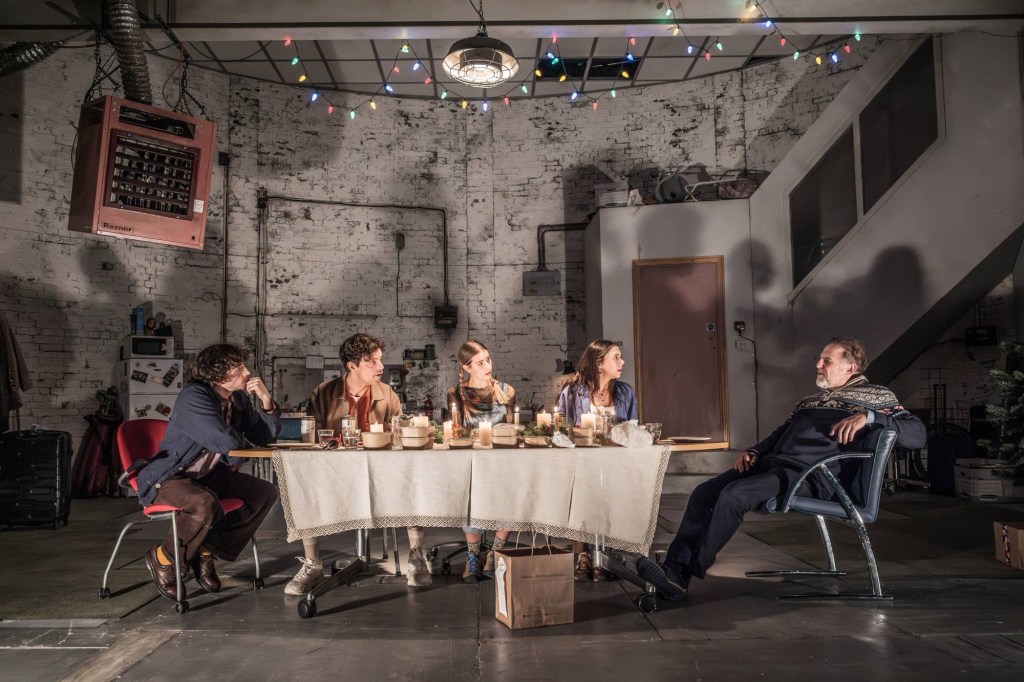
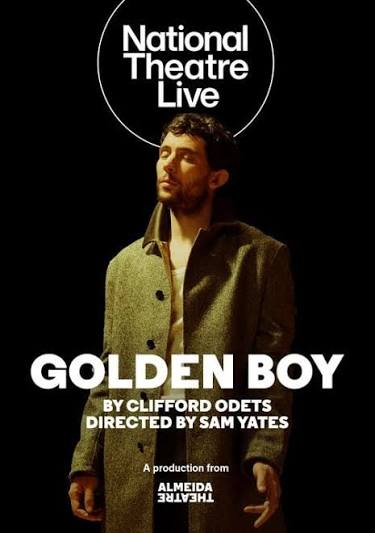
Four: Clifford Odet’s play Golden Boy is one I had not seen but heard of and knew it was to do with boxing. The Almeida production was excellent and featured Josh O’Connor in his first stage role for a decade as Joe Bonaparte, a promising violinist who is forced into prizefighting by a ruthless manager Tom played by Daniel Mays in a tour de force of coaxing, bullying and outright venality. He’s accompanied in his artifice by Lorna a hard-boiled Hayley Squires with a soft interior.
There’s a string quartet on an elevated platform at the back of the set who sparingly add poignant commentary on the action. But how do you show boxing on stage? Both symbolically and physically is director Sam Yates’ solution. A suspended punch bag has an embedded camera so we see both actual and projected close ups of Joe’s fights. For a play from 1937 it felt very fresh looking at difficult choices that have to be made to survive in hard times. Family pressures, feelings of responsibility, emotions, pride and jealousy are all there in a clearly guided production which left me with memories of some moments of great theatre some fine action and to ponder about moral dilemmas. A very worthy revival. And if you can’t get to the theatre it’s on NT Live in cinemas.
Five: On Monday, Shoko had decided she was free to accompany to what would be her first ever jazz gig. As an accomplished viola player she knows her music but had never been to hear jazz of which she professed ignorance. I had a job to do as I was to write a piece for All About Jazz anbout London’s latest jazz venue, the Blue Note London in St Martin’s Lane. The evening opened with a set by Gary Crosby’s Tomorrows Warriors. This charity run by Gary and his wife Janine for 39 years now, has done more than any other group to foster jazz in the UK and has some notable successful alumni including the Mercury prize-winning Ezra Collective and figures like Denys Baptiste, Soweto Kinch and Nubya Garcia. I’ve decsribed the gig elsewhere https://www.allaboutjazz.com/blue-note-comes-to-london but the best for me was to see alongside veterans like Denys and Gary himself, young graduates of the Warriors being given space on London’s latest big jazz stage. Next best was Shoko’s reaction who had her eyes ands ears opened to a new genre that she is keen to explore further. “I’m in a daydream about last night” she messaged next morning.
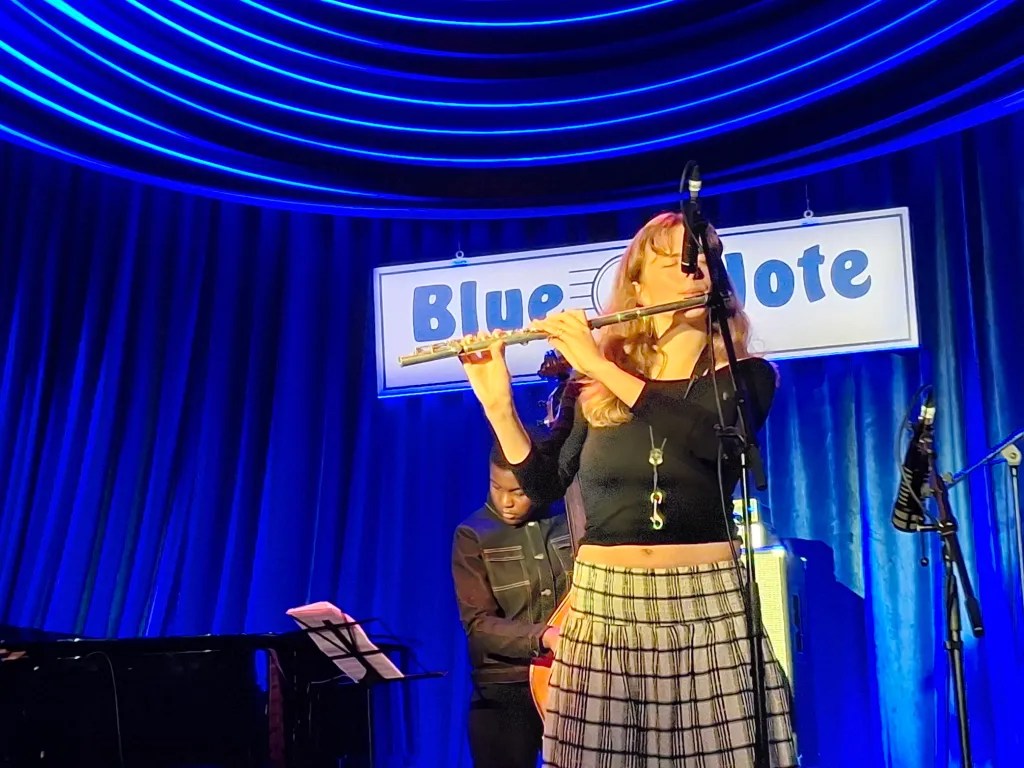
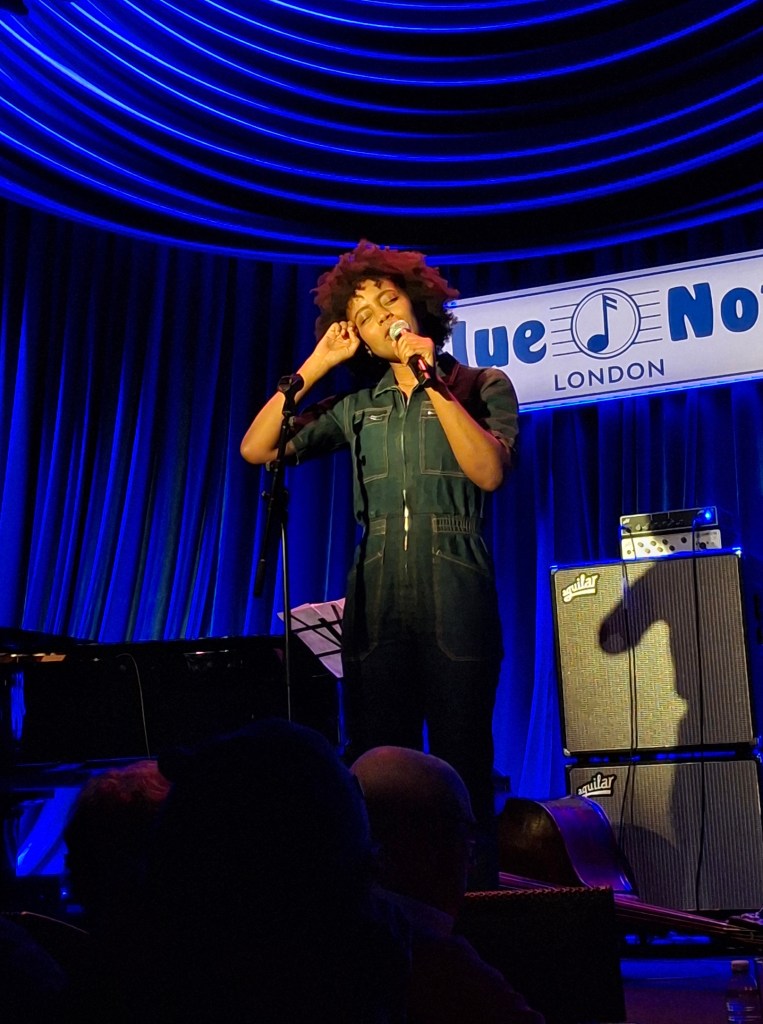
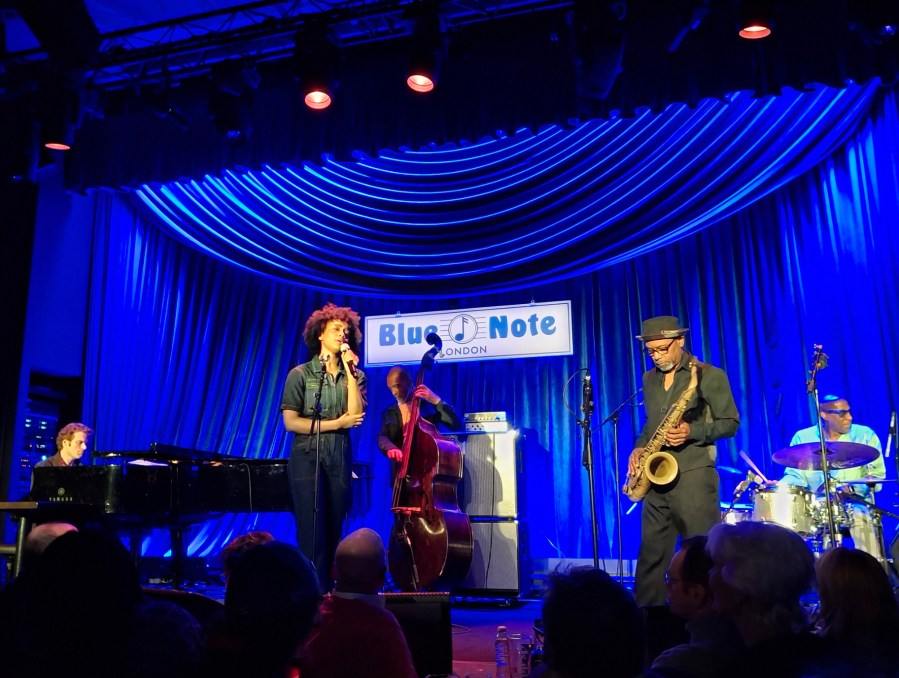
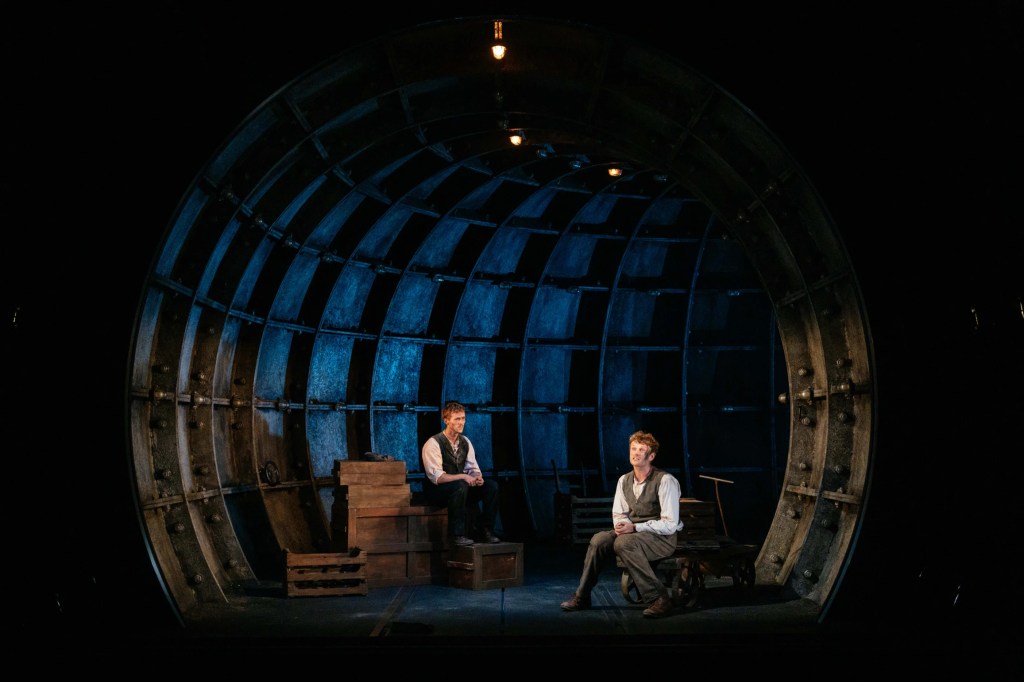
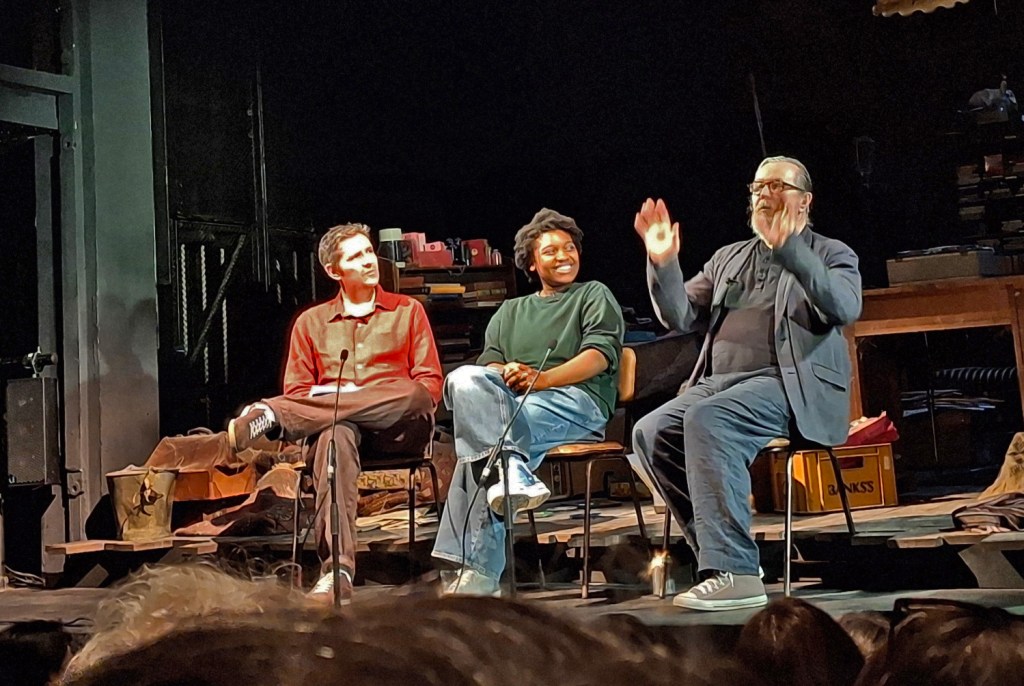
Six: I joined Frances for an insight event at the NT on Thursday prior to seeing Electra/Persona. We heard about the casting process and prop making and gathering both of which were interesting in the quantity of both that are done by in-house staff – many theatres use external casting directors and set and prop construction companies.
The play stars Cate Blanchett and Nina Hoss who get a (tonight) fumbling audience member to toss a coin to see who will play which main part Electra or Clytemnestra and Elisabeth or Alma. We had Blanchett as Electra/Elisabeth. The first half is a loose adaptation of Sophocles, played out on a massive wooden staircase on which I frequently worried for the actors’ safety and was glad I didn’t have to do the risk assessment. It was lively, bloody and exciting but whether Benedict Andrews had added anything to the classic text was up for debate.

Having talked earlier about video tech in the theatre, the second half – no interval but 15 minutes of clearing rubbish off the steps – was a staged homage to Bergman’s film Persona. I’m not sure which is the easier role: the mute Elisabeth subjected to extreme close up video projections while she huddles under a blanket or scuttles across the steps or Alma who tries to cajole her out of depression. A highlight was Ella Lily Hyland as Elektra’s sister Chrysothemis and providing the running commentary in Persona as Anna who coincidentally is a star of my son-in-law’s latest TV series Tall Tales and Murder which comes to BBC on November 3. Please boost his ratings!
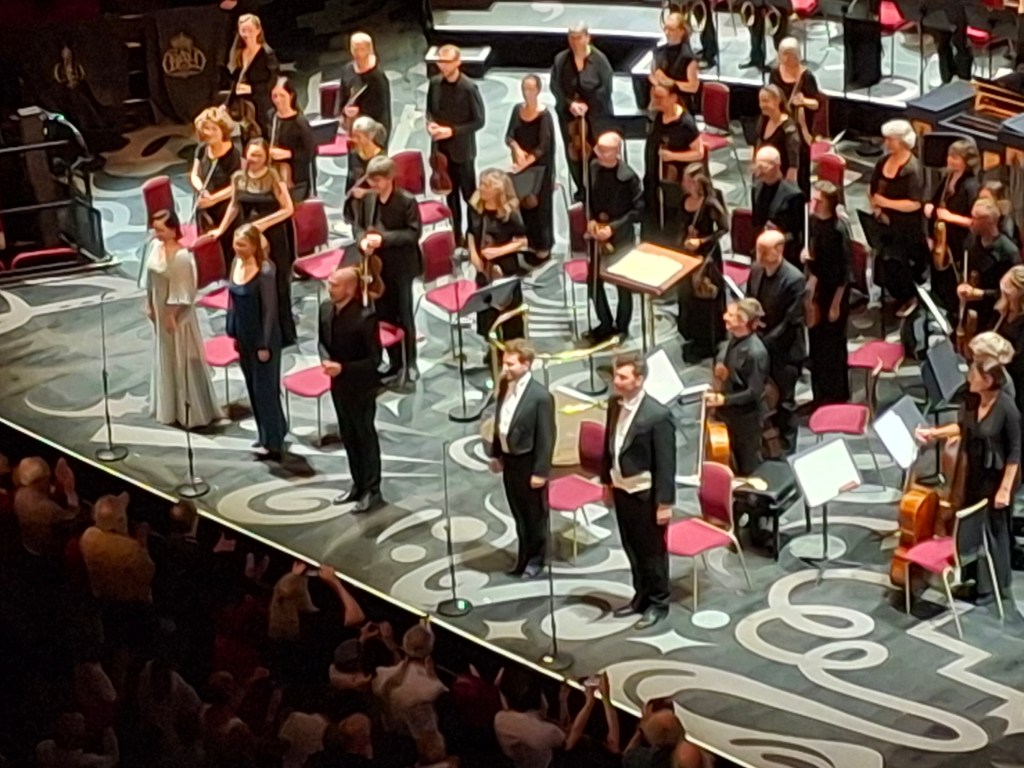
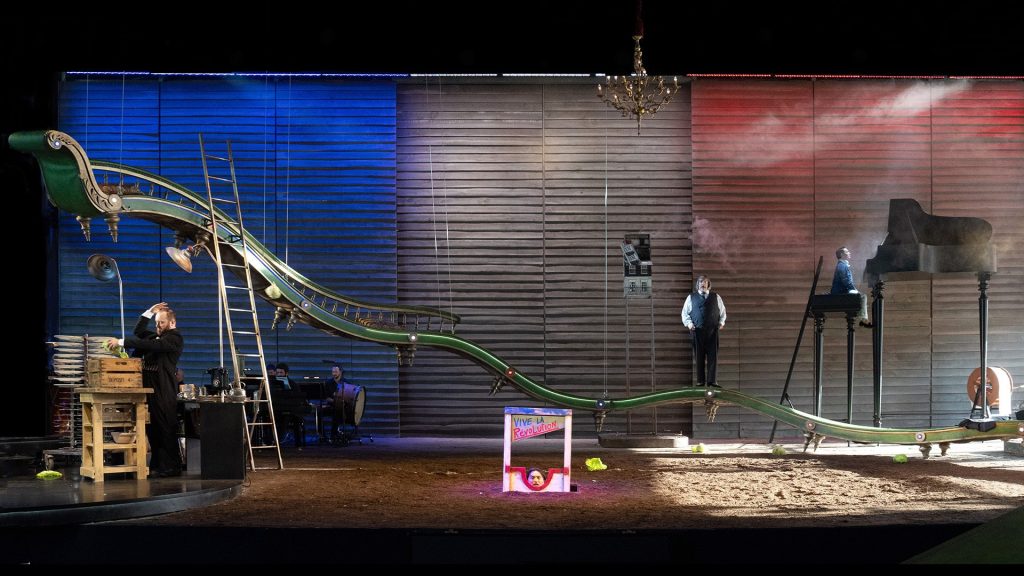
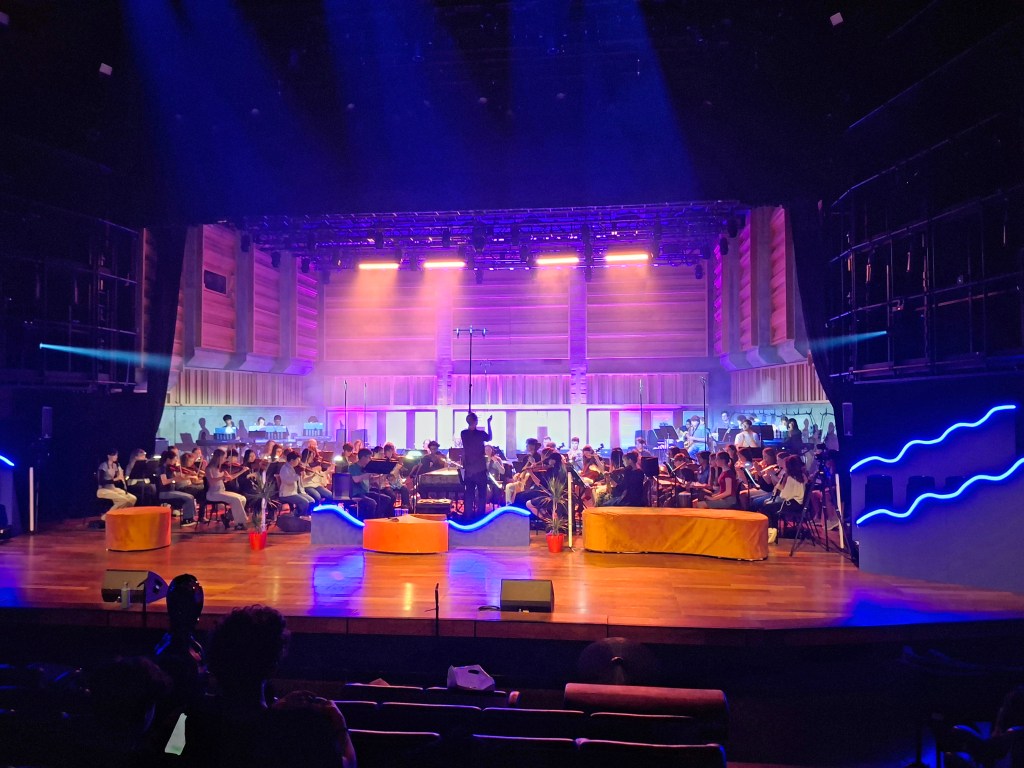
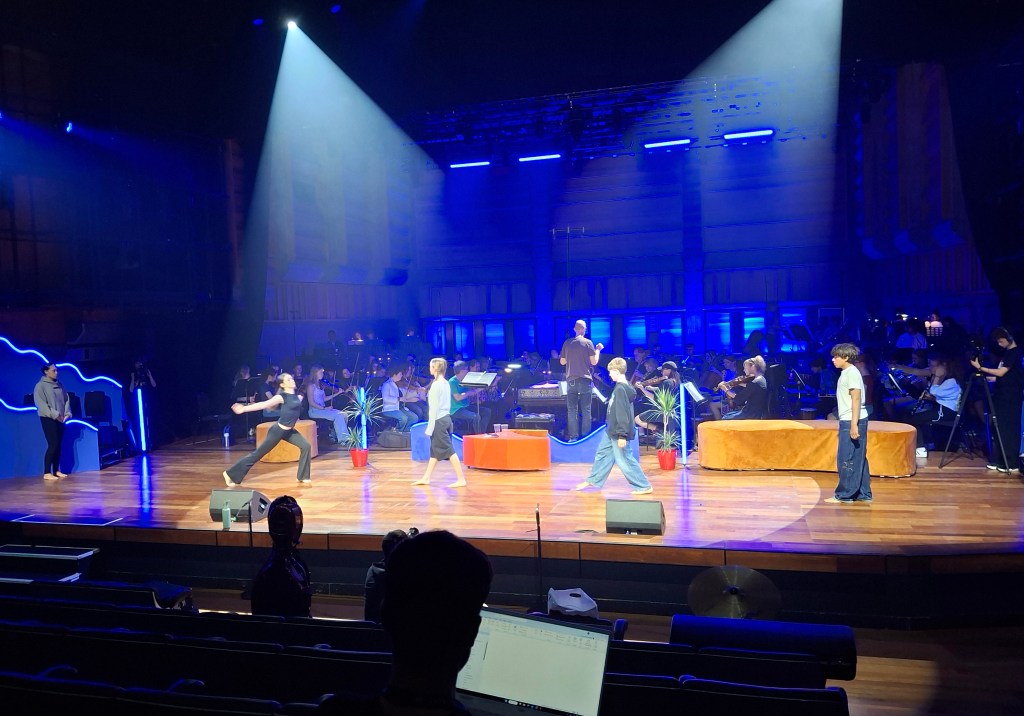
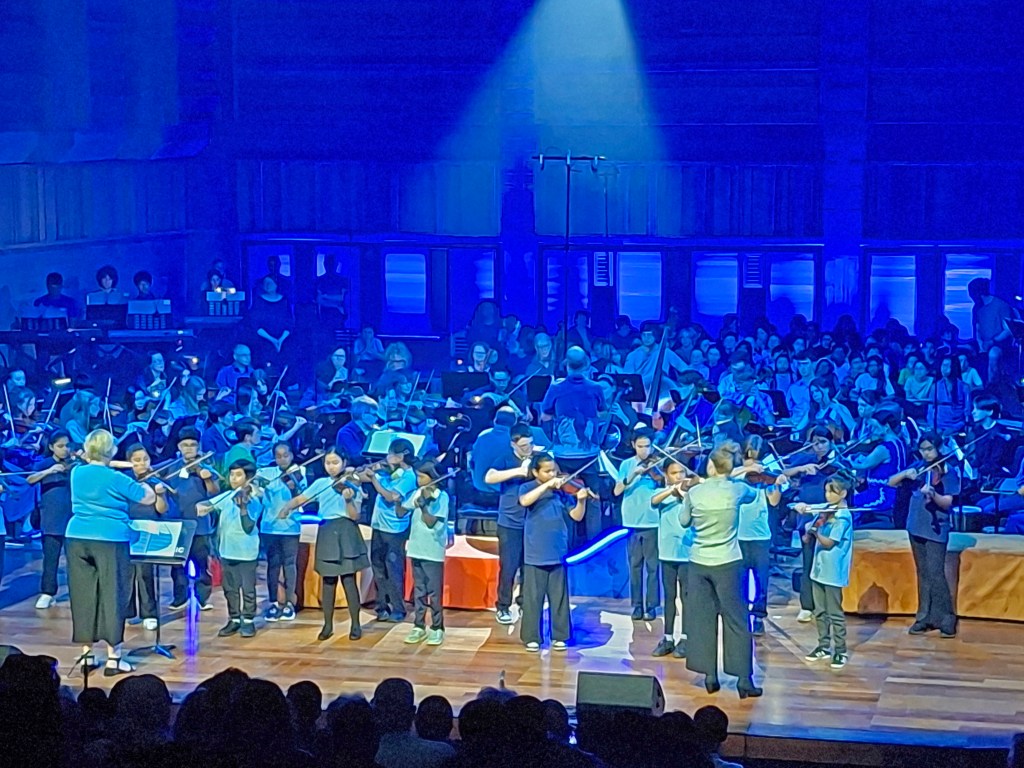
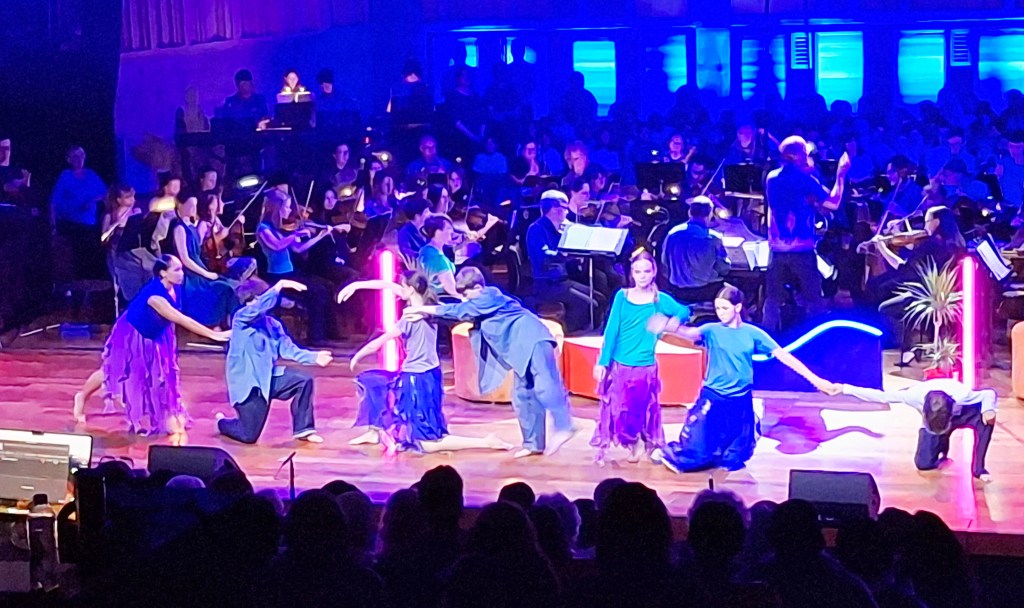
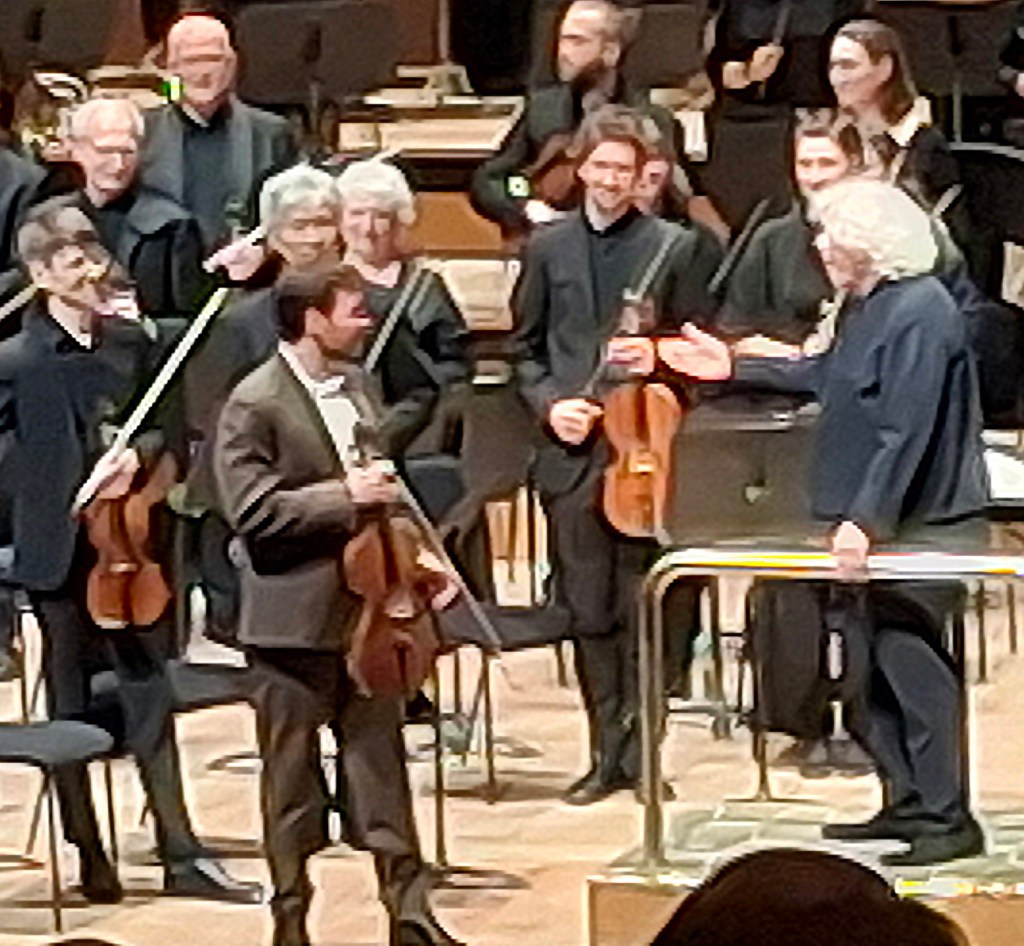
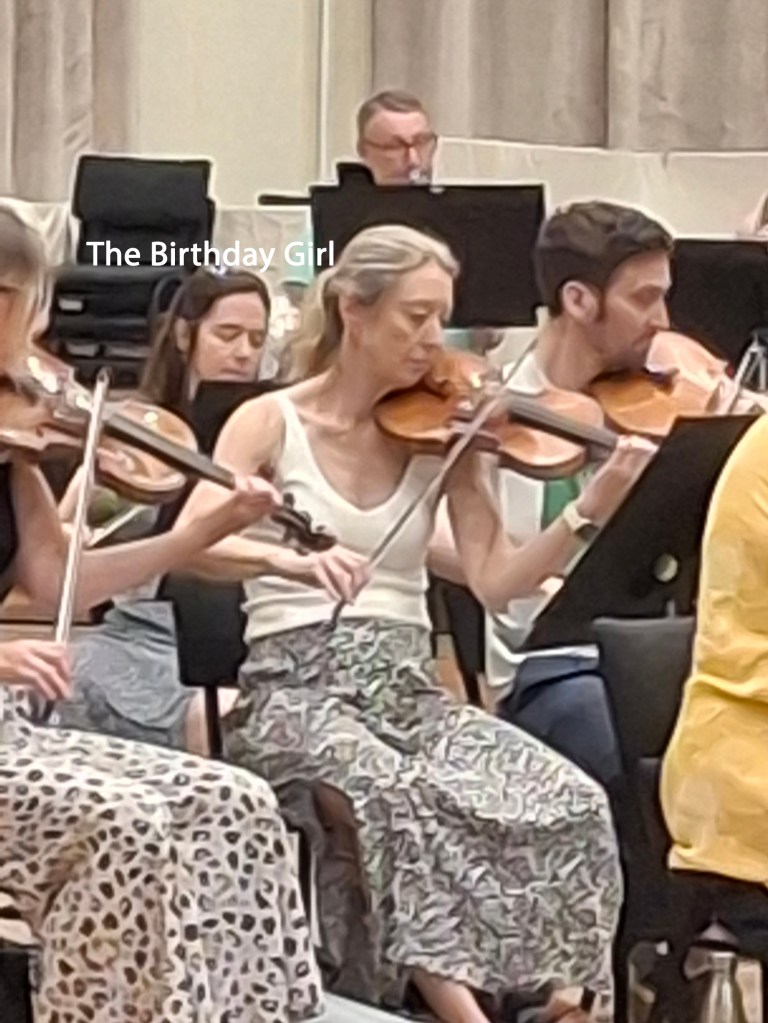
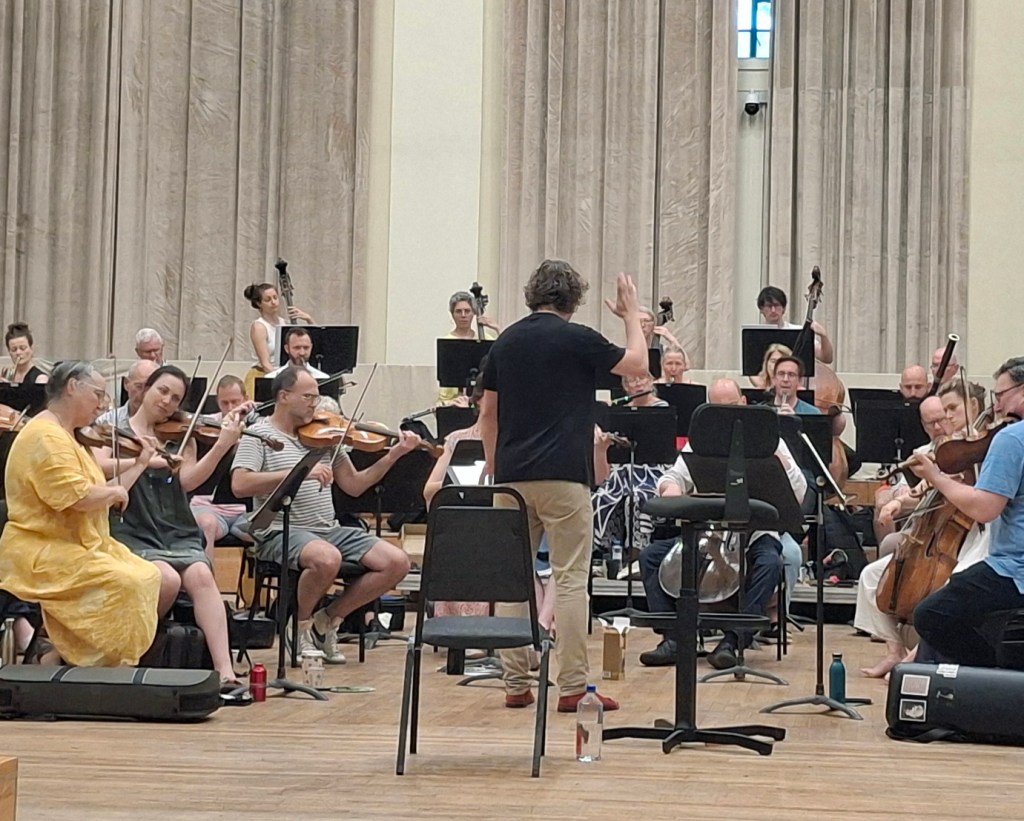
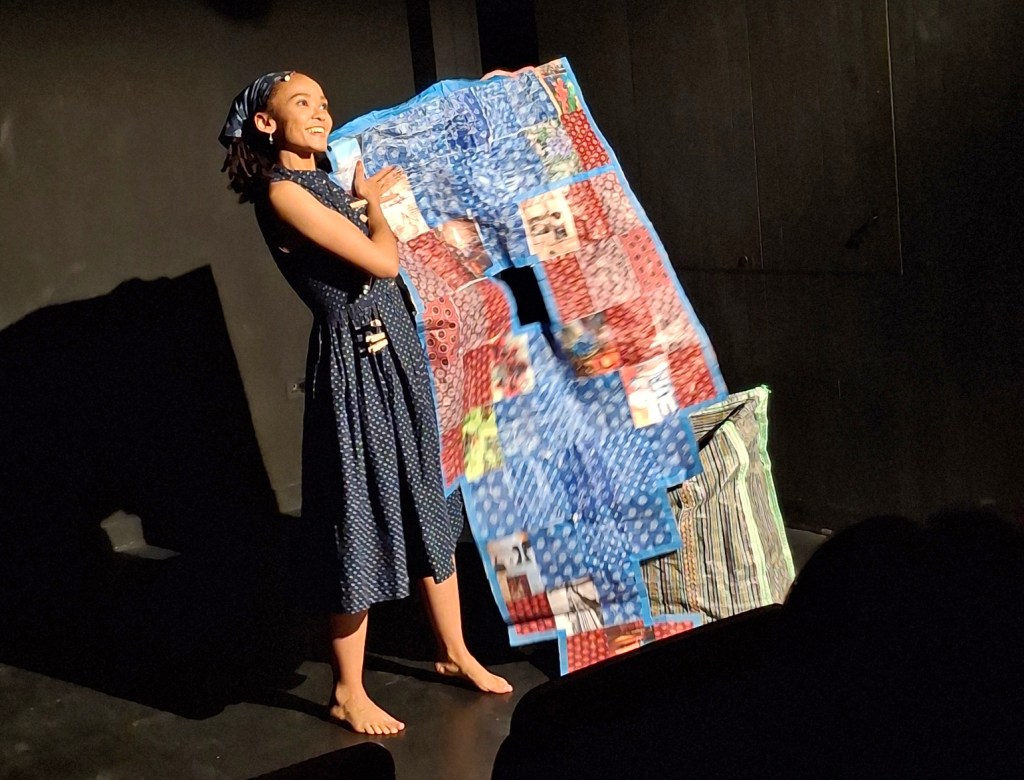
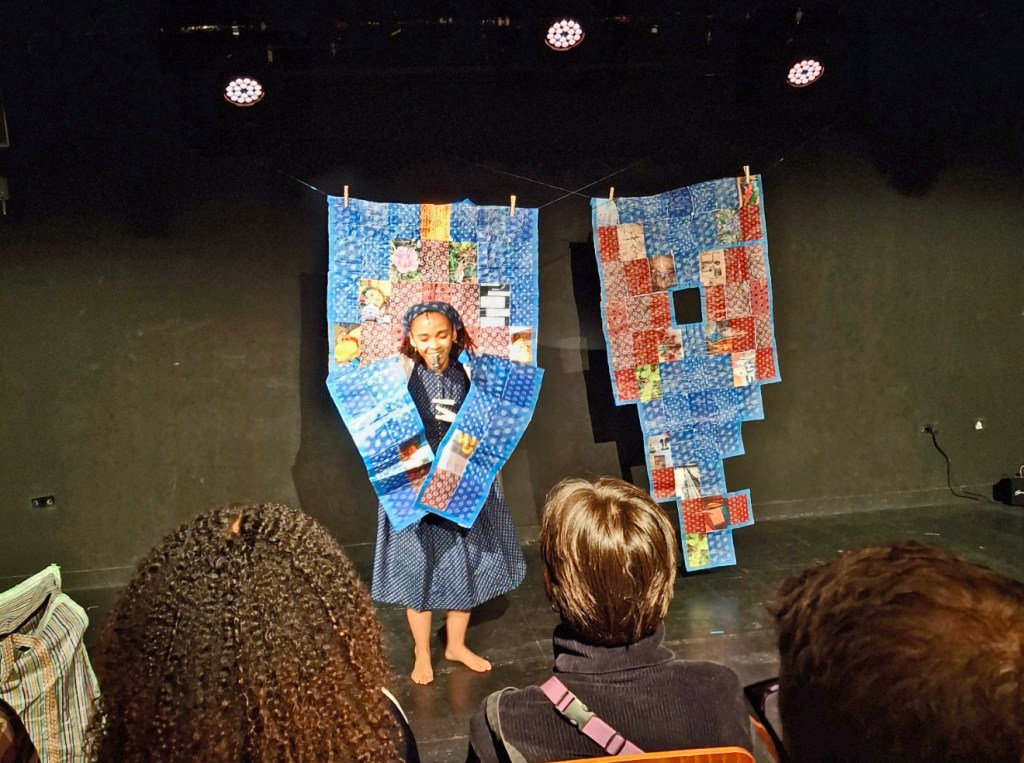
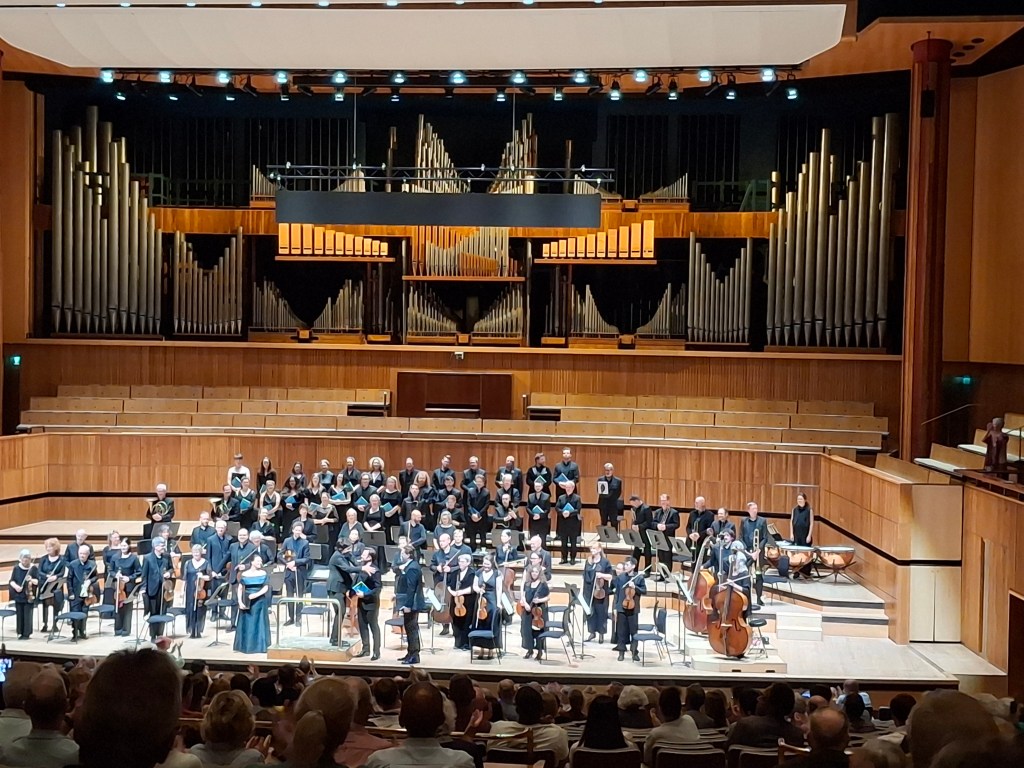
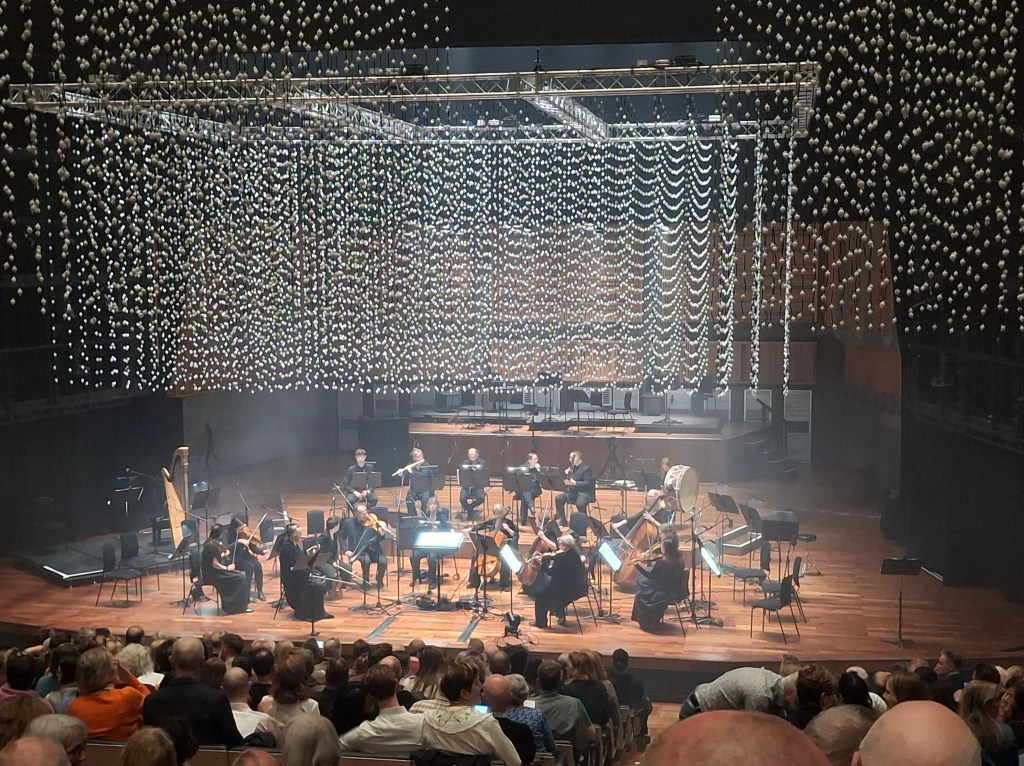
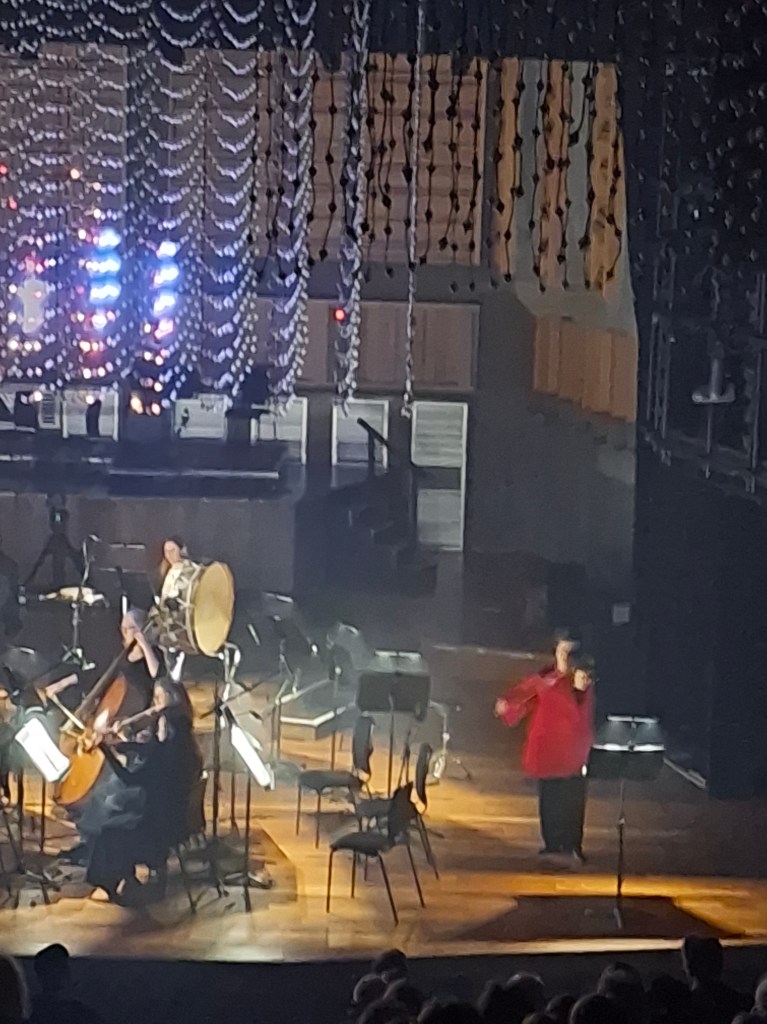
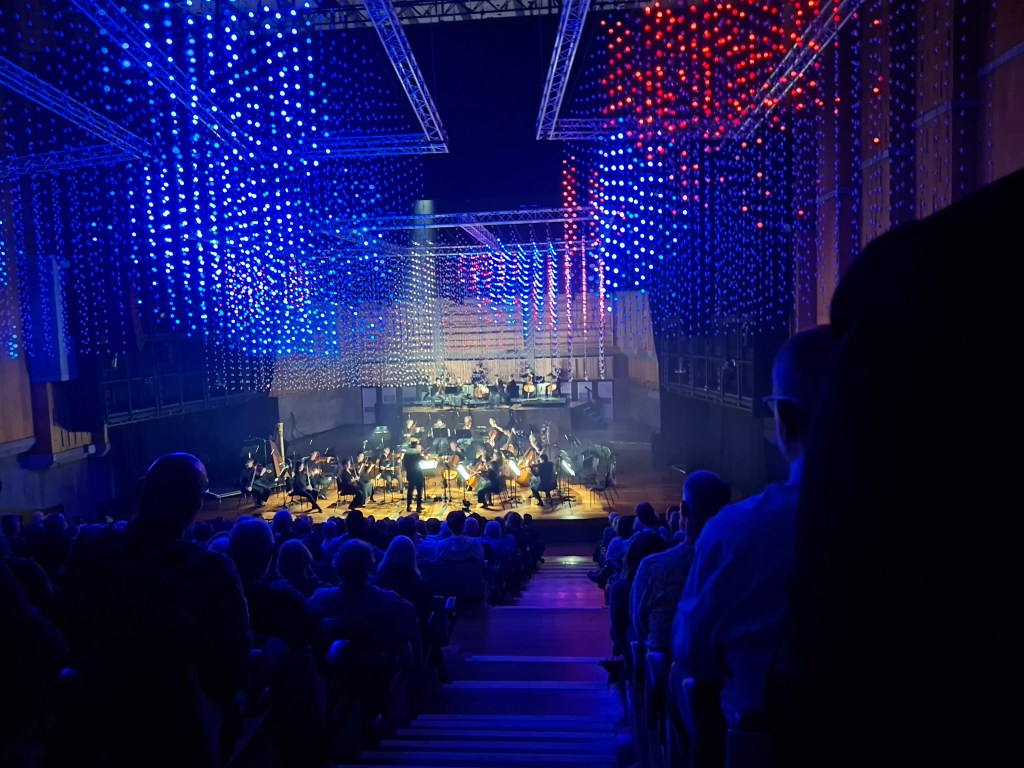
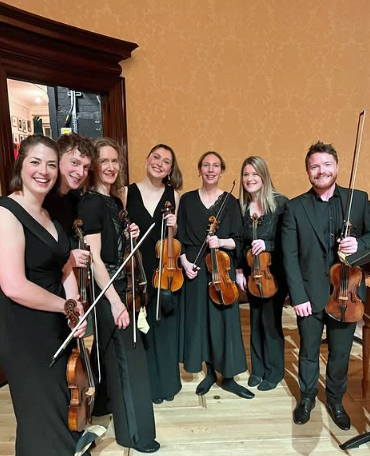
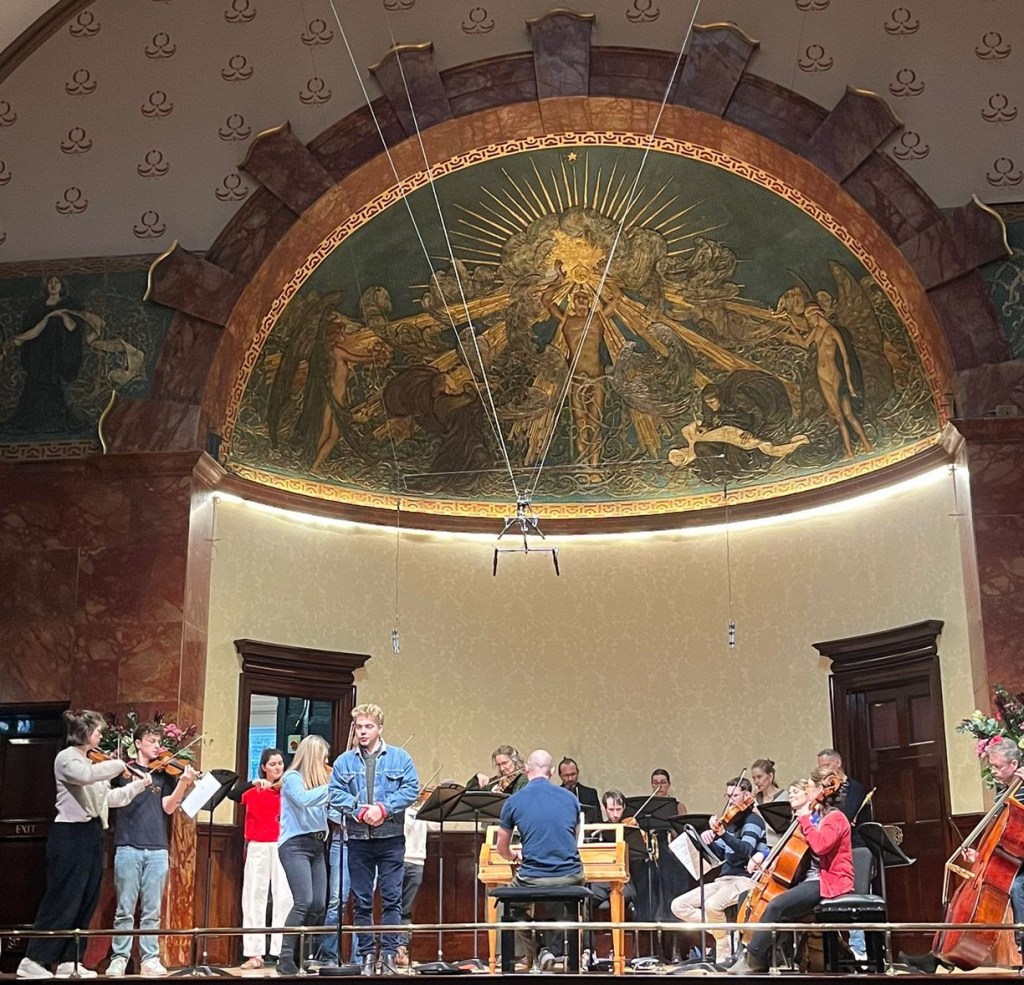
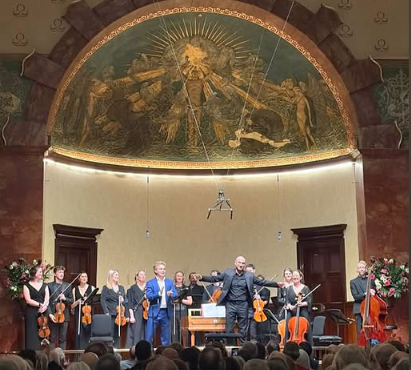
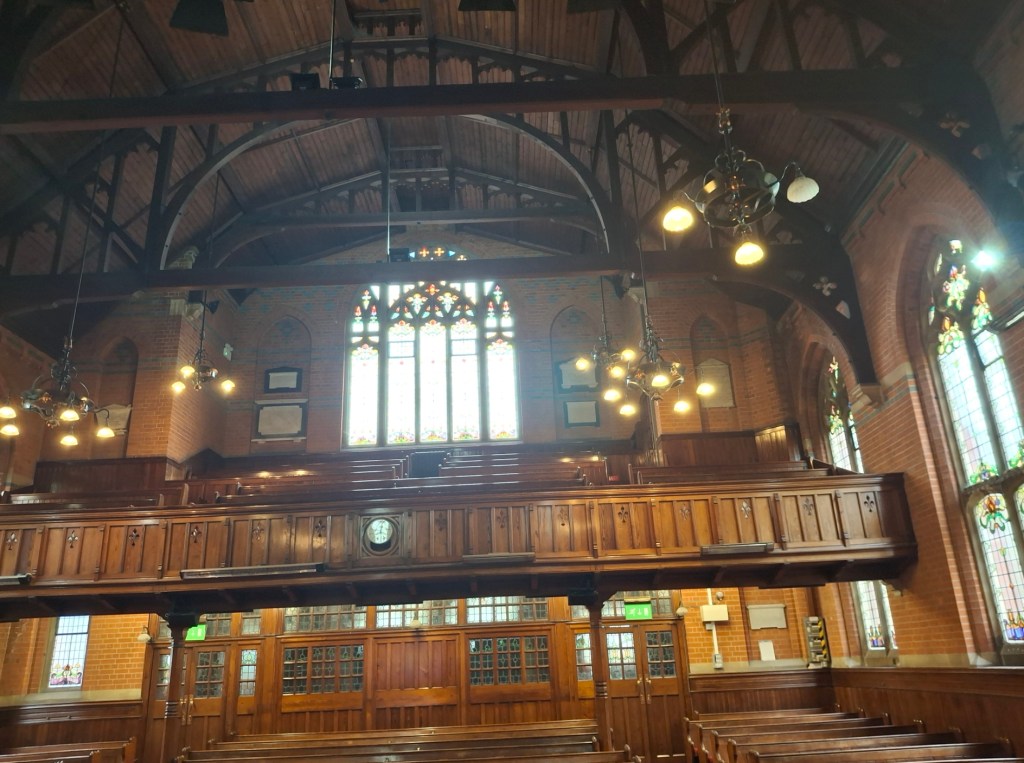
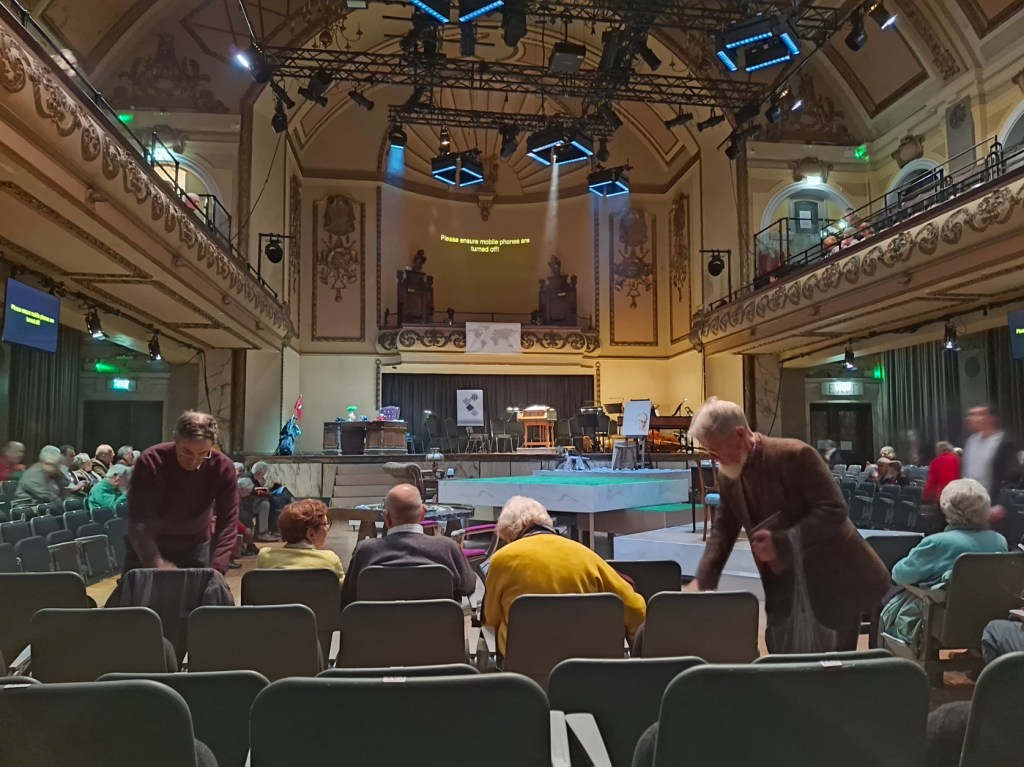
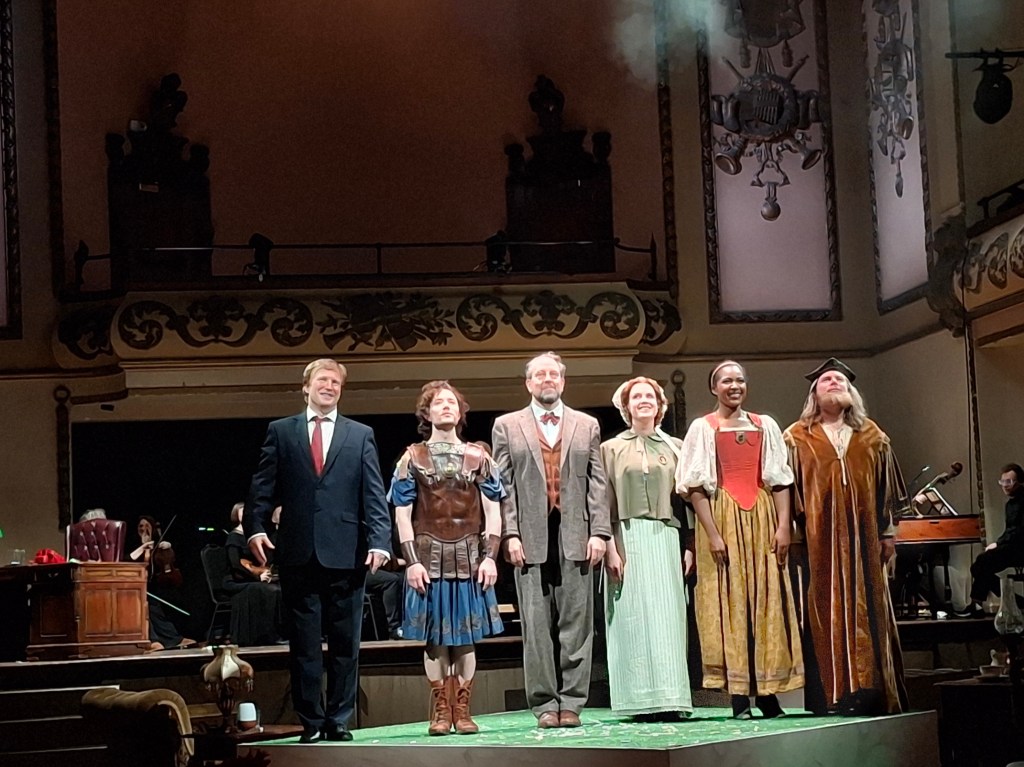
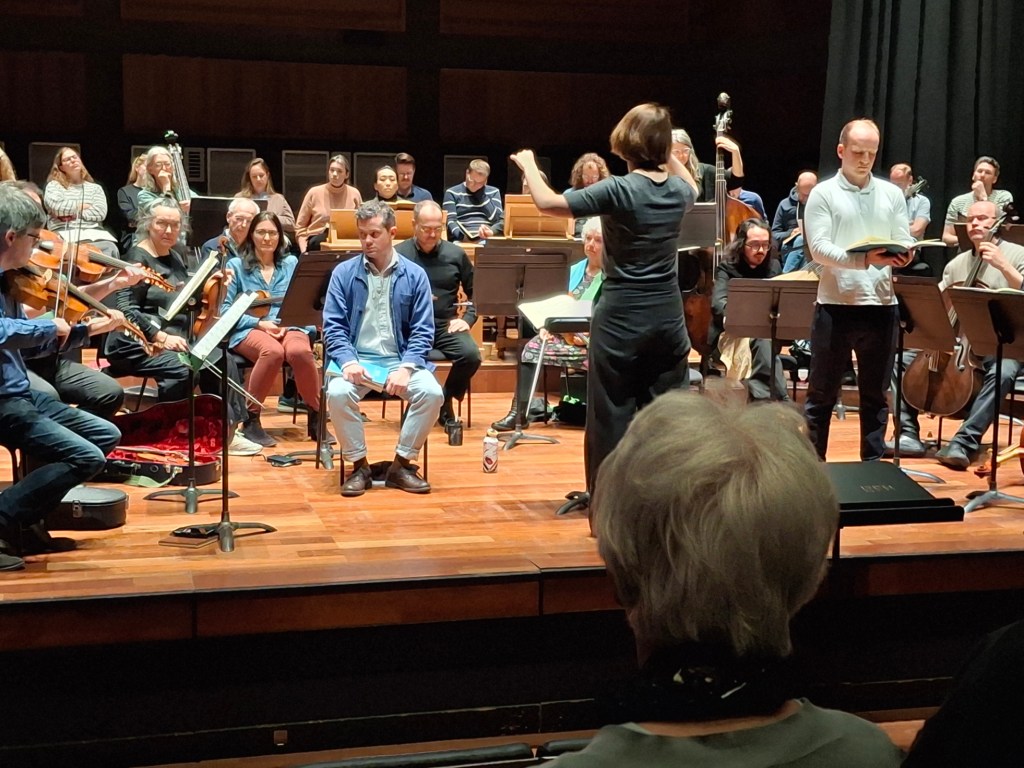
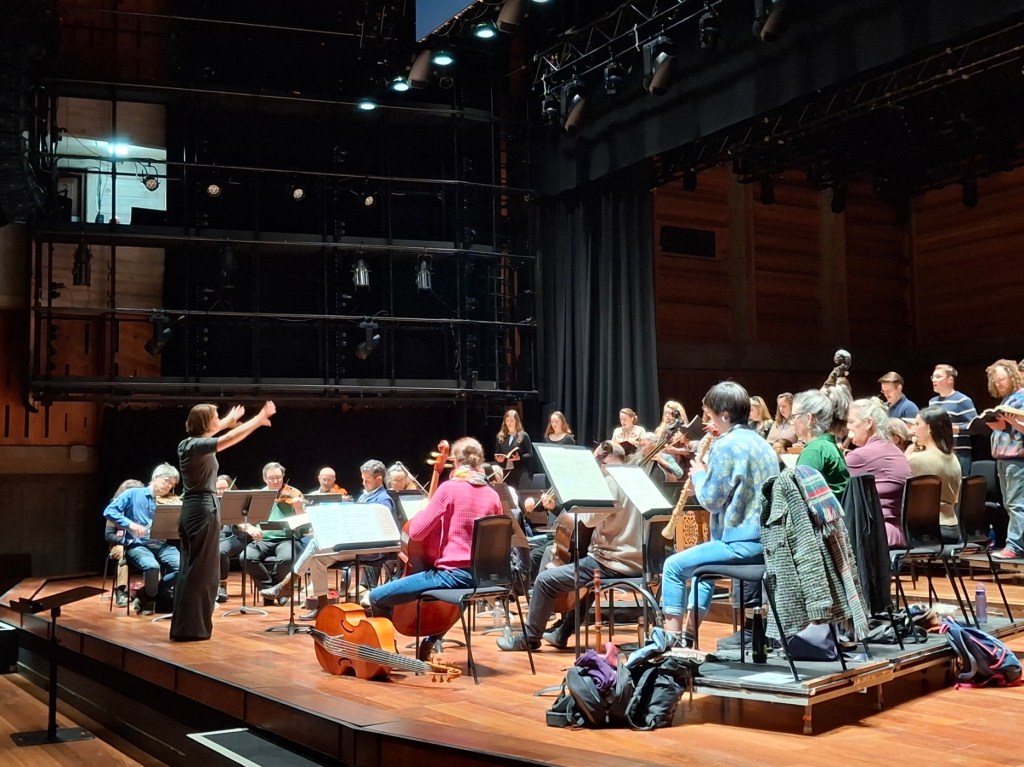
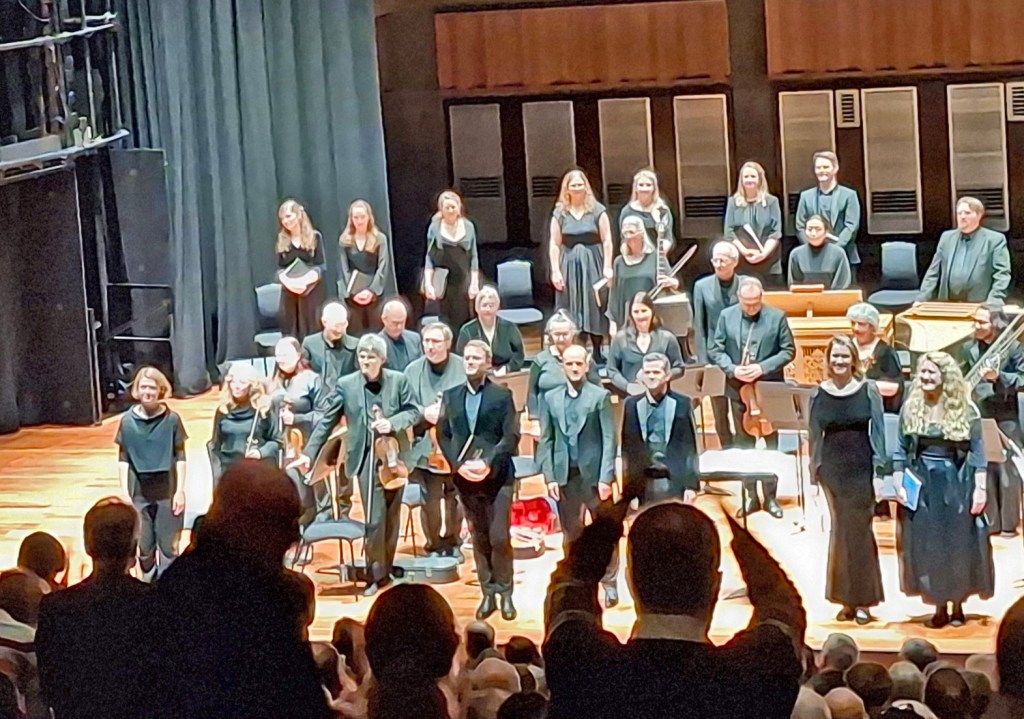
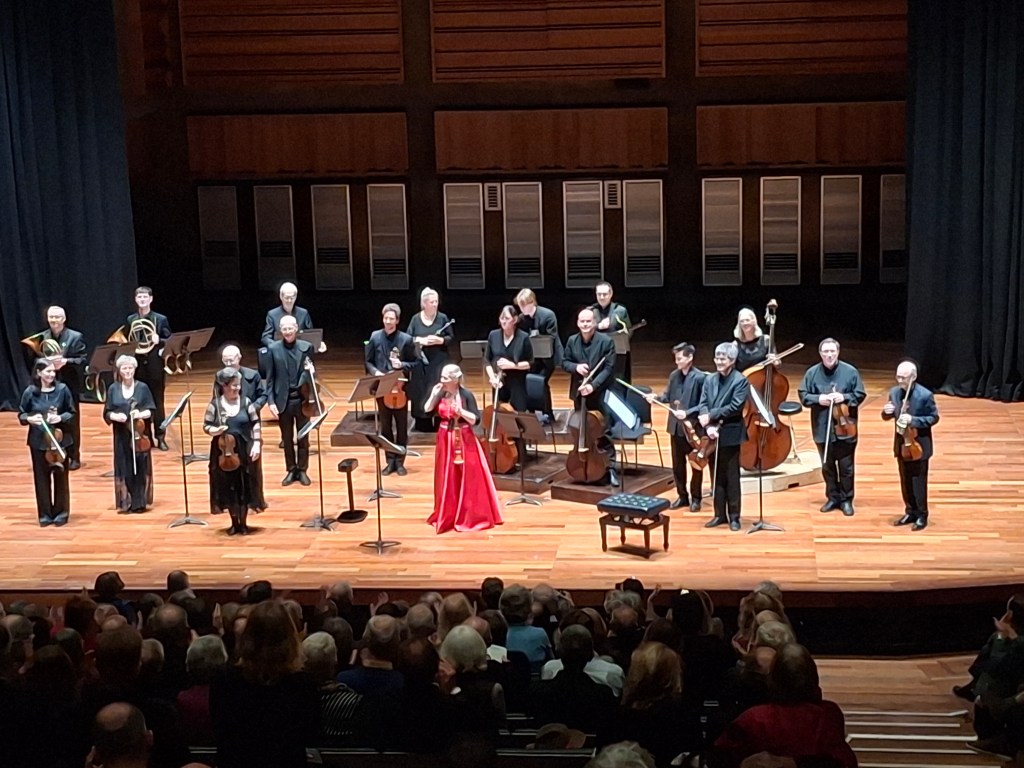
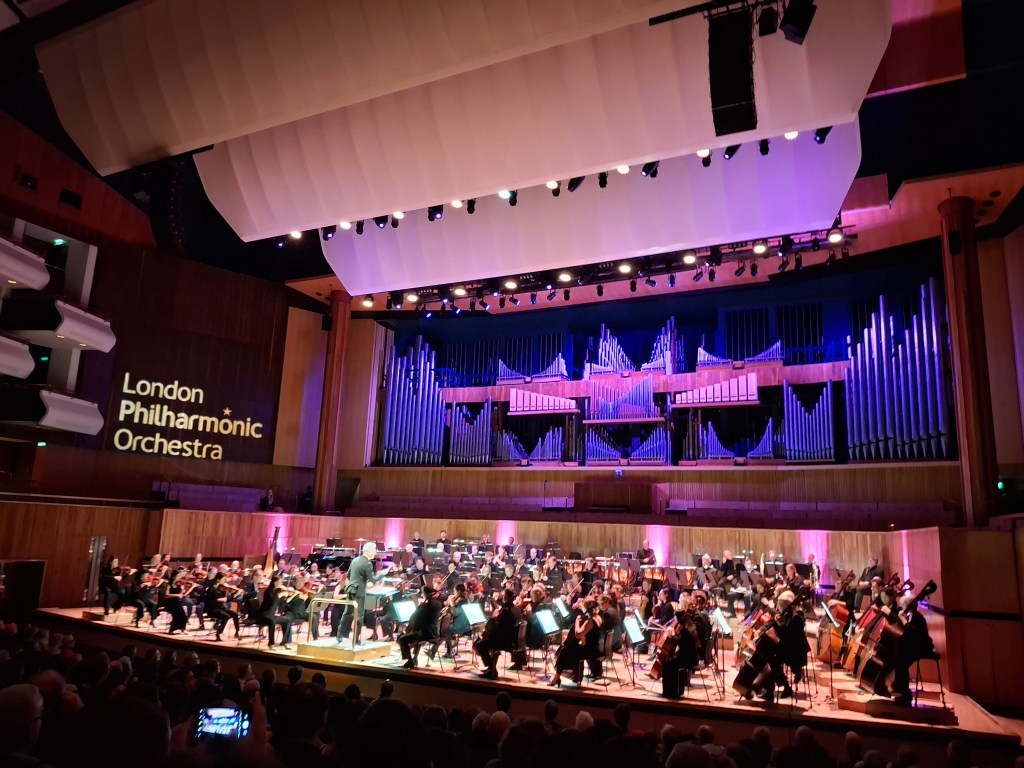
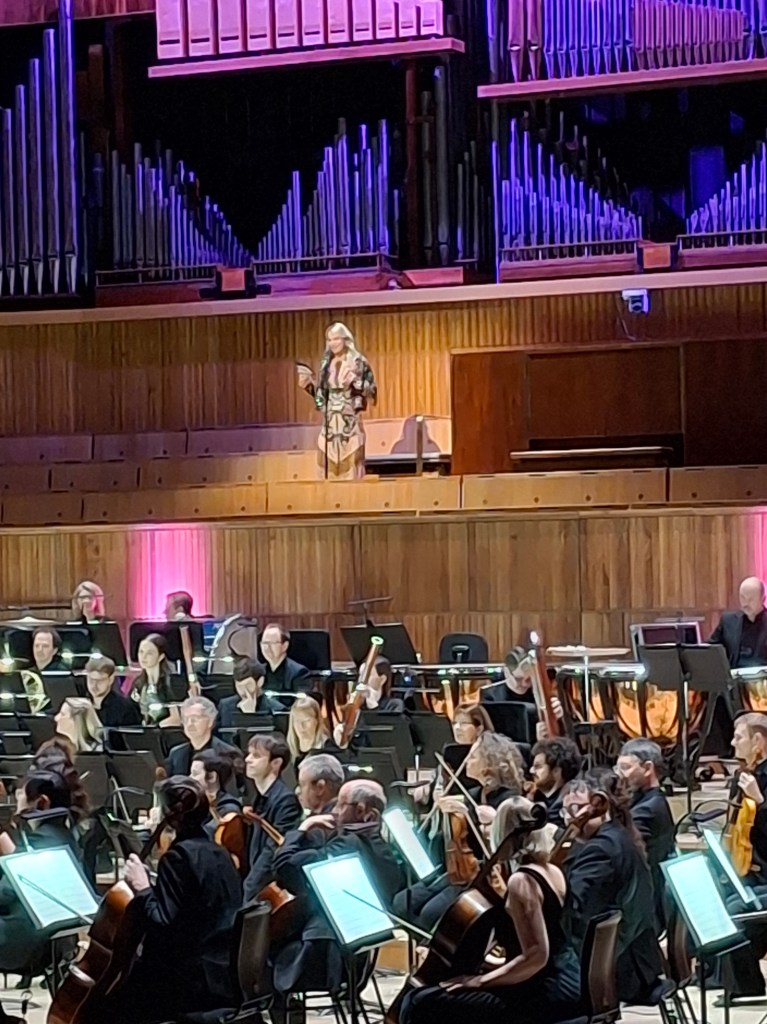
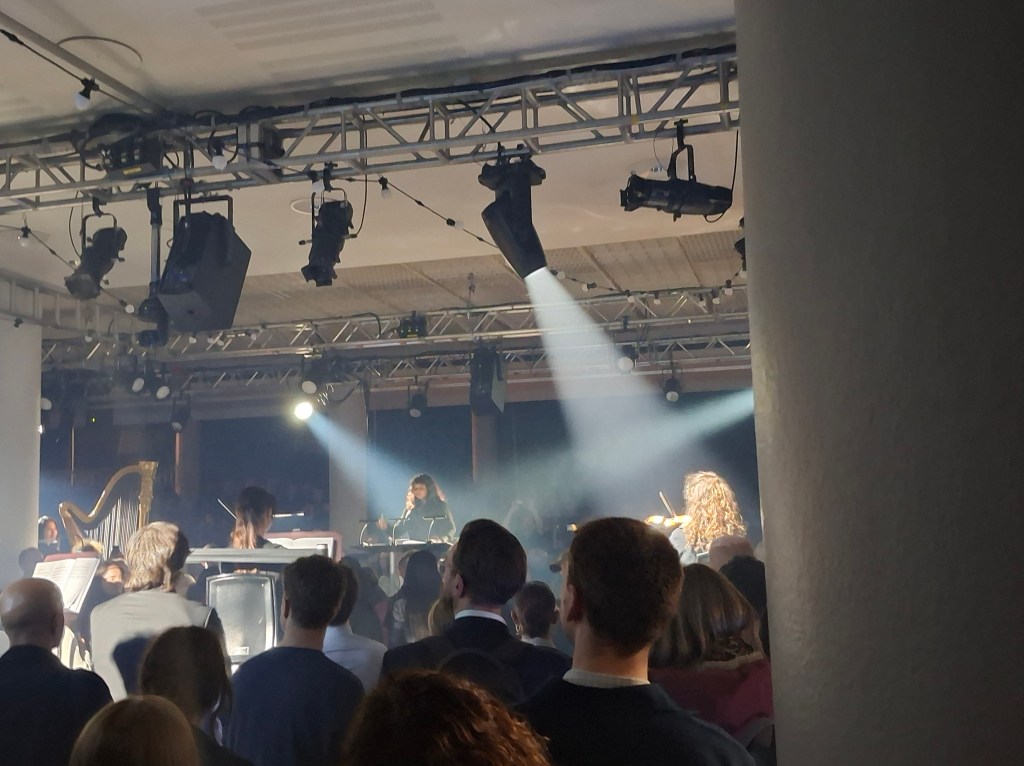
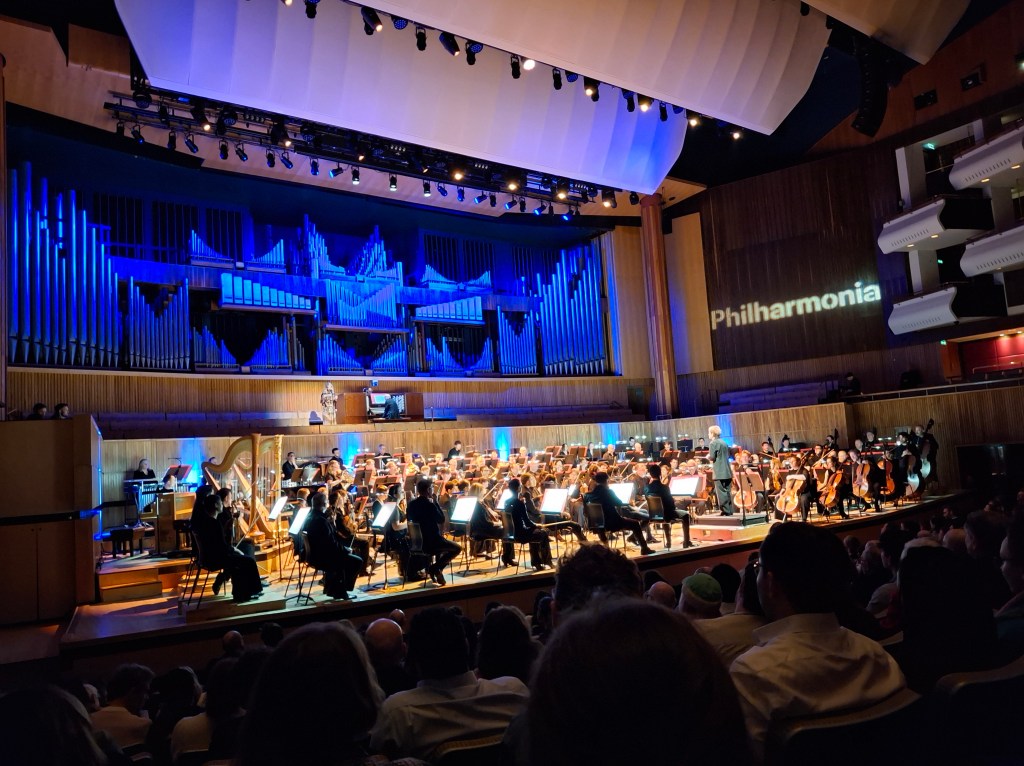
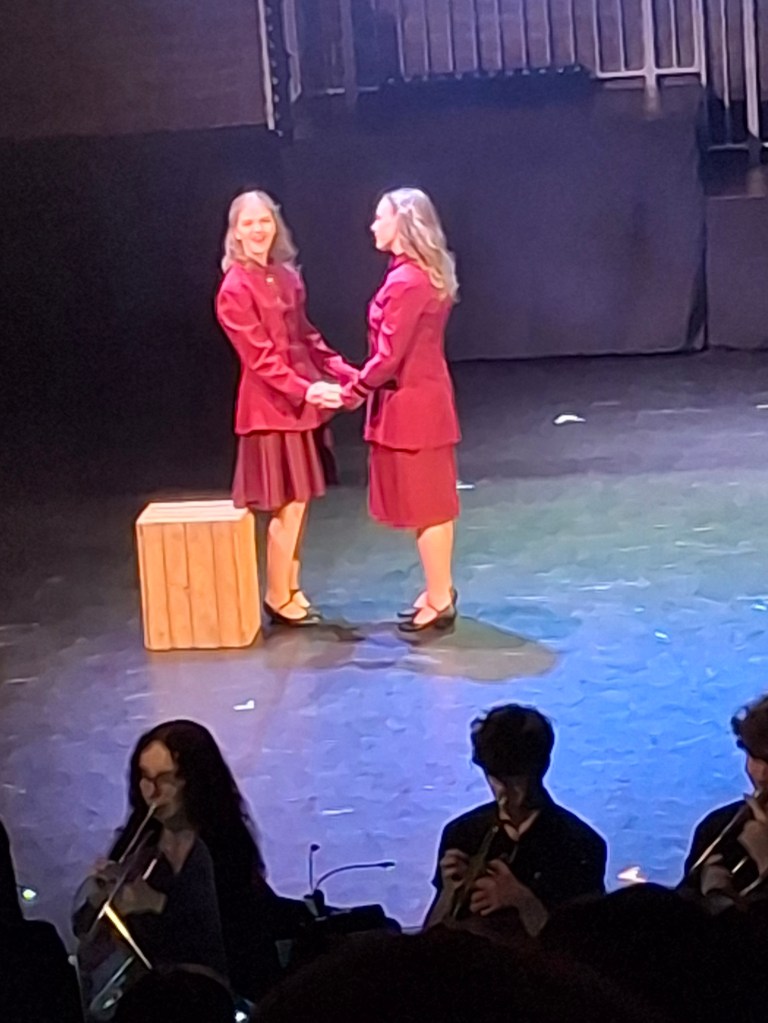
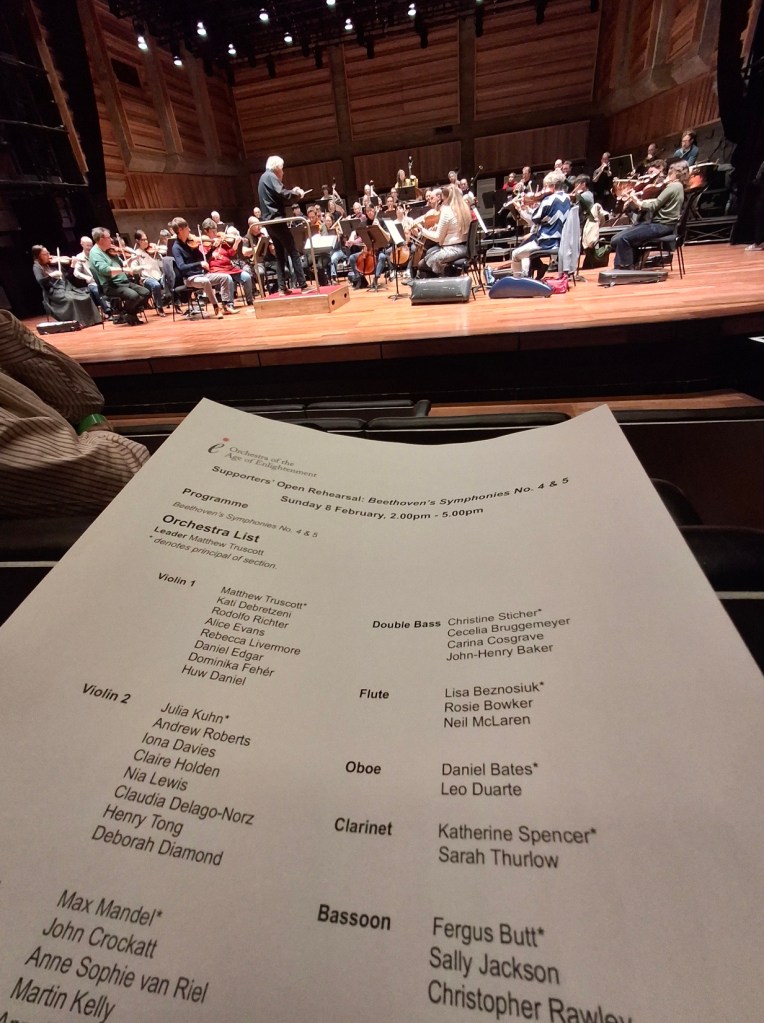
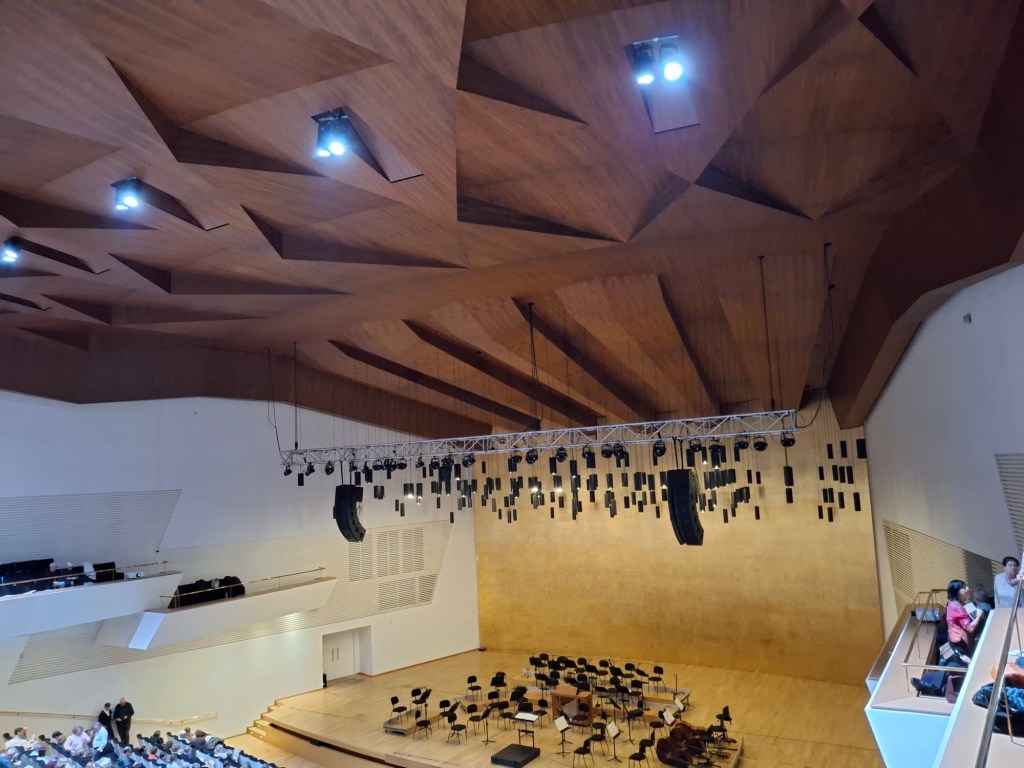
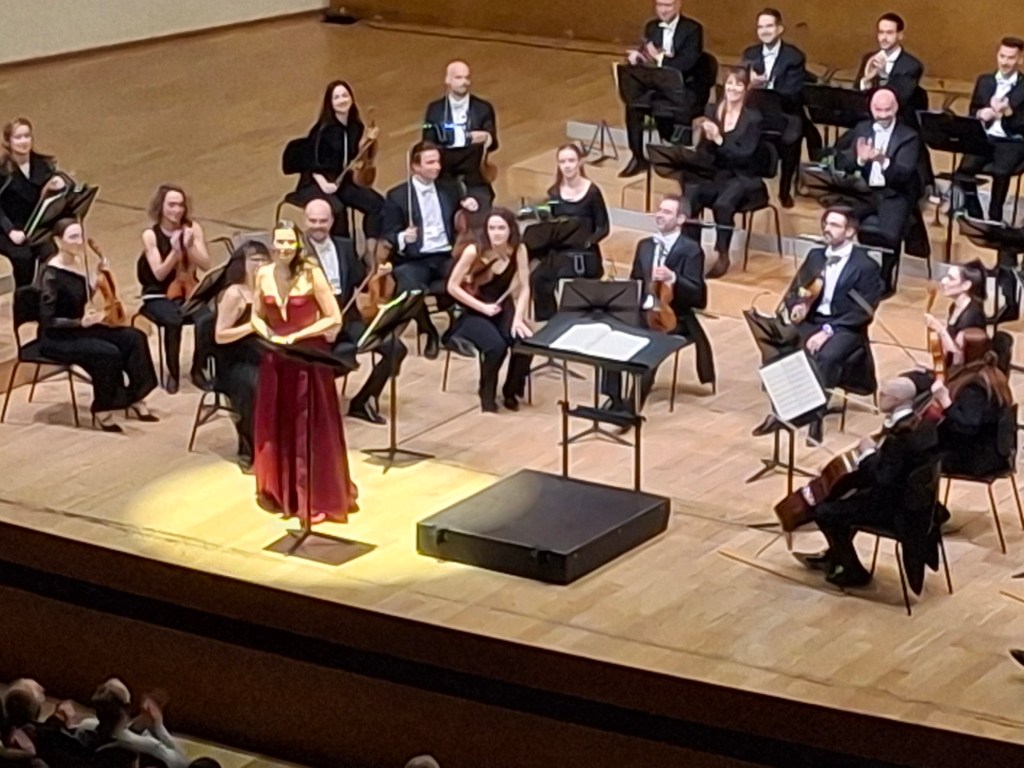
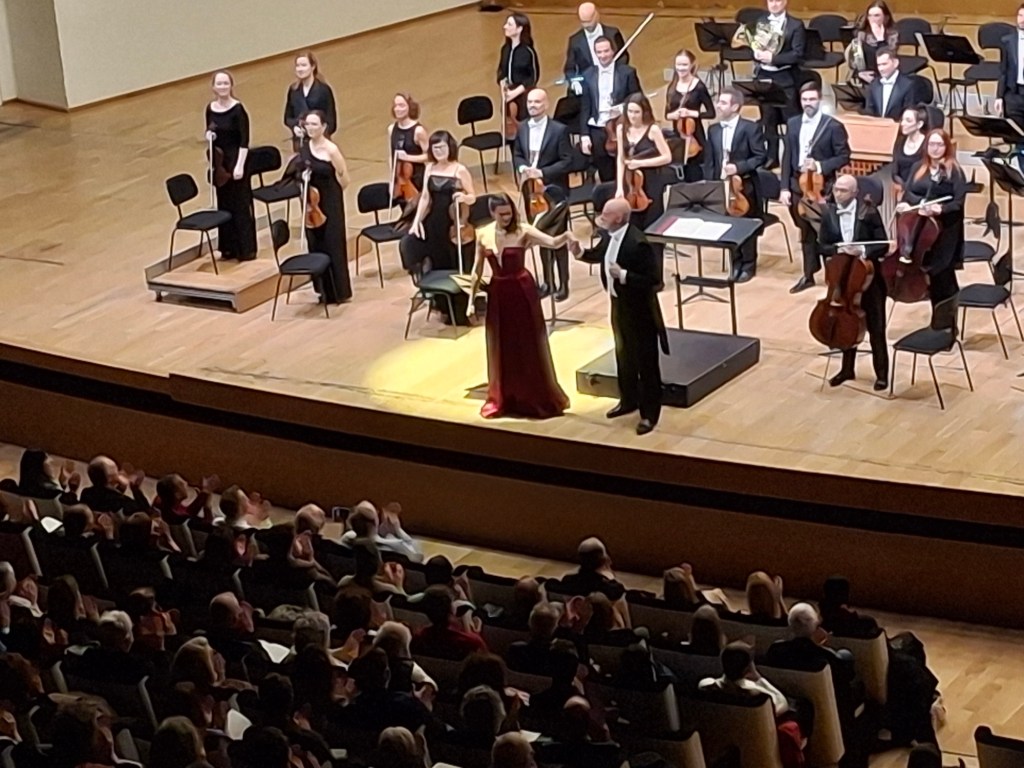
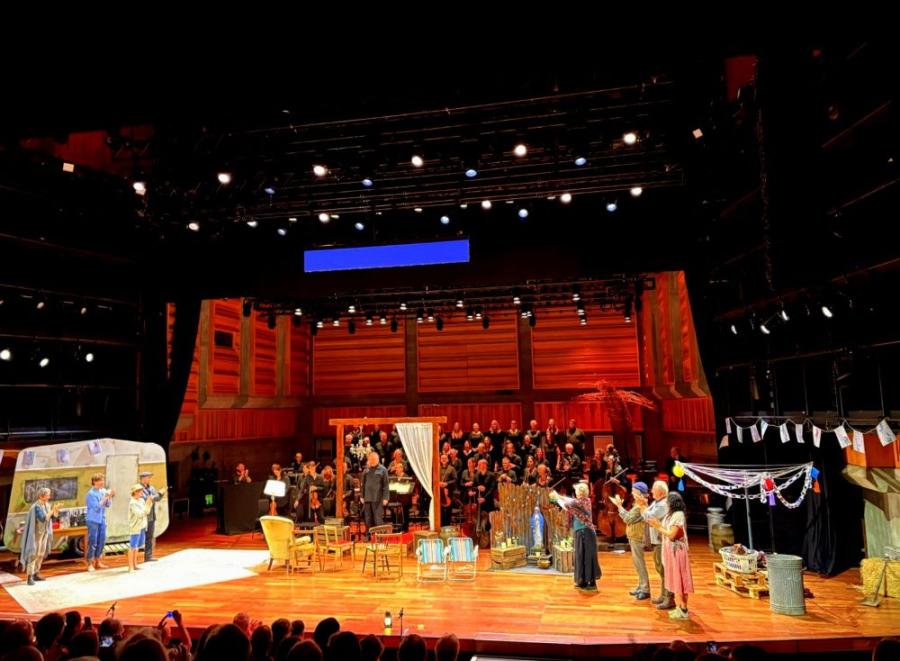
Seven: Following Wednesday’s Blue Note excursion, Gary Crosby had kindly agreed to talk to me about Tomorrow’s Warriors so that I could submit an article featuring them to All About Jazz. Workshops run in the basement of the Royal Festival Hall in a region I didn’t know existed but Gary showed me around the various rooms where potential musicians are tutored, join jam sessions and develop their skills. We spent a delightful two hours talking about music, cricket and football as his nephew is one of Watford FC’s much-loved former players Ashley Young. I then spent the afternoon writing in the foyer before heading over to the Queen Elizabeth Hall to meet friends Gwyn and Yvonne, Shoko – if she managed to curtail Friday drinks at the bank where she works on time – and Dani Howard. Dani and I had talked previously about her interest in writing for period instruments and I had said I would introduce her to the key figures at the Orchestra of the Age of Enlightenment. Introductions all went smoothly and we went in to see a rare performance of the Girl from Arles. Bizet originally wrote incidental music for Daudet’s play L’Arlesienne but it has become part of the repertoire as two suites. The OAE decided to stage the whole thing in a new translation by Jeremy Sams.
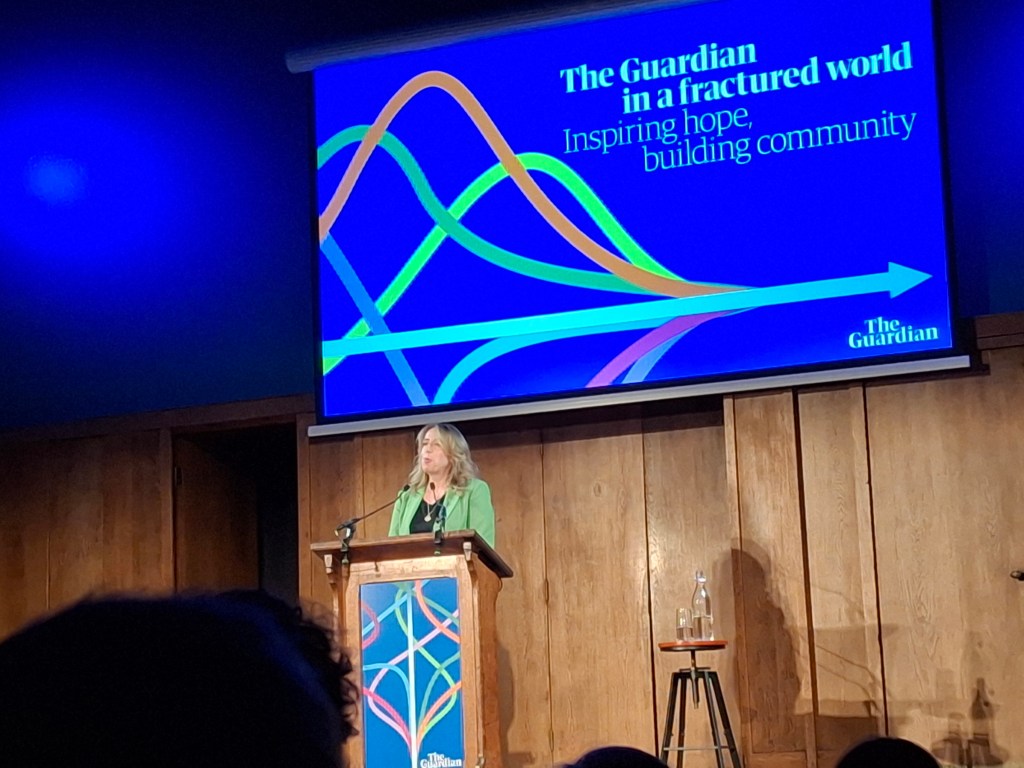
Much of the music was familiar, little of the text althoughj the story was a well document saga of forbidden love. The set and props and one of the cast were supplied by pupils at OAE’s home in Acland Burghley School. It was an interesting experiment by the always innovative OAE but as one visitor commented, “You can see why it hasn’t been done since 1964”. The critics were kinder however: 4 stars in The Guardian and “a welcome revival” from the Arts Desk. However, it was an enjoyable evening rounded off pleasantly with a light supper in the Archduke Wine Bar until they threw us out.
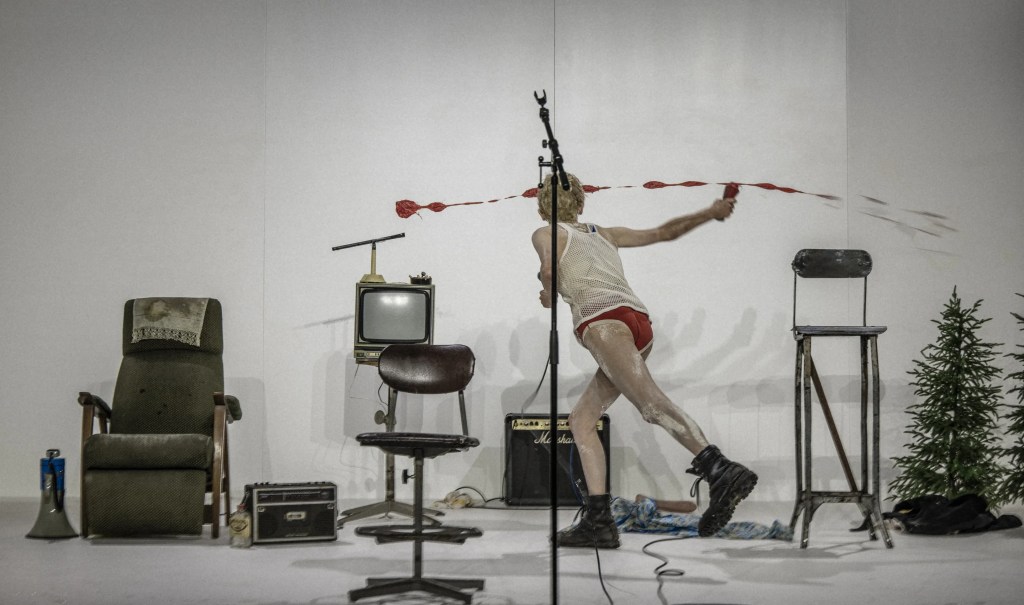
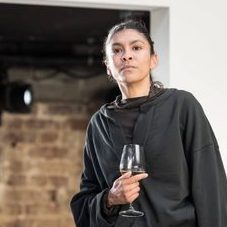
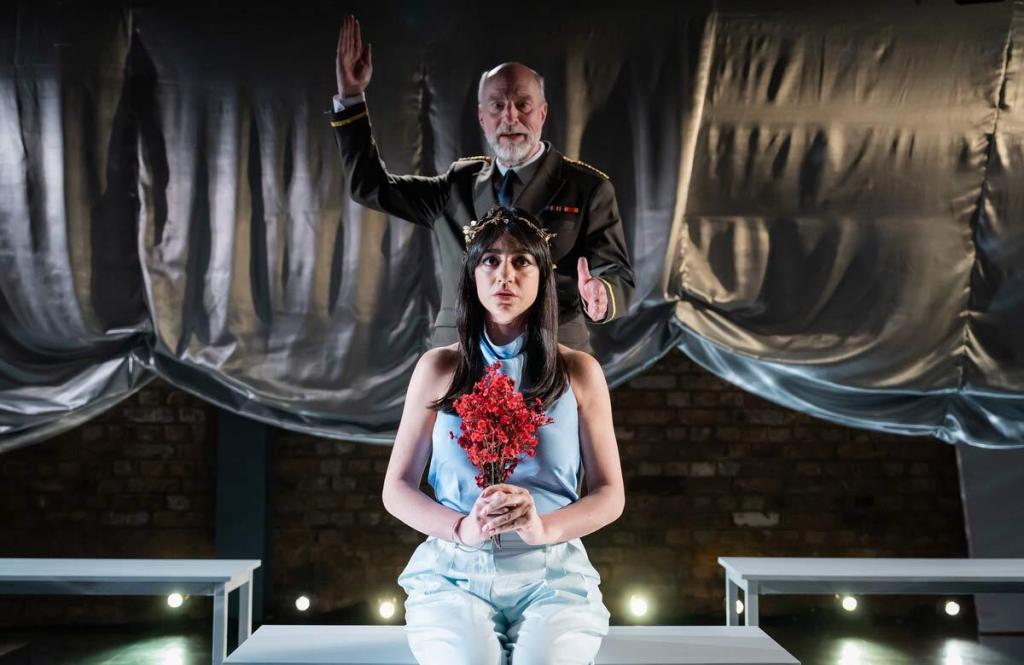
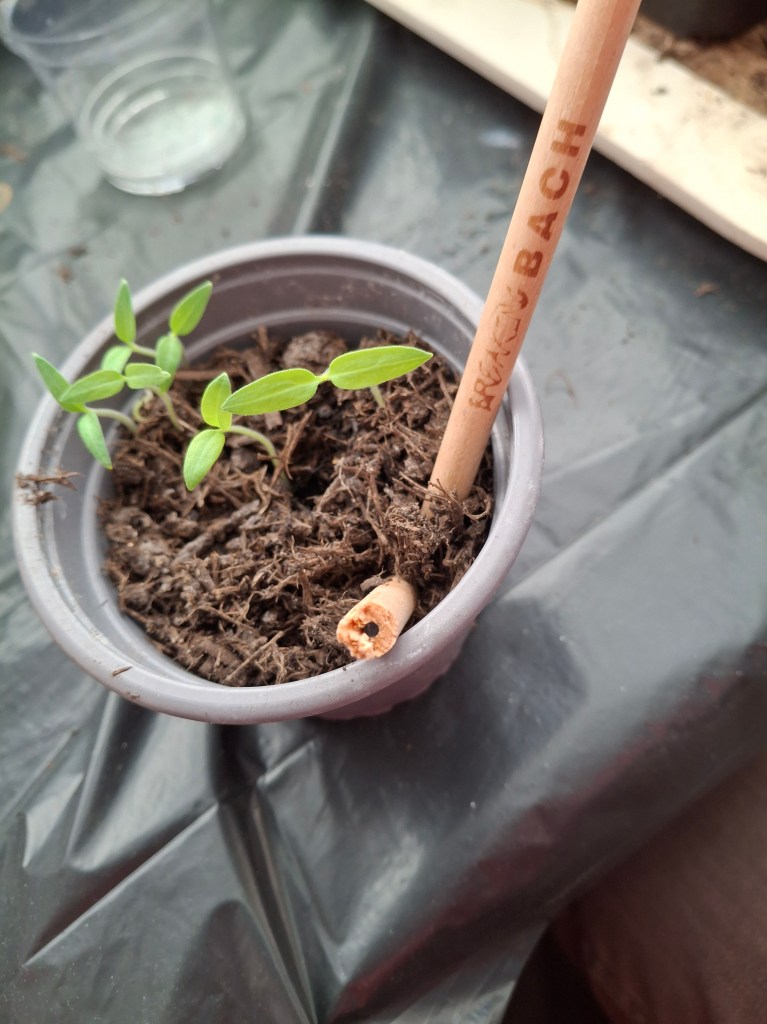
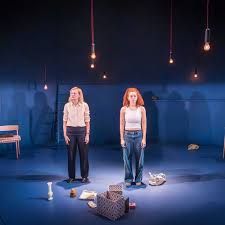
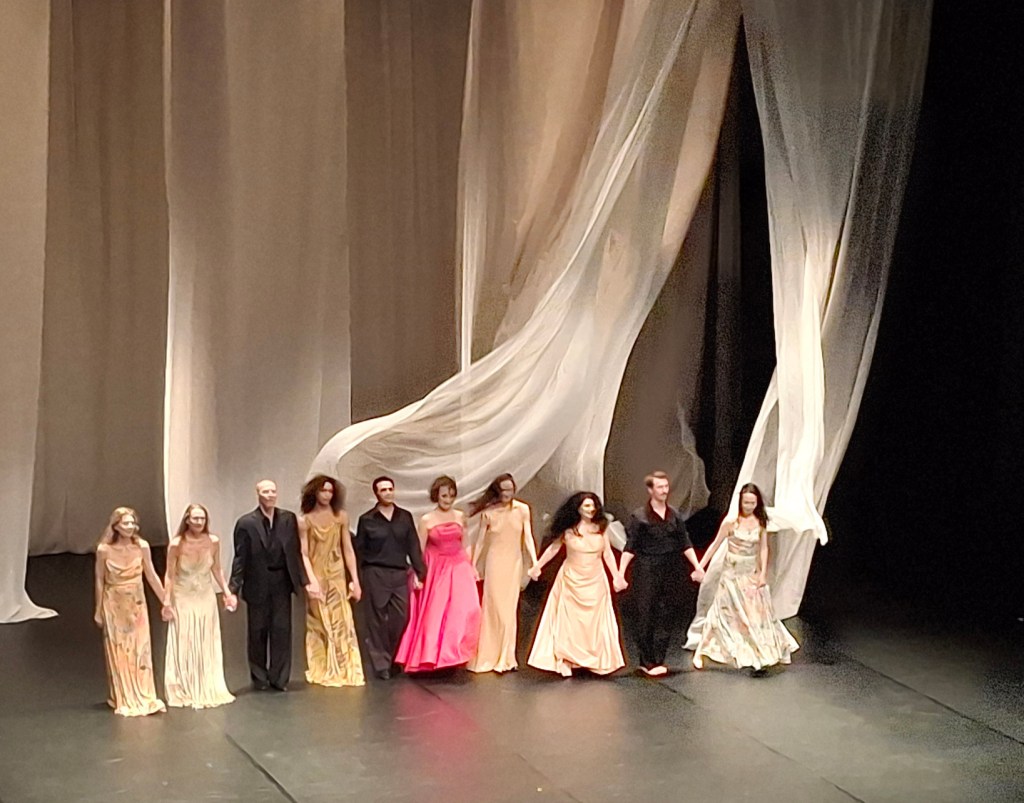
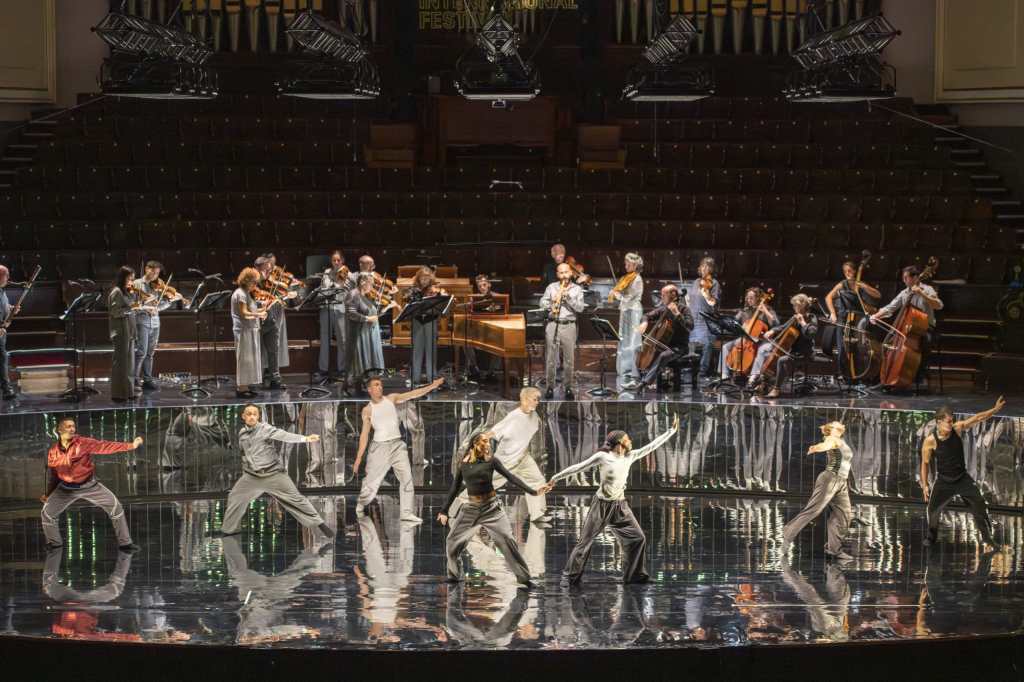
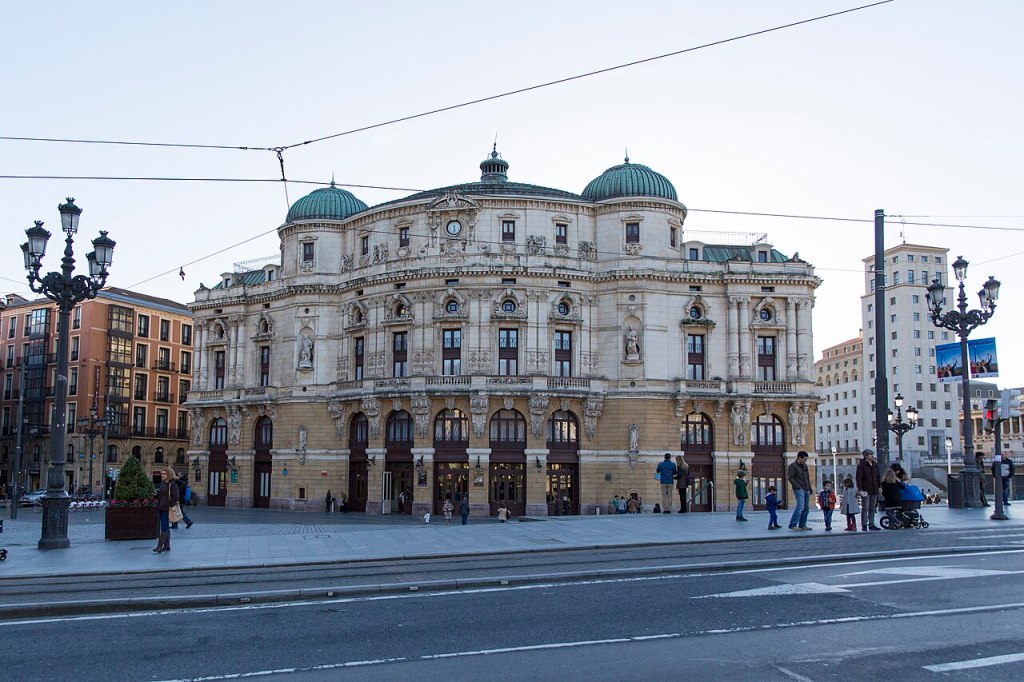
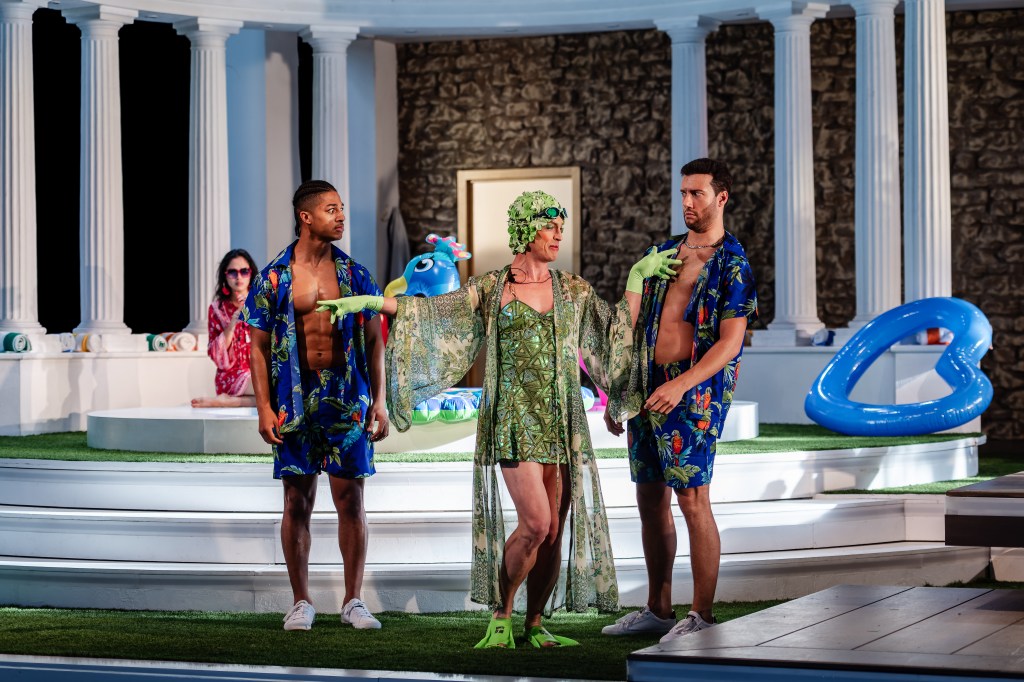
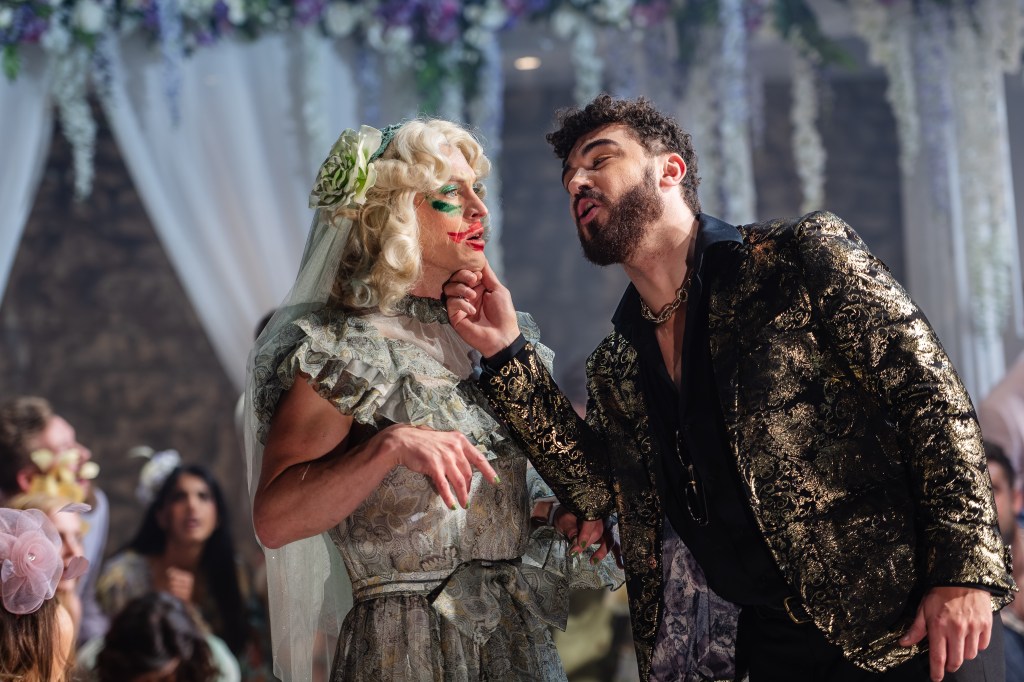
Eight: Saturday was another outing with my daughter to the ballet, this time at Sadler’s Wells in Rosebury Avenue with dinner at Moro beforehand. My, how busy was Exmouth Market! The programme was Acosta Danza’s Cuban Baroque. A double bill of contrasting musical foundations Salve Regina by Esteban Salas an 18th century Cuban composer in the first half called Pearls and in the second Chacona based on Bach’s Partita No 2 in D minor. The elegant strains of Baroque music might seem alien to the fast-moving energy of modern dance but it worked extremely well here in the bodies of a lithe and fluid group of dancers. The stamina and interpretive movements were mesmerising and contrasting colours for the wardrobe in each work were effective, Breathtaking stuff! Carlos Acosta may not thrill us with his dancing but his company does.
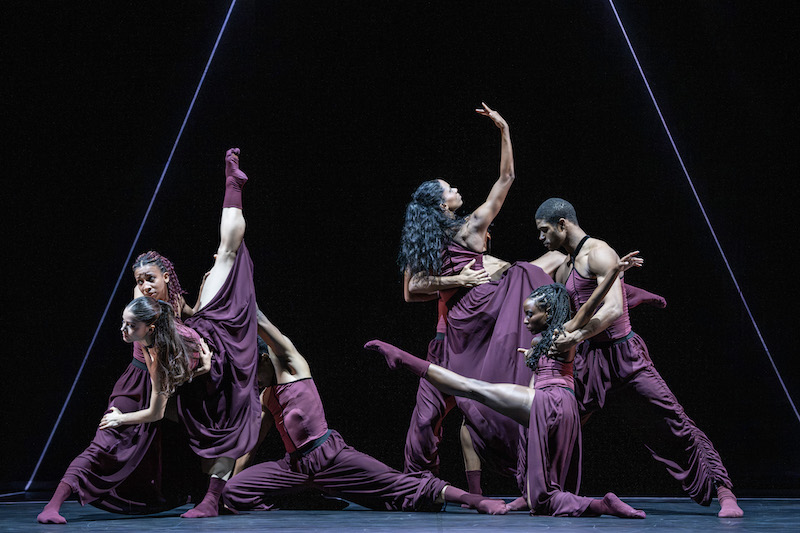
Credit: Johan Persson
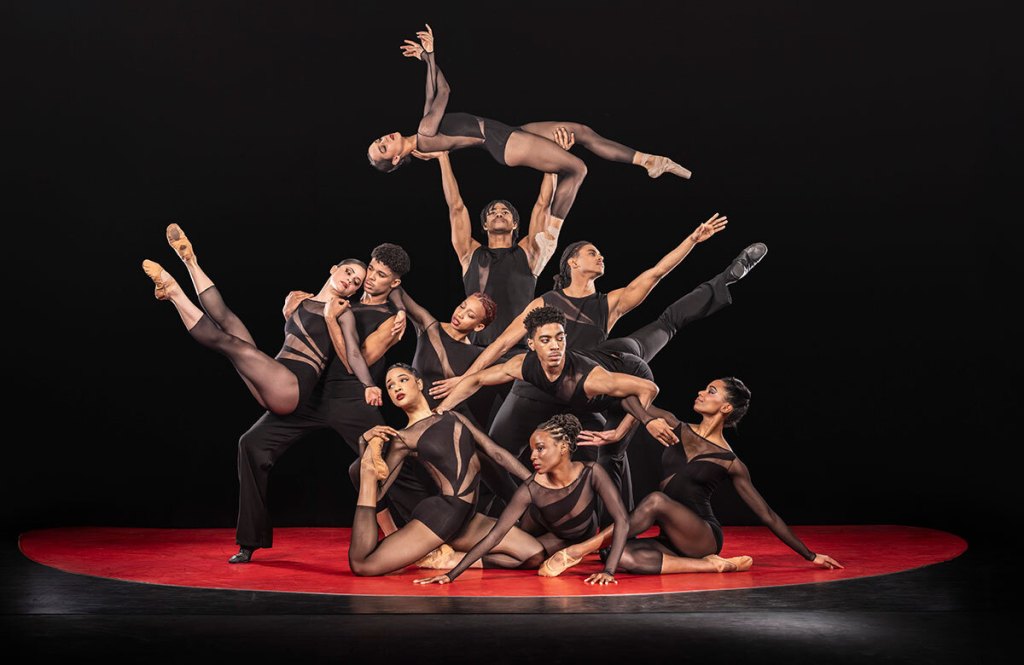
Credit: Johan Persson
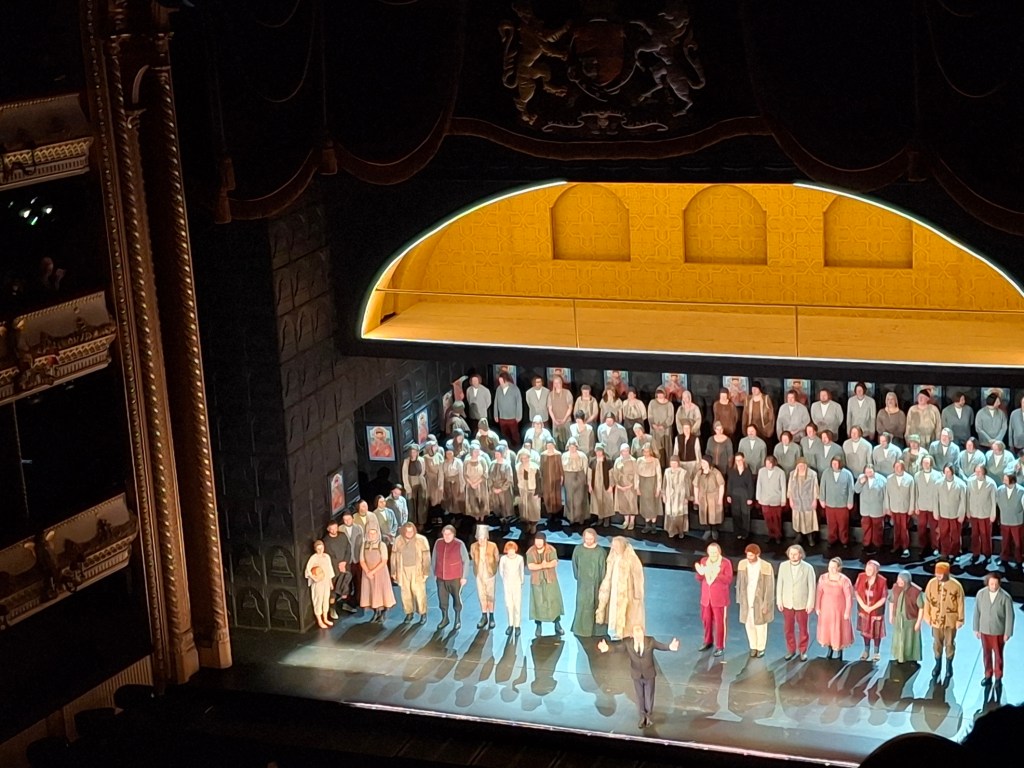
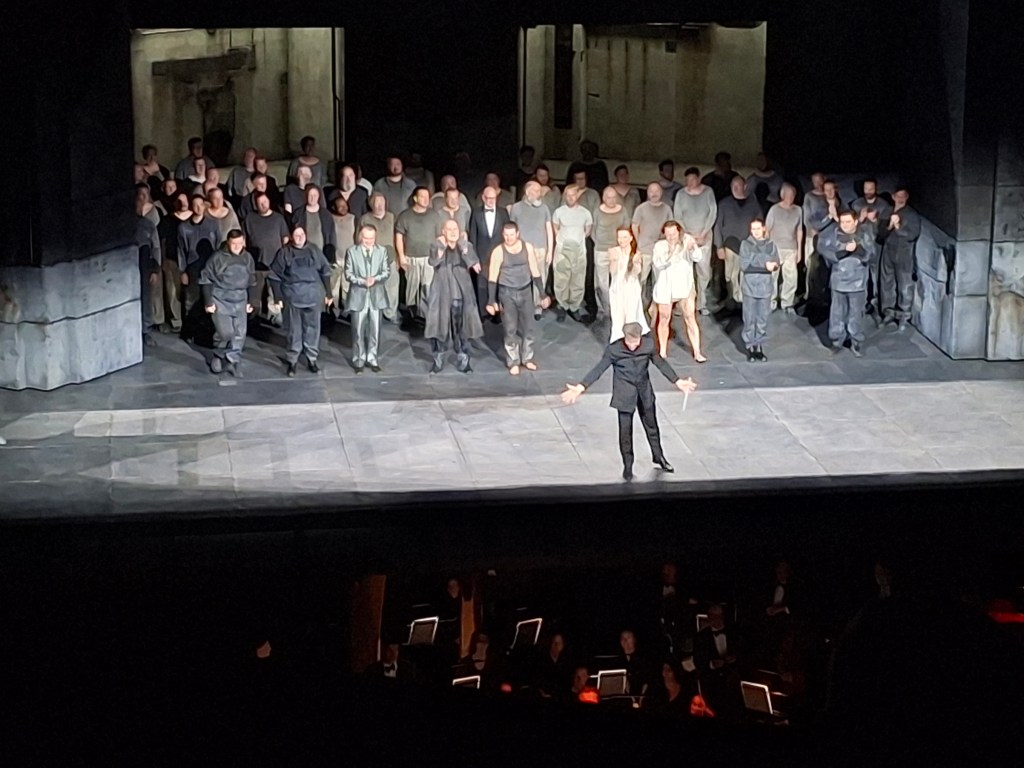
Nine: Once again the closure of Charing Cross Station for the weekend make my Sunday trip to the royal Opera House a three-bus outing. Lee to Lewisham, the Bakerloop B1 to Waterloo and a bus across the bridge to the Strand. The hassle was worth it for the sublime music of Wagner’s last opera Parsifal. Our friend Susie Stranders had worked to prepare the cast and I had a catch up with her in the second interval which was an added bonus to a brilliant afternoon. Under the baton of RBO Music Director Jakub Hrůša, the orchestra and soloists were in fine form. This expansive, brooding, elemental and ecstatic music swirled through the house with all the force Wagner intended. I found the concept by debutant ROH director Evgeny Titov hard to take. Set in gloomy and miserable basement rooms with odd stone block towers moving at random moments I found it at serious odds with the storyline. Parsifal gathers the spear that will end the agony of the ailing Amfortas at the end in Wagner’s own libretto, but Titov has him kill the elder with spurts of blood from the wound the spear should cure and then hides himself under a gurney. It was great to witness this magnificent work again but I’m glad I also saw the Glyndebourne version last year so as not to sully my memory.
So on Monday and Tuesday I was at home and had almost forgotten what it meant to go into the kitchen and prepare and cook a meal but I did and it was tasty – teryaki chicken with miso aubergine and sesame seed broccoli – appropriate preparation on Tuesday for Wednesday’s outing.
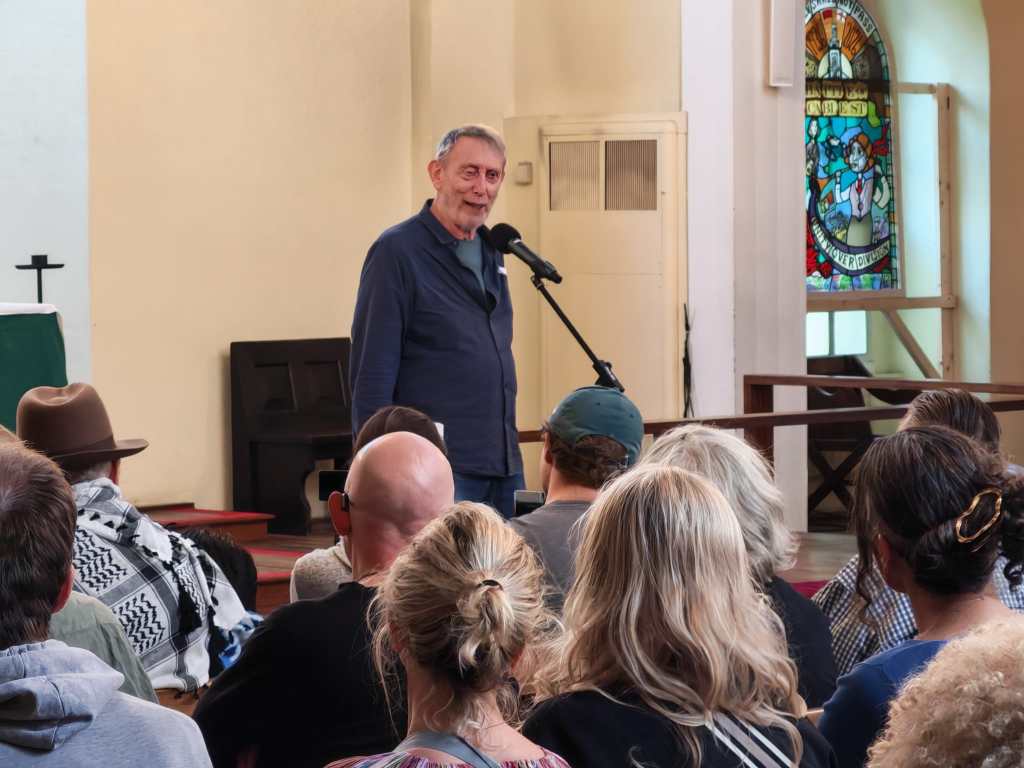
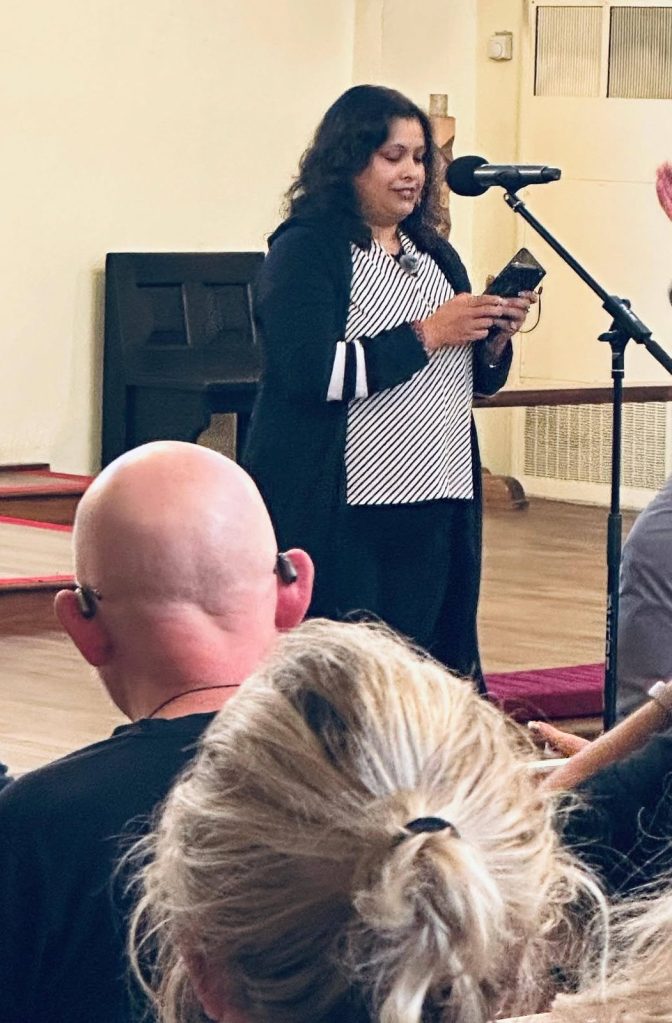
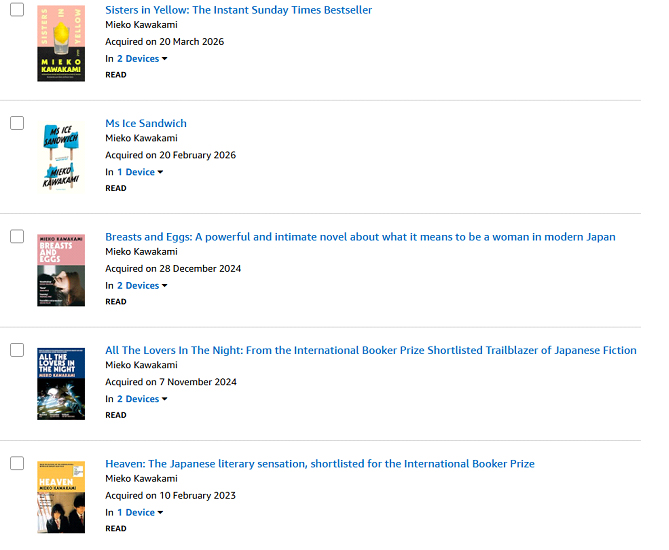
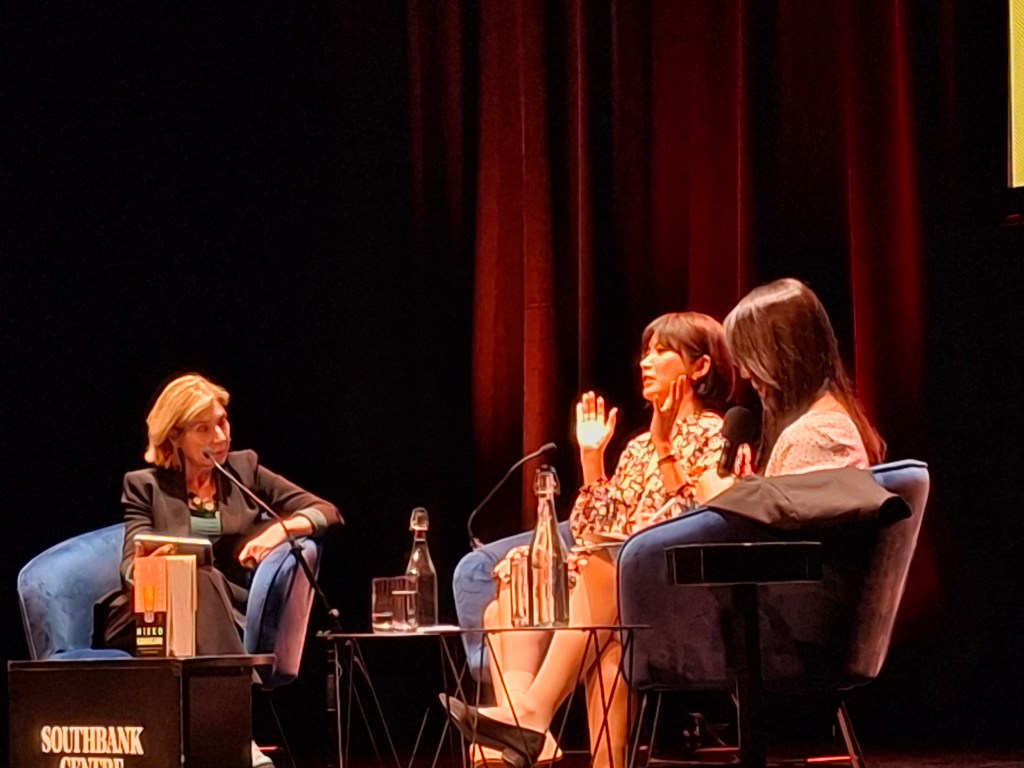
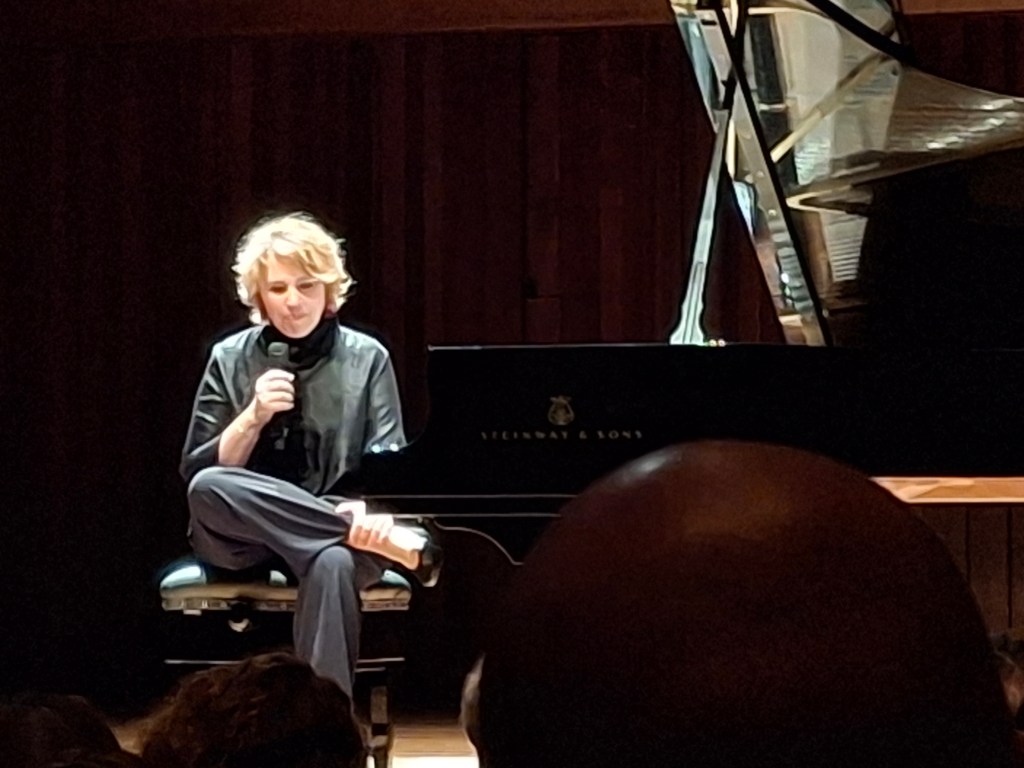
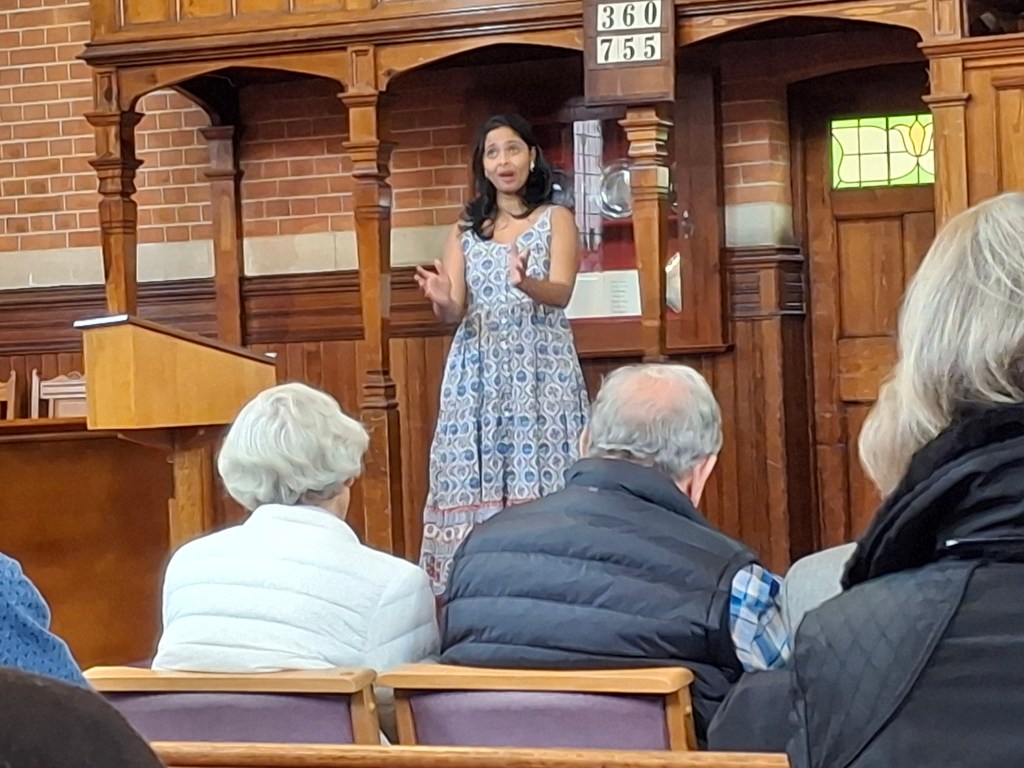
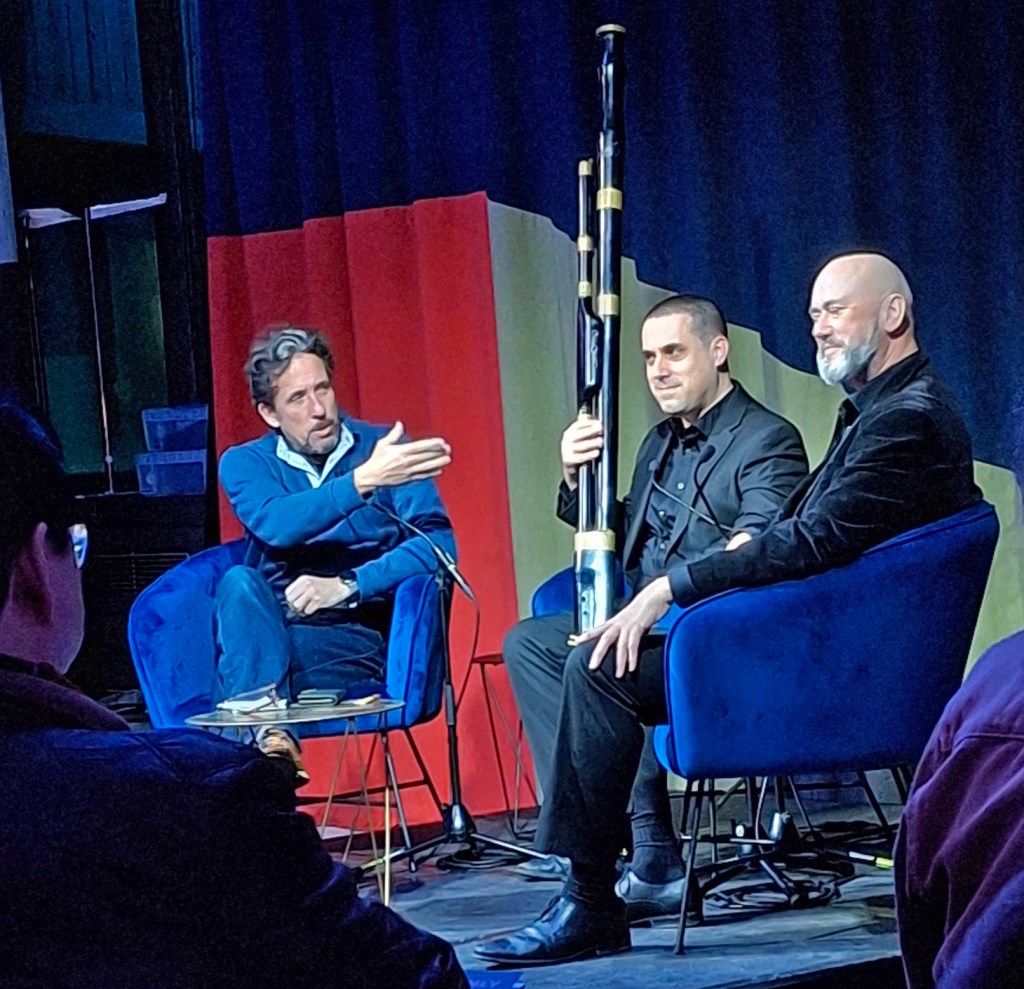
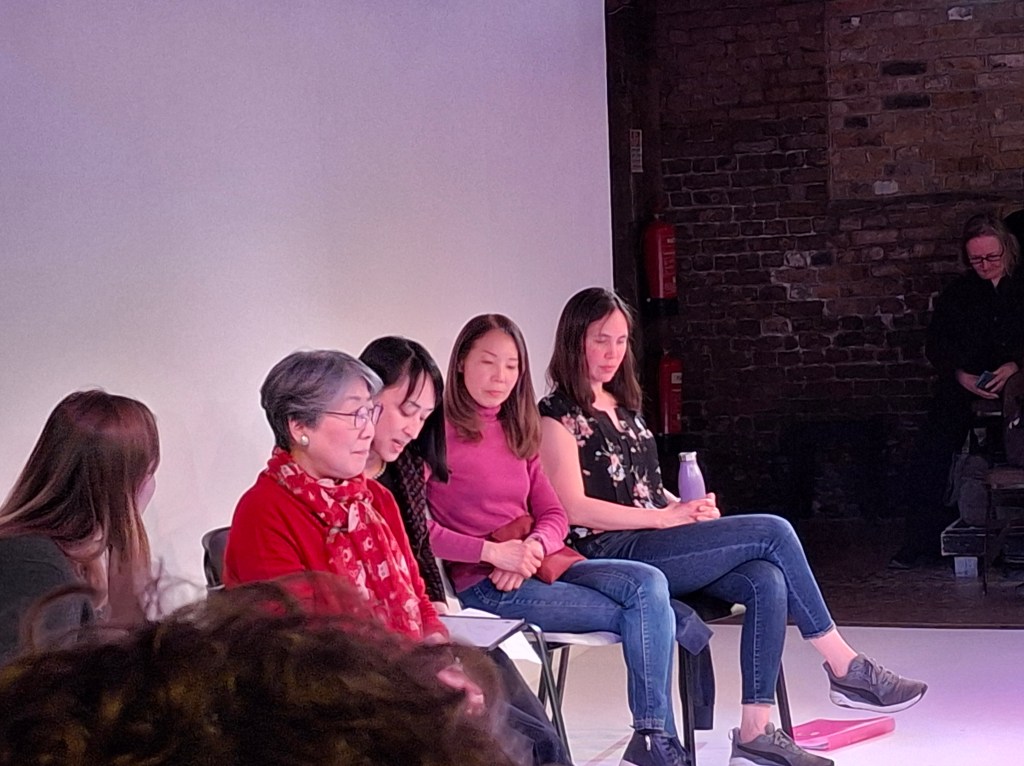
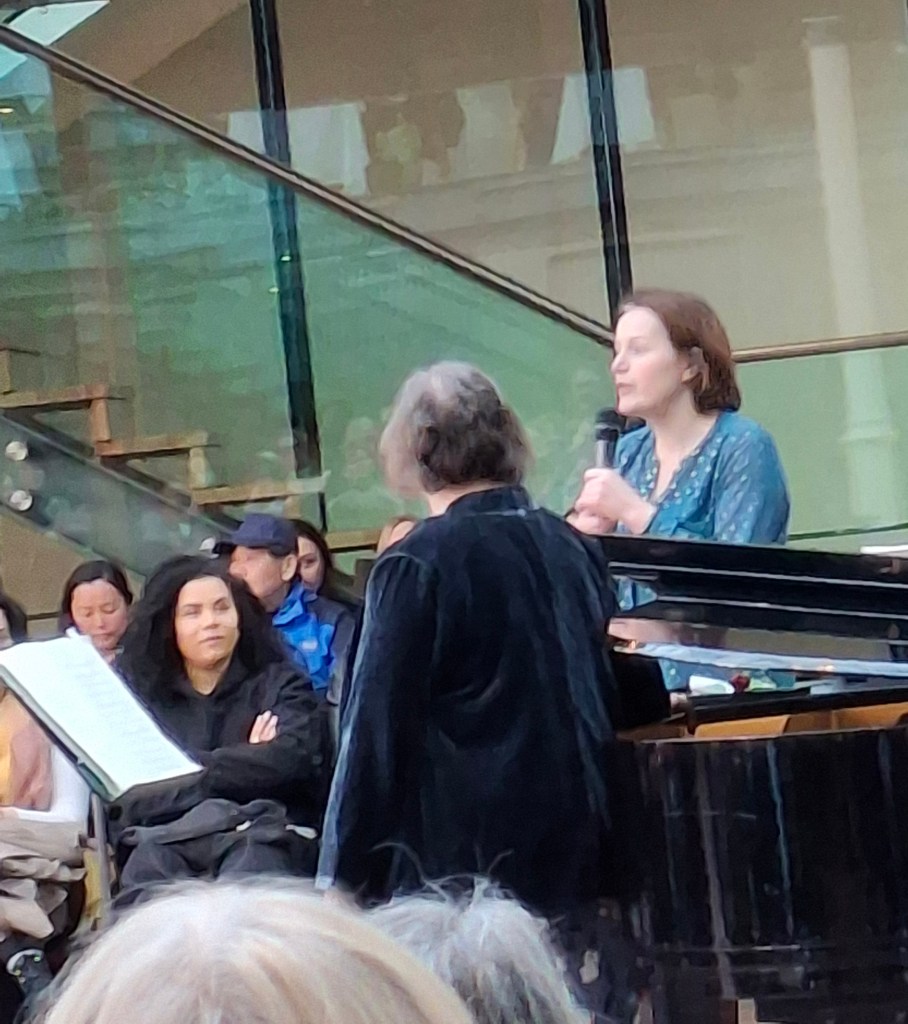
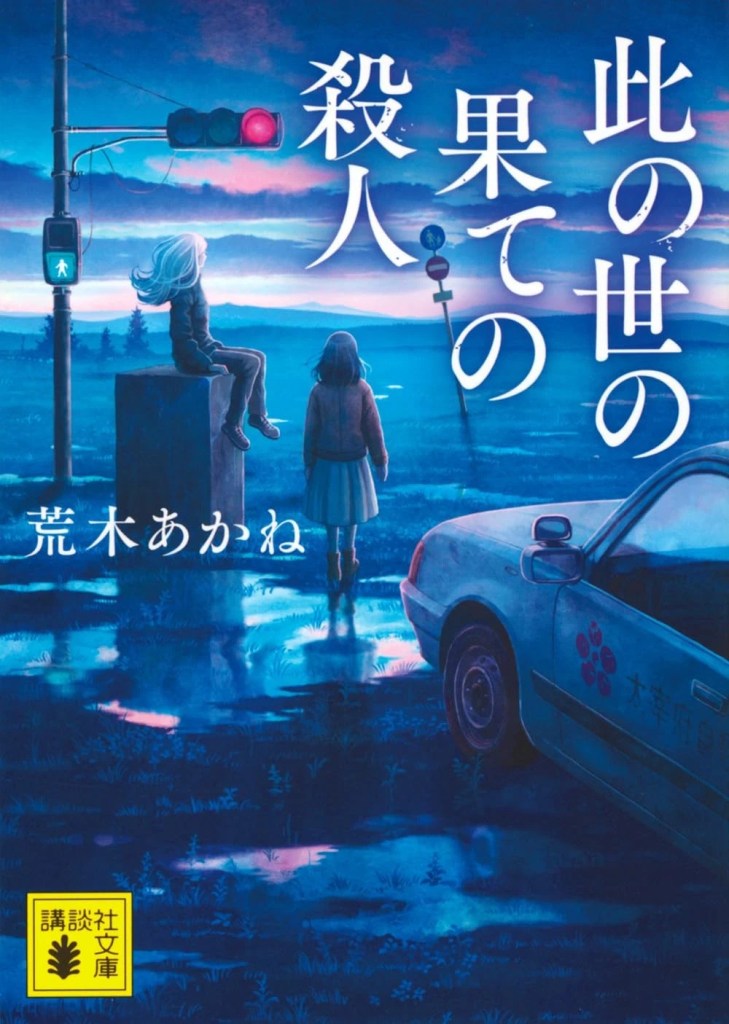
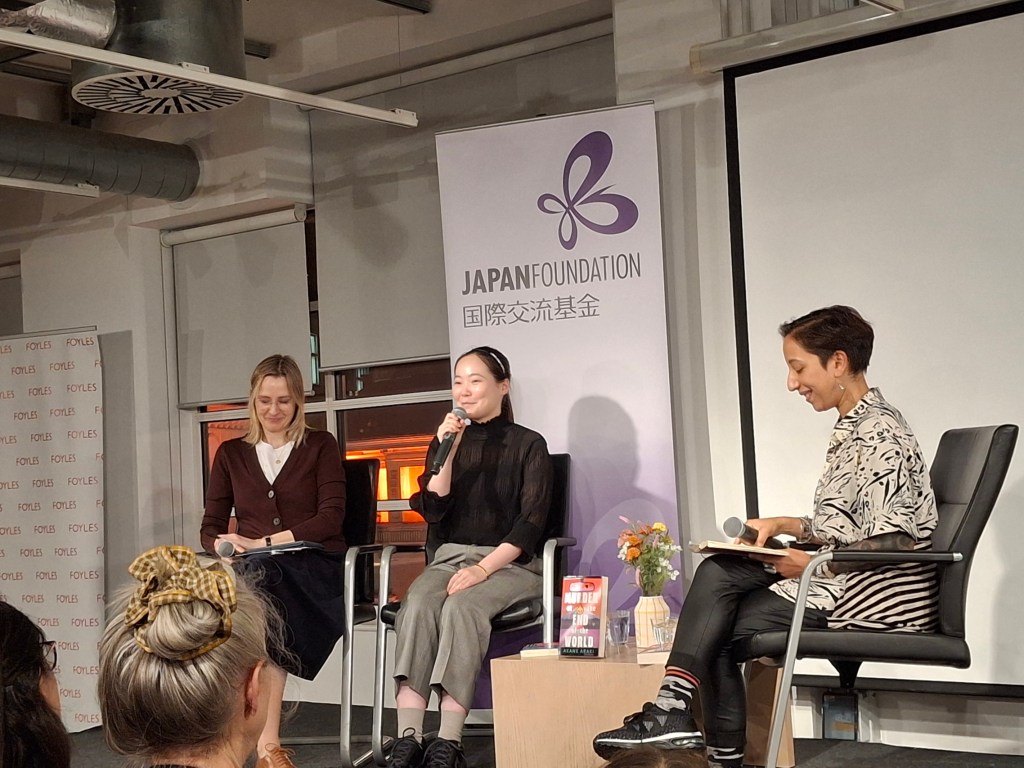
I’ve been reading a lot of Japanese fiction lately – not just Murakami – and came across the work of Akane Araki. Rather like Mieko Kawakami earleier in the year, the chance to hear a writer talk about her work was not to be missed. The Japan Foundation brought Akane to the UK for a promotional tour of the publication in English of Murder at the End of the World. In London this took place at Foyles. It’s a very accomplished murder mystery with many MacGuffins, red herrings and plot twists that keep you on edge throughout. Hearing her talk about her upbringing in Fukushima areas of Kyushu and its influence on her work was interesting. It did prompt me to ask why the cover had a representation of Fuji-san that can’t be seen that far west. Marketing and sterotypes I suspect. The Japanese edition had a cover that properly evoked the spirit of the book. Charmingly chaired by Bidisha and with simultaneous interpretation from the always excellent Bethan Jones it was an insightful evening.

I ventured into the Surrey Hills on Thursday for lunch at the Ragged Robin (close!) in Godalming with Peter Breen one of the few school mates I’m still in touch with. A ritual exchange of preserves – Peter has beehives – his honey and pickled jalapeños, my apricot and chilli jam – catch up with family and friends and exchange of recipes for quinces of which we both have many this year. A very pleasant trip out of the city. Home for the evening but no need to cook after a substantial and excellent lunch.
As part of my ongoing research into Tomorrow’s Warriors I had arrnaged to interview pianist Sultan Stevenson at King’s Place on Friday evening before I went to a concert there. He is a charming man full of praise for Tomorrow’s Warriors and how it had helped his career. He told me at length about the “Each one teach one” whereby all alumni pass on their knowledge to the next generation. As he said “Where else can you get world class tutoring for free?
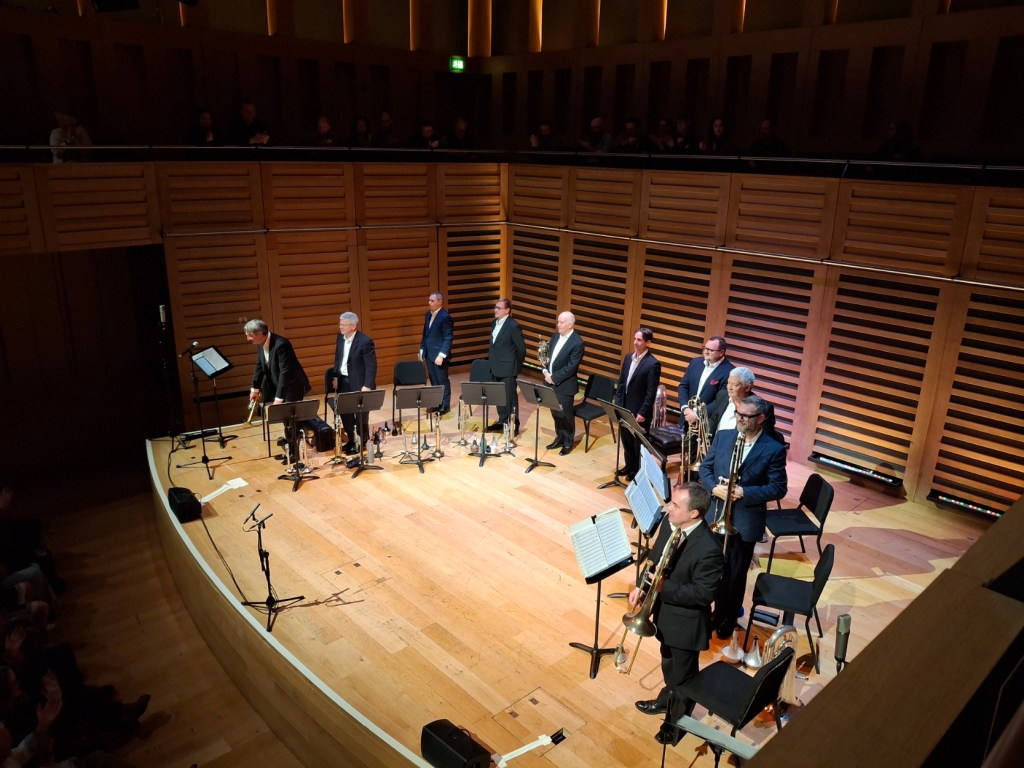
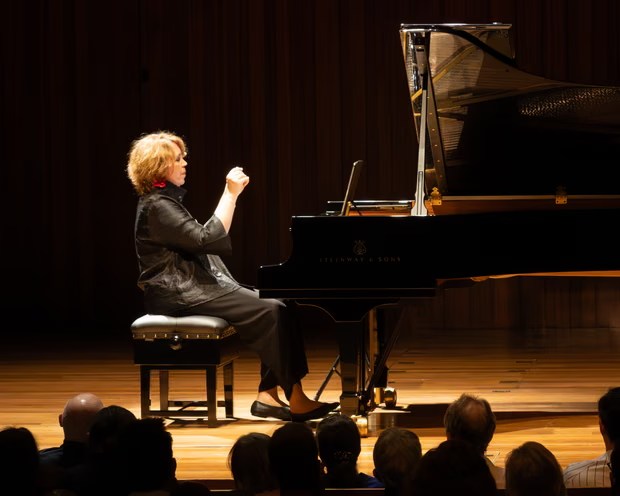
The concert was by London Brass celebrating their 40th anniversary and they had asked Dani Howard to contribute a new work for the occasion. Deciding against a 40 minute piece she compsed a lively four-minute “Fast Forward” that gave each section opportunities to shine and formed a coherent progression through tones and emotions.
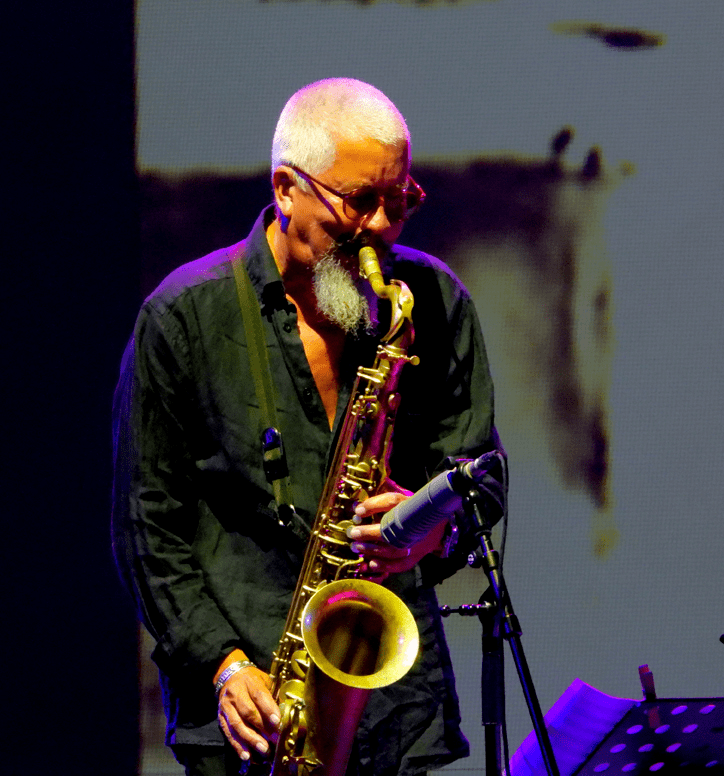
Saturday saw my first trip to football at Watford for some weeks – international break, away and midweek fixtures got in the way. We won, most unexpectedly, 2-0 against Charlton after two recent thrashings by clubs below us in the table. There seemed to be some team spirit, some more joined-up play and ability to keep the ball for a while and to actually put it in the back of the net. Frances, Graham and I then caught the train back into Euston for a pint in the Lord Salisbury on St Martin’s Lane and then the to the Blue Note for the early show by Nubya Garcia. As one of the more prominent Tororrow’s Warriors I was keen to secure an interview by chatting to her manager Barb Sealy. Success! We have a zoom date in the diary. We also met up with Gary Crosby and his partner and co-founder of Warriors Janine Irons and with Nubya’s mother, all of which brought a fabulous end to a brilliant concert which I have reviewed for All About Jazz and which you can read here and see some photographs from the gig. Gary was happy to discuss his nephew Ashley Young with Frances and Graham. Janine said they knew Watford had won by the demeanour of the fans on the train into town. We failed to repeat Shoko and my post jazz trip to Barrafina but had satisfactory bowls at Marugame Udon opposite Charing Cross Station. A very good Saturday.