
After a pleasant breakfast on a sunny terrace at the BnB with views up to the top of the old town and out to sea, I set off for Selinunte, the amazing archeological site just ten minutes from the centre of Agrigento. I noted as I went to the car, that inverted umbrella displays were not the sole prerogative of Valdepeñas where I’d first seen streets full of them a few years back.


As you approach the main entrance this magnificent ruin dominates the hill – yes hill – in front of you.
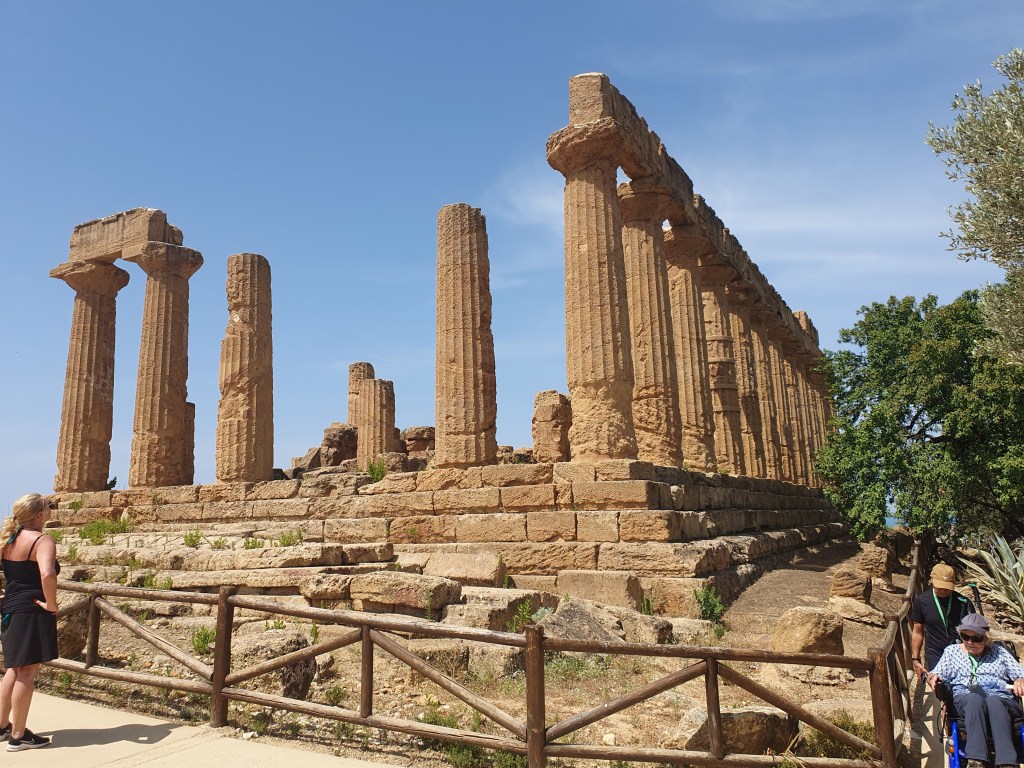
I wanted to stop the car to shoot it from a distance but the stream of visitors’ vehicles would not permit that. Just believe me it’s a breathtaking moment, like first seeing downtown Boston from the I-93 or the City of London from the M11. There was chaos at Gate V so I carried on to a gate at the other end of the site where there was no access, for no specified reason. I was told to return to Gate V. There was less chaos by now and I was able to park under a shady olive tree, buy my ticket and trudge up the hill. It is steep and it’s definitely not a valley. There are lots of useful information boards in Italian, English and French and the site goes on for a long distance from this eastern end along a ridge towards the sea. It is quite stunning.


This first temple of Juno is obviously a ruin and as I walk along the hill/ridge I pass burial chambers and evidence of multi-cultural appropriation. The Romans desecrated the Greek buildings and remade them. The Arabs had a go too and finally the Christians took over and the original worship of Gods various and Nature were subsumed by the dominant faith. Original fortifications became burial sites since they thought they were safe from invasion. I was reminded of the triple-whammy of Empuries in Spain where the Carthaginian original settlement was successively taken over by Greeks and Romans all with their own ideas of what’s to do with the place.
Then as you walk musing about all this along you come upon this:

I really needed hiking poles (not available) to scale the outcrop to get this shot – but I was very careful, I promise. (For new readers I have a recent history of falls resulting in stitches to the head.) It is a stunning piece of craftsmanship and design and crowns the site with its awesome presence. Even I’d be inclined to pray. There are lots of other ruins, sculptures and relics scattered over the hill but there’s also a garden and you know how i like a garden. It had oleanders, rosemary, lavender and herbs I wasn’t sure about but a lovely fragrant and cooling period on the hillside at 32 degrees.

Around this point I decided I’d gone far enough and found this excellent shady arbour for my return. The only problem was that I was accosted by a lizard and history tells what trouble that can get you into. (Again for those who weren’t there, an inquisitive lizard in Ibiza led to a group of us entering a team of plastic lizards in a local 5-a-side football tournament. Full story is in YBR 39 available from https://thewatfordtreasury.com/ or I can send the text of the article as a pdf to anyone who cares.) Happy memories of absent friends.


On my way back I passed an enclosure celebrating the return of the mountain goat to the – signboard quote – mountainside. I guess the threat of sacrifice has passed and they can safely graze. There was a cafe nearby so a late morning coffee set me up for a cross-Sicily drive. I hadn’t covered the entire site but had spent a full two and a half hours of marvelling at the ‘Valley’ of the Temples.
My next four days were to be spent in Siracusa so I needed to traverse Sicily from the Mediterranean Sea on the west coat to the Ionian Sea on the east. With a co-navigator I might have drifted about the centre from town to town, but as a lone traveller, I decided to take the A19 motorway that cuts straight through the middle. It was a scenic journey nonetheless, with the lush citrus groves near the coast, giving way to olives and almonds and then to a rugged landscape of harvested cornfields, rock outcrops and an overall brown-ness. It was very hot today but we were clearly gaining height as warnings about winter tyres being obligatory were joined by snowflake signposts and skidding dangers when icy. Hard to imagine that today. But like roads everywhere there were many stretches with road woks reducing the dual carriageway to two-way operation. What I did note was that in every lay-by there was scattered litter – some loose, some in plastic bags. From my limited experience I would say that Sicily is a mess when it comes to both clearing up rubbish – and I regret to say dog shit – which is everywhere.
Another aspect of Sicily that’s rubbish from my sample of one is the food on offer in service areas – I stopped at one for a late lunch and fuel. Everything was in bread including a soft bread bun that contained breadcrumbed chicken fillets! No salads just ciabatta, panini, focaccia and buns. I finally settled for a lemon Fanta and a bag of crisps. And I have to say that the offer was familiar from a number of the numerous ‘street food’ outlets in Palermo and Agrigento.
For once I found the BnB very easily but had to wait for someone to come and let me in. He was pleasant, efficient and explained that the breakfast part was served in the Hotel Mediterraneo two minutes walk away. He also carried my suitcase up these and into my very pleasant apartment which has this open plan living kitchen, dining area and a bedroom and bathroom and a balcony with clothes drier. Good choice I think.

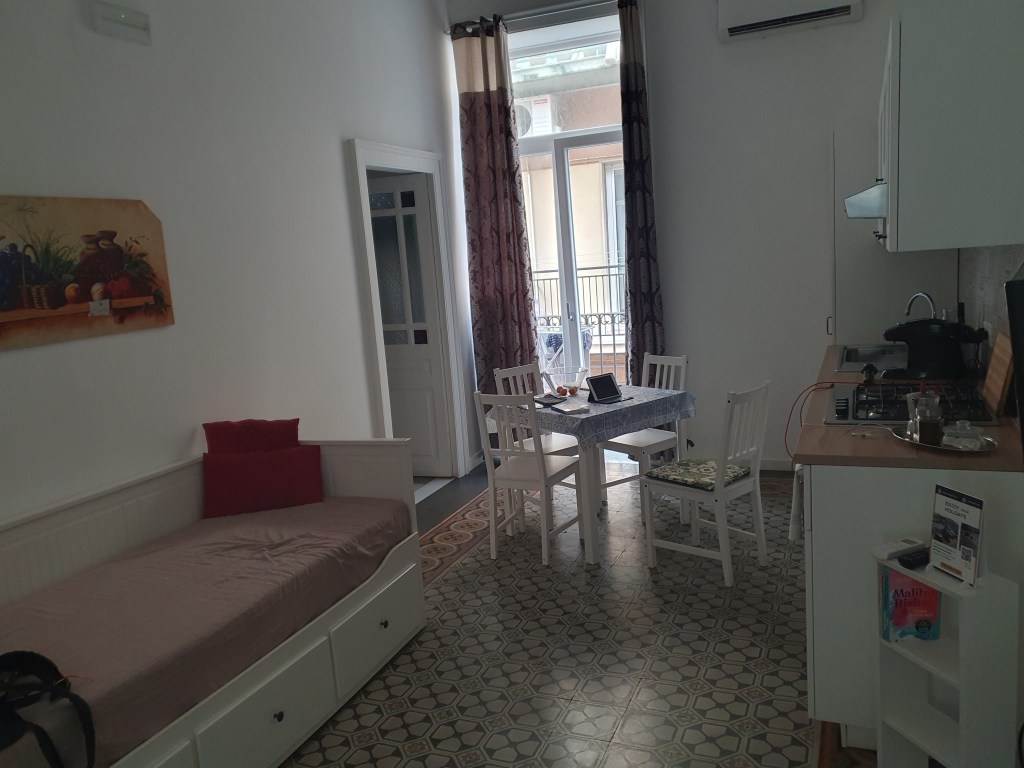
Parking is free in nearby streets – narrow and mostly one way – I had to move my car to let someone else pass while waiting for the guy to arrive. So I went and parked, returned to put the phone that’s done sterling SatNav duty and charging block on to charge, unpack and then set out to explore the immediate neighbourhood. Luckily just round the corner is a bar with a much-needed post-driving beer. I start walking towards the sea and passed a garden that made me stop and think because of its very explicit signage. I’m used to Jewish quarters in lots of Spanish cities and had read that the Giudecca is one of the areas to explore on Ortygia, the island that forms a large part of Siracusa.


I make it to the twin bridges across to Ortygia but had planned that for tomorrow so I do a restaurant recce, buy some basic supplies for ‘home’ drop them off and then go to eat Siracusa-style tuna, cooked with onions peppers and tomatoes, helped along with an Etna red, half with the meal, half carried through the streets to enjoy while unwinding with music and a book. Buonanotte.

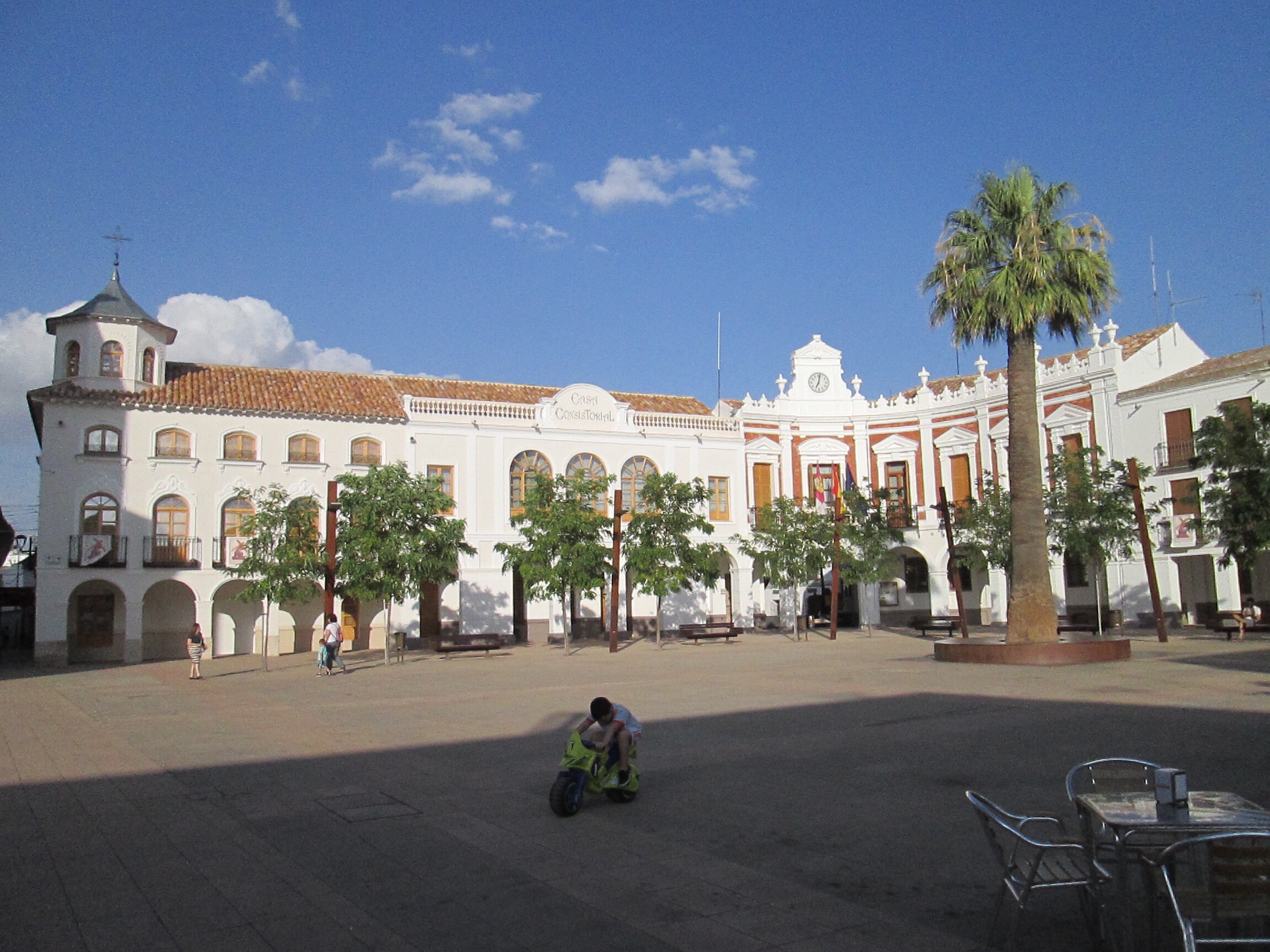
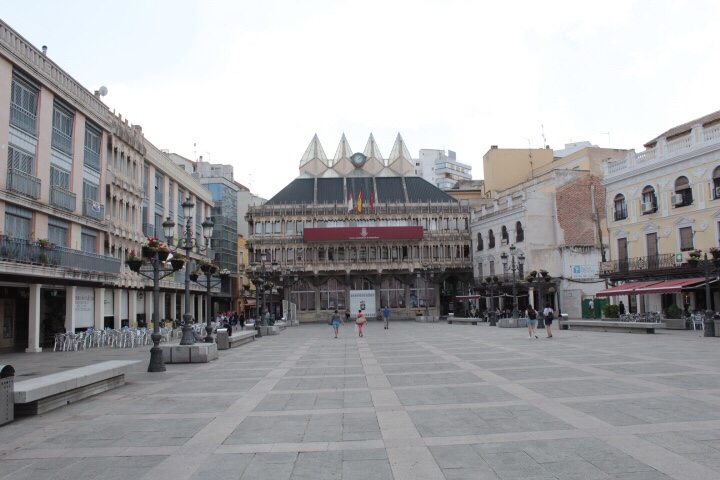
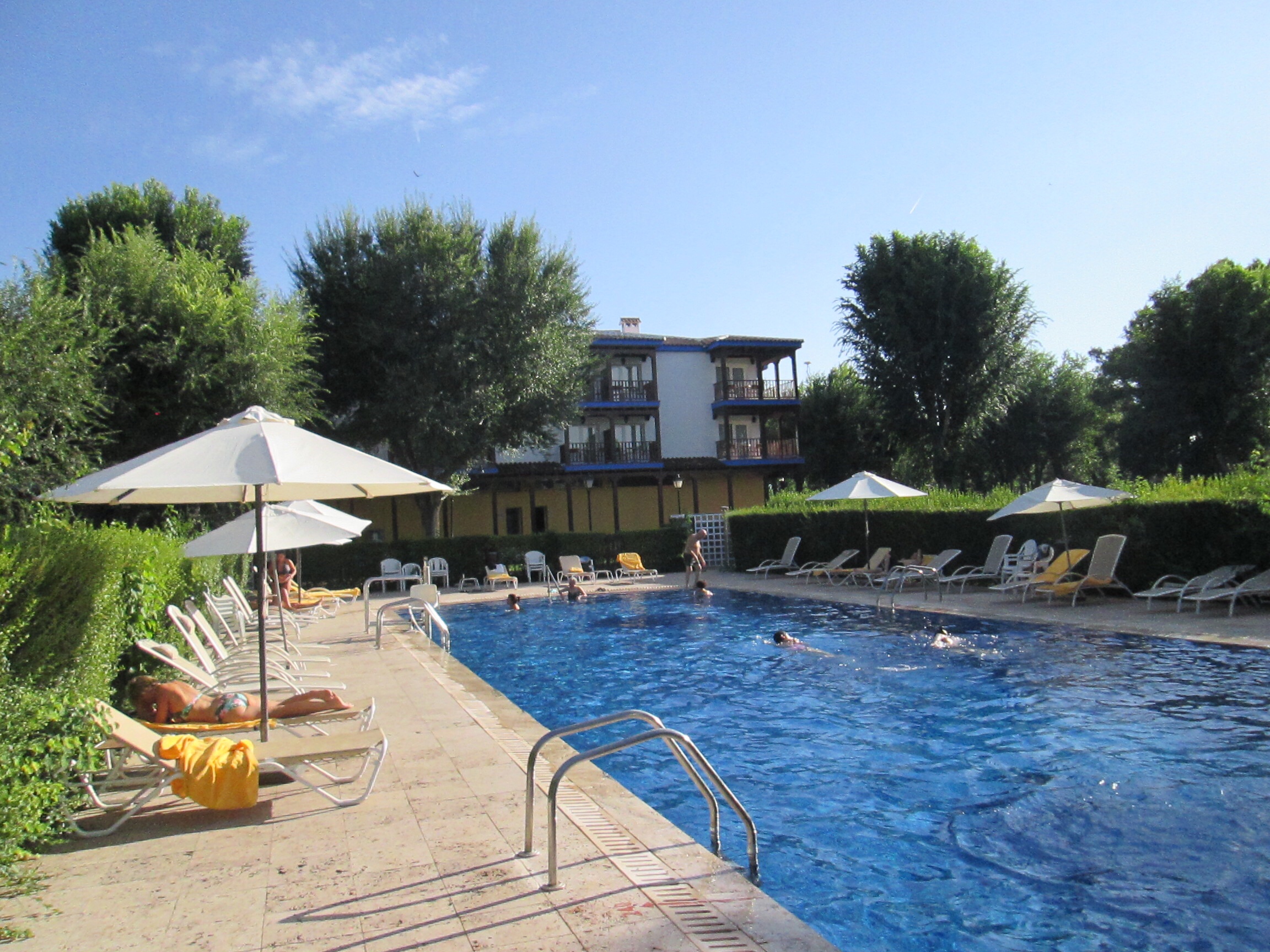 However this wasn’t going to be a stay in the hotel all day stay so no real problem. On arrival after my Don Quixote day I walked the twenty minutes into the centre. To be fair it’s a fairly dull town with a few good buildings – theatre very deco, church one very modern and some very ancient as well as a good plaza.

 However this part of the trip was for swimming (tick), writing (tick) chilling (semi-tick) and exploring the local ecology, archeology and oenology (two and a half ticks).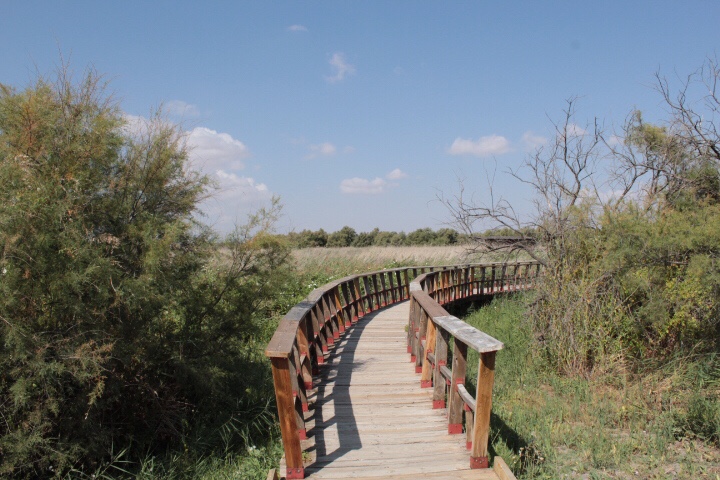
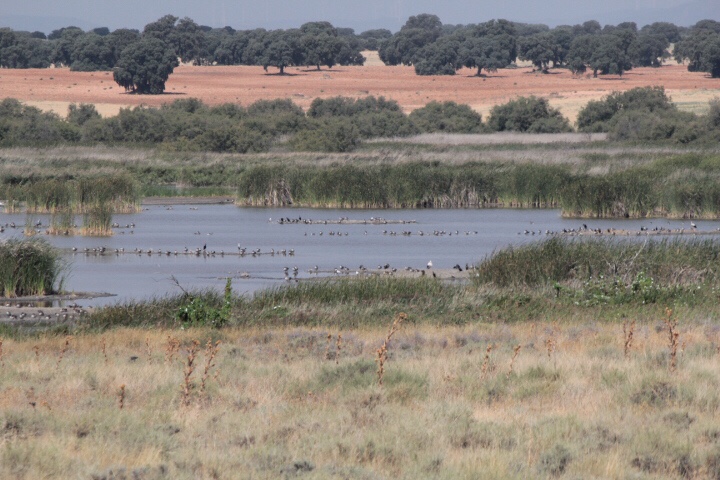
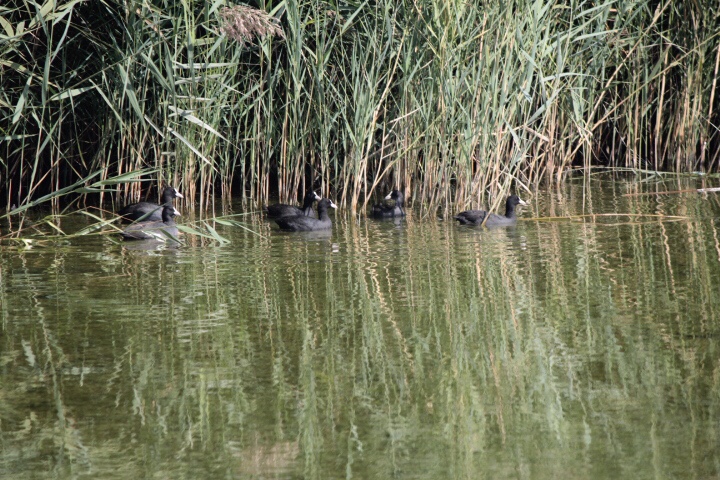
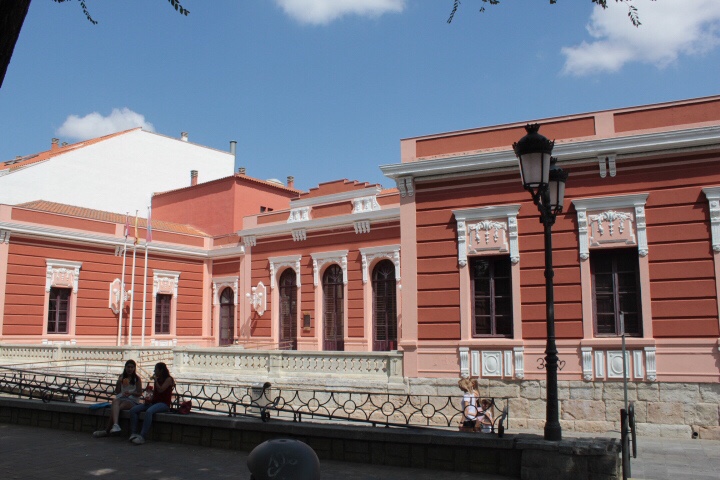
 It provided a good lunch stop in the shade as the temperature reached 41 Celsius.


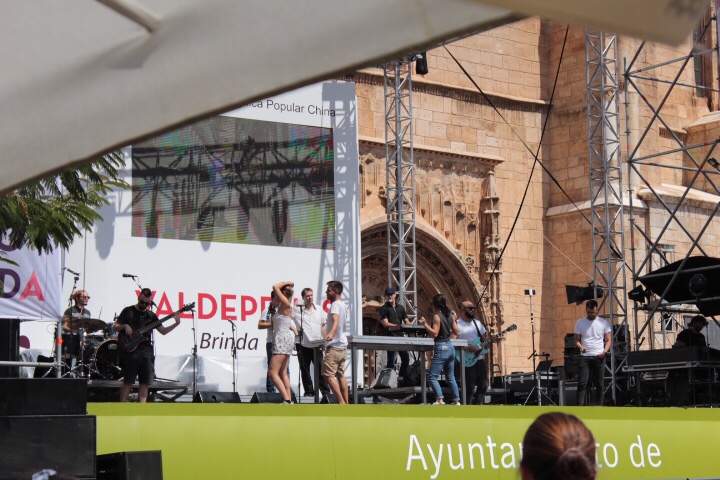
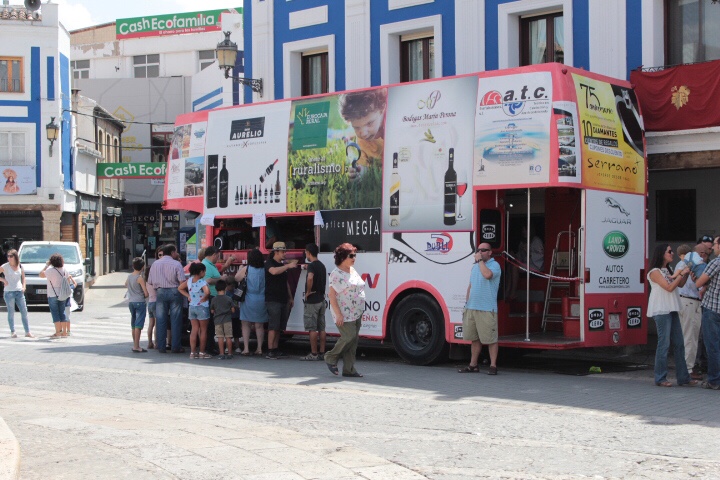
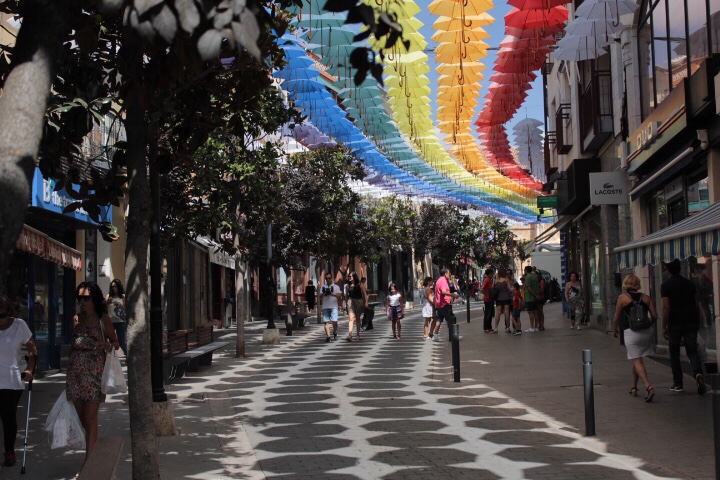
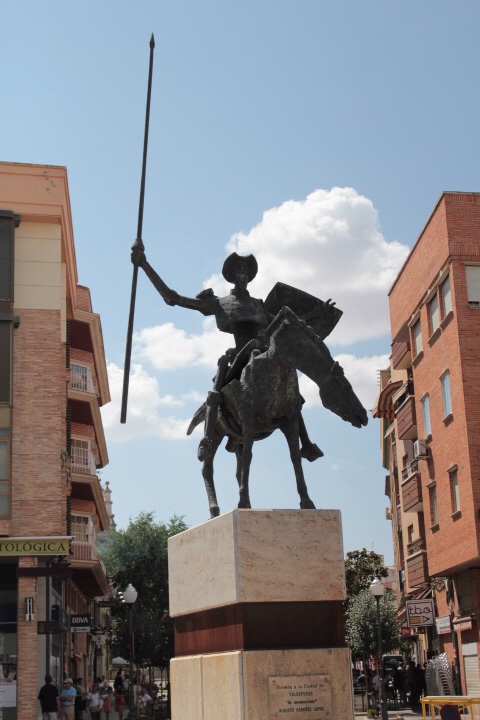
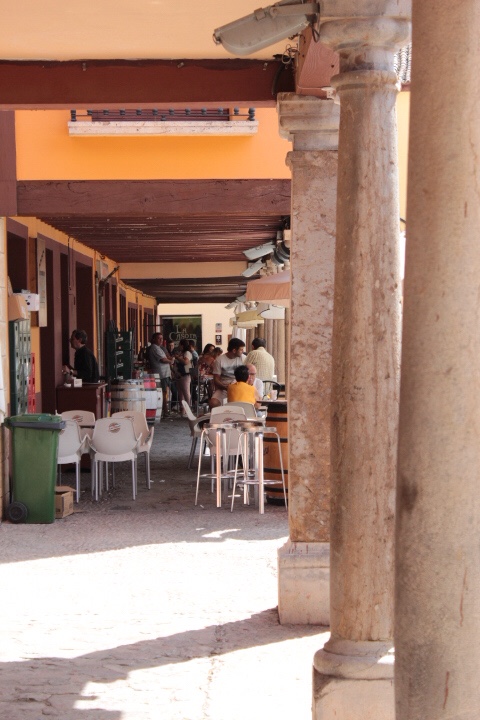
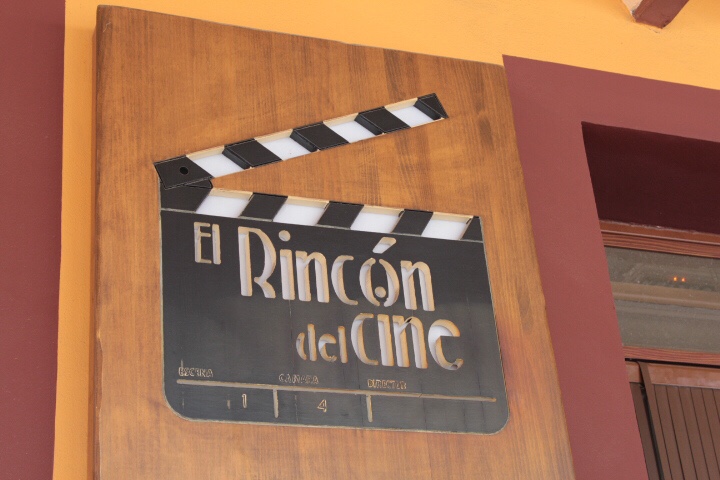
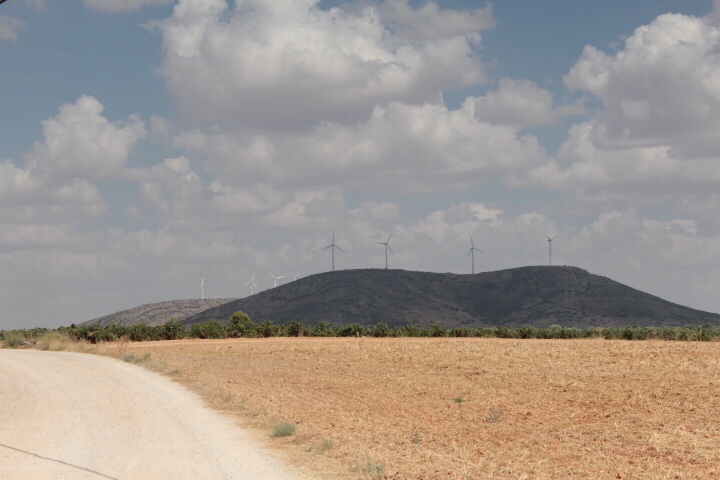 The town has a fine plaza and church, a ducal palace now the town hall, a cinema themed bar and is famous for growing saffron without which no paella would be complete.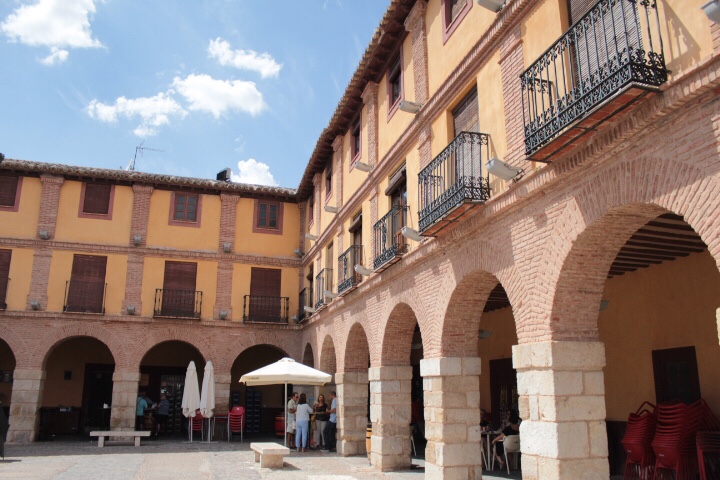
 mikeandmurakami.com