
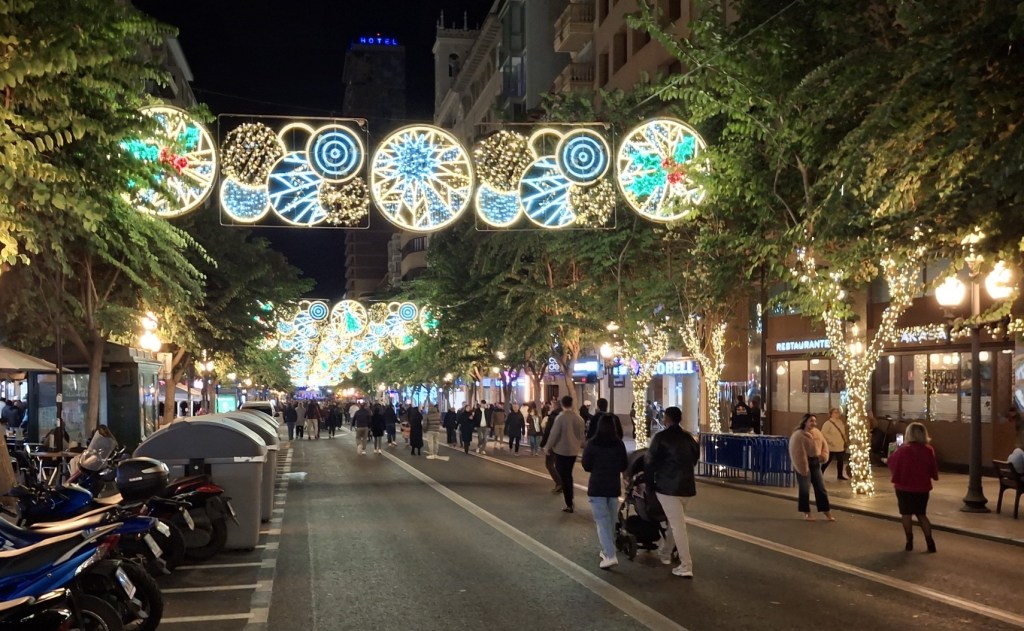
This is a phrase that crops up at lot on news and entertainment channels on the television. Also here in Spain it is in the context of warnings of snow and road closures in the Pyrenees and sea surges and flood warnings in Malaga and Cadiz – Global heating is humbug, right. It features large in the Ian McEwan book. The news tells me also that in Spain, physical shopping is beating online by a distance – and seeing the number of bags being carried around Alicante, I can believe it.
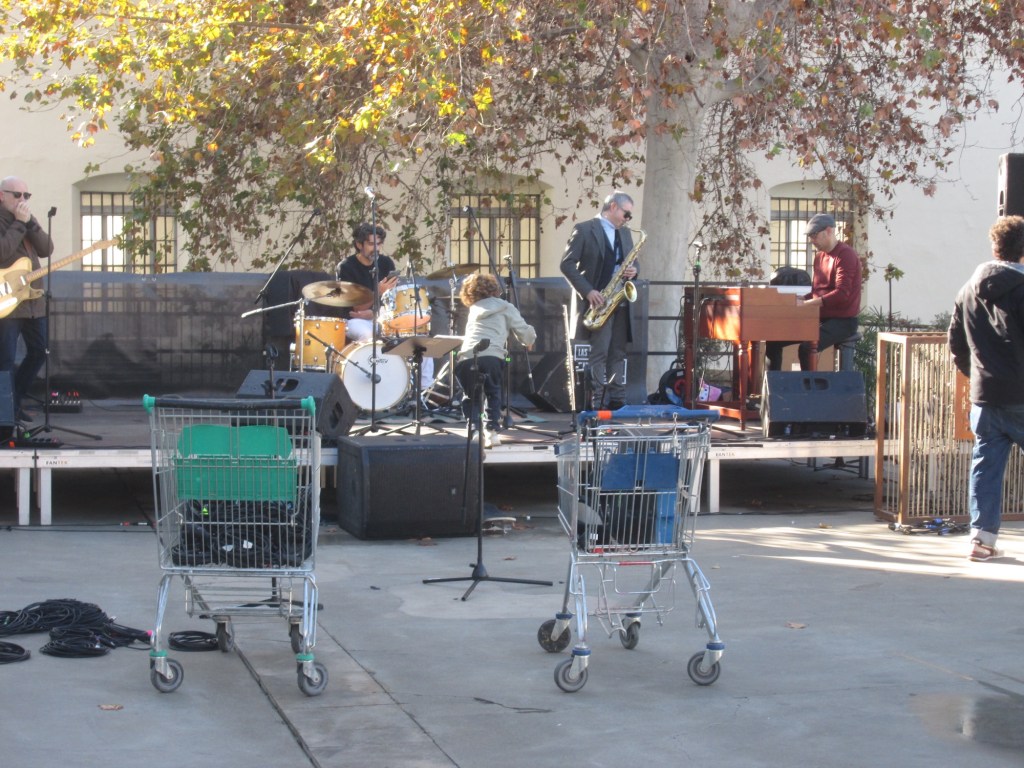
However I didn’t go shopping this morning as I had a couple more museums on my list. The first was in the old tobacco factory, Las Cigarreras which is now a multi-use cultural centre. It was walkable in 20 minutes so off I set in the sunny morning after another excellent breakfast near the bull ring. As I arrived there was a jazz combo doing a sound check for a lunchtime gig. They sounded OK but nothing to wait around several hours for.
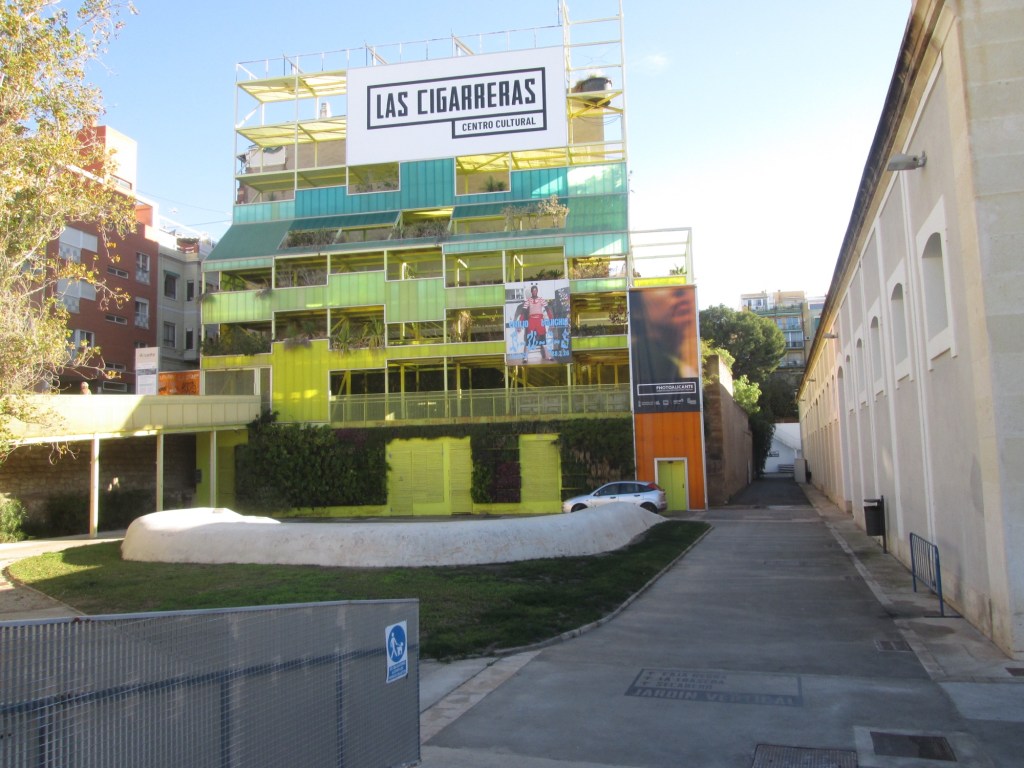
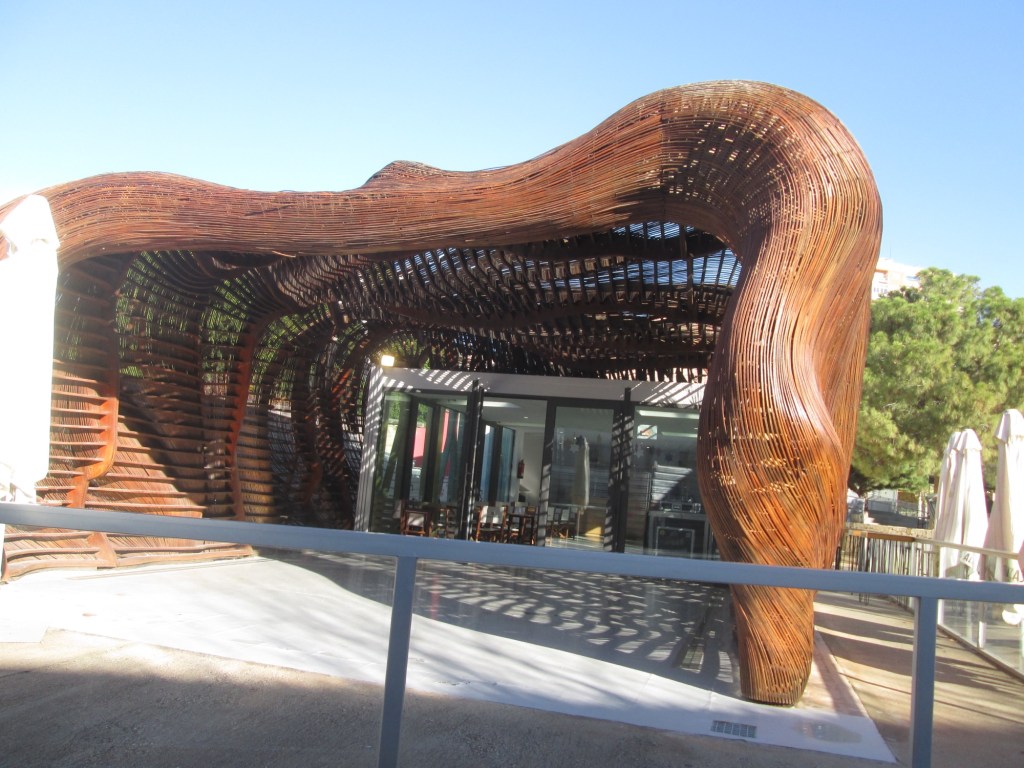
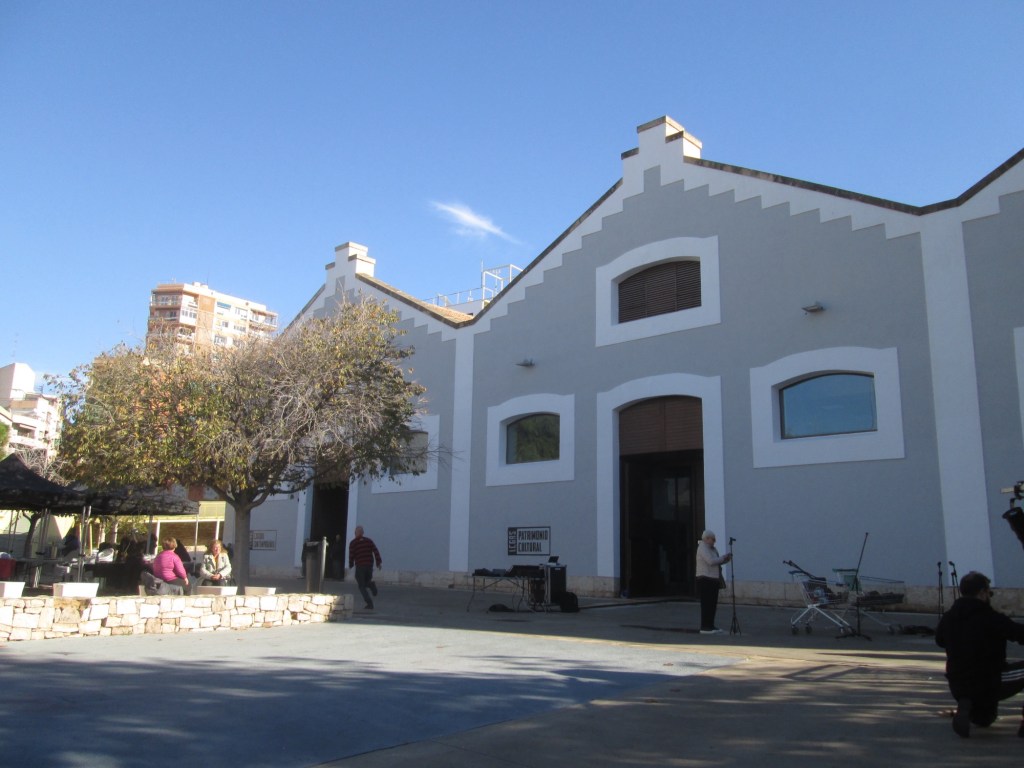
Inside one of the grey former factory buildings was a photographic exhibition with a series of experimental images from a variety of photographers. One of the exhibitor’s work reminded me of my friend Lisa Kalloo’s in the use of pinholes, Vaseline and other distorting factors to produce amazing images. Others used reflecting metal objects under water, scratched lines on negatives, printed out and made into a montage wall and a social comment on homelessness with a bed featuring in various locations.
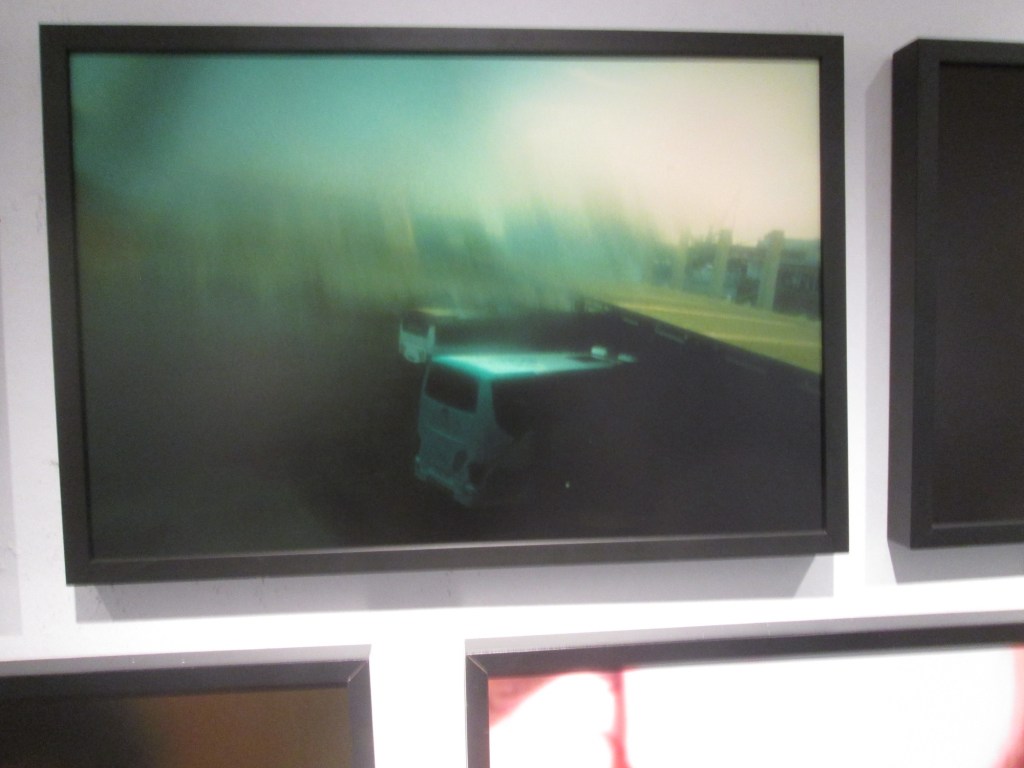
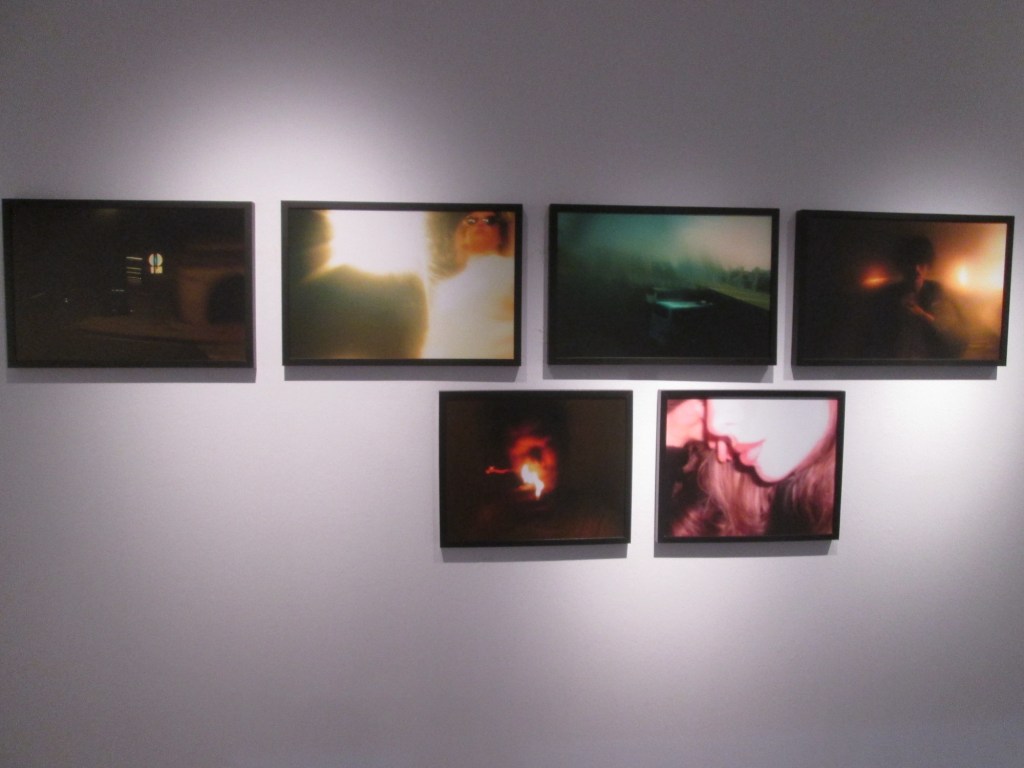
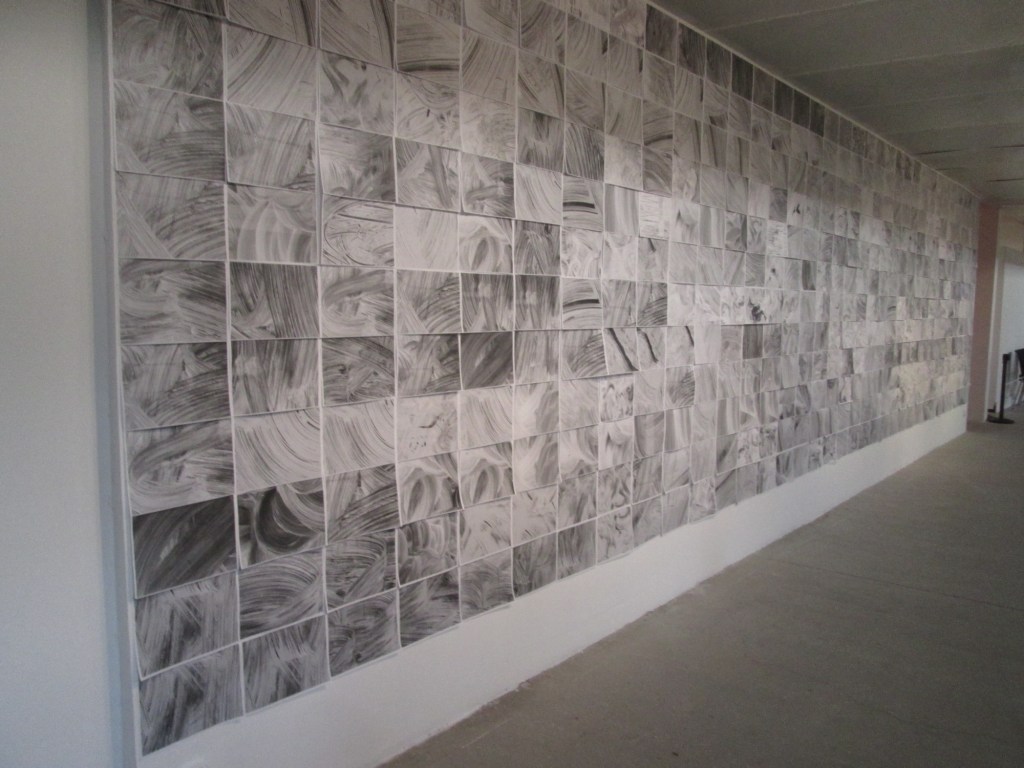
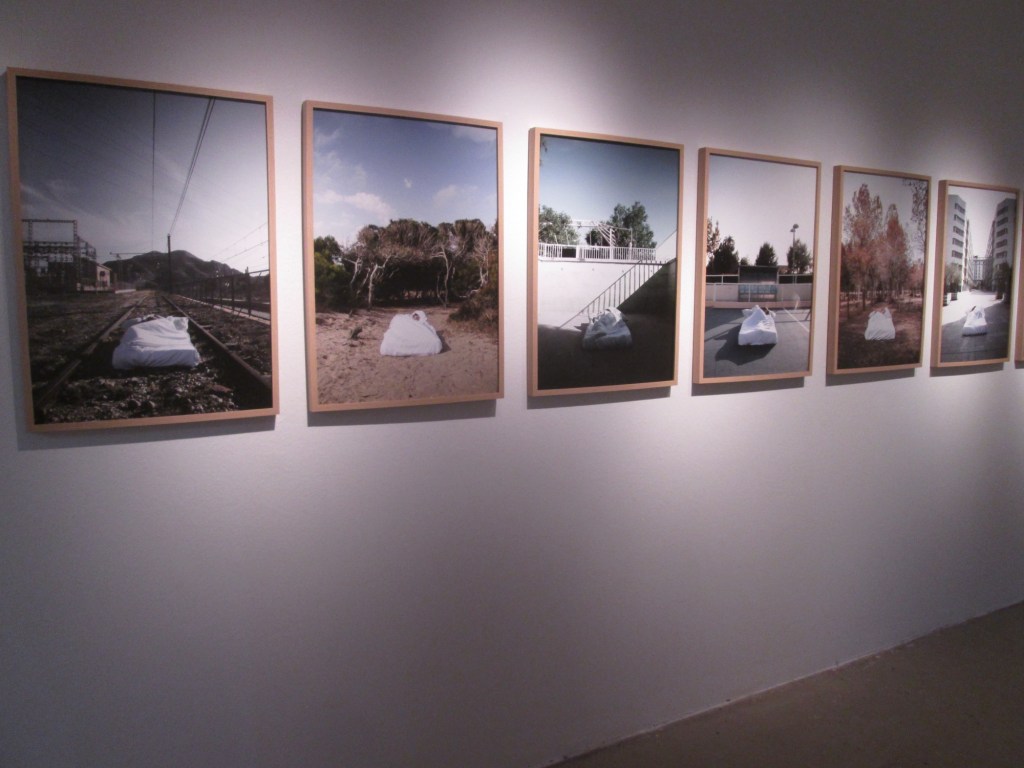
I had had no idea what to expect as the Cigarreras website wouldn’t work for me in the UK, but I thought the buildings were worth a visit anyway. It was a thought-provoking show that made me vow to go to more unconventional exhibitions back at home and broaden my view of what constitutes art. It needs to raise emotion, stimulate ideas and challenge conventional attitudes. This did all of that.
MARQ – the Museum of Archeology – was feted as European Museum of the Year in 2024 and it’s easy to see why. It’s in a former hospital and has displays not only of objects found in the area from the Bronze Age onwards but has reconstructed videos of life in each of the main eras of Alicante history – Iberian, Roman, Jewish, Arabic, Christian and modern democracy. Sadly only the introductions to displays are in English so my Catalan and Spanish got stretched now and then.
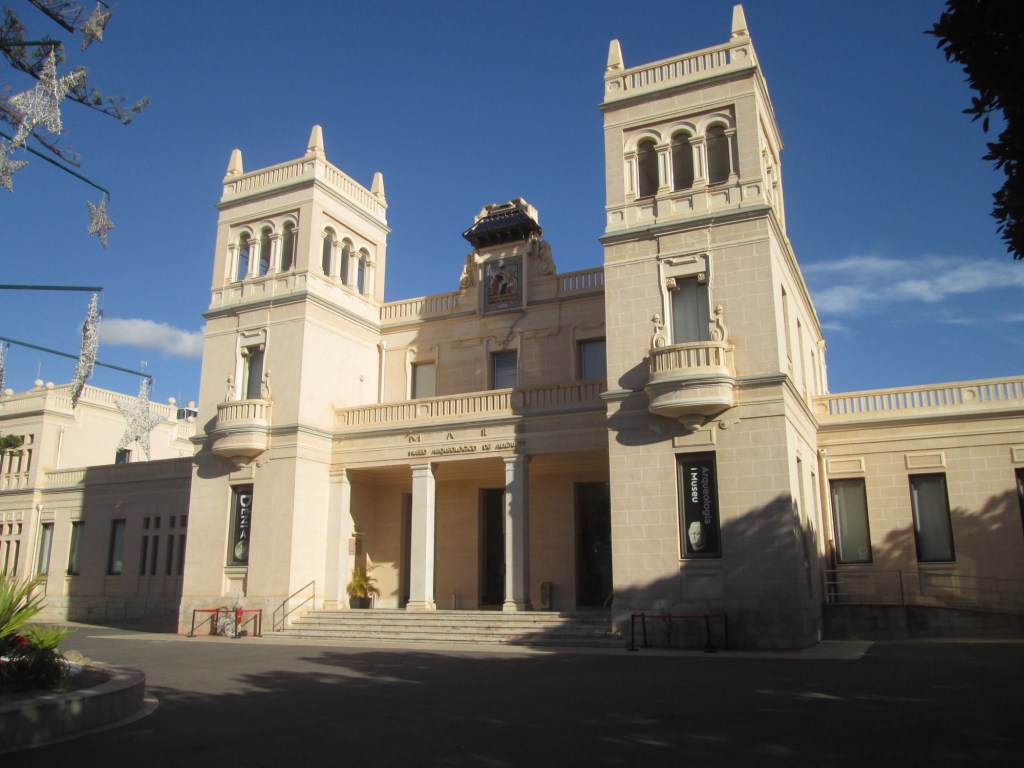
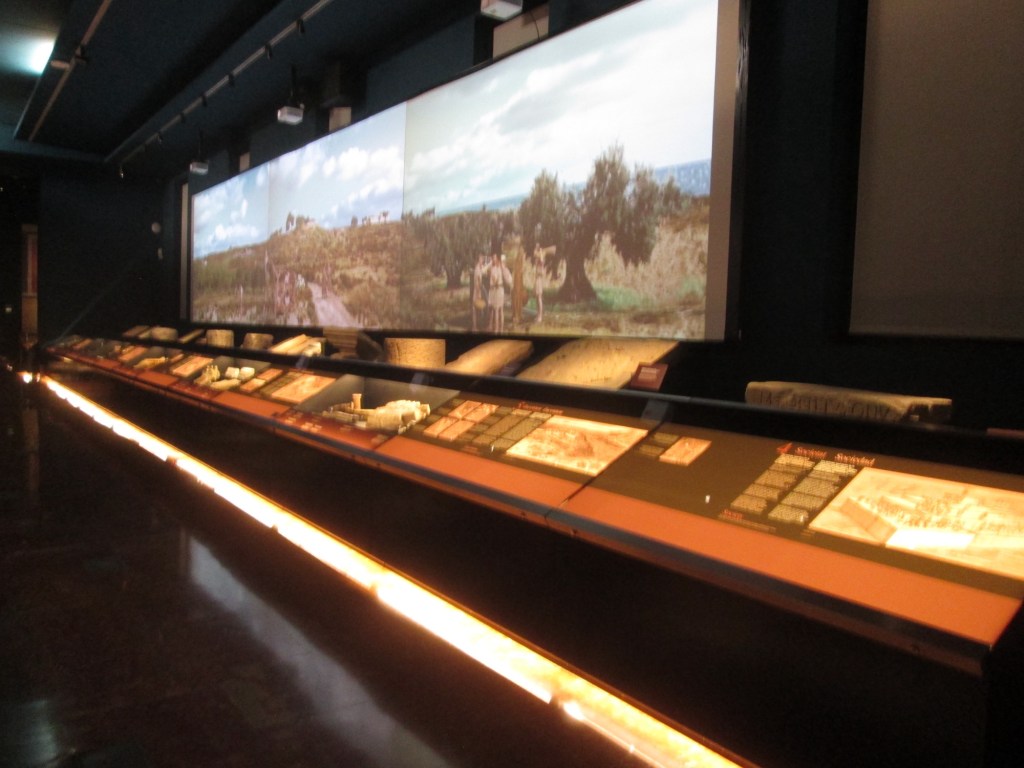

One of its great features that Dee, who always wanted to go on a dig, would have loved was the reconstructions of archeological investigation sites throughout the eras. We had been to Empurias in Catalonia so knew about Spain’s lengthy history but MARQ made it clearer in a dramatic and intelligent way. Well worth the walk to both morning venues and my lunch saw me have my first slices of Serrano ham – how can I been five days without?
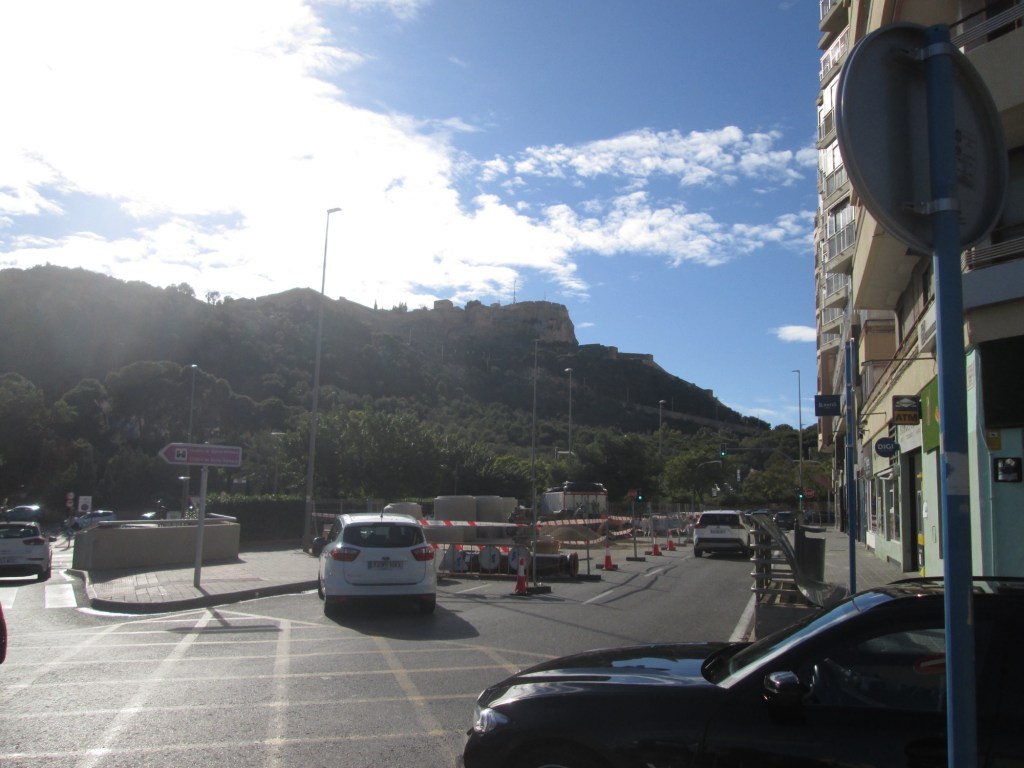
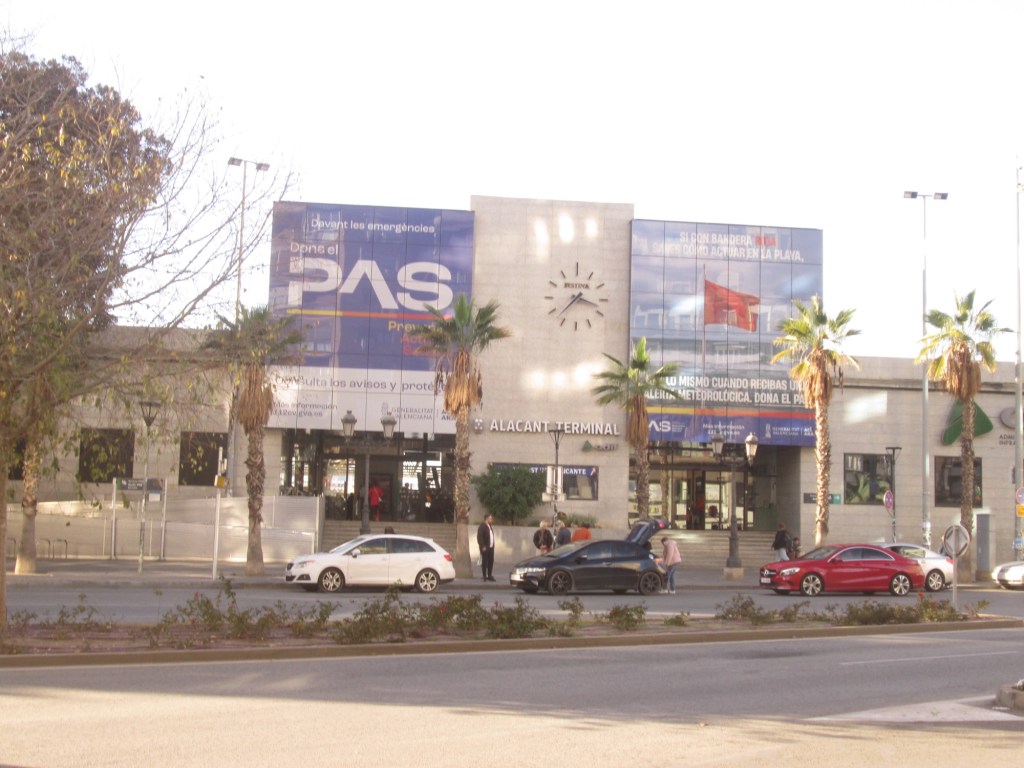
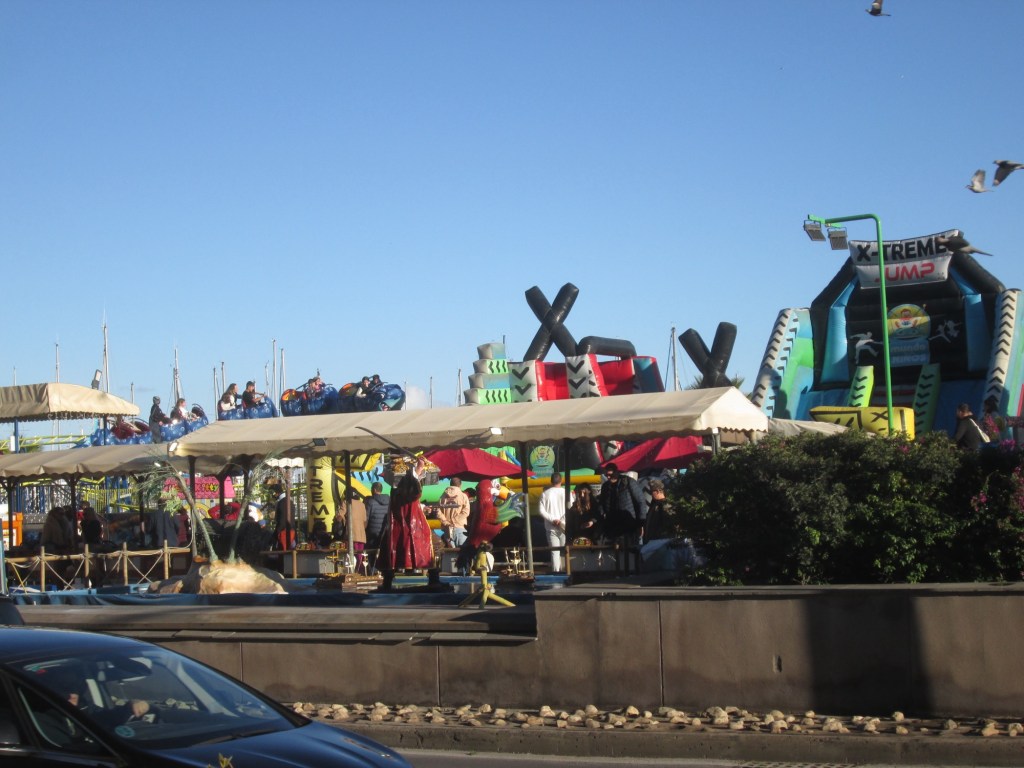
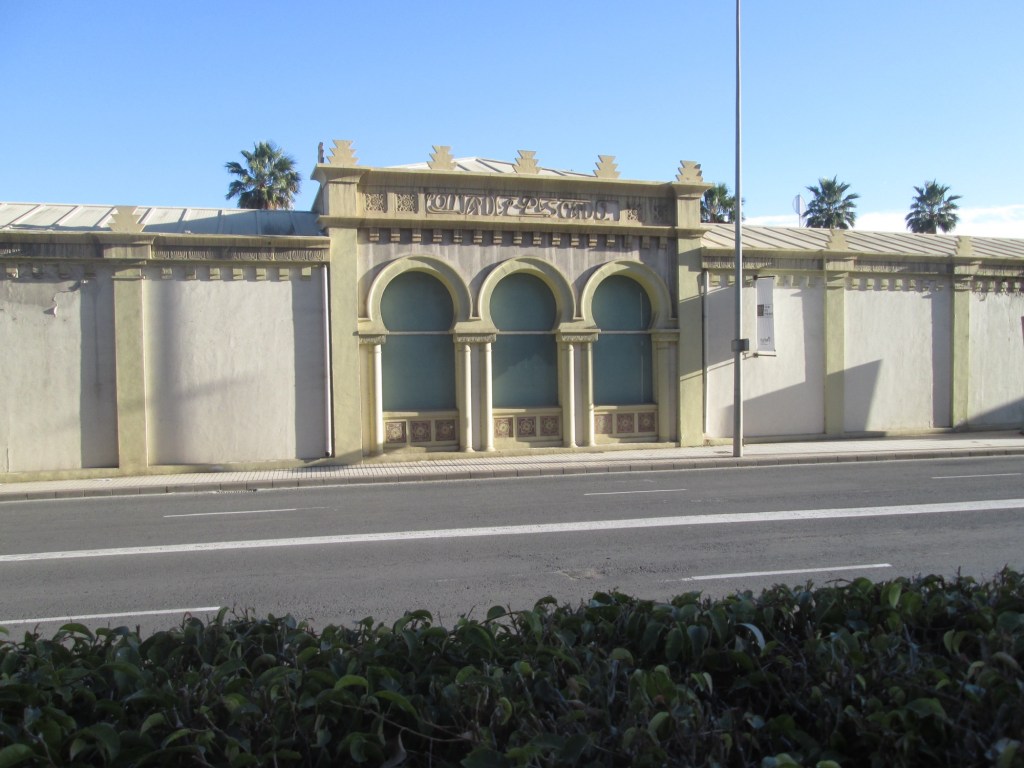
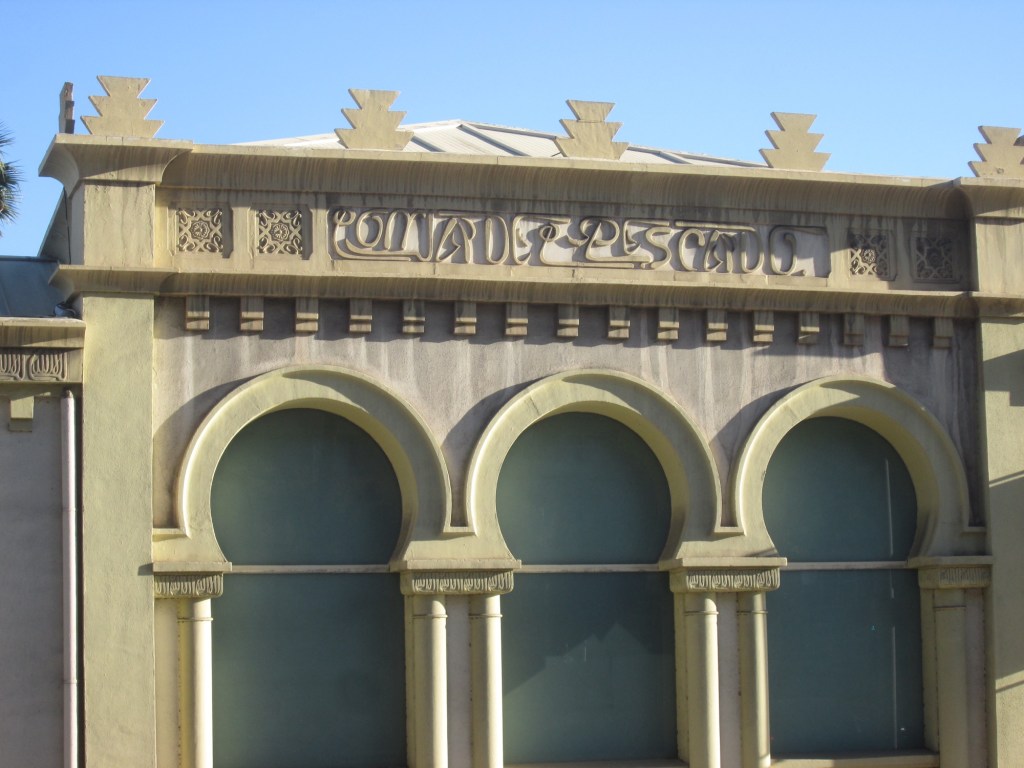
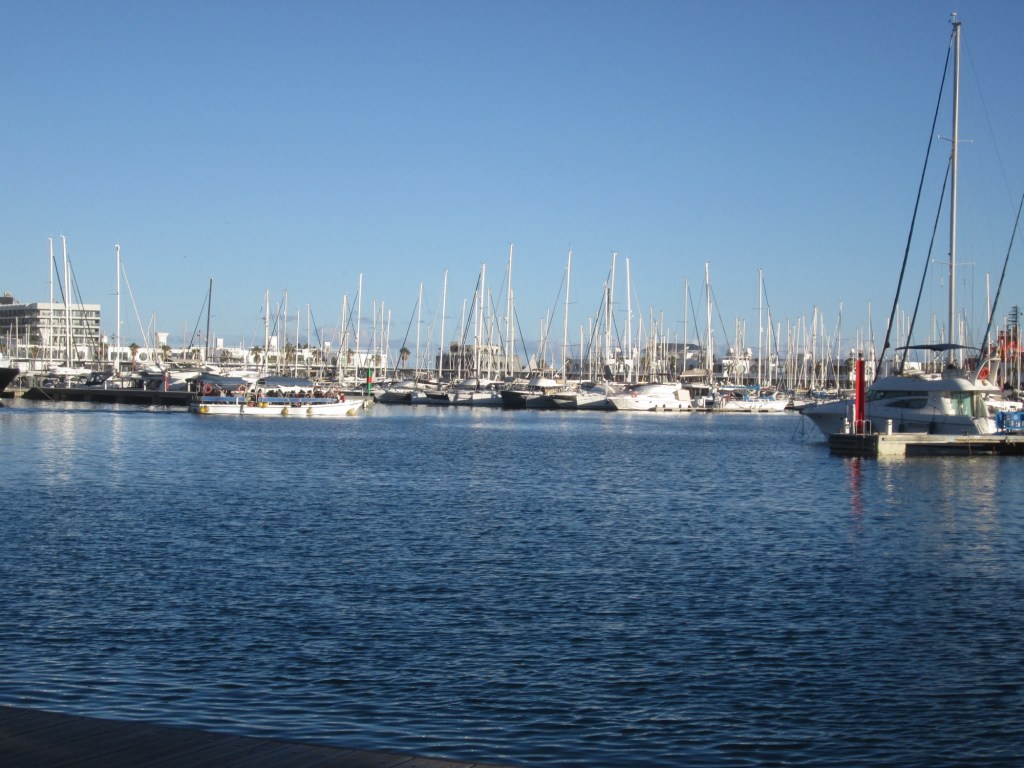
Most Spanish cities have an interesting rail terminal – not Alicante. But I walked there and then back down through interesting streets to find myself back at the southern end of the marina past an amusement park and passing by the lovely fisherman’s terminal.
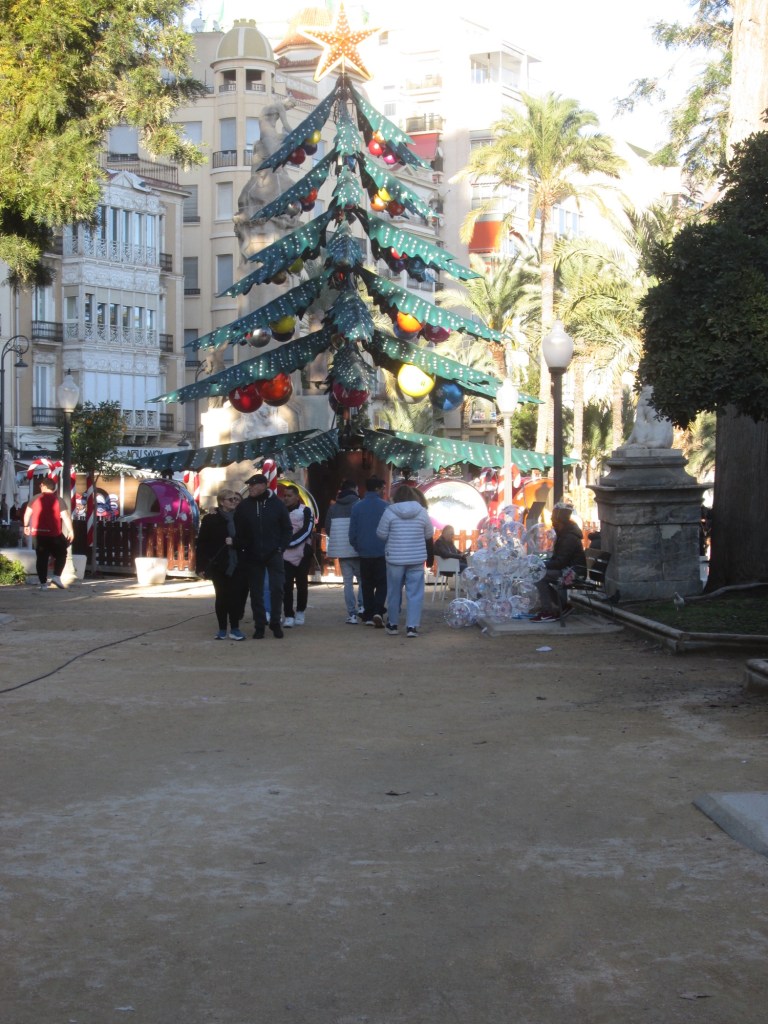
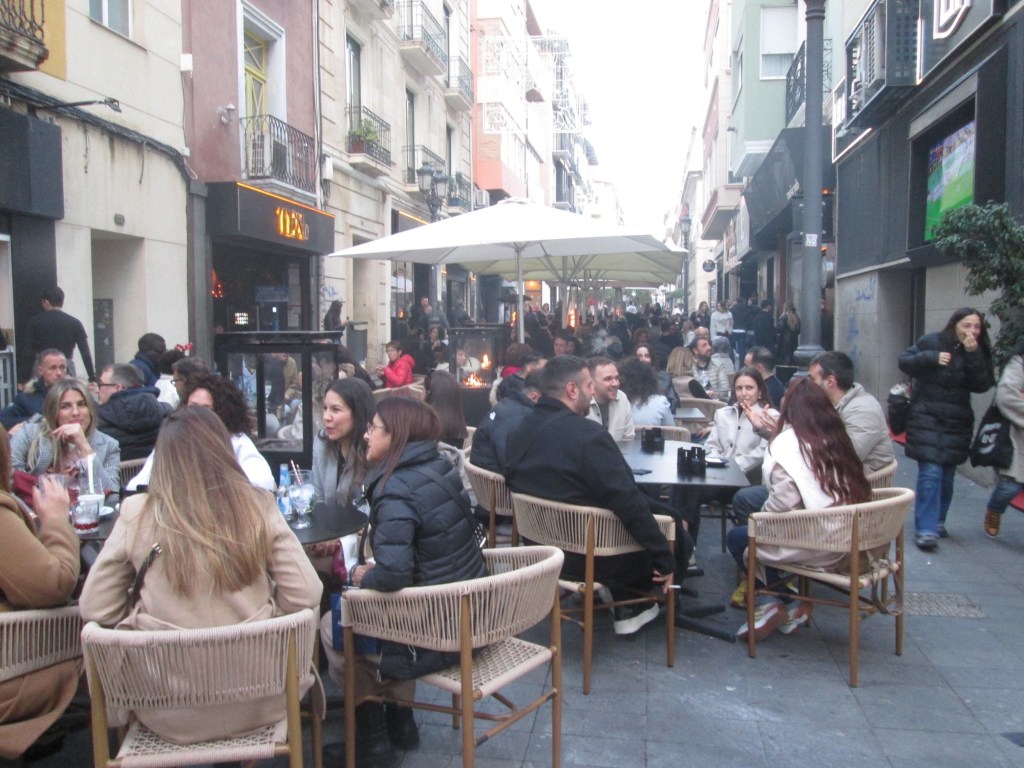
I spent another period in the sun finishing my book and then thirst prevailed and I went back into the mad centre of the city where every bar was full and families were meeting up noisily after shopping. Busy!
Things were no less busy when I went out to eat a bit later but one of the older restaurants Labradores – well you have to solid with the workers don’t you – found me a table and delivered a fine series of tapas – gambas al ajillo, pincho moruño finished off with some brilliant blue cabrales cheese. Oh and some excellent local wine. One thing I’ve discovered here is that tapas are much bigger than I’d experienced elsewhere in Spain, so care is required when ordering!



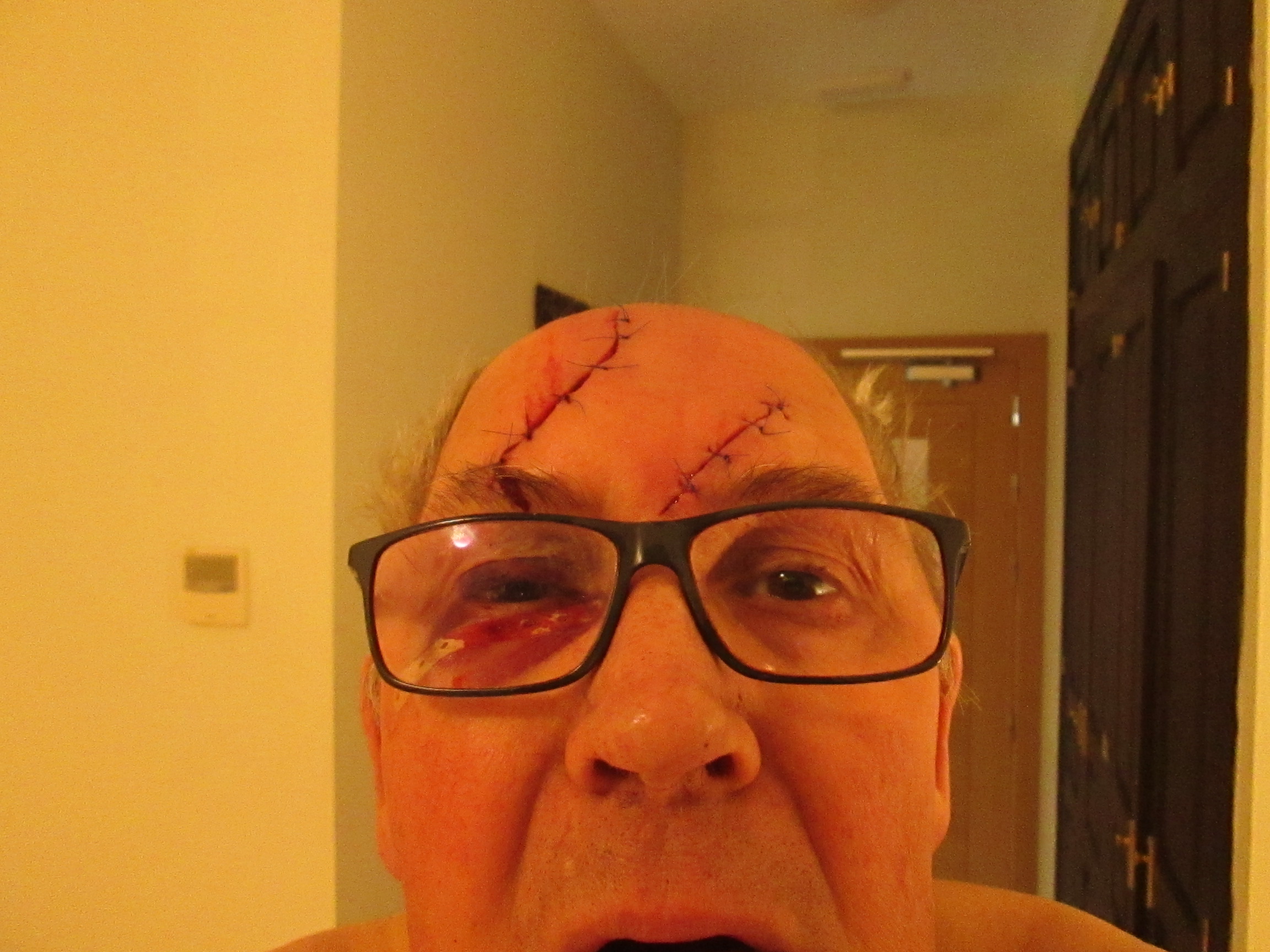
 However the hospital Hospital Puerto del Mar want me to report at 09:30 so off I set in a taxi the hotel has kindly called after my profuse apologies for their disturbed night of gore and mayhem. I had to take a taxi because from the interior of an ambulance I had no idea where we had gone and when I came out I got straight into a taxi back to the now calm hotel without really being very aware of my route or surroundings.


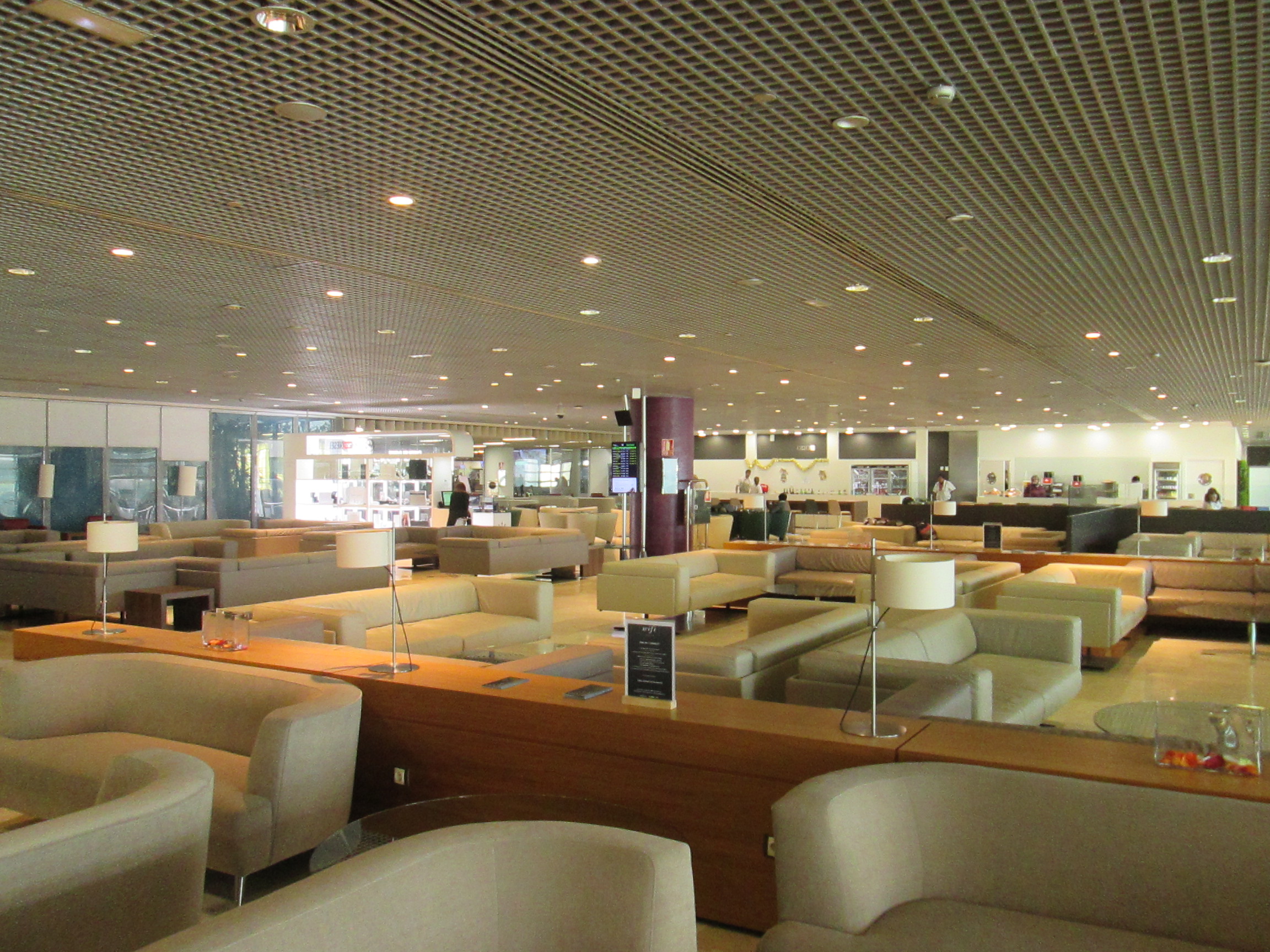 As is the new norm with Ryanair the Priority Q is longer than the paupers’. But in, I think, a first for me we board through an airbridge not by walking across the tarmac and climbing steps. The captain urges people to stow their stuff quickly as we can actually make our 16:25 take off slot if they get a move on – since we’d seen him and the cabin crew walk past us twenty minutes earlier maybe they could have got the plane loading sooner. However we’re in the air on time and I can construct the last blog from this excellent but eventful Iberian adventure. Obviously I’ll have to post it later when there’s some wifi – probably back home. Where I now am.


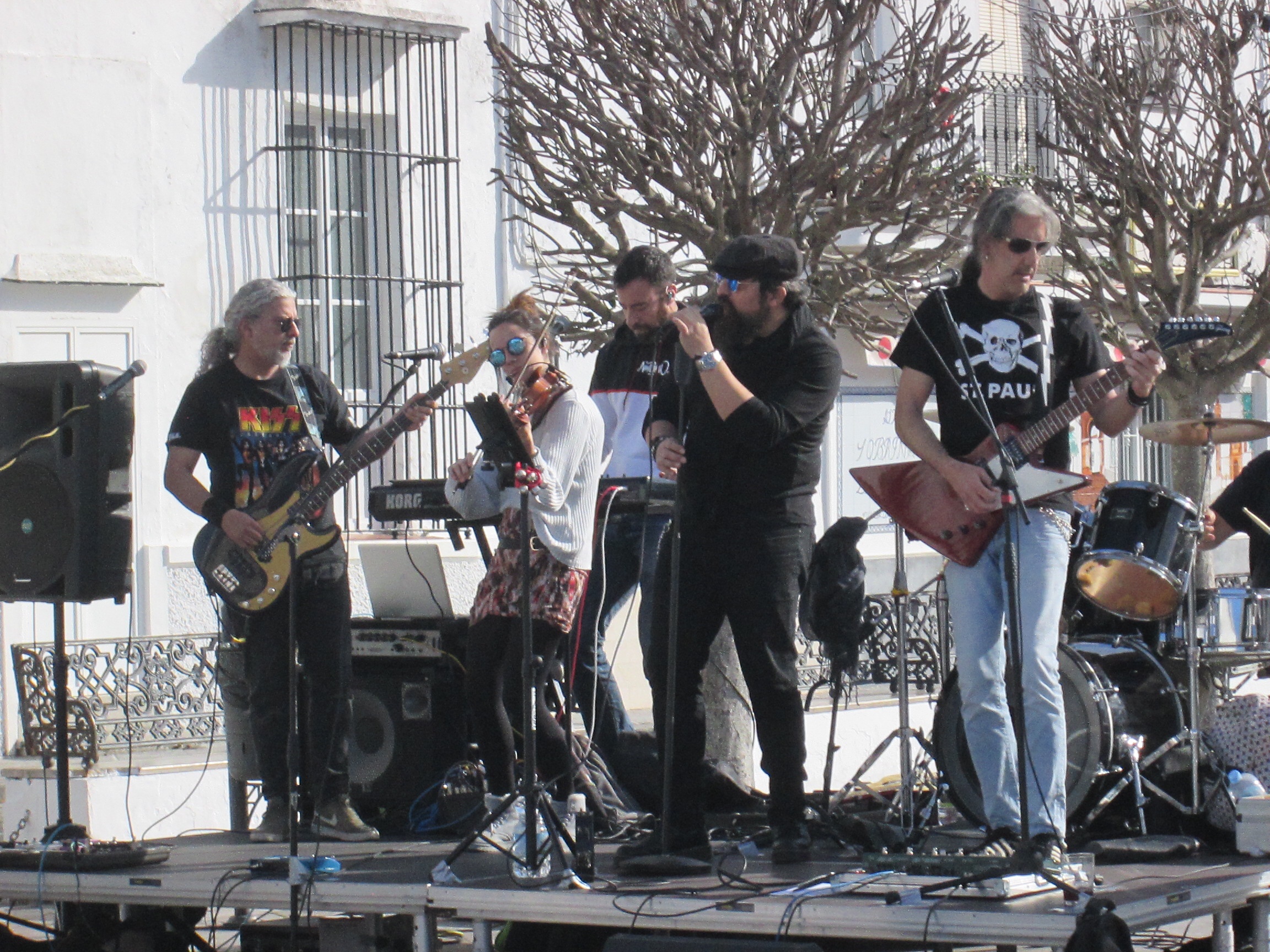


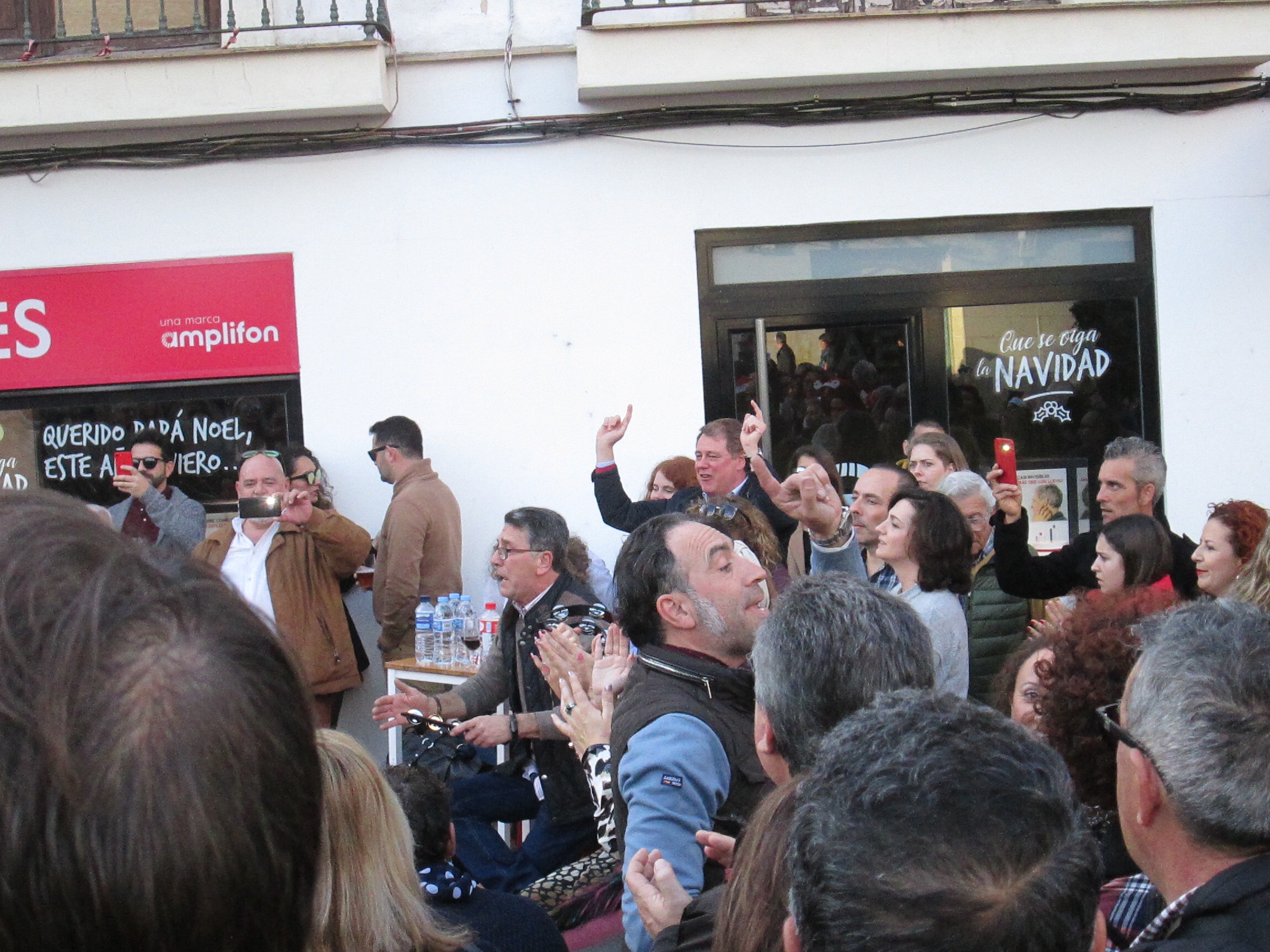


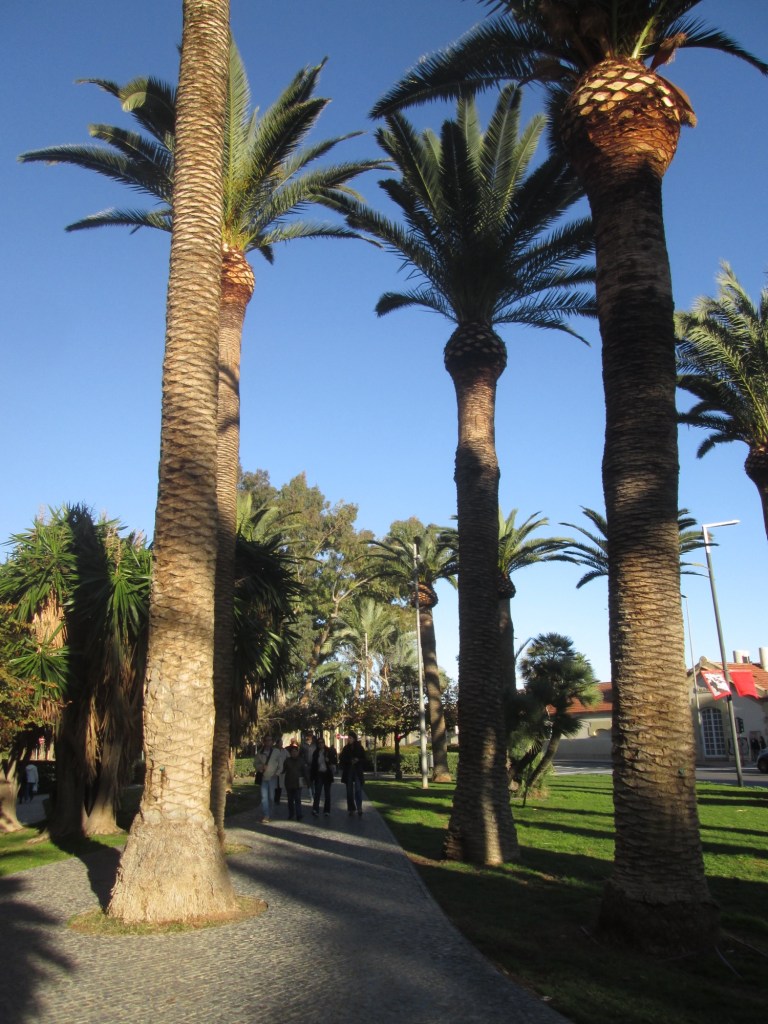
 I then headed inland and walked up through the main thoroughfare past the football stadium – unimpressive, , a beautiful brick and stone tobacco warehouse and through the park of the five continents – except we know there are seven now don’t we?

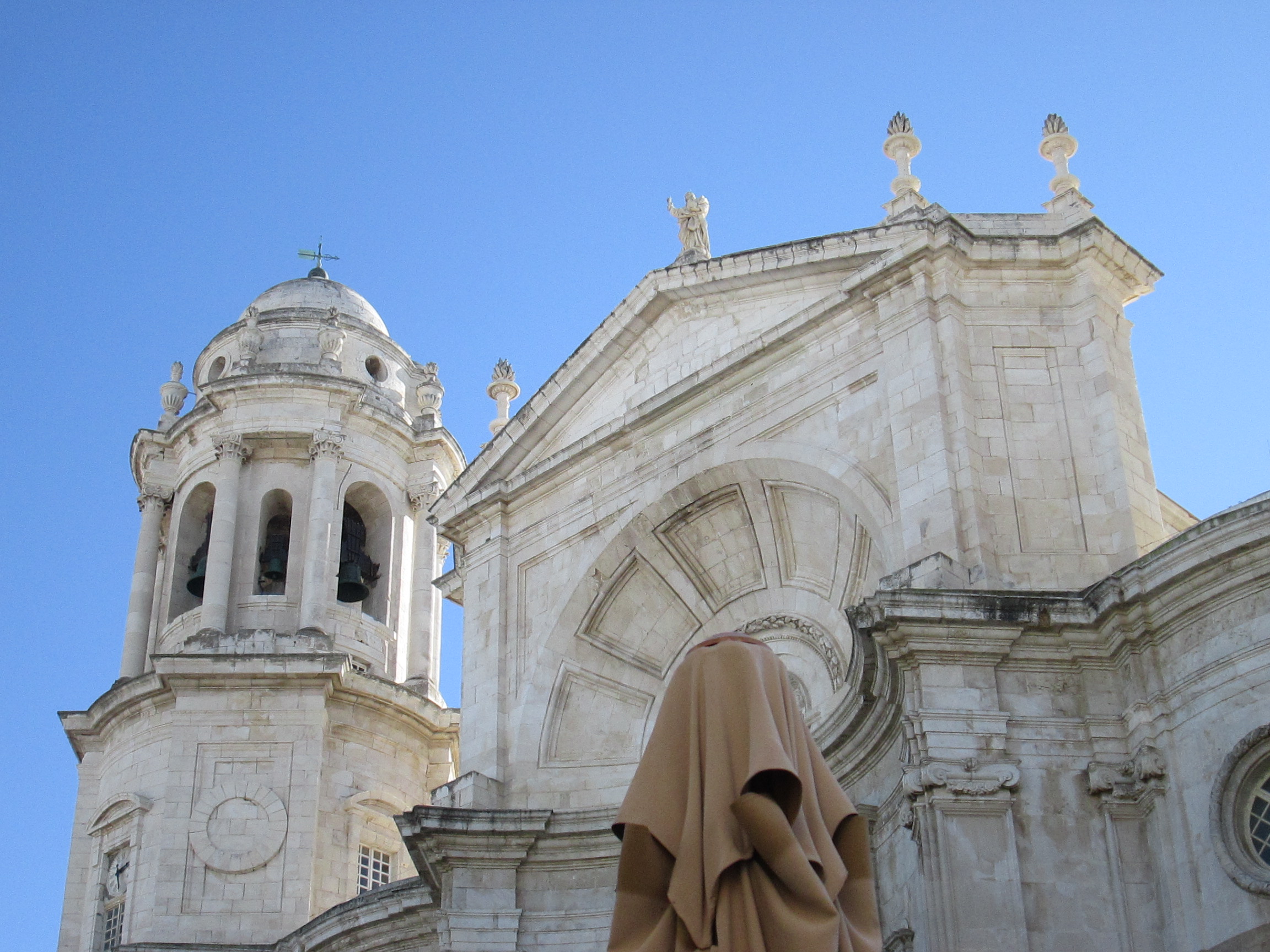
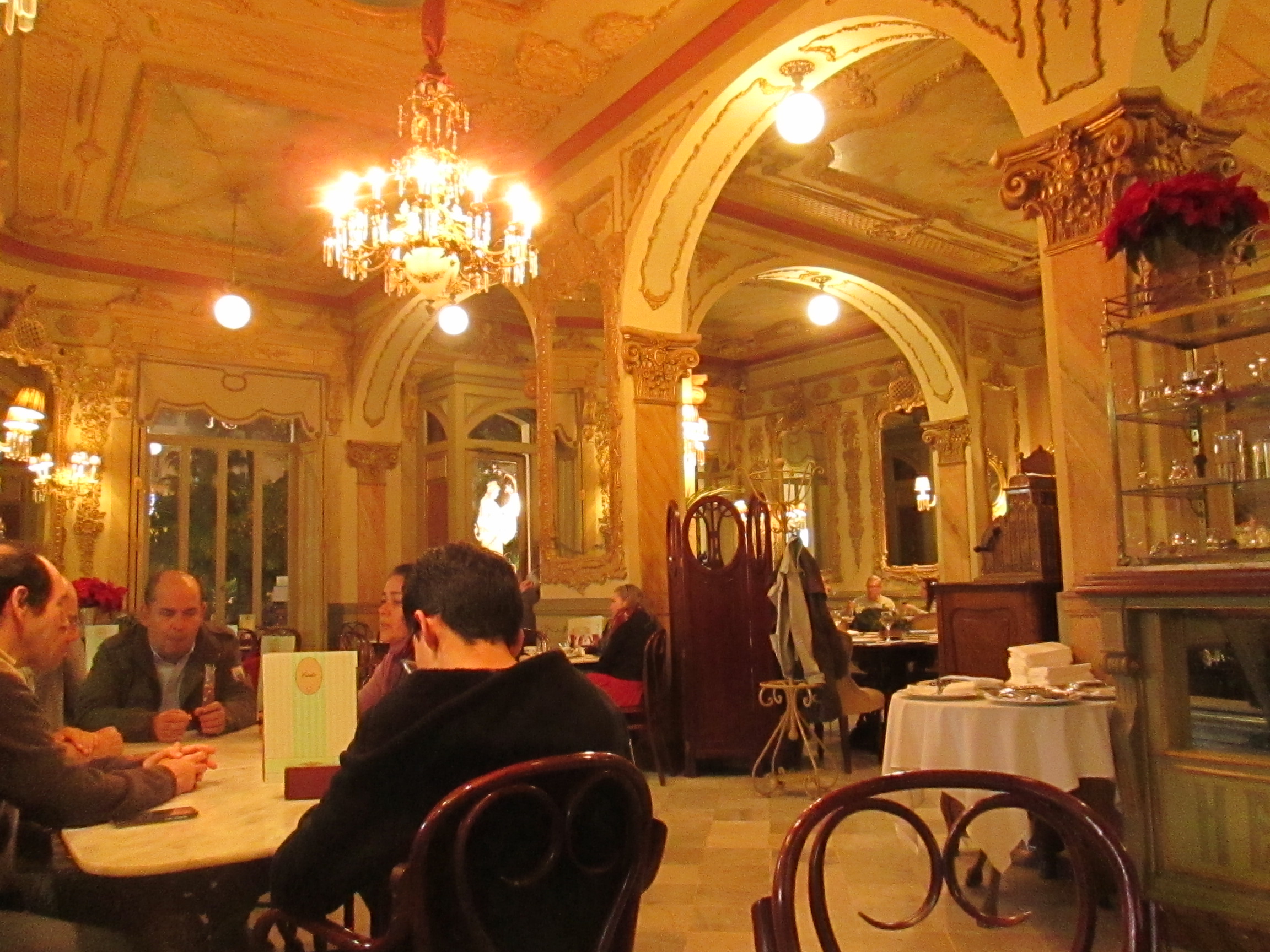
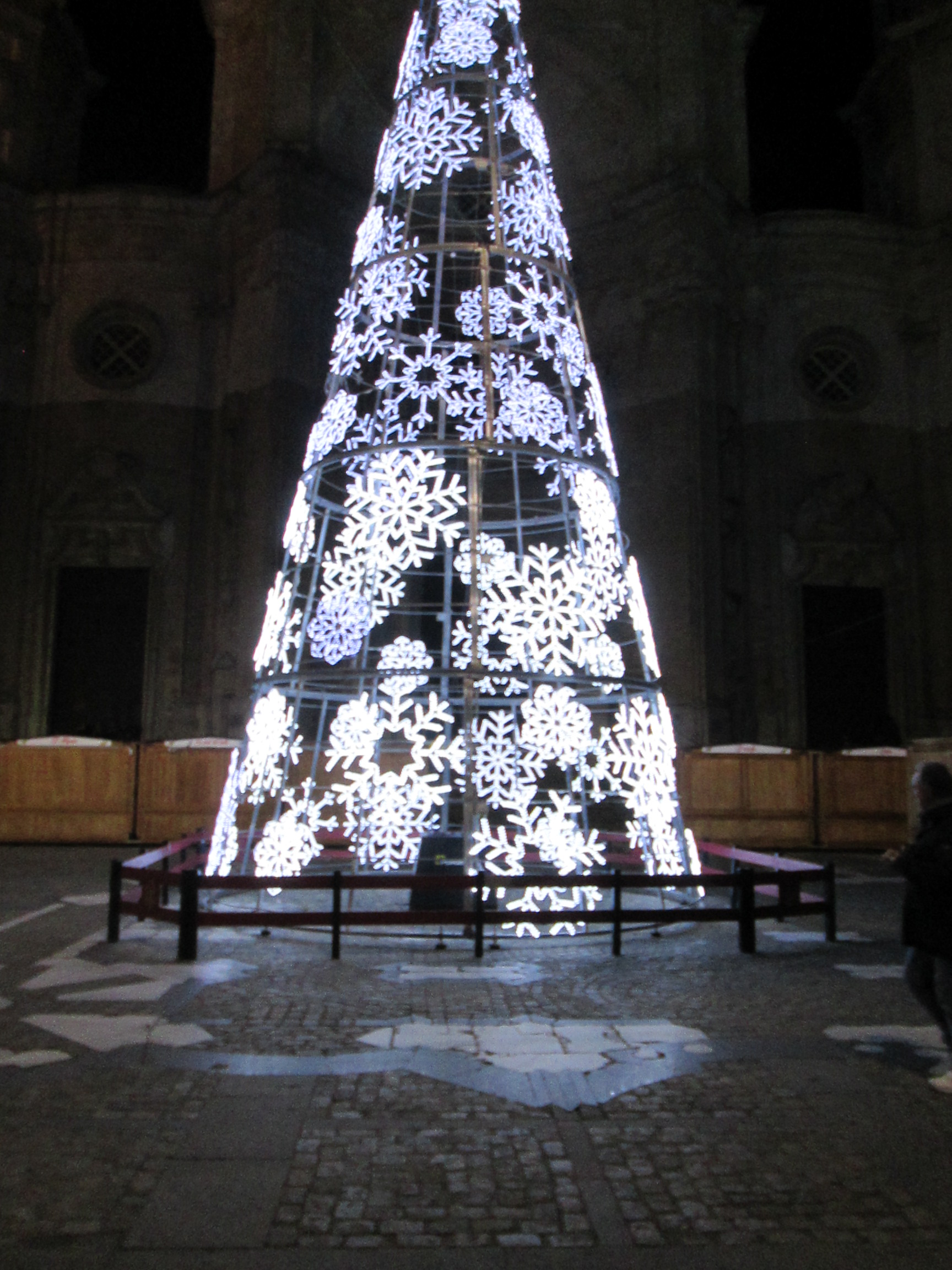
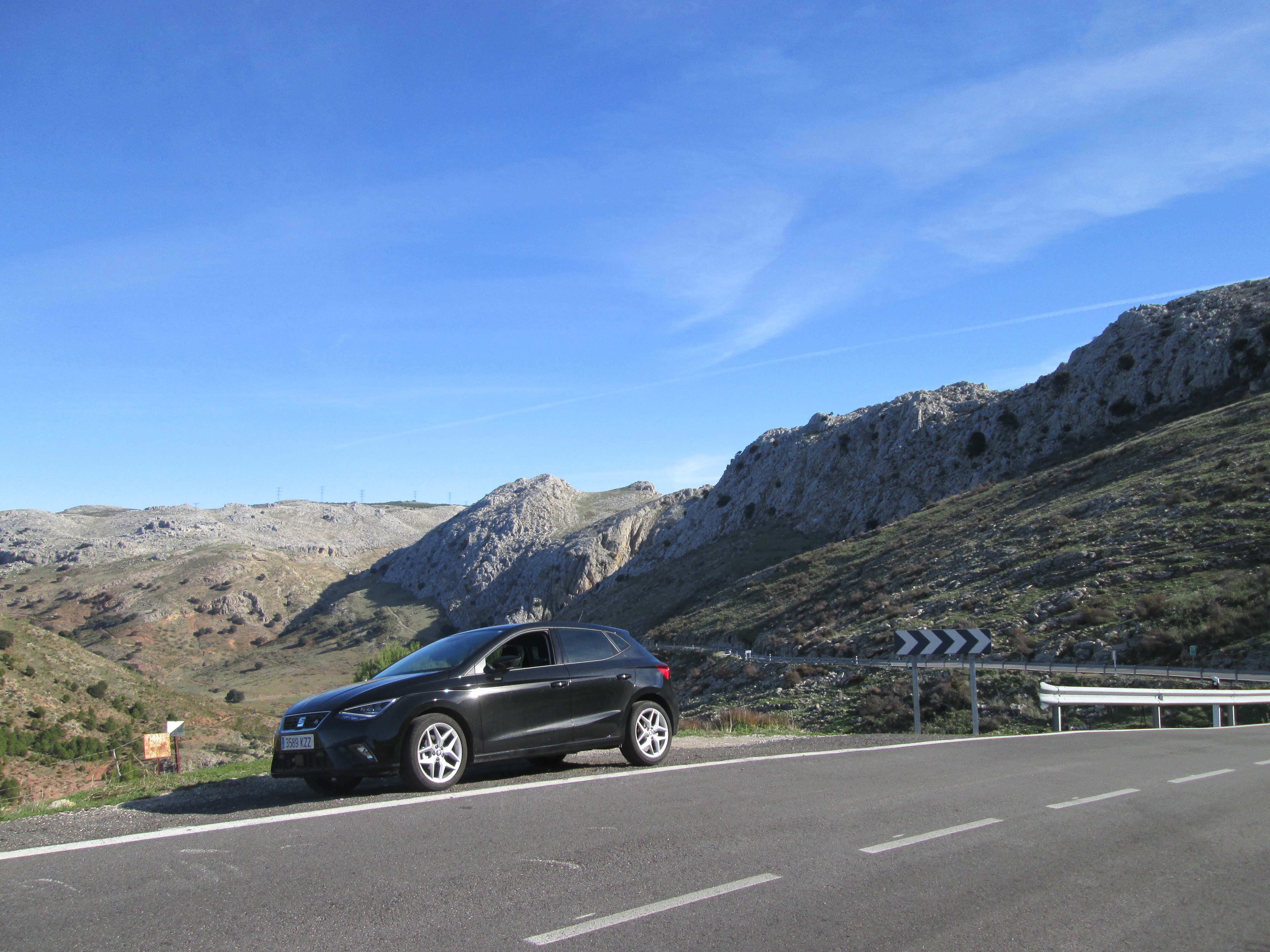


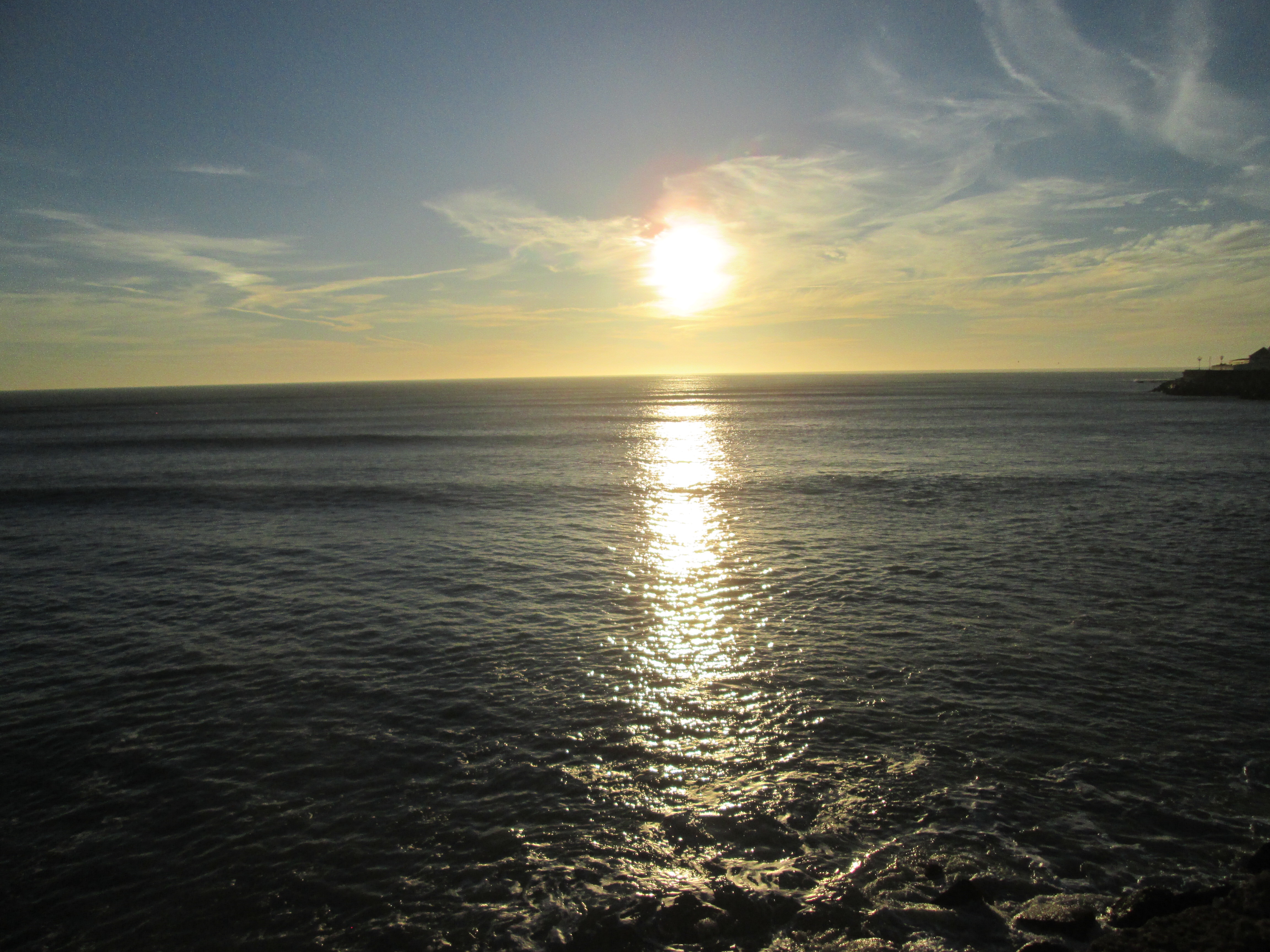

 After spending an excellent Christmas with Dee’s sister and brother in law in Sucina down the coast in the province of Murcia with Christmas lunch in Santiago de la Ribera and a Boxing Day excursion to Cabo Palos and Cartagena, we set off for Valencia for the week until the New Year. Given last year’s experience in Cadiz we left the car back at the airport and took their shuttle bus to the excellent boutique hotel Hospes Palau de Mar which is in two converted merchant buildings not far from the old city and the Turia Gardens, the 9 km super-park that semicircles Valencia in the former bed of the diverted river Turia.
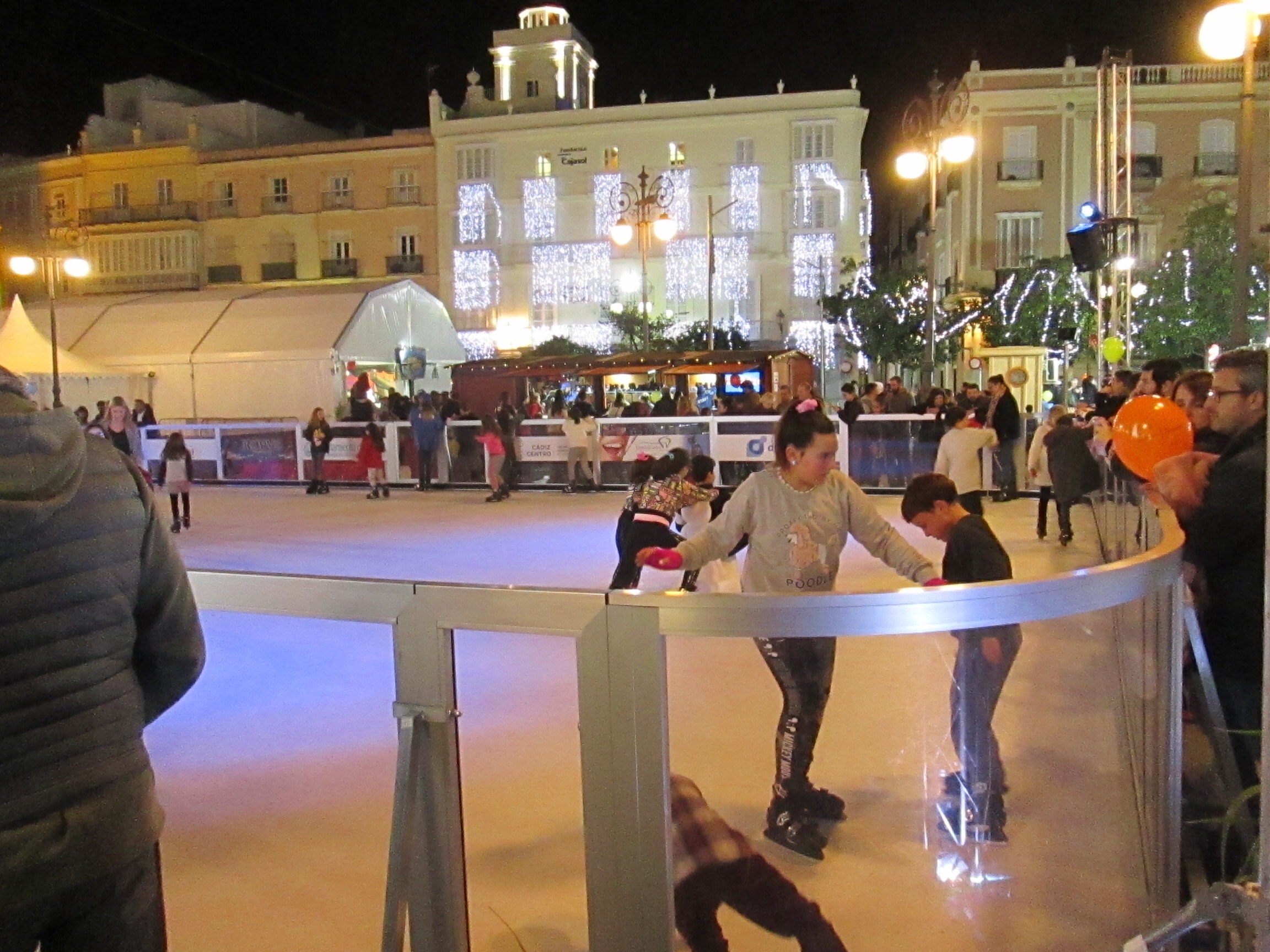
 We were too early to check in so left our luggage and set off for a Sunday flea market held behind the Mestalla – Valencia Football Club’s stadium where we went to see a match back in 2006. Sadly by the time we made it, the majority of stalls had packed up and gone. So it was time to find somewhere for lunch and console ourselves that if we had found anything interesting it would have probably been difficult to get it back home. After going back to the hotel and establishing ourselves in our room we walked off to the Plaza del Ayuntamiento where an ice rink was installed and fun was being had by all amid bright white light decorations on all the buildings around it. We found a lovely little family bar Jamon del Medio just along from the hotel so we dined there and only had a short stagger back to the hotel.


 The wide sandy beach is fringed by a promenade with at least a hundred restaurants all promising the authentic Valencian paella – well this is the home of the dish after all.The surrounding area also has some interesting old buildings including beautiful wrought iron warehouses and the old Custom House with its tall clock tower. There are also lots of signs of the Americas Cup which was based here in 2010 and of the Grand Prix de Europa which was held here from 2018-2012. It was a bit early for paella so after a coffee we jumped back on the tour bus and headed back into the old town.
 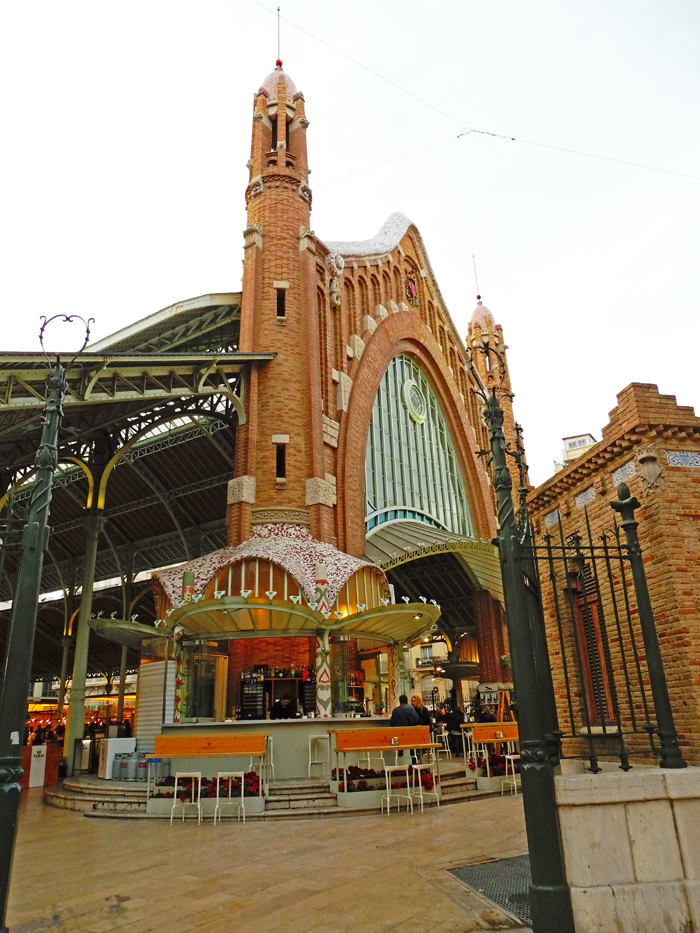 There’s lots to explore here to with the modernist North Station and the Central Market with lots of local iconography and products. We were going to go to the Fine Arts Museum but of course it was closed on a Monday so plan B was back to the hotel to chill and read before a further evening explore of the centre. It took us to what was to be a breakfast gem for the next three days – the Café Agricultura which is part of the HQ building of the Royal Valencia Society for Agriculture and Sport. We entered a nice-looking cafeteria for an aperitif and idly picked up the menu which did a simple breakfast which was great value. Only when we ventured to the loo did we notice that the cafeteria led to a massive entrance hall with a monumental staircase and apparently, lots of meeting rooms and full scale dining areas. They also run the young farmers’ clubs and bridge and chess clubs along with influencing agricultural policy in the region.


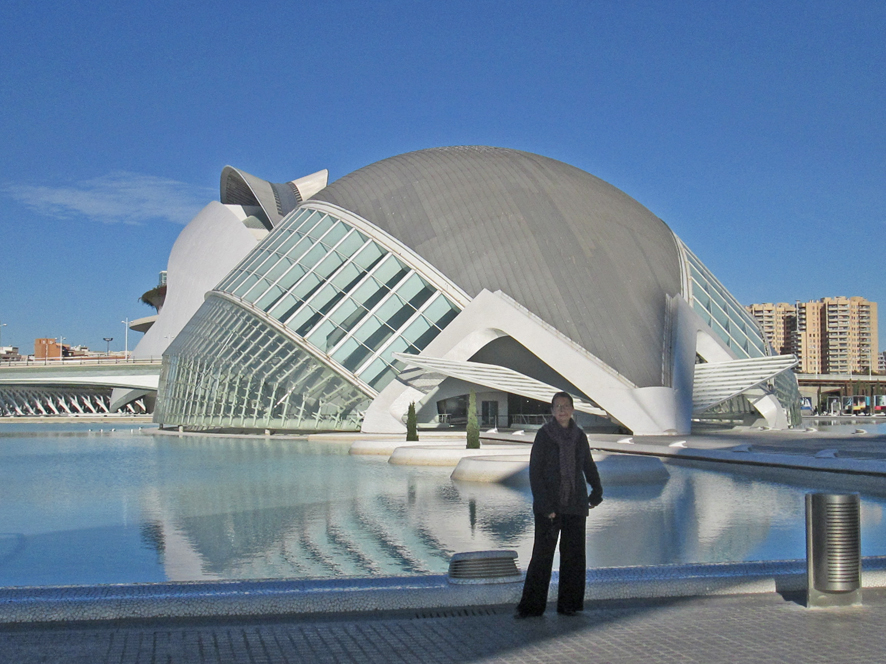

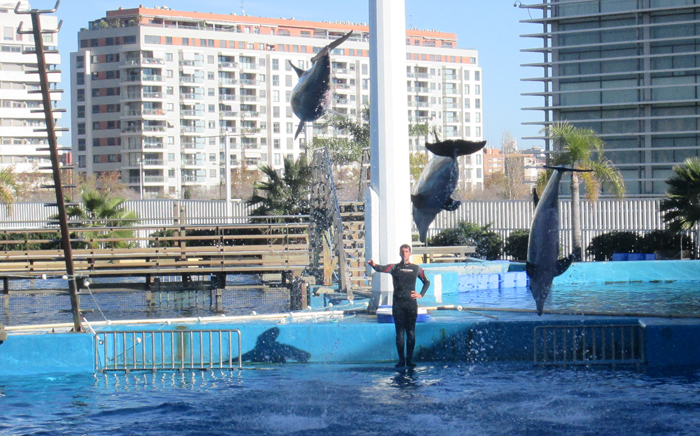
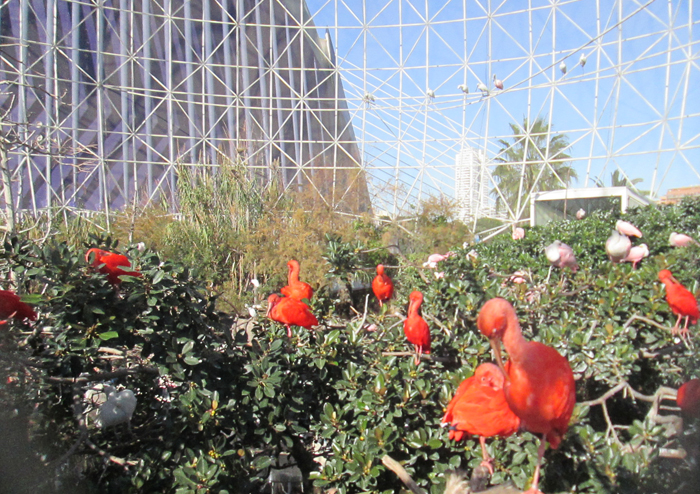
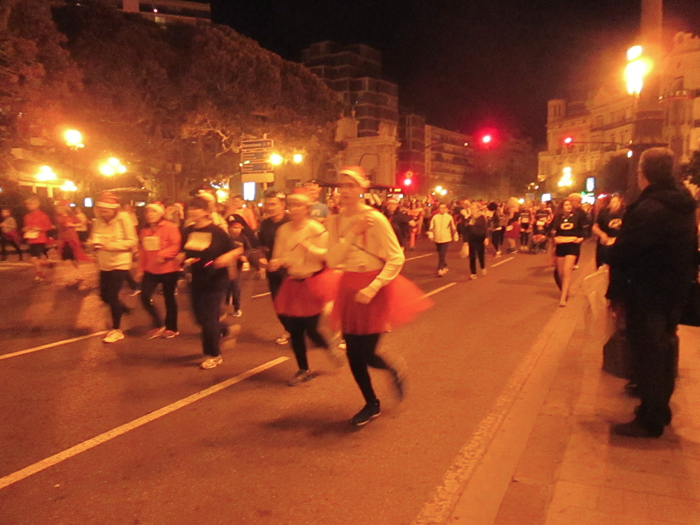
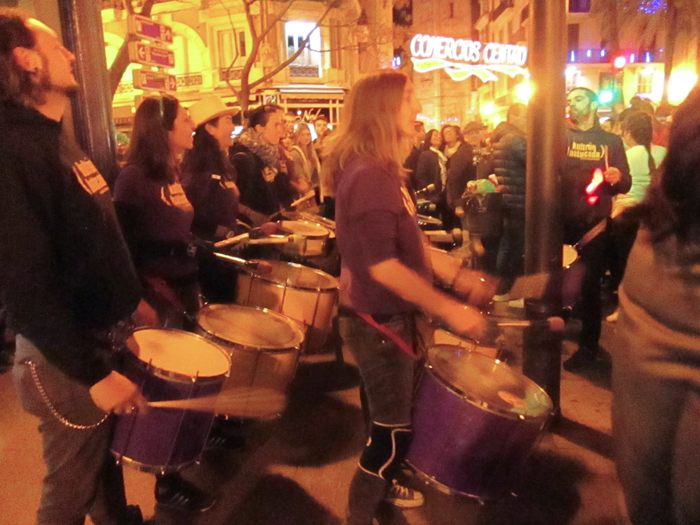 That evening we heard a great commotion outside the bar near the hotel we were in and went outside to find the streets filled with hundreds of people in fancy dress running along. We went with them following the sound of some insistent drums to the Plaza de la Reina where we discovered this was the finish of an annual charity 5km run that’s held on30 December every year. The San Silvestre run has been going since 1983 and attracted an estimated 15000 to 18000 runners of all ages. As with so many events like this there are some serious runners but many are in fancy dress and there to end the year with a bit of fun.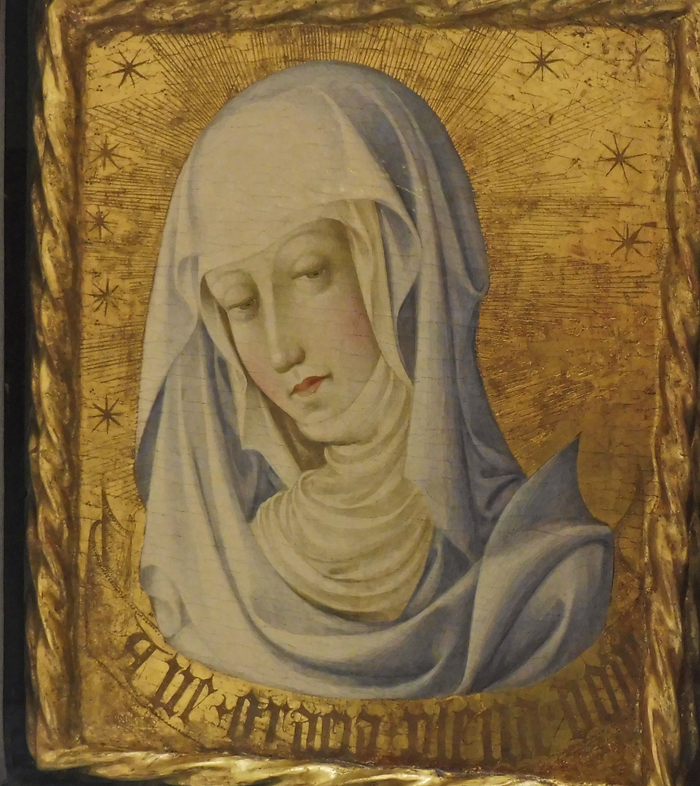
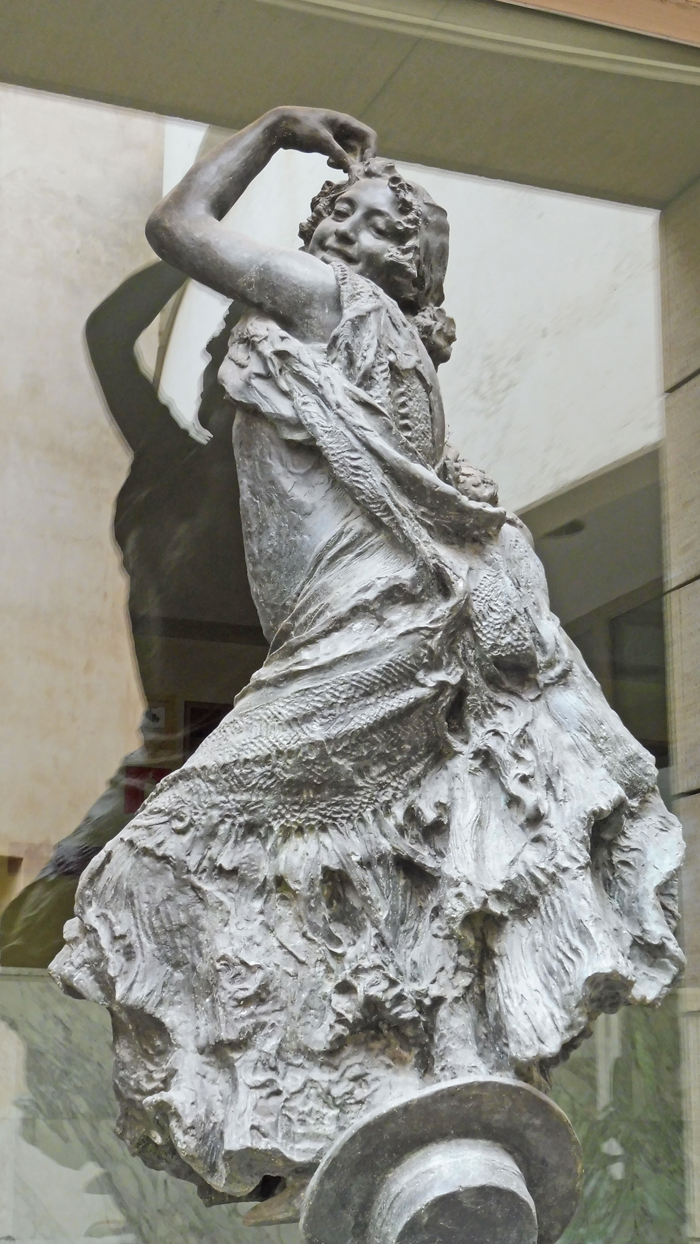 Dee was very taken by this early fifteenth century Virgin by the Valencian artist Peris Sarria. There were also lots of sculptures, including this flamenco dancer, by Mariano Benlliure the brother of Jose who’s house we seen earlier. Their father and another brother were also painters so there was quite a dynasty of artistic Benlliures about which we had previously known nothing at all. Cultured out, we had a coffee at the museum and a stroll back to the Plaza de la Reina for another light lunch as we had booked the special New Year dinner at the hotel. This proved a riotous affair with silly hats, whistles and streamers and much jollity among the staff as well – many of them were international catering students drafted in for a big party by the hotel. It was a fine way to see in the new year.


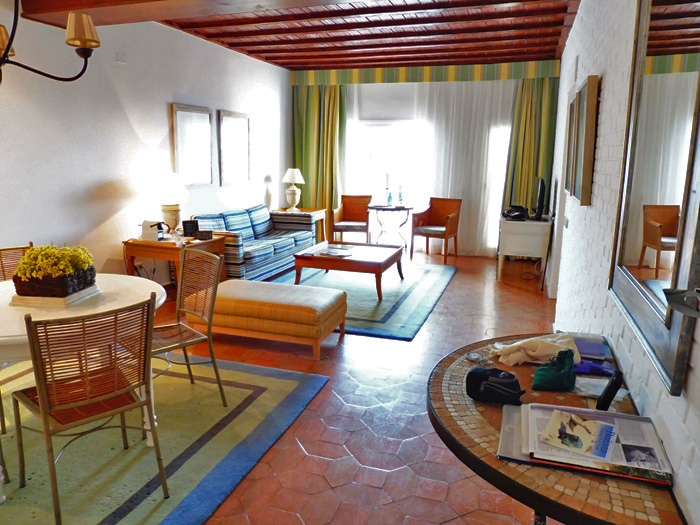
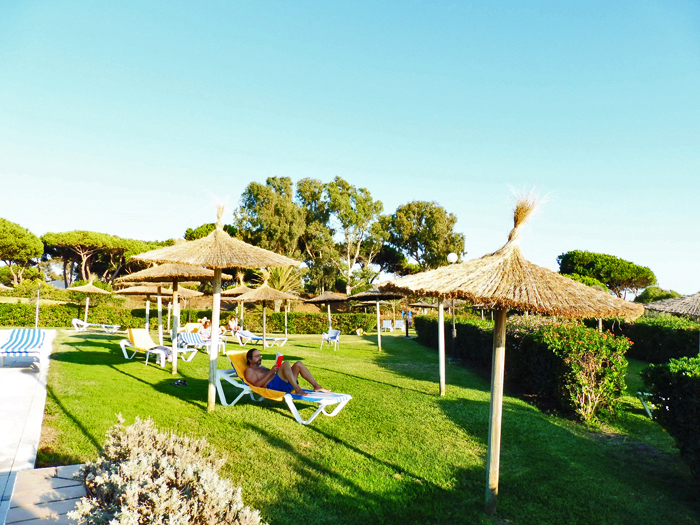
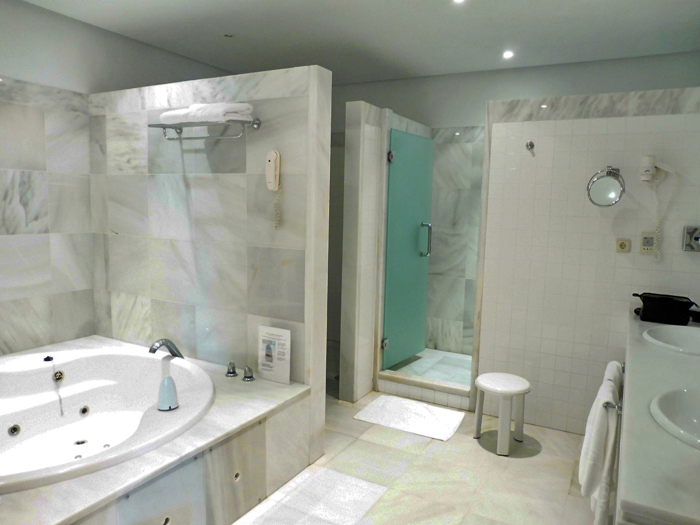 We had decided to go for a suite as we were there for such an unusually long stay and it was a decision well made – it was huge with a living room, bedroom, massive bathroom and a balcony.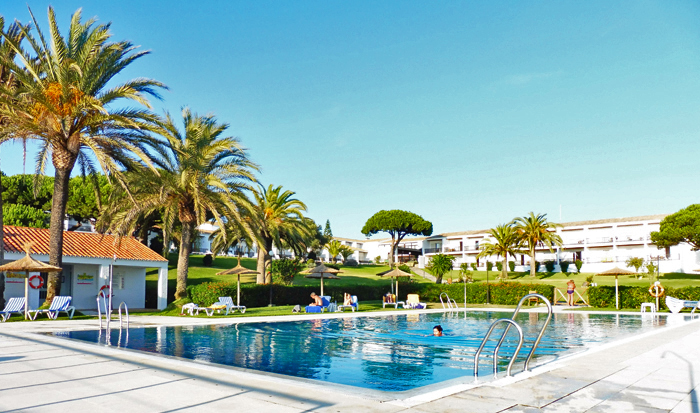


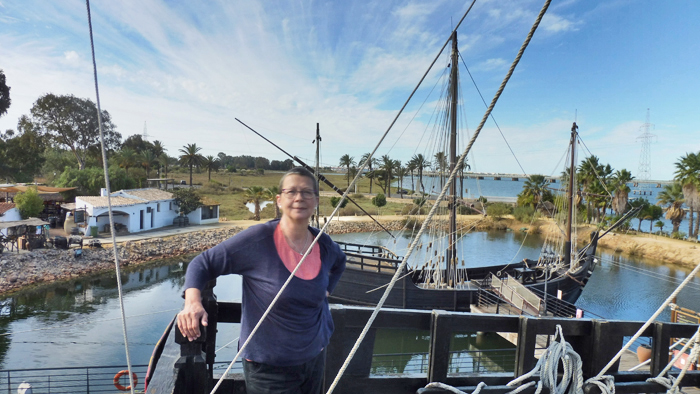 On another day we also decided to make a further excursion to La Rabida where Columbus set sail for the Indies and found America. There’s a dock on the banks of the Rio Tinto where full size replicas of the Niña, the Pinta and the Santa María can be visited. They are frighteningly small for voyages of that duration and
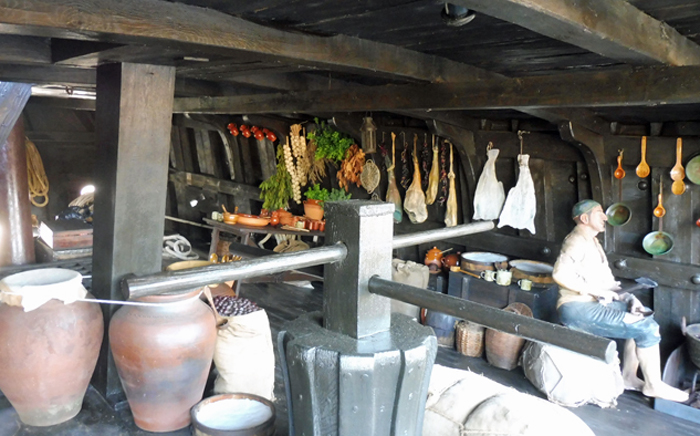
  danger. There’s an excellent dockside exhibition of what life was like in Columbus’ time and a great idea of how the galley was the most important part of the vessel.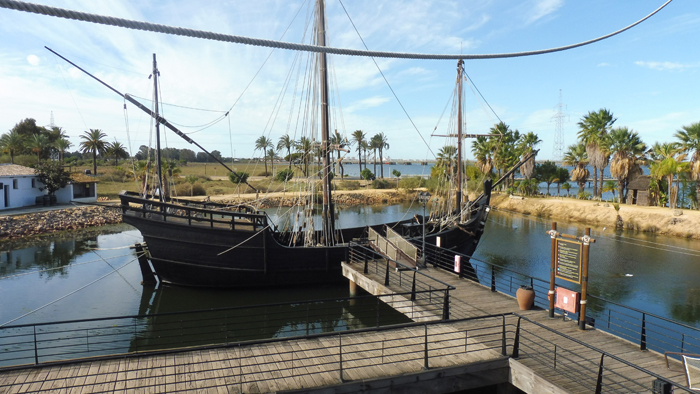
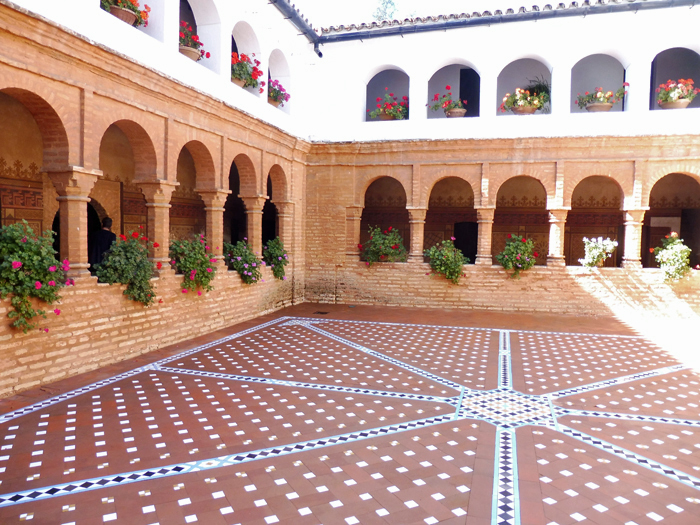
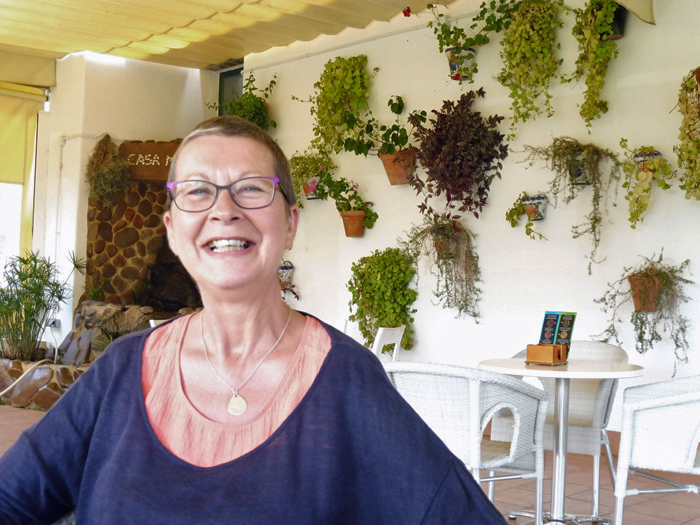 Just back inland is the monastery in which Columbus signed his papers confirming that Ferdinand and Isabella had come up with the cash for his voyage. It’s all set in a park with specimen plants and massive palms and a very pleasant few hours were whiled away including a stop for lunch which made somebody very happy.




 mikeandmurakami.com