Chasing food and unicorns

30 sushi pink   Will inspiration

              come to us at the Jingu

              as to Haruki?

Tuesday 7 May

Today is another big Murakami location chasing day beginning in Shibuya where we have immense trouble getting out of the station surrounded as are most Tokyo termini by huge malls and department stores – a different brand seems to own different stations. Wecare also going to the Jingu Baseball Stadium where he decided to become a writer. Many of the novels involve people eating, drinking and shopping on Aoyama-dori so we walk up that taking in a number of possible locations before arriving at a definite one, the Kinokunia International supermarket which features in A wild sheep chase. Most appropriately given the amount of pasta consumed in Murakami books they have an Italian Week special feature.

IMG_2940  IMG_2958

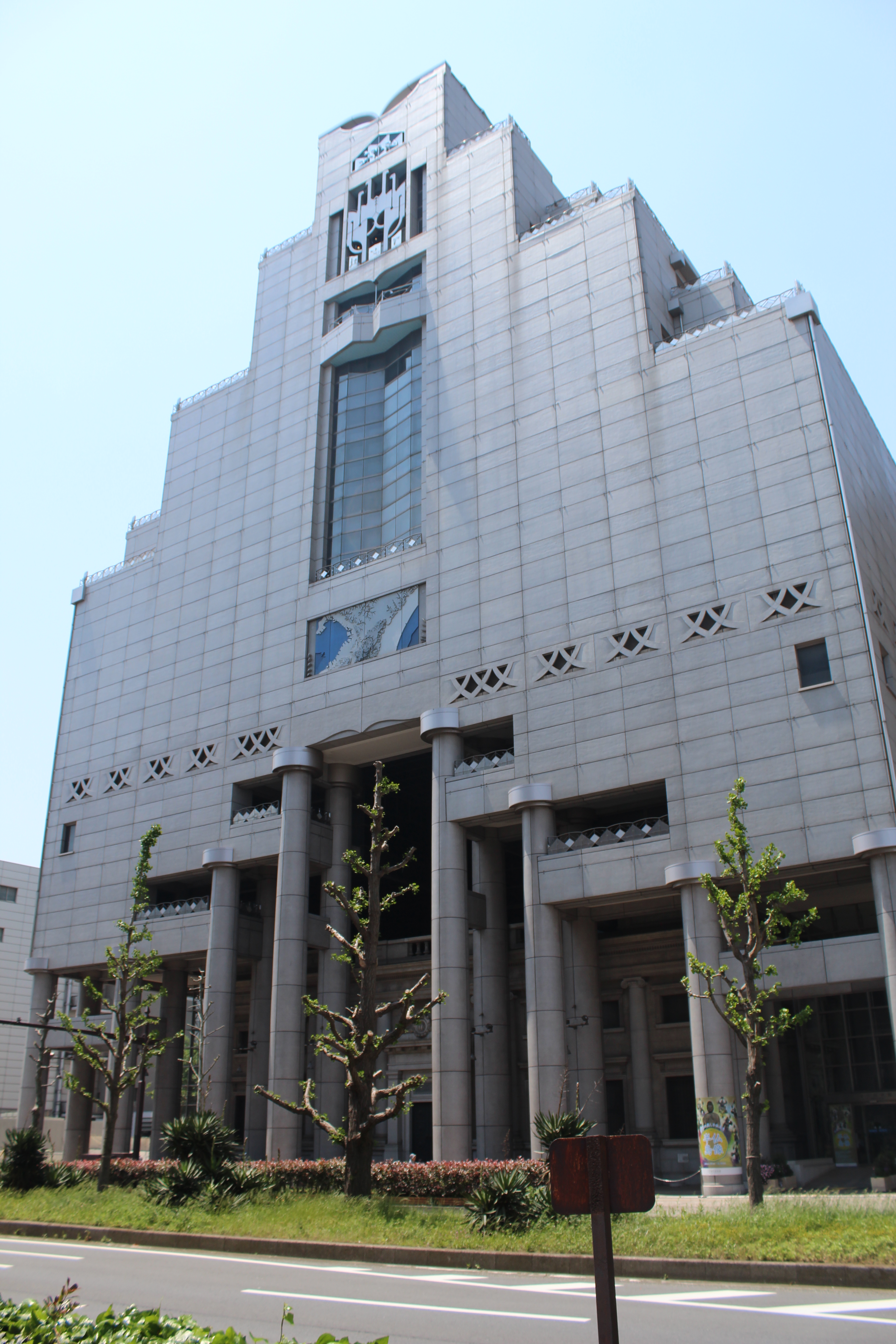
We then go past the baseball stadium to check our gate for tonight and a photo op. Then a walk to the Meiji Memorial Picture Gallery to find the unicorns featured in Hard-boiled Wonderland and the End of the World. Disaster as there is no sign of any unicorns on or around the building until a cry of “behind you, behind you” from Dee causes me to turn and espy a pair of unicorn statues on the other side of the road. Job done we now set off to be tourists and experience a tea ceremony.

IMG_2993  IMG_2990

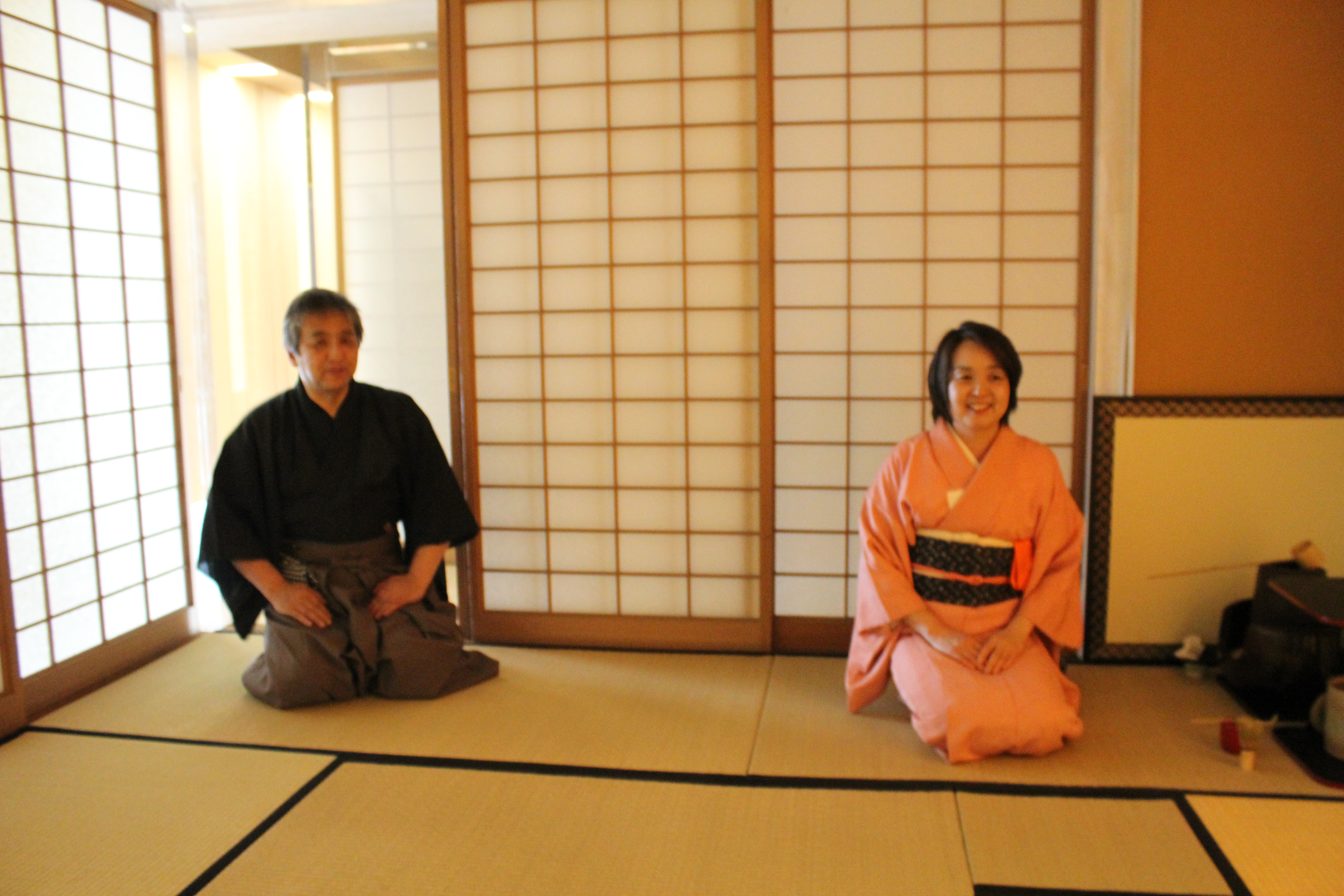
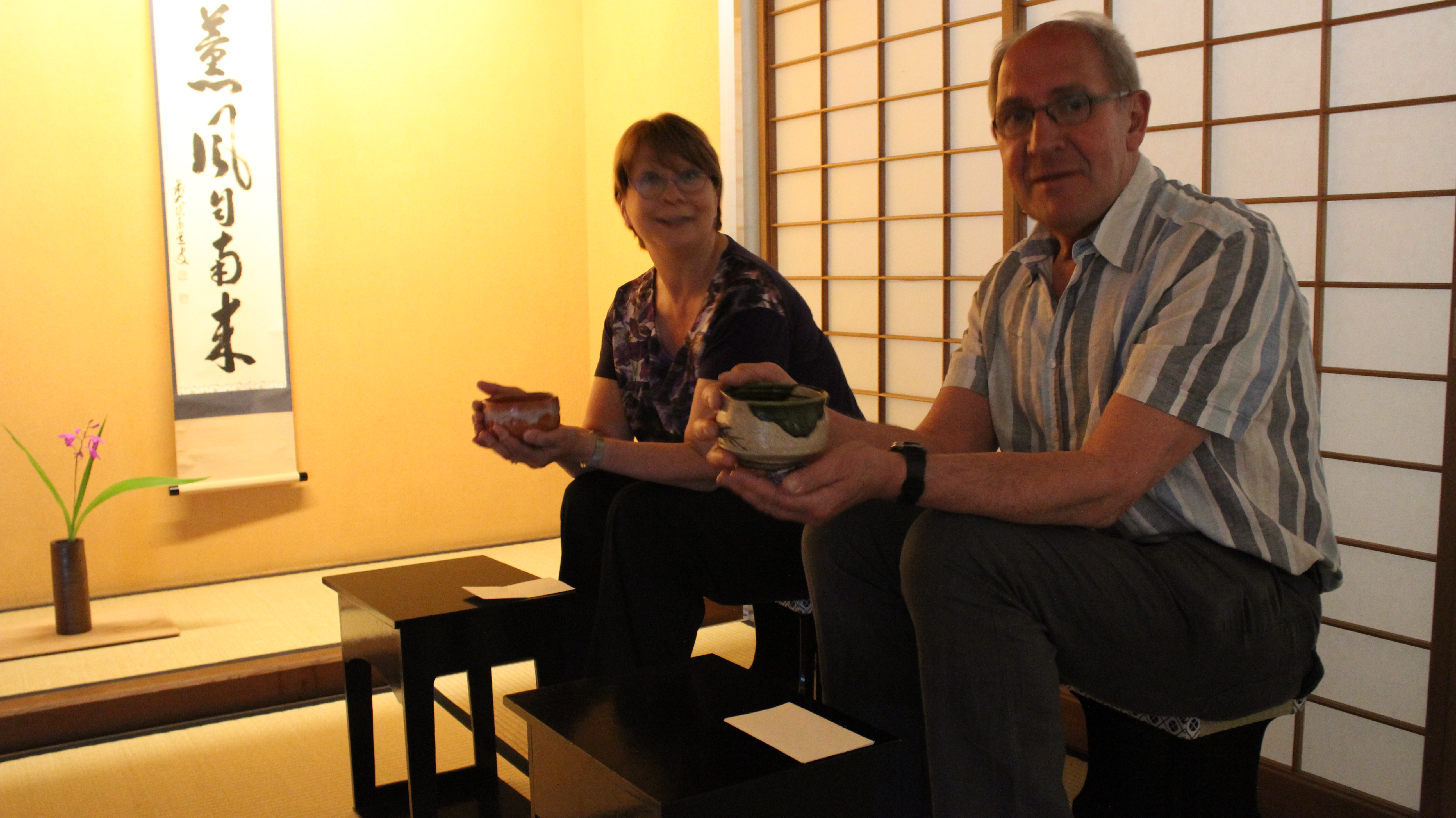
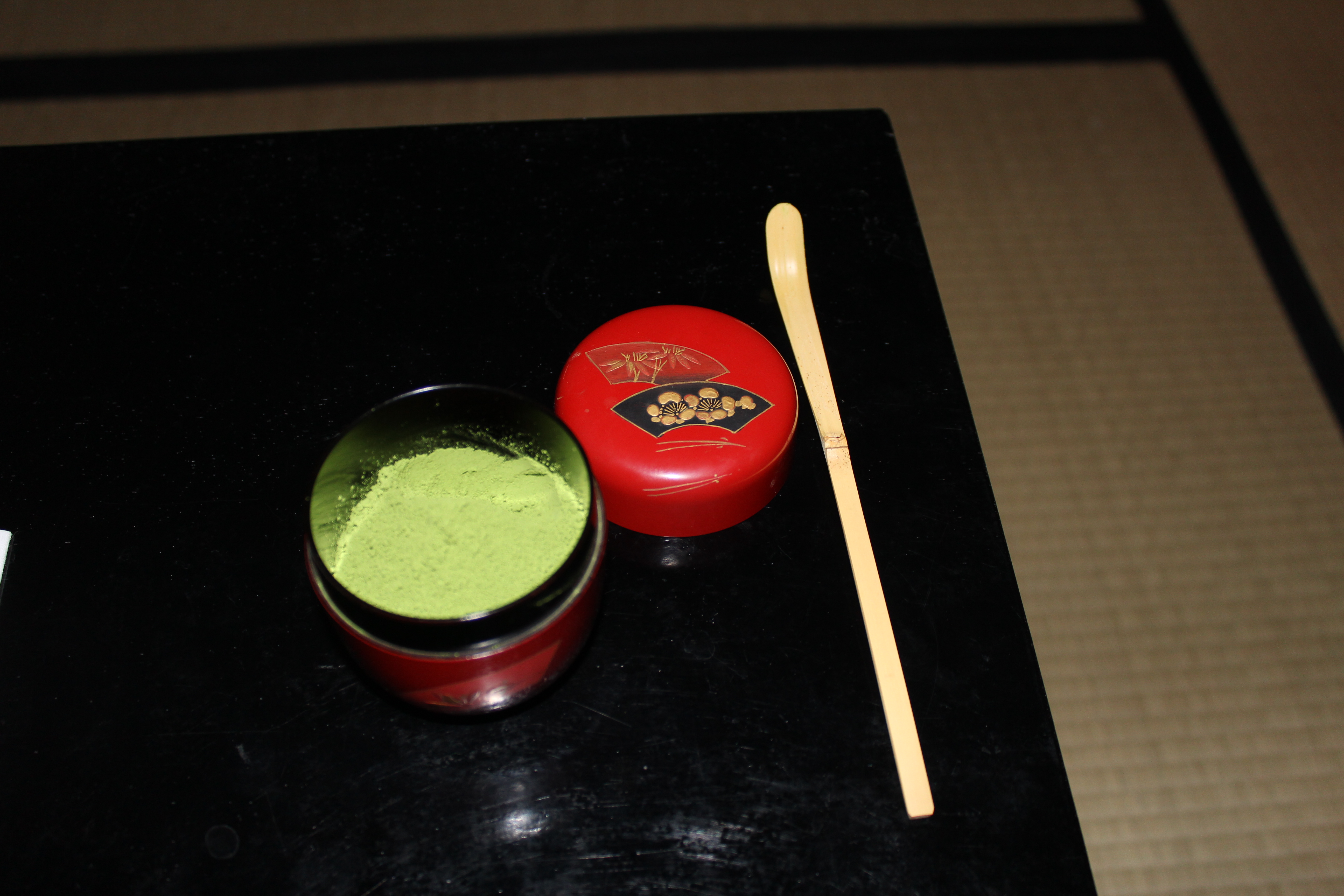
In the middle of Nihombashi, the finance and business district, on the second floor of a standard office tower is a traditional Japanese teahouse operated by Koomon a cultural organization dedicated to keeping traditions alive in a significant way for contemporary Japan. It is a truly amazing hour and a half in which we learn about the traditional tea gathering and the ceremony that surrounds preparing the tea for guests. I participated in a tea gathering thirty years ago when we sat cross-legged in appropriate manner for over an hour and then immediately fell over when I tried to stand up as my legs were completely numbed. This time they kindly allowed us a stool and reassured us that lots of Japanese use them too. It certainly helped us to take on board the four concepts of respect, harmony, purity and tranquility which might have been difficult through the pain. Our tea mistress Yukiko left us with the excellent  thought about our session based on the name of the tea scoop she had chosen: “one chance, one encounter” the Japanese equivalent of seize the moment I guess. It worked for us.

IMG_3005  IMG_3001  IMG_3008

We then went from tea house to coffee shop and having failed to lunch today (not for the first time I’m told) we took tea in a branch of Henri Charpentier. This small and exclusive chain was started in Ashiya where Murakami grew up and he is reported to have taken would-be girlfriends there in his youth. This is a very impressive chat up location with delicious cakes and confectionery. Then the train back to Shinjuku and change into baseball watching attire.

It had been a brilliantly clear blue day all day and you know what happens at night with clear skies – it gets cold. The stadium had the usual hawkers of beer, snacks and popcorn we are used to from Fenway Park and the swallow family mascots go wild when the second run is scored.

P1020551  IMG_3034

IMG_3044  IMG_3041

Haruki may have had his light bulb moment in the same stadium watching the Swallows and exclaimed, whether internally or aloud we don’t know, “I can be a writer!” After six rather desultory innings with 4 hits and 2 runs for the home team, Yakult Swallows, all I could exclaim was “I can be an icicle!” remembering those metre long shards from Hokkaido. We chickened out, repaired to an English pub just down the road and watched the four-run eighth on the big screen with circulation returning to my blue finger tips. No score in the top of the ninth meant a 6-0 win for our team and a successful outing all round.

We dined in Touan down some steps next to the pub and had an initial disappointment that most of what we had selected was off. However they more than made up for it with an amuse-bouche of fish cakes with edamame and azuki beans and some superb smoked duck.

Not enough time … there’s a surprise!

28 sushi pink Once again too much

         fun seems to have stopped blogging.

         But how can this be?

OK. Last three days in Tokyo. Last three days in Japan (sad face). But off to see Tom and Caroline and other friends in Hong Kong tomorrow (happy face).

There will be a full account of trips to Chiba in search of art, Kamakura in search of the Daibutsu (big Buddha), a fantastic tea ceremony, a brilliant if chilly night at the baseball – Swallows 6 – 0 Dragons – and a final day with new views of Fuji-san, a mind blowing lunch, a brilliant river trip and a last supper in Ginza to remember.

Forgive us for we now have to pack for a very early start tomorrow. I hope to write lots on the flights and post on arrival in Hong Kong.

A day of two halves and day

27 sushi pinkWhy do dismay and

       delight  so often mix in   

       one and the same day?

So I’m writing this after a Saturday that was not quite what we had hoped for. All things being equal however we should get to go to one more soccer match this season and see Watford promoted through the play-offs instead of automatically. What a horrific game to watch with Jonathan Bond seriously injured by a Watford player Ikechi Anya after a deliberate push by on him by a Leeds player. Sheer nerves gave away two unfortunate goals (sadly it was Jack Bonham’s first appearance as keeper for the first team after the injury to Bond) and we now have to do it all again with possibly only a rookie keeper. Ah well.

First disappointment was to discover that you can’t actually visit the Imperial Palace except on two days of the year. We had been hoping to have a touristy morning starting with a trip across town to Tokyo Station and then a stroll to the Palace gardens at least. Well Tokyo Station which we’d only ever seen from inside is a true delight of a building and an exhibition was being held to celebrate its twinning with Grand Central in New York and its centenary next year – a year after Grand Central. Outside – after the traffic control crash barriers and so on – there is a great open space with fountains and granite benches. Granite is cut and polished so beautifully throughout Japan as seating and ornamentation in public spaces, as indeed is wood.

IMG_2504 IMG_2529

Tokyo Station                                                                       Us at the “Imperial Palace”

We made our photostop at the point where you can glimpse an outbuilding above the impressive high walls and wide moat and then crossed over to the first surprise and delight of the day – Hibiya Park – forty acres of endlessly changing green spaces right in the heart of the government and business district. It was Japan’s first European style park and opened as such in 1903, having previously been a military manoeuvre and parade space for the shoguns. From the first little hill we encountered with its replica of Philadephia’s Liberty Bell, past tennis courts, rose gardens, lawns, lakes, fountains and performance spaces the park revealed its clever landscape. It’s an obvious venue for glorious wedding photography as we saw and has a hint of Central park. From time to time you would see cars driving around the perimeter but noiselessly in that weird sound barrier parks can sometimes erect.

IMG_2546  IMG_2555

We next caught the subway to Akasaka to look for a number of key locations in several Murakami books. However it was time for lunch first which after inspecting several back street establishments behind the station we elected for a stand-up bar where the only offer was tako yaki octopus balls – precision grilled by the chef and served by a smiling host. They needed careful consumption as the interior was volcano hot. They came with a choice of three toppings and were delicious – excellent serendipitous street food. Then off to the police station, the Nogi Shrine and Park – yet more ceremonial photography – and some streets on the Akasaka-Roppongi boundary. A brief stop was in order at a smart cafe near Suntory Hall called “Randy, Beverly Hills and Tokyo” which also had a display of tempting craft items on sale. The Ark Hills development here is stunning with apartments, offices, concert halls, open spaces and of course shops and cafés.

IMG_2581  IMG_2626  Randy's cafe IMG_2650

Then finally we set off for the Hotel Okura where heroine (?) Aomame undertakes a seriously important mission in 1Q84. It also happened to be where I stayed in 1979 and 1981. Funny how when the Japanese Government is paying you get to stay in a top hotel at a current rate of £250+ a night and enjoy its facilities but when it’s on your own personal budget the Sunroute Plaza Shinjuku seems perfectly adequate. My recollections of a really chic, smart hotel were dashed by the exterior which is unprepossessing to say the least. The vast lobby is unchanged and the pink clad elevator attendants are as I remembered them. There was a bonsai exhibition as part of a bigger gardening show. Now neither of us are great enthusiasts but these were truly works of art with their shaping – perfect cones, leaning layers or cascades. Back to the hotel to change and off to Roppongi to watch the sad game of football and eat chicken wings, ribs and fries which I’m afraid to say felt totally alien after only three weeks away. The staff kindly assisted in our efforts to raise the Orns but you know what happened.

IMG_2660  IMG_2687

Sunday started with a lengthy browse around a flea market at the Hanazono Shrine which we had visited on our first day in Tokyo. Lots of kimonos, jewellery, fans, prints, household objects and the usual mix of real antiques and not-so-real “antiques”. A few small purchases were made before we took the subway north to explore Waseda University where Murakami studied. It had a real Oxbridge/Ivy League feel and wandering between buildings old and new in a mixture of expressive and utilitarian architecture which, as at so many universities, reflects the periods in which construction took place. Many people are also of the opinion that Waseda is the model for Toru Watanabe’s unnamed university in Norwegian Wood so it was interesting from that point of view as well.

IMG_2713 IMG_2719

Next big question: where to get lunch in Waseda on a Sunday with few places open in this classy suburb. We got lucky by penetrating the blue curtains of a sushi bar where a venerable chef prepared a plate of superb authentic sushi – no extra wasabi was even hinted at. They also very kindly recharged my camera battery as we ate. Such service.

IMG_2745  IMG_2743

A scampering afternoon of visits to Ikebukuro to find the Traditional Japanese Crafts Centre only to discover it’s relocated to Aoyama. So we enjoy briefly the mad atmosphere of Ikebukuro with stilt walker, performance artist, pavement painter and jazz combo – just like being in Covent Garden then off to Aoyama where the boulevard features in several of the novels and we do find the craft centre which holds a wonderful display of regional work from all over Japan. A great collection but a little on the expensive side for our pockets, if not our taste.

IMG_2760  IMG_2772

Ikebukuro Square                                                                 

Another domestic early evening at the coin op laundry in the basement, map finding and precision timetabling for tomorrow’s planned trip to Chiba Art museums and Kamakura and then dinner in a restaurant Maimon not far from the hotel. As well as some delicious yakitori with leeks we had a dish new to us bagna cauda which was fresh raw vegetables which you dip into a fondue-like bowl of a sauce consisting of soy, garlic, milk, sesame and anchovies – oishigatta as we say repeatedly – and so good for us too.

Travel day – crew half rate, production carries on

26 sushi pink  What surprises and

           delights will we find as we

           return to Tokyo?

We have time for a brief look at downtown Asahikawa before taking the car back to the rental company at the airport. It’s pleasant enough with a long pedestrianised shopping street through the middle and another large mall underneath the station – best place to go today with temperatures still only 4 or 5 degrees and sleety drizzle starting. We did have an interesting encounter with a Buddhist monk who offered to show us round his temple – an offer we had to decline with a flight to catch. An uplifting moment – he had been to London a couple of years ago and reported that the people had been extremely friendly and that he found London a beautiful city.

IMG_2466  IMG_2458

As we filled up with petrol just before the airport – at a selfo – the garage man came rushing out as I was about to get back into the car and presented me with two boxes of tissues. Although this was our last five minutes with a car it seemed churlish to decline so we left one for the next renters and brought one with us.I had limited expectations of Asahikawa Airport which were totally overturned after the quickest return of a rental car ever and transfer to the terminal. I guess it’s because of the skiing at Furano and other resorts around that Asahikawa is now an international airport with flights from Beijing, Hong Kong and Taipei already. The terminal is a shiny glass building that reminded us of Cork where we went for Watford FC’s pre-season tour back in July. What a season it’s been! And what a finale tomorrow with playoffs assured but a chance of automatic promotion if we win against Leeds and Hull lose or draw with already promoted Cardiff. And we’ll be watching it in the Hobgoblin Roppongi.

IMG_2471  IMG_2476

Check in was swift and slick with my credit card used for the booking printing boarding cards and baggage tags from bright yellow machines – an omen perhaps. We managed a light lunch in the departure area before getting on to the plane to our delight in bulkhead seats with added legroom. The one drawback was that I was sitting next to a trainee sumo wrestler so spent most of the flight leaning at a forty-five degree angle. While we were flying I took to musing about a question that had cropped up several times during our periods of driving. I’m sure someone knows the answer or has the time to Google it. The question:

Does Japan have the greatest number of kilometres of road enclosed in tunnels of any country in the world? Not the longest tunnel but the most stretches of road aggregated together that are in tunnels. It may apply to railway tracks too.

All the times we were driving on Honshu, Shikoku and Hokkaido we could scarcely go for fifteen minutes without going through a tunnel some of them 5 and 7 kilometres long. I’ll Google myself one day but if anyone knows the answer I’d be glad to have a comment with the answer.

The  last half hour of the 90 minute flight was excellent with great views of the Sendai area and the coast to the east of the capital with massive areas under rice paddies, glinting in the sun. Quickly out through domestic arrivals and onto the Narita Express again with its excellent LCD progress, weather and news reports – among the ads and sponsors’ messages – to Shinjuku. Old hands now at baggage wrangling we were soon at the taxi rank and asking for the hotel. What a laugh! A one minute taxi ride and there we were just round the corner from the station. However walking our cases through Friday rush-hour legs (or shins) could have been painful for the good people of Shinjuku.

IMG_2481  IMG_2483

In my planning I’d pushed the boat out a bit with our last hotel as we are here for six nights. Not huge extravagance, you know, just £70 a night instead of the £40-50 we’d routinely been paying. Oh wow! A proper hotel – huge lobby, ten check-in clerks, four lifts, a restaurant and a bar. This was hotel number 15 and was the first with its own bar. We got to our room and decided that Dee deserved a G&T and me a malt whisky. However as the bar served a magnificent martini plans were changed while we had a planning meeting and marked up the many, many parts of Tokyo we need to visit in search of Murakami’s locations over the next last days in Japan.

IMG_2679  IMG_2486

IMG_2680  IMG_2484

Then it was out to what looked like a local basement dive but actually produced a repast of brilliant lightly marinated aubergine (eggplant) slices, tuna, avocado and crunchy yam, pig’s cheek skewers and a subtle teriyaki pork dish. As Dee wrote at the time a veritable feast with again staff reaching for their phones to look up ingredients for us. There’s an app that gives the Latin names for plants and fish which has proved very helpful. Then back to the hotel for a nightcap and plans firmed up for tomorrow culminating in a trip to Roppongi to watch Watford v Leeds. Come on you ‘Orns!

Hokkaido high plains drifters

25 sushi pink Can Sapporo penned

         sheep be surpassed in the wilds

         of north Hokkaido?

With apologies today to Clint Eastwood and his writers.

We leave Sapporo as we found it – in light drizzle. Asahikawa next stop. We could belt straight up the expressway or we could make a detour via Furano the source of last night’s red wine. There might even be a tour. So we dawdle out through Sapporo’s enormous suburbs stopping at a Lawson Market for an in-car breakfast of hot coffee from a dispenser – yes they do hot and cold drinks at the majority – a soft gooey bun flavoured with green tea and filled with azuki bean jam. Texture a little odd but the jam delicious. We also had doughnuts. After half an hour we finally entered the countryside. What a contrast! This is a massive plain with intensive agriculture seemingly based on hundreds of small farms. We drove along admiring hip-roofed barns, hard-working tractors and supply-bending backs planting the crops. We are not sure of all we saw but certainly rice – lots of rice – potatoes, azuki beans, cabbages, onions and fields of very small unidentifiable green shoots. We passed through large fields stretching away to the mountains, criss-crossed by small roads and irrigation ditches. It was mostly very flat but the occasional rolling hillock and wide river made for variety. After a while we saw a sign for a Wayside Station which turned out to be a small service area with loos, a temple, pitch and putt golf, a little park, a cafeteria and a small farmers market of about eight stalls. We bought some fabulous fresh strawberries to strengthen us for the ride ahead.

IMG_2281  IMG_2302  IMG_2294

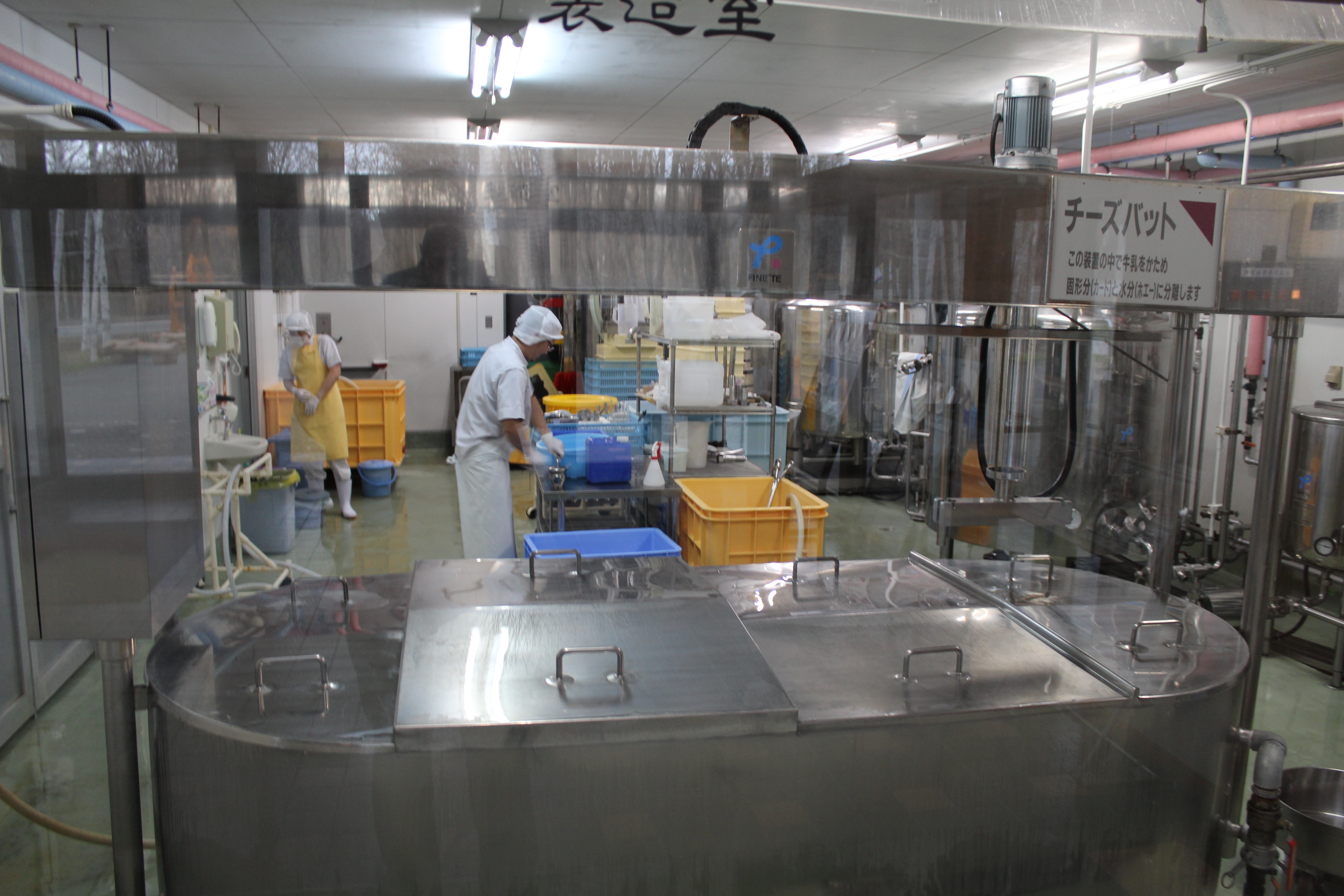
And riding is big in Hokkaido. At the rest stop we saw a lady doing dressage practice across the road and as we journeyed on there were many stud farms and riding schools. After some gradual ascent and then some awesome passes we arrive in Furano where we obtain the usual impeccable information from the Information Office next to the station – always head for the station in any Japanese city because the tourist office is nearby and a shopping mall is underneath – which suggests an ace cafe for lunch. The owner-chef and his lady speak good English and provide us with a rare British style lunch – a rich beef stew and fragrant herby grilled chicken. Wonderful but a bit odd in the middle of Hokkaido. However we linger and chat as you do and then had to decide on a winery or cheese factory tour as we could only fit in one. Well we’ve done wineries in the Rioja and the UK and we’ve eaten virtually no cheese so the cheese factory it is. Stunning building but sadly at 3.30 the only activity is cleaning the vats ready for knocking off time. However there are good photo displays, samples – two a bit bland, one delicious Camembert style really tasty and now in our fridge. There’s also an ice cream factory and we sample cheese and separately asparagus flavours. Cheese works really well, asparagus needs a little time for the palate to adjust. Eating ice cream against a mound of snow is also in interesting experience but Japanese ice cream is an unexpected delight.

IMG_2313  P1020402

We wanted to get to the Shiokari Pass mentioned in A Wild Sheep Chase and now needed to hit the road for Asahikawa and beyond. Light starts to drop, panic starts to set in, a section of expressway speeds us up but then a map reader’s off piste moment literally sets us at the foot of a ski lift in deep snow. One of Murakami’s characters gets snowed in – in this territory we see how easy that can be.

IMG_2322  IMG_2327  IMG_2331

We regain our route and make it to the pass, scary enough now but for nineteenth century Ainu immigrants real tough territory. It’s a reminder that while the page-turning nature of much of Murakami’s writing skips you through the plots there is also a great deal of thoughtful discussion of issues such as treatment of minorities here, mental health in Norwegian Wood and the earthquake in After the quake and reportedly the tsunami in his latest novel. On the sign board at the pass announcing it as a ‘cherry blossom’ route it’s also interesting to see it called the Dream Route as so much of his writing confuses the boundaries between dream and reality. So pictures done we go back to Asahikawa, check in and repair to a restaurant and micro-brewery (we get lucky some times!) for a local speciality the Ghengis Khan – vegetables cooked on an iron hotplate accompanied by what else? – succulent Hokkaido lamb. And so to blog.

Thursday is off to find the Ishikari River also featured in Sheep Chase.  It also involves passing through the Sounkyo Gorge near where the characters chasing the sheepman find a dead sheep. We find the river and shoot lots of fine sections of it not least on a teeth-clenching section for Dee when the driver insisted on ploughing on down an unmade road which was bound to be tarmac again soon. Fortunately it was or I might not be here to tell the tale. The Gorge is surrounded by new hotels and buildings housing onsen hot springs and footbaths. We don’t see the likelihood of sheep dead or alive so we press on through magnificent scenery of the Daisetsuzan National Park, stopping off at an unexpected coffee shop with roasts from Ethiopia, Guatemala, Honduras and Tanzania – will Japan ever cease to amaze? – and three foot long icicles from its eaves as the car showed 1 degree at midday.

IMG_2364  IMG_2376

IMG_2385  IMG_2394

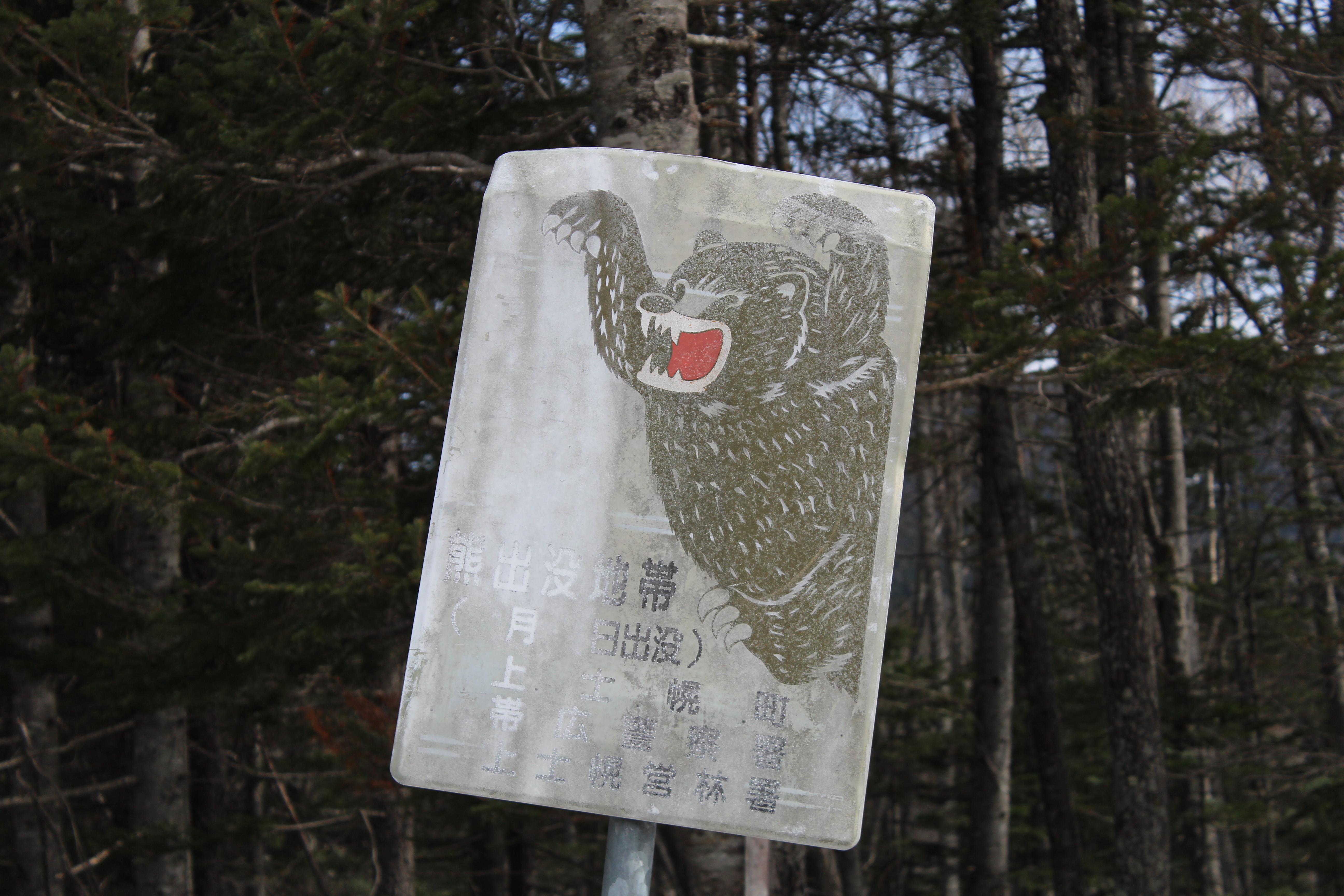
Descending to the high plateau we stopped off at the Higashitaitetsu Nature Centre, a fabulous display of local geological, flora and fauna aspects as well as having an insect collection from around the world. We thought it looked very new and on asking the curator Yasuyuki Oppata how long it had been there, he replied “We opened yesterday.” What a stroke of luck. He was able to tell us what the ubiquitous lime green plants lining the roads were – Fuki-no-tou – which apparently translates as butterbur sprouts. The leaves are boiled and the flowers usually done as tempura. One for the list to try if we see them. While photographing some of them and some lovely wild arums we came across this sign.

IMG_2402  IMG_2400 IMG_2407 

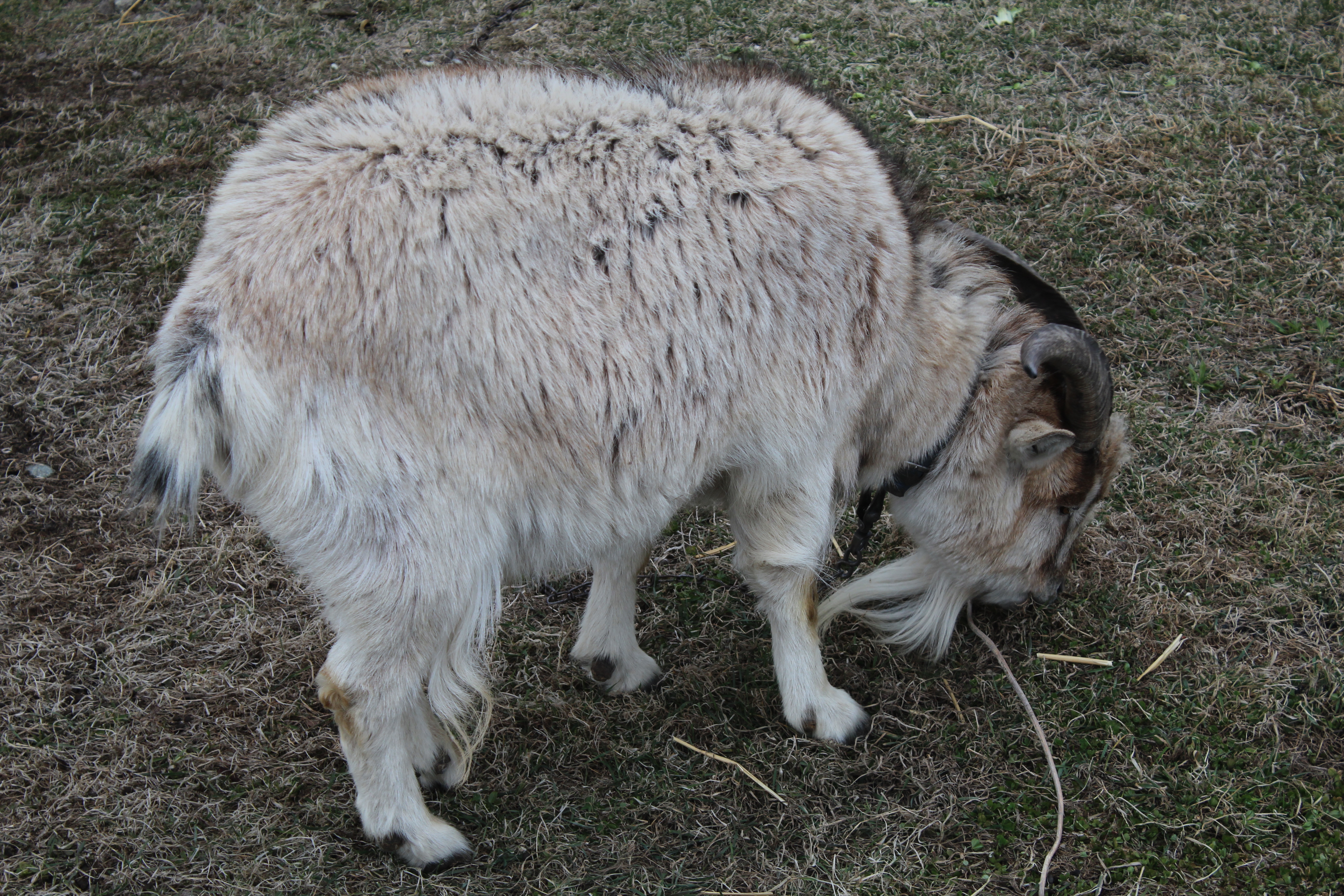
On down the mountain and back to the high plains when an excited shout of “Billy Goat!” causes me to screech to a halt – after checking the mirrors of course. I jump out camera at the ready and result, result – this is no goat it’s a ram. We have found our wild sheep. As it happens the ram is shackled outside a farm but it still counts. And by chance the words ram and shackle describe a lot of Japanese rural countryside and not just in Hokkaido. Dilapidated barns sit next to smart new houses, rusty sheds are collapsing and derelict vehicles are just left. The neat and tidy image of the cities doesn’t permeate to the countryside. You get the impression that it’s no easier for Japanese farmers to make a decent living than in many other parts of the world where they are literally, thanks to the supermarkets, at the bottom of the food chain.

IMG_2429  P1020439

We move on back towards Asahikawa and another cry results in a shuddering halt and crafty U-turn. With the mountains now concealed in cloud on one side but bathed in sun on the other and snow flurrying around us there’s a farm with a paddock and four lambs – might have been five but for last night’s dinner. Our Hokkaido wild sheep chase is declared a complete success and we return to the hotel and confirm our flights back to Tokyo tomorrow. It’s a bit disconcerting but I’ve never taken a plane before where all you have to do is rock up 20 minutes before departure and show the credit card you booked with. They say it’s all OK. We’ll see tomorrow.

Ainu and wild sheep

24 sushi pink How will our wild chase

      to find Ainu people and

      sheep work itself out?

We leave Hakodate in drizzle that soon turns to serious rain, cold rain too as the car’s thermometer reads 4 degrees outside. Retracing our route down the coast road for a way we are amazed the crab, salmon and bear roadhouse that we saw yesterday with clear blue sky is now barely (sorry) visible through the gloom. However the Porotokan Ainu outdoor museum will give us insights into the lengthy passages in A Wild Sheep Chase that Murakami devotes to the establishment of Ainu people in Hokkaido in the 1850s after their expulsion from Sakhalin Island which has switched between Japanese and Russian ownership almost as often as Alsace has between French and German.

Umbrellas to the fore we visit the village houses, look at food storage huts, birch whittling and bear cages – bears were sacred and young ones were kept in the village for a year and then sacrificed to the gods. We are then alerted to a performance of traditional Ainu song and dance and music performed on a three stringed shimosen-like instrument and amazingly on a mouth operated sort of Jew’s harp. Delivered in Japanese and interpreted for a coach party of Chinese, it was nonetheless an interesting and moving experience showing links with other peoples of extreme northern climes all around the north pole. The dance they then performed has been recognized by UNESCO as an intangible cultural asset and it was a stunning display signifying the sending of the bear’s spirit to the gods. On their clothes and in museum vitrines, the intricate patterns of their embroidery were a joy to behold and their versatility in using whatever materials they found was equally impressive. The Ainu youth telling his story in A Wild Sheep Chase means a lot more to us now that we understand more of the cultural and historical background of this minority.

IMG_2128  IMG_2134  IMG_2161

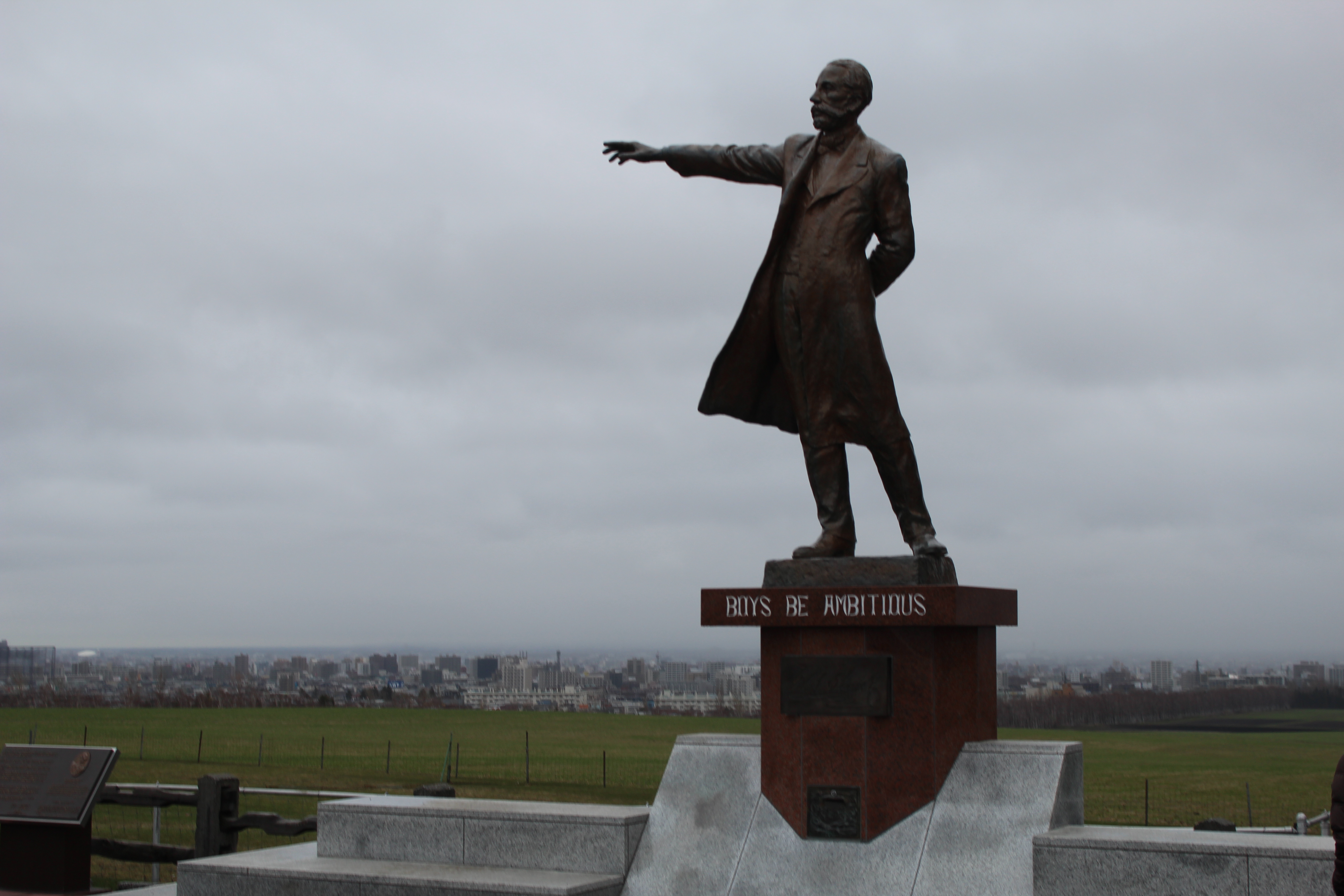
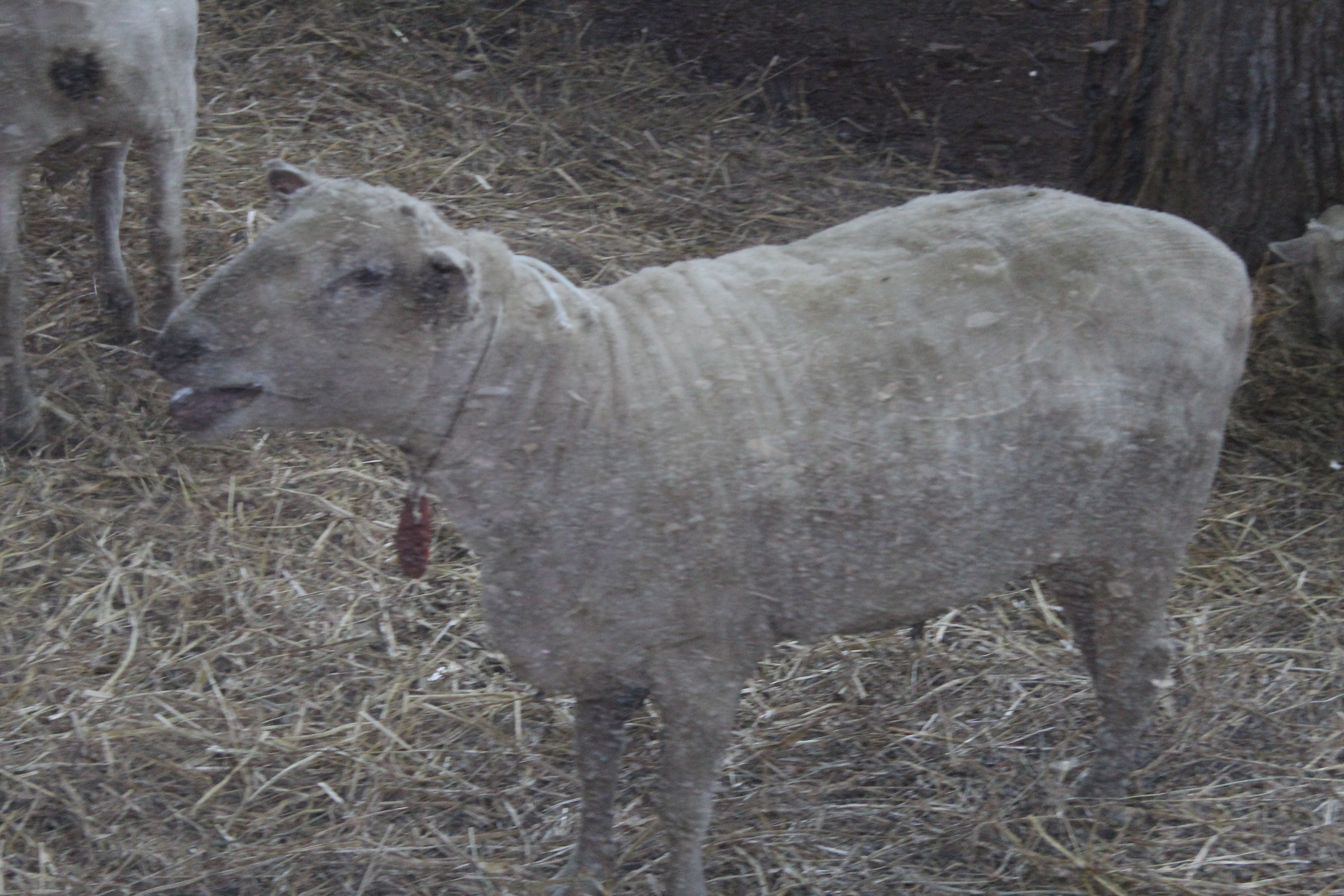
Then it was time to hit the road for Sapporo, another important location in the same book and its sequel Dance, dance dance. On the way in we diverted to the Hitsujigaoka Observation Hill from which you can overlook the city, the Sapporo Dome – one of the FIFA World Cup in 2002 and look at the statue of William Smith Clark with its admonition “Boys be ambitious” a motto we send to Vicarage Road to our boys for Saturday. Supposedly sheep graze on the slopes of the hill but it was so cold and wet that they were in a stable, if sheep can be in a stable. We had come to Hokkaido to chase wild sheep and we’d found some tamely indoors. However it counts as some sort of result. At least it’s going “baa!” at us as if wild.

IMG_2191  IMG_2196

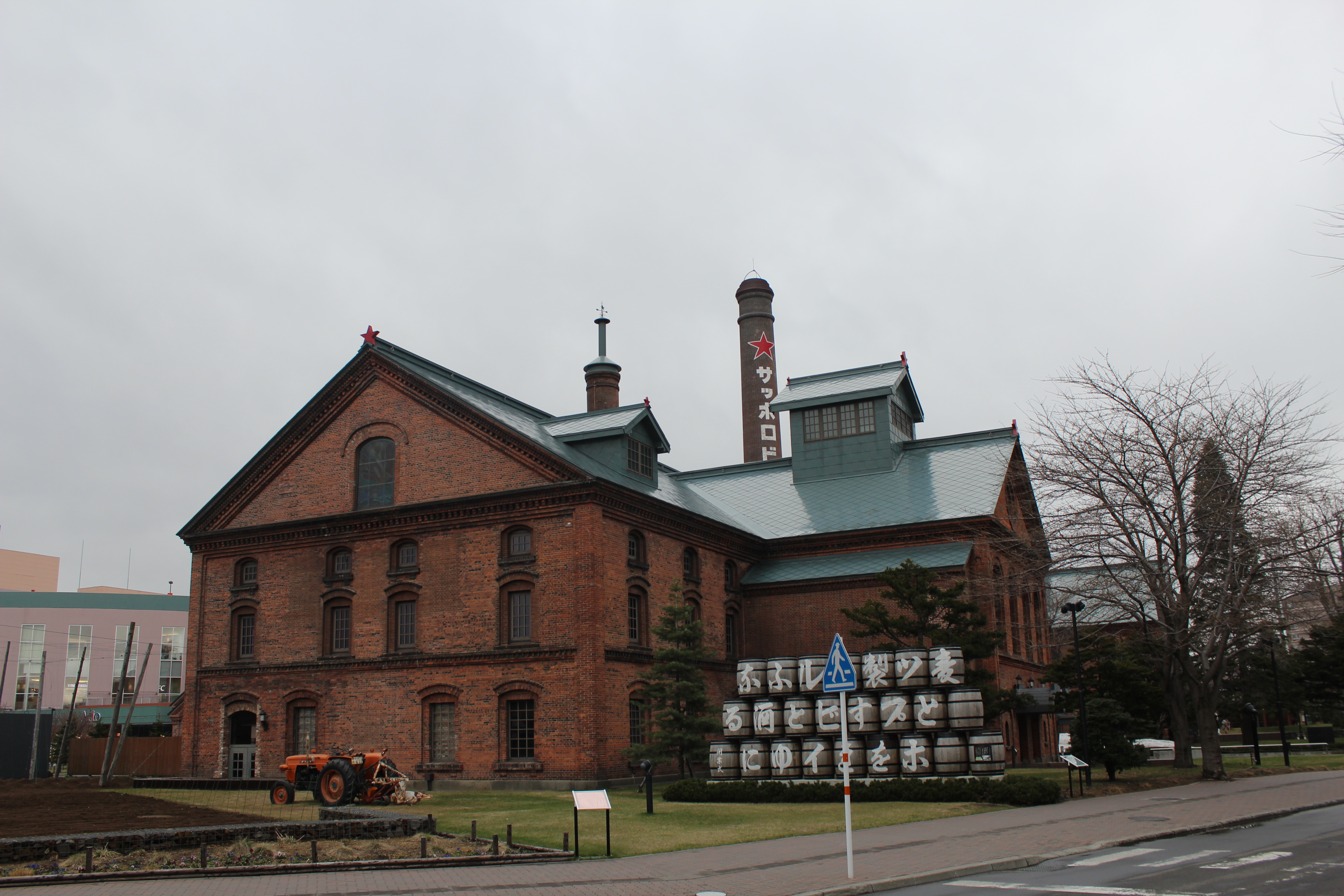
Heavy rain on our departure led to the usual choice – aquarium or Sapporo brewery tour. This time we were thwarted though as the brewery tour was closed because Monday had been ‘Greenery Day’ and it closes the day after public holidays. However a beer hall was available and wares could be purchased. It’s a great building and would have been fun but downtown Sapporo calls as another important location in both books.

IMG_2200  IMG_2206  IMG_2214

Whoops again with SatNav Lady taking us 5 km out of town to a suburban residential street based on the hotel phone number – obviously a digit wrong somewhere. Fortunately we were equipped with our precious atlas and a Sapporo map we’d brought from the UK so we were eventually able to get to the hotel, check in and go looking for various sites with a degree of success.

IMG_2217  IMG_2225

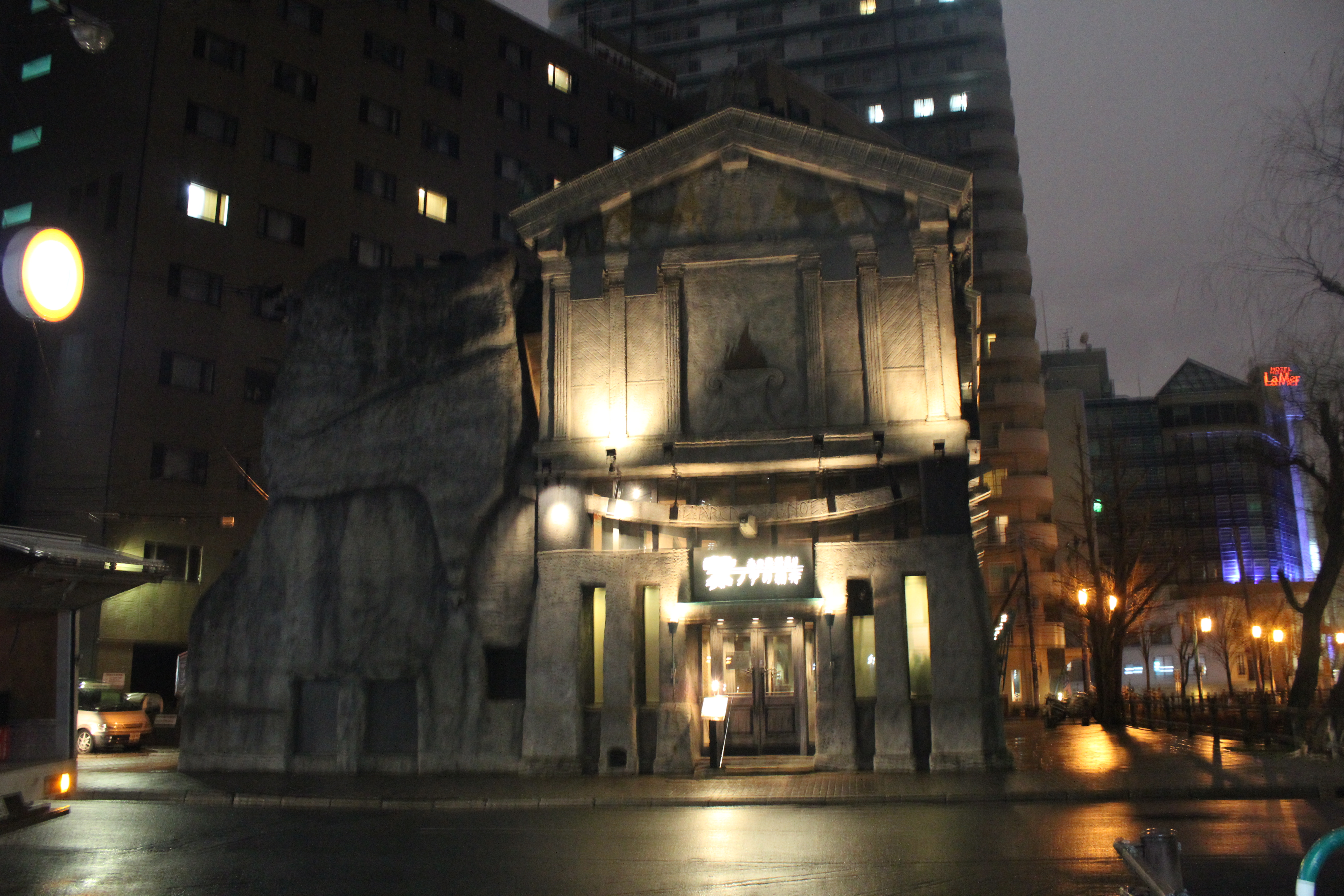
When we’d had enough we found ourselves at a restaurant called  L’arc de Noe. After the rain we’d been through today where more appropriate to eat than in Noah’s Ark? It’s an incredible building designed by British architect Nigel Coates and serves food grilled over charcoal at your table. Crab, prawns, scallops, various fish for which we now have the Latin names and finally some beef. They also had local Hokkaido wine made by the agricultural department of Hokkaido University in Furano. It took a little while to get some air to it but ended up being most acceptable.

IMG_2242  IMG_2264

We took the subway back to the centre of Sapporo, took in a bit more of the now less damp atmosphere of the city and retired ahead of a drive north tomorrow in search of wild sheep.

The Obligatory Tourists

23 sushi pink  What can we expect

          from a very early start

          in Hakodate?

Apologies to Anne Tyler for today's title.

So we are at Hakodate Station bright and early – two hours till tourist information opens. So we take a cab to the hotel – not far but dragging all those cases at this hour does not appeal. The hotel is friendly, allows me to charge the gear enough to post my apology, gives us coffee for free and a map but is quite adamant that check in is 4 pm. So a morning’s kip is out of the question – it’s only 8 degrees so a park bench is rejected as an option. We’d read that the Morning Market is a popular attraction so off we set, coffee buzz overcoming the yawns.

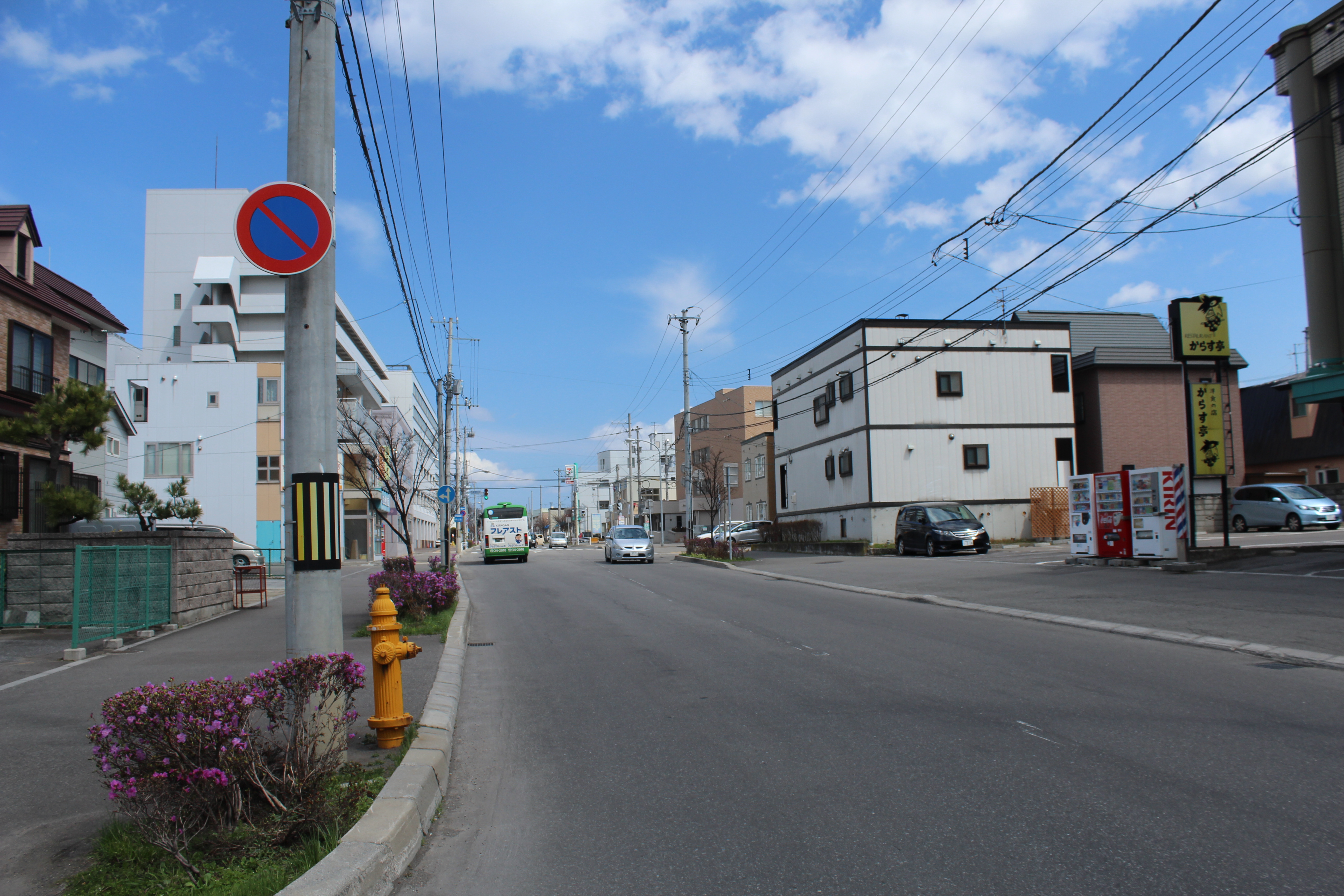
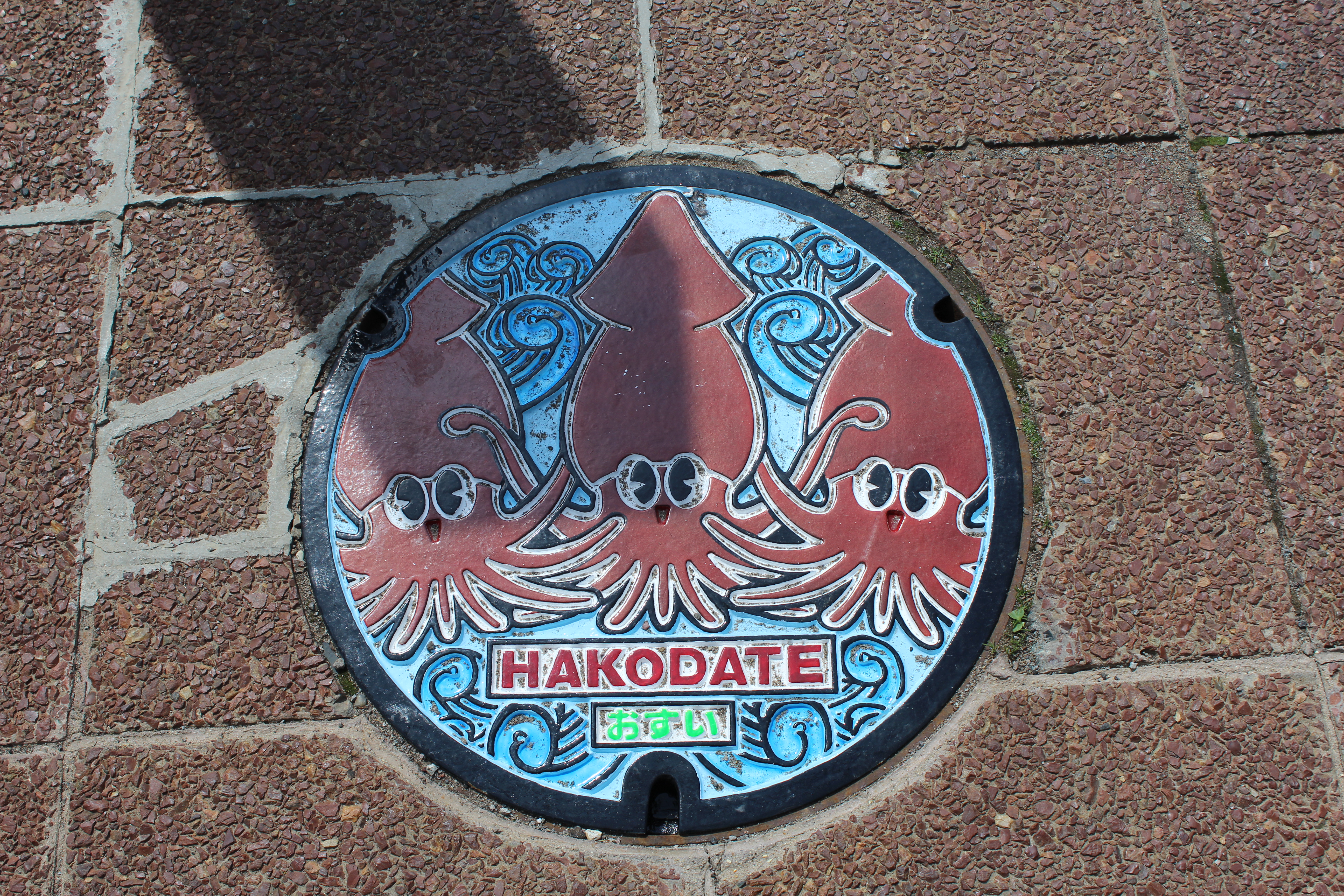
As we walk down the main street we muse: if Kobe felt European, Osaka like being in New York, Hakodate feels like the US mid west or provincial Canada. There are big wide streets with low buildings and the most prominent feature is the electricity and telephone cables and their supports. So clearly significant are they that the tour guide we got later lists the first concrete telegraph pole in Japan as a sight to visit. I think we missed it. It does have beautiful manhole covers though – a feature that you can find in many Japanese cities representing their specific identity.

IMG_1999  IMG_1943  IMG_1940

We reached the market area to be truly astonished. So many shops, three big indoor market areas, tempting free samples being offered at every corner. The Morning Market is superb and helped us spend our first two hours revelling in the sight of fresh fish, massive crabs and vegetables and filling our hungry mouths – remember last night’s train dinner! A first for both of us was sea urchin – orangey-pink, smooth with a bit of grain and delicious if a bit rich – the idea of eating a whole one was a bit daunting.

IMG_1916  IMG_1914  IMG_1924

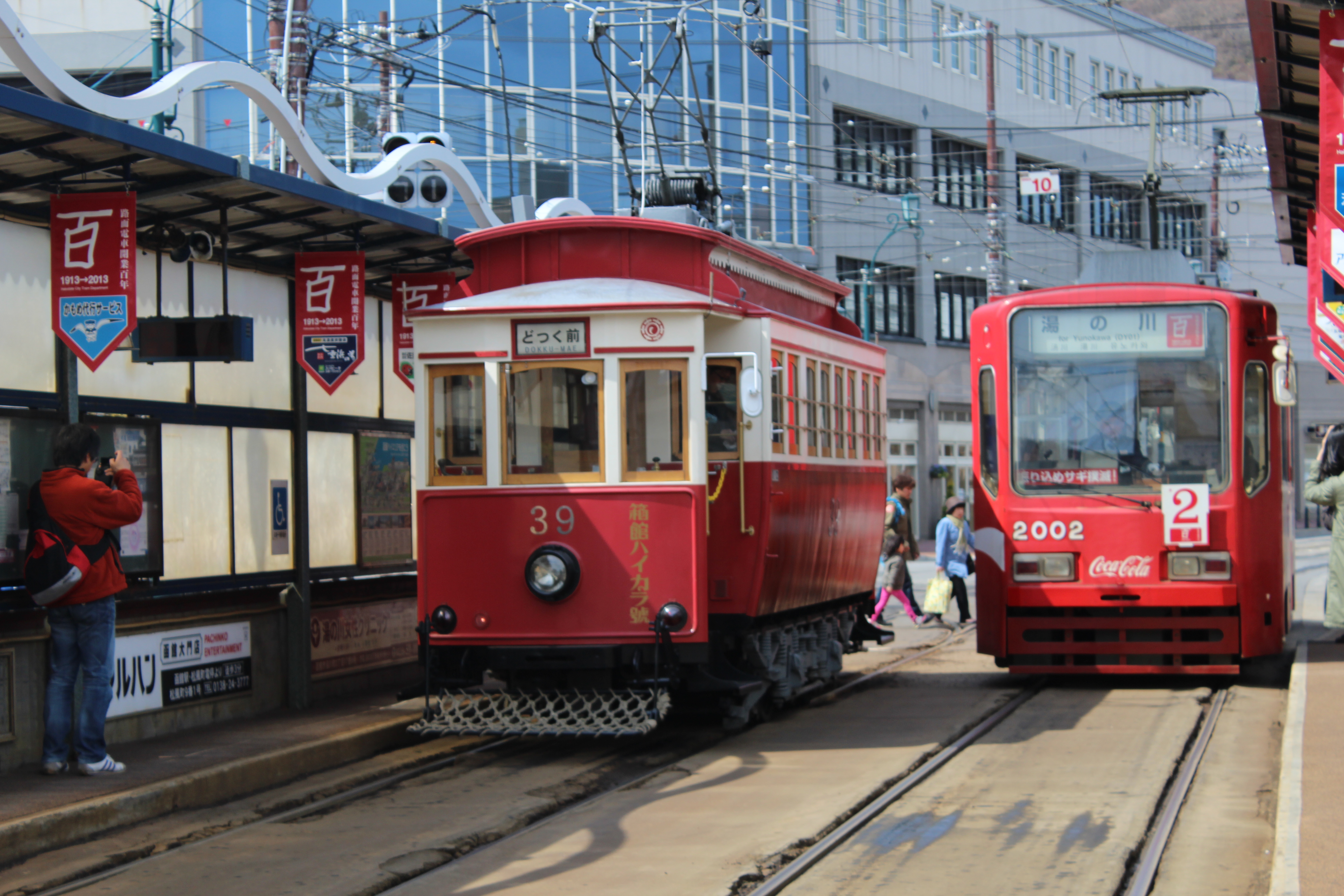
Armed with our map from the now open tourist office we set off to explore the town on its excellent streetcar service. As one of the first cities in Japan to opened for trade in 1854 along with Kobe and Yokohama, it has a lot of  European and American influences mixed with its vernacular architecture, especially near the harbour. We met a Texan who had married a Japanese lady and after much globetrotting had come back to settle in her hometown. He was cycling with a couple of Japanese friends on the first decent weekend of weather. There’s still lots of snow about and with a brisk breeze we didn’t exactly find it balmy.

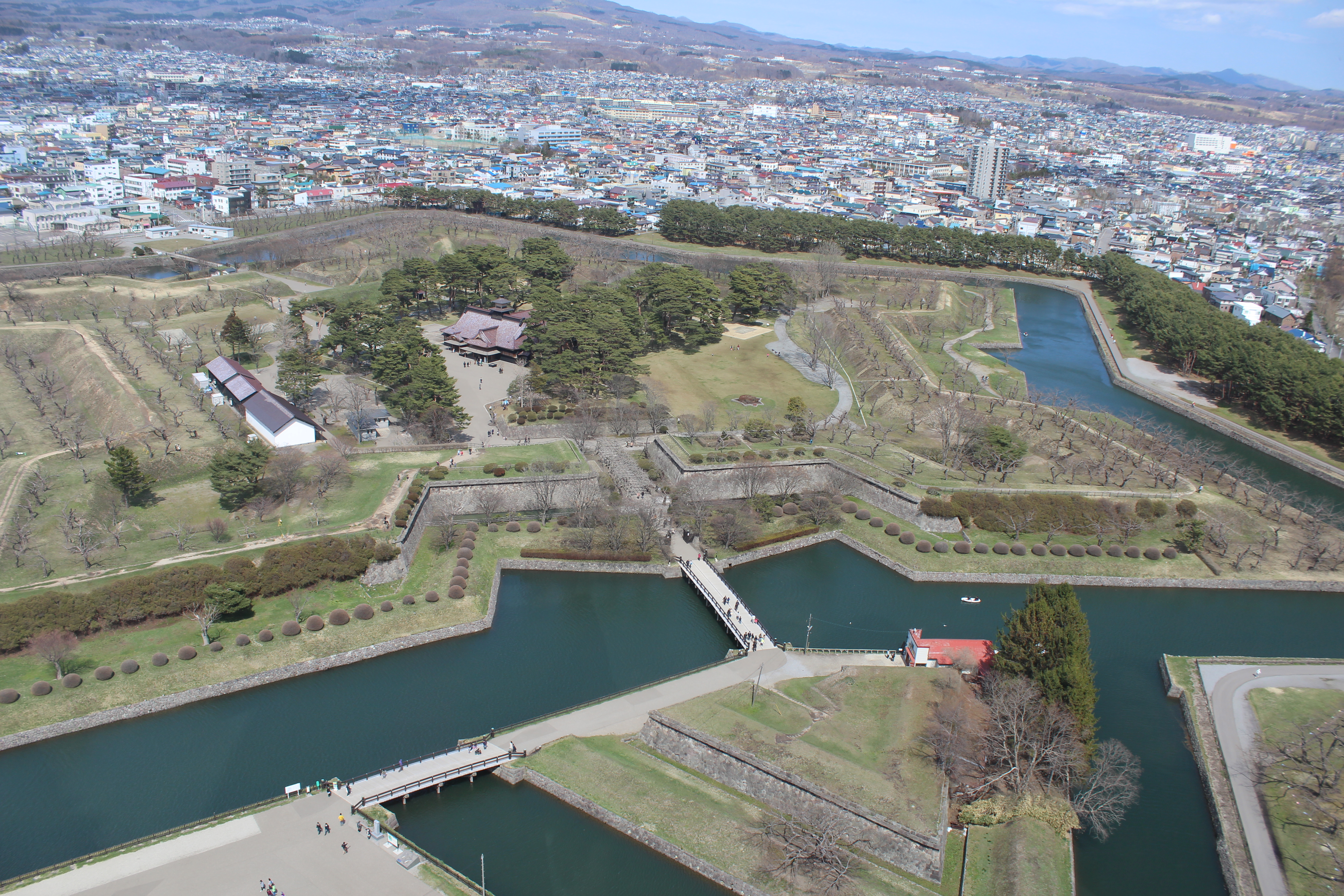
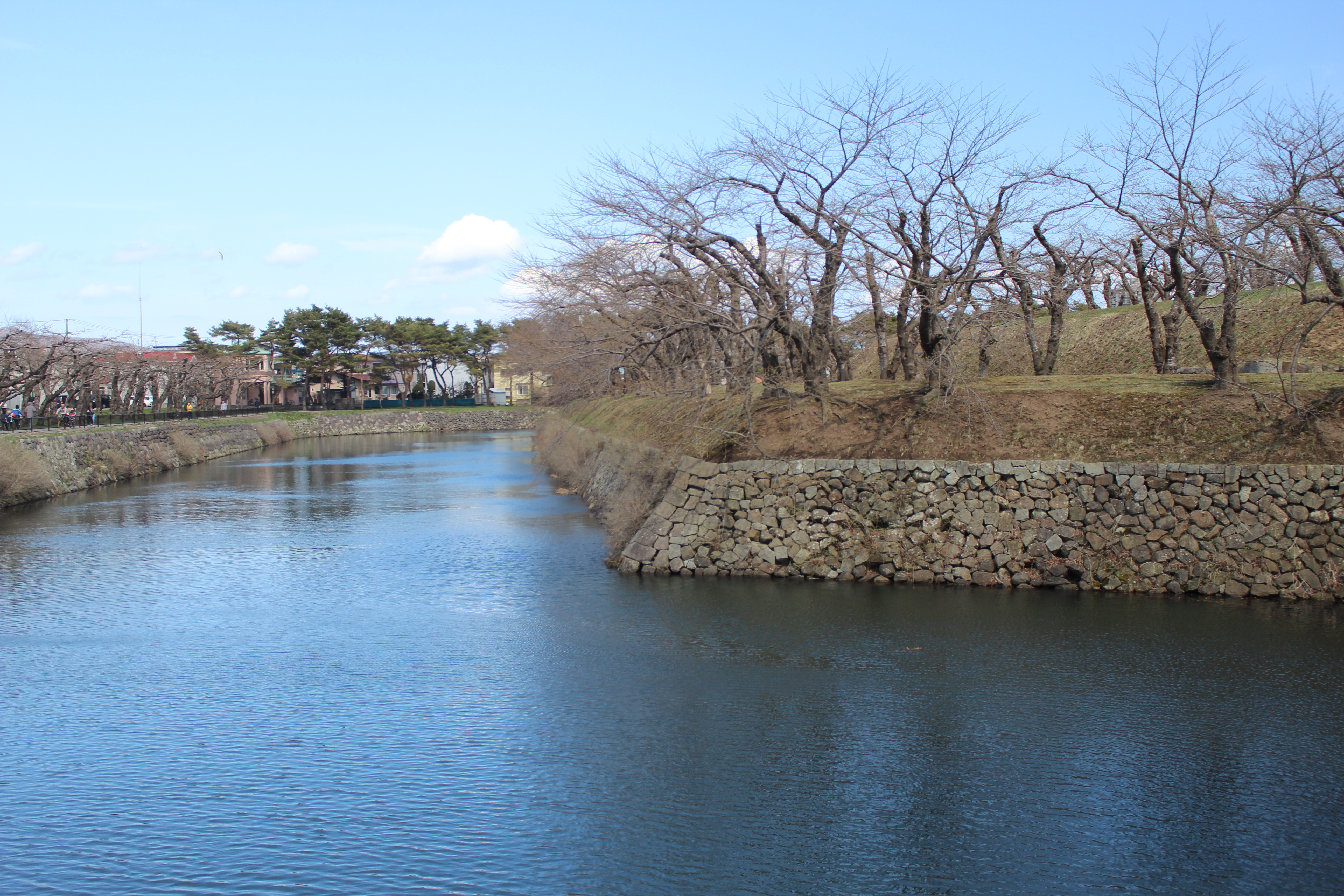
A big attraction is to go up on a cable car to Mount Hakodate to see the magnificent view over the isthmus that forms the main part of town. Sadly the high winds caused the service to be suspended but you can see what we didn’t here. So after wandering around the harbour area and the old colonial region we took the streetcar to Goryokaku Fort, an unusual five-pointed star shaped structure designed in 1855. Its shape apparently gave opportunities for more gun emplacements and better protection. In three weeks time it will be one the the country’s top cherry blossom viewing sites – today we saw swelling buds. It has an observation tower with great views and made for another pleasant if chilly garden stroll.

IMG_2007 IMG_2017 IMG_2027

Back into town for lunch, check-in and a much wanted shower. Dee did a bit of online research for dinner and came up with a recommendation from several sites for a restaurant Uni Murakami. Clearly there was nowhere else in town we could eat. It was a struggle to find and only average when we got a table after a lengthy wait. Shame.

When travelling by car it’s difficult to keep blogs up to date so at the time of writing this on Tuesday evening 30 April, we have just had the most amazing news via good friend Steve Resco in Hong Kong that the Hobgoblin Bar in Roppongi in Tokyo will show the Watford v Leeds game on Saturday. Guess where we will be!

As so often, Monday morning dawns bright and clear as we go to pick up the next car and head off north. Our first problem with Mazda/Times Car Rental occurred with no trusty, copiously booted Axela available despite being specifically requested. An hour’s delay after declining a Nissan Note – name, shape and size all totally unacceptable – we eventually set off in a seven-seater people carrier which is OK but not ideal with no cover over our bags in the back (however, with such a low crime rate and vigilant car park attendants it’s not really a problem). We decide to drive on national roads along the stunning coastline which was a mixed decision. It was a great drive but it was slow. We had failed to note that Monday was Greenery Day – a public holiday welcoming spring and, as all over the world, everybody takes to the road on bank holidays. We stopped off at a viewpoint called Panorama Hill which was a great place to eat, look at the sea and the mountains and let kids let off steam. Lunch was a couple of pancake-like slices to make a sandwich. Dee had savoury vegetables. I thought I was getting cheese only to bite into custard – delicious, but I’ve had pudding, now where’s lunch?

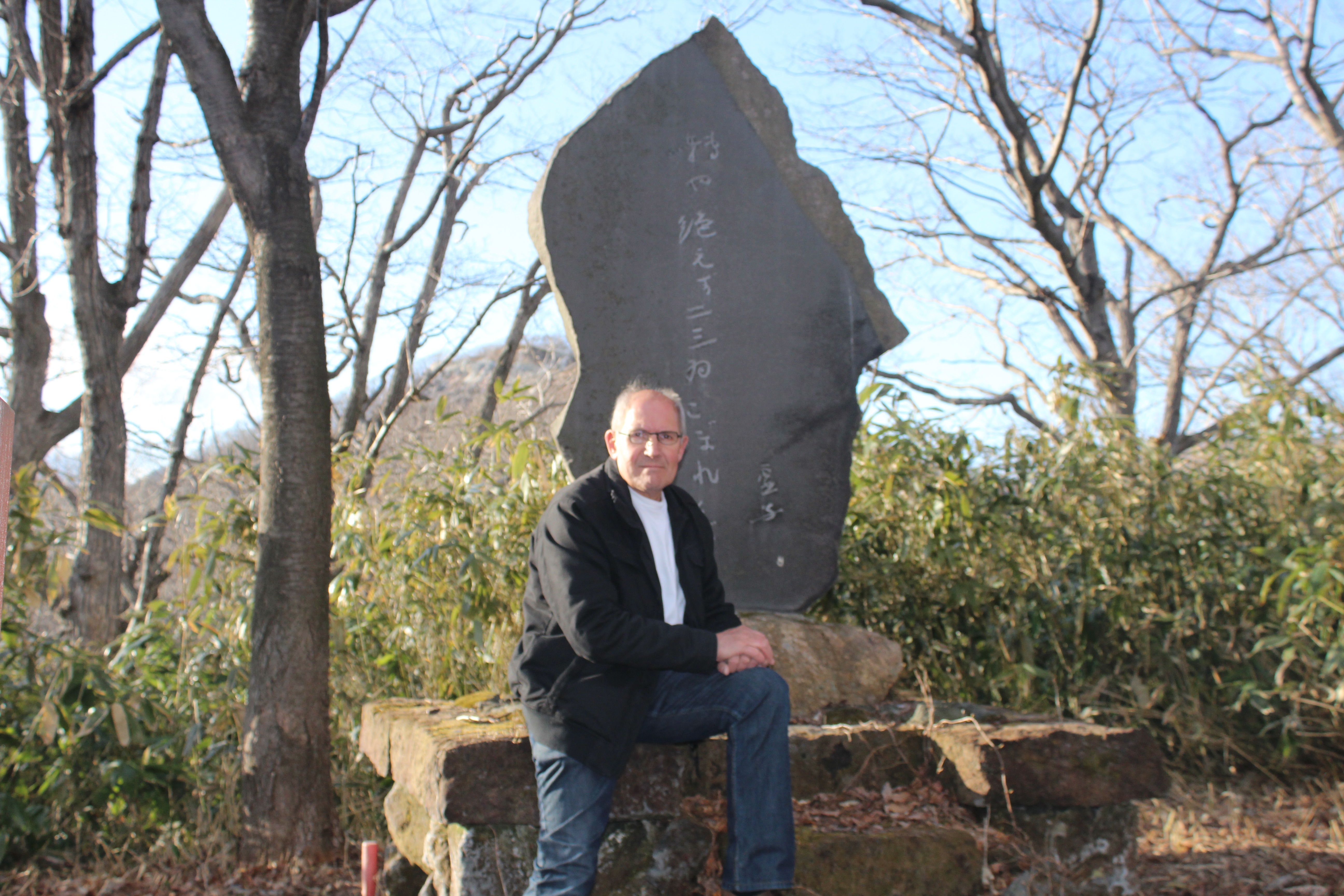
Next stop Noboribetsu a region of hot springs and geysers. There’s a rather ugly spa development with a shopping street of questionable value, but the lakes and streams themselves were fascinating and bathing our feet in warm flowing water was brilliant. I’d never done fumaroles, geysers and hot springs before so it was a great experience and we found a monument to a famous haiku writer, Kyoshi Takahama, so I had to go pay my dues for bastardizing the form on a daily basis.

IMG_2057  IMG_2070  IMG_2096

A remote country road took us back to the main road along the coast and suddenly we were confronted with this:

IMG_2109

It knocks anything on Route 1 in Saugus into a cocked hat – crab, salmon and bear – and lit like a Hopper. Awesome! On to Tomakomai for the night with a good dinner immediately opposite the hotel. Result!

The long railroad to the north

22 sushi pink Will our grand send off

        help us through the train night 

        or exhaust us both?  

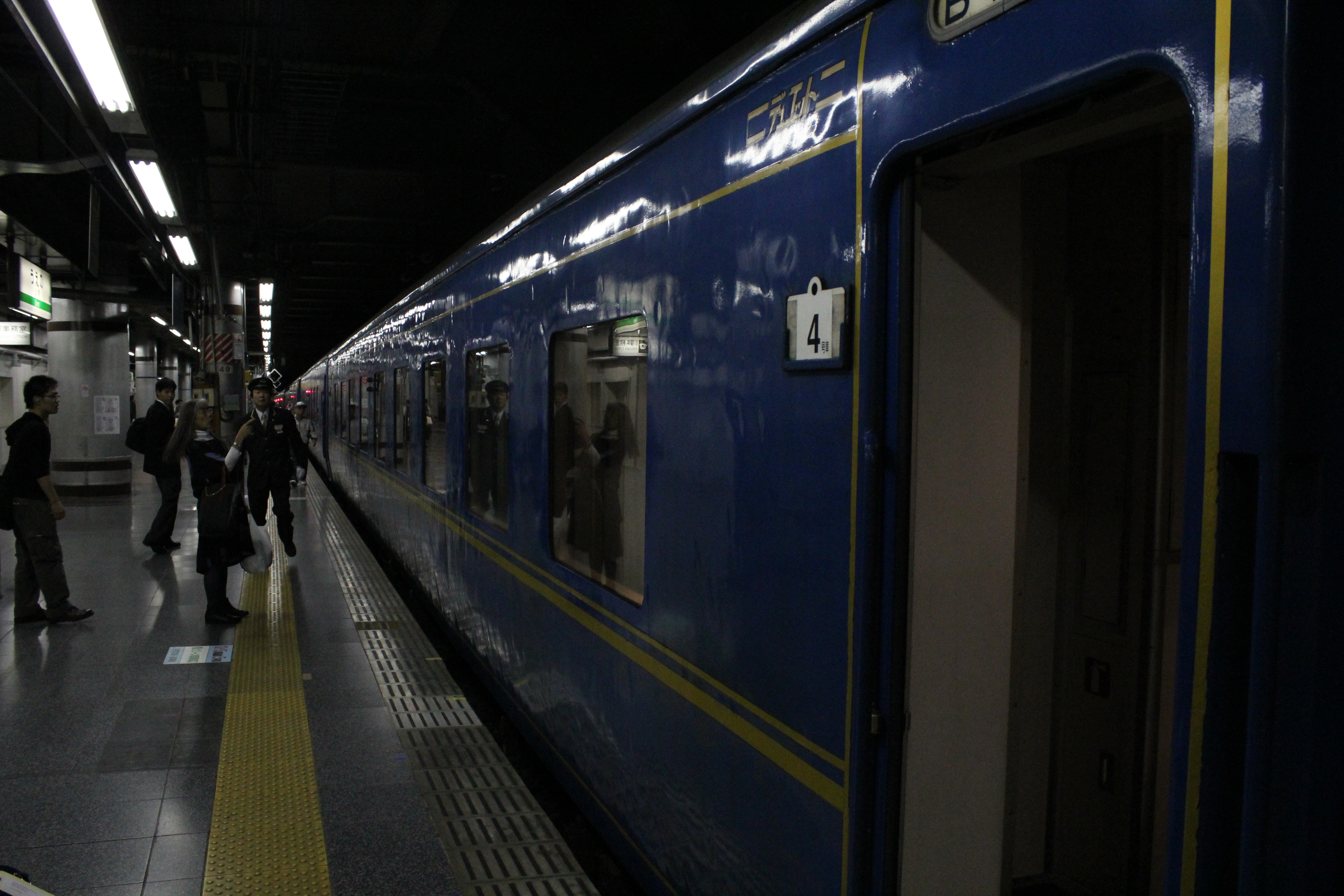
Commotion on track 13So here we are finally after faffing around at the Shinkansen gates expecting to be whooshed to Hokkaido while we slept but are redirected to Track 13 – not a bullet train line. All the paparazzi are still lurking about and a guard comes running down the platform to get us underway.

guard on track 13

He checks the signage – as do we – and the insignia on the train. LEX Sapporo sign  train badge

Both look fine but this is our train.

our skinkannot Not the post modern express we’d hoped to help us through the night – rather less elegant inside than that in Some like it Hot as it happens. The Hokutosei seems to use rolling stock from the fifties.

corridor good  berth WS

However, we installed ourselves, the train set off and after organizing our bags in this tiny space we set off for the dining car. Oh, oh, no. Reservations only and must be made three days in advance. Why did nobody tell us this when we booked our berth at considerable expense above our JR Passes? A cart came by with some provisions and we had a few bits and pieces so we were able to construct an amuse bouche and then dinner.

amuse bouche  dinner

Fish biscuit amuse bouche                                               Dinner

After this wondrous repast and a few rounds of “Take Two” there being no electricity for blogging except by standing in the washing area – and dear reader some lines have to be drawn. So anticipating an early (06:35) arrival in Hakodate we prepared for bed. As we finished our ablutions the train stopped. We looked through the window to see a solitary figure on the platform opposite photographing us. Ironically, or perhaps necessarily, we were at Fukushima and expressed our solidarity as best we could.

Mike ready for bed  Dee sleeping - not

Not a great deal of sleep was had by either of us before dawn broke and we emerged from the Seiku the world’s longest undersea tunnel (53 Km; 33 miles) into Hokkaido. We soon had our first glimpse of Mt Hakodate, arrived at the station and saw the train depart for Sapporo. Off for a day of enforced sightseeing as we can’t check in till 4 pm.

first sight of Mt Hakodate Together in Hakodate leaving for Sapporo

As the song says “Oh what a night!” But not quite inn the same way. Do the sums: Osaka – Tokyo 570 km in 3 hours; Tokyo- Hakodate 830 km in 11 and a half hours.

Slight delay

No Maiku today just an apology for lack of electricity outlets on the train to Hakodate where we now are at 7 in the morning. There’s a post about Osaka and quite a story about the journey to Hokkaido to come when we check in later today – not until 4 pm. So with a lick and a promise on board, we’re off to explore Hakodate’s fish and morning markets and the view from Mount Hakodate over the Pacific Ocean on one side and the Sea of Japan on the other. And whatever else the town has to offer – the cherry blossom might be OK up here.

Day off in Osaka

21 sushi pink  Just one more day in

      the Kansai before we go

      north. Will it suffice?

[Apologies for a half post of this by mistake - finger trouble whilst tired.]

The one thing we’ve noted in our travels in the Kansai region – the mid section of Honshu Island – is that it’s a continuously built up area. It took half an hour to get from Kobe to Osaka and the train was going on to Kyoto in another half hour. We whizz through station after station with commuters in their neat rows waiting to board the local trains. Such a mass of humanity everywhere. We began the day with a final walk around Kobe including a visit to Daimaru Department Store. A memory from thirty years ago is of smartly dressed young people, mostly young ladies, greeting you to the store with genuine pleasure. They still exist with perhaps slightly updated uniforms and greet you with the same degree of enthusiasm. The top and bottom of ten floor Daimaru were real revelations. On top of the store is a garden and a garden centre. It’s a great space with views over the city. The bottom floor is the food hall of such immense scale and variety that you could browse all day, stopping occasionally for fresh drinks and snacks from the counters that pop up every now and then. It was good to see Fortnum & Mason and Daylesford Organics flying the flag in the midst of the oriental delights that abound.

IMG_1687 IMG_1684 IMG_1683

Arrival in Osaka was uneventful until we took a taxi to the hotel. We had the address written down but finally we had to resort to my suggestion that he use the phone number we also had. This worked – the hotel had changed its name – and we were able to get into our room ahead of check-in time at three, something we’ve been really lucky with. We planned to go to the National Art Museum to see if we could see any other prints by Kenji Ushiku who made the etchings I’d bought 30 years before. We asked the front desk for directions and they suggested a cab and wrote directions for us to give to the driver. We arrived at the back end of the building – is SatNav Lady interfering with other drivers too? – and found our way to the entrance under increasingly black skies. It was very hot when we arrived and I’d gone out in only a polo shirt which was now inadequate as the winds got up, thunder rolled and rain started to fall. Sadly the permanent display has been suspended for a Picasso exhibition and a seasonal Painters of the Kansai show. So no go on the print front. As we’re quite close we decide to go to Osaka Station to check our departure times for Tokyo tomorrow. We managed to achieve the walk of about a mile entirely underground, thus avoiding a soaking.

There was an astonishing amount of activity around the station, with TV cameras and crowd control in full swing Japanese style, which we found was due to the opening of Grand Front Osaka a huge nine-floor, vertical mall with offices, a hotel, 260 shops and many food outlets. It’s branded as “a new city centre” and they are expecting 25 million visitors in the first year. We approached, wavered and did not enter. Scary shoppers, megaphone toting security and the crowds made us think better of it – it was Bluewater at Christmas x 10. Judge for yourselves if we were right. We went instead into the, now deserted and peaceful, Isetan store with the intention of buying a jumper or light jacket for me but the prices made me wince more than the cold so we just took lunch on the top floor.

IMG_1695  IMG_1698 IMG_1703

National Museum of Art with imminent thunder    Crowds at the opening day of Grand Front

On leaving the new Osaka Station City area after our rather late tempura lunch cooked lovingly in front of us on the top floor of Isetan department store, we set off on the JR City Loop train to explore. We were approached on the platform by a diminutive lady who wanted to practise her English and presented us with an origami bird as a gift. We got on a train with her – going in the wrong direction as it happened and were regaled with the highlights of her language acquisition method. She had meticulous, cursive handwriting in an exercise book. It was crammed with lyrics of popular songs – many of them karaoke favourites. It clearly worked for her. After two stops we apologised and went back round the loop the other way, failing to find the area we wanted and retired via subway to the hotel. With a late lunch and mid-trip exhaustion we decided to have a rest, go out and have a few drinks and maybe a small snack and then have an early night. Phwoomp – art frustration, thunderstorms, cold and tiredness had me wondering whether coming to Osaka was such a good move after all.

Our early night was dramatically interrupted by what we correctly assumed was a fire alarm at about eleven and it was only after about ten minutes of yukata-clad peering along the corridor to see other confused guests wondering what was going on. It was ten minutes before reception managed a tannoy in English – after Dee had phoned to enquire whether they could tell us what was happening – to the effect that it was a false alarm, the alarm had been tripped accidentally and not to worry. Reassured, we were prevented from further sleep by an insistent, recorded message that the staff had obviously switched on but couldn’t stop. Annoyingly, despite hearing it at least 200 times we still couldn’t make out the words due to an echo in the system. Finally it stopped and we crashed.

Saturday morning Osaka was a far more encouraging place with bright warm sun and a bit of a breeze and the news that Watford beat Leicester away 2-1 – highly energising. We set off to explore an old style shopping street – 2.6 kilometres of Tenjimbashi-suji. It was brilliant. A chemist provided much needed hairspray, toothpaste and plasters – way too much walking! The best array of knives in one shop, cooking implements, fresh fruit and vegetable stalls lined the street in a dazzling and comforting, human display. Grand Front may be for some but this is what we came for. At the bottom end – we didn’t do all its length, shame on us – we visited an appropriate shrine that celebrates the gods of learning and the arts. Temmangu was one of the most interesting shrines we’ve visited with many small areas for private devotion, several child blessing ceremonies and, quote the hon scribe “lots of wedding ceremonies today”.

IMG_1710  IMG_1719

IMG_1783  IMG_1735

After a refreshing coffee in a small coffee house opposite the shrine, we went to the Nakanoshima Park which is on an island between two branches of the river Dojimagawa. It was lovely to find rose gardens, picnic tables, recreation areas and space surrounded by the high rise of Osaka downtown. It took us back to the Esplanade by the Charles River in Boston. There were several groups of people sketching under the supervision of  a tutor, others doing group exercises. No time for loitering though with a three o’clock departure for Tokyo. Next stop was Namba Walk a modern underground mall which contrasted starkly with the atmosphere of Tenjimbashi-suji. You know which I prefer. However at the end of Namba Walk we arrived at Namba Gardens a truly stunning shopping mall and cinema complex famed for its high level gardens and views over the city. It was an incredible structure and worth the visit. It was also, as everywhere there are shops has been, rammed with people carrying bags with purchases not just window shopping. So maybe the latest round of quantative easing of the yen recently introduced is working. Note to Mr Osborne perhaps.

IMG_1803  IMG_1826  IMG_1845

Hotel, luggage, taxi, Shinosaka Station to take our first big Shinkansen trip – 3 hours to Tokyo via Kyoto, Maibara, Gifu and Yokohama. A box lunch at the station to eat on the train and an altogether more interesting ride with the ability to see landscape and cities whoosh by. As we took bends at high speed the tilt of the train was very noticeable with, on occasion, only water visible through one window and sky through the other. My geography lessons at school led me to believe that Japan was all mountains with extremely narrow coastal plains. Either the books were wrong or tectonics have achieved a lot in 45 years. Some of the stretches we covered were as flat as the proverbial pancake for as far as the eye could see.

IMG_1853  IMG_1868

We arrived at Tokyo Station made the transfer to Ueno Station from which trains go to the north via Tokyo’s excellent Yamanote Loop line and after some confusion found our train bound for Hakodate. We were surprised to be met by a mass of paparazzi, kids with large Nikons and Canons and an atmosphere of something special. Now we know our blog is reaching a large audience but this did take us by surprise. What happened next is another story …