Westward Ho! Whoa!

So, I leave the hotel in what I thought was good time to catch the 07:35 to Granada. However given the construction work around Atocha Station it’s quite a trek to get there. Then once inside it’s up an escalator, through a huge airport style mall and then an airport style baggage security check which I hadn’t been expecting. However I find seat 7 in coach 2 which I’d been told by train operator Renfe was a special seat with extra space and fewer passengers to ensure a quiet journey. All good you’d think. But just opposite was a family of four with one fairly studious 7 year-old boy but a totally fractious 3 year-old daughter who screamed pretty well non-stop except when being stuffed with food. Bliss! I then freaked out as the announcer said the next stop would be Cordoba. Now I know enough about Spanish geography to position Granada due south of Madrid with Cordoba a long way to the south west. It dawned on me that the AVE (high speed) routes were limited and that it made sense to first build tracks to serve Cordoba, Sevilla and Malaga direct and then construct a new west-east line through Andalusia. As it happens we had seen much of the construction work for this route when visiting friends who used to live in Antequera or renting a cottage in the hamlet of La Parilla, near Iznajar some years ago. Some familiar scenery flashed by as we raced across Andalucia.

However the train did arrive at Granada Station at the time predicted and apart from my neighbours it was a good trip – announcements in Spanish and English, a trolley coffee service (which I didn’t use as it was instant Nescafé – in Spain!) and was clean and comfortable.

My plan was to walk to a nearby bus stop and get a bus to within a five minutes walk of my hotel. Oops! Read the front of the bus more carefully, Michael – CENTRO CERRADO DESVIO POR CAMINO DE RONDA. It meant it wasn’t going anywhere near where I wanted to be but the excellent CityMapper told me where to get off and take another bus. It worked and I arrived much too early to check in but they kindly relieved me of my bags, took my passport and sent me off to explore.

It’s a very fine hotel converted from a sixteenth century palace but fortunately with a lift and modern plumbing and facilities. I selected it because my only prior knowledge of hotels in Granada was the magnificent Parador inside the Alhambra where Dee and I stayed many years ago. This one looked OK and was five minutes walk from lots of things I wanted to do. Arriving before check-in rather forces you to go and explore which I did with glee as Calle Navas where the hotel is located is in a pedestrianised street full of bars and restaurants.

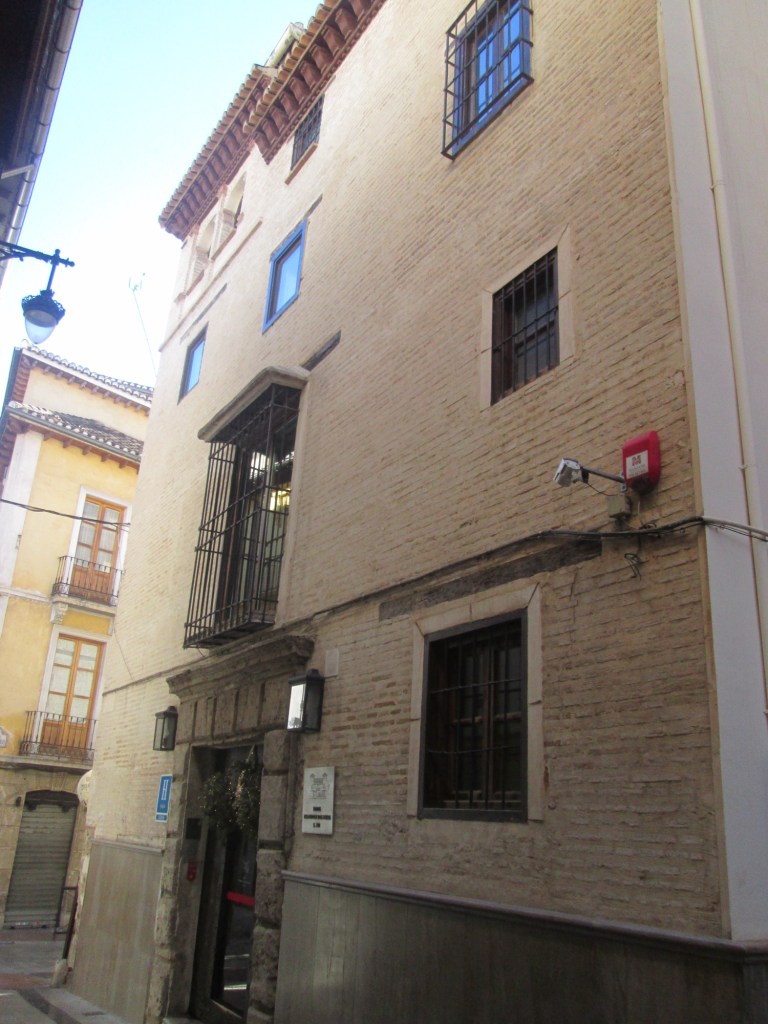
Calle Navas

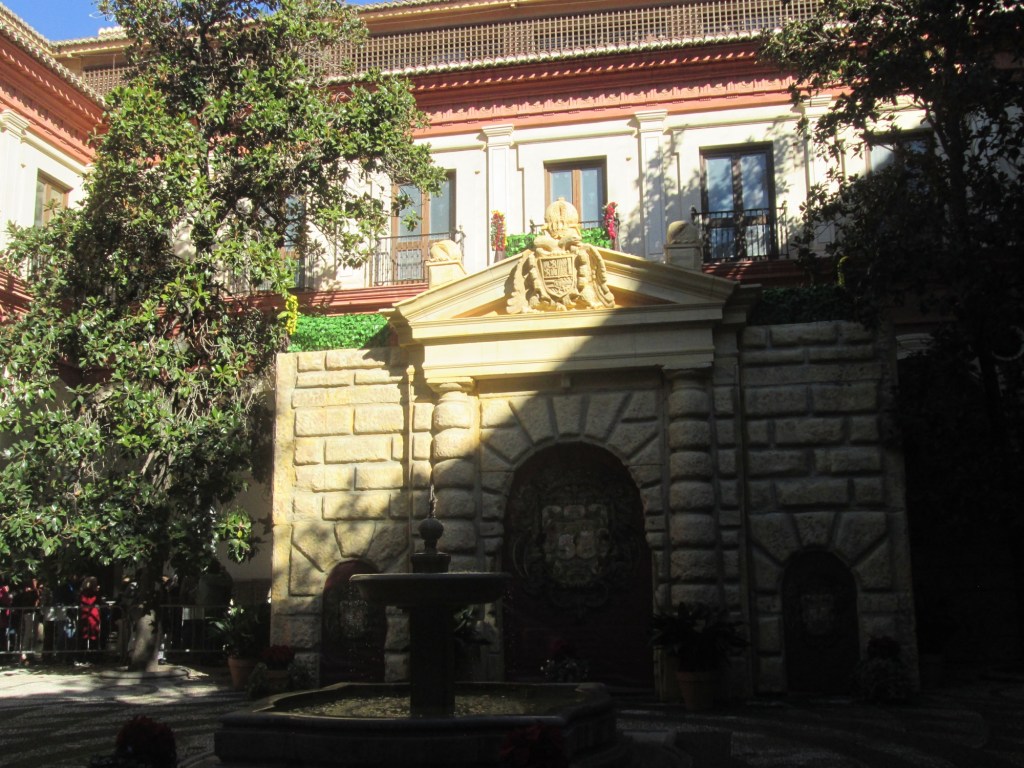
I was waylaid by the aroma of a decent coffee and then discovered that by walking straight up the road I was soon in the famous Plaza Bib Rambla said to be the heart of the city. And boy do they do Christmas here. A Christmas tree circus flying chair device, a cycle-powered traditional carousel and signs to Belens everywhere. These are the scenes of Bethlehem that are a tradition all over Spain. This one was in the splendid Town Hall building.

I found myself outside the market – Mercado de San Agustin which was still pretty lively on a Sunday afternoon and will be visited again. I did sit at a bar outside in bright sun where my phone said it was 17 degrees- oh that’s why I’m here. Looking at the competing menus displayed all around I chose a restaurant that served one of my favourite dishes aubergines with honey which I make myself quite often but this had the added benefit of being topped with miel de caňa which I can’t get in the UK. It’s black, not too sweet and made from sugar cane. My travels took me past the Cathedral, the Lorca centre I intend to visit on Tuesday – in common with most of the world it seems museums don’t open on Mondays – and onto the high-end shopping street Reyes Catolicos, which I skipped along not being much of a window shopper.

My one piece of shopping involved getting a protective sleeve to cover the dressing on my left leg so I could shower properly – in Madrid it had been an early morning struggle to keep it dry. Fortunately protect is protegir and bandage sounds pretty much like vendaje , so I emerge from the farmacia with just what I needed – and it worked well this morning by the way.

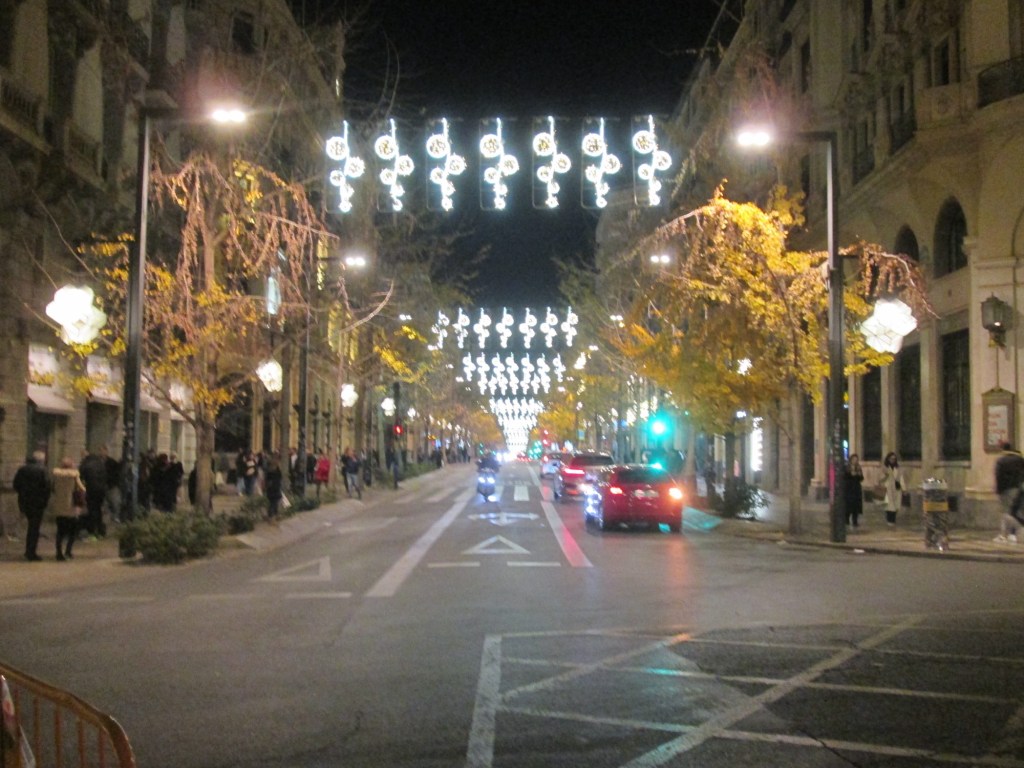
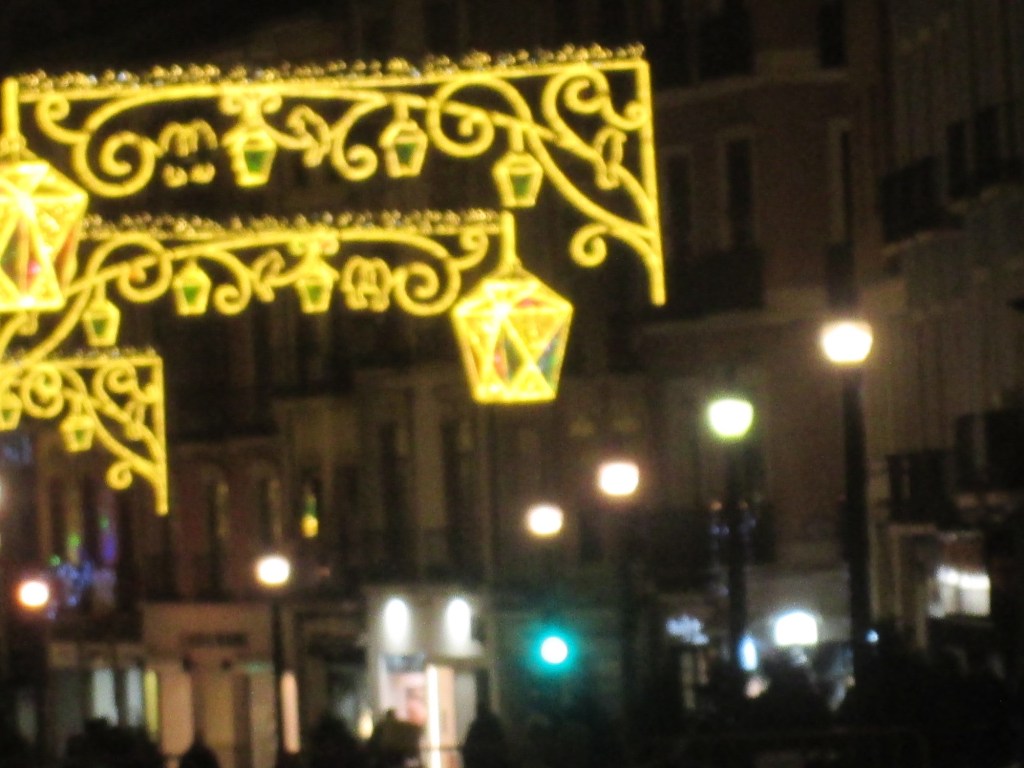
I went back to the hotel about five thirty where my luggage had already been taken to my very pleasant room and I spent a while unpacking, organising myself and taking a breather after a fairly hectic day. Post first day blog, read a bit of the Booker prizewinning Orbital and then it’s time to head out for dinner. There are lots of tourists so you can eat at any time you like really but the local families in the place I chose came in around nine to nine-thirty so a bit earlier than Madrid. It proclaimed to be famous for its croquetas so I ordered three filled with morcilla (black pudding) and caramelised onions. They were delicious and very filling so I had a small bowl of chips topped with freshly sliced ham and a spicy tomato sauce. I needed to walk off this repast so I headed off to the central area again to be blinded by the amount of sparkling lights strung across every main thoroughfare. They do do Christmas in Granada!
Back home for a little nightcap, a bit more book and a look forward to tomorrow’s trip to the Alhambra which I had pre booked with an English guide whereas our previous visit from the Parador allowed us to wander at leisure among those amazing palaces and gardens. Apparently you can still get day tickets but the queues are enormous. I’ll find out tomorrow.

Saturday and Sunday in Sicily

I had always planned to use my last full day in Palermo to visit the famous golden cathedral at Monreale. It’s on a steep hill outside Palermo but the guides advised the two-bus strategy for adventure and price. So I headed off for Central Station to catch the 109 to Piazza Indipendenza which Google maps showed as a 30 minute walk along a major thoroughfare. So I bought my ticket from the conveniently marked ‘Ticket Point’ for the princely sum of one euro 40 each way and waited for a 109. It came in about ten minutes and was immediately quite crowded – Sicilians have strong elbows – but I got a seat and observing the route through not the nicest area, I was glad I decided not to walk.

Then it was onto the 389 whIch just shuttles between the square and Monreale. It rattles along with occasional pickups so we end up with standing room only. It drops us off at a roundabout, leaving a steepish ascent up a road with great views over Palermo until finally one makes it to the premium attraction.

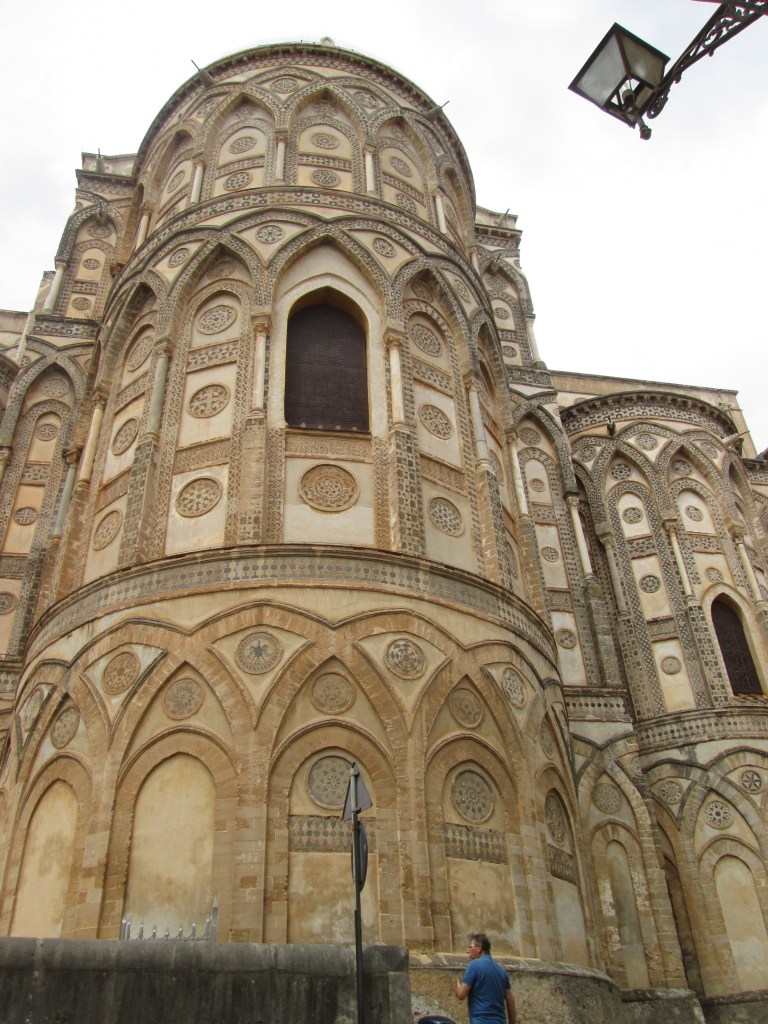
Palermo from the top of Monreale, the exterior of the apse and the west front.

I play my bus pass and driving licence to get a reduction and to my amazement they waved me through. I later discovered that the cathedral is free but other attractions cost. It is a truly amazing building with so much gold in the mosaics, frescos and service and ceremonial items. Built for William II , the Good, it’s a majestic church attached to a Dominican abbey. I loved the Arabic patterns in the mosaic wall panels, remembering Córdoba and Granada where Muslim and Christian faiths coalesced, the sublime vaulted ceiling and would, I’m sure have loved the huge depiction of Christ behind the main altar. Sadly I got a printed cloth showing what we might have seen were not in the midst of refurbishments.

I’ll update my pics eventually but you’ll prolly get better from here including what I couldn’t see.

The museum was absolutely packed with gold and silver chalices, crosses and wonderfully woven vestments but after a while I began to glaze so I headed for the elegant monastery cloister. No entry without a ticket and despite my entreaties the young attendant would not let me pass. I glimpsed it from a higher level and it did look like a bit of a miss.

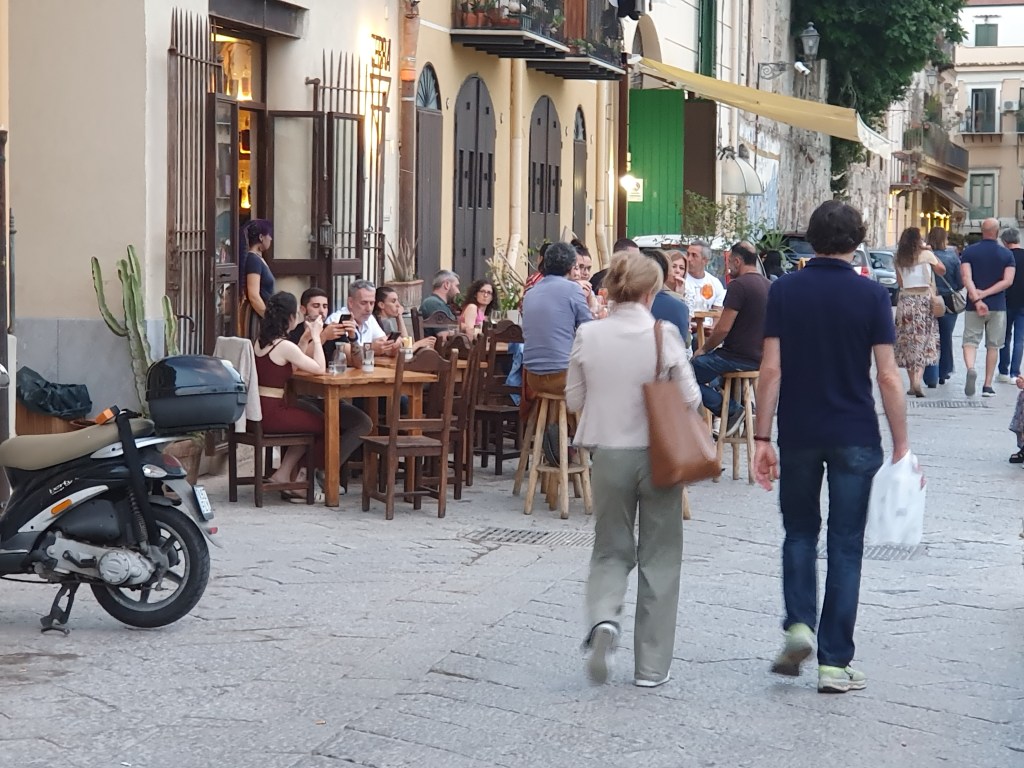
Golded out, I wandered about the town centre which is 100% tourist dedicated. What would these businesses do if, as often requested, we all stayed home? Souvenir shops with ceramics, leather and paintings – maybe once upon a time – but these days I steer clear. But I found an unassuming bakery that would survive any tourist fall off given the number of badly parked cars and Vespas coming to collect their daily bread. The baker apologised for keeping me waiting while he took a batch of panini out of an oven. He then made me one with anchovies and tomatoes which was complemented by a Messina beer which I read from its label has salt crystals from Trapani added to give it extra bite. Salty anchovies with salty beer, what could be better. The 389 goes every half hour so I walked back down the hill, so much easier! and soon the bus arrived and took about 40 minutes to get to Indipendenza and then another fifteen back to the station. I decided to spend a little time sorting my self out and packing for my early morning Sunday departure. Well prepared I went for dinner back in La Kalsa and found a rare table on a busy Saturday night at Quattro Mani where I had more aubergine as a starter and then black sesame crusted seared albacore tuna which was superb and washed down nicely with and Etna Cotanera grape. A fine farewell to four days in Palermo.

On the road

On checking out of the hotel, I noticed for the first time that it had a small bar and a pretty garden which I would have been entitled to use as an apartment dweller. Were I ever to go back I’d happily stay there again as it’s in a great location and they were very helpful. So it’s to Central Station once more for my six euro trip to the airport to be picked up by a car rental shuttle. On arrival I made a series of notes to myself 1: If it looks good value (ie cheap) it’s probably for a reason; 2: don’t assume – no not all rental cars have SatNavs fitted; 3: not all cars start up just because you get and push a button, some need keys inserting and turning; 4: try to adjust to manual transmission – there’s a thing called a clutch – and instrument layout to avoid the windscreen wipers going when you want to turn. Having said all that the VW UP! Has got me from Palermo to Agrigento and now at the time of writing to Siracusa, it hasn’t been all bad thanks to Google maps and Bluetooth.

My destination for the day was Agrigento but on the way both guidebook and Gwyn and Yvonne said “Go to Gibellina”. So I did. It’s a very, very sad story. In 1968 the village was destroyed in an earthquake and rather than rebuild the villagers were relocated to Gibellina Nuova 18 km away.

Very sadly they left the cemetery behind so if families await to pay their respects they have to schlepp along a very deformed country road to do so. I appreciate the problems-for planners but this was a travesty. To mark the horror an artist Alberto Burri made one of the most powerful artworks I’ve ever seen.

Alberto’s installation, the Creti di Burri covered the village’s ruins in one metre high concrete blocks within which you can walk the meandering streets, climb the hill and feel a real sense of a lost community. As someone who loves the technical, in the close ups you can see the sinuous outlines of the bags that held the concrete in place. In others there’s a pink glow as if the terracotta tiles from the destroyed houses had leached their tears into the concrete. Beautiful, moving, a true work of art – and huge!

By contrast the new town, conceived by notable architects as a Utopian living place, turned out to be a soulless disaster. Despite claims as the art of living, there are many public works but no cafes, a closed supermarket and a public square that looks less than inviting. And there’s a grotesque abandoned multi-use space that dominates this sad spot. Oh progress, where art thou? Note to Labour – if you do build new towns, don’t make them like this!

Leaving the new Gibellina behind I headed for my BnB in Agrigento. The road was pleasant with frequent glimpses of the coast before the nightmare of finding the place I was to rest my head. The instructions were great if you knew the town but were confusing in that Via Atenea didn’t have a name plaque adjacent to the adjoining street where I’d been told to park. Locals were helpful and I discovered I’d have a lengthy trek with suitcase to get there. While deliberating going round the block to use the closer car park, I was waved down by someone older than me to give him a lift to the cathedral. He was carrying a silver plaque and a lanyard so I guessed he mattered. I didn’t say, but thought “I despise Christians and other religions for all the trouble they’ve caused” and meekly accepted his blessing when I dropped him off.

So I eventually parked, arranged minimal luggage into a backpack and set off. On arriving at the BnB this confronted me and gave me some further notes to self. 1: You are new at this game ask more questions; 2; Get very clear instructions and a map.

As it happened my poor weary body had to climb 97 further steps to get to my very pleasant room once I’d got up this so-called via Ficani. That’s not a road! And there were another fifteen to get breakfast on their lovely terrace. Next morning. Caveat emptor writ large.

However once installed and braving a trip back out to eat I found that via Atenea is the posh part of the old town. I was so pleased to see that proper bar service has resumed – a beer, crisps and peanuts all for three euros. Supper later was a scaloppine al limone with a carafe of unspecified but acceptable house white in a family run restaurant where the owners knew everybody but me. Then back up those 90+ steps. Night, night.

Adelante – Belmonte y Cuenca

After a leisurely breakfast and checkout, I head off to the east towards Belmonte where I plan to stay the night as the parador deal doesn’t work on Saturdays and Belmonte has a good looking hotel. As I bowl along I’m caught by a sign to Campo de Criptana – another amazing hill of windmills where Dee and I had also gone at the New Year some while back. When the Don calls … So I am soon, after a coffee and churro in town – yes I know it’s supposed to be chocolate y churros – parking at the top of the hill and walking down to the fabulous array of molinos. Being right on the edge of town makes it quite a different experience from Consuegra. They are fine structures and well maintained – glad I followed the call.

Back now on to the N420 that crosses the east centre of Spain from Cordoba to Tarragona, Because of the extensive network of motorways (autovia non-toll as opposed to the autopista where you do have to pay) the road is empty and a delightful drive. Behind me the centre of Castilla La Mancha had been as flat as a pancake. Now as I enter the province of Cuenca it starts to ruffle up around the edges like an omelette undulating in the pan. After several miles it’s more like a soufflé or a meringue with some serious peaks arriving. I reach Belmonte and, my goodness, it’s got a castle rather splendid with a six point star shape and some windmills behind the town. These haven’t been painted glistening white and probably are nearer to historical accuracy. There are also impressive medieval walls around the town.

The hotel is welcoming and has rooms named after famous folk so I am placed in Pedro 1 who I discovered was the last king of Castille-La-Mancha and was called both the Cruel and the Just – well there is the old saying about being kind. The hotel occupies a great building, is a popular meeting place for the town and serves a good local craft beer. It also had a clothes horse of the kind I haven’t seen for years. Had to hang clothes on that.

What I hadn’t checked was that Belmonte was celebrating its fiesta patronal which involved a lots of singing, dancing and drinking on Saturday and on Sunday a procession for the Virgin of Grace. So I watched England beaten by Spain to the delight of the locals – I had to admit Spain were the better team although ‘we was robbed’ at the end. I then joined the revellers at the local brass band’s recital and then at a series of sets by a band I can only describe as Latino heavy rock. They were fun, people dressed up and danced but they did go on until 04:30.

I had retired by then but not to much sleep! On the way east the weather had changed and once the music stopped I was woken by thunder. It rumbled around but produced no rain which is good as two days ago in a town near Toledo I saw on the news cars being swept down the street in flash floods. It was called Cebolla = Onion Town.

I decided to make straight for Cuenca knowing I’d be too early to check in but did manage to park and store my cases before setting off to explore the town. On the way I was surprised to drive through field after field of sunflowers. Google later helpfully informed me that round about a third of all Spain’s sunflowers grow in the province. But oh what would Vincent say? In 1997 Dee and I drove her mum through south west France where she loved the field after field of shoulder high sunflowers. In Cuenca they are still very striking bout only about two feet (less than a metre) high. Just not the same but much more efficient I’m sure.

I’ve bored some people already with the story of why I wanted to come to Cuenca. About 25 years ago I made an English language teaching video about two students on exchange between Brighton and Cuenca which seem to both be favourite places in the ELT universe. Thing is we shot several scenes purporting to be in Cuenca without me ever going there. It was all done by the wonders of blue screen (not green in those days) and Ultimatte a clever keying device that allowed library footage from the Tourist Office in Cuenca to play behind action in the studio. So having seen only the bits they wanted me to see I was intrigued to visit the place myself. It’s defined by a massive gorge – not a high frequency occurrence word of much value to learners, but it did have lots of steps which helped with counting – well beyond the required 100!

It didn’t disappoint – the gorge reminded me of Ronda which also has a parador perched on its edge (the converted convent on the left is Cuenca’s) but there was a rather flimsy-looking iron and wood bridge to cross into the old city. Most of the tourist footage was of this bit rather than the undistinguished modern city far below. There are some famous medieval hanging houses which I’d seen on film but are stunning to the eye and by a miracle are now the Museum of Modern Spanish Abstract Art.

It has some very impressive examples: Chillida, Tapies, Miro among them and some fine works by artists I didn’t know. Being inside the building was great too as some of the original features remain and the view from the balconies is vertiginous.

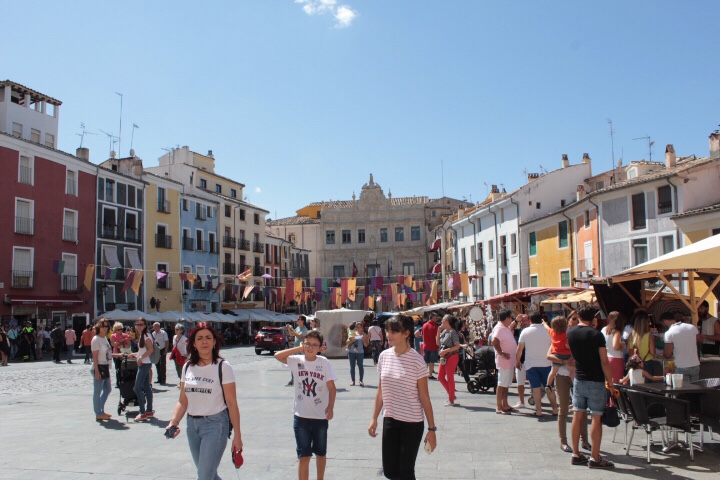
Moving on, the Plaza Mayor and Catedral were familiar from the footage although the signage and slogans are a bit more modern, Right at the top the castle had featured with a scene in front of it which had proved a vehicle for the past tense. For me it proved the turning point for me to stop exploring – all up so far – and seek some lunch.

I might not have fetched up where I did in a previous visit (!) but found a bar in the main square near the cathedral with some local craft beer I thought I’d try – the bottle came and it was 7%, serious beer, but as so often with high alcohol content too sweet for my tooth so I stuck at the one there and had a more refreshing Alhambra on the way back to check in.

Manzanares – exploring the ologies

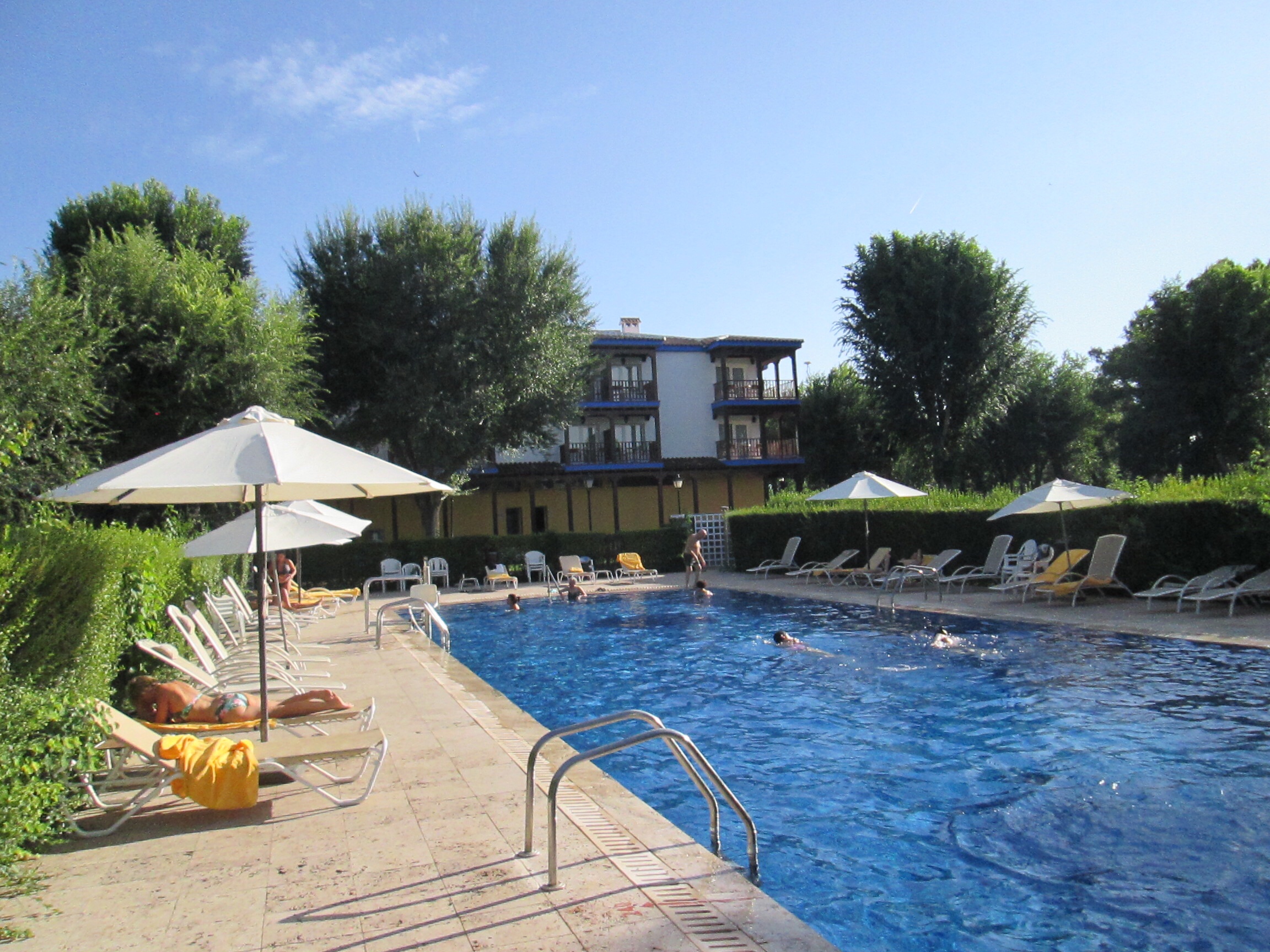
This is one of the paradors I haven’t stayed at before and on arrival I know why. It’s address is Km 175 A4 and it really is right beside the very noisy motorway from Madrid to Cordoba and beyond. The double glazing’s good behind the typical galleried facade so in the rooms it’s fine but by the excellent pool there’s a hum of traffic all the time.

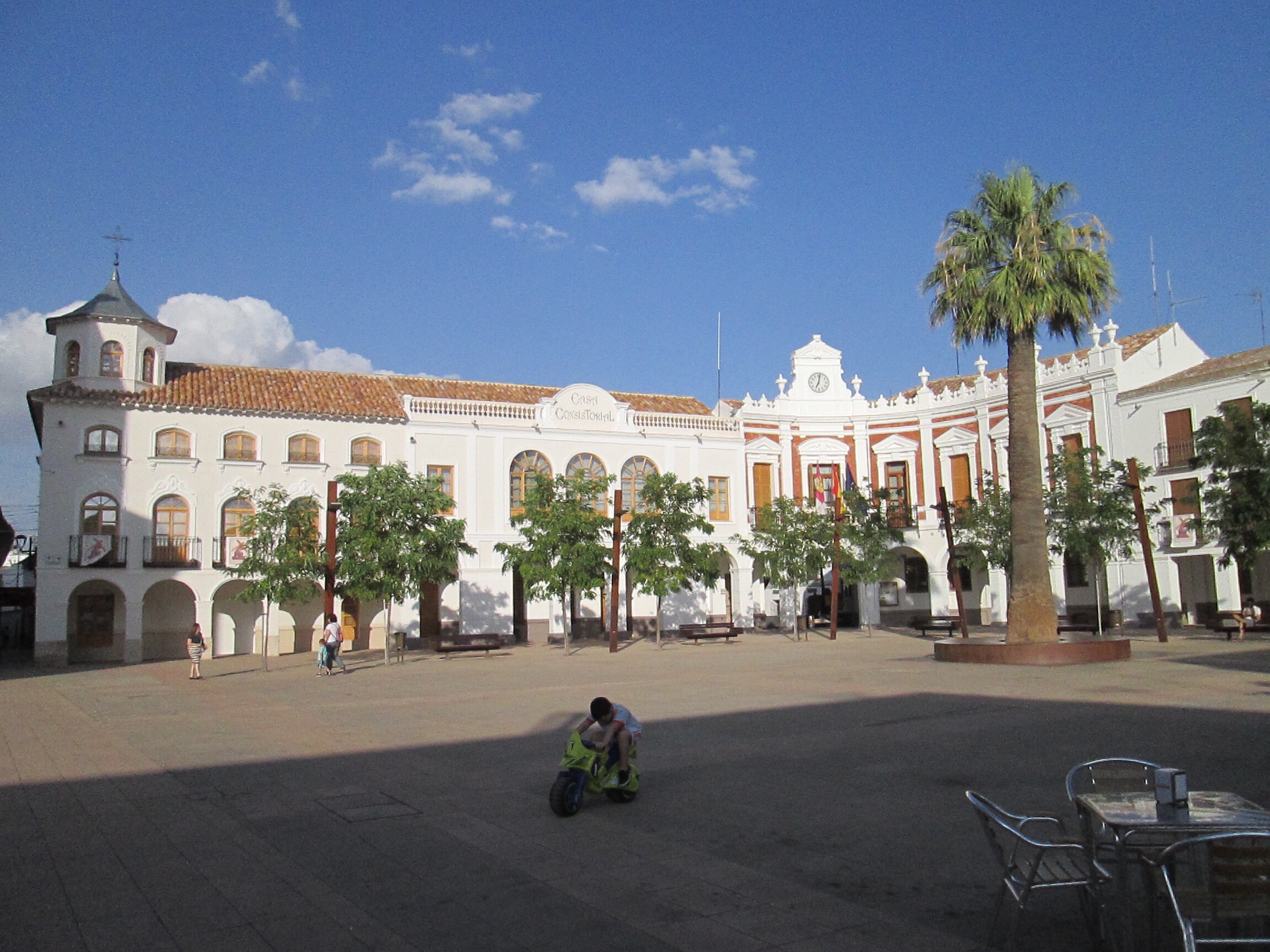
However this wasn’t going to be a stay in the hotel all day stay so no real problem. On arrival after my Don Quixote day I walked the twenty minutes into the centre. To be fair it’s a fairly dull town with a few good buildings – theatre very deco, church one very modern and some very ancient as well as a good plaza.

However this part of the trip was for swimming (tick), writing (tick) chilling (semi-tick) and exploring the local ecology, archeology and oenology (two and a half ticks).

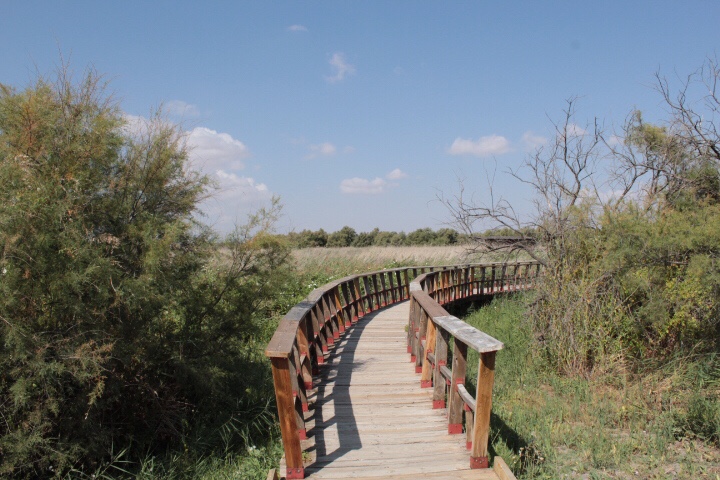
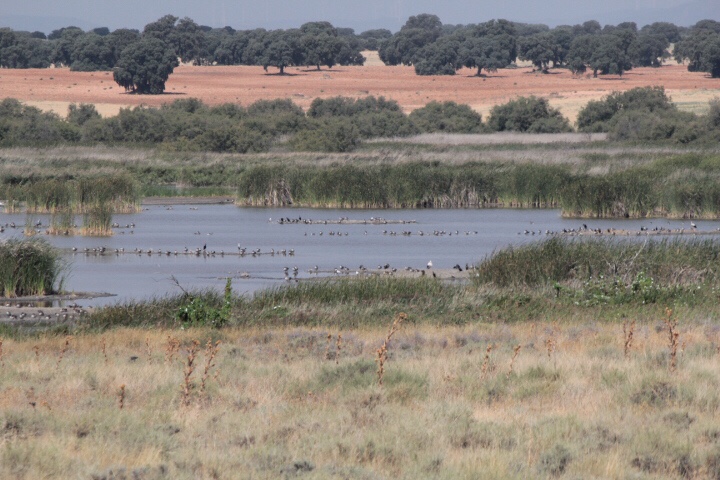
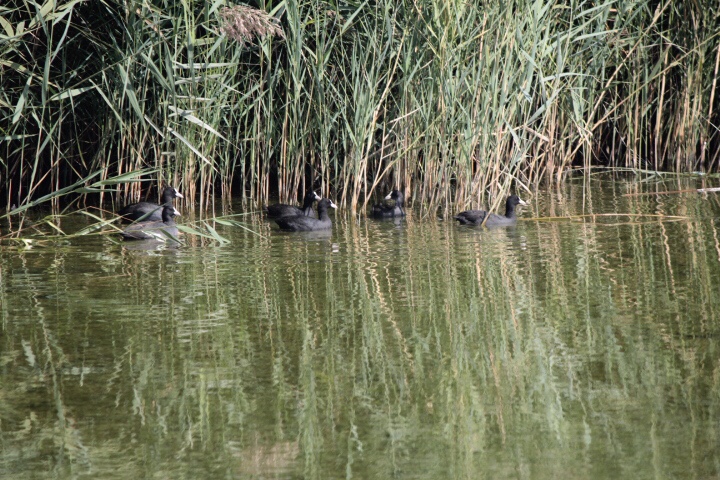
Not far away are the Tablas de Daimiel a national park wetlands area on the Guadiana River. It had a good visitor centre with lots of dioramas of flora and fauna at different times of the year and some well maintained footpaths and being around lagoons and marshes not too much up except to an observatory from which I was able to spot very little. Coots and heron don’t really count but there were some small birds whizzing about that I could’n’t identify. A very pleasant circular walk of three kilometres in the morning before it got too hot.

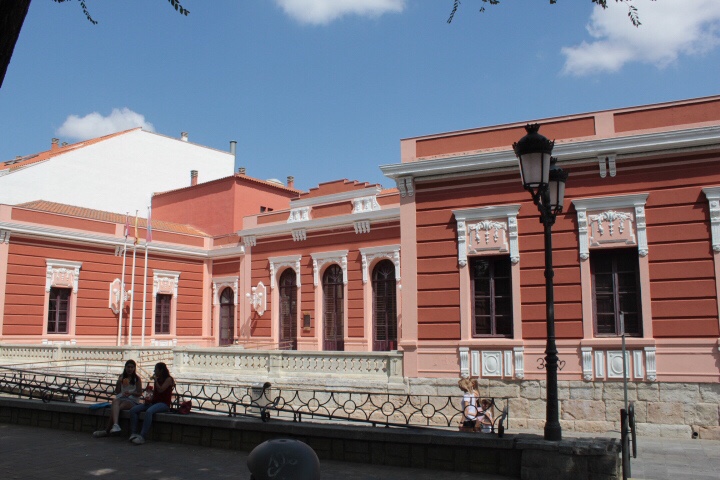
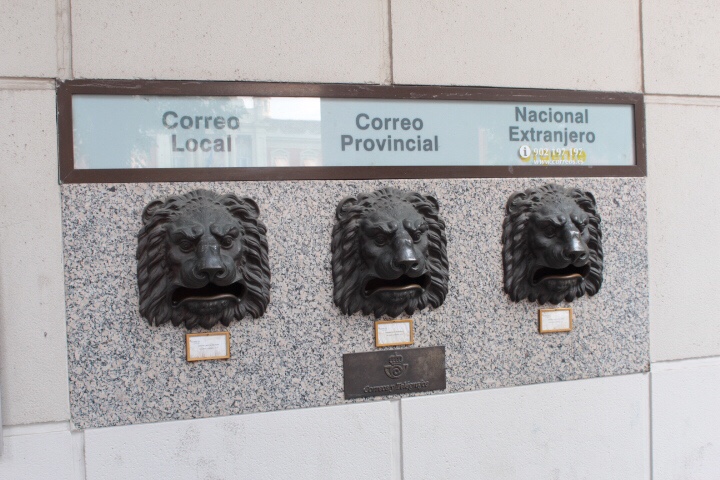
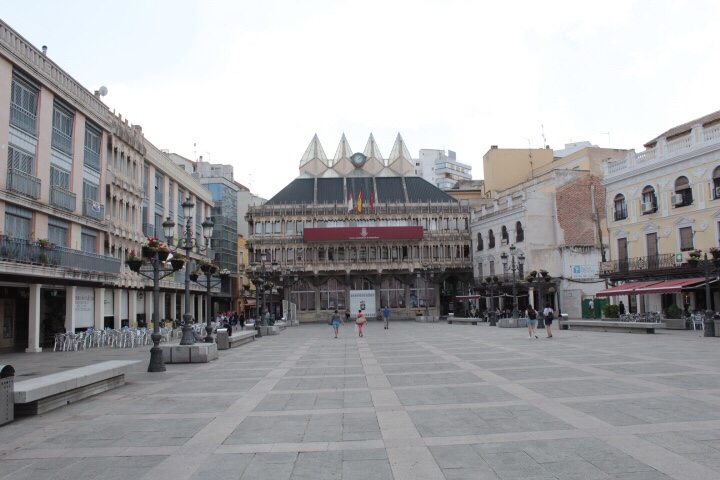
My next stop was the provincial capital Ciudad Real again new to me. It had a couple of really nice squares, some deco buildings, or as they call it here modernisme, and felt quite buzzy. There were some great posting boxes too. It provided a good lunch stop in the shade as the temperature reached 41 Celsius.

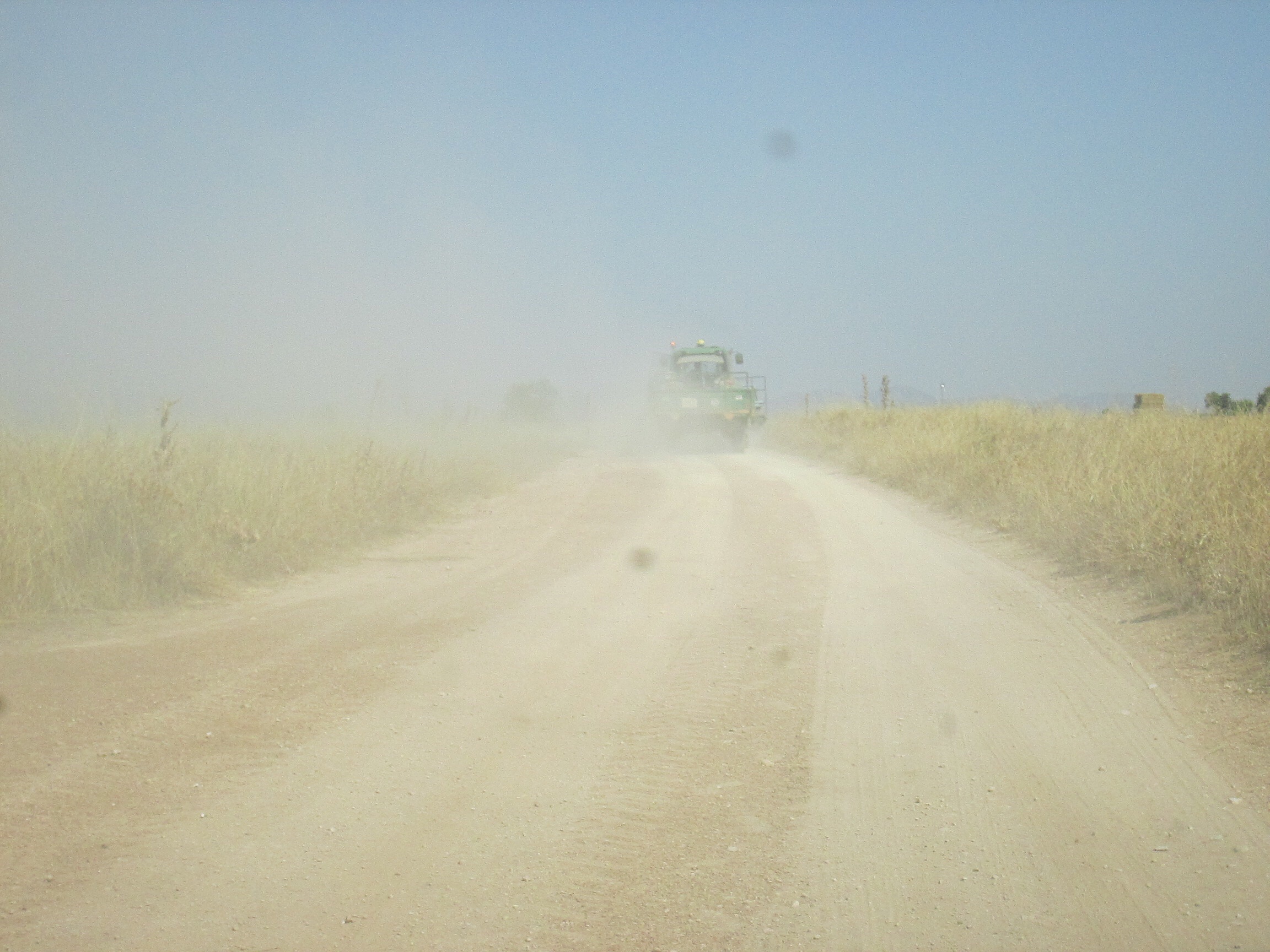
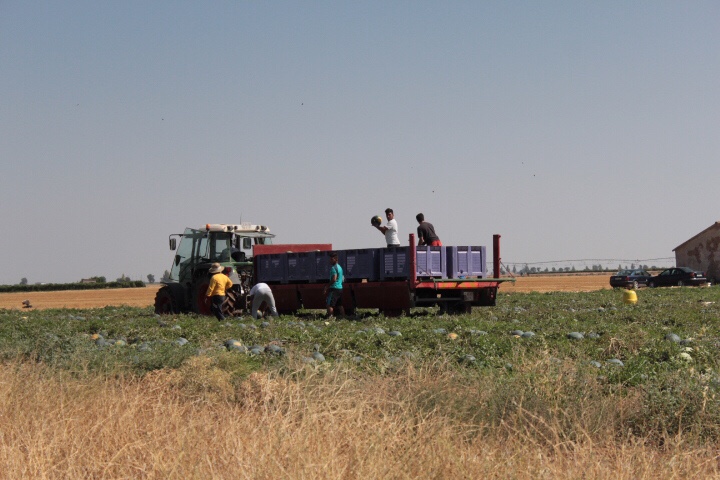
Friday’s outing was to the Motilla del Azuer a Bronze Age settlement with the Iberian peninsula’s deepest well or so I’d read in Wikipedia or Tripadvisor. It seemed quite close by. Once again I decide to make my archaeology trip in the morning before it hots up. The SatNav directed me after 5 km onto a dirt road. Now I’m quite familiar with the fact that in large parts of the country roads don’t have tarmac but are perfectly serviceable. This was not really the best I’ve come across and when I found myself behind two ghost tractors it was second gear for ages and then a complete stop to snap a group of melon pickers. I couldn’t help thinking about our picking problems in agriculture back home as this gang of Moroccans – I did ask if they’d mind – made a pick, pass and stack line onto a trailer.

On then to the Motilla to find it closed and with a notice saying you could only visit by appointment in guided tours – if only I’d checked their website first. There are some good photos, one of which I’ve borrowed, but I had to make do with this one as the next available tour is on 15 September when I’ll be at Vicarage Road for Watford v Manchester United – full of confidence. So a half tick for that one but a fun, slightly scary journey into the vast interior. The Motilla is exactly in the middle of nowhere, an accord I’d erroneously bestowed on Tembleque which is much closer to somewhere.

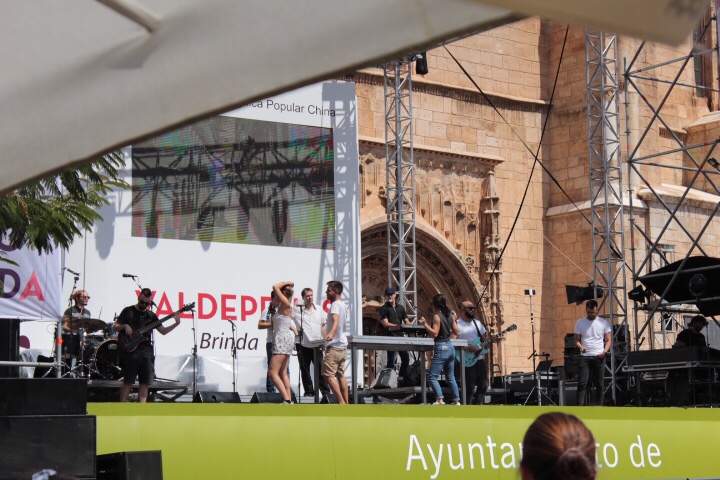
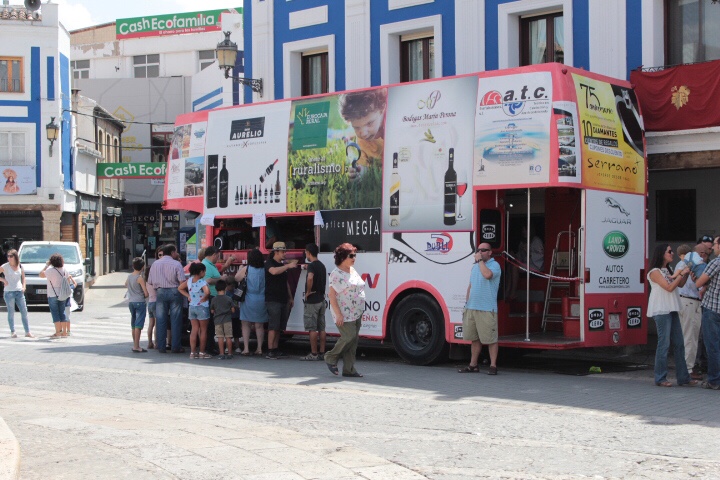
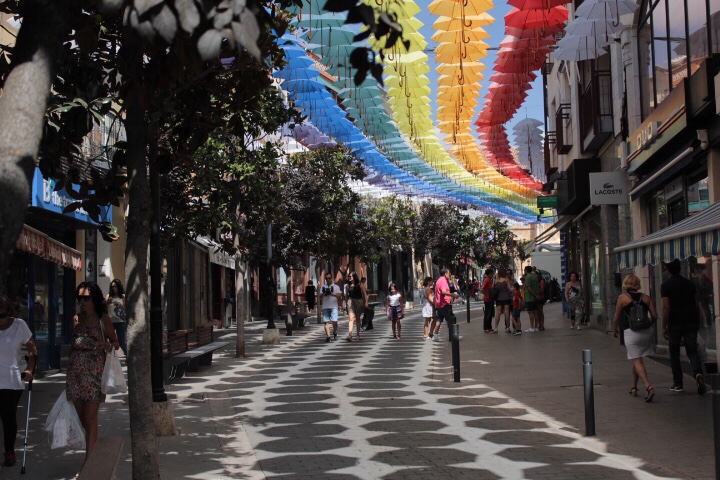
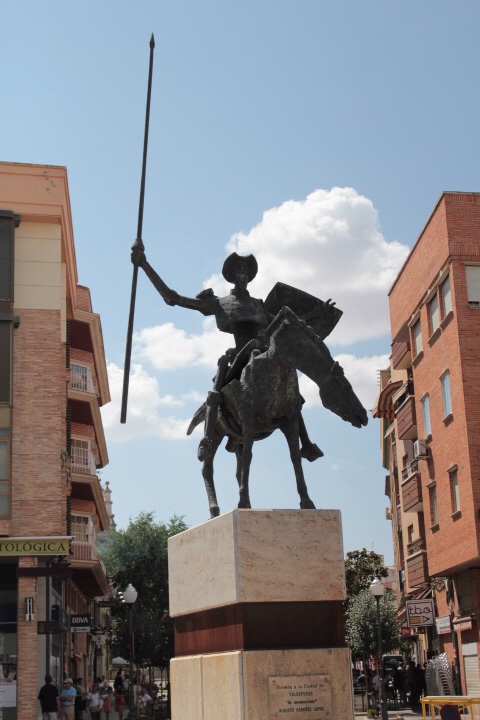
I am familiar with the product of Valdepenas – most excellent wines and as luck would have it I chose to visit the city during the Fiesta del Vendemmia y Vino (harvest and wine). Oenology – tick. The main square was heaving with extra cafe counters, a band was doing its sound check and a red London bus was an attractive tapas outlet. The great thing was that the atmosphere was suffused with the aroma of grilled sardines and as I ordered a beer I was presented with a whole sardine and a piece of bread as my freebie. So lunch consisted of a stroll round the square: pork skewers at one, chicken wings, tortilla and that’s enough beer as I have to drive. But before all that I’d been to the Cultural Centre that had a fine art and sculpture exhibition. Another spectacle that caught my attention was the excellent stencilled iron street names and the umbrellas that hung over the main shopping streets. These are a unique feature of the city – 4000 of them are strung up in early summer to alleviate the heat, provide shade for shoppers and act as a tourist attraction. I loved them with their Spanish flag reds and yellows and colours of provincial and local emblems. My final visit had to be to the big statue of the Don at the end of the main street. It’s a large bronze and there was its maquette in the exhibition I went to earlier.

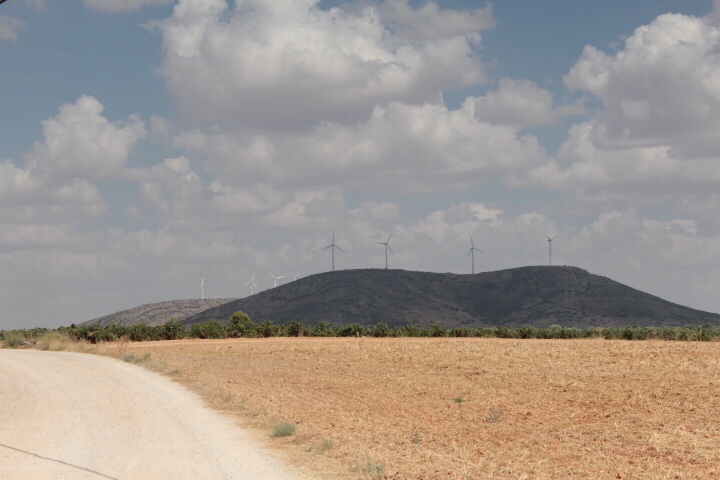
I came back to Manzanares via La Solana which is on the Ruta de Don Quijote and I wondered how he would have coped with these modern contraptions.

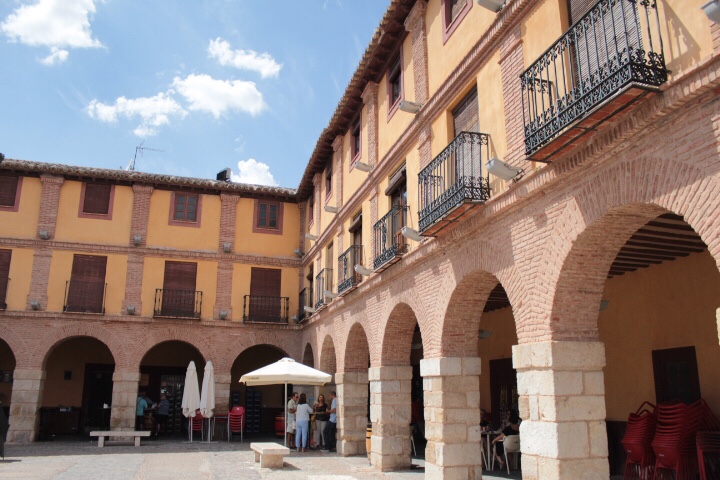
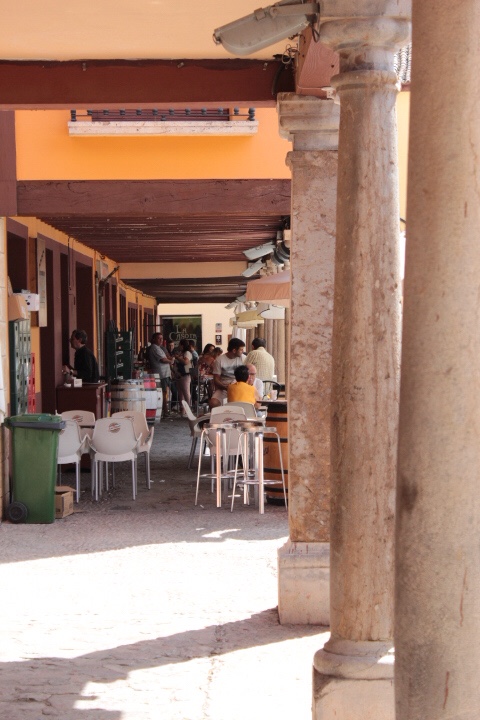
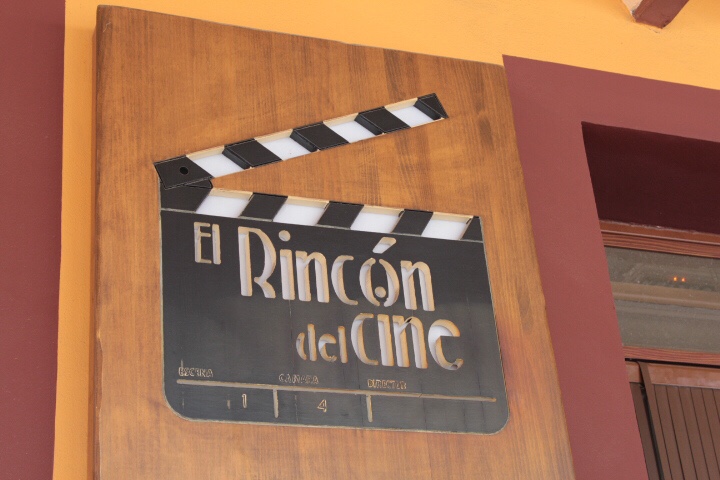
The town has a fine plaza and church, a ducal palace now the town hall, a cinema themed bar and is famous for growing saffron without which no paella would be complete.

Early weekend

Three days of writing as planned – it’s harder than I expected and quite tiring. Also characters went off-plan and started introducing new plot lines and new characters which weren’t in my outline at all. Whether any of it works remains to be seen. I had arranged to meet Natalie and Graham, who have a house in Antequera, in Cordoba on Friday. They would take the train and I’d meet them at the station.

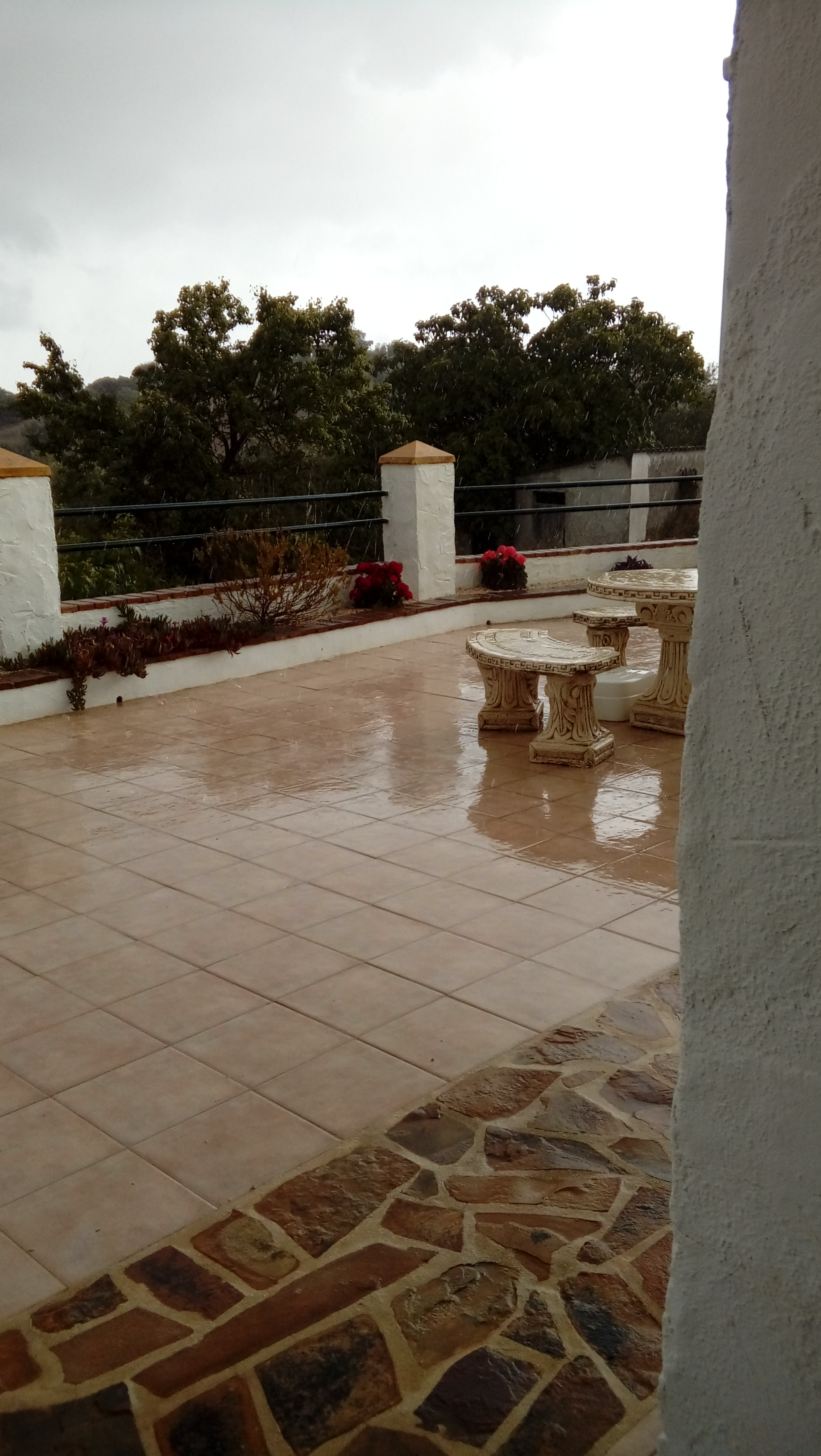
20170511_171018Thursday brought an absolute downpour and the forecast for Friday was dodgy so I sent a message asking if they want to postpone but we decided to risk it anyway. So I set off in blinding rain with the wipers the only things going fast along the windy road through Villanueva de Algaidas to reach the A45 autovia to Cordoba. All was well and I made it to the very modern station with a huge plaza in front of it in good time. But it seems there’s no short-stay, pick up and drop off parking. However two cars were waiting in a slip road in front of the station which had bollards to stop you entering from the obvious direction. No one seemed to be about so I failed to see a No Entry sign, went in did a three-point turn and was ready to receive Natalie and Graham when their train arrived just five minutes late.

All aboard we headed off for the recently opened Gourmet Food Mercado de la Victoria which I’d not visited before. There was one further tour past the station before we found the correct route to the market, parked easily and bought a ticket for €1.70 for the maximum stay of two hours. We walked across to the market but it was only just getting under way so we walked down a little further to a café that offered breakfasts. We asked the waitress if we could have a cloth to wipe our pavement table and chairs before sitting down. She came herself and gave us a dry base but warned us it wouldn’t be for long – rain was coming. And it did before she was even able to bring us our first coffee. So we scuttled inside while the rain lashed down on Cordoba. Natalie had thoughtfully provided two umbrellas so we only got mildly damp as we moved from café to the market. It’s a fun destination in a wrought iron pavilion with lots of small outlets for a wide variety of food and drink inside. It’s modelled on the Mercado de San Miguel in Madrid which Dee and I had discovered by happy accident several years ago. It was by now past midday so time for a beer to dry off, explore the market and then move the car. When I got my next ticket it’s expiry time was 18:02 which came as a surprise until I remembered that they don’t charge during siesta from two o’clock till five-thirty. Plenty of time to explore the old town and the famous mezquita

May is the time for the Festival of the Patios in Cordoba and the first corner we turned led us into one. Spectacular arrays of geraniums in pots rising to the sky through a three-storey courtyard with excellent ground level planting too. The lady standing looking proudly on told me that she looks after the whole thing on her own. We didn’t do the right thing and pick up a plan, visit all 60 of them and vote for the one we liked best. This one if you scroll down the list in the Juderia section was Judios, 6.

After admiring the patio Natalie and Graham led me to one of Cordoba’s most famous bodegas Guzman a proper Spanish place that doesn’t have a website for me to send you to. Three vast barrels dispense Montilla-Moriles – we are in Cordoba not Jerez after all – but the fine dry cold wine accompanied by some excellent goat’s cheese in olive oil made for a pleasant moment or three watching established locals and whizz-in-and-out-tourists explore this iconic bar. A very atmospheric, authentic corner of Cordoba.

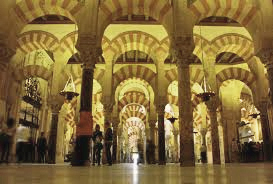
Mezquita
When I went in 2010

We then moved on past the queues waiting to enter the main attraction which we had all visited before but were impressed by the cleaning that has been going on revealing colourful Arabic designs on the exterior walls of the building which was started in the 700s and as with so many buildings has changed religions and had bits added over the years.


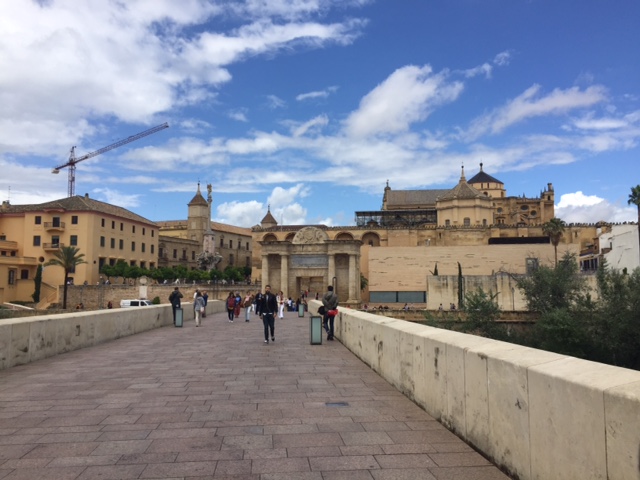
8A15BAFC-0974-464C-AFC8-CCC380842190To the south, the banks of the Quadalquivir have been opened up and developed and we took the opportunity of a sunny spell to walk across the Roman bridge, even earlier than the mosque dating from the first century BC and rather spoilt by some later concrete balustrades. Time for a visit to a favourite which Natalie had recommended to Dee and me on our visit in 2010 El Churrasco. We just had a drink on this occasion but it is famed – rightly I remember – for the size and quality of the meat it grills. (photos thanks to Natalie, I’m rubbish with phone photos and didn’t have a camera with me).

The place was occupied by a constant stream of diners, often queuing for some time to get a table. We supped up and walked on through the old quarter in which Graham and I looked round at one point to find no sign of Natalie. She had vanished into a favourite jewellery shop, purchased a bracelet and left the umbrellas behind. We decided to wait for her to catch up with us in a bar situated on a corner she would have to pass so we would spot her. They had a delicious looking tapa of chicken liver with a mushroom sauce, which sounded appetising and just had to be tried. And then another had to be ordered once Natalie rejoined us. Then it was time to head back to Mercado Victoria for lunch – a parillada (mixed grill) of steak, sausages, morcilla and chorizo with chips and those delicious pimientos de padron small green peppers blistered in olive oil and sprinkled with sea salt. Back to the car for an easy exit from Cordoba and back to La Parilla.

The hamlet where I’m staying has two bars and of course we had to pay them both a visit. I deposited my guests in the first and took the car back to the villa, just in case. We met up here with Paul and Tamsin who look after the house for its owners and live here all the time. They had to leave, so we walked up to the other bar where a little hunger was returning and tapas were available. Excellent morcilla de Burgos, which is black pudding with added rice, topped by a quail’s egg at Graham’s special request – he is extremely fond, some might say excessively fond, of fried eggs in all sizes. I’m going to fry him an ostrich egg one of these days! Also there were some very good homemade ham croquetas – a staple of Spanish tapas which can often disappoint. These were crunchy outside and creamy and tasty within. The bar is run by a charming young couple who have a six month old baby whom we could see and hear on the baby monitor sitting on the bar. Lucia is lovely. He’s from Catalunya, came for a holiday, met, married and stayed.

It was just as well we’d been eating steadily all day because despite inviting them to stay the night I hadn’t really thought about food to offer them. As it happened all we needed was a bottle or two of a stupidly good for its €2.75 price Ribera de Duero and then to bed around 2 am in proper Spanish style. And I didn’t have to listen to or watch our plucky defeat at Everton or Hampshire contrive to lose to Glamorgan after scoring 330+.

On Saturday I did provide homemade tostadas con tomate y ajo and coffee out on the terrace where we are promised another changeable day before it brightens up on Sunday and soars to 30 degrees all week next week. We then set off to return Natalie and Graham to Antequera where I can’t leave without a visit to their local – and oft-visited by us too – La Socorilla.

On several previous visits we had been promised a trip to the rabbit restaurant – Venta El Conejo on the outskirts of Antequera. It’s a bit erratic serving only rabbit and opening when they are available. So we’d never made it together. We walked through the former textile factory district of Antequera of which I was completely ignorant but there’s a river valley with lots of buildings of increasing dereliction which were once a thriving industrial hub with 13 factories making woollen goods and blankets along the course of the Villa river, now dammed and diverted so it’s a trickle until it dries up completely in July. It seems they developed from the mid-1800s  and died out early in the twentieth century. We reached the rabbit restaurant and ordered a plate and a half of rabbit and a platter of chips with a side salad of tomato, onions and garlic. All were huge, all were delicious. Following yesterday’s offal tapas I enjoyed rabbit liver and kidneys but drew the line at its tongue which may have been a mistake given how tasty all the rest was. Oh and of course there was a perfectly fried trio of eggs to round it all off. Then back through the town and a small shower for a final coffee at La Socorilla before driving back to La Parilla. On Sunday true to promise the skies are blue the temperature is rising and the week ahead looks good. Washing’s on the line – dry within an hour – I’ve swept storm debris off the patio and am listening to a distant hoopoe call – I saw one yesterday with a great flash of pink, black and white – the wonderful odour of ripening figs and these trees with their pretty pinky mauve flowers and yellow seed pods. I’ve never seen them in bloom before. I think they are a kind of acacia but will ask Paul when I see him.

Time to get back to the real work now listening to Semele which I only know from  extracts in preparation for the whole thing in two week’s time at Garsington Opera. It’s great Handel, good tunes, lots of drama and as usual the Gods meddling with mortals. Precursors of politicians, I’d say. Looking forward to it very much.

High Plains Drifter

On the way south through Zamora province there are fields of beans – chick peas and habones which are somewhere between broad and butter beans, big and tasty. We’ve run out of vines as the land gives way to cattle and pig rearing under the cork oaks whose acorns make the ham from around here so tasty. As it happens I’m on Route 66, Autovia A66 and it doesn’t feel much like our trip in Arizona and Nevada except for the amount of road kill. It’s a fairly empty motorway – why can’t the animals dodge better? Sight of the day – sorry still no stopping – comes just south of Salamanca where the road crests a slight incline and there are the Sierra de Gredos still covered in snow. The road passed Béjar and there were signs to La Covatilla ski resort. Then after another gentle climb – no hairpins or gear changes – there’s a sign for a pass at 1192 metres above sea level. These really are high plains in the west of Spain – the film title I borrowed wasn’t actually one of those spaghettis shot in Tabernas in Almeria province. As the road continued my attention was drawn to a stunning piece of music that was totally unfamiliar. I’d enjoyed the company of Catalunya Musica until halfway across Aragon and had then managed to retune to RTVE’s classical station. That’s the national broadcaster – BBC equivalent. I caught a bit of the announcement that it had Anne Sofie van Otter and the Swedish Symphony orchestra. I later traced it to be Wilhelm Stenhammar’s Song: a Cantata in two parts. I’m listening to it now on the RTVE podcast and it’s even better without car noise.

The A66 progresses into Extramadura which is the most famous region for Bellota ham but I was very surprised by the number of newly planted fields of vines and of vines planted as infill between rows of olive trees. I stopped for a coffee and mentioned my surprise to be told that the whole area had been revitalised in 1999 when Extramadura finally got its own denominacion DO Ribera del Guadiana so quality and prices had risen and farmers were encouraged to plant more vines. It was a hesitant conversation given my shaky command of the language but informative. Most of the new vines are in Badajoz province at the east end of which, now on the N432, I enter Cordoba where the only planting to be seen throughout the whole province is olives with the exception of a few grapes around Montilla south of the capital and in – it seems – a dozen other villages where the wines are classified as Montilla-Moriles and have a striking resemblance to sherries and a similar variety from fino to the sweet Pedro Ximenez. I have occasionally taken a sip of fino from a bottle labelled CB Alvear only later to appreciate that it’s a Montilla not a sherry.

20170508_152136[1]So I arrive in Rute just after three which seems like a good time for lunch before shopping. I recall that nice restaurant and bar we used to go to – Venegas, just up the road from Mercadona where my shopping is planned. So I go in, order a beer and ask what they have as tapas or small raciones and lo and behold they have carillitas de cerdo. These are pigs’ cheeks and became one of Dee’s favourite dishes. Coming from beside that large amount of bone the meat is really tasty and tender. These were served in a sauce with almonds. And how appropriate that he should be watching over me from the counter.

A week’s shopping completed I then drove on through Iznajar and turned right along to La Parilla, right on the border of Cordoba and Malaga provinces. The last part of the journey was a bit hazy and I thought I might be tired or my cataracts were getting worse only to realise that insect spatter had nearly obscured the windscreen. I’ll give it a wash tomorrow.
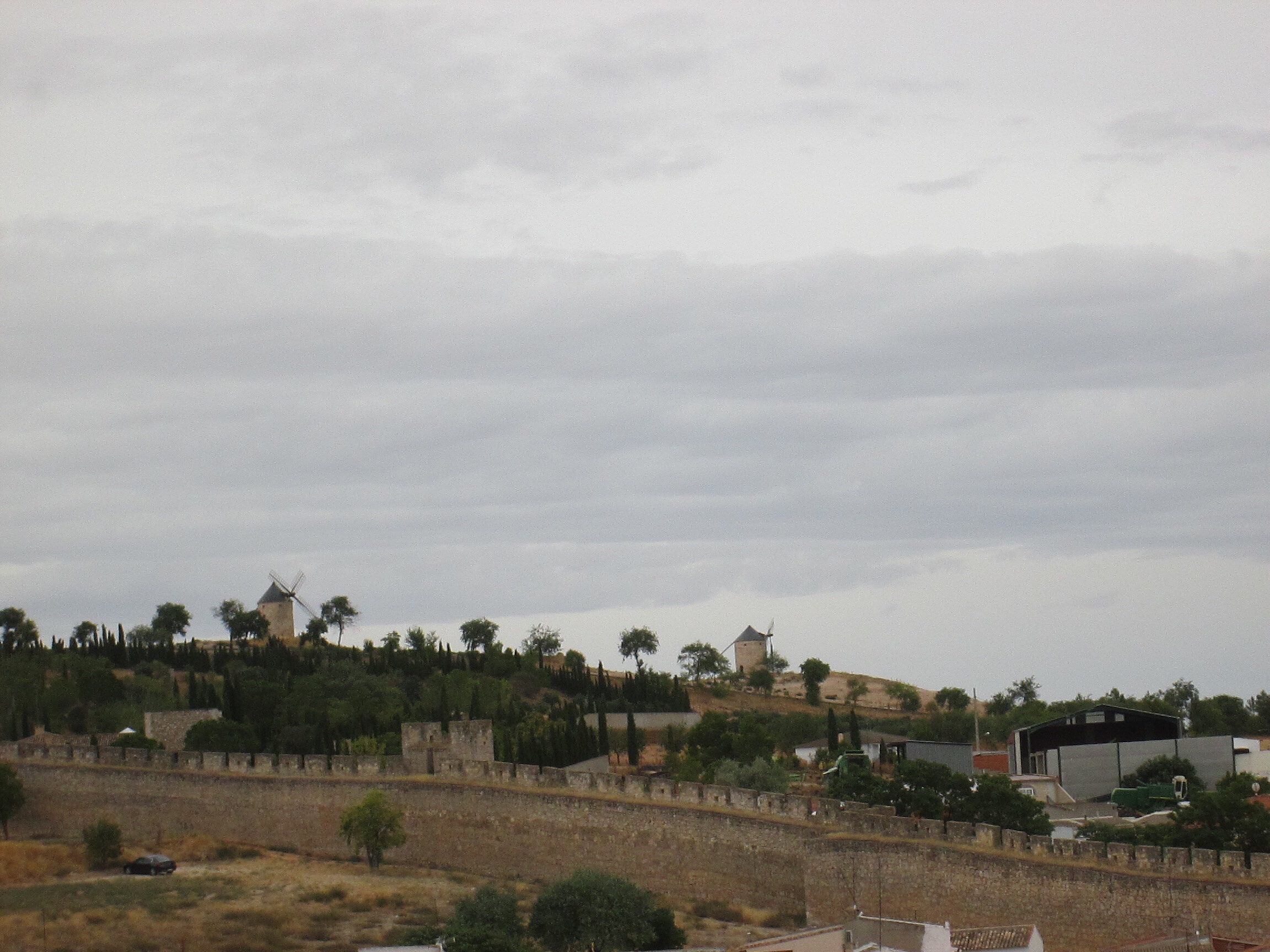
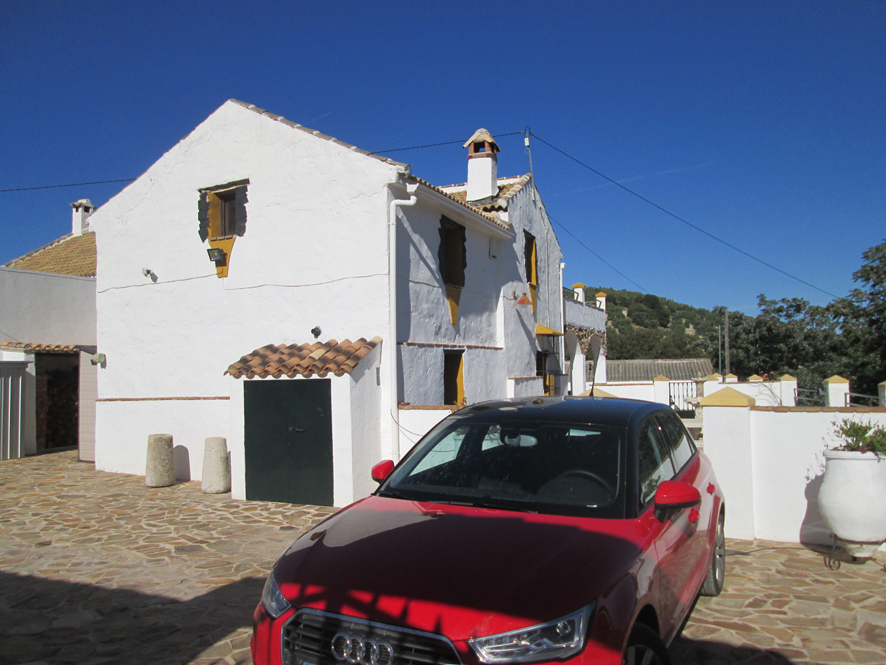
The house is still as lovely and welcoming as I remember. IMG_2438

There’s a bit of noise from the olive oil cooperative in the village but otherwise just the birds and the rustle of a light breeze in the trees.

I’m unpacked, a week’s washing is on, finished and out to dry and writer’s corner has been established and occupied in preparation for the real task to begin tomorrow.

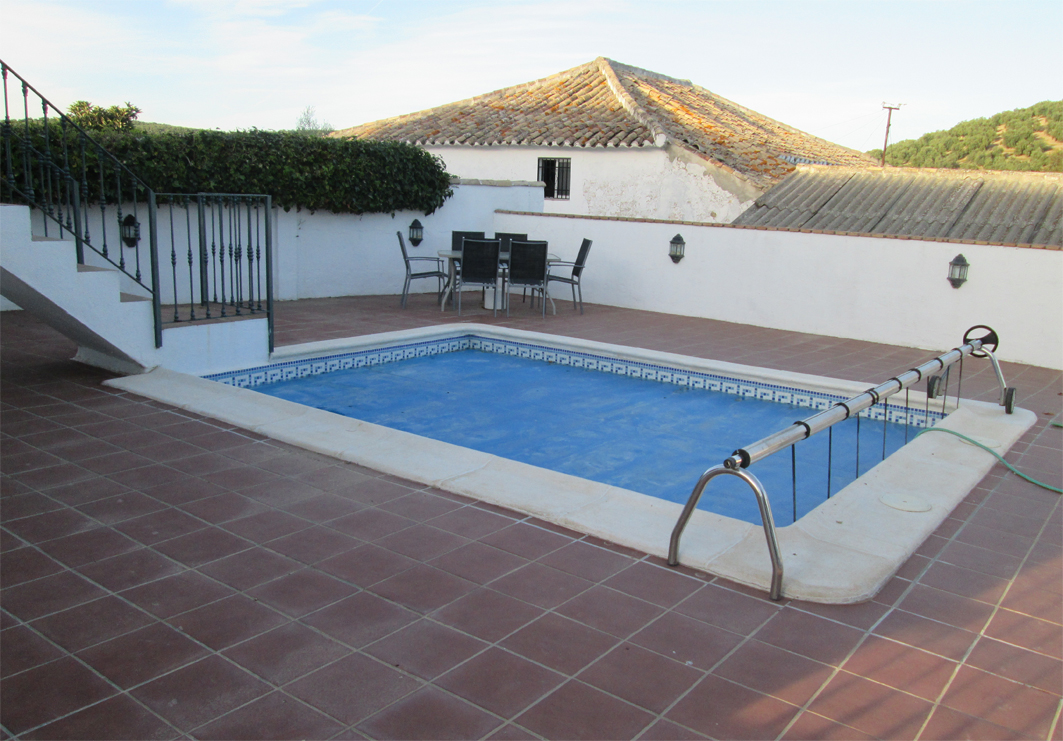
Oh and the pool area still looks attractive but the sun’s gone off it now and I’ve been busy. And horror – I have to cook for myself tonight!

IMG_2443