And Feb ain’t started slow …

My goodness – we’re not yet halfway through the month and there’s all this to write about!

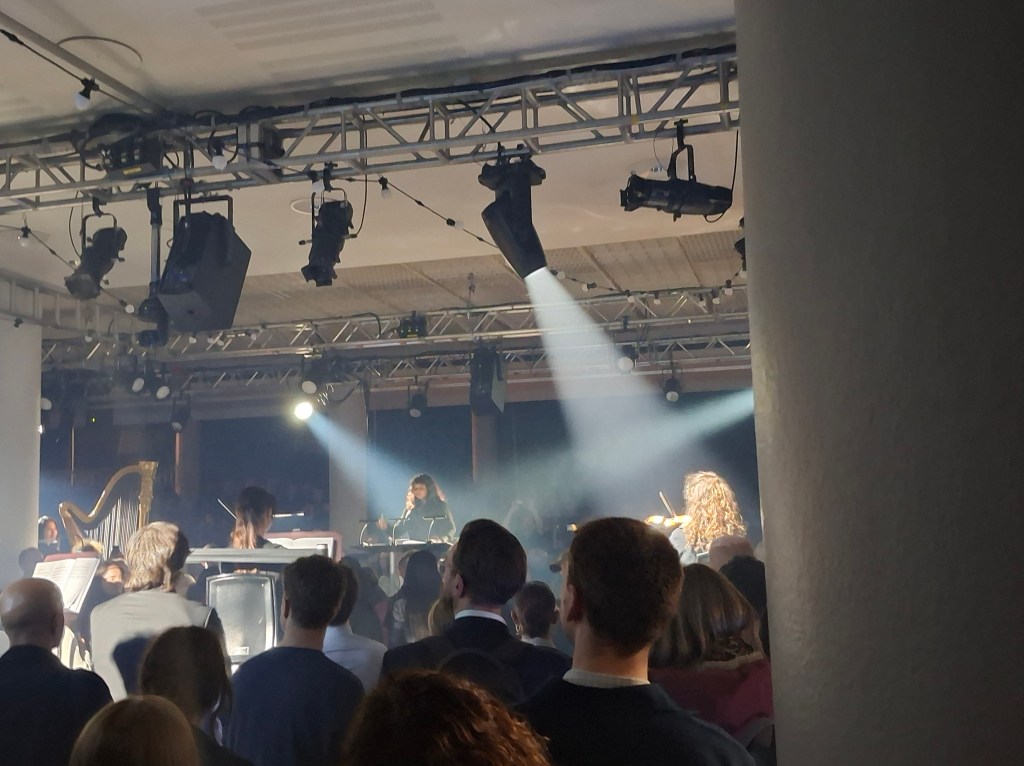
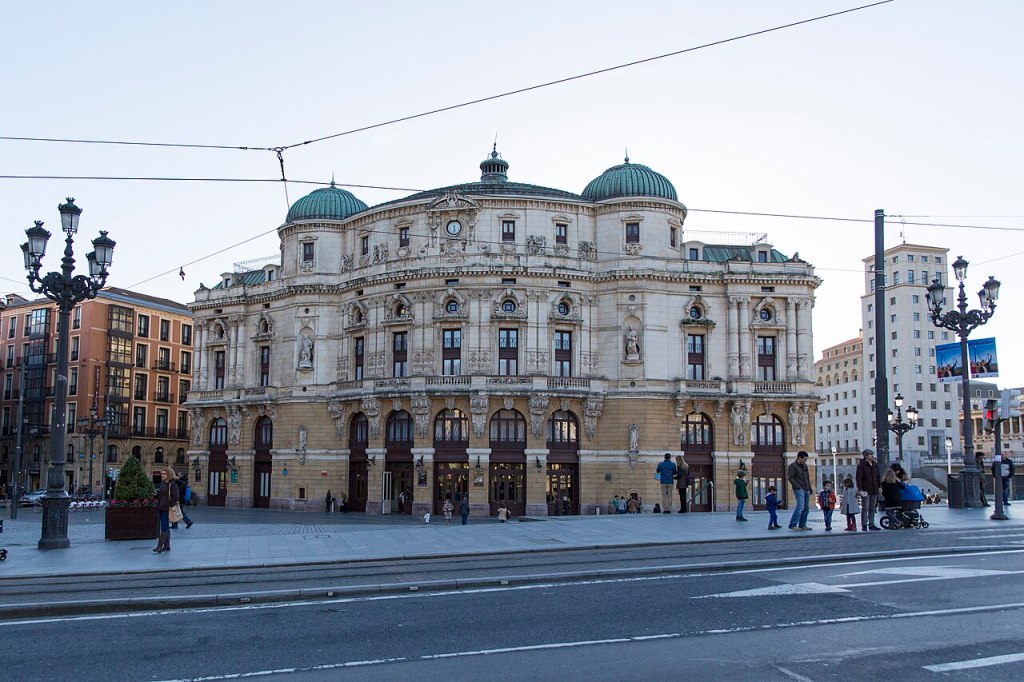
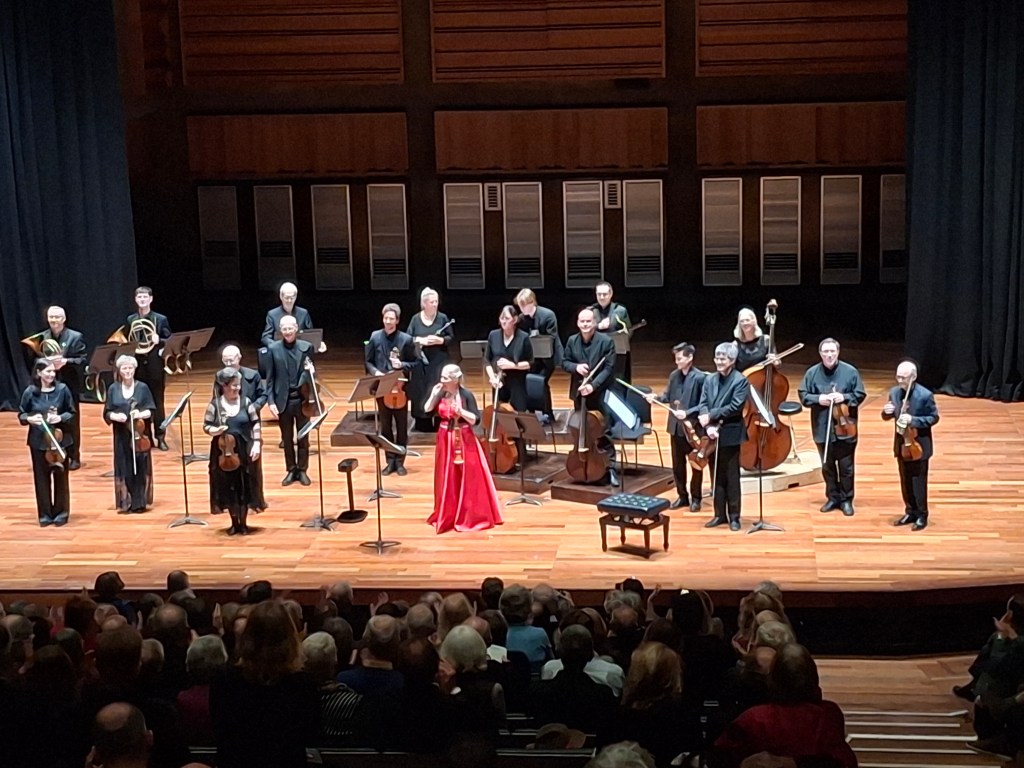
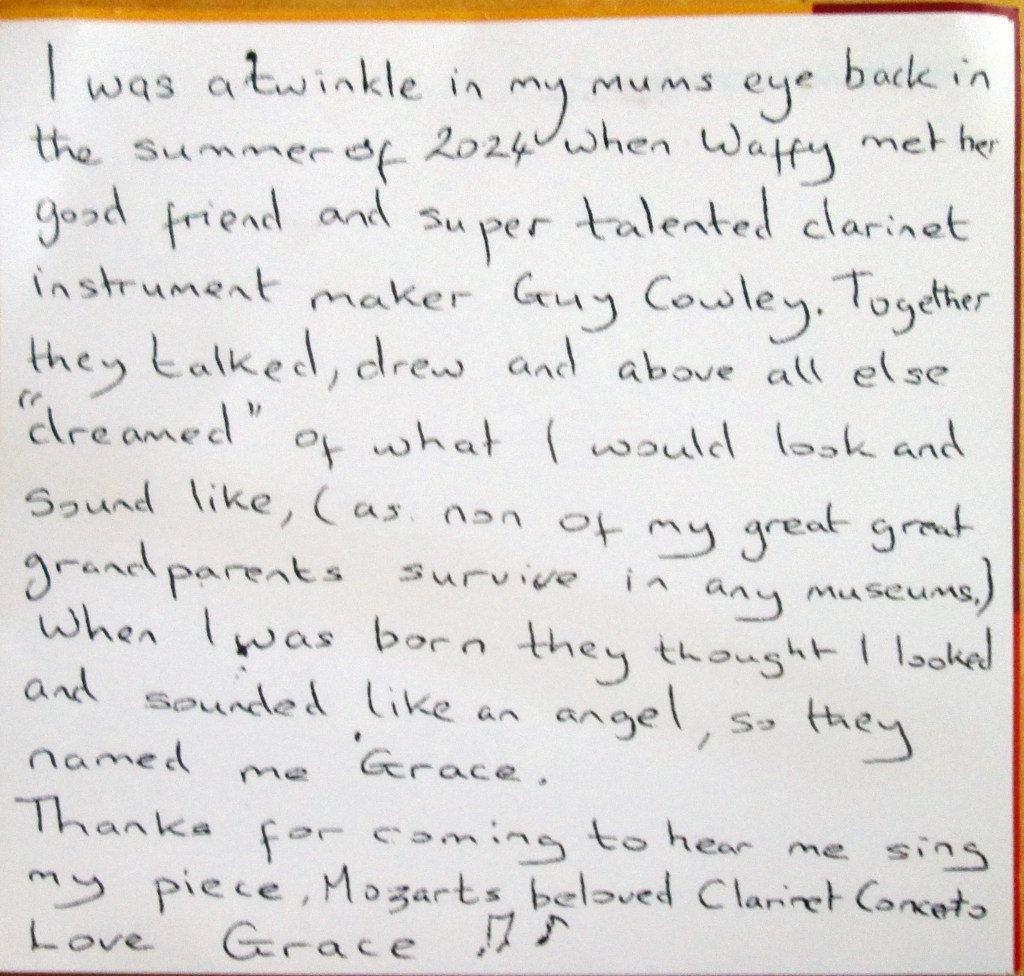
Following the rehearsal I attended last month at Acland Burghley School for the OAE’s planned concert featuring Mozart’s clarinet concerto, February started with the actual performance at the Queen Elizabeth Hall. It was fascinating to see how the subtle changes that had been suggested during the rehearsals had made their way firmly into the final version – except that no version is ever final as the room, the audience and the moment make every performance unique. The interplay between Kati Debretzeni as leader and Katherine ‘Waffy’ Spencer on her beloved basset clarinet ‘Grace’ was moulded into an outstanding piece of music. The concert opened with an overture by Juan Crisostomo Arriaga – often dubbed the Spanish Mozart for his precocity and the fact that he and WAM were both born on 27 January, albeit 50 years apart. This was written when Arriaga was 14 and who knows where he might be in the pantheon if he’d lived beyond the age of 20. At least there’s a theatre named after him in his home town of Bilbao where we saw a not very good zarzuela production in 2008. Each half of the QEH concert concluded with a mad encore devised by Waffy of arias from Die Enführung aus dem Serail with ‘Grace’ as Konstanze and bassoons as the males, Belmonte and the Pasha, with Acland Burghley students displaying large card captions to tell the story. The OAE as well as being great musically are also great fun (see below).
One of the things that endears me to this band – apart from their musical excellence – is that at the end of every OAE concert the audience are handed a ‘Thanks for coming card’ from a different member of the orchestra. It’s a really pleasing gesture that makes you feel properly involved in the evening’s entertainment. Tonight’s card of course was from Grace herself.
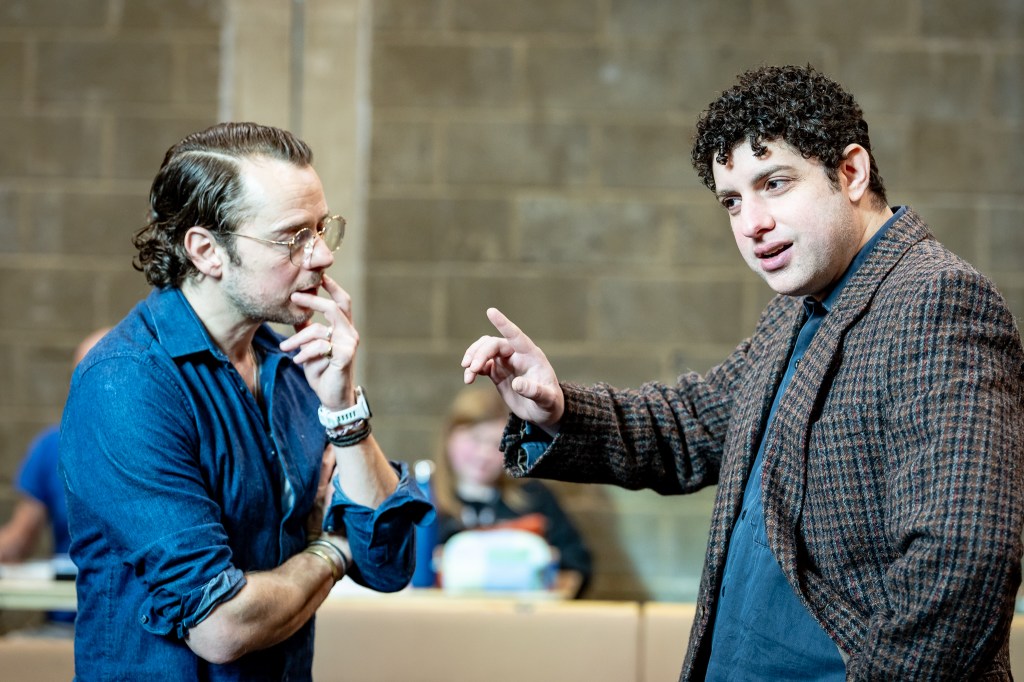
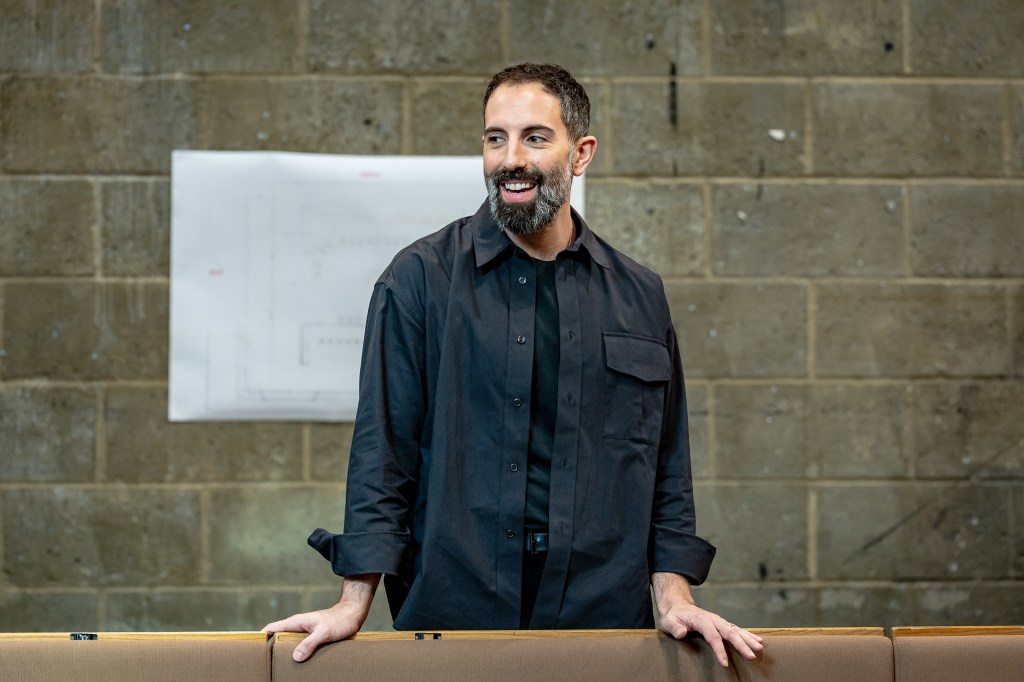
Next up was a visit to the Young Vic as a proxy for patron Frances who was in Hull for a football match. I’ve pretty much given up on long distance away games, especially midweek. This was an insight session into Arthur Miller’s Broken Glass which previews from 20 February so the cast are half way through rehearsals. The director Jordan Fein joined us with cast members Eli Gelb, Juliet Cowan, Nigel Whitmey and Alex Waldmann. The play covers the literally paralysing effect on the main character of the news of the infamous massacre of Jews on Kristallnacht in 1938. It was interesting to hear about the directorial and design decisions and to discuss the relevance of the play today with genocides taking place in several parts of the world. At these events it’s always interesting to see all the research material provided in the room for the cast to be fully informed of the subject matter. In this case the walls were covered with lots of photos of Brooklyn in the 30s with newspaper headlines and cuttings about Kristallnacht. All this and a glass of wine and a chance to spend an hour chatting to the team – cast and development executives. In a fun insight into the actor’s life, Alex Waldman said that after being in rehearsal all day with Americans and doing an American accent he often got told to drop it by his kids when he got home.
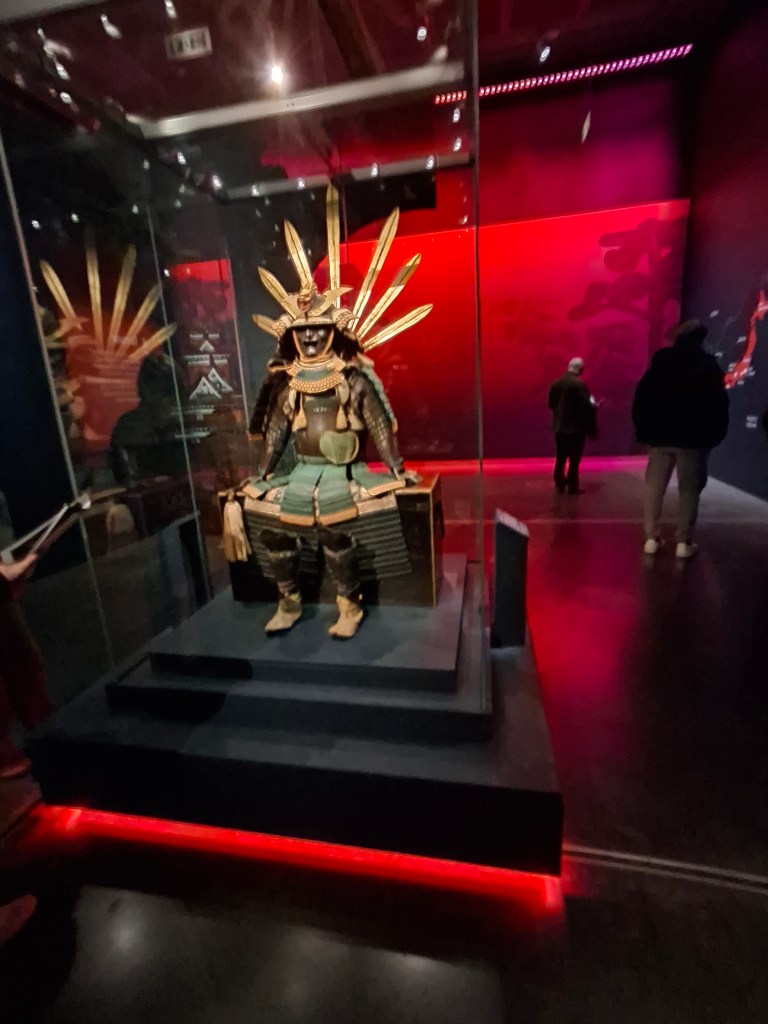
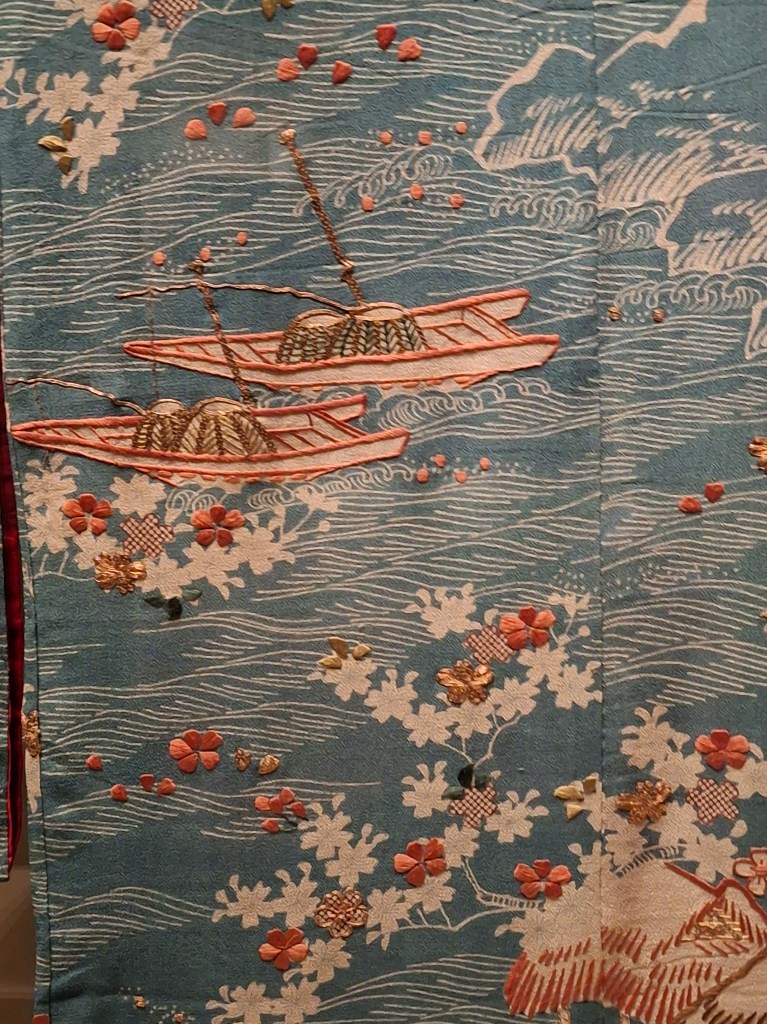
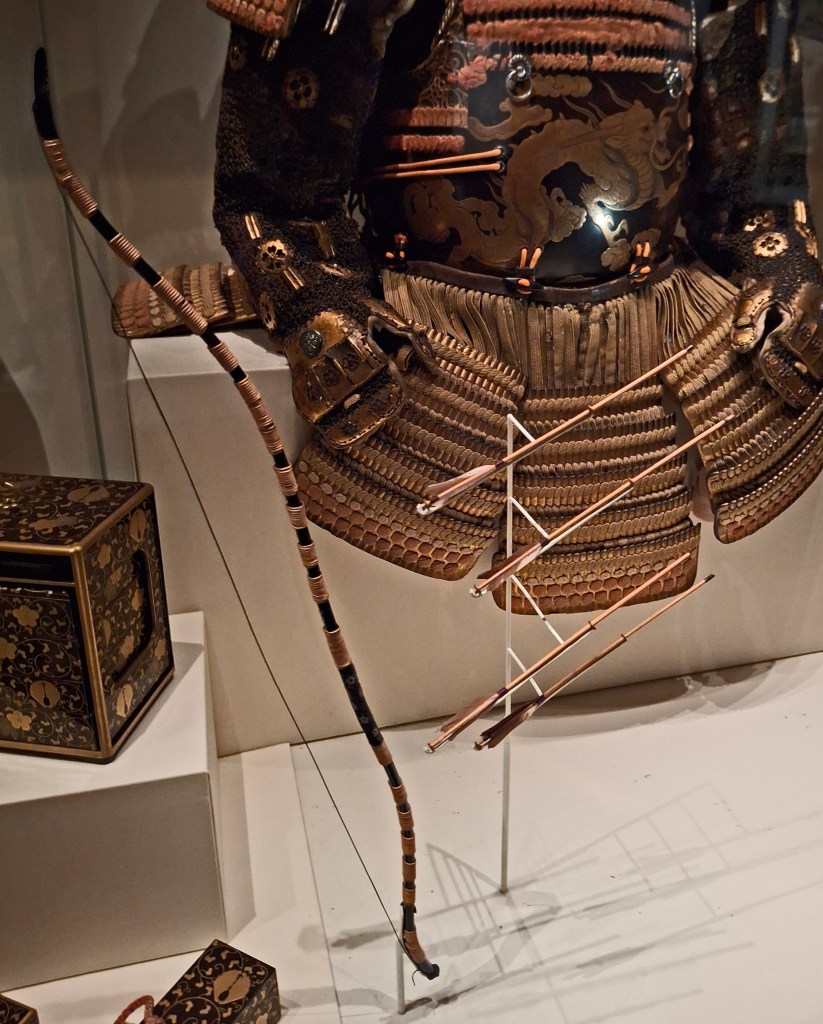
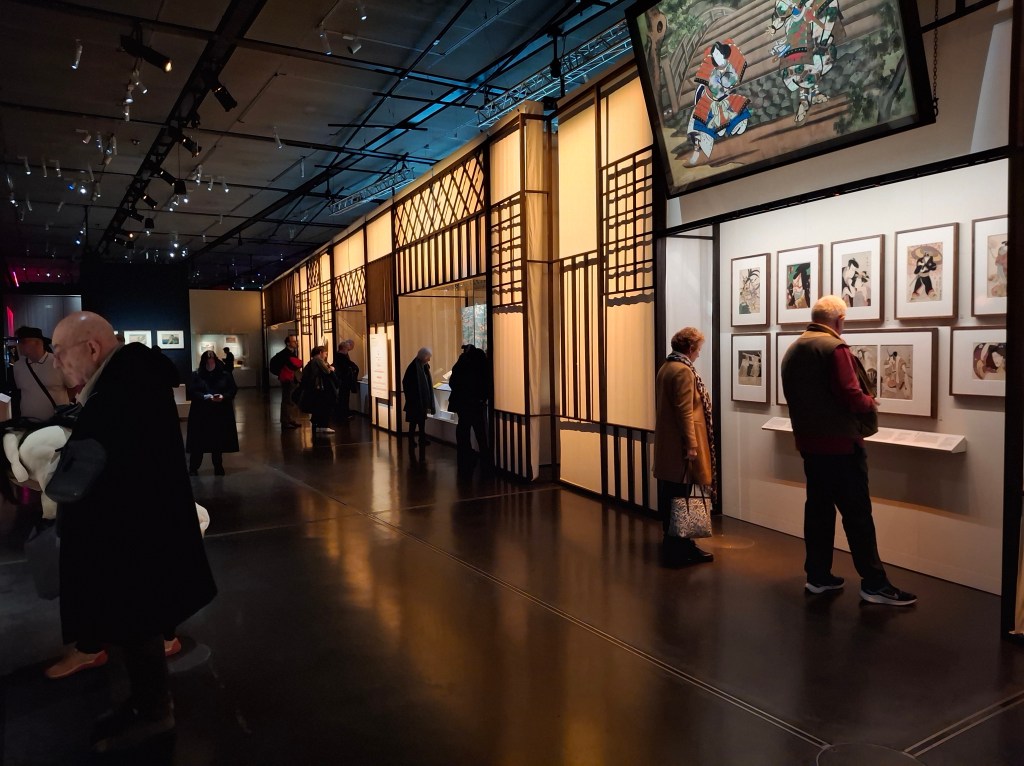
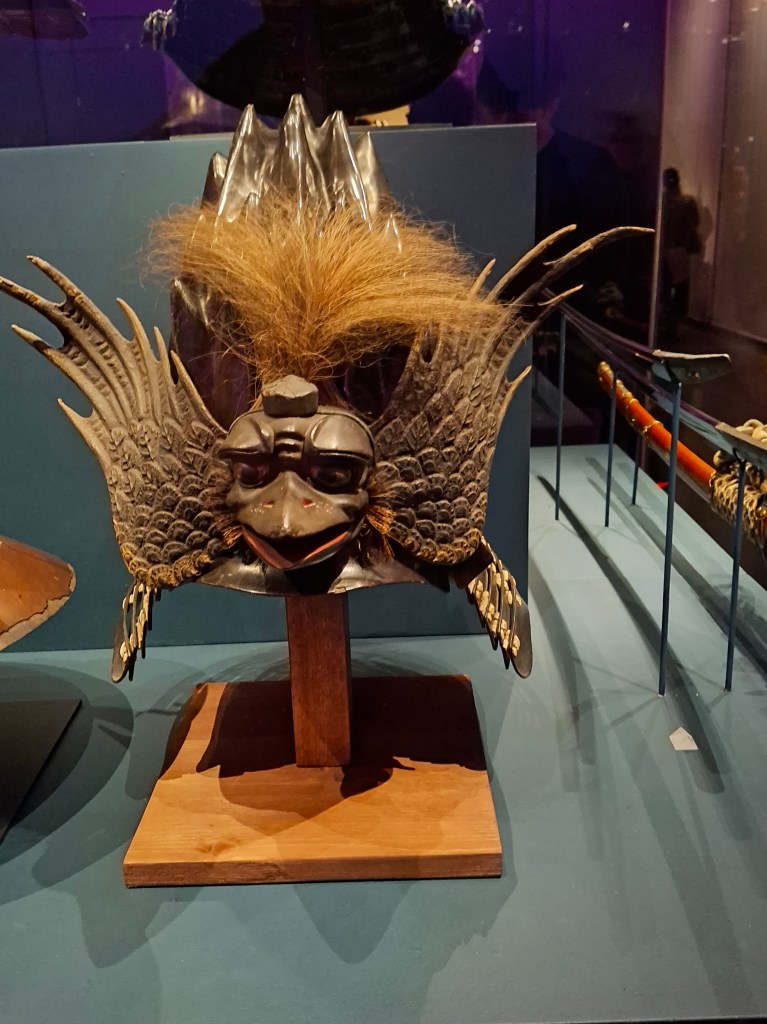
The next day saw me head off to the British Museum to see the Samurai exhibition which had just opened this week. It’s a comprehensive review of all aspects of the samurai era from 700 to their dissolution in the 1870s. And it’s not all about war and weaponry although there are some magnificent examples of armour, swords and bows. There are displays on art and culture, domestic life and, a surprise for many, me included, the important role of women samurai. The spread of samurai and shogun myth and history into modern films, anime and artworks is also featured. I went in at 2.30 expecting to spend an hour or so and was kicked out when the museum closed at 5pm. Time very well spent among elegantly displayed objects with excellent explanations and a lot of learning about the samurai.
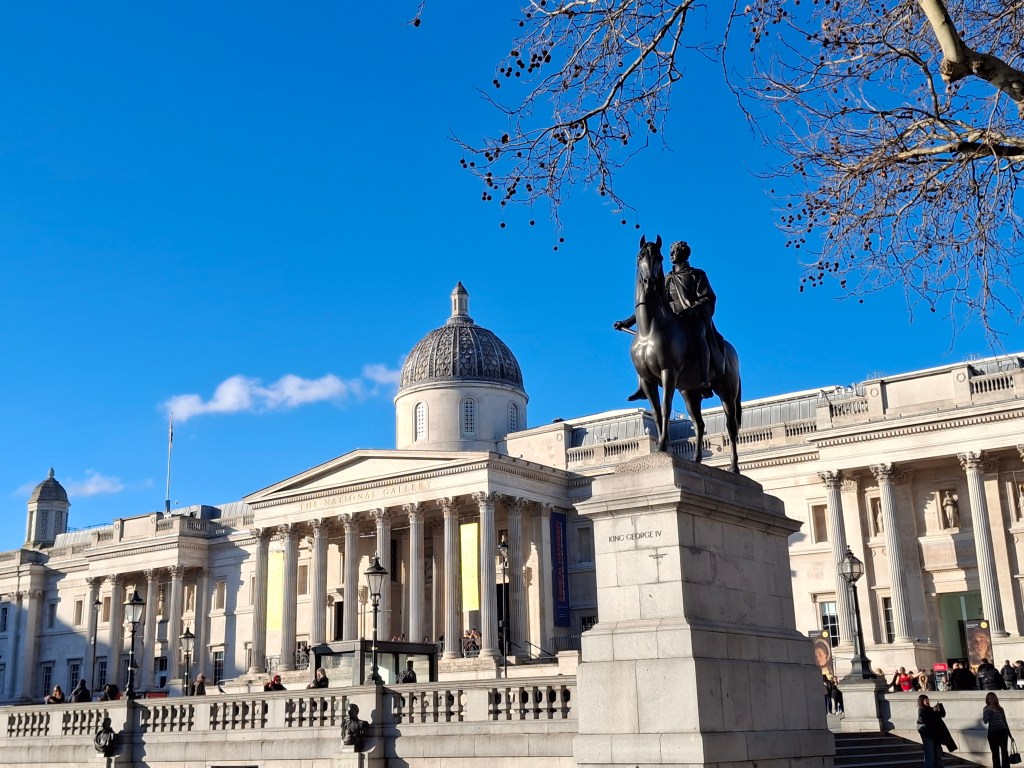
As it was one of the few days so far this year in which it didn’t rain (yet, don’t speak too soon)- and the National Gallery has no scaffolding at the moment so I snapped this on the way in from Charing Cross station. Given the surprise rain remission I decided to walk to the Jugged Hare pub near the Barbican where our first week of each month City Orns group of Watford FC fans was to meet to discuss our managerless team and a whole range of other unrelated topics. It was only a couple of miles and took me through Red Lion Square, along Holborn, through Smithfield and past St Bartholomew the Great before the final stretch through the Barbican tunnel. Pub, food and company were well worth the walk. But I did get wet on the way home.

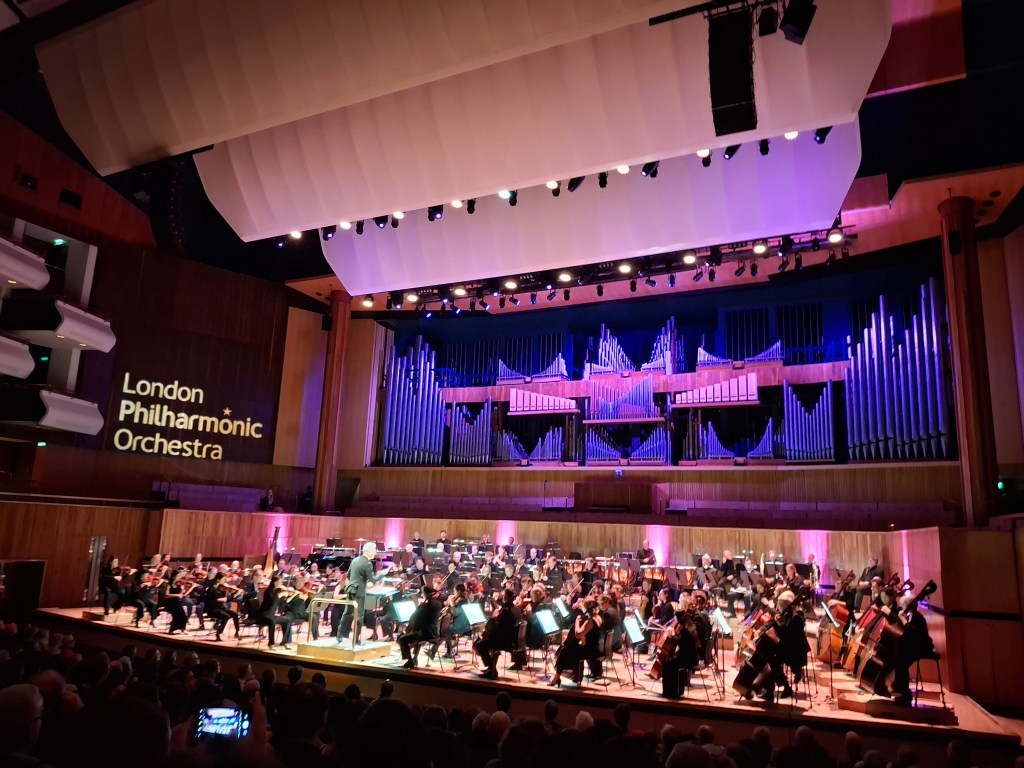
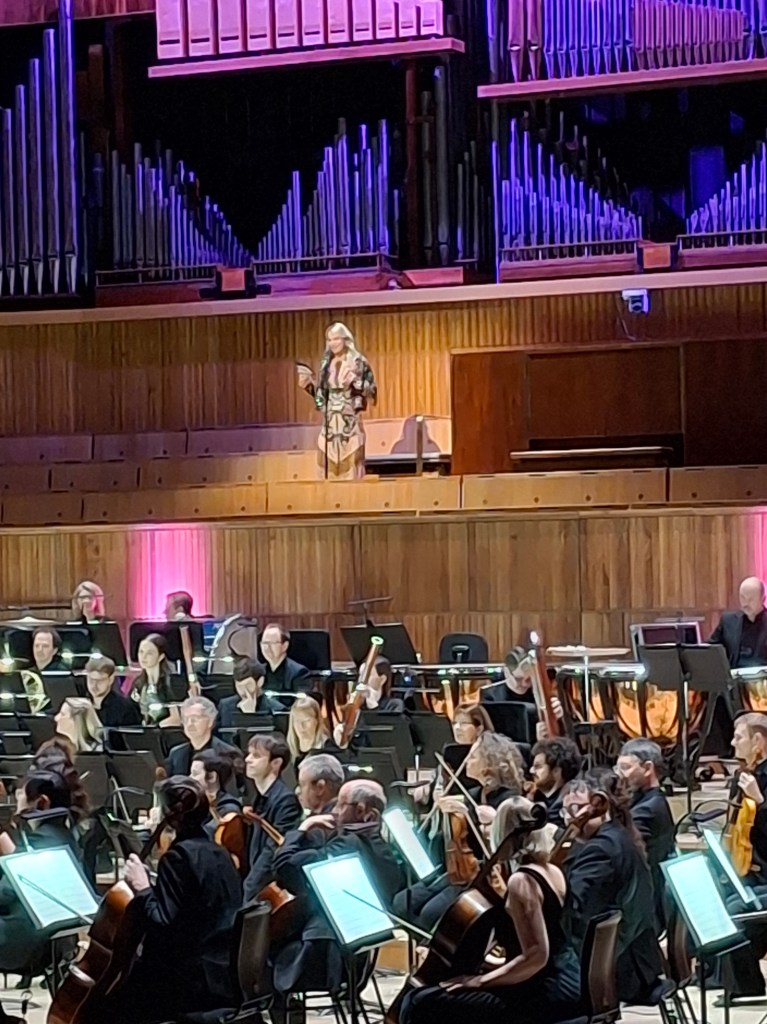
Thursday saw me again at the Southbank Centre for an experimental evening called the Classical Mixtape Live. All six resident orchestras were presenting short concerts over the course of two and a half hours. First up was the London Philharmonic Orchestra in the Royal Festival Hall who played the first movement of Beethoven’s Fifth – possibly the best known opening of any musical work – and then a suite from Howard Shore’s music for the Lord of the Rings. It was hosted by an Irish presenter Vogue Williams who gushed and stuttered from her notes up by the organ desk. Not quite sure why. She opined that the players must be exhausted after playing like that – for 7 minutes – perhaps ignorant of the length of many symphonies and concerts, let alone opera.Then came the fun part. Four orchestras were repeating the same 20 minute set in four locations around the centre. It could have been good except that someone didn’t really study the logistics of getting 2,700 people from the RFH into the four other venues despite inviting the Green Side and the Blue Side to head to different locations. So there was more queueing than listening. I only got to two of the four.
In the Clore Ballroom off the main foyer members of the Chineke! Orchestra were perched on podiums around which we all milled. It was a bit like a promenade performance at the Bridge Theatre without the stewards to guide us. Now Chineke! is admirable in being a largely BAME band giving opportunities to musicians who might not have found their way to a classical orchestra. They looked a bit nervous and the conductor probably struggled to see everyone given the set up – very dramatic lighting! They played Montgomery Variations by Margaret Bonds but it was difficult to get a sense of the piece while being on the move. In the Undercroft, a storeroom under the QEH, the London Sinfonietta played Steve Reich. Unfortunately the space is so small that there was a one out one in policy and I didn’t make it to the head of the queue. Nor did I ever get to the end of the lengthy line trying to get into the Purcell Room to hear the Aurora Orchestra performing music from Mahler’s time in the Alps.

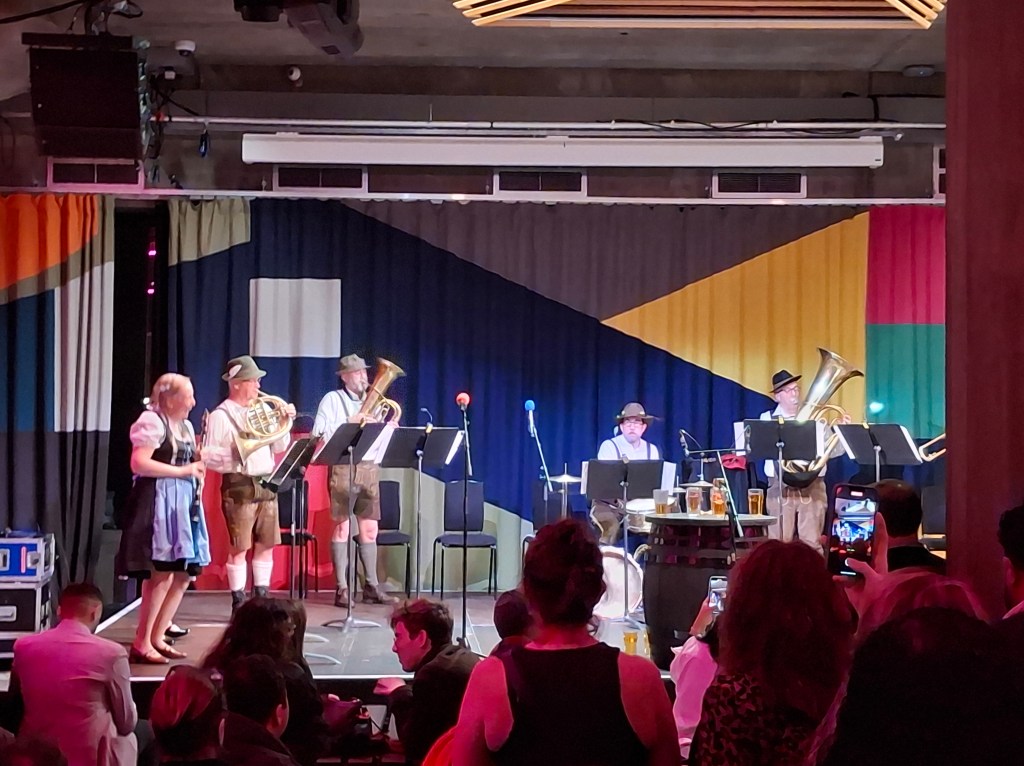
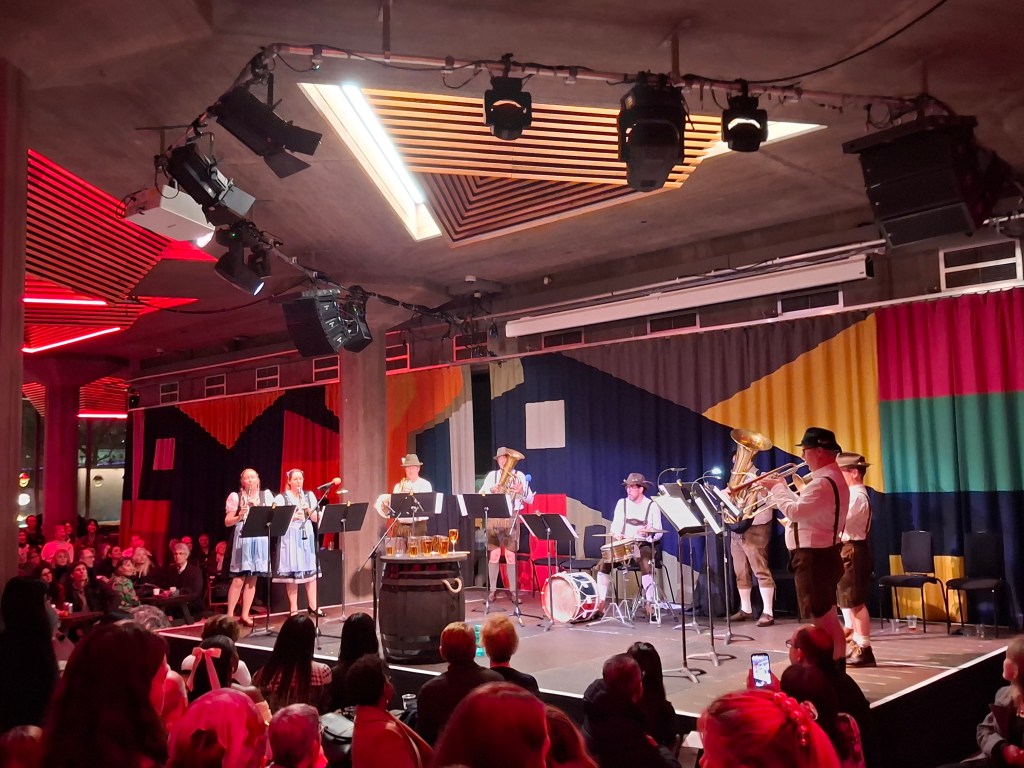
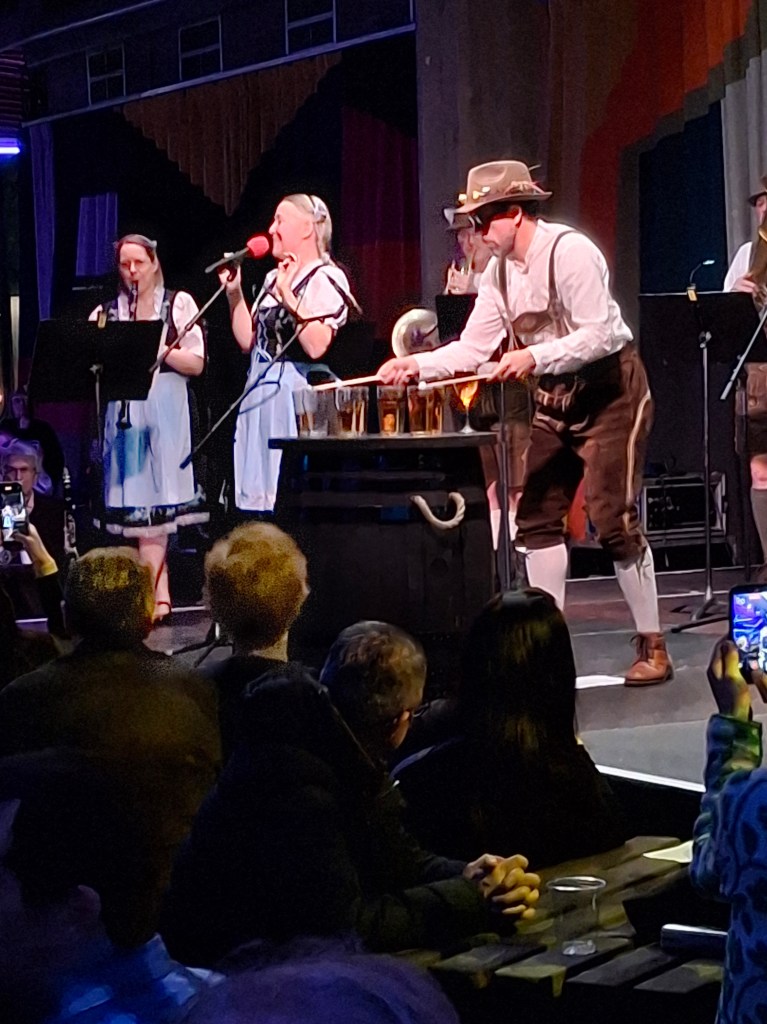
However the delight of the night was the Orchestra of the Age of Enlightenment in the Queen Elizabeth Hall foyer presenting a programme of Bavarian Oompah music including the Tristch Tratsch Polka and a selection from The Sound of Music. The Guardian gave the whole evening a two-star rating but noted that the OAE team were “having a whale of a time using beer glasses as percussion and proving they are most definitely game for a laugh.” They were led by Adrian Bending who noted, rather cheekily, in his intro that if people wanted to hear the fifth symphony as Beethoven might have heard it himself, they should come to the QEH on Sunday to hear the orchestra’s historically informed performance. Seeing them in lederhosen, dirndl skirts and with Adrian using tuned beer glasses as percusssion and Waffy Spencer singing ‘Do Re Mi’ it was something to behold. You can take a look at them here:
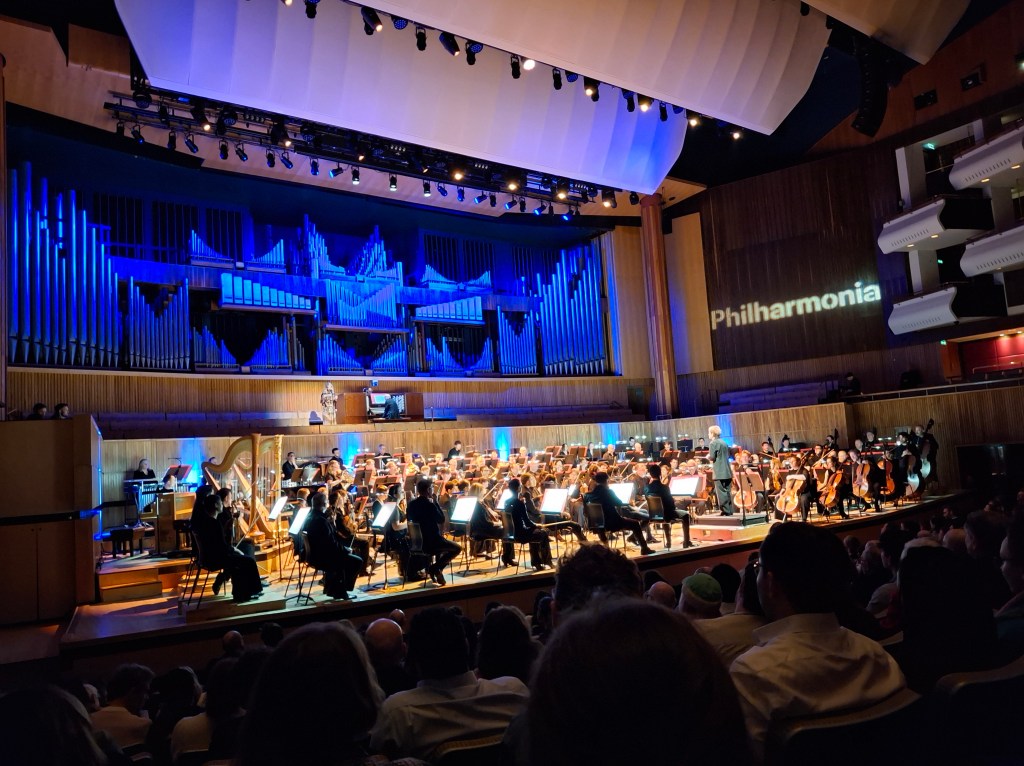
Finally we all reconvened in the RFH for the Philharmonia to take us into space with Mars and Jupiter from Holst’s The Planets and some of John Williams’ music for Star Wars. It was an interesting evening somewhat marred by the logistics but I hope they do it again with a bit more planning. It was good to see four of the six orchestras in a different light.

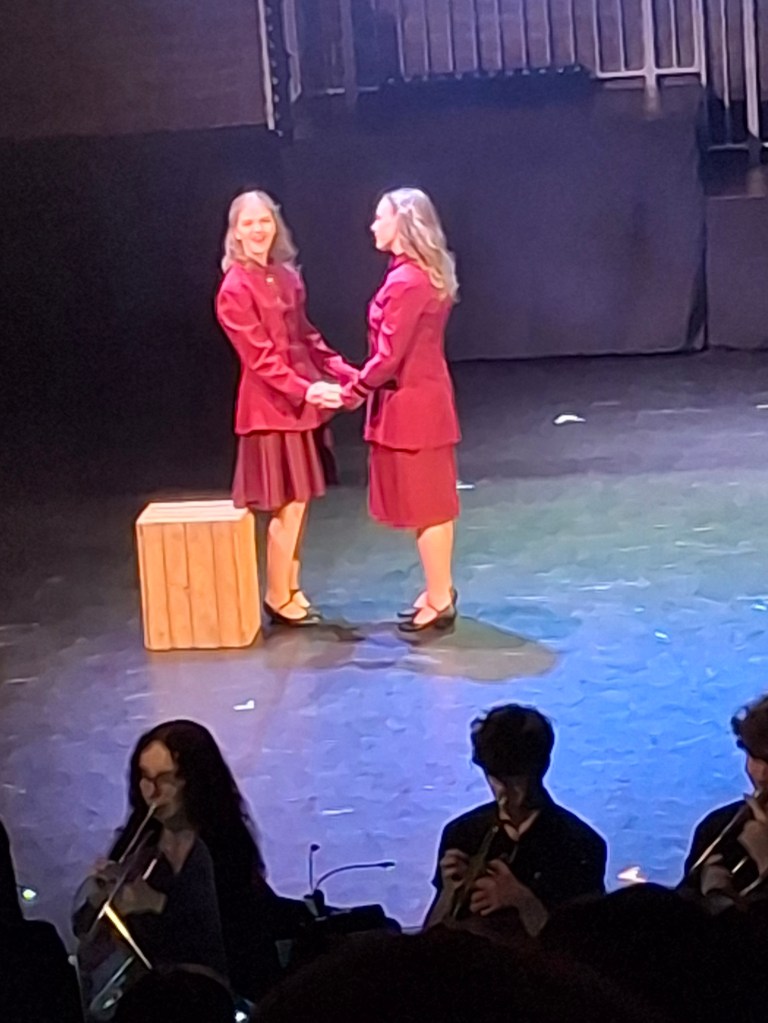
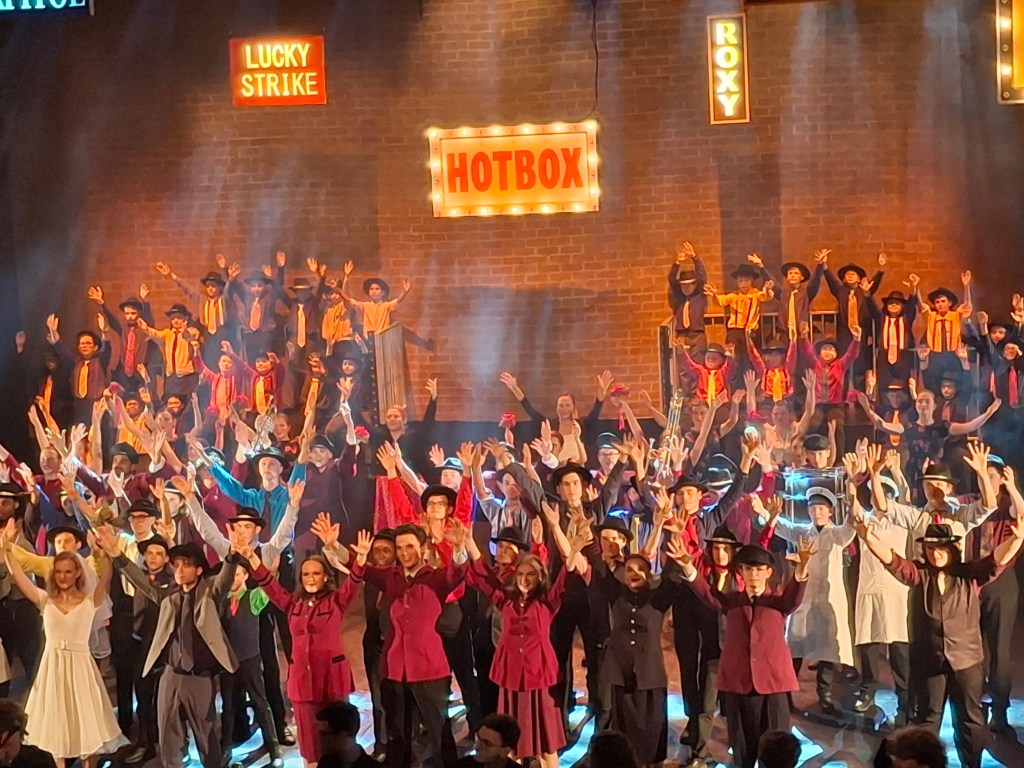
The next evening brought an altogether different experience. My granddaughter has a prominent gender-switched role as Arvide Abernethy in Guys and Dolls, the annual musical production at Langley Park Boys School where she is in the sixth form. I’m not a huge fan of musicals but had to admire the incredible professionalism of this young cast. Great set and costumes, singers all mic-ed up and fully commited to both lusty and subtle performances. At several points there were over 100 performers on the stage a testament to the depth of music and drama talent across the entire school. It is billed as the ‘whole school musical’, and what with all the people involved behind the scenes, it really was. The band, the lighting, sound and performances were of astonishing quality. As my son said after seeing it next day, it makes you rethink what is meant by ‘school play’ these days.
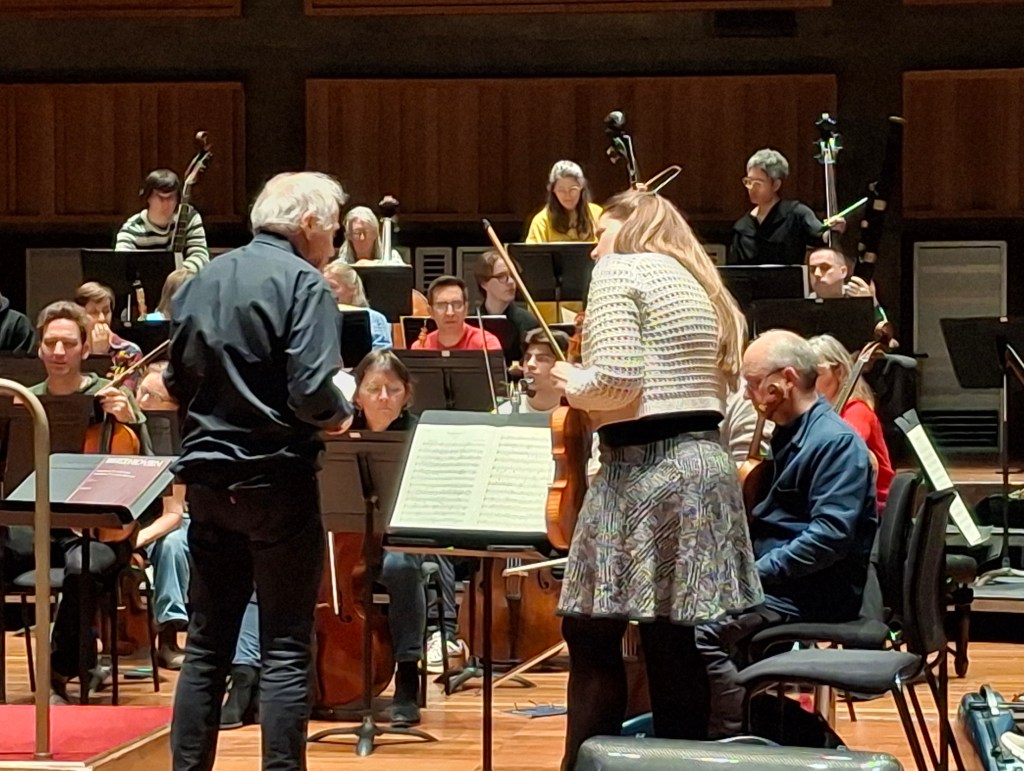
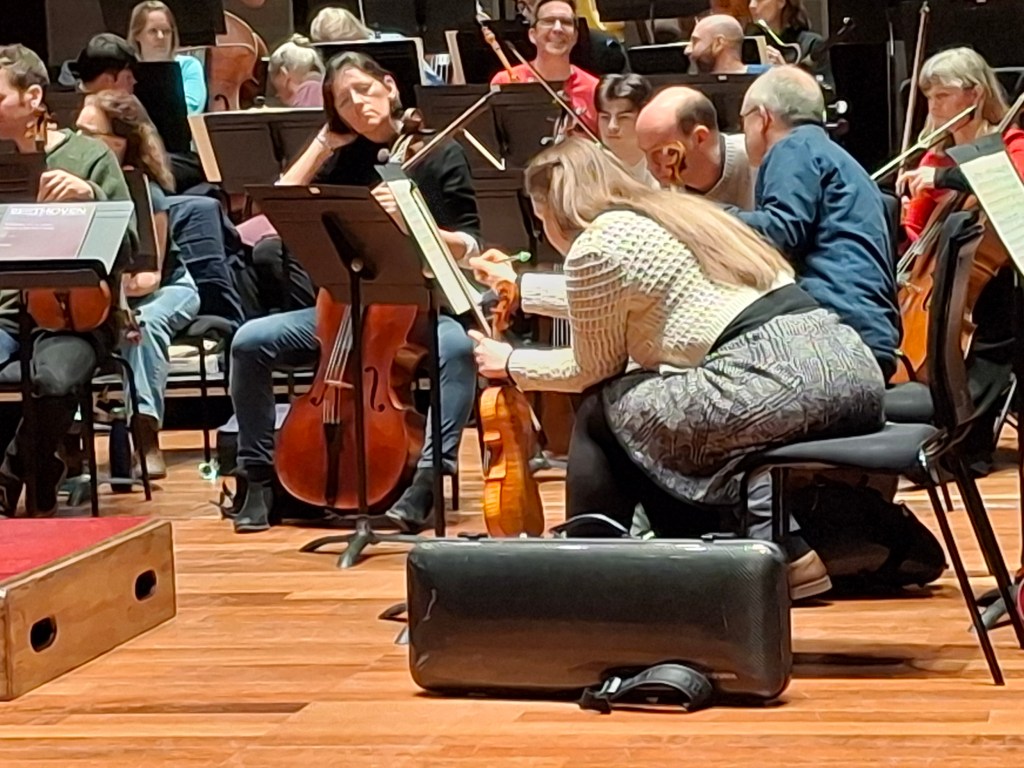
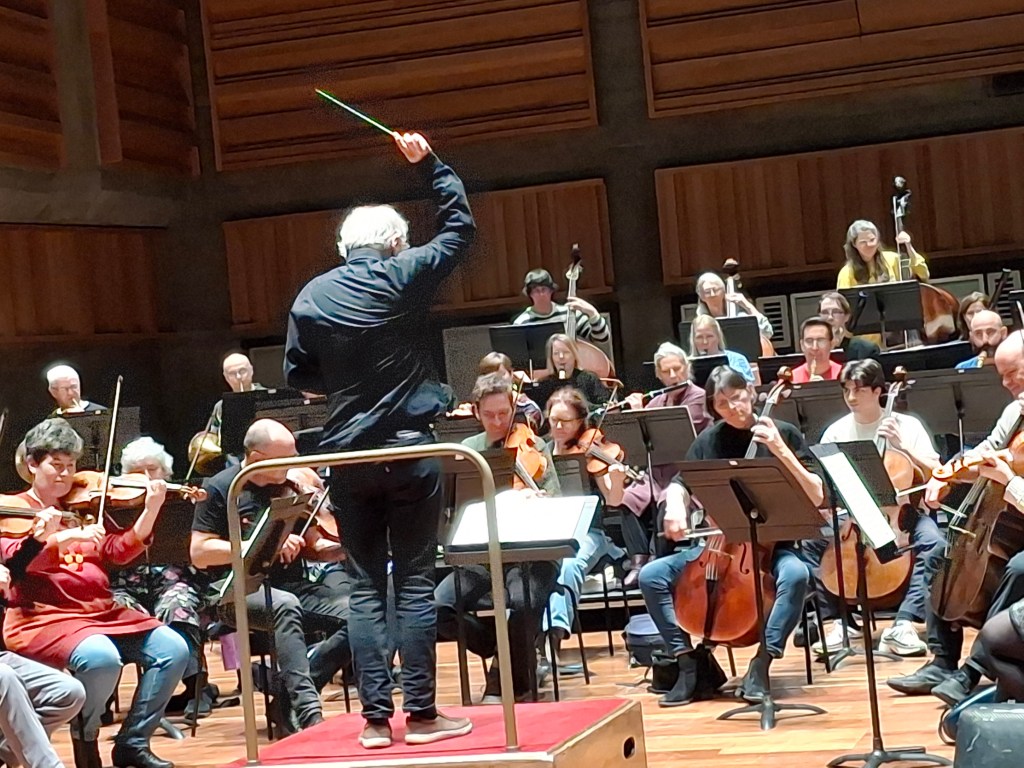
Saturdays seem to bring drama around Watford FC. I watched a narrow defeat at Southampton on TV and then learned a little later that the club has replaced Javi Gracia who resigned last week with a completely unknown manager. We’ll see. So on Sunday I was pleased to be back on more secure territory. The Hungarian conductor Adam Fischer is a long time and frequent collaborator with the OAE and being able to go to both the rehearsal and the performance of Beethoven symphonies 4 and 5 was a real privilege. I wondered how different the conversations with Fischer would be compared to the self-directed rehearsal for the Mozart last month – in truth not very. There was still lots of consultation with members of the orchestra, comments discussed and annotations made on their scores for dynamics, expression and so on. The two symphonies are very different with the fourth being much less familiar. It was a delight to see them shaped by a maestro with a top orchestra and then enjoy the end result a little later.
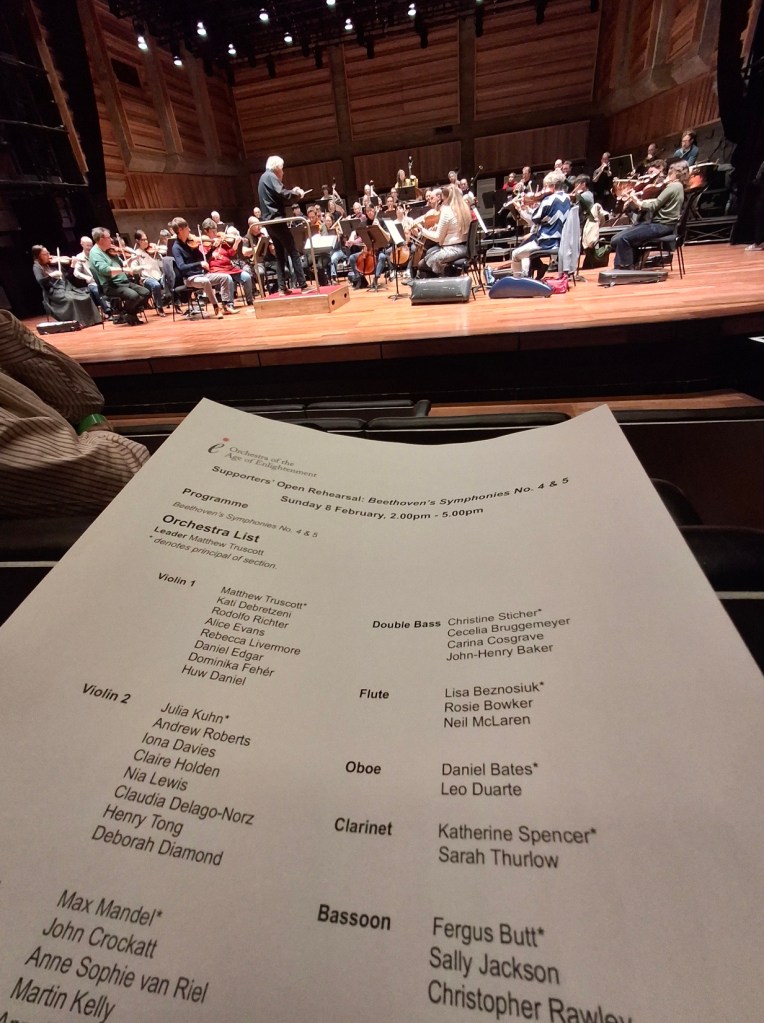
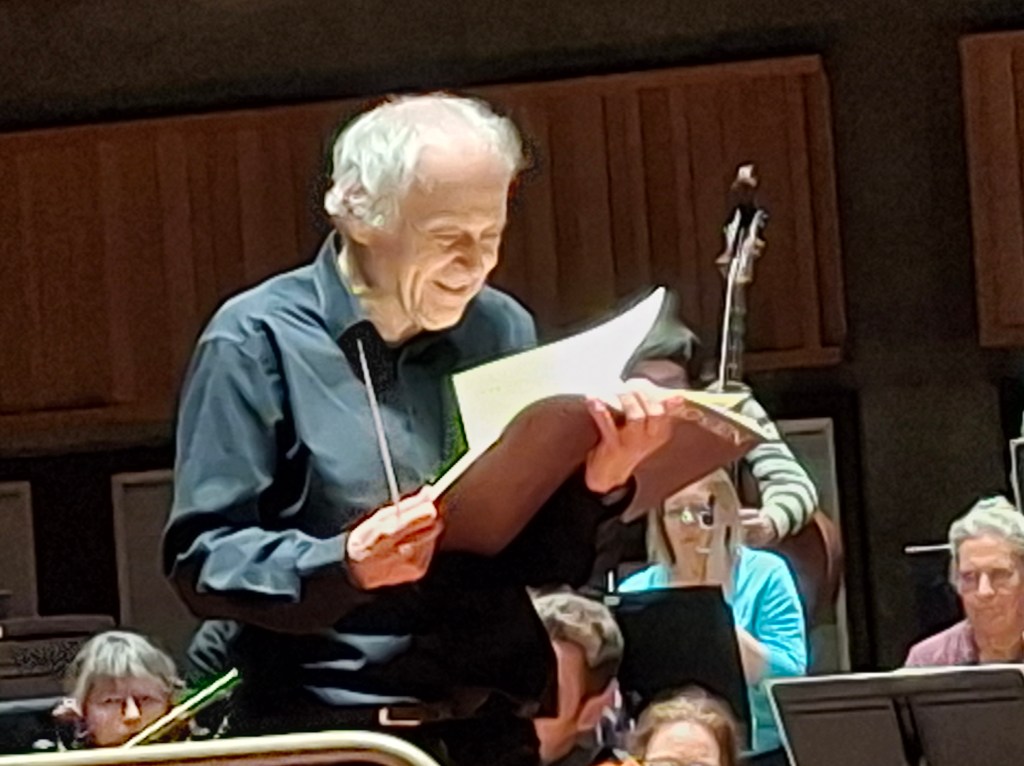
Between the rehearsal and the concert was a talk with Adrian Bending, Phil Dale (not in lederhosen today) and Christopher Rawley They talked about the differences in self-directed and conducter-ledconcerts and agree that Adam Fischer is someone who excites them with his interpretations which often catch them by surprise. They clearly have the greatest respect and affection for him. The session also featured a wonderful contrabassoon and three trombones about which Christopher and Phil talked. The contrabassoon was made by a maker well-known to Beethoven and might have been used in the early performances of the fifth and ninth symphonies. There is a campaign to keep this instrument which bears the number 001 in the country as it is currently up for sale. Christopher demonstrated the deep notes this piece of wood can deliver and Phil expressed his delight at Beethoven scoring for three trombones in the fifth symphony – a pattern followed by many other composers keeping trombonists gainfully employed.
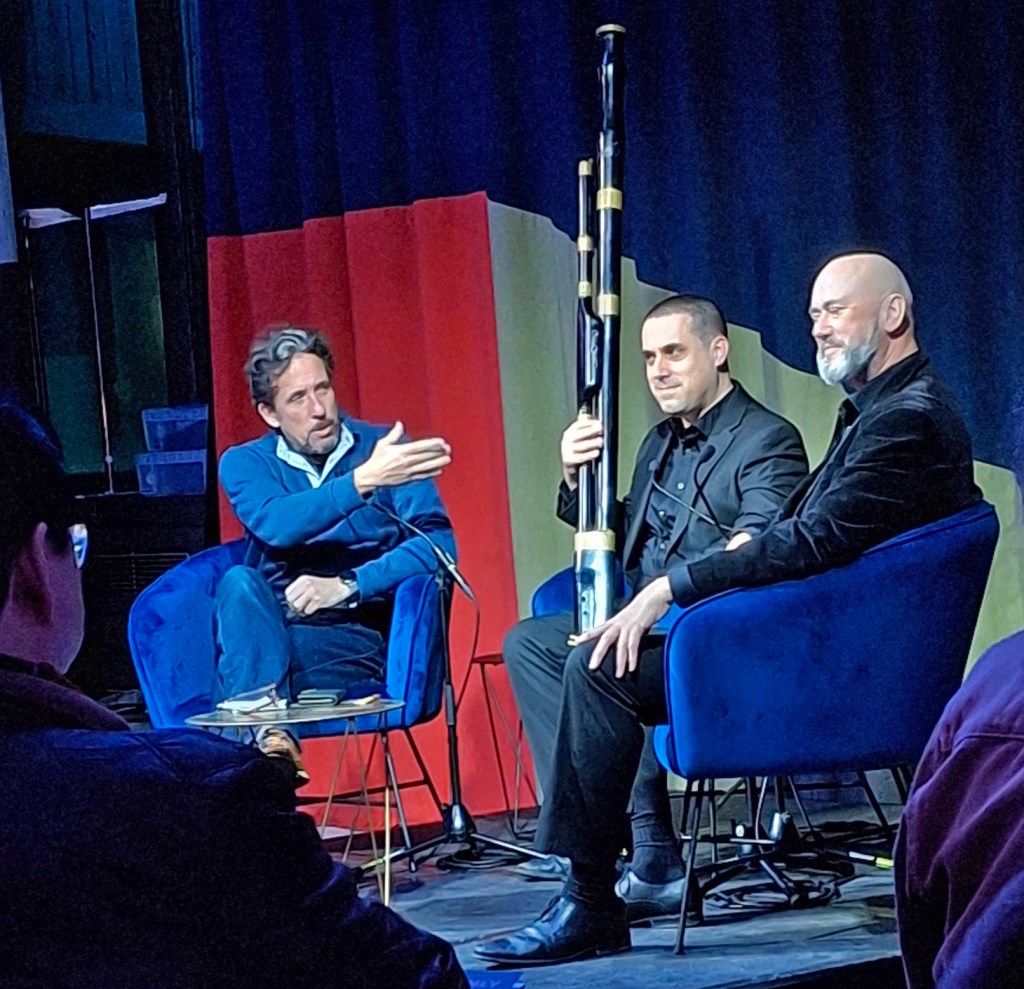
Pre-concert talk with Adrian, contrabassoon, Christopher and Phil

On Monday I had a lovely Zoom call with Daisy Scott in Boston, Mass to discuss theatre, music, retirement, families and lots more – but not world affairs as there is not much to say except mutual despair. It is a real pleasure to be in regular touch with our Boston family.

Tuesday evening featured a trip to Watford for a thank you party from the council for the work several of us have been doing with the relocation and redisplay of Watford Museum. It was a nice gesture to thanks us volunteers and we all look forward to the opening of the museum next year after a major building refurbishment. The group I was with had focused on the football club so it was good to see the work of other teams looking at grassroots sport, the diverse community and entertainment and to meet up with old and new friends. It rained in Watford too! Heavily, but one of our team Alan kindly gave me a lift back to the station.

In Bangladesh in 2009, Manzur E Mawla was co-presenter with Eeshita Azad of the pilot television programmes I made for the BBC World Service aimed at encouraging young Bangladeshis to learn English as a Foreign Language. He later relocated to the UK and we have been in touch with him and his family on a number of occasions. He emailed this week to say he was in a play at the Drayton Arms Theatre and would I like to go. Well, interest piqued, what else could I do?
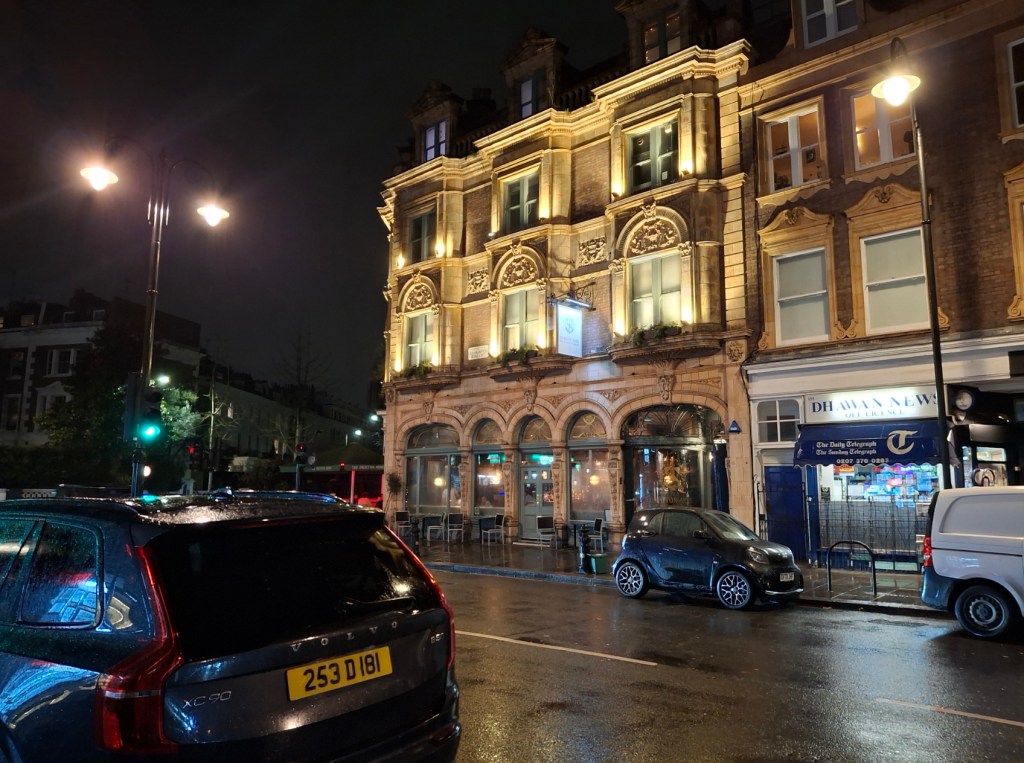
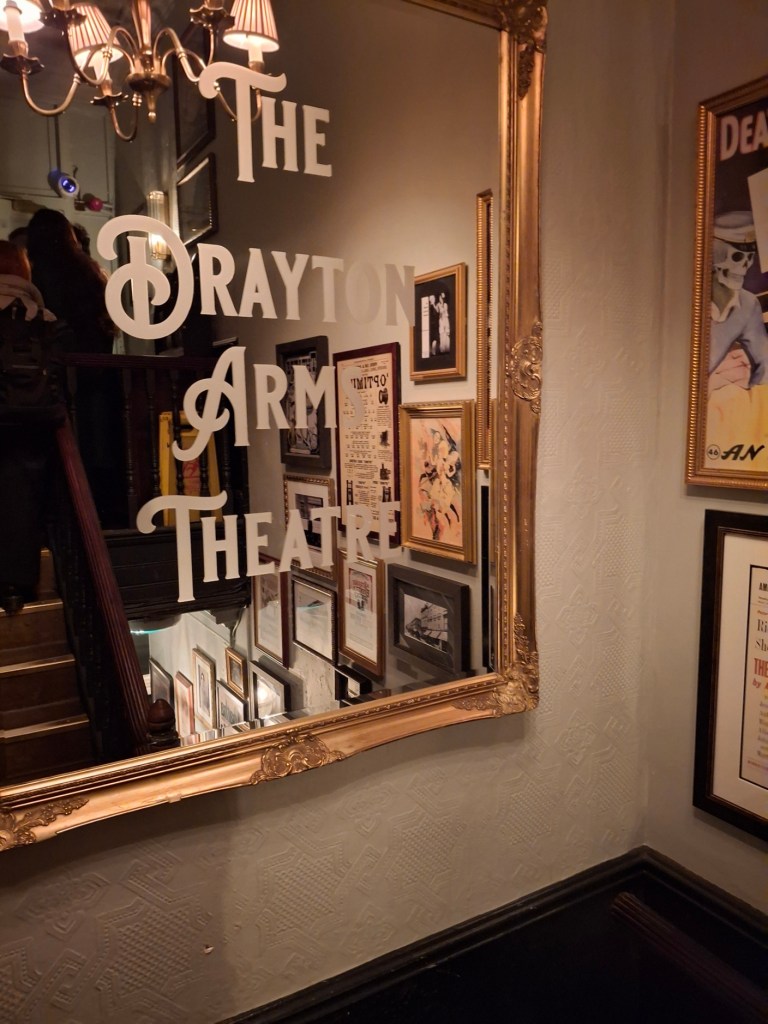
It’s a venue I’ve not been to before – a small 50-seater above a lovely pub. The play was called Modern Romance and was a series of twelve scenes – six pre-filmed and projected, six acted live – about the various whacky ways people get together these days. Scatalogical, filled with innuendo – how do you make paper clips and staples sexy ?- it was funny and revealing. My friend Manzur did a two-man scene with Jay Ramji as a gay Under 21 football couple one Arsenal (guess!) one Fulham who among other escapades embrace at a goal being scored while playing against each other to the consternation of coaches. It was written by Giles Fernando and directed by Penny Gkritzapi who I had a pleasant chat to in the bar afterwards and spent time with Manzur and other cast members. Manzur had done some acting back in Bangladesh before we worked together and had started acting classes again here only recently. It transpired that this was his UK stage debut, and very well he did, having joined the cast at very short notice. A totally unexpected fun evening added to my calendar by a chance email.
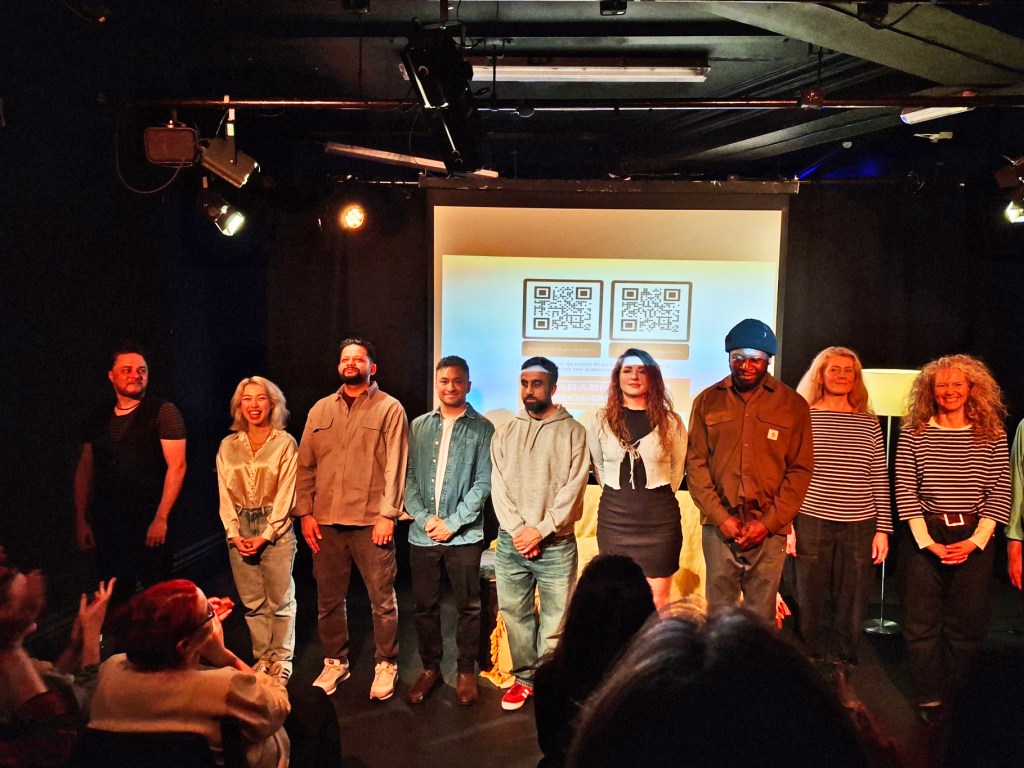
The live action cast with Manzur and Jay third and fourth from left.

Last outing for this post is to see Mussorgsky’s Boris Godunov at the Royal Opera House. Another soggy trip into town and no drinks beforehand as it’s a bladder-challenging two hours and twenty minutes with no interval. Susie Stranders’ insight talk last month was very helpful in making both the story and the musical motifs clear so I could look out for particular moments in the piece. The choral singing was incredibly powerful and included a children’s chorus which Susie had prepared – great job! I took my seat being slightly panicked about being a long way from the aisle should nature call. Then it was suddenly time for the final black out and curtain calls. How on earth to two and a half hours pass so quickly? Answer: engrossing story from Pushkin, marvellously varied score with simple tunes and powerful orchestration, brilliantly sung, accompanied by an orchestra on top form and a superb overall production directed by Richard Jones. A brilliant night at the opera.
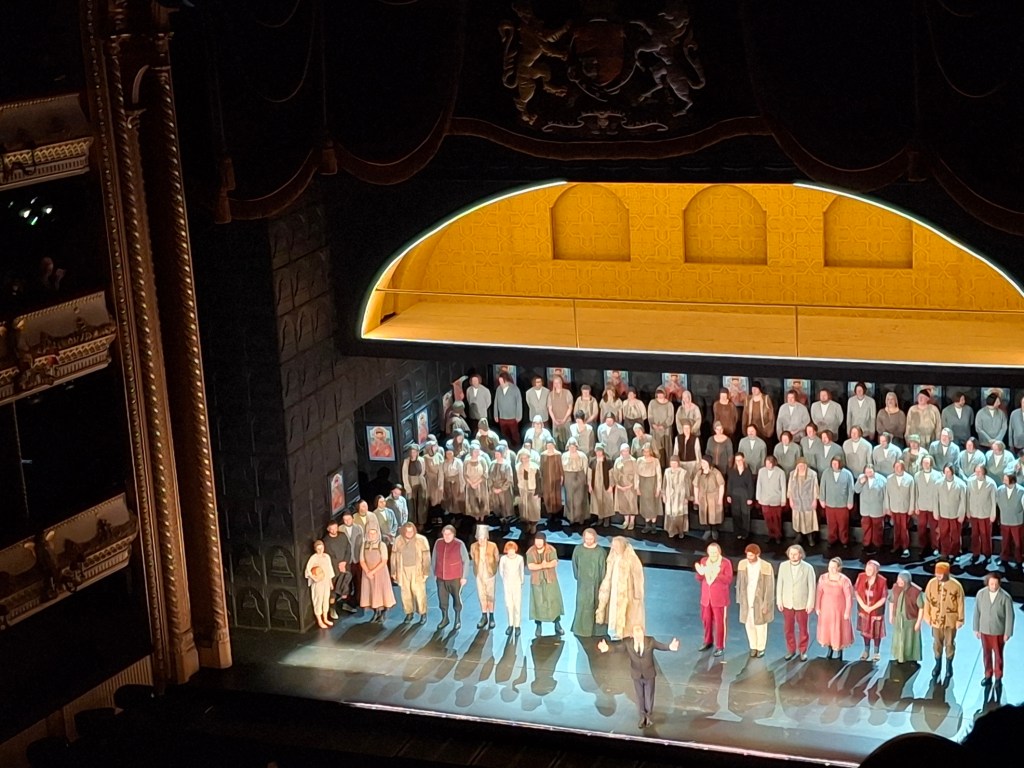

Mark Wigglesworth invites us to applaud the orchestra after a stunning performance led by Bryn Terfel as Godunov and a cast of hundreds.

Where did January go?

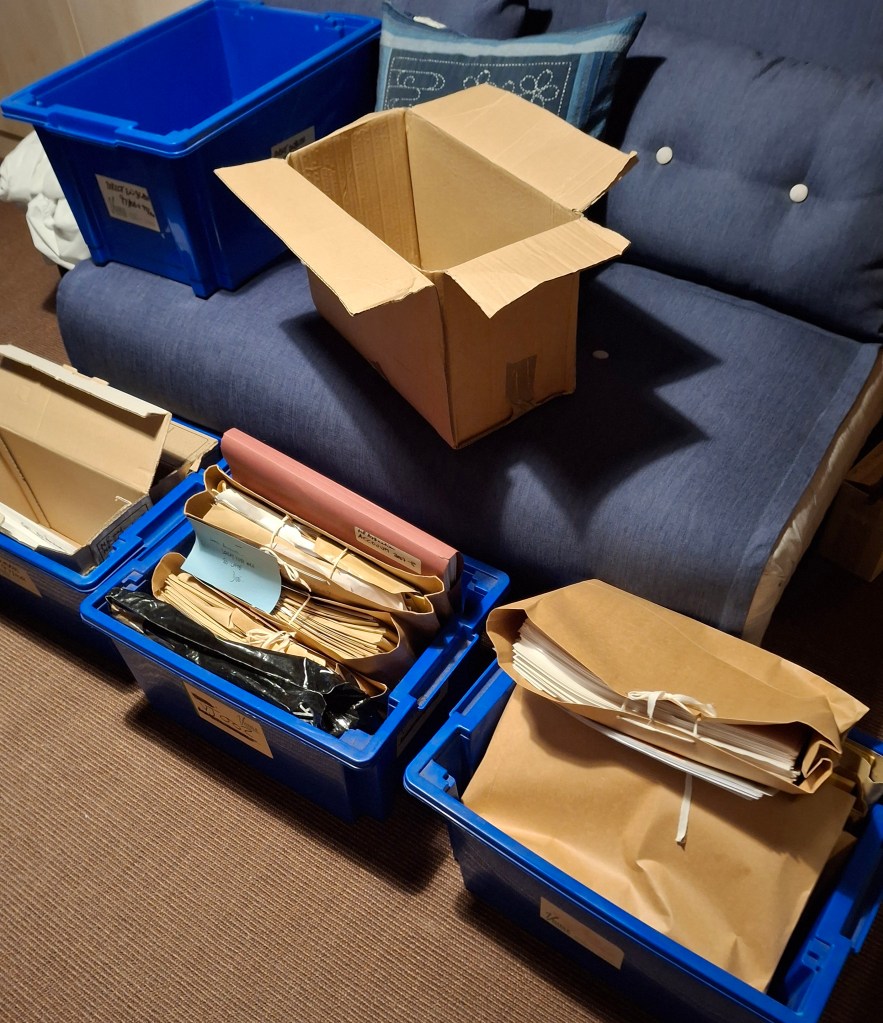
So after a refreshing break in Alicante it’s home to reality: car for MOT; final eye test after cataract surgery and the promise I made to sort out 45 years worth of company paper work for shredding. So glad I did take my Christmas break.

The first play of the new year was the intriguingly named Bengal Tiger at the Baghdad Zoo at the Young Vic. The tiger of the title is the ghost of an animal shot by a US marine stationed in Iraq during the ill-founded war. It (in human actor form) prowls around the stage bringing memories for the marines and philosophical questions for their interpreter Musa who used to be the gardener to Saddam Hussein’s two sons, who appear later, and cause a guilt-trip for Musa who allowed them to exploit his daughter.

It was surreal, written by Rajiv Joseph and directed by  Omar Elerian who has a track record with surreal with Ionesco’s The Chairs and Rhinoceros which we saw at the Almeida. It was funny. moving, if a bit erratic, but a worthy start to a year of theatregoing.

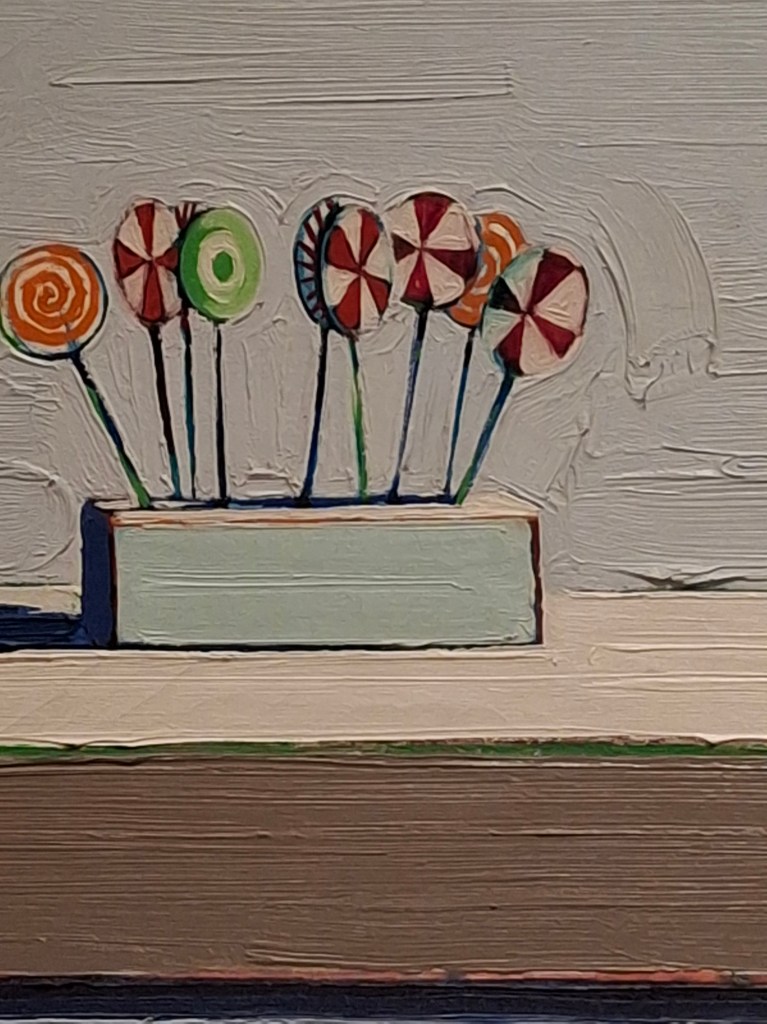
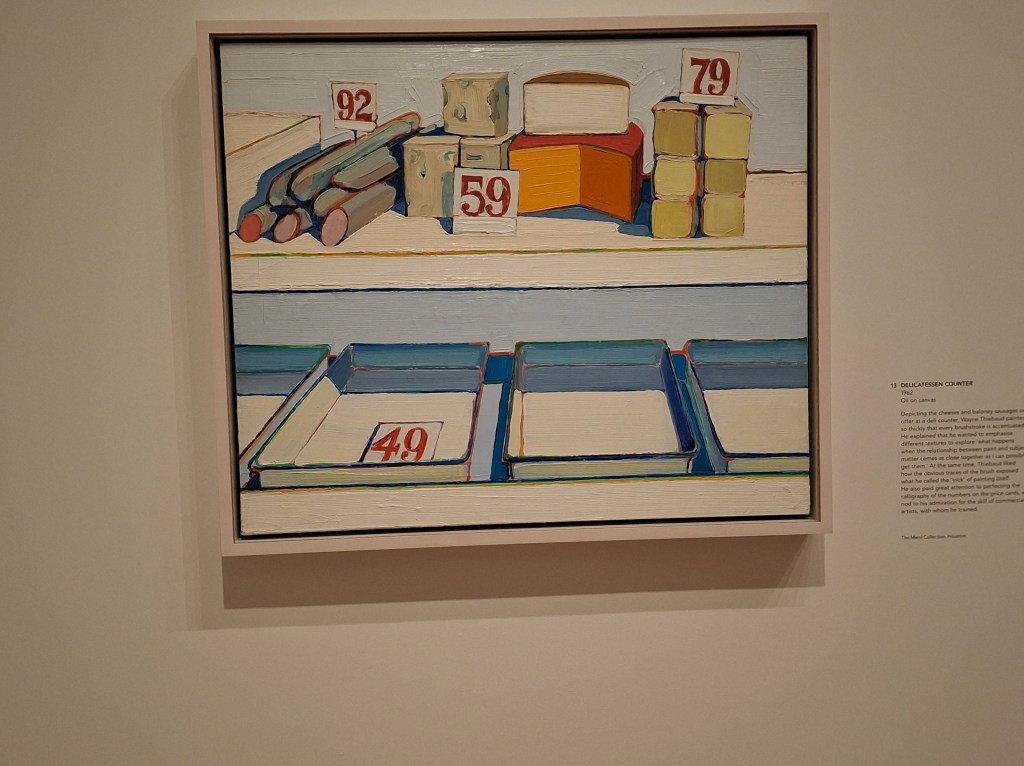
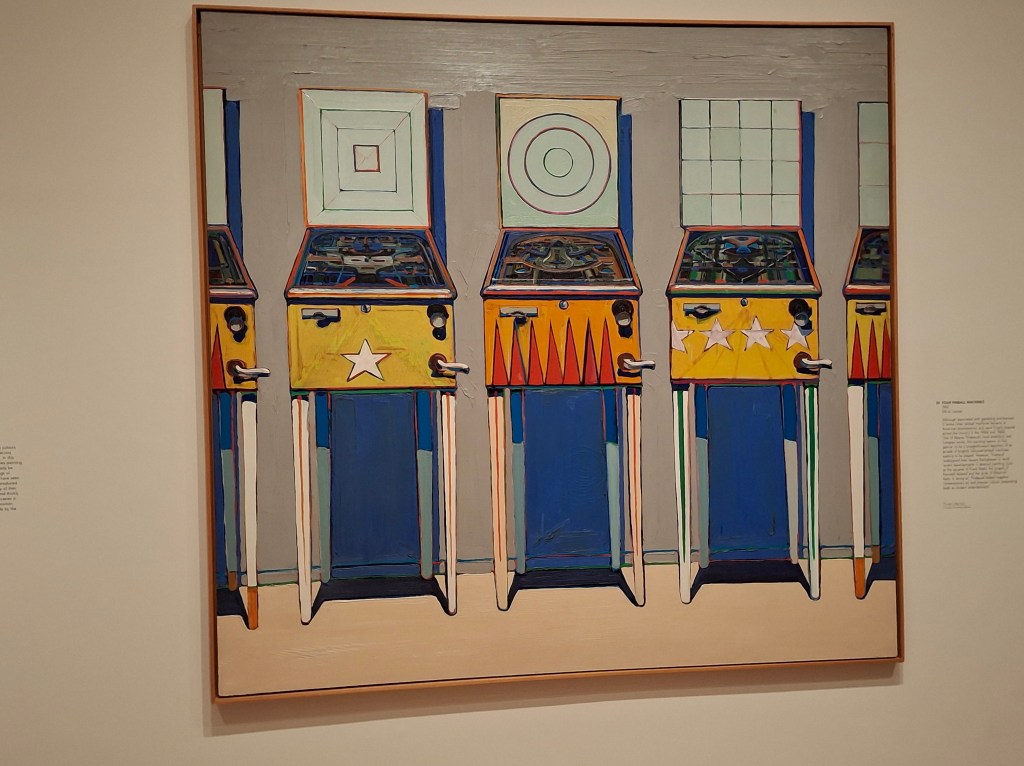
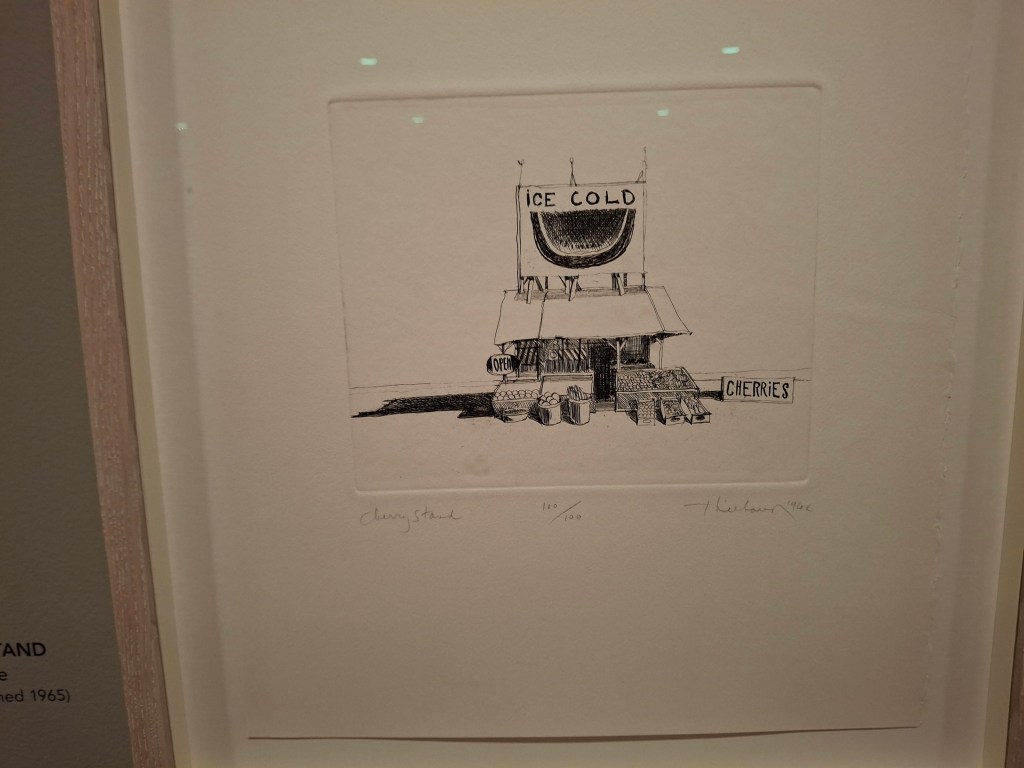
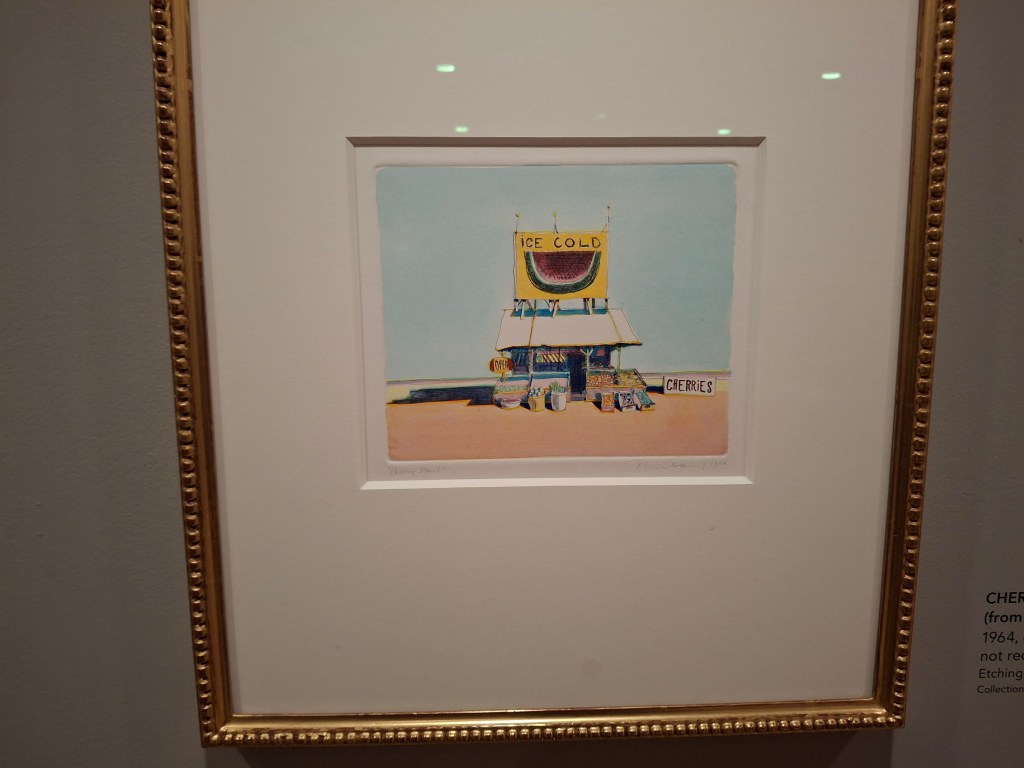
I loved Maggie O’Farrell’s book Hamnet. I did not like Lolita Chakrabarti’s stage version which a gang of us went to see at the Garrrick with great expectations and emerged with great disapppointment. I had misgivings therefore about the much talked-about film version, somehat allayed when I noted that Chloé Zhao co-wrote it with the book’s author. So I booked a matinee showing at Picturehouse Central and decided to go into town early and take in the last few days of Wayne Thibault at the Courtauld Gallery. I don’t think I’d heard of him but an email from the gallery intrigued me so off I went and am very glad I did, The exhibition was entirely of works from the 1960s when he was grouped with the Pop Art movement. He painted still lives of everyday Americana – slot machines, deli counters, cakes and the like. They were very affecting in making you look intensely at the ordinary and think about things in a new way. He also made prints of several of the subjects one of which on display he had hand coloured twenty years after making the original etching.

I had an hour to spare before the film so popped into Yoshino to say Happy New Year to Lisa, collect my supply of gyokuro tea – my first drink of every day – and have a delightful light lunch chatting to Lisa as she prepared the space for a 30 strong party of Japanese bankers that evening.

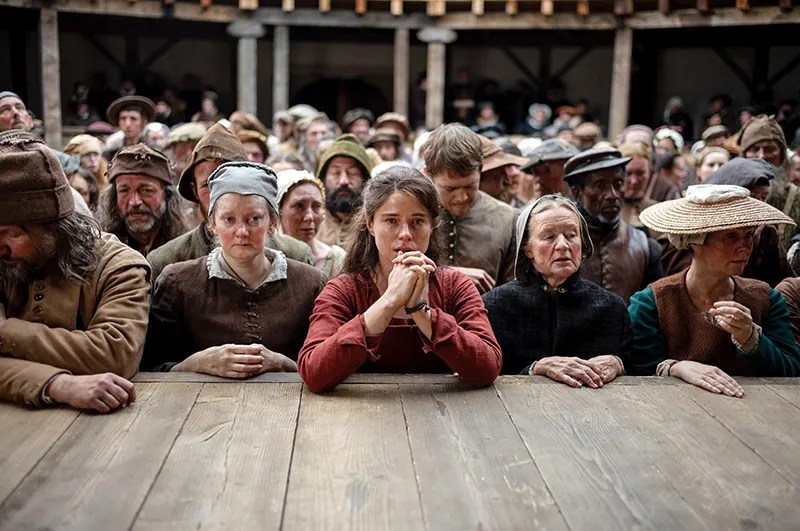
Hamnet the film did not disappoint. It matched the slow reveals of the book, filled the screen with nature, glovemaking and the love and the games of young children. The storytelling was clear and excellent and the child actors were all very accomplished. The tragedy was well handled and the closing scenes at the Globe had me welling up. What a performance from Jessie Buckley! I knew she was good but this was astonishing.

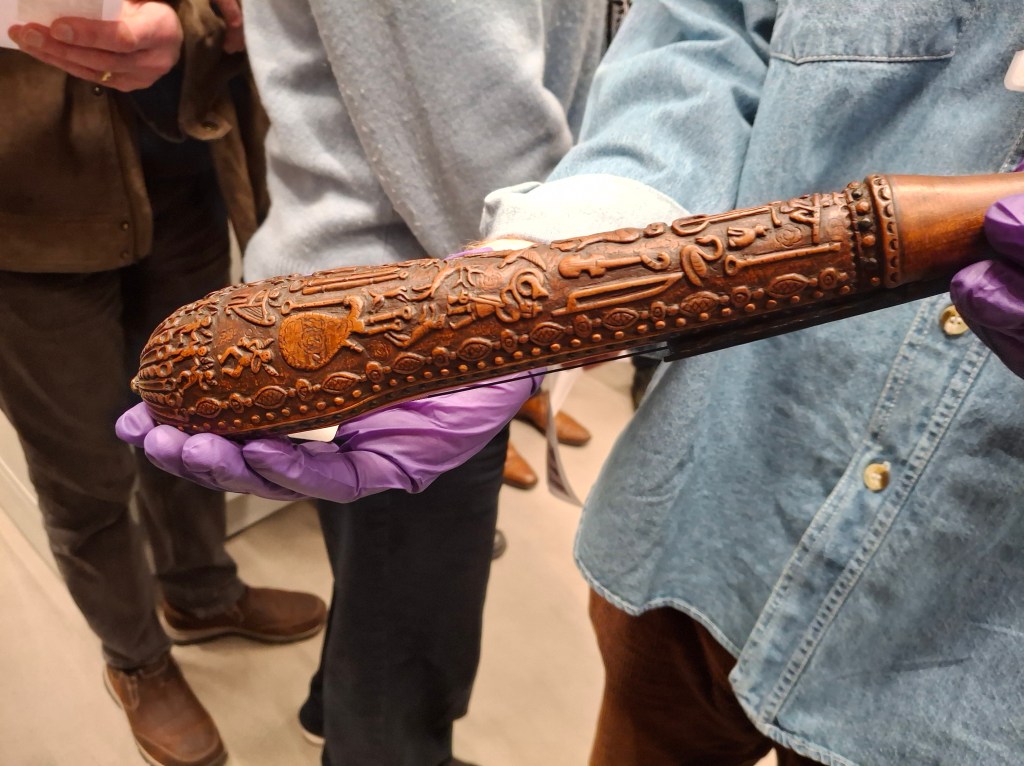
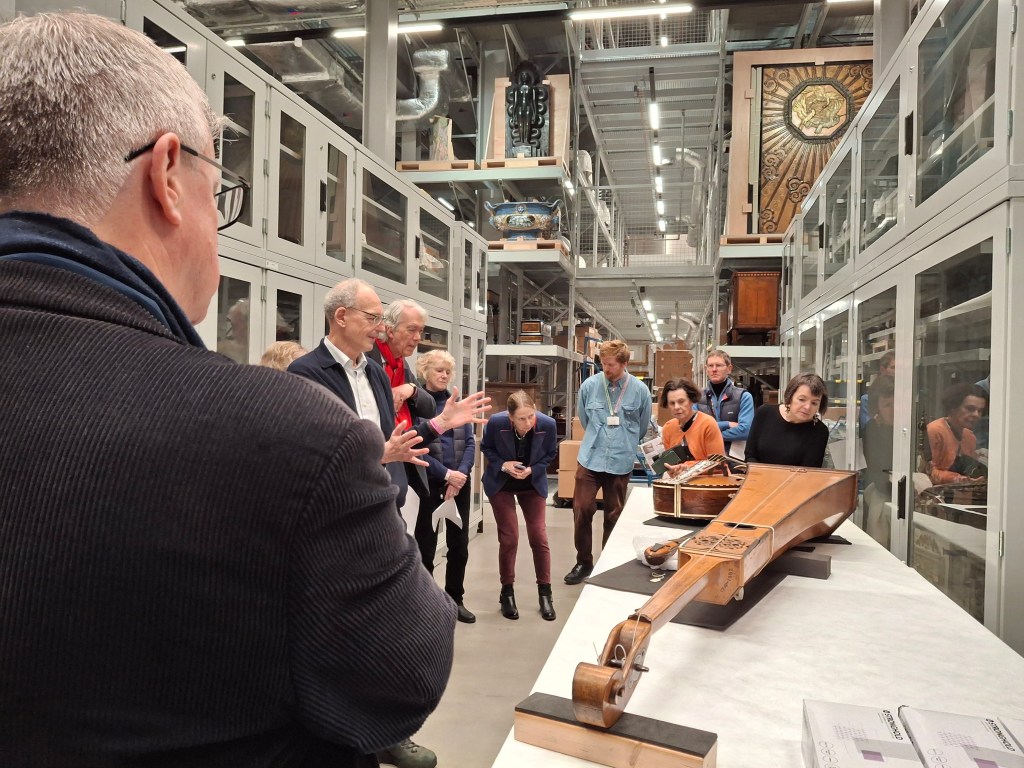
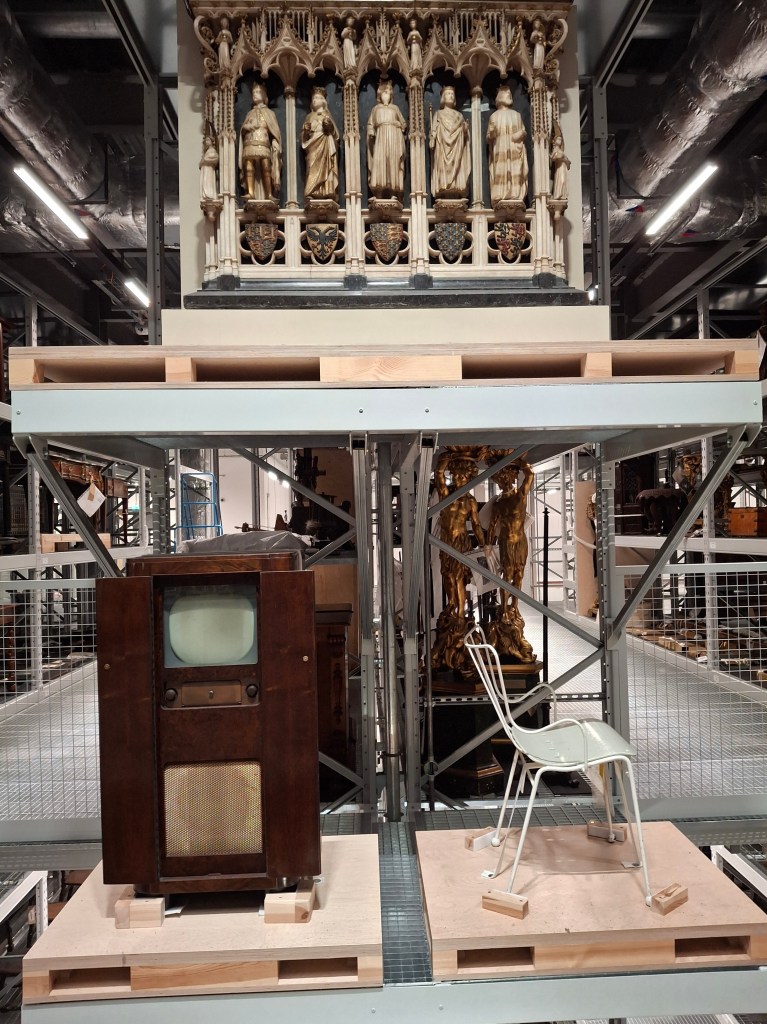
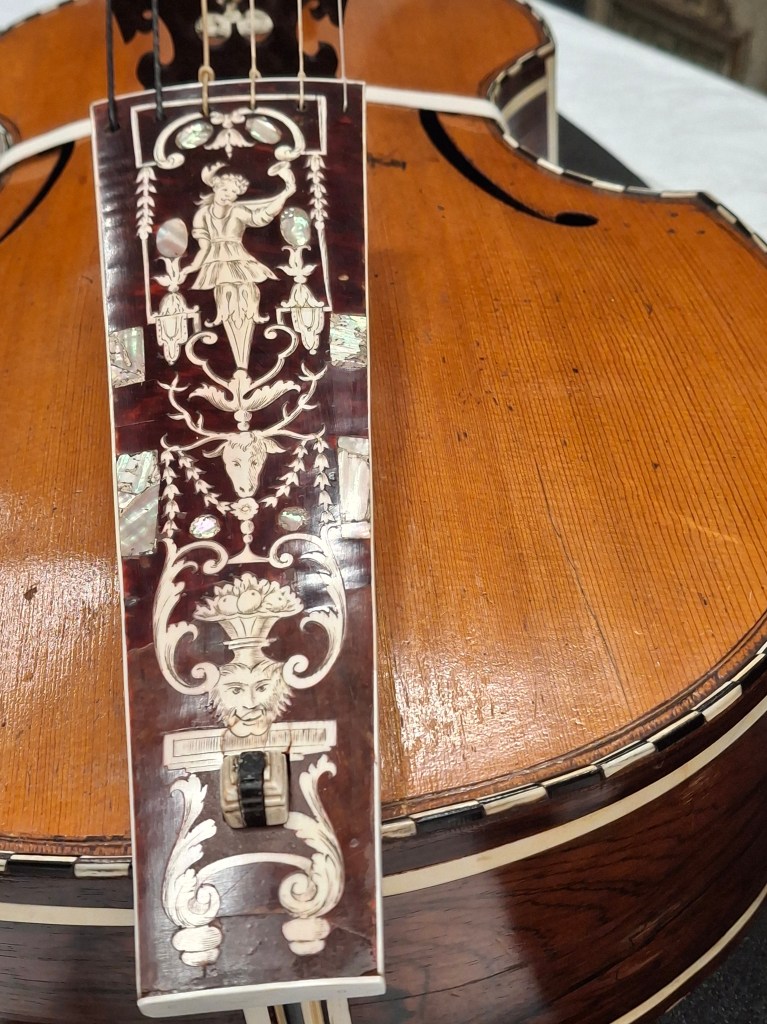
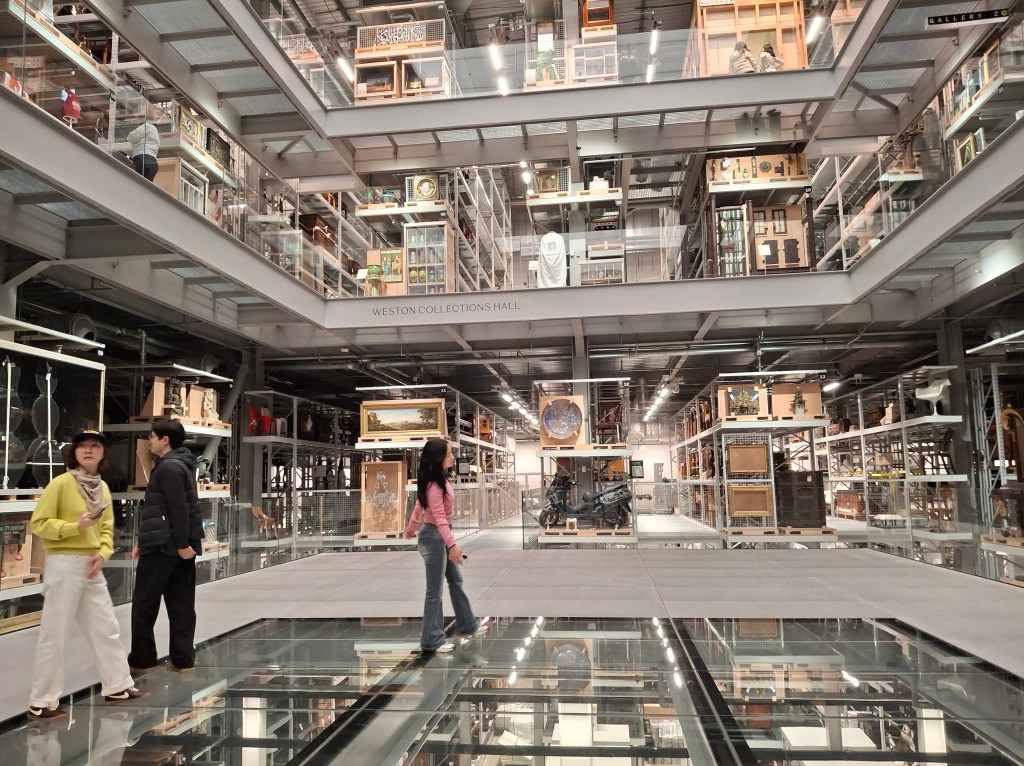
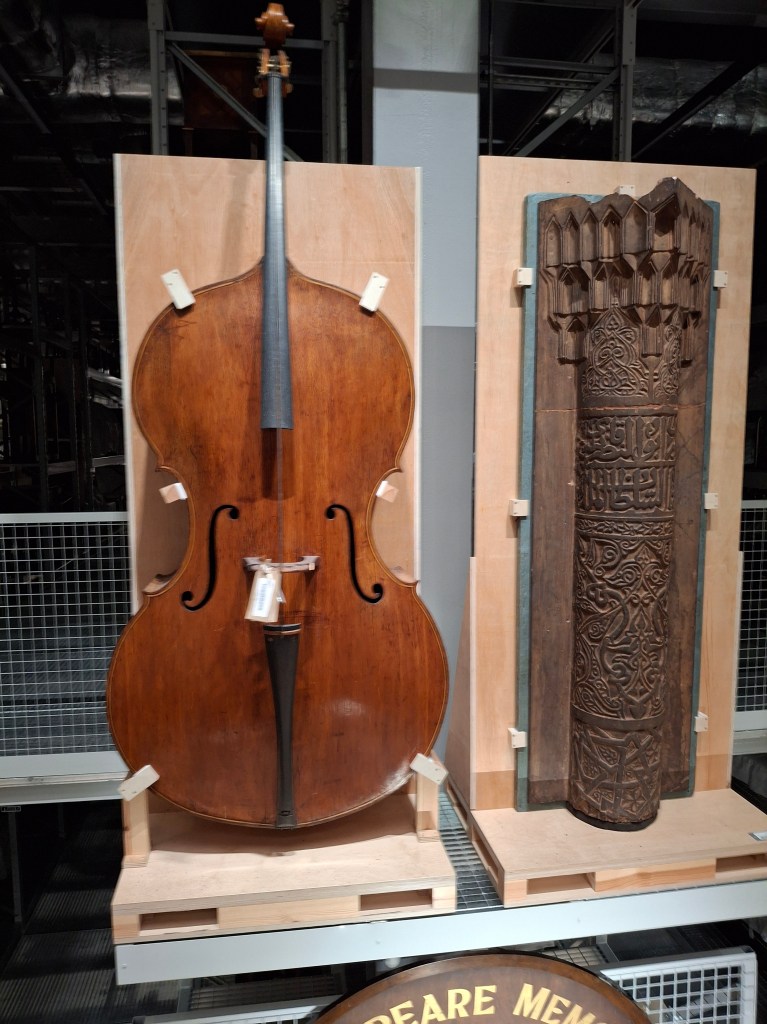
From time to time, the orchestra of the Orchestra of the Age of Enlightenment organises trips for Friends. I wrote about a visit to the amazing Hatchlands keyboard collection with Steven Devine last year. This one was to explore the wonder that is the V&A East Storehouse with Martin Kelly, my viola-playing team captain when we won the Chistmas Quiz. Martin had selected a number of instruments from the extensive V&A catalogue and gave us fascinating insights into the contruction, history and use of instruments ranging from the tiny kit fiddle used by dance masters to the enormous Dragonetti bass via a serpent and a harp and others from the racks. Some of the detail of design, carving and inlay was phenomenal. The breathtaking size of the storehouse and the randomness of displays made for a fascinating visit even after Martin had finished his excellent part of the tour.

Then it was back from drenched Hackney Wick to the Royal Opera House for an insight evening on the subject of Boris Godunov with my friend Susie Stranders taking us expertly through Mussorgsky’s score. I got there early and spent an hour not reading my book but chatting to a gentlemen with shared widowerhood and love of music as topics for conversation. As we left the table to go to the talk we shook hands and he said, “By the way I’m Mike”. “Me too,” I replied. Susie’s talk was peppered with anecdotes from performances and some excerpts sung by cast members including Bryn Terfel who is Godunov.

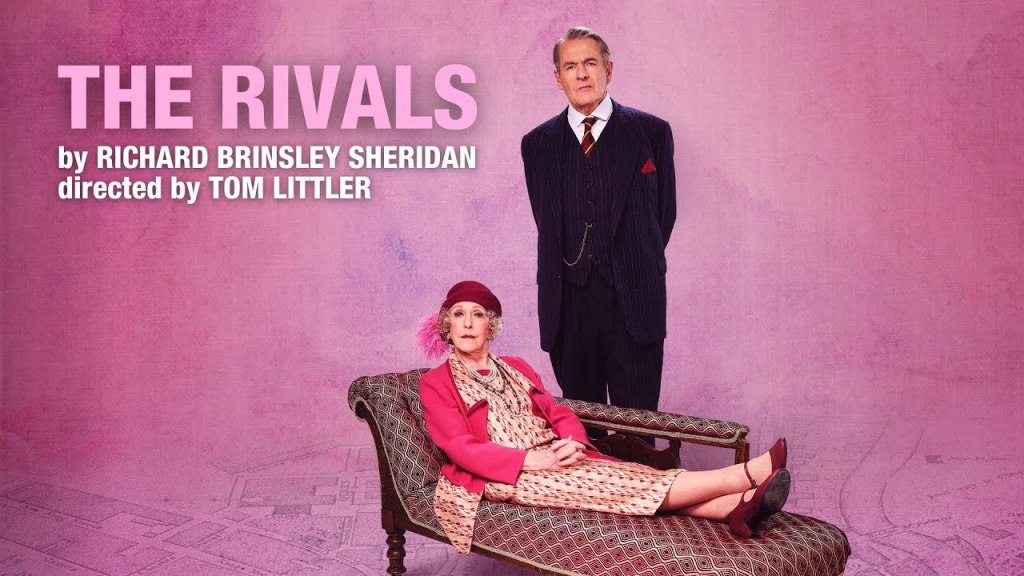
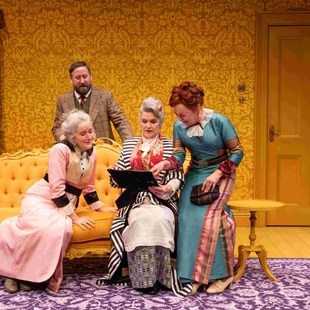
I’ve seen Sheridan’s The Rivals several times but went with Frances to The Orange Tree on her recommendation, She’d already seen it when I was away and came to see it again. I congratulate her on her taste. Updated to the flapper era 1920s, Tom Littler’s production was wonderfully funny and Patricia Hodge as Mrs Malaprop was outstanding. The rest of the cast were superb too in the intimate Orange Tree space where you feel part of the action. I recalled going with my grandchildren to see the Richard Bean and Oliver Chris update Jack Absolute Flies Again at the NT a few years ago. Sheridan’s work from 1775 stands a lot of different interpretations. Must be something about the core material!

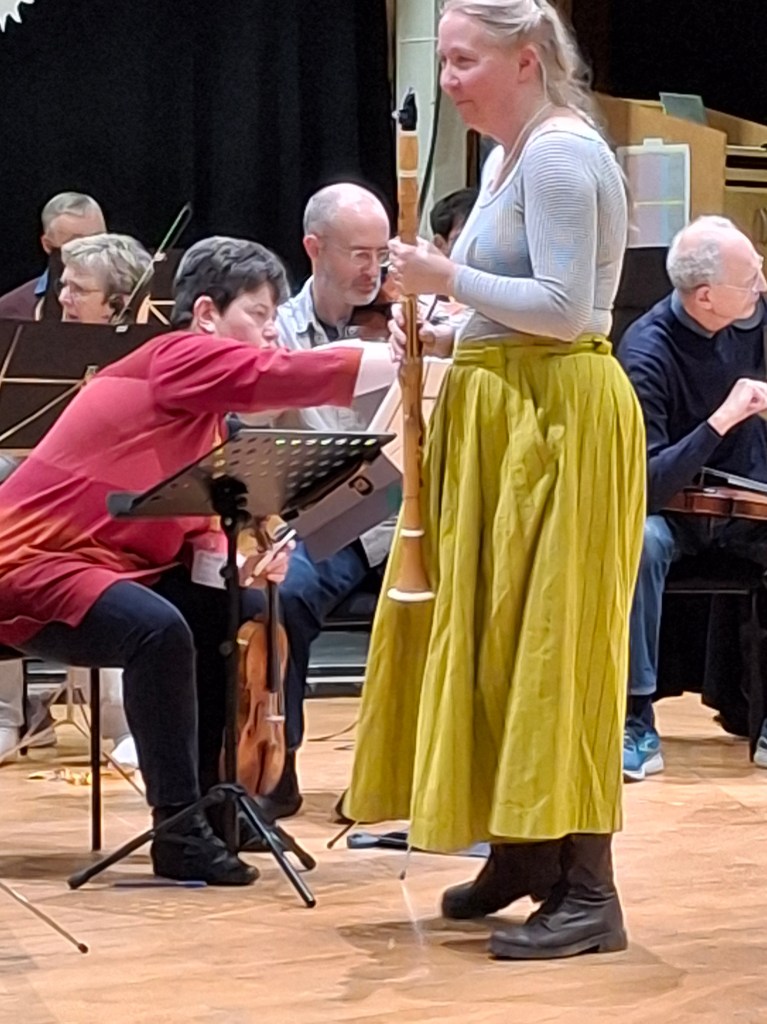
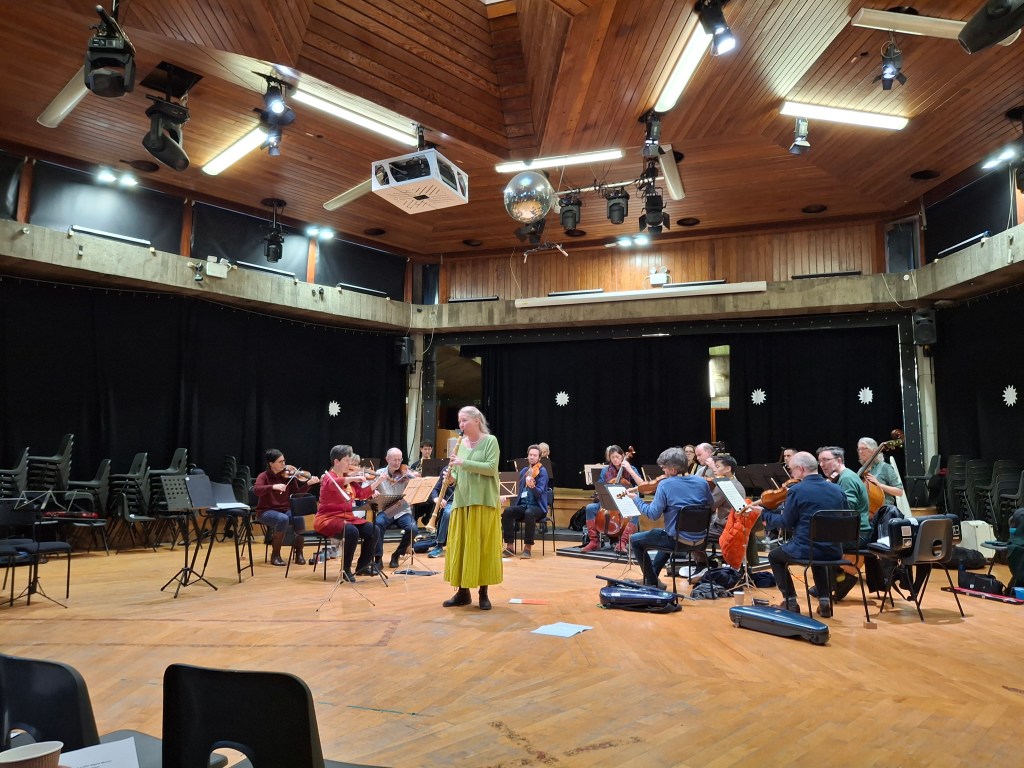
The OAE often invites friends and the local community to open rehearsals at its base in Acland Burghley School. On this day there was a Friends event at 2 pm followed by a Community one at 4. I was very impressed to see the numbers of people streaming into the school as I was leaving. The orchestra was rehearsing mostly Mozart’s clarinet concerto played by principal clarinetist Katherine ‘Waffy’ Spencer and directed from the violin by leader Kati Debretzeni. Waffy was at pains to point out that the work was written for the basset clarinet and she has had one made specially so that the concerto can be heard as Mr M intended. As always it’s fascinating to eavesdrop on the discussions that form the final performance and the exchange of ideas around this most democratic of orchestras. They were off to the Anvil in Basingstoke, Oxford and the Warwick Arts Centre before coming into the Queen Elizabeth Hall on Sunday 1 February. Waffy then introdued a piece they were going to play as an encore – an adaptation of an aria from Mozart’s Die Entfuhrung where the warring male and female protagonists were a bassoon and her clarinet. It was lively and very funny.

I then made an interesting cross north London journey on the C11 bus – Gospel Oak, Hampstead Heath, the Royal Free Hospital, Belsize Park and eventually Swiss Cottage – to the Hampstead Theatre to join Frances for a new play in the smaller downstairs space The Ghost in Your Ear.

This was an interesting event in which we were all equipped with headphones to hear the script of a ghost story being read by an actor in a sound studio for an audiobook. It’s written and directed by Jamie Armitage and the sound design is buy the brothers Ben and Max Ringham who did such a great job with Blindness at the Donmar back in the lockdown days. As someone who has spent a lot of time in the control room of audio studios it was intrinsically interesting and the story getting progressively scary was very well paced. Frightening it was, but not heart-attack inducingly so.

I got a final sign off after my cataract operations and can now revert to my familiar state as ‘a bloke who wears glasses’ with varifocals with no correection for distance and enough for close up that I can type and read my phone and kindle without need to rummage about for reading glasses. I then had the pleasure of two trips to the Union Club, first to have lunch with my dear friend Michele who has had a hard year as as a make-up artits as the film and TV industry shrinks and then for dinner a couple of days later with newly-master’s Guildhall graduate Kristina, a fine soprano, her boyfriend Luka and Paola who looks after tickets and data for the OAE and who I know well from my many visits to their gigs. On both occasions food, wine, service and company were excellent.

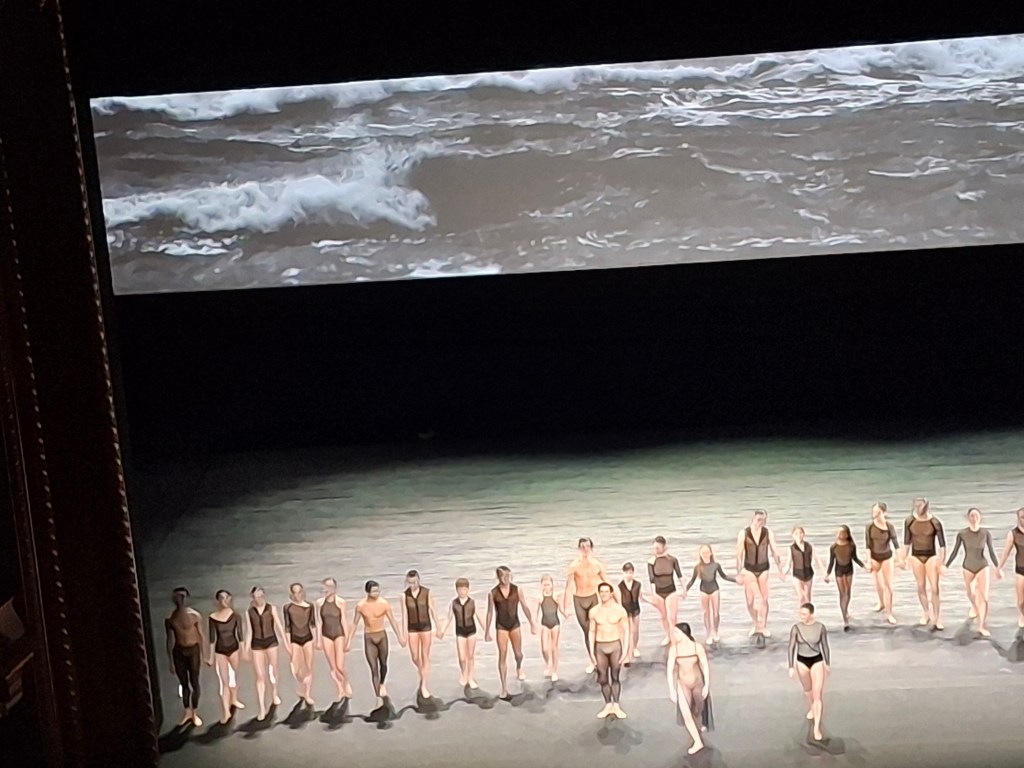
I went ( slightly by mistake and rescued by checking my ticket folder) to a matinee of Woolfworks at the Royal Opera House. This ballet had been heavily advertised in ROH emails and I had hoped Rosa might be back from Spain to come with me. Not to be however so I set off on my own and didn’t pick up any new friends called Mike on this occasion. The ballet by Wayne McGregor is based on three Virginia Woolf books: Mrs Dalloway; Orlando and The Waves. I’d read the first two but not The Waves, which I’ve now purchased. The work is classed as a three-act ballet but I felt it was three one-act ballets given the variety of source material and treatment. Mrs Dalloway was all bustling charatcters around three huge revolving wooden frames introduced by Gillian Anderson reading an excerpt from Woolf’s essay On Craftsmanship. The stories of Clarissa and the shell-shocked Septimus intertwine with elegant moves. Orlando matches the surreal nature of the book by having gold-costumed charaters with ruffs anf bustles making their way through several centuries and a gender change all accompanied by a startling laser display that carved up the stage and indeed us in the auditorium. The Waves was played out against a projected backdrop of extremely slo-mo monochrome waves and ends with her suicide note being read. The score was specially composed by Max Richter and was very filmic, dramatic and emotional. It’s still on and comes to cinemas from 9 February if you fancy a look. Highly recommended. https://www.rbo.org.uk/tickets-and-events/live-in-cinemas-woolf-works-details

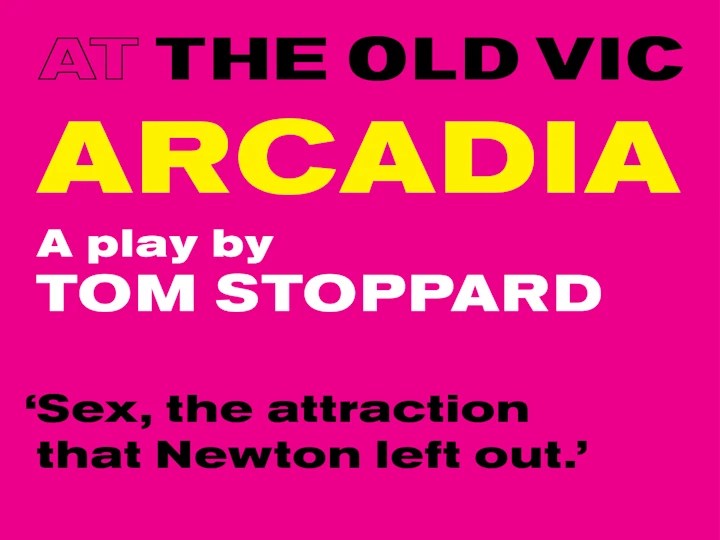
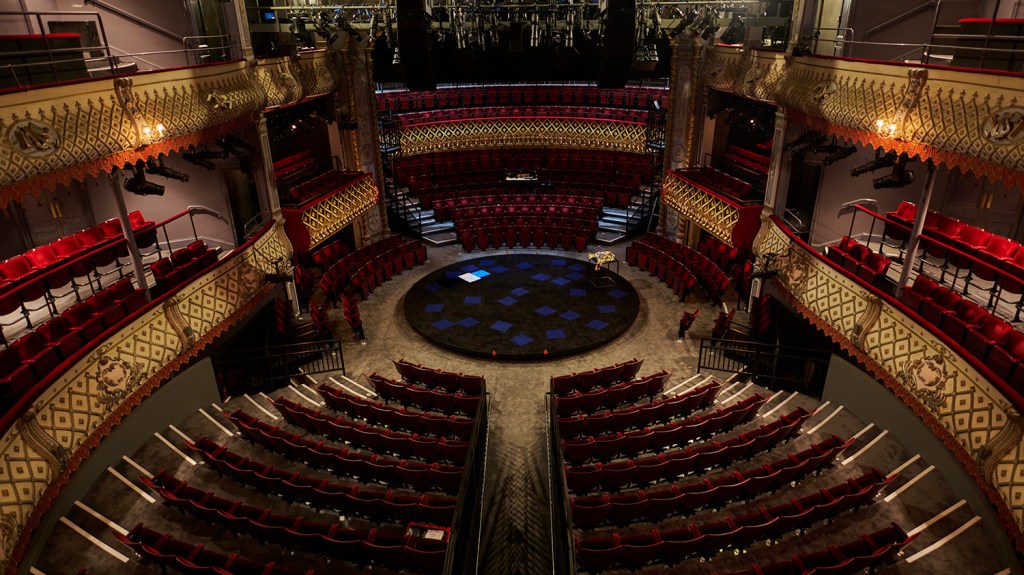
The last week of January contained three remarkable outings to the theatre. The first was Tom Stoppard’s Arcadia, generally acknowledged as his masterpiece and you can see why. With its time shifts, a quest for the unknowable, dangerous relationships and moments of side-splitting humour it makes for a mind expanding evening. I’d seen the original NT production and this version at the Old Vic couldn’t be more different, but as with Sheridan earlier, the class of the work shines through. Whereas the NT production was naturalistic with vistas of stately home parkland, the design of which is an imporatnt factor in the play, Carrie Cracknell’s version at the Old Vic is sparse, in the round with a few props and helps you to concentrate the interplay of the characters and the richness of the language. It was a bit of a shock also to see the venerable Old Vic transformed for an in the round production as apparently all this season’s plays will be.

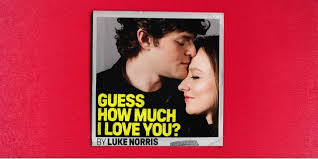
The mood changed abruptly the next evening when we went to see Guess How Much I Love You at the Royal Court. Written by actor Luke Norris and directed by Jeremy Herrin it is a play about a couple’s loss of a child through a non-viable pregnancy. Their grief and their reactions to it are powerful and moving. Rosie Sheedy and Robert Aramayo – newly Bafta-nominated for I Swear that day – display an array of reactions to the terrible news the ultrasound scan brings them through changing scenarios over time. But within the overall sadness of their plight the play has great moments of lightness and humour. Very effective set design and lighting gave a real sense of their enclosed and captive lives as they lived through the intensity of loss and eventually move towards a more promising future.

After intellectual exercise and emotional turmoil the week ended with J B Priestley’s When We Are Married at the Donmar. Sheer madness and hilarious farce ‘oop north’ when three couples discover that they weren’t officially married by a young curate 25 years ago. Facades fall away, roles reverse, past pecadillos intrude and there is a literally staggering performance from Ron Cook as the photographer from ‘The Argus’ who has been sent to snap the triple anniversary for the paper. Told to go away he gets progressively drunk, his cheeks redder at every new appearance, and crashes his way through the set. It was a shock to see John Hodgkinson as the host of the celebrations Joseph Helliwell since we last saw him covered in blood as Titus Andronicus. I’d never seen this play before and it made me rethink Priestley who I only knew from An Inspector Calls and Time and The Conways.

The month ended with a final piece of drama on the stage of Vicarage Road Football Stadium where I had the pleasure of Frances’ company in the hospitality Sir Elton John Suite which I’d won through The Supporters’ Trust lottery. We had good food and wine, visits from Luther Blissett and Tommy Mooney, a poor loss to Swansea City on the pitch and later the news that our much-loved manager Javi Gracia had resigned. He’d been back to his family in Malaga earlier in the week and I think decided that wet, grey Watford was not where he wanted to be. The club have gone through many managers (23 I think, some twice as with Gracia) over the fifteen years the current owners have been in charge but only a few have got in first by resigning.

Vampires Bach in Ramsgate

Monday sees me off to the Hampstead Theatre to join Frances for the press night of John Donelly’s new play Apex Predator. It’s directed by Blanche McIntyre who did Tom Stoppard’s The Invention of Love so brilliantly earlier this year so expectation was high. First sight of the auditorium was of a domestic kitchen-diner surrounded by towering scaffolding – well most of London is still work in progress – and rice paper screens that rise and fall to signal scene changes.

At the start, with exhausted new mum Mia rocking her young baby girl Isla who won’t sleep, I thought we were in for an update on Look Back in Anger or other kitchen sink dramas. Sophie Melville plays Mia very intelligently veering from utterly broken, unable-to-cope mother to a raging harridan when castigating her often absent on secretive IT-based police work husband Joe (Bryan Dick). Their elder son Alfie is being bullied at school and Mia’s encounter with teacher Ana, played by Laura Whitmore – a splendid mix of smooth confidante, encourager of excess and vengeful destroyer – is all friendly deviousness. The cast is completed by Leander Deeny who plays Aggressive Commuter, Park Flasher, Oopulent Womaniser and Vampire Victim. Because yes, into the domestic scenario comes vampirism in a fabulous coup de theatre at the end of act one. Blanche later confided that victim Leander had arrived at the first read through announcing himself: “I’m lunch”!

Under Blanche McIntyre’s direction, aided by dramatic sound, set and lighting design there are plenty of moments of high drama but also some very funny lines and situation comedy that kept the audience gripped. There are perhaps too many elements covered in the play but as a metaphor for greed and exploitation and increasing levels of unchecked violence the vampirism works well. It also expresses our fears for the future of the world we are just about clinging on to – an aspect highlighted in Alfie’s (played very subtly throughout by Callum Knowelden) school presentation. My immediate post show WhatsApp to a friend still stands: On train on way home – exhilarating, scary, brilliantly directed (as I was able to tell Blanche), full of familiar anxieties and I will be very careful shaving tomorrow. 

The OAE choir and the RFH organ in all its splendour.

Thursday evening is spent at the Royal Festival Hall for a performance of Bach’s St Matthew Passion by the Orchestra and Choir of the Age of Enlightenment. It was preceded by a talk with CEO Crispin Woodhead, leader Kati Debretzeni and singer Amy Wood. The discussion was enlightening (sorry) in showing how performers find something new in a very familiar work, how conductor-led and self directed performances differ and the panel pointed out various elements to listen out for. Not least the fact that the opening sung word of Part Twp lasts for a full fourteen beats. The word? Ach.  (Ah).

The mass is a piece I’ve heard in several guises over the years and the story is familiar. After all I spent a long while in Israel back in 1992 producing a photographic The Bible Alive for Harper Collins publishers with photographer Tony May. Budget and logistics meant we could only use twelve extras so while the cruxifixion wasn’t too challenging we had fun with the wedding at Canaan and the feeding the five thousand spreads. And only affording to hire three camels made the Magi caravan cover spread a logistical nightmare with multiple walkie talkies across the hills. All this in the early days of image manipluation – years before Photoshop was developed, we used mostly the Quantel Paintbox.

The balanced forces of the OAE in two orchestras, the excellent soloists and a dynamic approach from Jonathan Cohen gave the mass a wonderful clarity and strong narrative sense. There were many highlights but for me probably ‘Erbarme dich’ (Have mercy) with the outstanding countertenor/alto Iestyn Davies interacting with Huw Daniel’s violin with muted string underscore was the pinnacle – suffering, compassion and humility all in a few bars of exquisite music.

It was altogether a wonderful evening in a hall with consummate musicians enjoying what they do best. At the end there was a stunned and respectful silence before an outbreak of rapturous applause and many recalls for bows from the soloists and Jonathan Cohen.

Theatre, music and now literature. Saturday saw me head off to Ramsgate for the launch of my friends Anna Błasiak and Lisa Kalloo’s latest book of poems and photographs – largely about growing up gay in Poland in the latter decades of the last century. But I was also able to take in some new areas of this fascinating town after having to be rescued by Anna after not reading the poster properly and going to the wrong (derelict) venue.

There are a number of ‘Lawns’ around Ramsgate – Anna and Lisa live in one too – and very elegant they are with their Georgian frontages and curved construction to enhance sea views. But now to the real purpose – the launch of Deliverance/Rozpetanie Anna and Lisa’s second collaboration in a volume of poems and photographs. It’s bilingual in Polish and English, often as you can see in the poems featured below in alternate phrases and sentences which produces a wholly different reading experience from the more conventional parallel text treatment. You can buy it here and it’s an emotional roller coaster with horrific stories of prejudice but lots of humour too and it is complemented by Lisa’s haunting photographs. Anna was interviewed about her work and read several of the poems to a thoroughly engaged audience.

Many of the photographs from the book were displayed in the gallery too and some of the concrete poems. I met a lot of new and interesting people and was able to pay for my overnight hospitality by assuming the duties of ‘wine pourer’ – well some things just come naturally.