Cultural continuum

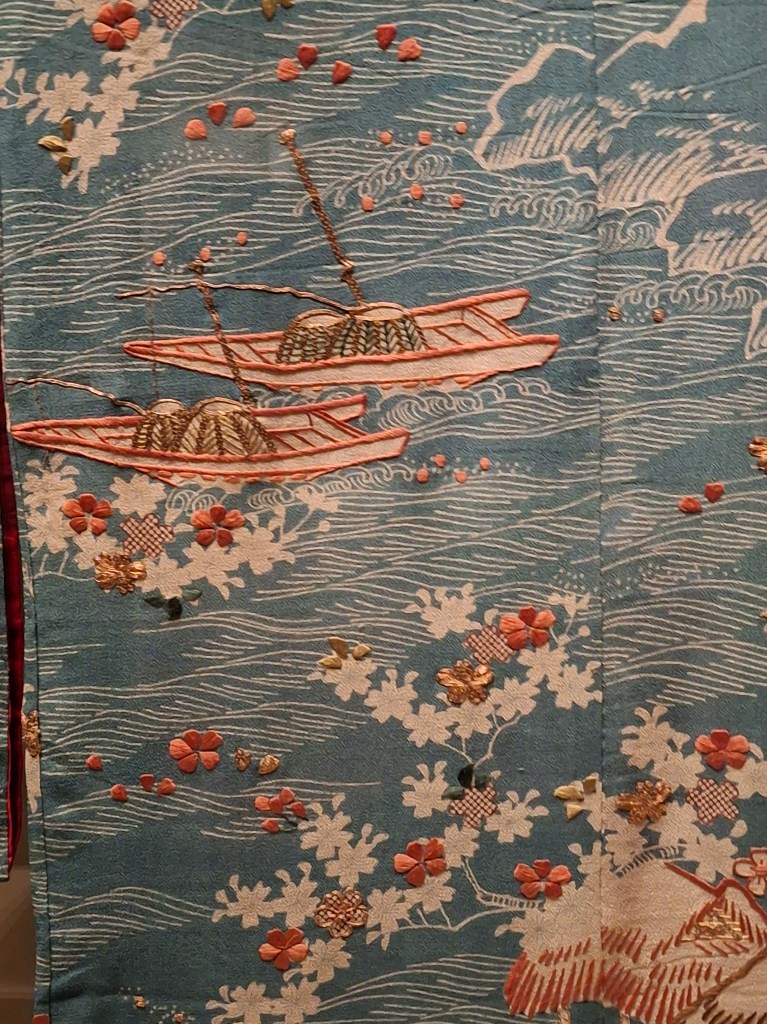
My first outing in April was to an event in the Whitechapel Gallery called Threading Words. The poetry group of which I’m a trustee has some connections with the organisers Babel’s Blessing. This charity arrnages language tuition in many tongues for recent immigrants to help them play an active part in British society. This session was led by a South African-German artist Nomakhwezi Becker who took us through a fascinating couple of hours of self-exploration based on her insights from Xhosa and other African cultures with a modern European gloss. Who knew that the intricate beadwork patterns so much a part of Zulu culture sent explicit messages such as ‘I fancy you’ or ‘Stay away’? I had a chance to chat to Khwezi and the Babel’s organiser Marina Castrillo and hope to see them both at our next BBPC gathering at the end of the month.
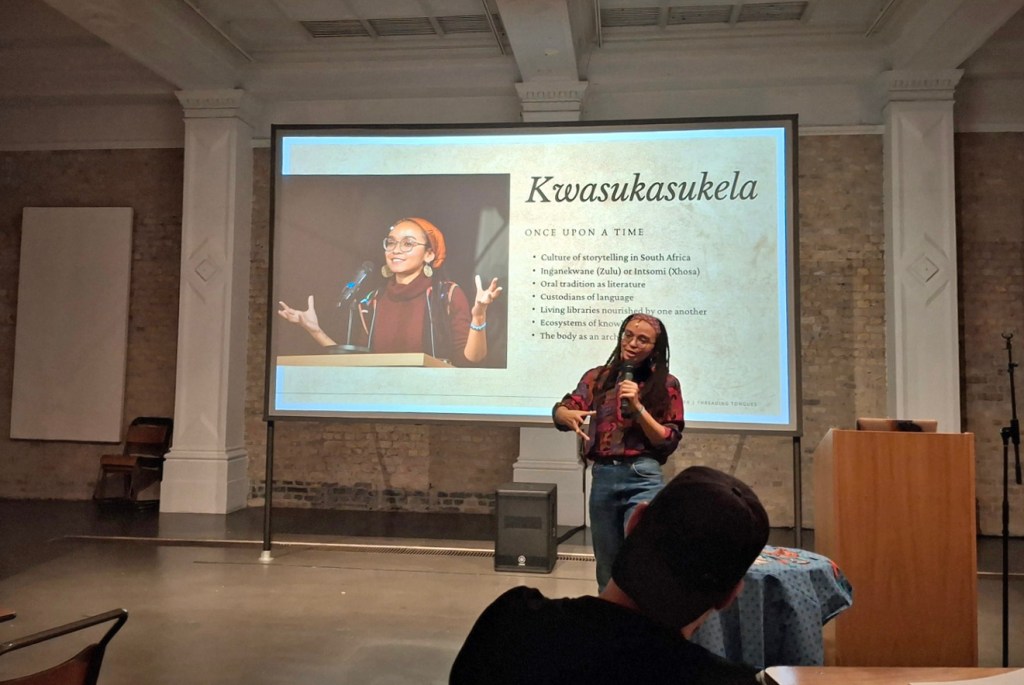
Nomakhwezi began by telling us about storytelling traditions which are so important in every culture – the screen reads ‘Once Upon a Time’ – and then asked us to identify things that were important to us in relation to colours, scents, the contents of drawers and handbags, the weather and places. I’m not usually a fan of heart searching in public but found Nomakhwezi’s prompts particularly well chosen so that I and those around me wrote copiously in response. I kept the messages that the session elicited and have found them helpful in planning my days.

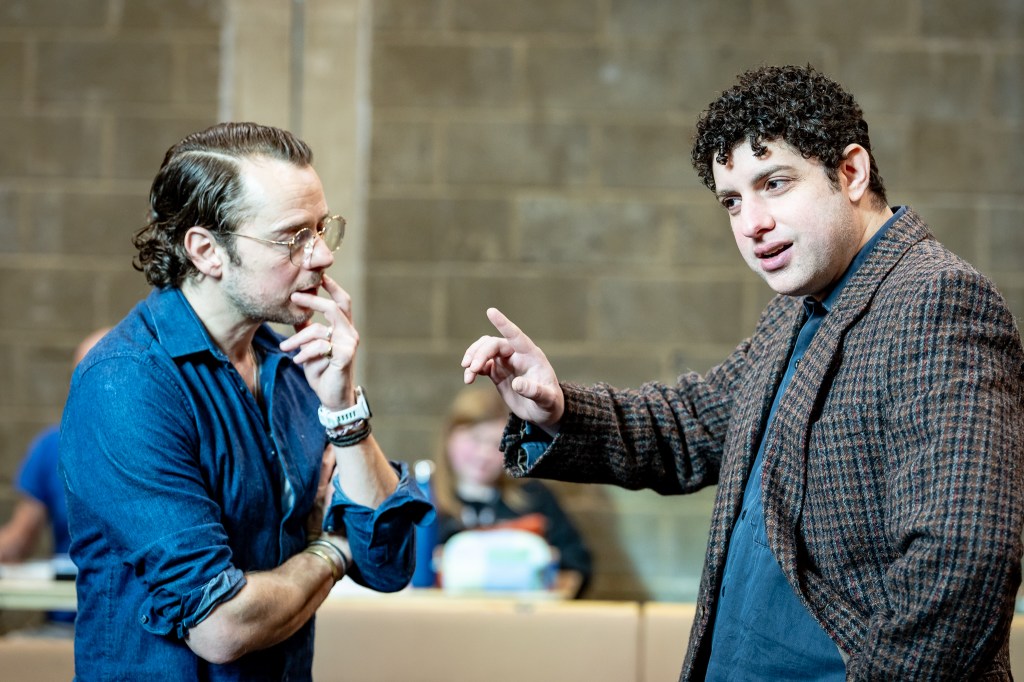
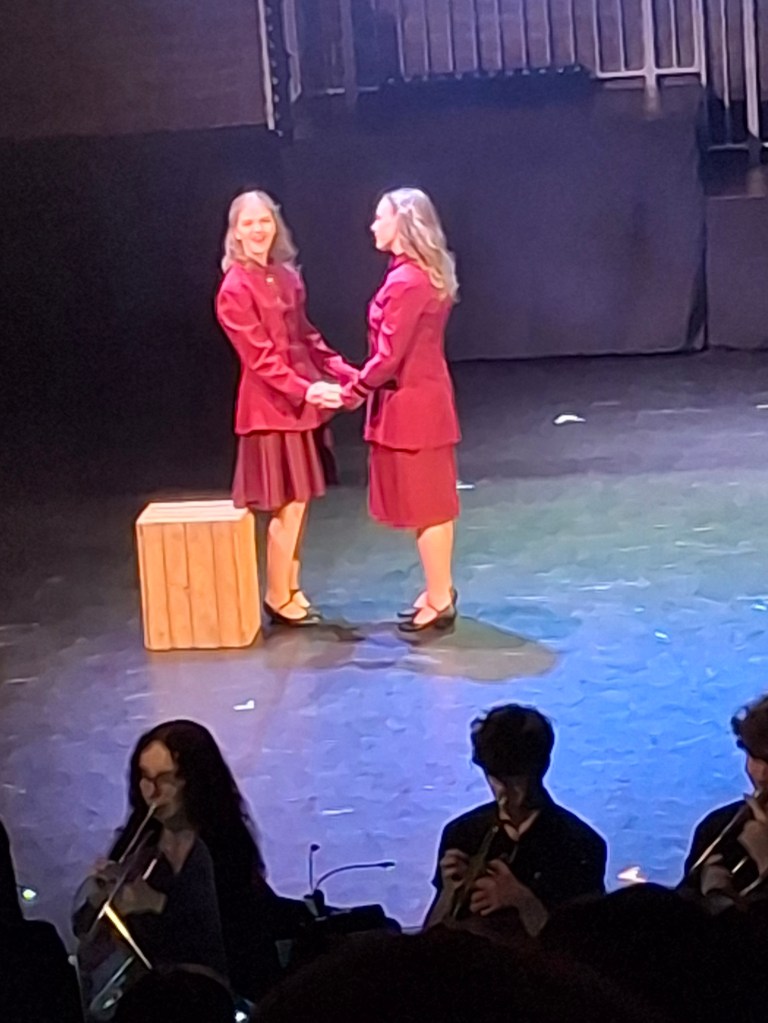
Some sensational retelling of a well-known story was taking place at the Royal Court Theatre. John Proctor Is the Villain is a retlling of Arthur Miller’s The Crucible by Kimberly Bellflower She relocates the action to a high school in Georgia where a group of – mostly – adolescent girls discuss the play with personal-inspired insights and some startling revelations. It’s set in the noughties and the young women want to set up a feminist society, I guess on the wave of #Metoo.The club is finally establshed after institutional doubts when the teacher suggests boys should be members too. The members all have clear characteritics – swot, rebel, newcomer, plus an absentee with a backstory of great importance to the subsequent revelations. The young cast – three making professional stage debuts – are outstanding and the denoument is a remarkable piece of modern theatre. Photo below courtesy Royal Court Theatre

It is getting a deserved West End transfer in 2027 when it will run at Wyndham’s Theatre from February through to April. Do go and see it – I’ll be going again. Another of this year’s highlights Arcadia is also transferring from the old Vic to the Duke of York’s in June. Miller and Stoppard are getting lots of exposure right now and rightly so.
Having seen part of the technical rehearsal, it was with interest that I went to Hampstead with Frances to the press night for the revival of Michael Frayn’s Copenhagen. You know you’re getting old when you’ve seen the original version of so many plays being revived now – one marking its fiftieth anniversary! I noticed in the technical and tonight that the three actors were miced up and wore earpieces – a growing trend I’d noticed recently. I am used to presenters with lots of technical script to deliver having it replayed through an earpiece so they can be one-take-wonders. But actors! It was clear that Richard Schiff playing Niels Bohr needed some help as he was very stumbly – some kind audience members later said they found it effective characterisation of the older man. Alex Kingston playing Bohr’s wife Margrethe had a few flufs but brought some much needed warmth to the play while Damien Maloney as Werner Heisenberg performed with German efficiency.
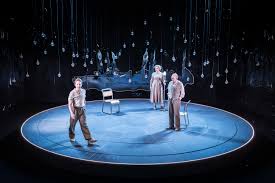
It always was a very wordy and complex play with the central mystery about the reasons for the 1941 meeting between the two former colleagues now on opposite sides in the war. As with a number of productions these days the Trumpian overtones were quite obvious and played up in Michael Longhurst’s direction. The real star of the evening was the set designed by Joanna Scotcher with a water-filled moat surrounding the central revolve and hanging light bulbs feeling like so many atomic particles. They also changed colour to suit the mood – in a series of clever lighting effects.

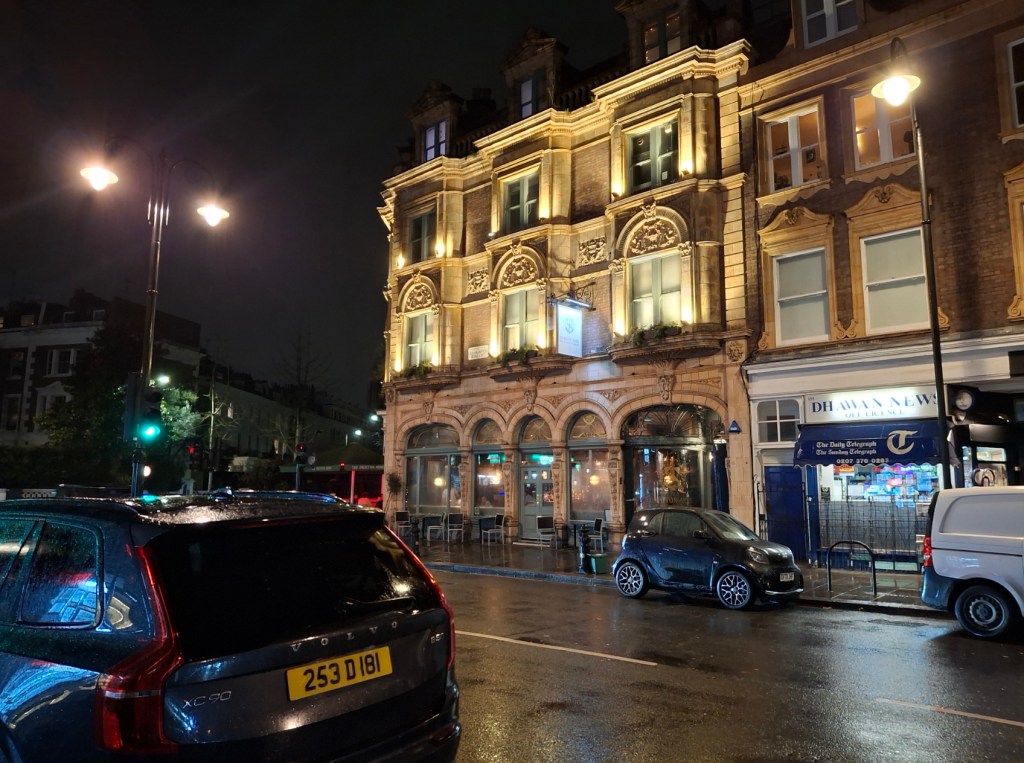
It was well done and thought-provoking but perhaps not the most enjoyable evening in the theatre. The after party more than made up for that with old friends and new chatting about everything under the sun – and drinking far too much. I was more restrained the next evening when I was able to catch up with my friend Rosa over dinner at the Union Club. Rosa is mostly based in a fabulous apartment in Girona nowadays but had to come back to get her car MOTed and various other chores and catch-ups. It was lovely to see her after quite a time and we put the arts world completely to rights during the evening.

The there was another nostalgia trip to see Teeth ‘n’ Smiles having a fiftieth anniversary revival. I saw the original with Helen Mirren as Maggie Frisby, the alcoholic fading rock star, played in the Duke of York’s Theatre by Rebecca Lucy Taylor who I have to say is a better singer and can act too. Coming from Rotherham her accent was spot on. David Hare’s play still feels very much of its time despite a few updating references. But it brought back happy memories of younger times of carefree excess and thoroughly irresponsible behaviour. The set was suitably shabby and the direction by Daniel Raggett (no relation that we’ve yet discovered) was pacy and engaging. I thoroughly enjoyed the depiction of a disintegrating band with its internecine rivalries and battles. And the original music by Nic and Tony Bicat was enhanced with some new songs from RLT or Self Esteem as she is known professionally.

For some mad reason I decided to go to see Watford play against Oxford United. It’s the dog end of the season where we can’t go up or down so there’s nothing to play for but pride and there was little of that on display as we lost 2-0. This lead to a truly toxic atmosphere at the end of the match with the players standing resolutely suffering piled on of abuse from certain members of the so-called support, who are clearly too young to remember what a state the club has been in at several periods of its existence.

I was pooh-poohed by some members of our party for my decision on arrival at Oxford Station to head off to the Ashmolean Museum rather than heading straight to the pub.
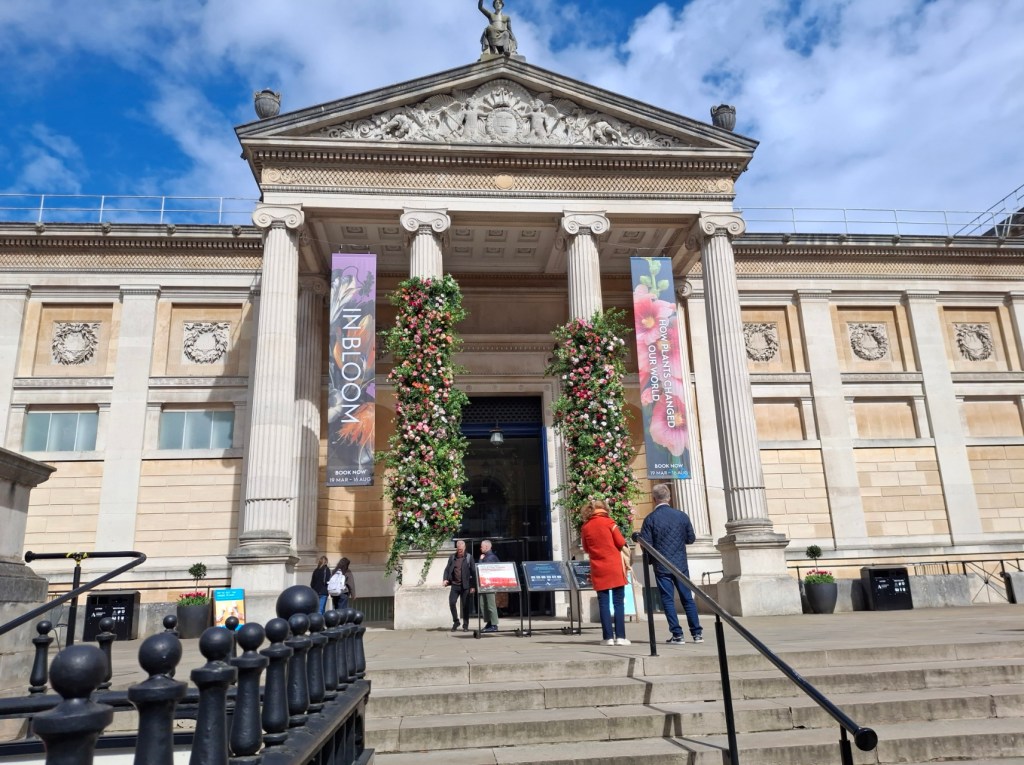
For once I made the right call – they waited 35 minutes for a bus, I was in the museum in 7 minutes. Flower displays adorned the portico presaging the exhibition called In Bloom about the history of gardening, plant hunters and the commercialisation of horticulture. It was excellent, small enough to be done in an hour or so but very informative and containing some beautiful and interesting images and objects.

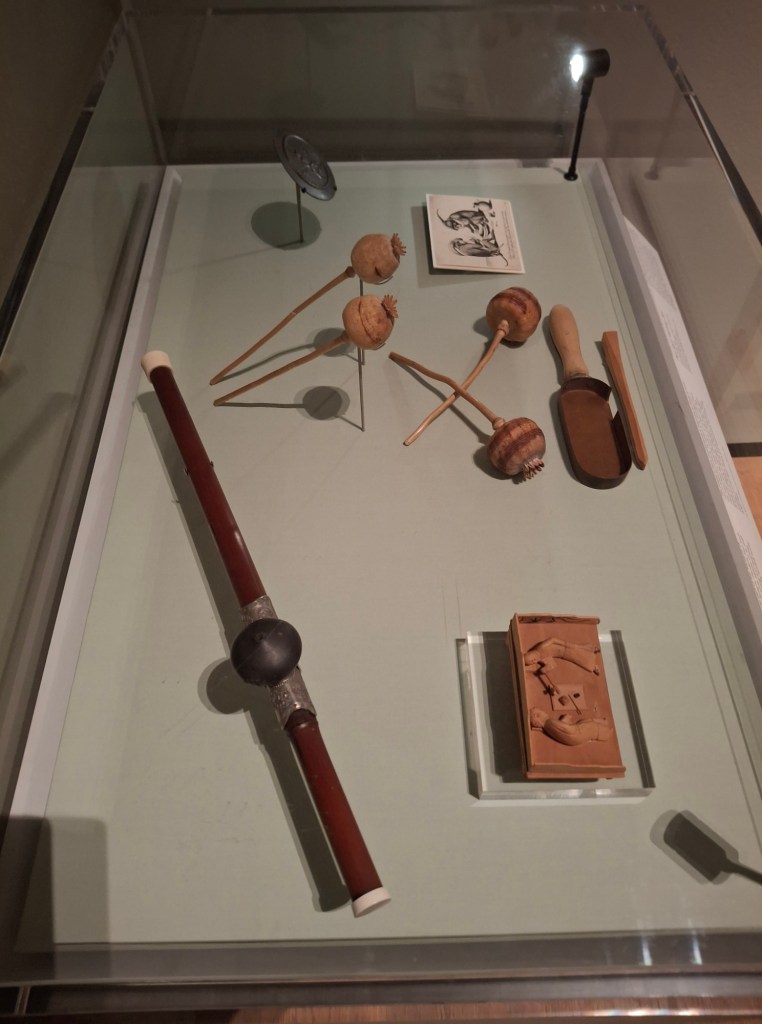
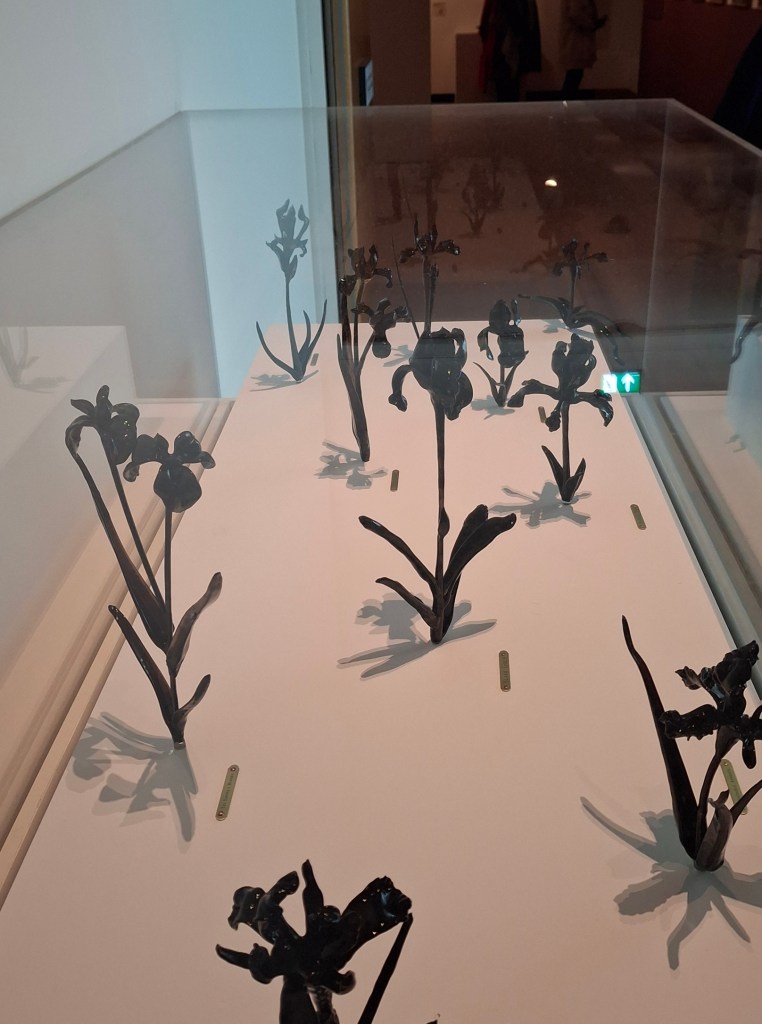
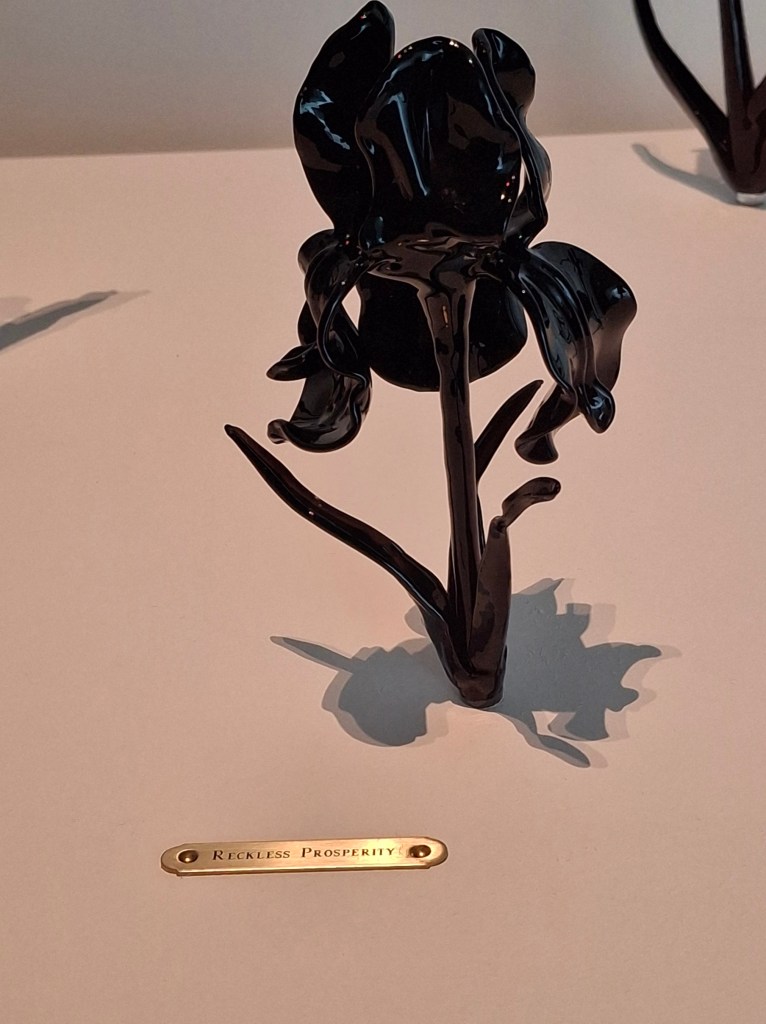
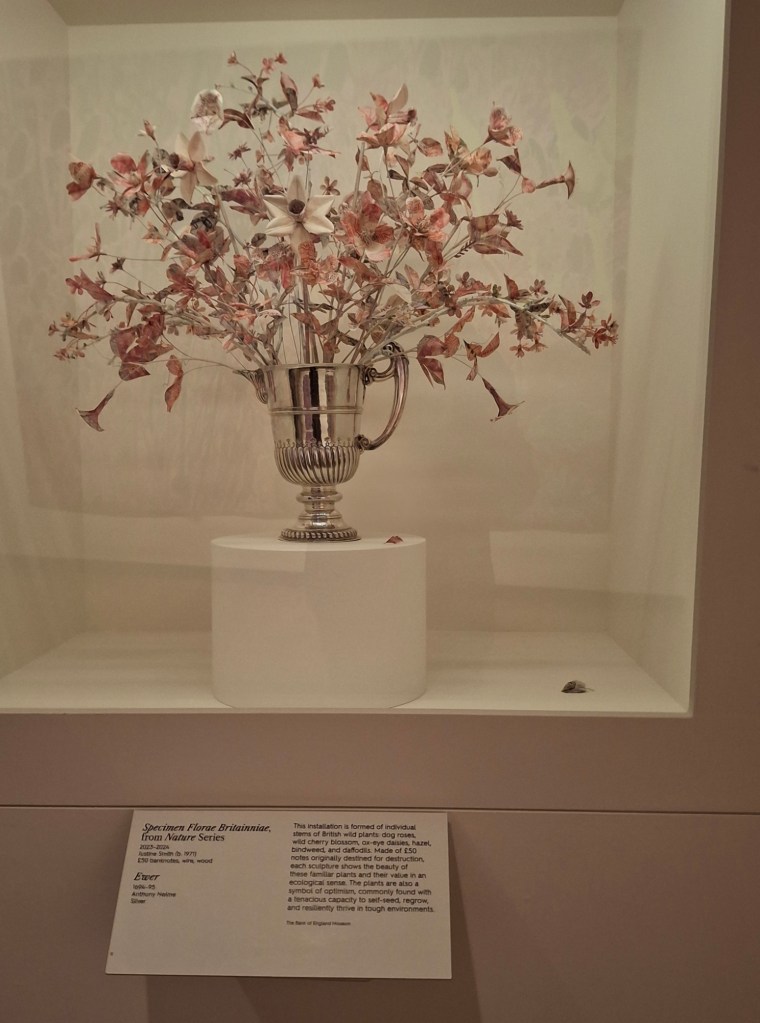
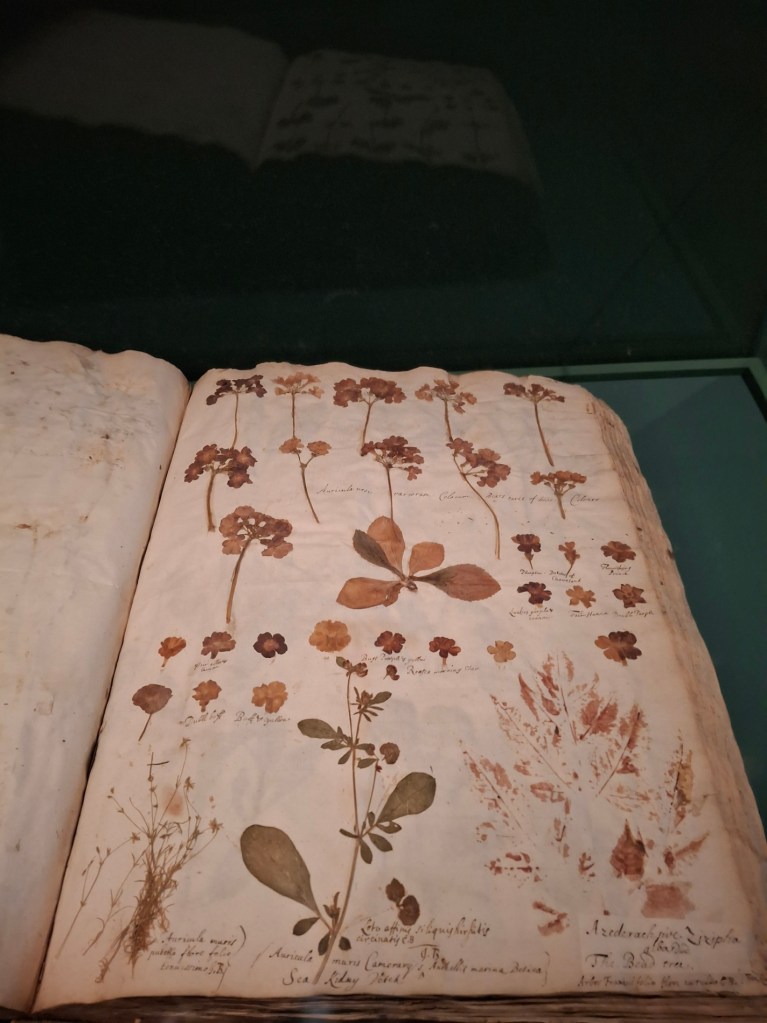
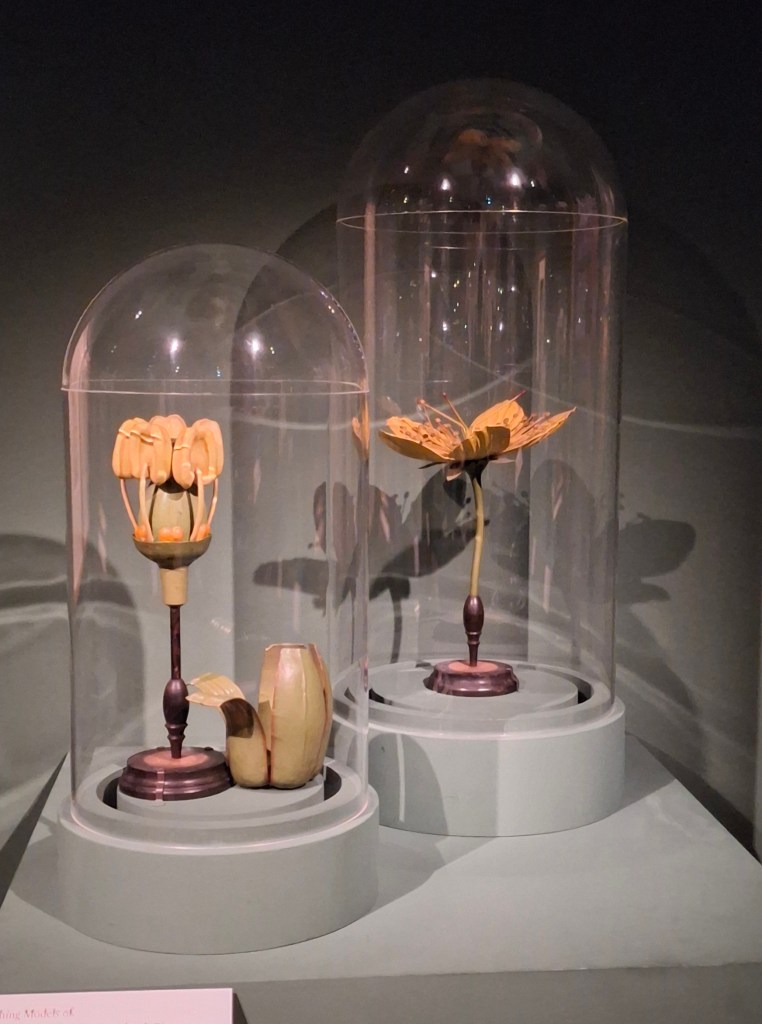
The exhibition featured early plant specimens lovingly pressed into folio volumes 400 years ago, botanical drawings, portraits of plant hunters and seed gatherers and some of the equipment they used. It didn’t shy away from the horrors brought about by the discovery of the powerful effects of the opium poppy, the mad vogue for the tulip that led to the bubble of 1634 retold in the Tom Stoppard and Deborah Moggach sceenplay for the film Tulip Fever in 2017. There were smell stations to distinguish between black and green tea and to smell burnt poppy seeds and bizarre botanical teaching models. Modern artists were invited to exhibit their reaction to the displays and there were paintings, tapestries and sculptures that extended the scope to the present. Flower displays by Justine Smith made from used banknotes epitomised the dangers of always seeking the new. The sculptures and prints of the Iranian artist Anahita Norouzi were especially striking. Her flower scultures bore significant titles focusing on the colonial exploitation and her prints made in crude oil were a timely reminder of the horrors currently unfolding in the Gulf. I’m very glad I went to see it, particularly as the football was awful and the pub had no real ale.
Romola Garai was nominated for two Oliver supporting actor roles – The Years at the Almeida (won) and Giant at the Royal Court. I reckon she’ll be up for another next time for her amazing performance (leading not supporting) as Nora in the new version of Ibsen’s A Doll’s House by Anya Reiss. It’s in a modern setting but with all the tensions of the original. The Italian rest cure is replaced by a rehab stint in a Portuguese Priory, there are maxed out credit cards and the expected higher levels of income come not from a promotion in the bank but the sale of a company which has nearly but not quite gone through. The stripped down cast leaves the children only heard through a sleep monitor but this probably helps speed up the action. I found it had a very strong link to the original while exploring more modern themes. The absence of children made Nora feel slightly less trapped in her domestic cage than the original and the conclusion was left up in the air with a quick cut to black with everyone on stage rather than a slammed door. Lots to ponder which is a good thing on leaving the theatre. Next year’s supporting actor nomination should go to Thalissa Teixeira who was the most sympathetic character as Kristine and gave a superb portrayal of the impoverished widow and former university friend.
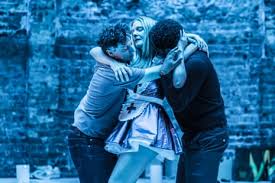
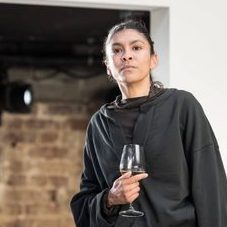
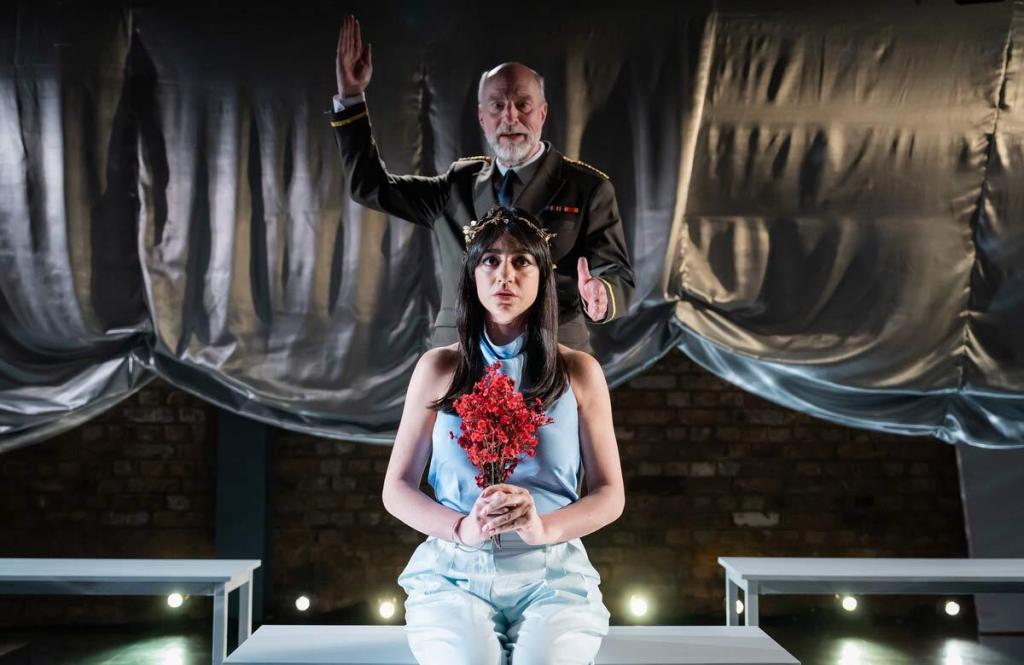
Iphigenia at the Arcola Theatre was again, a modern retelling of the familiar myth interspersed with live footage in various languages from people who had lost children through famine, refugee journeys and other misfortunes. These unwilling sacrifices made the dilemma faced by Agamemnon and Clytemnestra all the more poignant. It was an effective version with some fourth wall breaking moments and a haunting musical accompaniment. The backdrop of sails which turned into waves and the simple set framed some fine performances from Simon Kunz as Agamemnon, Mithra Malex as his daughter and Indra Ove. The modern political scene was never far from your thoughts as Agamemnon was prepared to kill his daughter in order to get wind for his fleet to sail into battle in a distant land in an unwinnable war – until a wooden horse tipped the balance after ten years of slaughter. We never learn anything myth or history it seems.
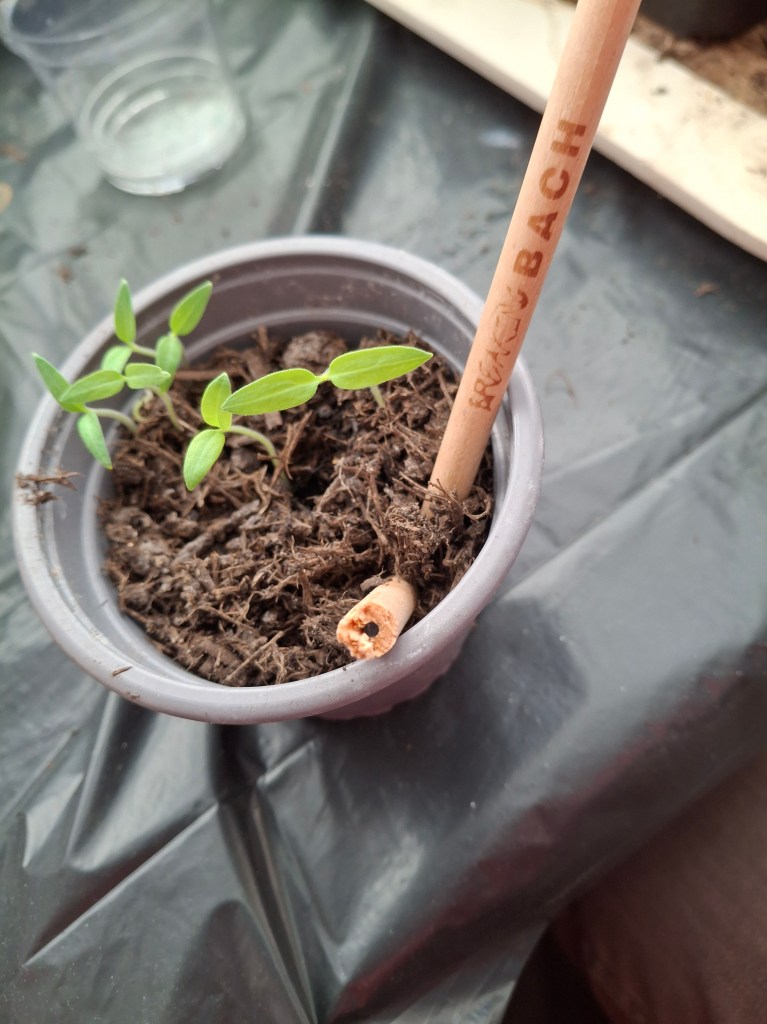
So it’s off to the Queen Elizabeth Hall for the latest in OAE’s experiments. One of the things I love about the organization is that they are always trying new ways of presenting music. Last year there was the amazing Breaking Bach promoted with among other things, plantable pencils. Mine says it’s sunflower seeds but the seedlings look very like tomatoes to me. At least they germinated! I shared this photo with some of the OAE team online and before the concert and we all eagerly await the next set of leaves and glorious sunflowers to plant out. I’ve promised to document progress.
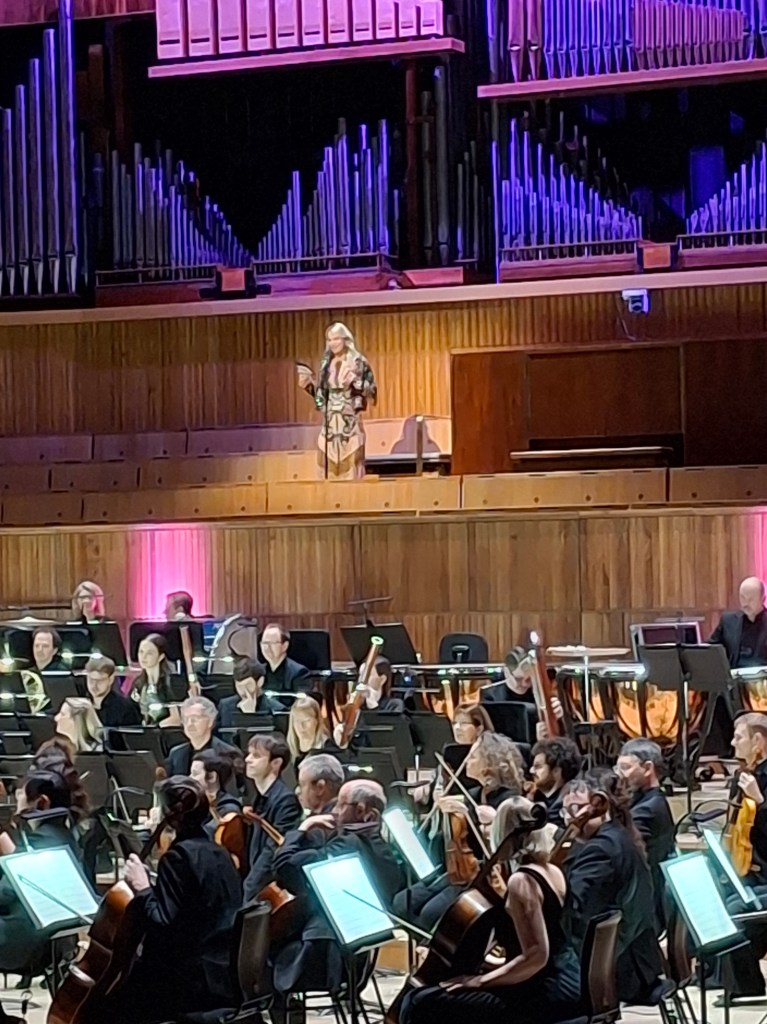
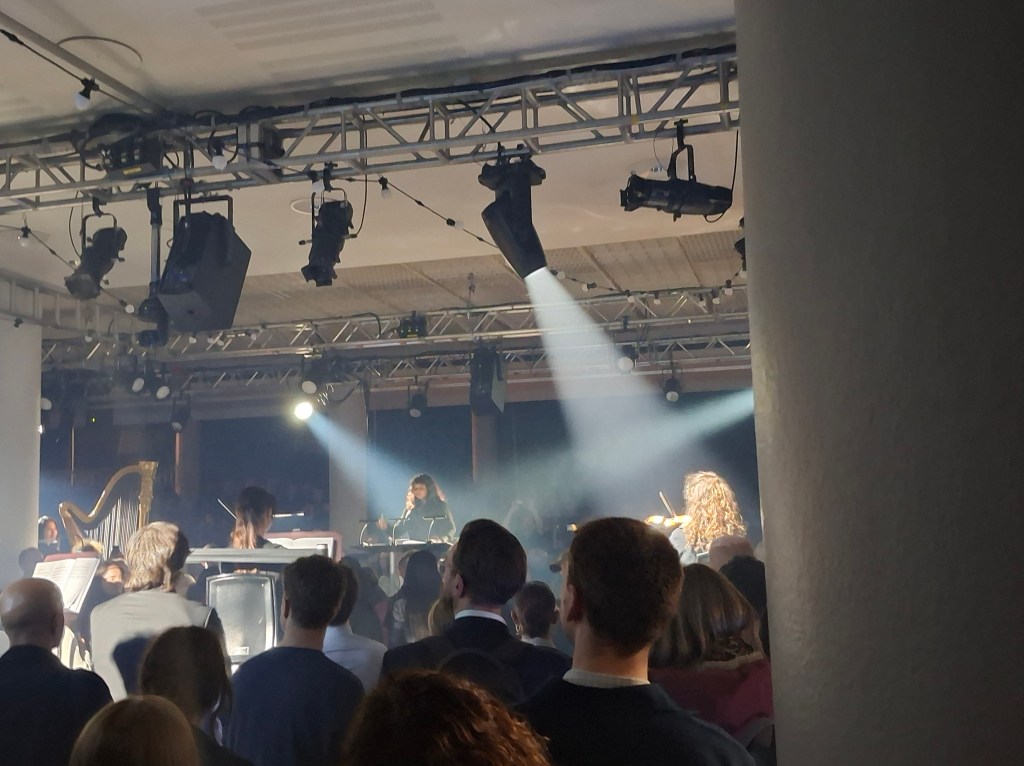
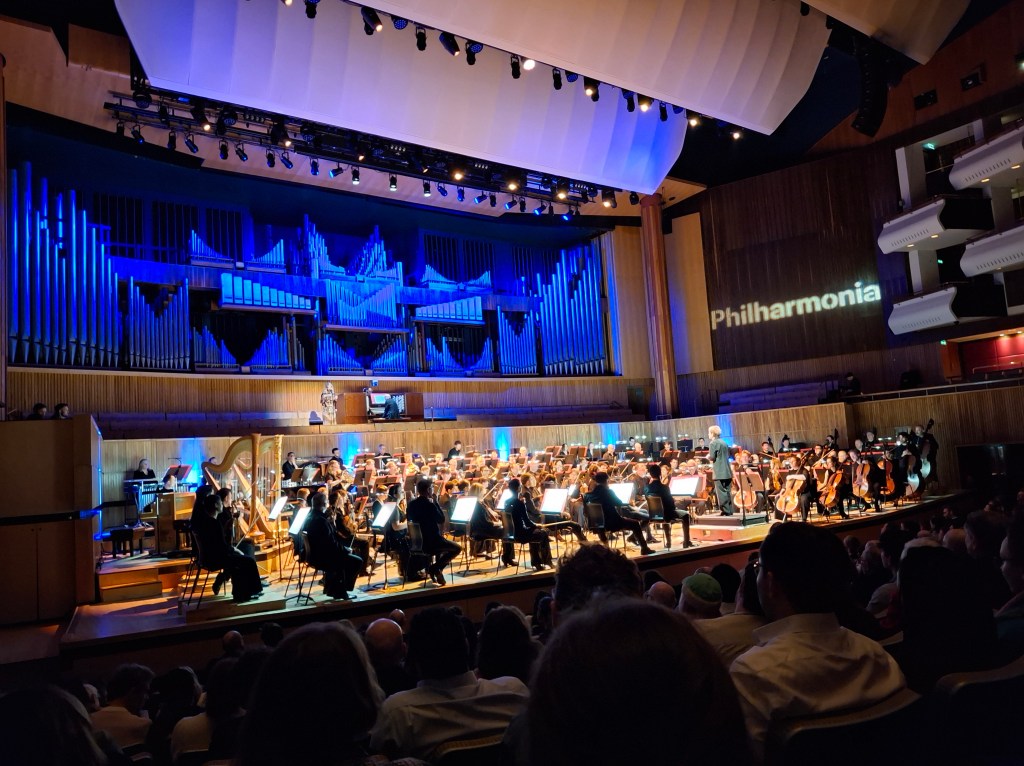
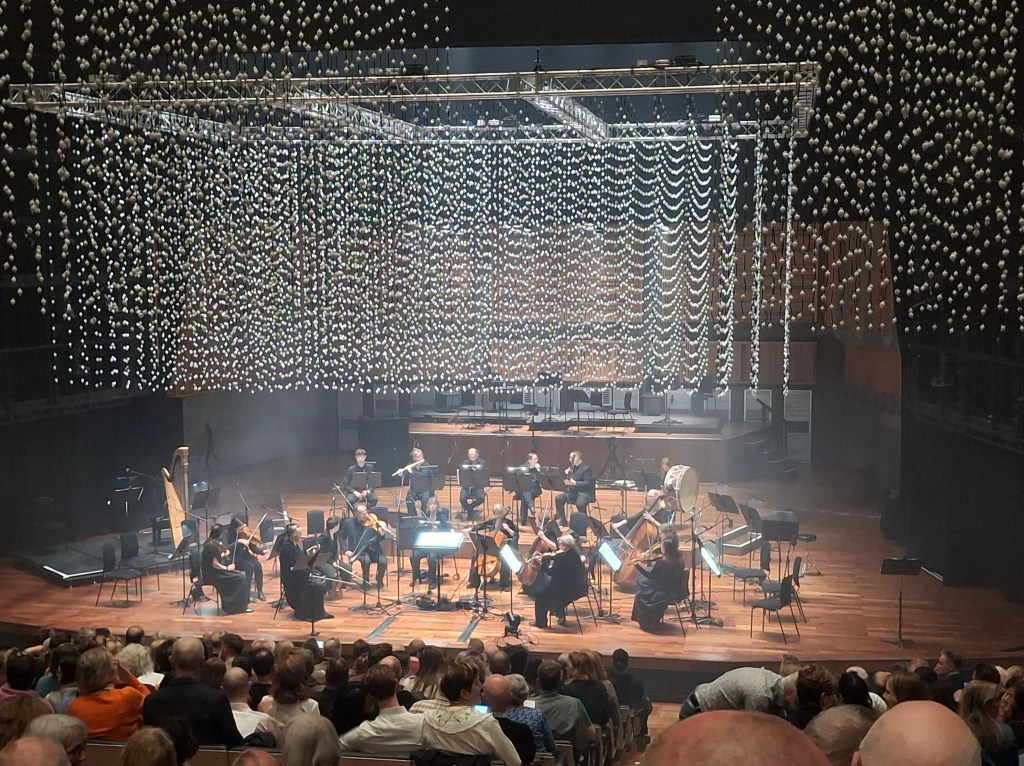
The concert tonight is Echoes of Hill and Horizon and present music outside OAE’s normal comfort zone. In collaboration with the Southbank Centre and Squidsoup – a specialist lighting company. The blurb promised “an immersive soundscape” and we were treated to bird calls in the foyer recorded at Leith Hill, Place Vaughan Williams’ home, to prepare us for his The Lark Ascending. What shocked on entering the hall was the massive grids with their arrays of tiny lightbulbs. I was glad I had chosen a rear stalls seat as there was one bank of lights above the central walkway behind front stalls punters’ eyelines. What was to come?
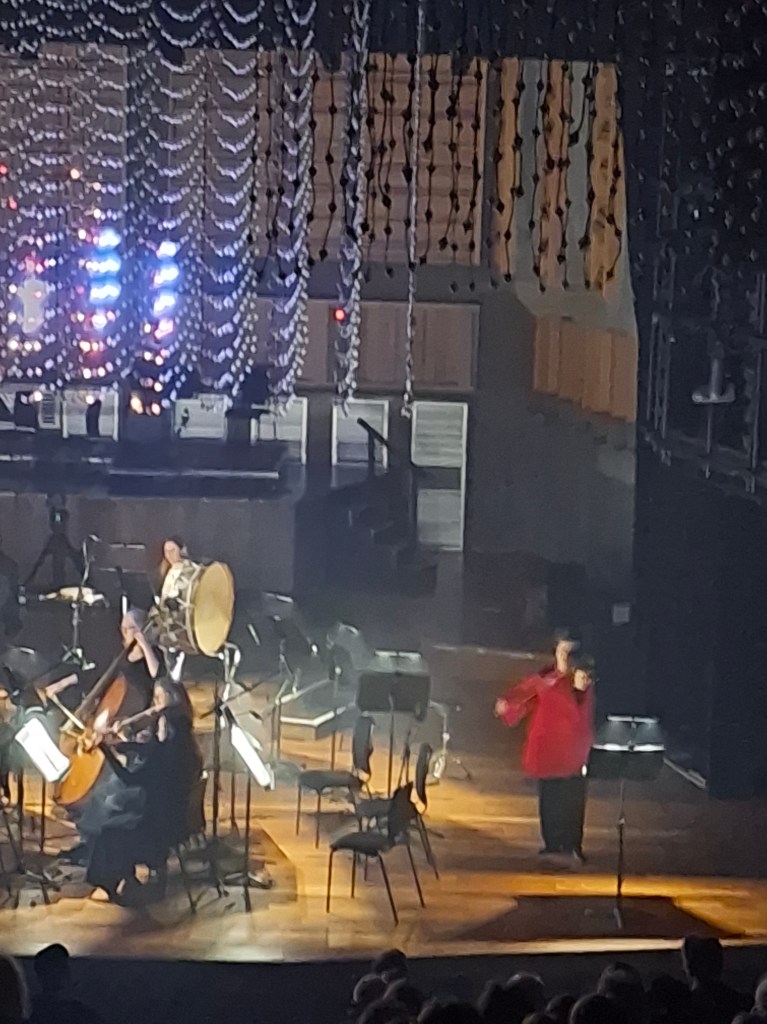
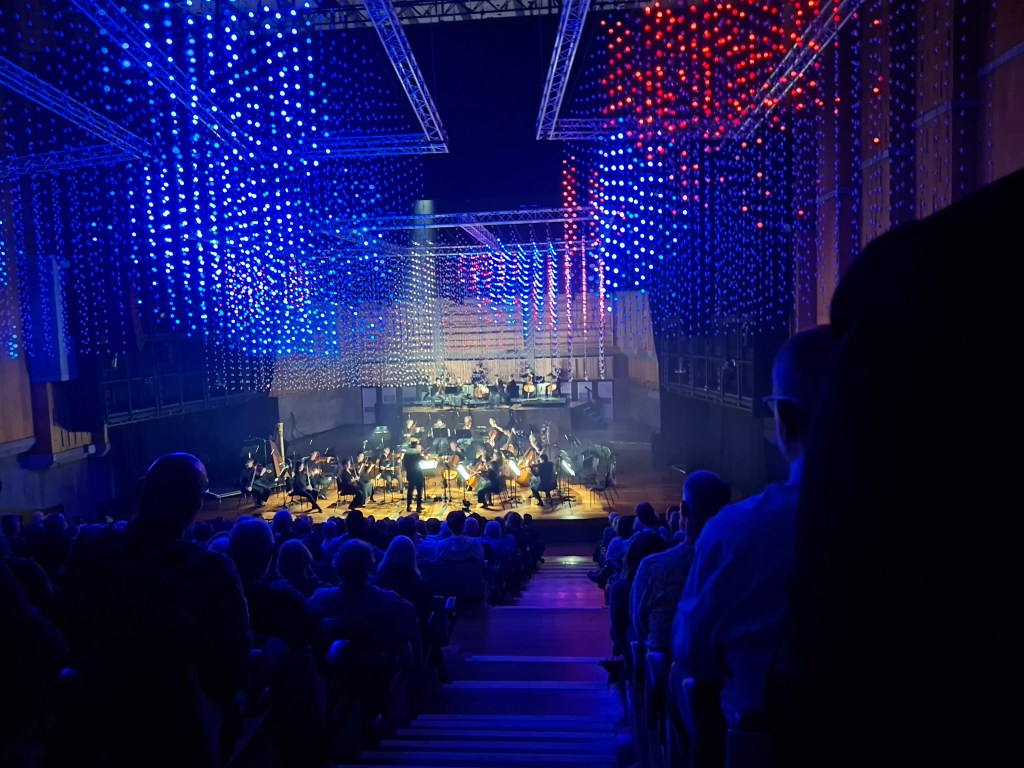
House lights dimmed, the orchestra played the opening bars and then Kati Debretzeni’s soaring violin was heard offstage. She emerged and continued to play from various points on the stage before disappearing again at the end. It was an inspired performance all the more effective because it’s the first time she’s ever played it. She explains her approach entertainingly here. The lighting streams showed said lark (oddly in red and white looking more like a Welsh dragon) flitting from side to side and back to front always rising with the thousands of bulbs able to change colour magically – it reminded me of the lights on the Copenhagen set last week. The lighting changes fitted well with the moods of the music – sometimes a bit obvious like the green swathes for Fantasia on Greensleeves – but often enhancing my appreciation of the music. For Vaughan Williams’ Fantasia on a theme of Thomas Tallis the orchestra split in two with some effective antiphonal layered playing in this familiar piece. What mattered most for me about the evening was the Southbank’s Concrete Voids sound system. Each musician had a stand mic beside them and the lightly amplified mix played into the auditorium was astounding. Every note was clear, as you’d expect from this band, but the enveloping effect of the surround sound was for me the highlight of the evening. To hear very familiar repertoire in such a new way was really satisfying and sent me from the hall with a real buzz of delight. Did the lights mean a lot? Probably a bit gimmicky and added only slightly to the pleasure of the music. But the Comncrete Voids system added a lot.
And the next evening there’s another stunning stage debut at the Kiln Theatre. And he’s only playing John Lennon! Noah Ritter was the debuntant alongside the chameleon that is Calam Lynch as Brian Epstein in Tom Wright’s play Please, Please Me. it was insightful, touching on Epstein’s discovery and subsequent management of the Beatles – none of their music was heard because of massive licencing fees, it seems. The one woman in the cast Eleanor Worthington-Cox plays John’s Aunt Mimi as well as Cyn/Cilla John’s first wife and Epstein’s other signing Cilla Black. She was excellent tin all three roles with subtle changes of headgear and wigs. The versatile set wheeled and danced across the stage with the outline of the Cavern Club providing a background. Amit Sharma’s direction allowed space for the play’s themes of Jewishness, illicit homosexuality, addiction and privacy stolen by beatlemania to unfurl in crisp dialogue with many moments of humour amongst the overall gloom thrown by Brian’s death aged 32 two years before homosexuality was made legal un the UK.

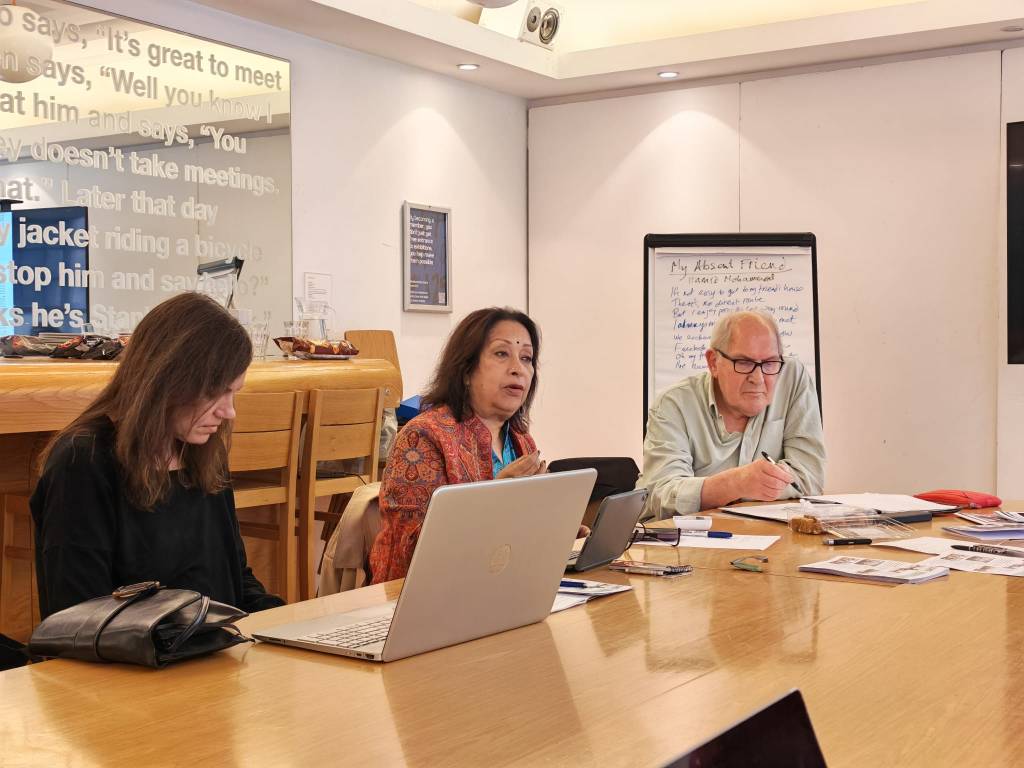
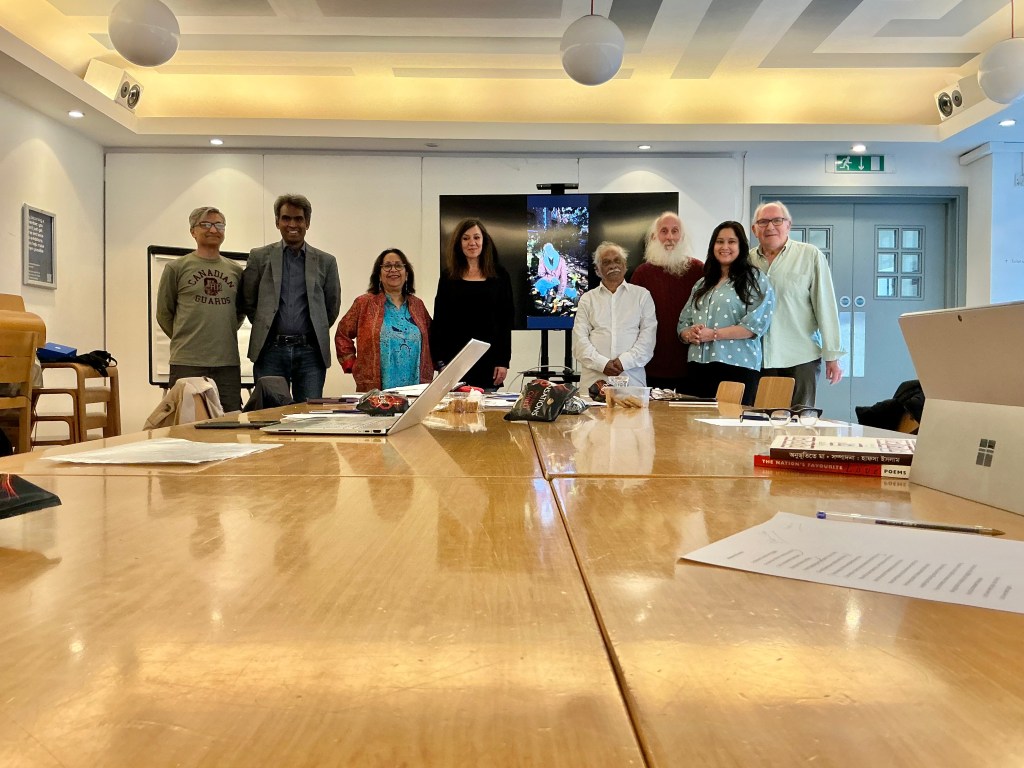
Bookending the blog neatly, the last Sunday of alternate months means it’s time to head back to the Whitechapel Gallery for the British Bilingual Poetry Collective’s Bi-monthly Meetup. At the last meeting we’d agreed a theme of Absent Friends as 26 April was the anniversary of one of our member’s father’s death and it was the week when my late wife Dee had her birthday so it seemed a good occasion to remember those no longer with for whatever reasons. Several poignant poems were read and lively discussion ensued as memories were exchanged.
And Feb ain’t started slow …

My goodness – we’re not yet halfway through the month and there’s all this to write about!

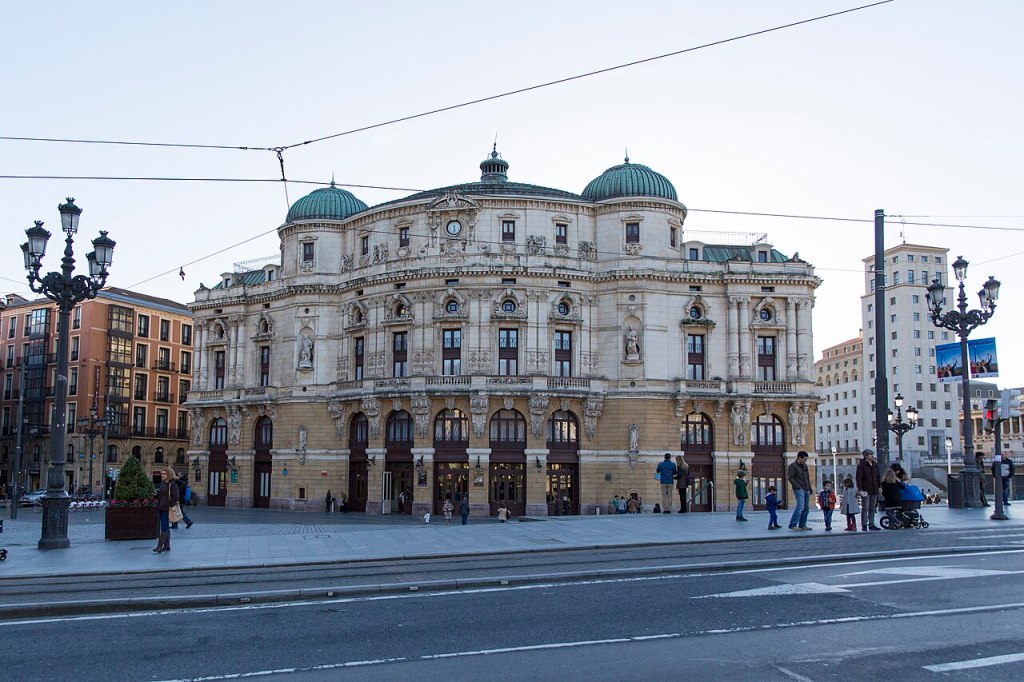
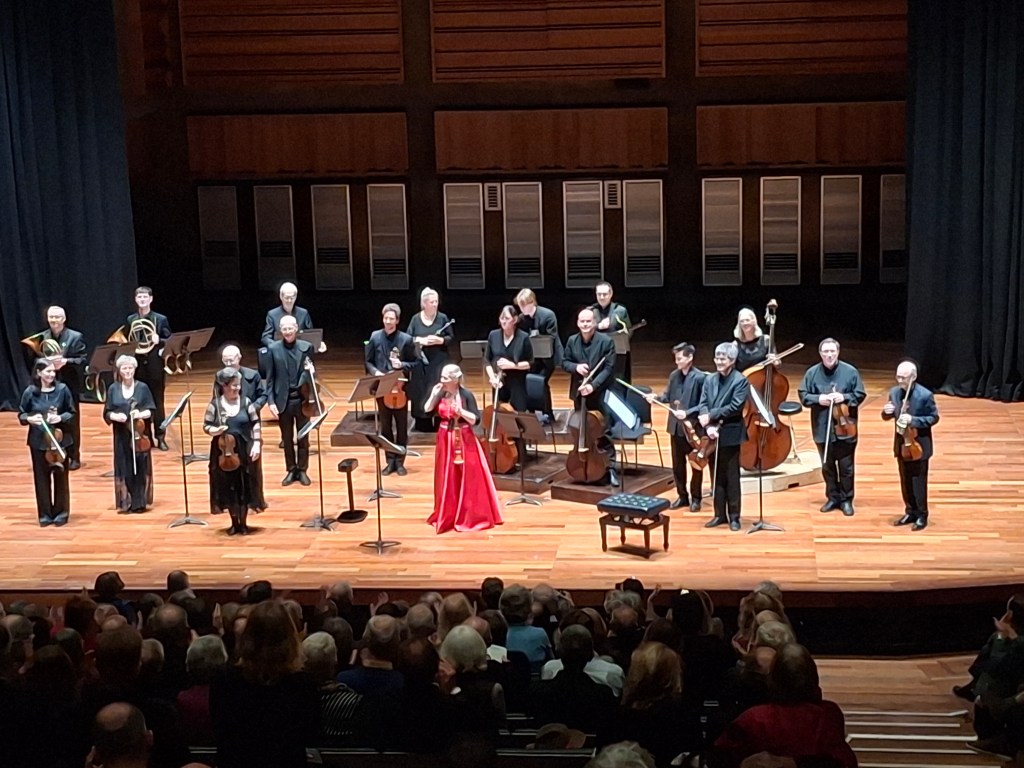
Following the rehearsal I attended last month at Acland Burghley School for the OAE’s planned concert featuring Mozart’s clarinet concerto, February started with the actual performance at the Queen Elizabeth Hall. It was fascinating to see how the subtle changes that had been suggested during the rehearsals had made their way firmly into the final version – except that no version is ever final as the room, the audience and the moment make every performance unique. The interplay between Kati Debretzeni as leader and Katherine ‘Waffy’ Spencer on her beloved basset clarinet ‘Grace’ was moulded into an outstanding piece of music. The concert opened with an overture by Juan Crisostomo Arriaga – often dubbed the Spanish Mozart for his precocity and the fact that he and WAM were both born on 27 January, albeit 50 years apart. This was written when Arriaga was 14 and who knows where he might be in the pantheon if he’d lived beyond the age of 20. At least there’s a theatre named after him in his home town of Bilbao where we saw a not very good zarzuela production in 2008. Each half of the QEH concert concluded with a mad encore devised by Waffy of arias from Die Enführung aus dem Serail with ‘Grace’ as Konstanze and bassoons as the males, Belmonte and the Pasha, with Acland Burghley students displaying large card captions to tell the story. The OAE as well as being great musically are also great fun (see below).

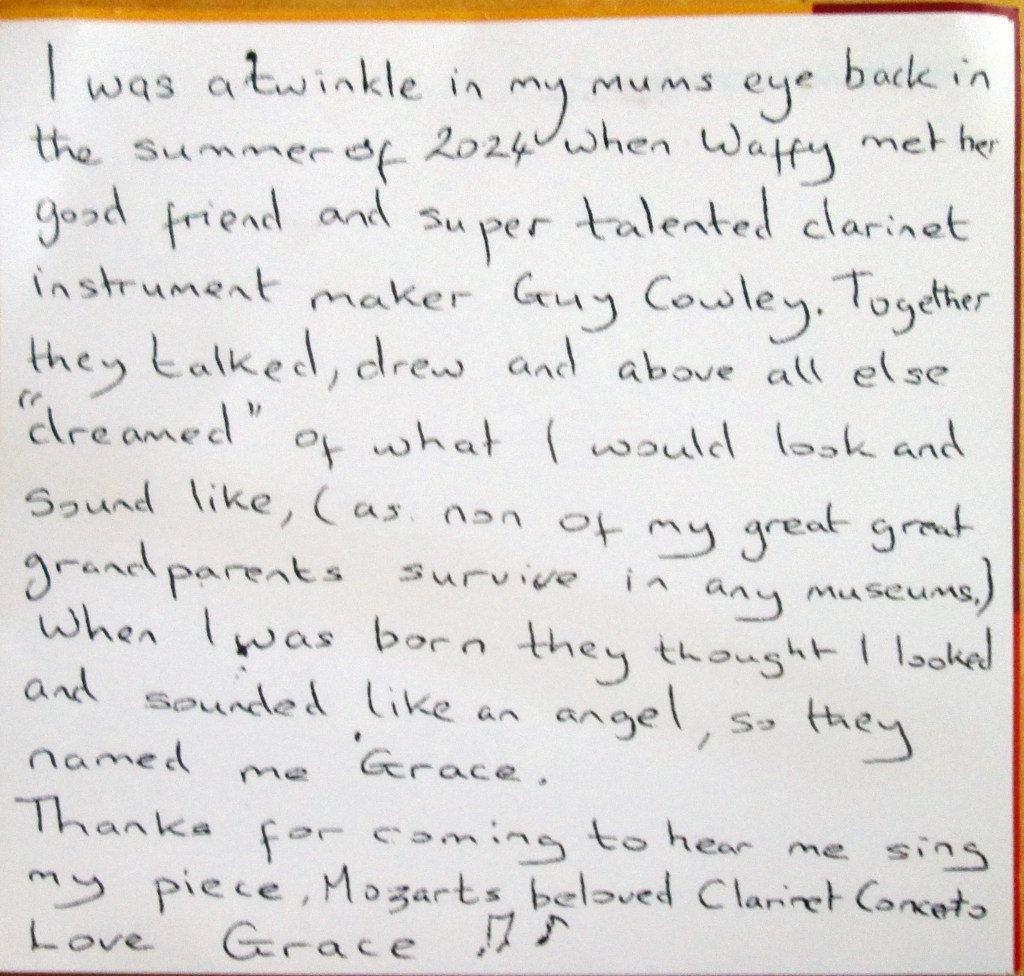
One of the things that endears me to this band – apart from their musical excellence – is that at the end of every OAE concert the audience are handed a ‘Thanks for coming card’ from a different member of the orchestra. It’s a really pleasing gesture that makes you feel properly involved in the evening’s entertainment. Tonight’s card of course was from Grace herself.

Next up was a visit to the Young Vic as a proxy for patron Frances who was in Hull for a football match. I’ve pretty much given up on long distance away games, especially midweek. This was an insight session into Arthur Miller’s Broken Glass which previews from 20 February so the cast are half way through rehearsals. The director Jordan Fein joined us with cast members Eli Gelb, Juliet Cowan, Nigel Whitmey and Alex Waldmann. The play covers the literally paralysing effect on the main character of the news of the infamous massacre of Jews on Kristallnacht in 1938. It was interesting to hear about the directorial and design decisions and to discuss the relevance of the play today with genocides taking place in several parts of the world. At these events it’s always interesting to see all the research material provided in the room for the cast to be fully informed of the subject matter. In this case the walls were covered with lots of photos of Brooklyn in the 30s with newspaper headlines and cuttings about Kristallnacht. All this and a glass of wine and a chance to spend an hour chatting to the team – cast and development executives. In a fun insight into the actor’s life, Alex Waldman said that after being in rehearsal all day with Americans and doing an American accent he often got told to drop it by his kids when he got home.

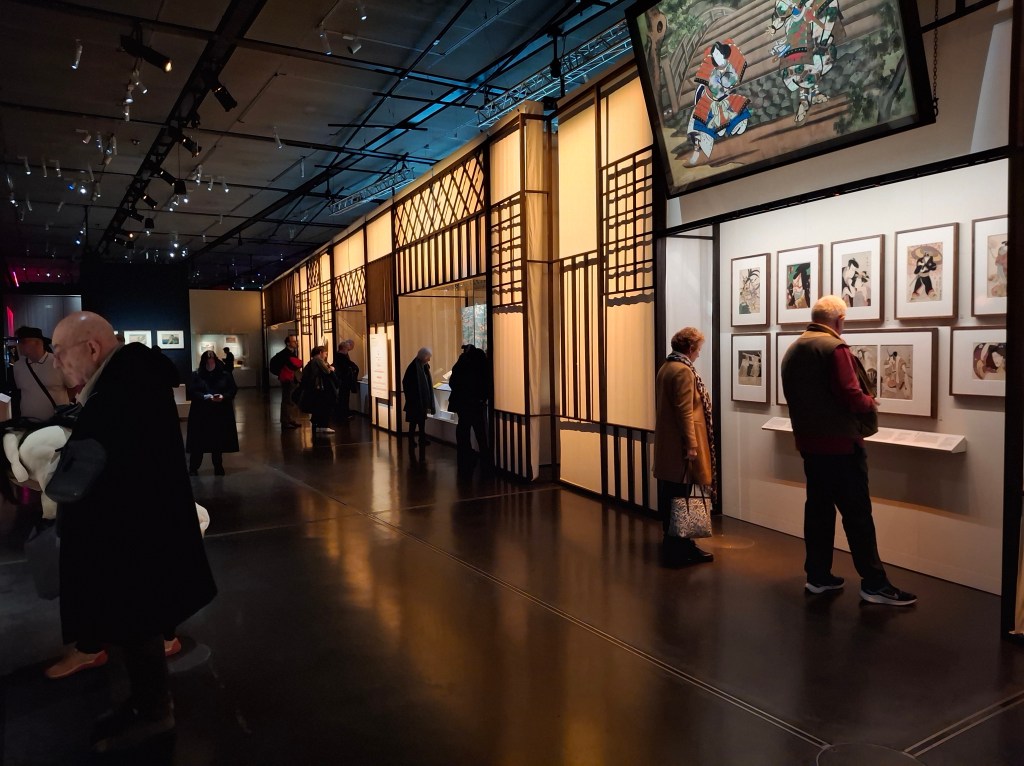
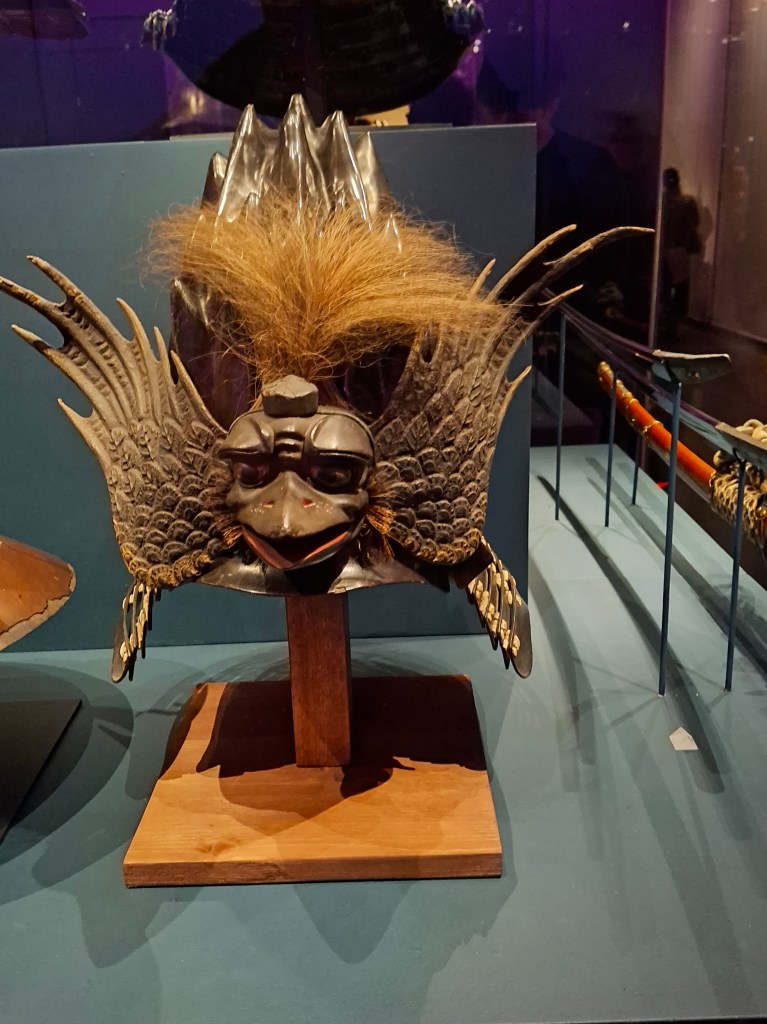
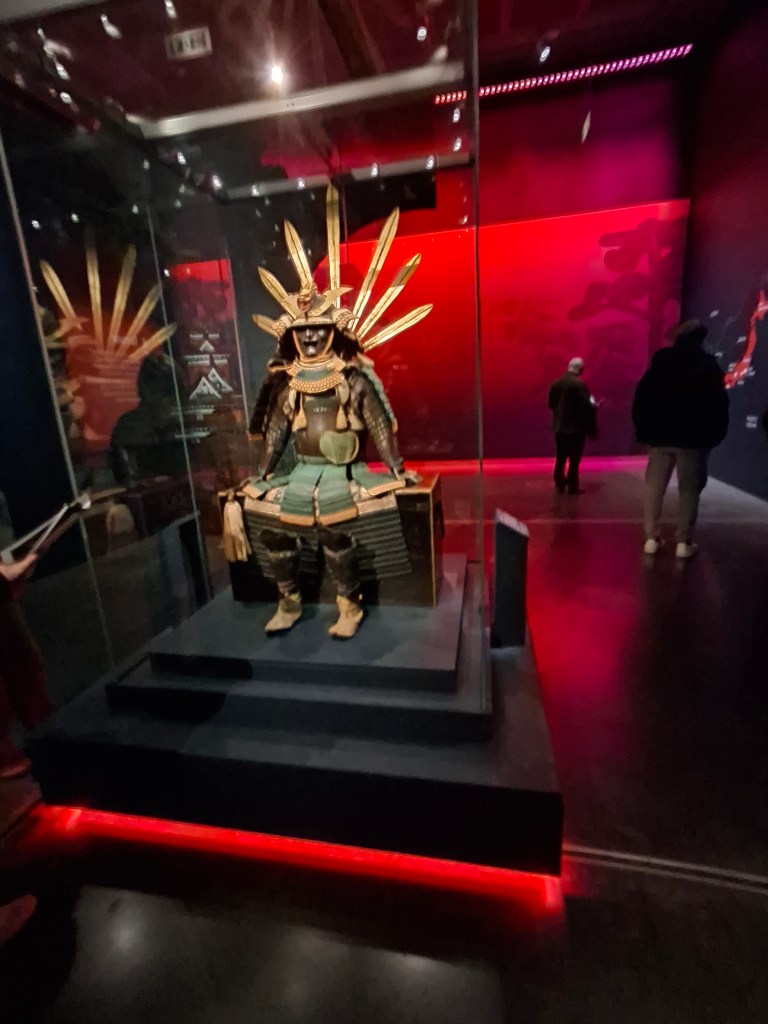
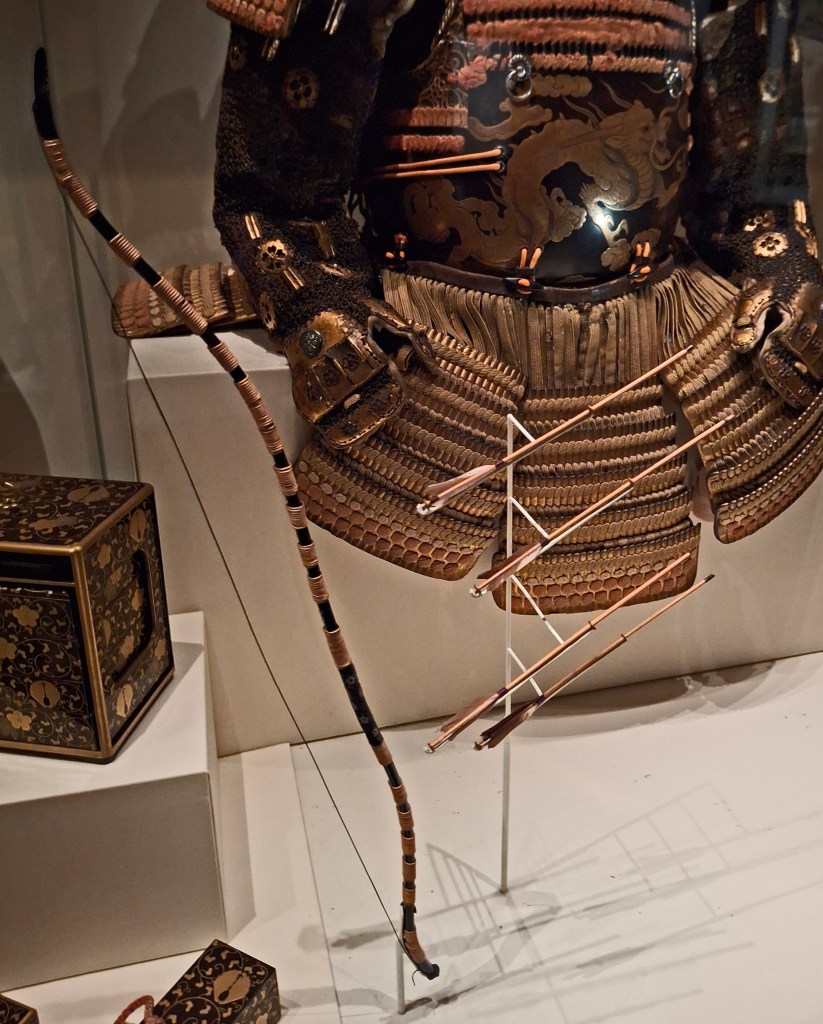
The next day saw me head off to the British Museum to see the Samurai exhibition which had just opened this week. It’s a comprehensive review of all aspects of the samurai era from 700 to their dissolution in the 1870s. And it’s not all about war and weaponry although there are some magnificent examples of armour, swords and bows. There are displays on art and culture, domestic life and, a surprise for many, me included, the important role of women samurai. The spread of samurai and shogun myth and history into modern films, anime and artworks is also featured. I went in at 2.30 expecting to spend an hour or so and was kicked out when the museum closed at 5pm. Time very well spent among elegantly displayed objects with excellent explanations and a lot of learning about the samurai.

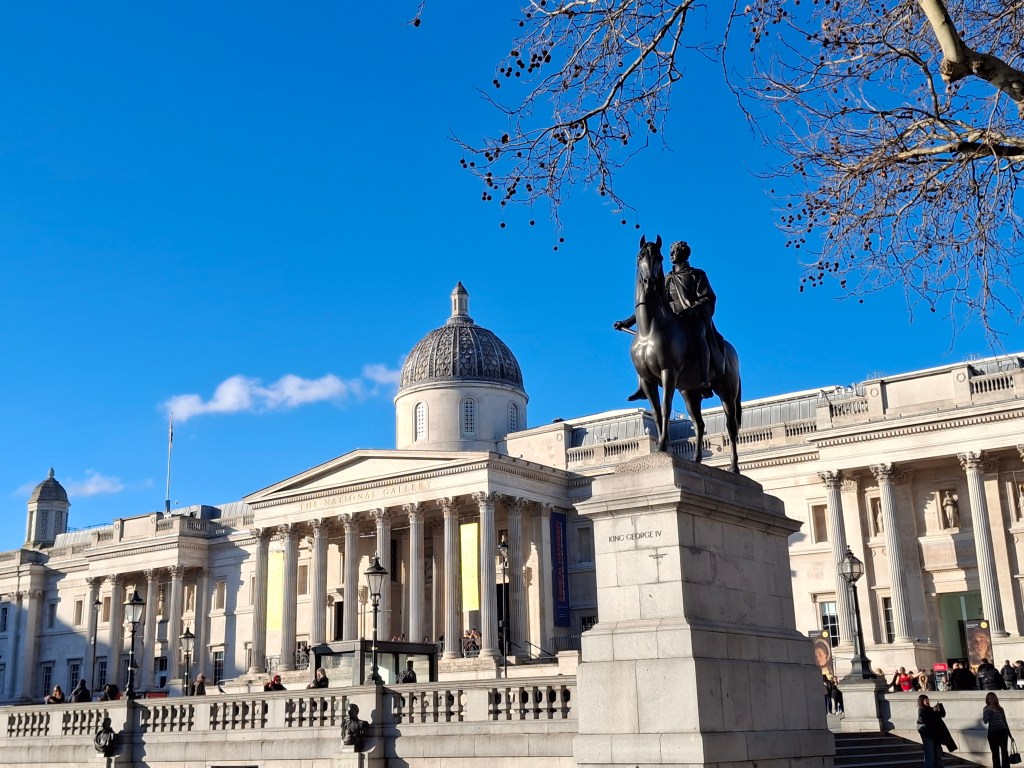
As it was one of the few days so far this year in which it didn’t rain (yet, don’t speak too soon)- and the National Gallery has no scaffolding at the moment so I snapped this on the way in from Charing Cross station. Given the surprise rain remission I decided to walk to the Jugged Hare pub near the Barbican where our first week of each month City Orns group of Watford FC fans was to meet to discuss our managerless team and a whole range of other unrelated topics. It was only a couple of miles and took me through Red Lion Square, along Holborn, through Smithfield and past St Bartholomew the Great before the final stretch through the Barbican tunnel. Pub, food and company were well worth the walk. But I did get wet on the way home.

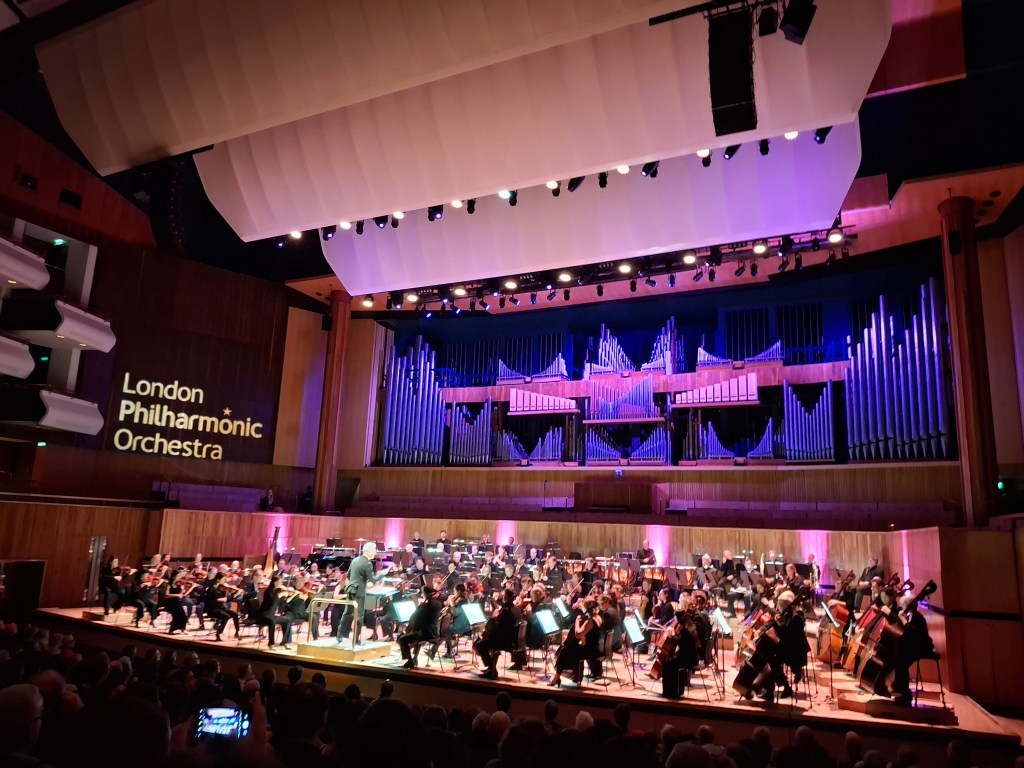
Thursday saw me again at the Southbank Centre for an experimental evening called the Classical Mixtape Live. All six resident orchestras were presenting short concerts over the course of two and a half hours. First up was the London Philharmonic Orchestra in the Royal Festival Hall who played the first movement of Beethoven’s Fifth – possibly the best known opening of any musical work – and then a suite from Howard Shore’s music for the Lord of the Rings. It was hosted by an Irish presenter Vogue Williams who gushed and stuttered from her notes up by the organ desk. Not quite sure why. She opined that the players must be exhausted after playing like that – for 7 minutes – perhaps ignorant of the length of many symphonies and concerts, let alone opera.Then came the fun part. Four orchestras were repeating the same 20 minute set in four locations around the centre. It could have been good except that someone didn’t really study the logistics of getting 2,700 people from the RFH into the four other venues despite inviting the Green Side and the Blue Side to head to different locations. So there was more queueing than listening. I only got to two of the four.

In the Clore Ballroom off the main foyer members of the Chineke! Orchestra were perched on podiums around which we all milled. It was a bit like a promenade performance at the Bridge Theatre without the stewards to guide us. Now Chineke! is admirable in being a largely BAME band giving opportunities to musicians who might not have found their way to a classical orchestra. They looked a bit nervous and the conductor probably struggled to see everyone given the set up – very dramatic lighting! They played Montgomery Variations by Margaret Bonds but it was difficult to get a sense of the piece while being on the move. In the Undercroft, a storeroom under the QEH, the London Sinfonietta played Steve Reich. Unfortunately the space is so small that there was a one out one in policy and I didn’t make it to the head of the queue. Nor did I ever get to the end of the lengthy line trying to get into the Purcell Room to hear the Aurora Orchestra performing music from Mahler’s time in the Alps.

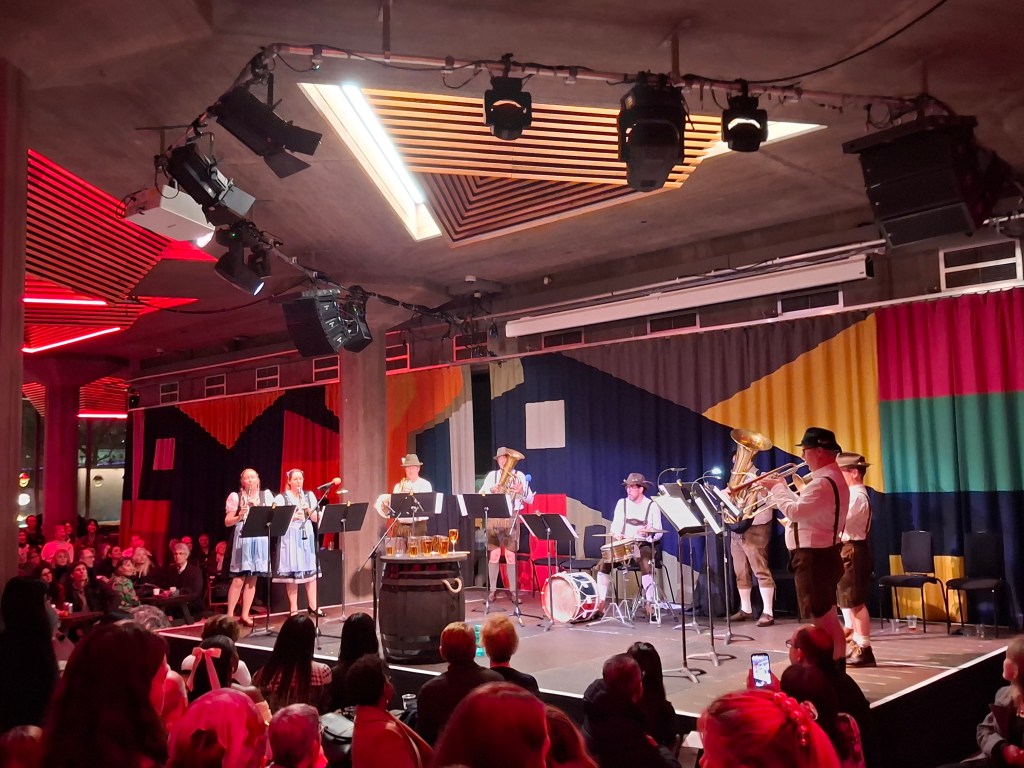
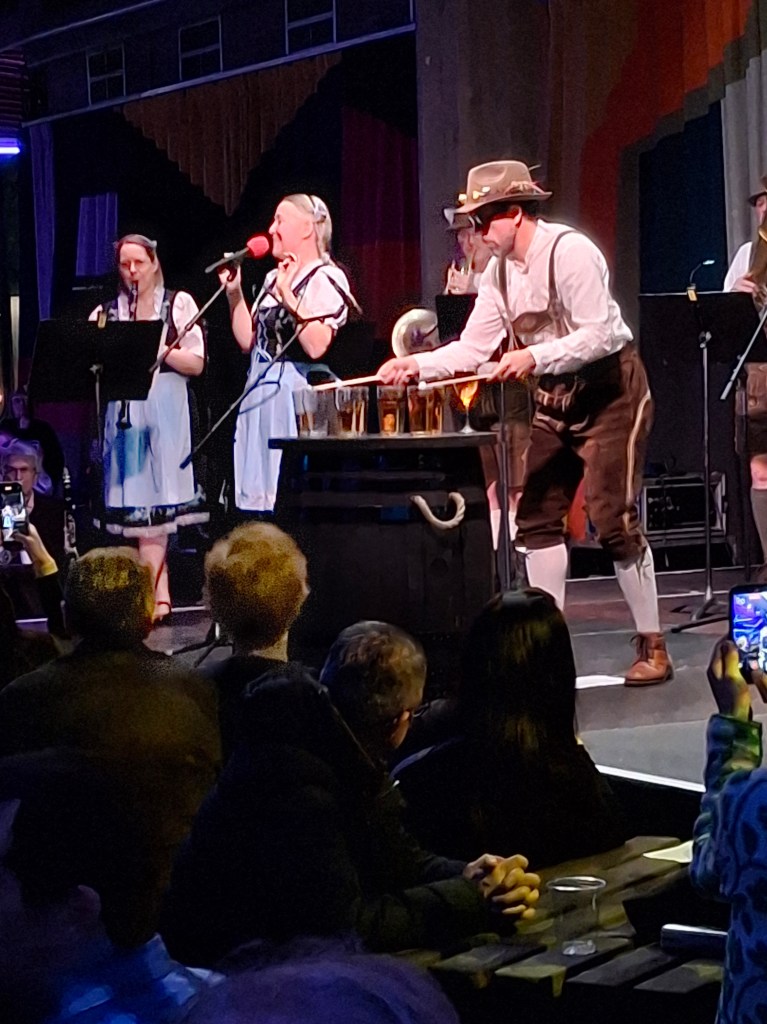
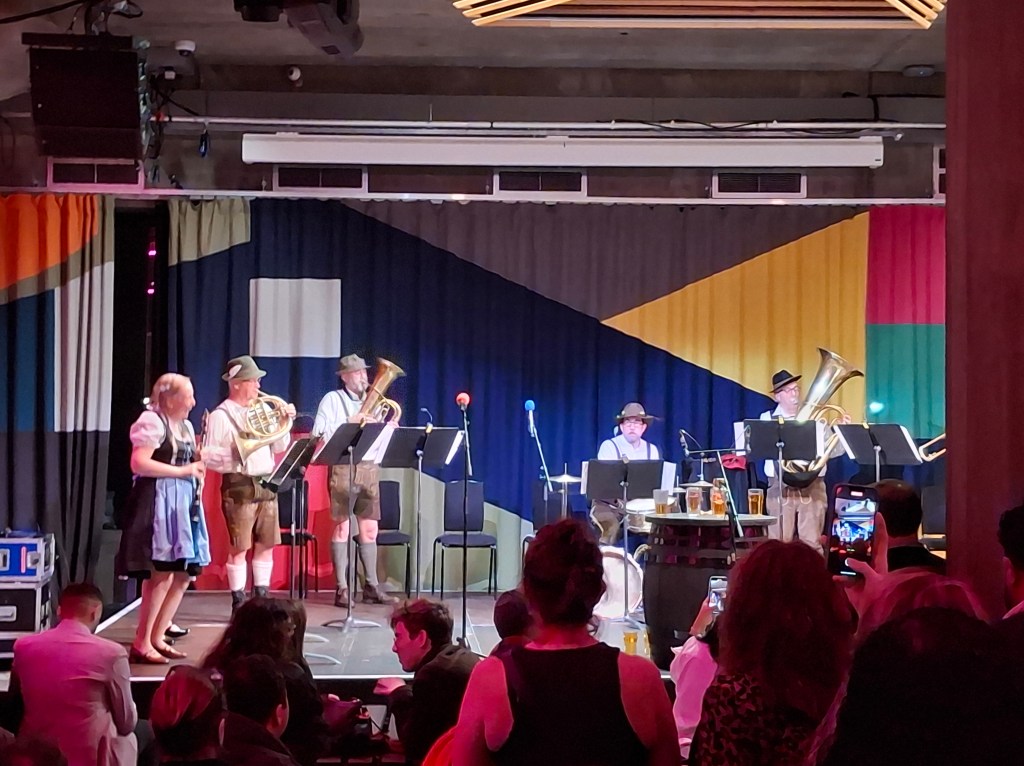
However the delight of the night was the Orchestra of the Age of Enlightenment in the Queen Elizabeth Hall foyer presenting a programme of Bavarian Oompah music including the Tristch Tratsch Polka and a selection from The Sound of Music. The Guardian gave the whole evening a two-star rating but noted that the OAE team were “having a whale of a time using beer glasses as percussion and proving they are most definitely game for a laugh.” They were led by Adrian Bending who noted, rather cheekily, in his intro that if people wanted to hear the fifth symphony as Beethoven might have heard it himself, they should come to the QEH on Sunday to hear the orchestra’s historically informed performance. Seeing them in lederhosen, dirndl skirts and with Adrian using tuned beer glasses as percusssion and Waffy Spencer singing ‘Do Re Mi’ it was something to behold. You can take a look at them here:

Finally we all reconvened in the RFH for the Philharmonia to take us into space with Mars and Jupiter from Holst’s The Planets and some of John Williams’ music for Star Wars. It was an interesting evening somewhat marred by the logistics but I hope they do it again with a bit more planning. It was good to see four of the six orchestras in a different light.

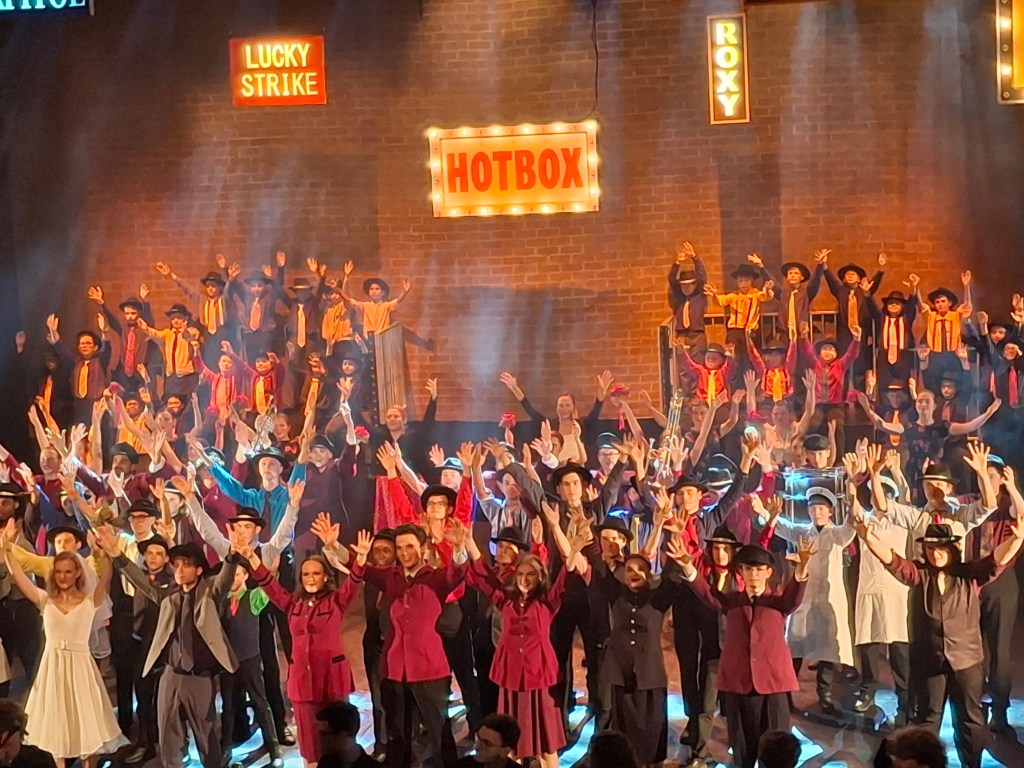
The next evening brought an altogether different experience. My granddaughter has a prominent gender-switched role as Arvide Abernethy in Guys and Dolls, the annual musical production at Langley Park Boys School where she is in the sixth form. I’m not a huge fan of musicals but had to admire the incredible professionalism of this young cast. Great set and costumes, singers all mic-ed up and fully commited to both lusty and subtle performances. At several points there were over 100 performers on the stage a testament to the depth of music and drama talent across the entire school. It is billed as the ‘whole school musical’, and what with all the people involved behind the scenes, it really was. The band, the lighting, sound and performances were of astonishing quality. As my son said after seeing it next day, it makes you rethink what is meant by ‘school play’ these days.

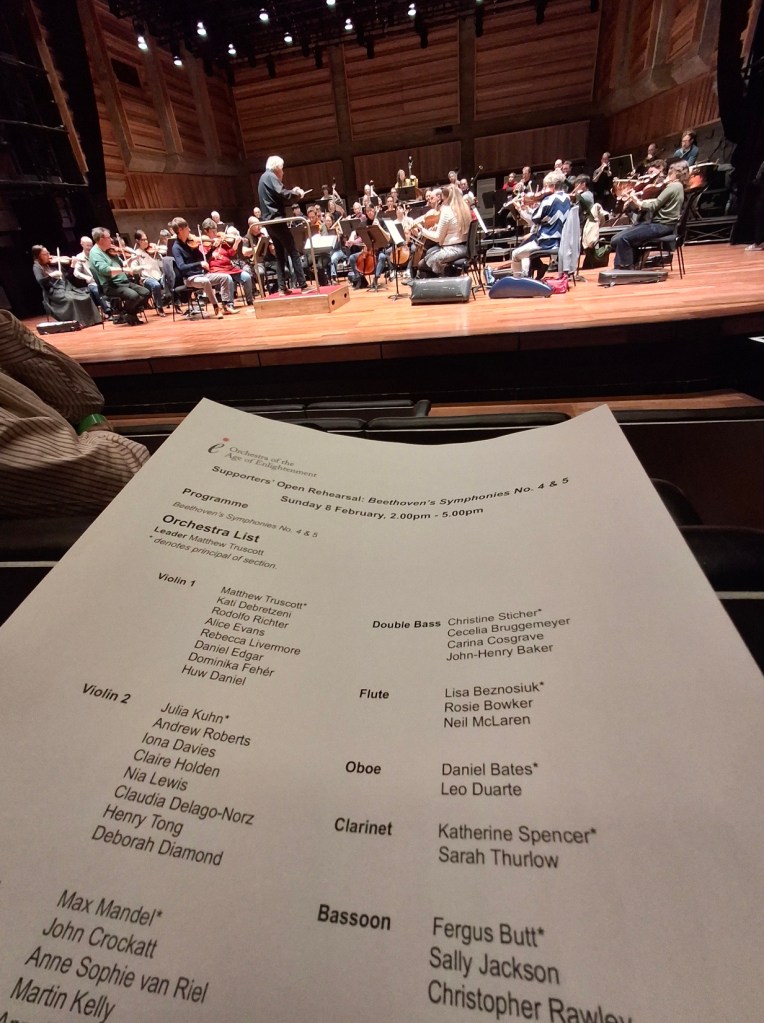
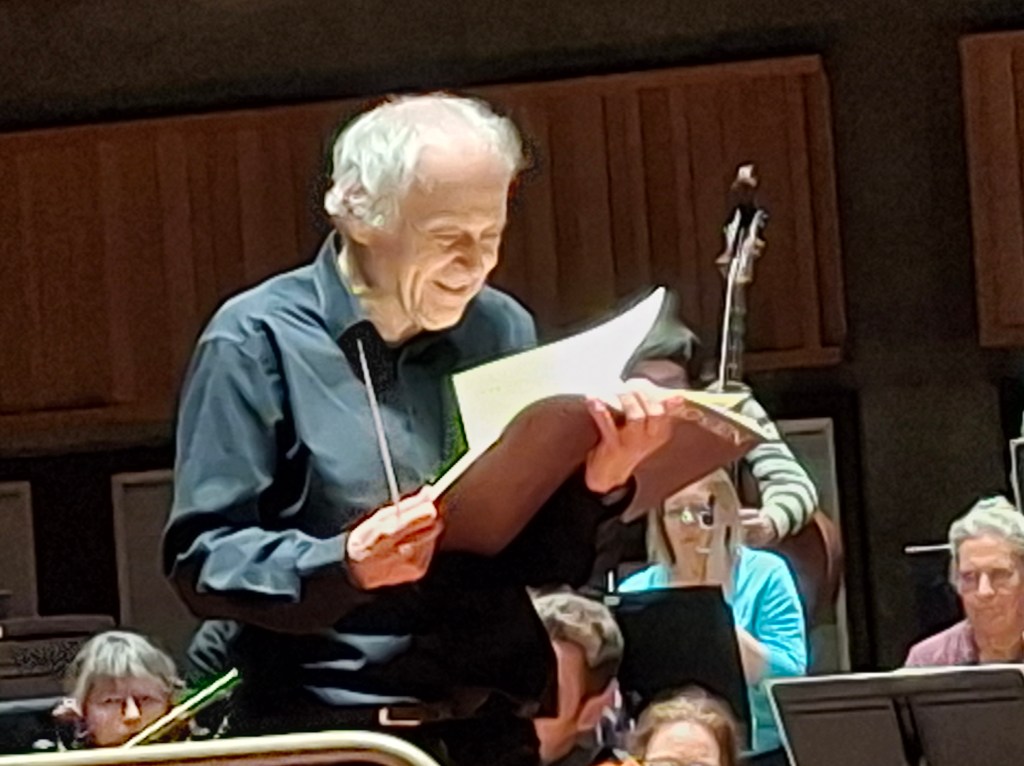
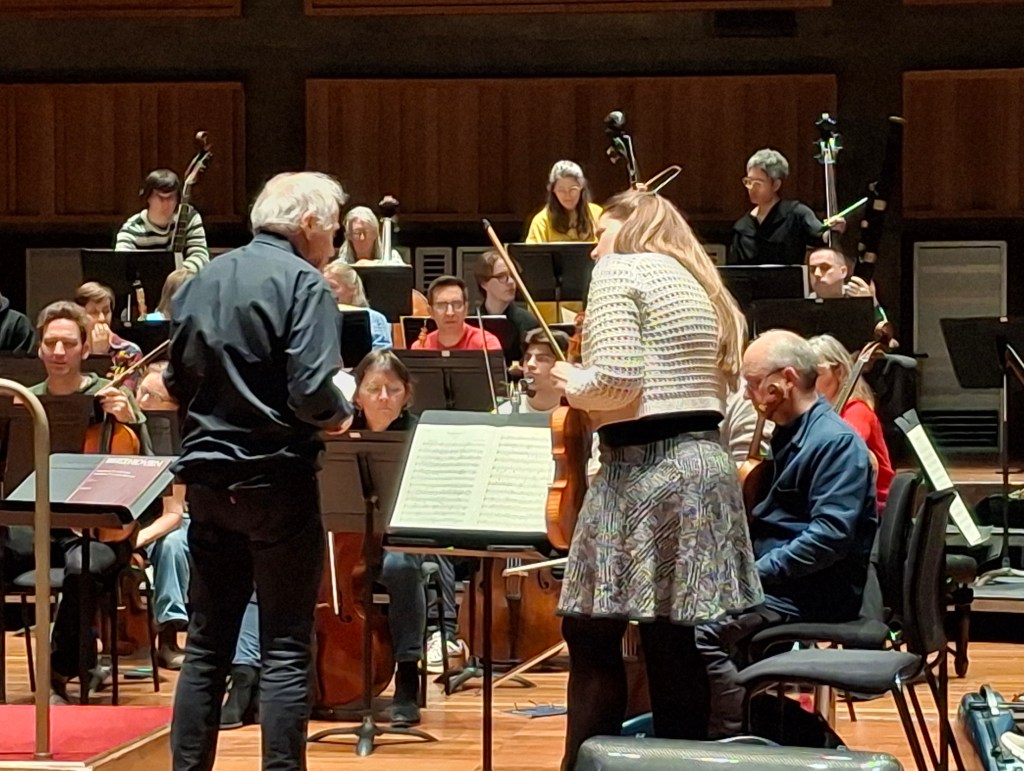
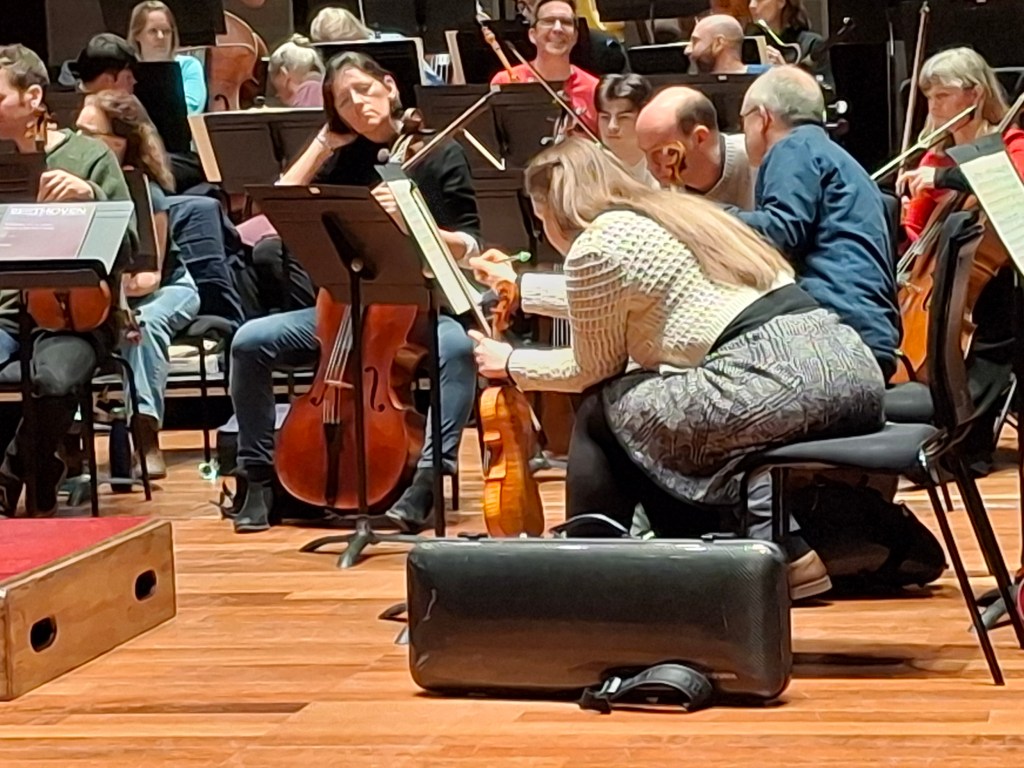
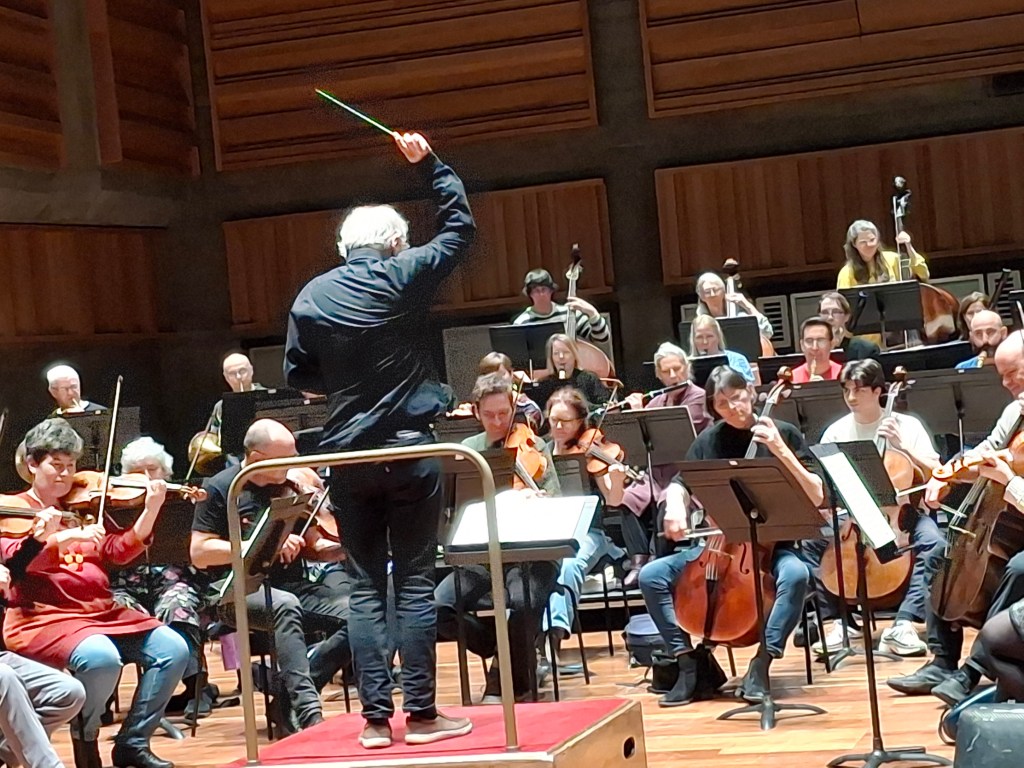
Saturdays seem to bring drama around Watford FC. I watched a narrow defeat at Southampton on TV and then learned a little later that the club has replaced Javi Gracia who resigned last week with a completely unknown manager. We’ll see. So on Sunday I was pleased to be back on more secure territory. The Hungarian conductor Adam Fischer is a long time and frequent collaborator with the OAE and being able to go to both the rehearsal and the performance of Beethoven symphonies 4 and 5 was a real privilege. I wondered how different the conversations with Fischer would be compared to the self-directed rehearsal for the Mozart last month – in truth not very. There was still lots of consultation with members of the orchestra, comments discussed and annotations made on their scores for dynamics, expression and so on. The two symphonies are very different with the fourth being much less familiar. It was a delight to see them shaped by a maestro with a top orchestra and then enjoy the end result a little later.

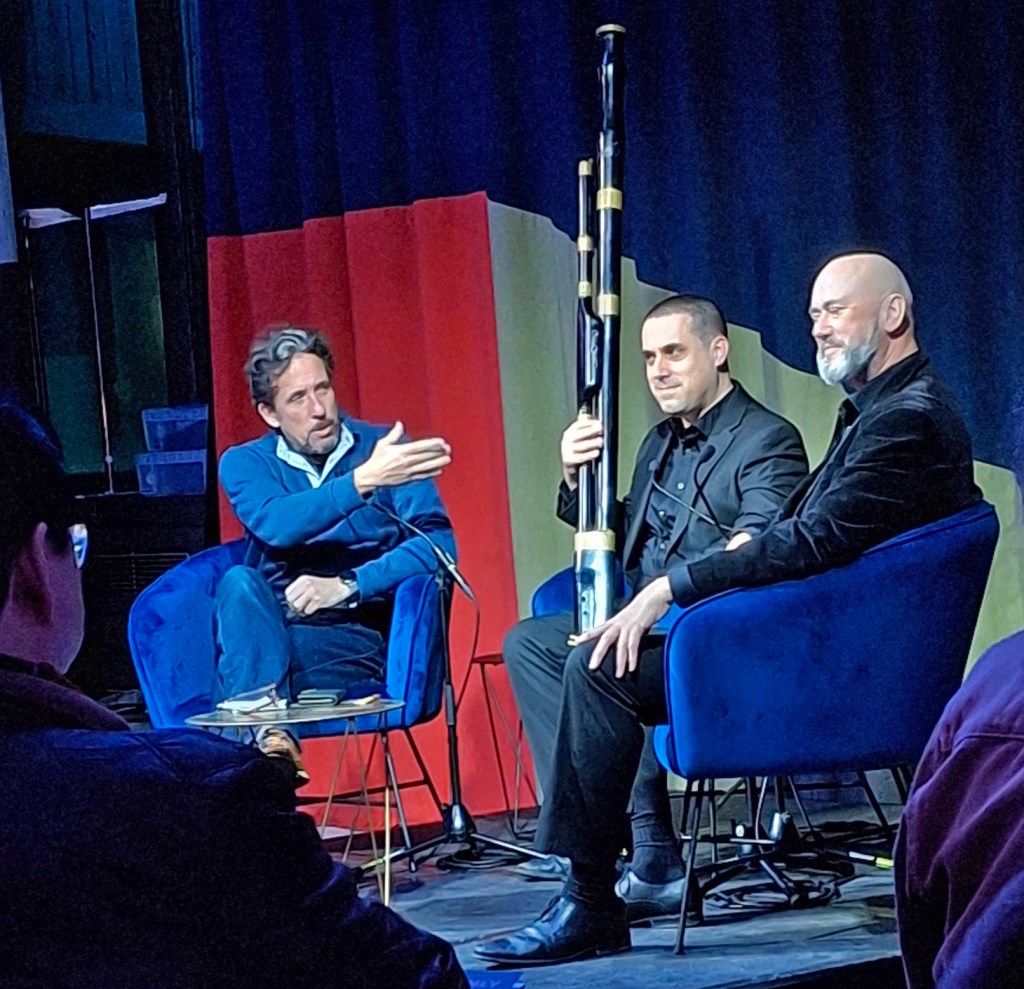
Between the rehearsal and the concert was a talk with Adrian Bending, Phil Dale (not in lederhosen today) and Christopher Rawley They talked about the differences in self-directed and conducter-ledconcerts and agree that Adam Fischer is someone who excites them with his interpretations which often catch them by surprise. They clearly have the greatest respect and affection for him. The session also featured a wonderful contrabassoon and three trombones about which Christopher and Phil talked. The contrabassoon was made by a maker well-known to Beethoven and might have been used in the early performances of the fifth and ninth symphonies. There is a campaign to keep this instrument which bears the number 001 in the country as it is currently up for sale. Christopher demonstrated the deep notes this piece of wood can deliver and Phil expressed his delight at Beethoven scoring for three trombones in the fifth symphony – a pattern followed by many other composers keeping trombonists gainfully employed.

Pre-concert talk with Adrian, contrabassoon, Christopher and Phil

On Monday I had a lovely Zoom call with Daisy Scott in Boston, Mass to discuss theatre, music, retirement, families and lots more – but not world affairs as there is not much to say except mutual despair. It is a real pleasure to be in regular touch with our Boston family.

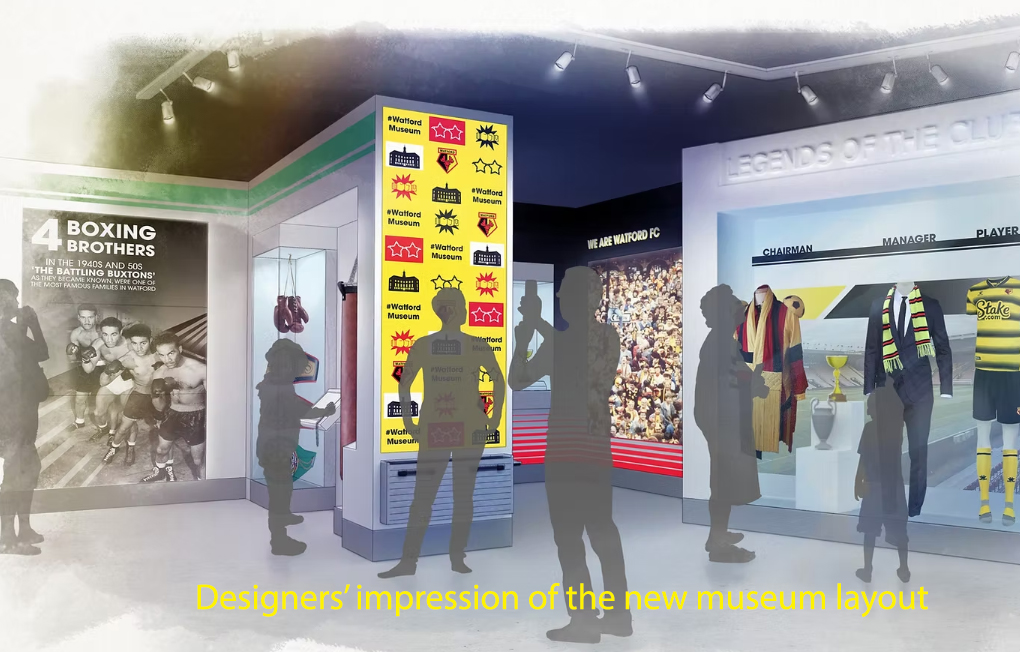
Tuesday evening featured a trip to Watford for a thank you party from the council for the work several of us have been doing with the relocation and redisplay of Watford Museum. It was a nice gesture to thanks us volunteers and we all look forward to the opening of the museum next year after a major building refurbishment. The group I was with had focused on the football club so it was good to see the work of other teams looking at grassroots sport, the diverse community and entertainment and to meet up with old and new friends. It rained in Watford too! Heavily, but one of our team Alan kindly gave me a lift back to the station.

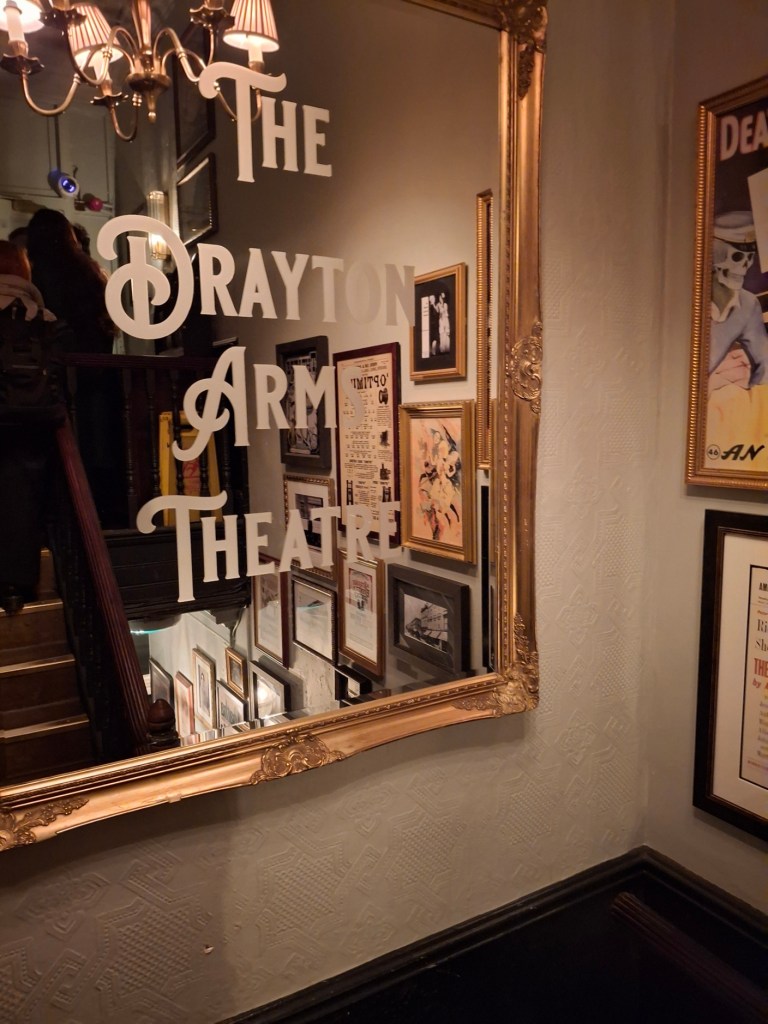
In Bangladesh in 2009, Manzur E Mawla was co-presenter with Eeshita Azad of the pilot television programmes I made for the BBC World Service aimed at encouraging young Bangladeshis to learn English as a Foreign Language. He later relocated to the UK and we have been in touch with him and his family on a number of occasions. He emailed this week to say he was in a play at the Drayton Arms Theatre and would I like to go. Well, interest piqued, what else could I do?

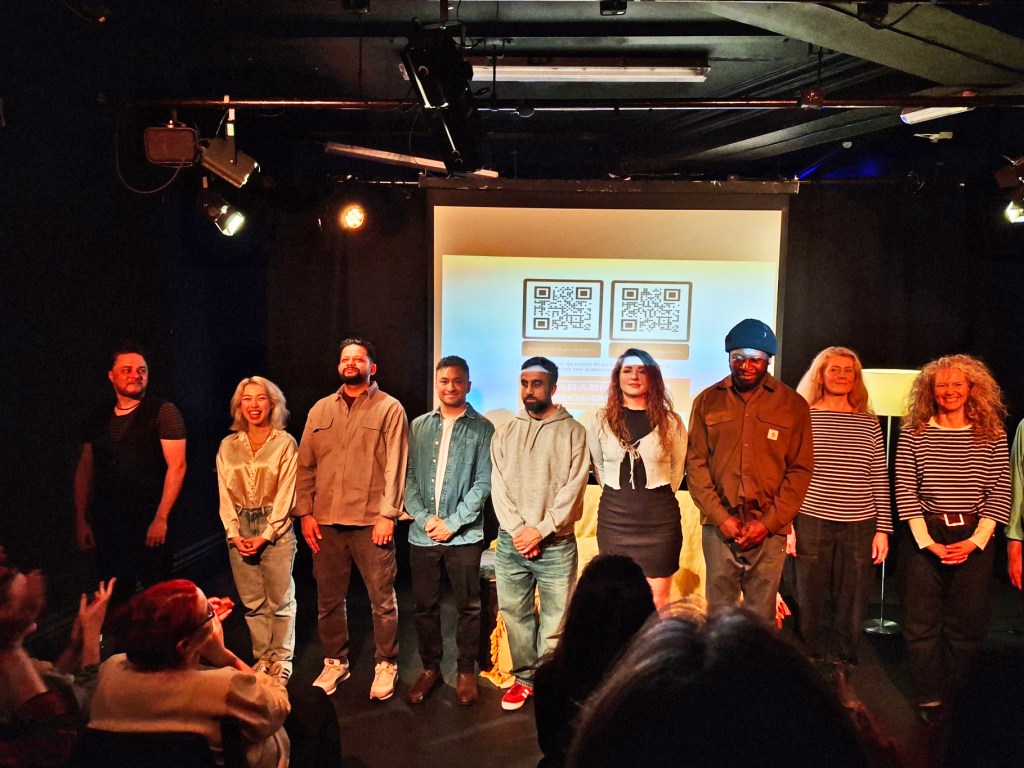
It’s a venue I’ve not been to before – a small 50-seater above a lovely pub. The play was called Modern Romance and was a series of twelve scenes – six pre-filmed and projected, six acted live – about the various whacky ways people get together these days. Scatalogical, filled with innuendo – how do you make paper clips and staples sexy ?- it was funny and revealing. My friend Manzur did a two-man scene with Jay Ramji as a gay Under 21 football couple one Arsenal (guess!) one Fulham who among other escapades embrace at a goal being scored while playing against each other to the consternation of coaches. It was written by Giles Fernando and directed by Penny Gkritzapi who I had a pleasant chat to in the bar afterwards and spent time with Manzur and other cast members. Manzur had done some acting back in Bangladesh before we worked together and had started acting classes again here only recently. It transpired that this was his UK stage debut, and very well he did, having joined the cast at very short notice. A totally unexpected fun evening added to my calendar by a chance email.

The live action cast with Manzur and Jay third and fourth from left.

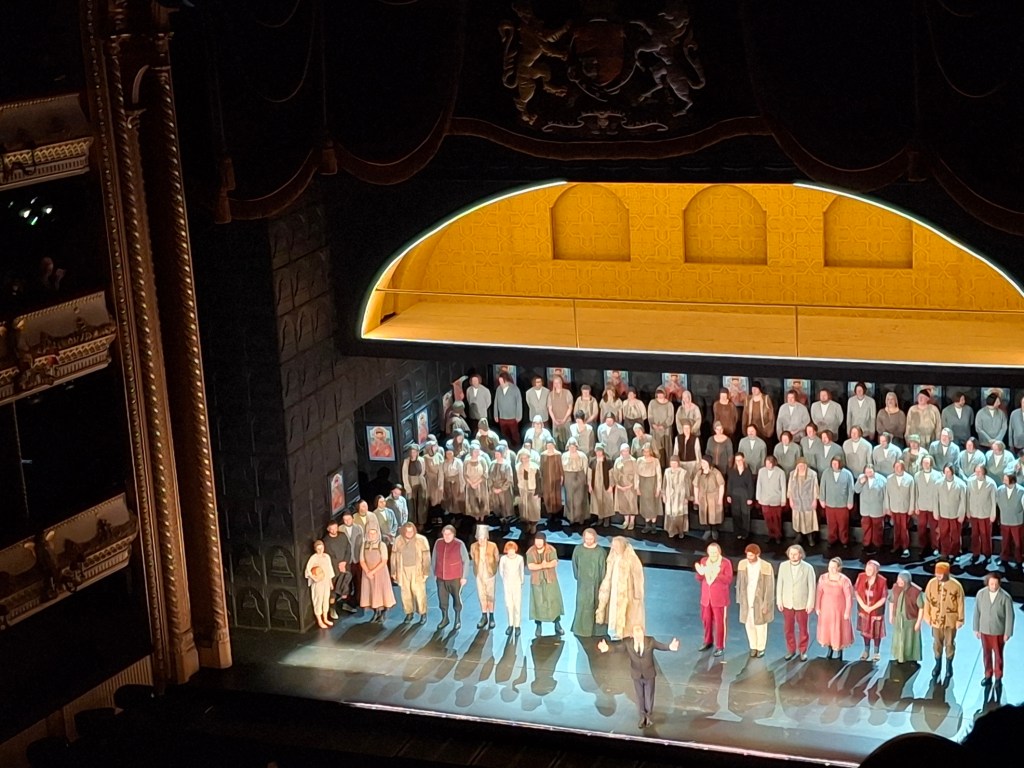
Last outing for this post is to see Mussorgsky’s Boris Godunov at the Royal Opera House. Another soggy trip into town and no drinks beforehand as it’s a bladder-challenging two hours and twenty minutes with no interval. Susie Stranders’ insight talk last month was very helpful in making both the story and the musical motifs clear so I could look out for particular moments in the piece. The choral singing was incredibly powerful and included a children’s chorus which Susie had prepared – great job! I took my seat being slightly panicked about being a long way from the aisle should nature call. Then it was suddenly time for the final black out and curtain calls. How on earth to two and a half hours pass so quickly? Answer: engrossing story from Pushkin, marvellously varied score with simple tunes and powerful orchestration, brilliantly sung, accompanied by an orchestra on top form and a superb overall production directed by Richard Jones. A brilliant night at the opera.

Mark Wigglesworth invites us to applaud the orchestra after a stunning performance led by Bryn Terfel as Godunov and a cast of hundreds.

Carry On Culture

After my slightly odd Valentine’s weekend I plunged into a fortnight of amazing cultural activity. Keeping on keeping on will, I hope, hold dementia at bay. Another life motto has always been ‘Do it while you can’. I don’t usually write about this stuff but the blog is partly for me to reminisce with when I can get out anymore. So ignore if you just like my travels not my opinions.

So here’s how it all kept coming. Monday 17 February East is South at Hampstead Theatre courtesy of Frances’ patronage. Company, canapes, networking first class play not so much. It was a semi sci-fi thriller/Line of Duty style interrogation about data leaks from a world changing computer programme Logos. Written by Beau Willimon the creator of the US version of House of Cards, its subject matter was highly apposite with the march of AI. However it sometimes felt as if the script had been written by AI with strange diatribes, a virtually unused character and rather cliched and confusing flashbacks.

The next night made up for any disappointment. Following my previous exploration of Sadler’s Wells East Tuesday saw me heading for the Rosebery Avenue Sadler’s for Pina Bausch’s Vollmond. Need Es to lift your spirits? Well they were here aplenty! Entertaining, exquisite, energetic, enthralling. It was one of the last things Bausch choreographed and it a lot lighter in mood than some of her work.

We had dancers flirting, arguing, courting and conversing often soaked in torrential water flowing from the flies. I got talking in the interval to a couple of professional classical musicians – she harpist, he oboe – which was an interesting precursor to Wednesday. We all absolutely loved the performance and my only regret was that two friends who would have loved it couldn’t be with me.

Wednesday evening saw me accompanied by local resident Frances to the launch of the 2025-26 season of the Orchestra of the Age of Enlightenment of which I’ve been a long-time supporter and occasional contributor of blogs, scripts and articles. It was help in the wonderful brutalist hexagonal hall of their home Acland Burghley School in Tufnell Park. Alongside the exciting reveal of Fantastic Symphonies to be played between October and March at the Southbank Centre and on tour, we were treated to a recital by the mezzo-soprano Helen Charlston accompanied on the harpsichord by Satako Doi-Luck. Helen benefitted from the OAE’s rising stars scheme and now has a stellar recital career covering baroque, classical and contemporary repertoire. However she will find it hard to stop being asked about singing Dido’s Lament backwards in an OAE video. Satako is part of Ensemble Moliere that specialises in exploring the world of Baroque music. I’ve been to a couple of their concerts too. But the plans for celebrating OAE’s 40th anniversary are exciting with the return of early supporter Sir Simon Rattle who contributed a splendid video interview to the evening, alongside many other familiar figures in OAE history. Check out the programme here and let me know if you fancy joining me to hear this fantastic group of players and lovely people.

I stayed home on Thursday and on Friday joined my friend Opu Islam at the launch of an exciting heritage project in the Bengali community in the East End. It’s an initiative from the Season of Bangla Drama to which the British Bilingual Poetry Collective (of which I am a gtrustee) contributes each year. There were discussions with producers and poetry recitals as well. It’ll be interesting to see the outcome in the 2026 festival.

What a treat on Saturday with Celia Imrie and Tamsin Greig both on stage at the Donmar Warehouse in Backstroke! Two superb actors trading mother daughter love and insults in equal measure in a fascinating if slightly baggy play. It made me wonder if writers are always the best people to direct their own work. Still a hugely enjoyable evening.

I woke on Sunday at 10:15 after finally falling asleep at six after a horrendous night with acute toothache. This was too late for me to get to Watford to see our arch rivals Luton beaten 2-0 some revenge for our defeat in the reverse fixture. It was on the telly and the house was filled with shouting best left on the terraces.

I’d arranged to visit a friend Nuala O’Sullivan on Monday afternoon before going to join Frances at the Orange Tree in Richmond. Nuala was a BBC World Service colleague back in 2009 and then co-wrote on of my ELT series with me in 2014-15, She has subsequently founded and runs the highly successful Women Over Fifty Film Festival so it was great to talk film, literature and life with her. Walthamstow to Richmond is not the most straightforward journey but I’m glad I made it. Frances had been invited to a special staging of the play in the hope (successful) of luring her back as a patron. At a reception we had an opportunity to talk with Tom Littler the artistic director of the Orange and also the director of the play we were about to see. Both very impressive.

I’ve long been a fan of Howard Brenton from the controversy over The Romans in Britain back in 1980, through plays like Pravda at the National, The Arrest of Ai Wei Wei and Drawing the Line at Hampstead. This new work Churchill in Moscow in which two would-be world leaders slugged it out in negotiations could not be more timely. Dramatically it was frightening, funny and fascinating with wonderful supporting roles for the two interpreters who put their own palliative gloss on what Churchill and Stalin were saying to each other. In the compact space of the Orange Tree you really felt part of the action.

The rest of the week was calmer just on Thursday a pre-concert talk about and an electrifying performance of the Beethoven Violin Concerto with Vilde Frang and the Eroica Symphony in which Maxim  Emelyanychev conducted the OAE in a rousing performance with no residual hint of Napoleon.  

Then there was a trip to Watford as part of a consulting group helping plan the move of the Watford Museum from the old site in what was Benskin’s Brewery into the Town Hall later this year. Lots of interesting ideas with fellow supporters and friends. I also foolishly decided to have an occasional away-day trip to our game at Stoke on Saturday which proved beyond all doubt that we go for the people not the football – excruciatingly dull match – adjudged a bore draw by colleague Frances in her blog, but great beer and conversation.

And the next week was pretty similar …