Cultural continuum

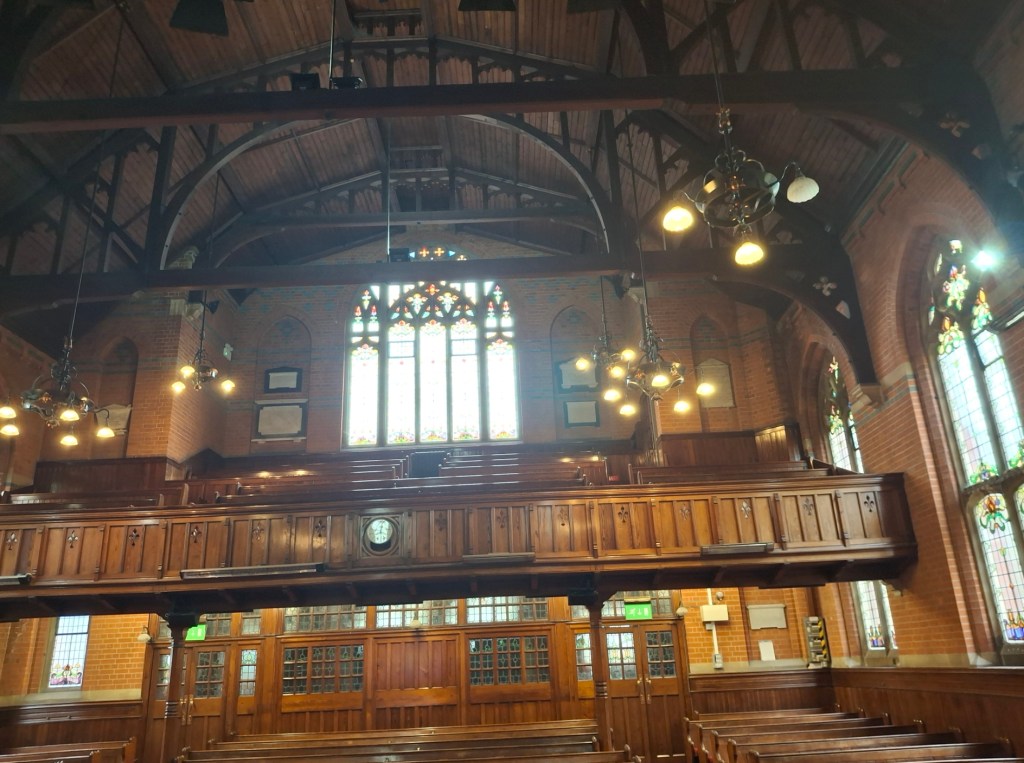
My first outing in April was to an event in the Whitechapel Gallery called Threading Words. The poetry group of which I’m a trustee has some connections with the organisers Babel’s Blessing. This charity arrnages language tuition in many tongues for recent immigrants to help them play an active part in British society. This session was led by a South African-German artist Nomakhwezi Becker who took us through a fascinating couple of hours of self-exploration based on her insights from Xhosa and other African cultures with a modern European gloss. Who knew that the intricate beadwork patterns so much a part of Zulu culture sent explicit messages such as ‘I fancy you’ or ‘Stay away’? I had a chance to chat to Khwezi and the Babel’s organiser Marina Castrillo and hope to see them both at our next BBPC gathering at the end of the month.
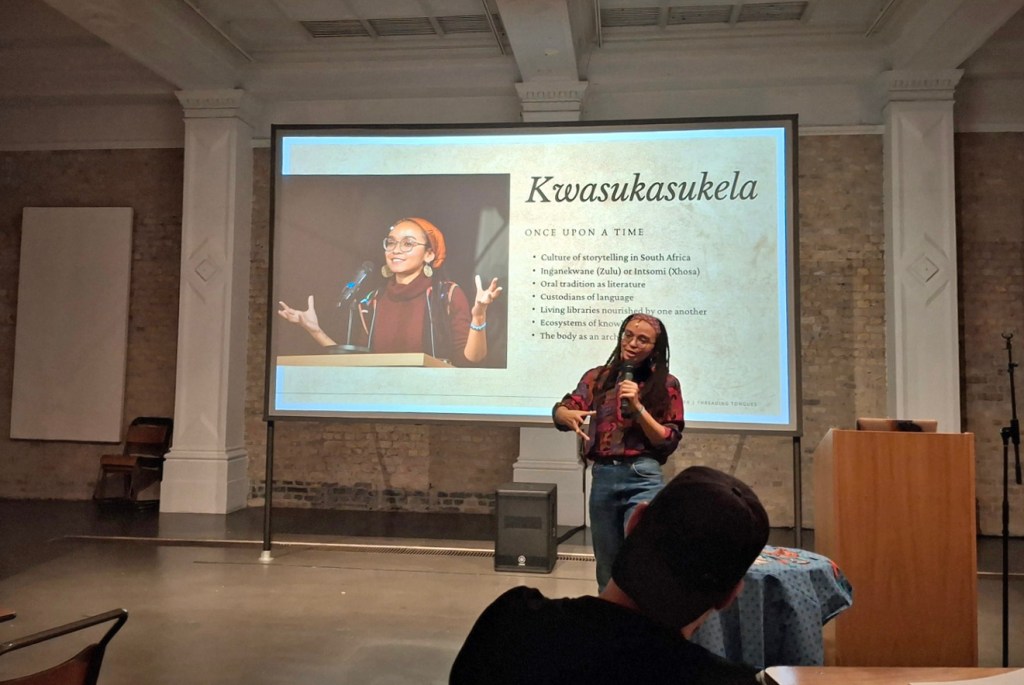
Nomakhwezi began by telling us about storytelling traditions which are so important in every culture – the screen reads ‘Once Upon a Time’ – and then asked us to identify things that were important to us in relation to colours, scents, the contents of drawers and handbags, the weather and places. I’m not usually a fan of heart searching in public but found Nomakhwezi’s prompts particularly well chosen so that I and those around me wrote copiously in response. I kept the messages that the session elicited and have found them helpful in planning my days.

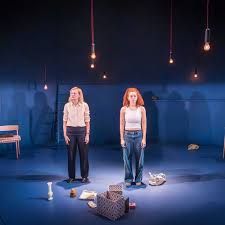
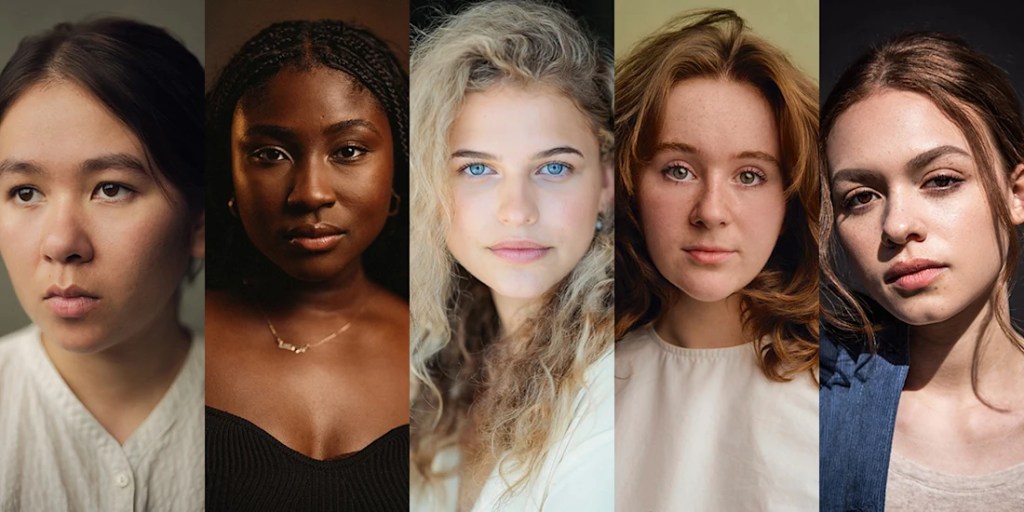
Some sensational retelling of a well-known story was taking place at the Royal Court Theatre. John Proctor Is the Villain is a retlling of Arthur Miller’s The Crucible by Kimberly Bellflower She relocates the action to a high school in Georgia where a group of – mostly – adolescent girls discuss the play with personal-inspired insights and some startling revelations. It’s set in the noughties and the young women want to set up a feminist society, I guess on the wave of #Metoo.The club is finally establshed after institutional doubts when the teacher suggests boys should be members too. The members all have clear characteritics – swot, rebel, newcomer, plus an absentee with a backstory of great importance to the subsequent revelations. The young cast – three making professional stage debuts – are outstanding and the denoument is a remarkable piece of modern theatre. Photo below courtesy Royal Court Theatre

It is getting a deserved West End transfer in 2027 when it will run at Wyndham’s Theatre from February through to April. Do go and see it – I’ll be going again. Another of this year’s highlights Arcadia is also transferring from the old Vic to the Duke of York’s in June. Miller and Stoppard are getting lots of exposure right now and rightly so.
Having seen part of the technical rehearsal, it was with interest that I went to Hampstead with Frances to the press night for the revival of Michael Frayn’s Copenhagen. You know you’re getting old when you’ve seen the original version of so many plays being revived now – one marking its fiftieth anniversary! I noticed in the technical and tonight that the three actors were miced up and wore earpieces – a growing trend I’d noticed recently. I am used to presenters with lots of technical script to deliver having it replayed through an earpiece so they can be one-take-wonders. But actors! It was clear that Richard Schiff playing Niels Bohr needed some help as he was very stumbly – some kind audience members later said they found it effective characterisation of the older man. Alex Kingston playing Bohr’s wife Margrethe had a few flufs but brought some much needed warmth to the play while Damien Maloney as Werner Heisenberg performed with German efficiency.
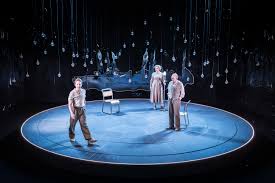
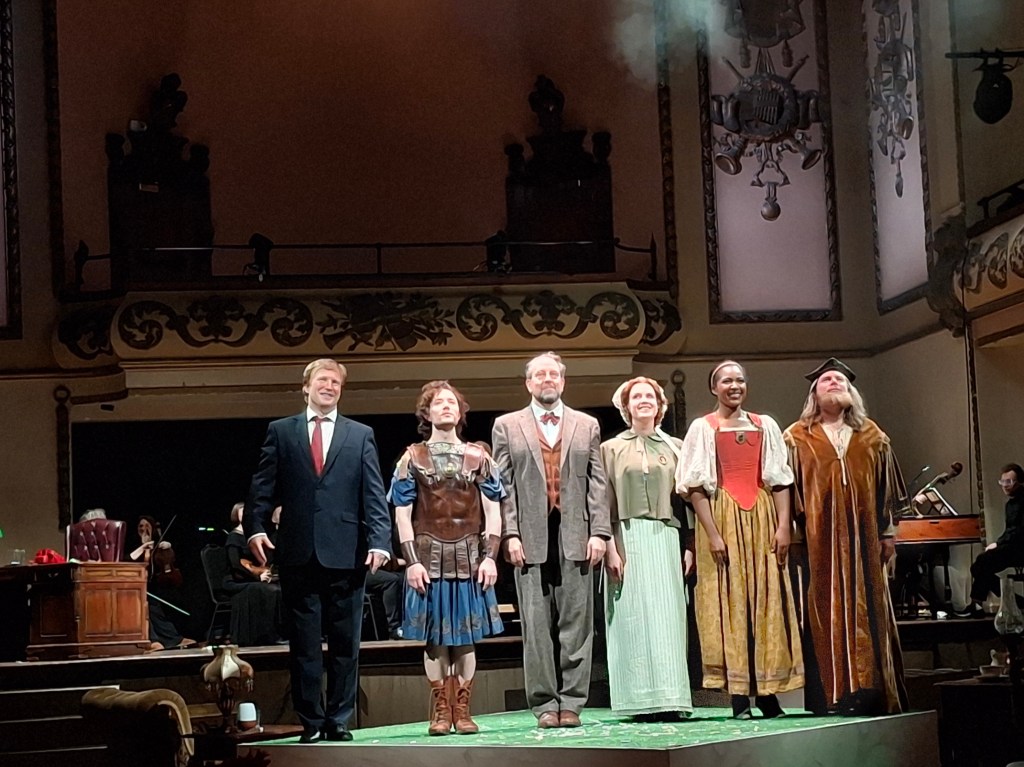
It always was a very wordy and complex play with the central mystery about the reasons for the 1941 meeting between the two former colleagues now on opposite sides in the war. As with a number of productions these days the Trumpian overtones were quite obvious and played up in Michael Longhurst’s direction. The real star of the evening was the set designed by Joanna Scotcher with a water-filled moat surrounding the central revolve and hanging light bulbs feeling like so many atomic particles. They also changed colour to suit the mood – in a series of clever lighting effects.

It was well done and thought-provoking but perhaps not the most enjoyable evening in the theatre. The after party more than made up for that with old friends and new chatting about everything under the sun – and drinking far too much. I was more restrained the next evening when I was able to catch up with my friend Rosa over dinner at the Union Club. Rosa is mostly based in a fabulous apartment in Girona nowadays but had to come back to get her car MOTed and various other chores and catch-ups. It was lovely to see her after quite a time and we put the arts world completely to rights during the evening.

The there was another nostalgia trip to see Teeth ‘n’ Smiles having a fiftieth anniversary revival. I saw the original with Helen Mirren as Maggie Frisby, the alcoholic fading rock star, played in the Duke of York’s Theatre by Rebecca Lucy Taylor who I have to say is a better singer and can act too. Coming from Rotherham her accent was spot on. David Hare’s play still feels very much of its time despite a few updating references. But it brought back happy memories of younger times of carefree excess and thoroughly irresponsible behaviour. The set was suitably shabby and the direction by Daniel Raggett (no relation that we’ve yet discovered) was pacy and engaging. I thoroughly enjoyed the depiction of a disintegrating band with its internecine rivalries and battles. And the original music by Nic and Tony Bicat was enhanced with some new songs from RLT or Self Esteem as she is known professionally.

For some mad reason I decided to go to see Watford play against Oxford United. It’s the dog end of the season where we can’t go up or down so there’s nothing to play for but pride and there was little of that on display as we lost 2-0. This lead to a truly toxic atmosphere at the end of the match with the players standing resolutely suffering piled on of abuse from certain members of the so-called support, who are clearly too young to remember what a state the club has been in at several periods of its existence.

I was pooh-poohed by some members of our party for my decision on arrival at Oxford Station to head off to the Ashmolean Museum rather than heading straight to the pub.
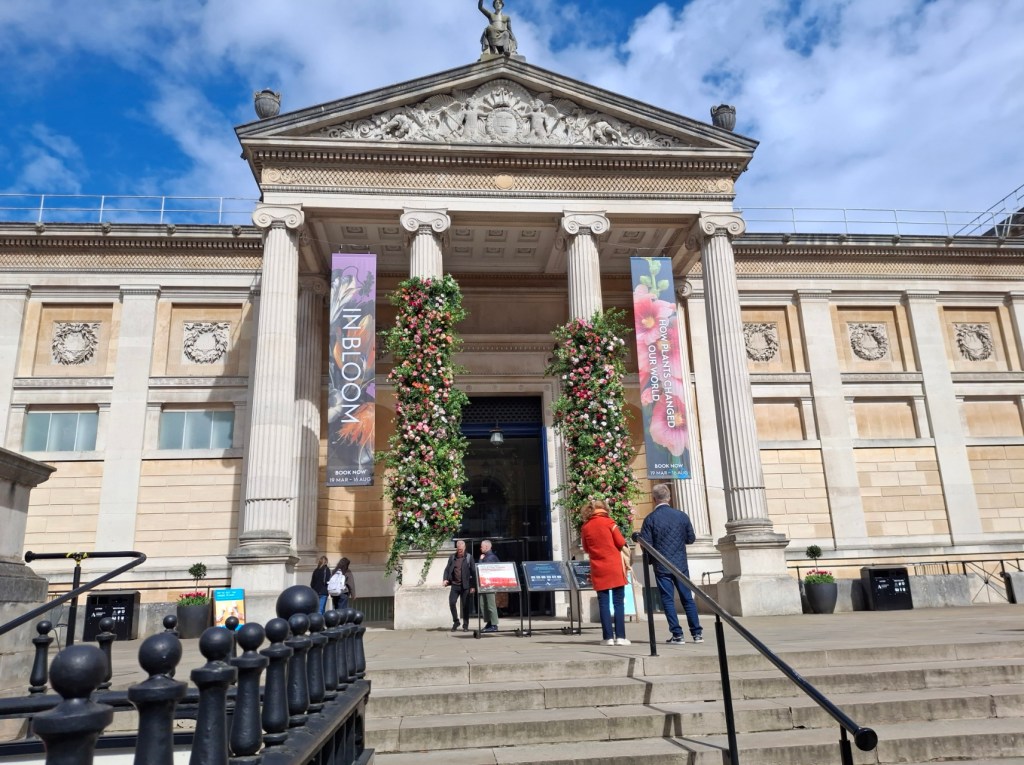
For once I made the right call – they waited 35 minutes for a bus, I was in the museum in 7 minutes. Flower displays adorned the portico presaging the exhibition called In Bloom about the history of gardening, plant hunters and the commercialisation of horticulture. It was excellent, small enough to be done in an hour or so but very informative and containing some beautiful and interesting images and objects.

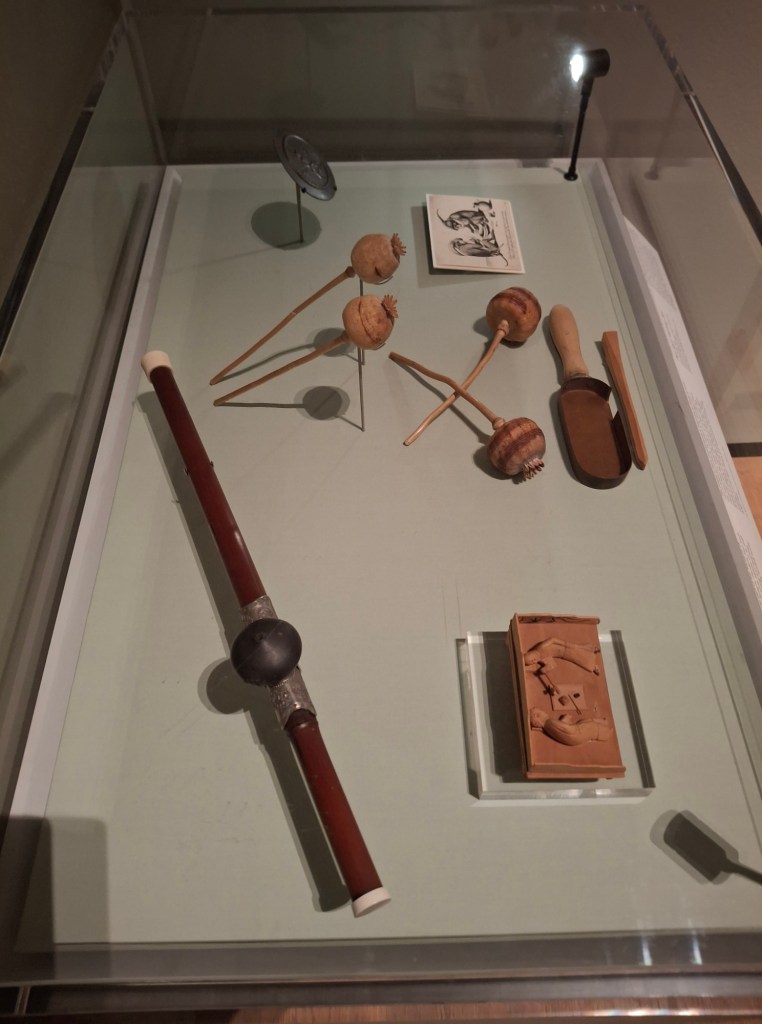
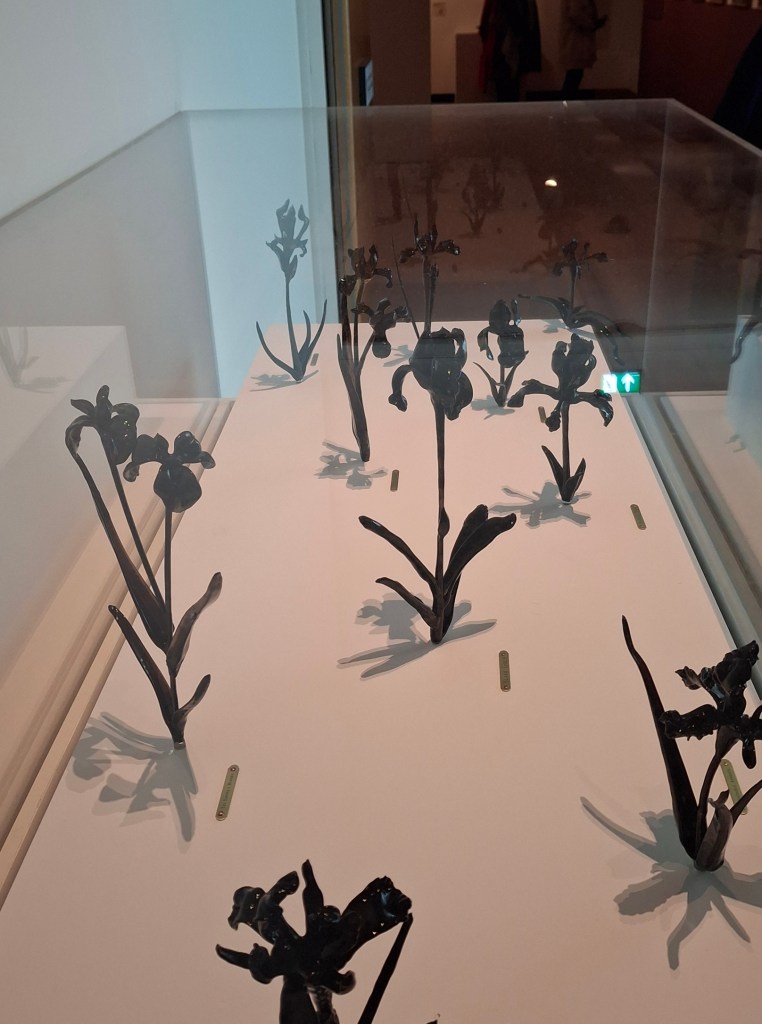
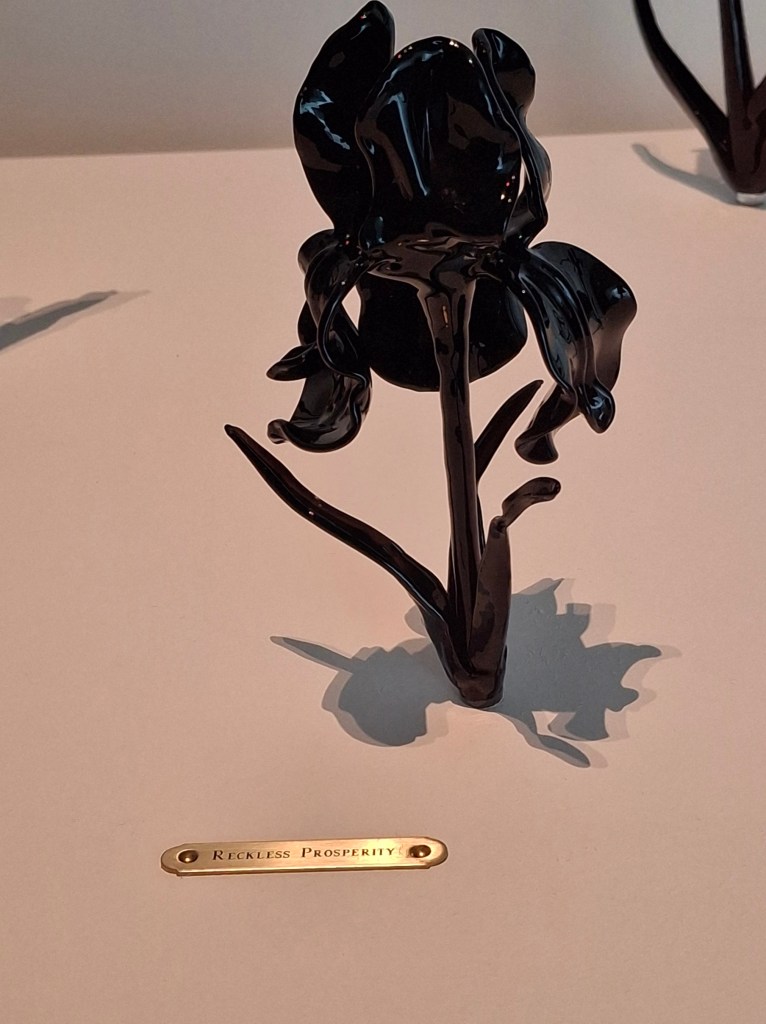
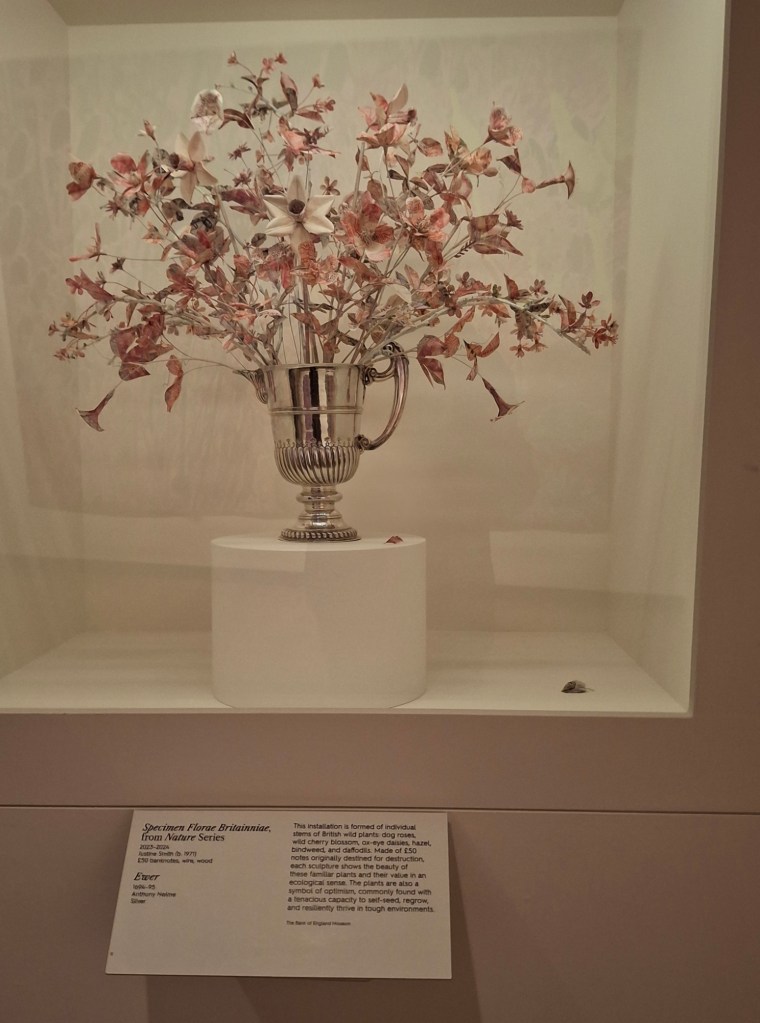
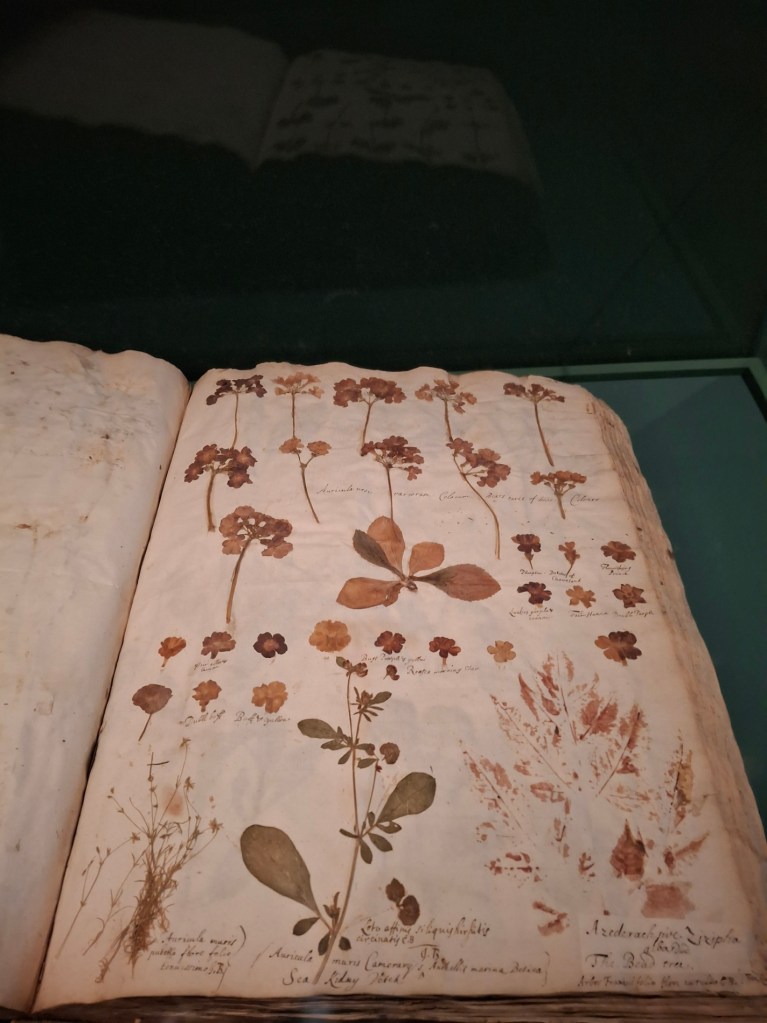
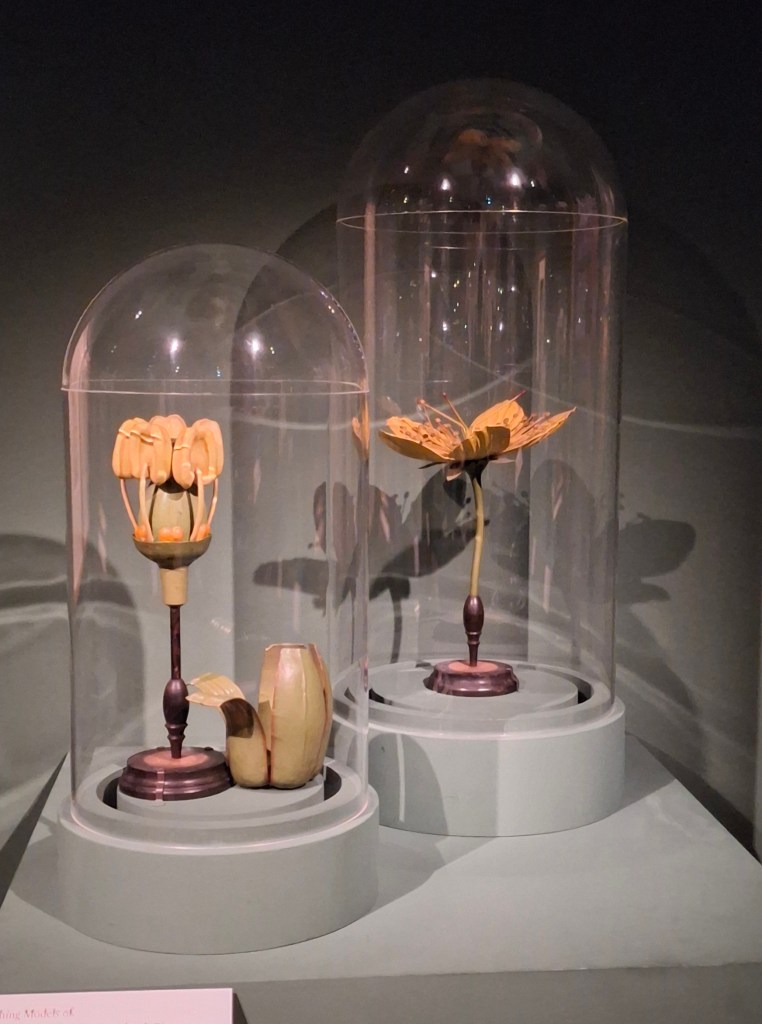
The exhibition featured early plant specimens lovingly pressed into folio volumes 400 years ago, botanical drawings, portraits of plant hunters and seed gatherers and some of the equipment they used. It didn’t shy away from the horrors brought about by the discovery of the powerful effects of the opium poppy, the mad vogue for the tulip that led to the bubble of 1634 retold in the Tom Stoppard and Deborah Moggach sceenplay for the film Tulip Fever in 2017. There were smell stations to distinguish between black and green tea and to smell burnt poppy seeds and bizarre botanical teaching models. Modern artists were invited to exhibit their reaction to the displays and there were paintings, tapestries and sculptures that extended the scope to the present. Flower displays by Justine Smith made from used banknotes epitomised the dangers of always seeking the new. The sculptures and prints of the Iranian artist Anahita Norouzi were especially striking. Her flower scultures bore significant titles focusing on the colonial exploitation and her prints made in crude oil were a timely reminder of the horrors currently unfolding in the Gulf. I’m very glad I went to see it, particularly as the football was awful and the pub had no real ale.
Romola Garai was nominated for two Oliver supporting actor roles – The Years at the Almeida (won) and Giant at the Royal Court. I reckon she’ll be up for another next time for her amazing performance (leading not supporting) as Nora in the new version of Ibsen’s A Doll’s House by Anya Reiss. It’s in a modern setting but with all the tensions of the original. The Italian rest cure is replaced by a rehab stint in a Portuguese Priory, there are maxed out credit cards and the expected higher levels of income come not from a promotion in the bank but the sale of a company which has nearly but not quite gone through. The stripped down cast leaves the children only heard through a sleep monitor but this probably helps speed up the action. I found it had a very strong link to the original while exploring more modern themes. The absence of children made Nora feel slightly less trapped in her domestic cage than the original and the conclusion was left up in the air with a quick cut to black with everyone on stage rather than a slammed door. Lots to ponder which is a good thing on leaving the theatre. Next year’s supporting actor nomination should go to Thalissa Teixeira who was the most sympathetic character as Kristine and gave a superb portrayal of the impoverished widow and former university friend.
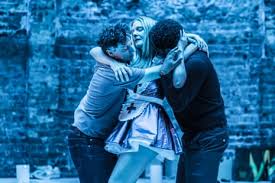
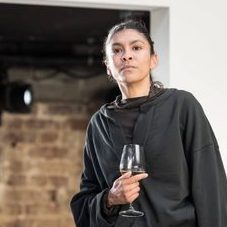
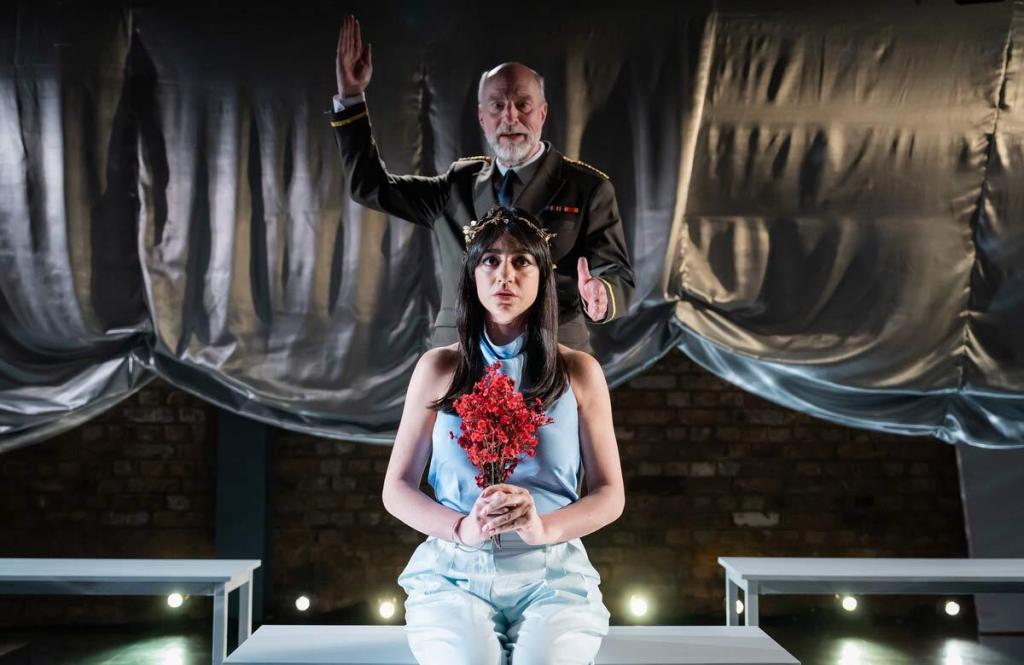
Iphigenia at the Arcola Theatre was again, a modern retelling of the familiar myth interspersed with live footage in various languages from people who had lost children through famine, refugee journeys and other misfortunes. These unwilling sacrifices made the dilemma faced by Agamemnon and Clytemnestra all the more poignant. It was an effective version with some fourth wall breaking moments and a haunting musical accompaniment. The backdrop of sails which turned into waves and the simple set framed some fine performances from Simon Kunz as Agamemnon, Mithra Malex as his daughter and Indra Ove. The modern political scene was never far from your thoughts as Agamemnon was prepared to kill his daughter in order to get wind for his fleet to sail into battle in a distant land in an unwinnable war – until a wooden horse tipped the balance after ten years of slaughter. We never learn anything myth or history it seems.
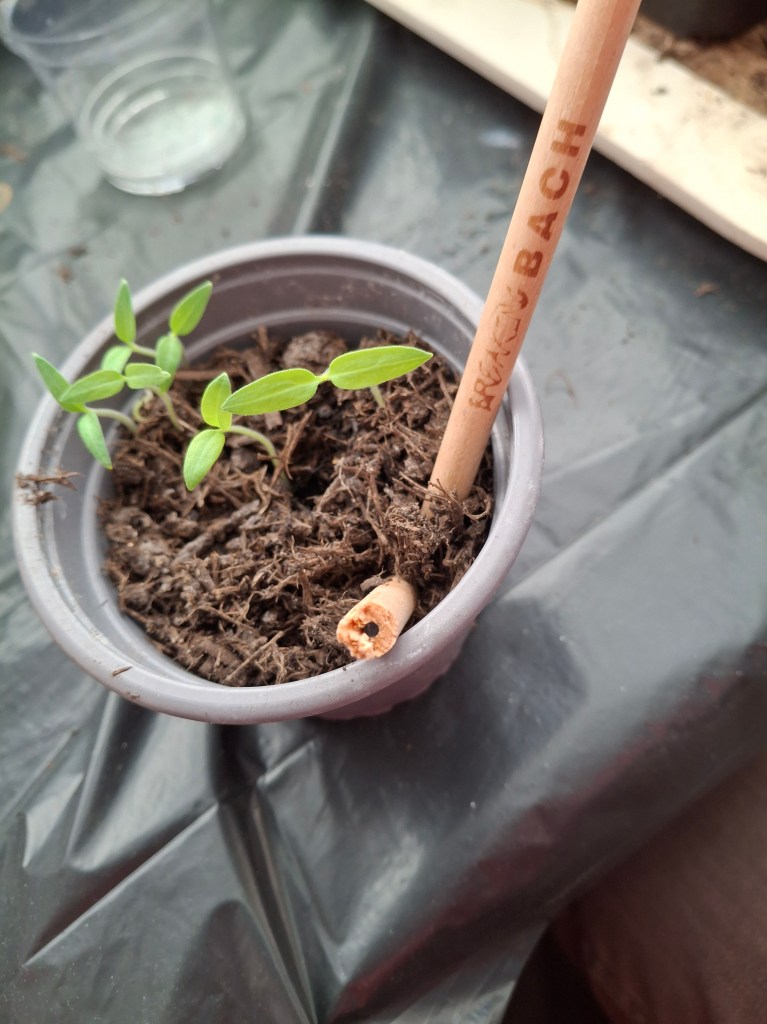
So it’s off to the Queen Elizabeth Hall for the latest in OAE’s experiments. One of the things I love about the organization is that they are always trying new ways of presenting music. Last year there was the amazing Breaking Bach promoted with among other things, plantable pencils. Mine says it’s sunflower seeds but the seedlings look very like tomatoes to me. At least they germinated! I shared this photo with some of the OAE team online and before the concert and we all eagerly await the next set of leaves and glorious sunflowers to plant out. I’ve promised to document progress.
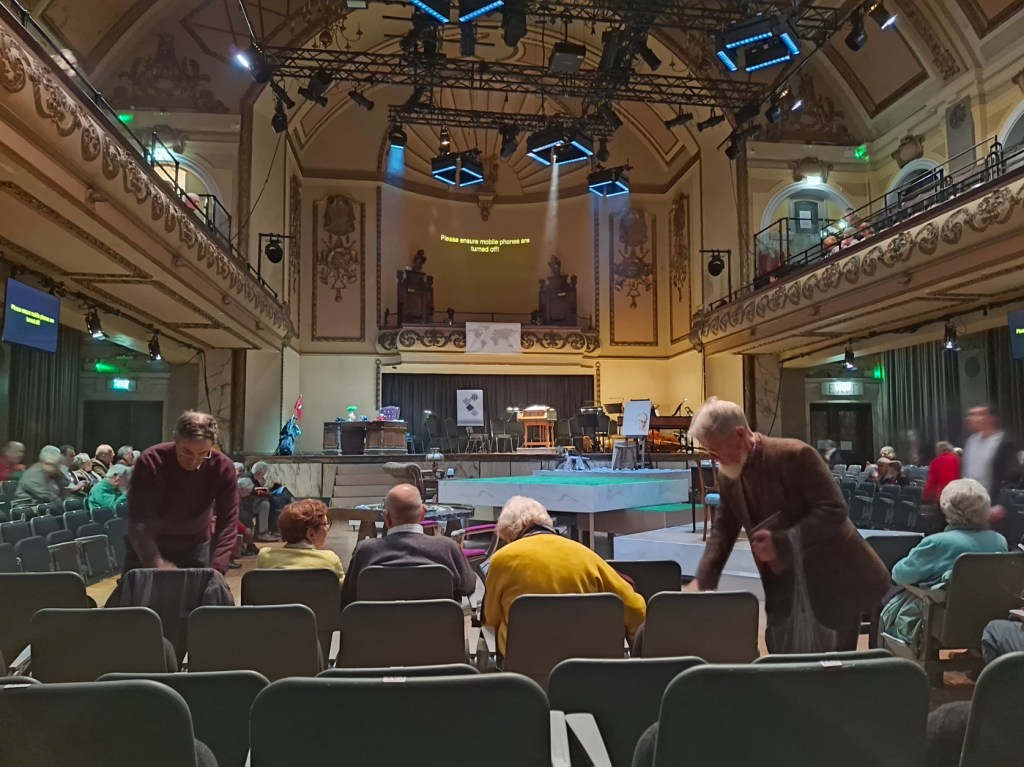
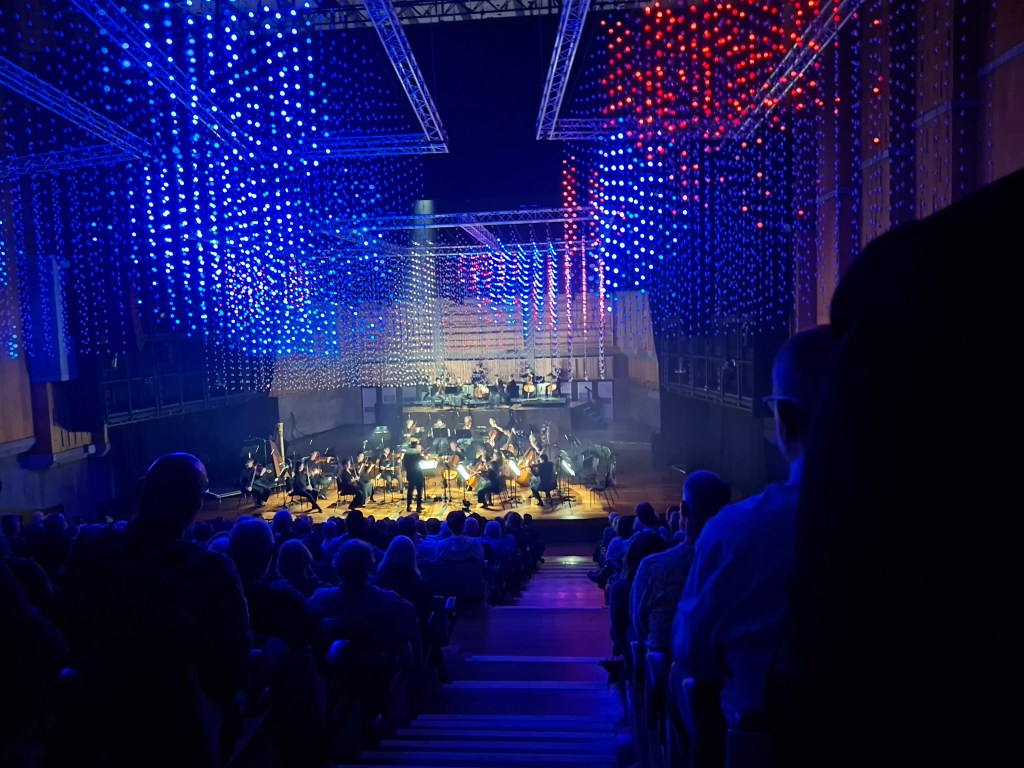
The concert tonight is Echoes of Hill and Horizon and present music outside OAE’s normal comfort zone. In collaboration with the Southbank Centre and Squidsoup – a specialist lighting company. The blurb promised “an immersive soundscape” and we were treated to bird calls in the foyer recorded at Leith Hill, Place Vaughan Williams’ home, to prepare us for his The Lark Ascending. What shocked on entering the hall was the massive grids with their arrays of tiny lightbulbs. I was glad I had chosen a rear stalls seat as there was one bank of lights above the central walkway behind front stalls punters’ eyelines. What was to come?
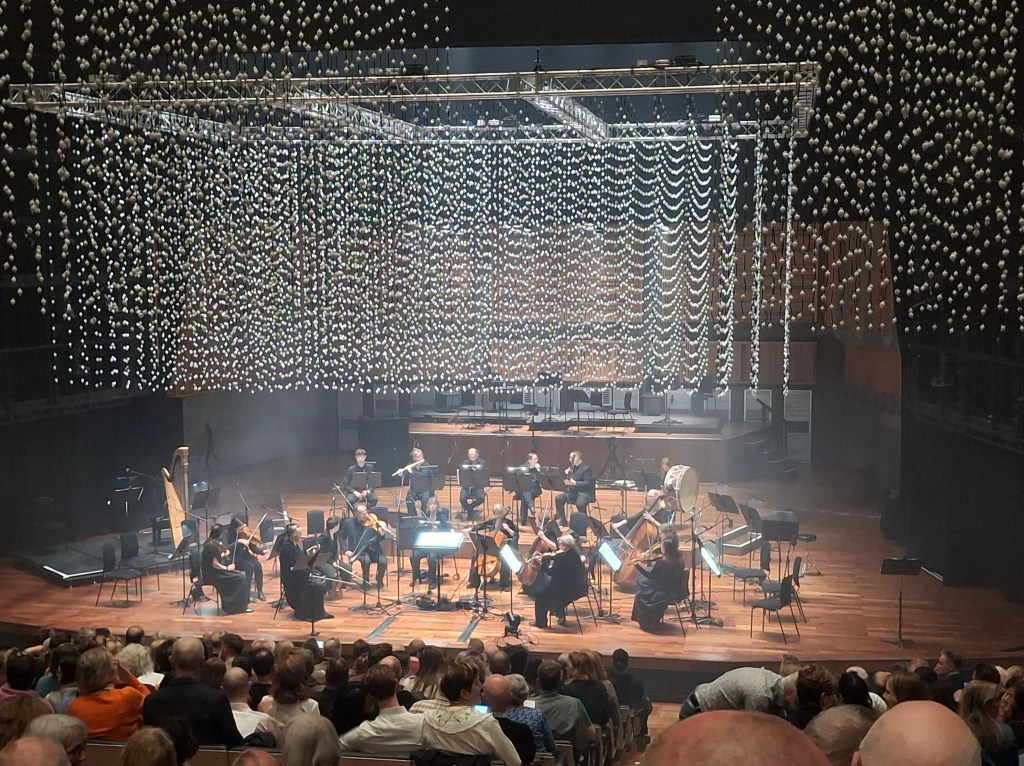
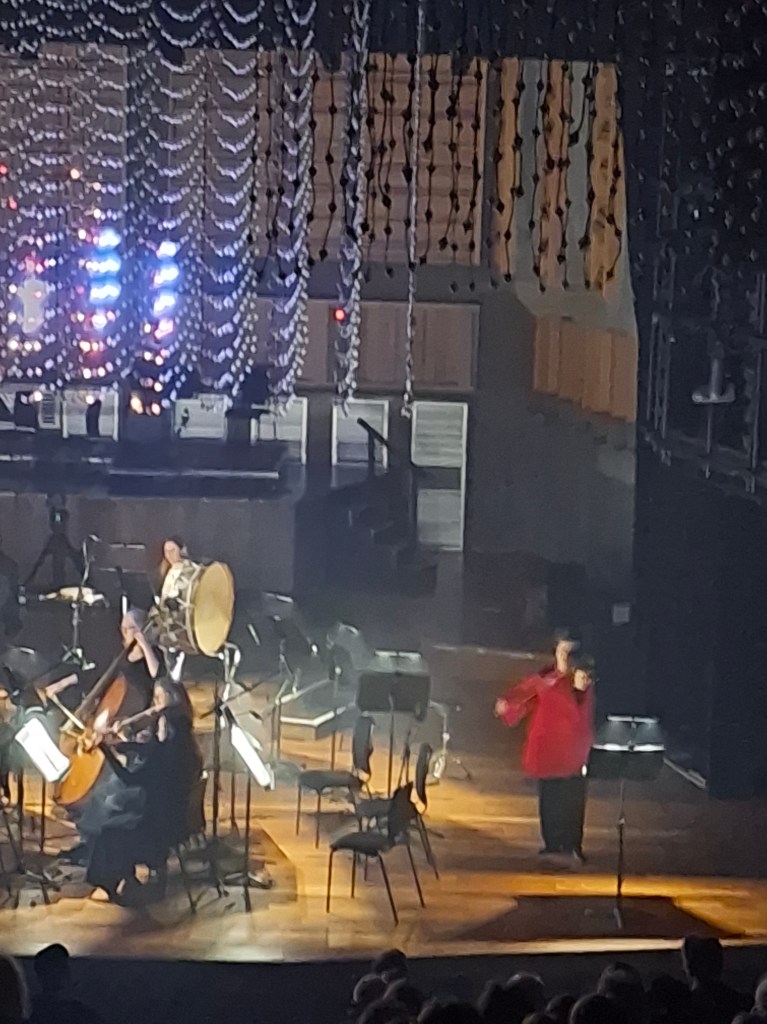
House lights dimmed, the orchestra played the opening bars and then Kati Debretzeni’s soaring violin was heard offstage. She emerged and continued to play from various points on the stage before disappearing again at the end. It was an inspired performance all the more effective because it’s the first time she’s ever played it. She explains her approach entertainingly here. The lighting streams showed said lark (oddly in red and white looking more like a Welsh dragon) flitting from side to side and back to front always rising with the thousands of bulbs able to change colour magically – it reminded me of the lights on the Copenhagen set last week. The lighting changes fitted well with the moods of the music – sometimes a bit obvious like the green swathes for Fantasia on Greensleeves – but often enhancing my appreciation of the music. For Vaughan Williams’ Fantasia on a theme of Thomas Tallis the orchestra split in two with some effective antiphonal layered playing in this familiar piece. What mattered most for me about the evening was the Southbank’s Concrete Voids sound system. Each musician had a stand mic beside them and the lightly amplified mix played into the auditorium was astounding. Every note was clear, as you’d expect from this band, but the enveloping effect of the surround sound was for me the highlight of the evening. To hear very familiar repertoire in such a new way was really satisfying and sent me from the hall with a real buzz of delight. Did the lights mean a lot? Probably a bit gimmicky and added only slightly to the pleasure of the music. But the Comncrete Voids system added a lot.
And the next evening there’s another stunning stage debut at the Kiln Theatre. And he’s only playing John Lennon! Noah Ritter was the debuntant alongside the chameleon that is Calam Lynch as Brian Epstein in Tom Wright’s play Please, Please Me. it was insightful, touching on Epstein’s discovery and subsequent management of the Beatles – none of their music was heard because of massive licencing fees, it seems. The one woman in the cast Eleanor Worthington-Cox plays John’s Aunt Mimi as well as Cyn/Cilla John’s first wife and Epstein’s other signing Cilla Black. She was excellent tin all three roles with subtle changes of headgear and wigs. The versatile set wheeled and danced across the stage with the outline of the Cavern Club providing a background. Amit Sharma’s direction allowed space for the play’s themes of Jewishness, illicit homosexuality, addiction and privacy stolen by beatlemania to unfurl in crisp dialogue with many moments of humour amongst the overall gloom thrown by Brian’s death aged 32 two years before homosexuality was made legal un the UK.

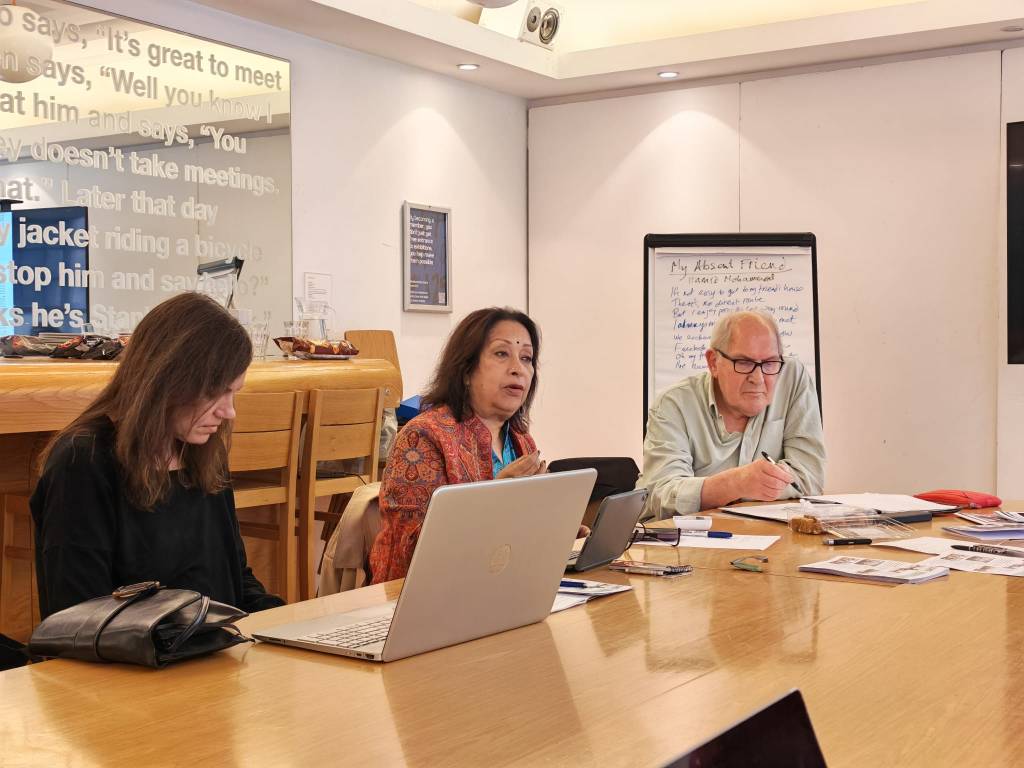
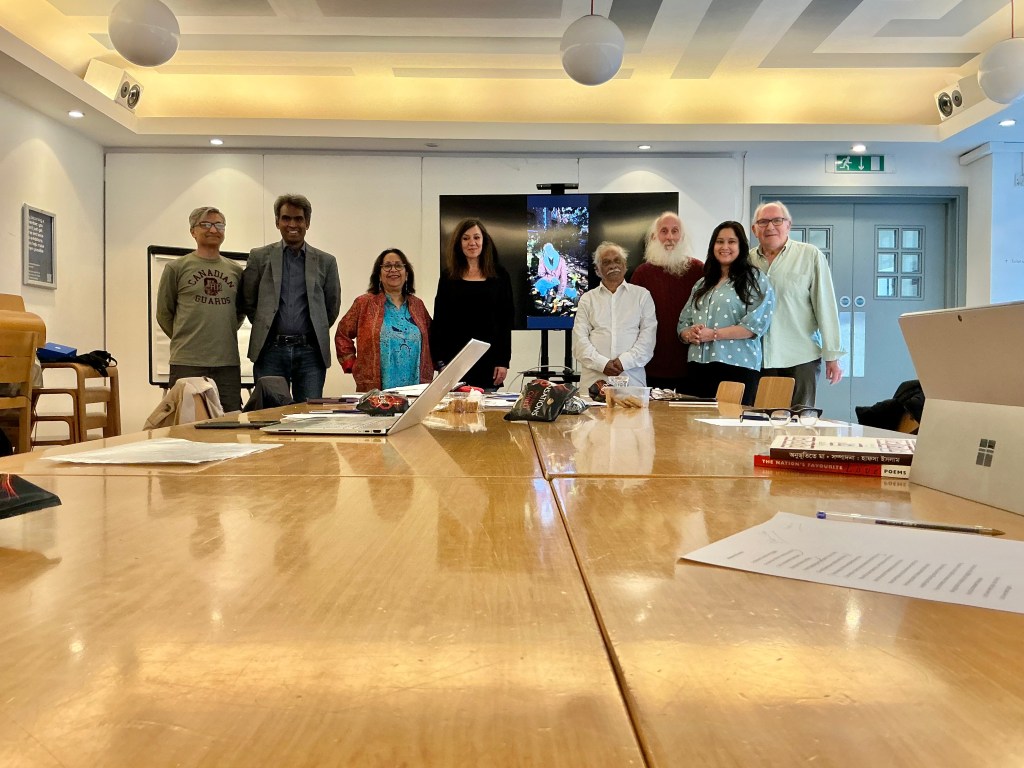
Bookending the blog neatly, the last Sunday of alternate months means it’s time to head back to the Whitechapel Gallery for the British Bilingual Poetry Collective’s Bi-monthly Meetup. At the last meeting we’d agreed a theme of Absent Friends as 26 April was the anniversary of one of our member’s father’s death and it was the week when my late wife Dee had her birthday so it seemed a good occasion to remember those no longer with for whatever reasons. Several poignant poems were read and lively discussion ensued as memories were exchanged.
Marching on …

Finally after all the gloom of the year to date we had a few days of sun and I was able to plant some vegetables – broad beans and parsnips so far – check on the onions and garlic planted last autumn and do the annual hack and slash of all the dead brush from last year’s flowers. Then as I turned to go indoors the sunset showed me my next big task. The tree in the left foreground is my quince which has given us so much membrillo and jelly over the years but has lots of overlapping branches and needs a really good prune. A start has been made.

My rather aching limbs picked up some energy on Monday evening as I set off fot the Wigmore Hall to hear the Irish Baroque Orchestra play The Trials of Tenducci as the first part of a tour to Dublin, Limerick, New York and Virginia. I’m a great admirer of Peter Whelan who leads the IBO and the energy and clarity the band brings to the repertoire.

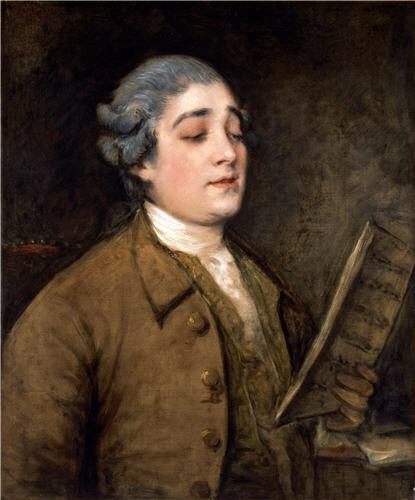
Tonight’s was an interesting programme based around the exploits of one Giusto Fernando Tenducci, a famous eighteenth century castrato singer. Born in Siena he came to London in 1758 and later moved to Dublin where he met and married Dorothea who later bore two children but later sued him for divorce for non-consummation. He became something of a celebrity – he was painted by Gainsborough, was friends with J C Bach and a singing teacher to Mozart. He was also to spend eight months in a debtors’ prison in London and later in Ireland. One admirer wrote of his voice: ‘neither man’s nor woman’s but it is more melodious then either’. Tenducci by Gainsborough in the Barber Art Gallery in Birmingham.

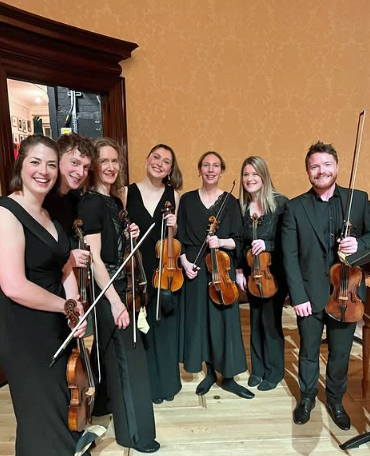
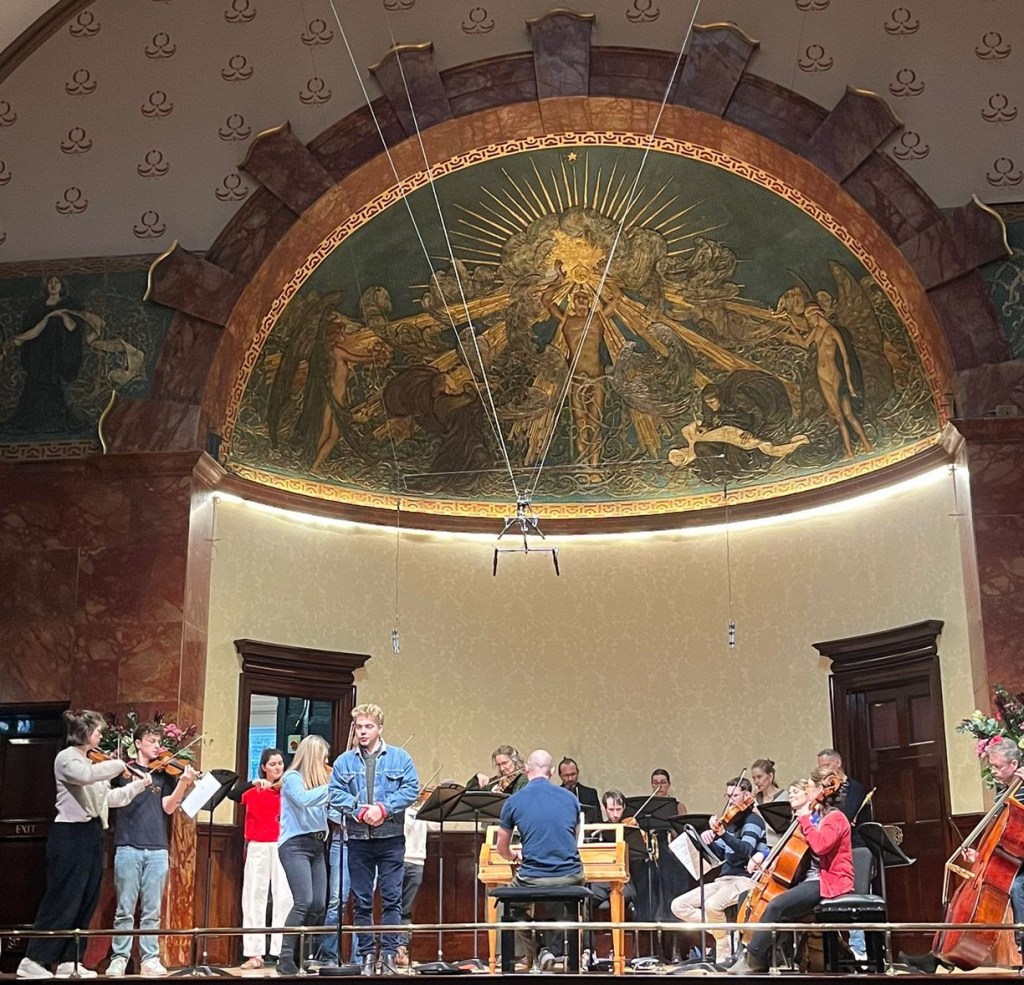
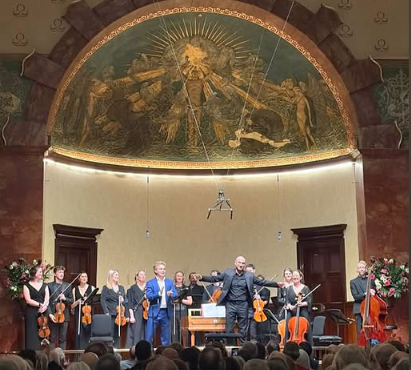
Having heard last week Mozart’s last three symphonies, each half of the evening began with two of his earliest ones, numbers 1 and 4. Short, sharp and lively, they set the sense of fun for the evening which involved works which Tenducci had sung or were by his friends and contemporaries. Tenducci’s role was taken by the excellent countertenor Hugh Cutting who expressed his delight that high range male soprano voices were no longer the result of mutilation. He sang arias by Gluck, Thomas Arne, J C Bach and Mozart and as an opera singer he filled them with expressiveness and drama. The orchestral playing in an oboe concerto by Johann Christian Fischer and the symphonies and a rollicking version of Tommaso Giordani’s Overture and Irish Medley which contained well-known Irish folk tunes was brilliant with a small orchestra filling the hall with an eclectic and delightful programme. And afterwards I was able to catch up with violinist Jenna Raggett as she and fellow violin players were taking a selfie. And the IBO conveniently posted photos of the rehearsal and the final bow.

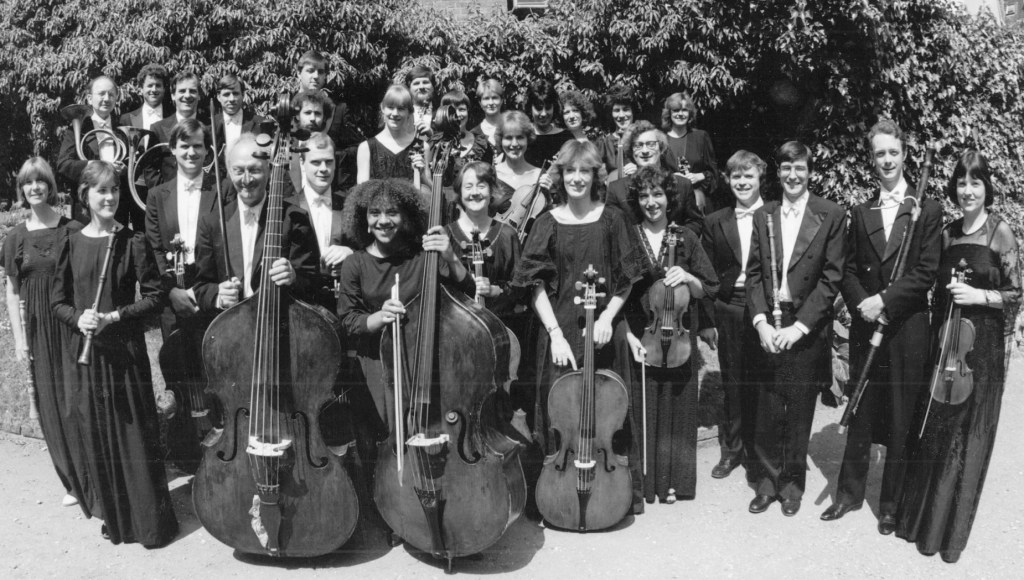
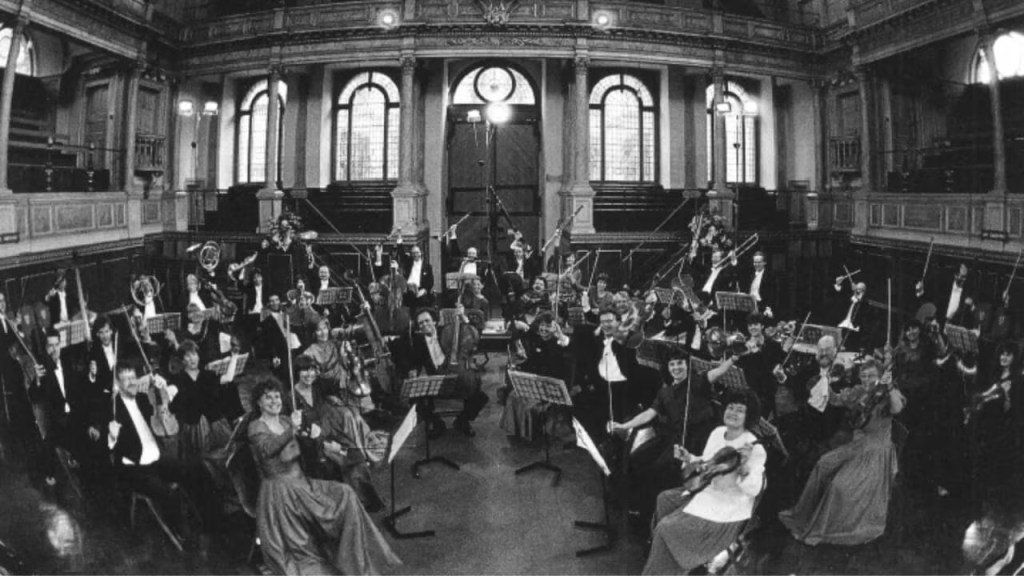
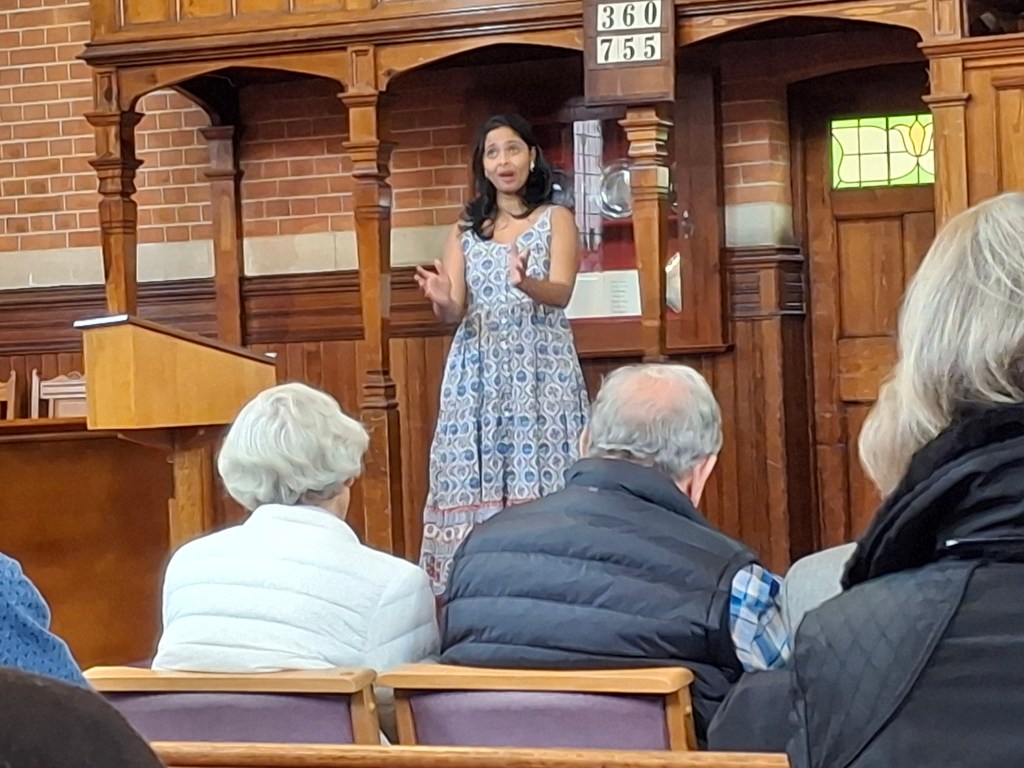
Later in the week my favourite orchestra the OAE held a session to launch its Southbank Programme for 2026-27, Held in the elegant hall of Acland Burghley School in Tufnell Park and hosted by Radio 3 and Proms star Katie Derham, the evening had music from a string quartet with vocals from tenor Hugo Hymas who was one of the OAE’s ‘Rising Stars’ in the 2019 cohort. While discussing each of the concerts with long standing players Annette Isserlis (viola), Cecelia Bruggemeyer (bass) and Martin Lawrence (horn), we also heard the fascinating story of the band’s formation back in 1986 when a number of players decided they were doing all the work and others were getting all the plaudits so they formed an orchestra that was run by its players not by a single celebrated conductor. It’s proved a great success for forty years and has allowed for concerts with a wide variety of conductors and several directed from within the orchestra itself. Another very pleasant evening in the company of friends and with some excellent music from Vivaldi, Bach, Handel and Mozart.

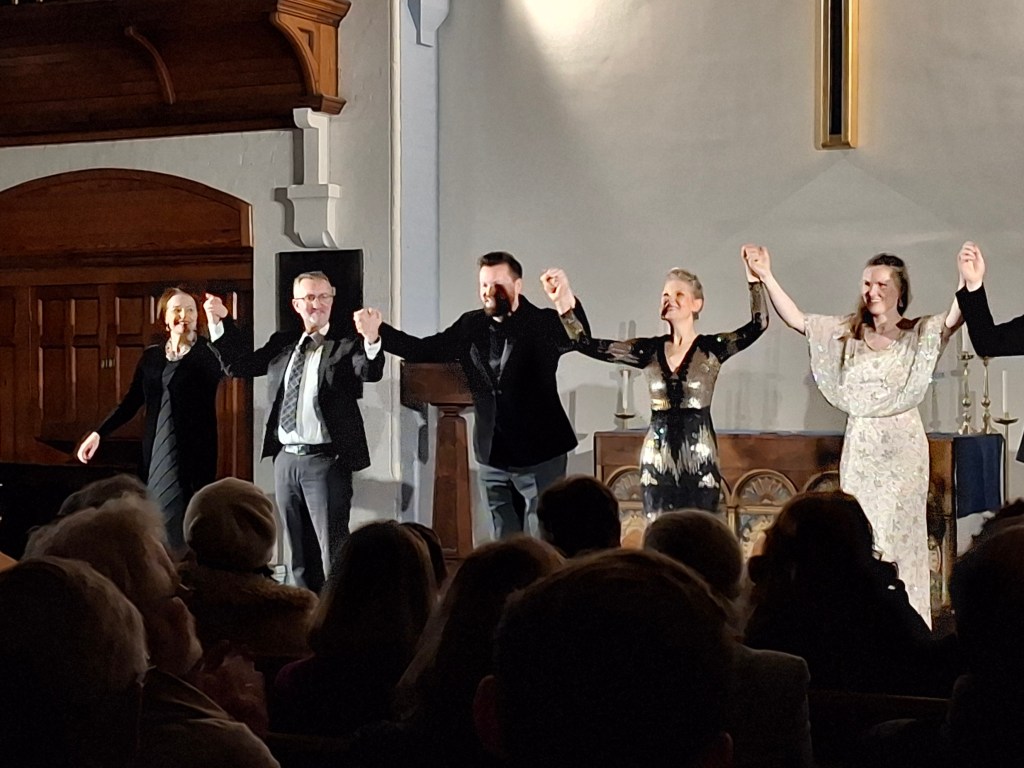
Friday brought a real surprise. Ace pianist and dear friend Susie Stranders invited me to a gala evening with St Paul’s Opera in Clapham. Well if Susie’s involved it will be good so off I set in a convoluted cross Sarf Lunnun jaunt with a bus, two trains and a walk to a wonderfully simple church, St Paul’s Clapham, to meet my friend Jadwiga who was coming from Putney. I’ve been previously to similar evenings in Fulham Palace and the Blackheath Halls and it appears that there are many occasional opera group and societies all over London and indeed the country. It’s great that there are so many opportunities for talented young singers to engage with diverse audiences in different locations. St Paul’s Opera has a dynamo at its heart in Tricia Ninian and the evening was billed as David Butt Philip and Friends. David has been associated with St Paul’s Opera since 2017 and gathered some great friends to perform arias and songs from Handel and Mozart through Wagner and Bizet to Britten and Bernstein. David was joined by soprano Ellie Laugharne, mezzo Marta Fontanals-Simmons and bass Liam James Karai. As accompanists for the four singers Susie was reunited with Eric Melear with whom she had been on the young artists programme at the Grand Opera Studio in Houston back in 2000. Both experienced repetiteurs, they managed to make the piano sound like a full orchestra in the fine acoustic of the church. I can’t make St Paul’s production of La Traviata this summer as I’m out of town at a wedding but I’m sure it will be worth a trip.

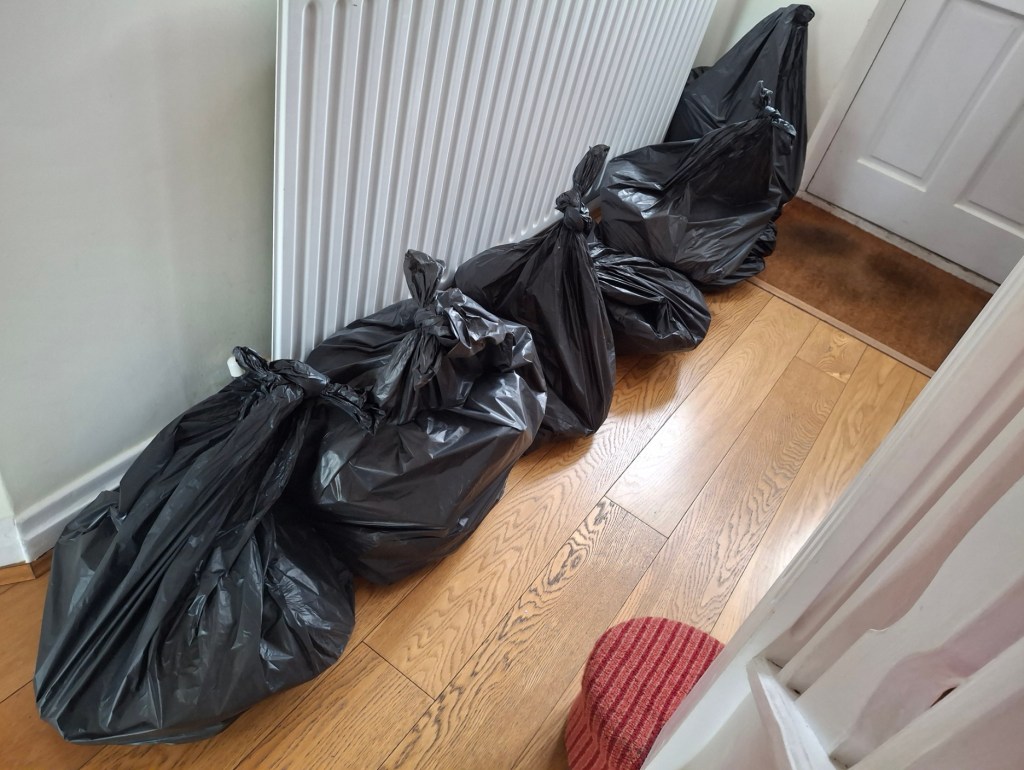
A business bagged up for shredding! 30 years of my various company documents all on their way to be shredded. Because many of the call sheets and contact lists, invoices and (remember them?) cheque stubs contain the names and details of several rather well-known names I’ve been lucky enough to work with over the years, they can’t just go into my Lewisham Council recycling bin. So off they go to Restore Data Shred for secure and certified destruction.

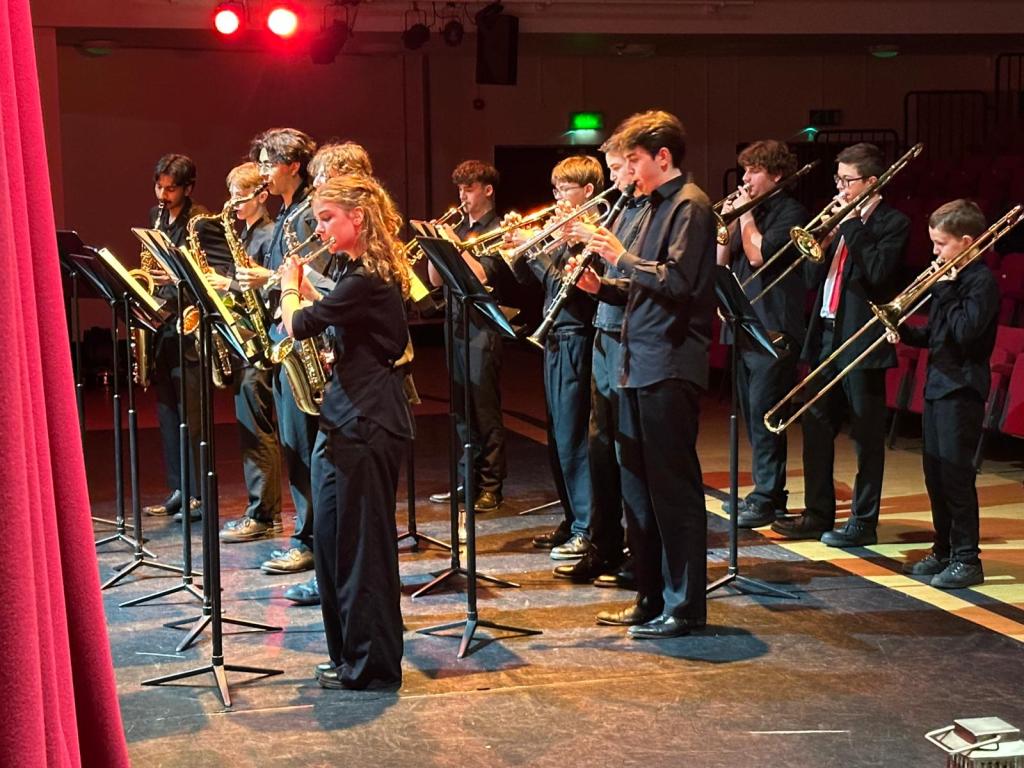
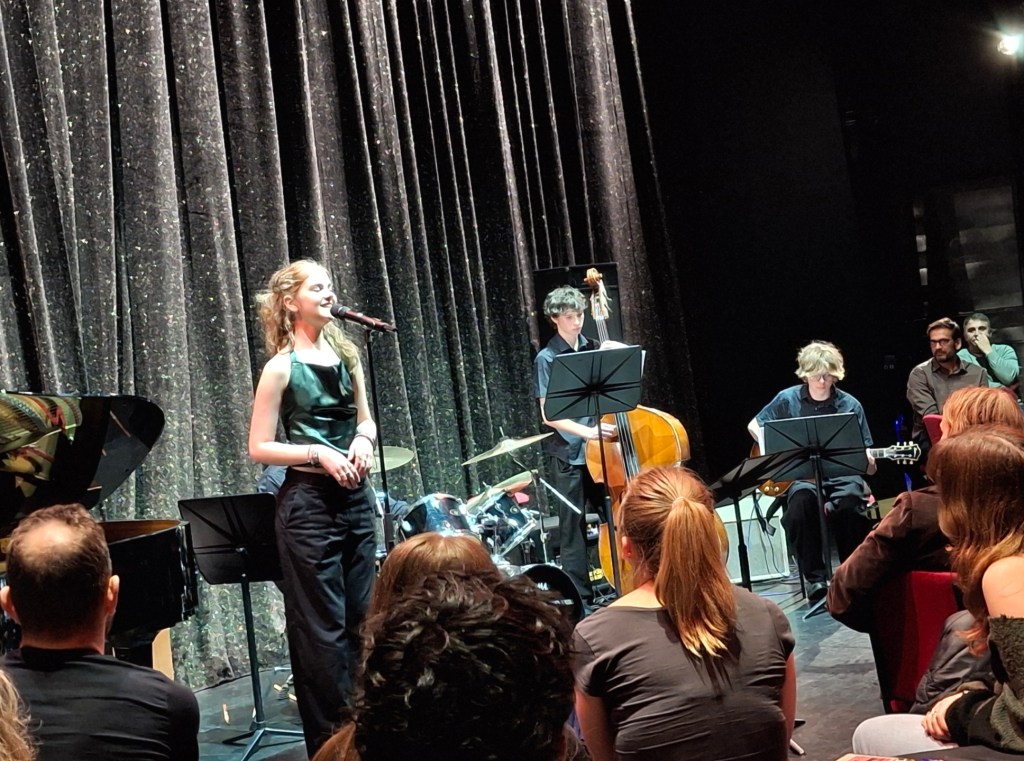
After that it was a visit to Langley Park Boys School for an ‘Evening of Jazz’ in which my granddaughter was playing flute in the big band numbers. The evening opened with a quintet featuring Sam on tenor sax who had guested with Soulstice last week at Off the Cuff. They were very good as were the big band that played a few standards. Then to my surprise after Soulstice lead singer Bea had sung Round Midnight, Trixi (Daisy) stepped up to the mic to sing Dream a Little Dream for Me. Her parents had failed to inform proud grandad that she was a featured soloist as well and she gave an emotional rendition of a fine thirties song imbuing Gus Kahn’s lyric with a real sense of longing. The whole evening was a further confirmation of the immense depth of talent that is produced when the arts in schools are properly respected and resourced. Soap box suspended for now!

Next to the Donmar for Anna Ziegler’s Evening all Afternoon – a tense two-hander with Anastasia Hille as Jennifer, a suspect new stepmother and Erin Kellyman, making her stage debut, as Delilah, the suspicious and resentful daughter. Both actors are superb – Hille is all internalised emotion, with staunch British values, stiff upper lip and sense of decorum, responding stoically to the taunts thrown at her. I really can’t believe that this was Kellyman’s stage debut – apparently she’s well-known on screen but not in shows I’ve seen. (I also note now that Erin will be in the TV show 2026 – the successor to the 2012 and W1A satires that lit up our screens with [presentation of wondrous, pretentious incompetence.)

Jennifer is a young, bolshie, opinionated half Brit, half Brooklyn tornado who rages at her mother’s early death and her father’s gall in replacing her. The play revealed many ideas of grief, loneliness, age differences, relationships and an eventual uneasy and tentative rapprochement. With some scenes of dialogue between the two characters and others where they address us the audience directly the revolve stage worked really well against a dark blue brooding set. Lots of food for thought in a dramatic short play.

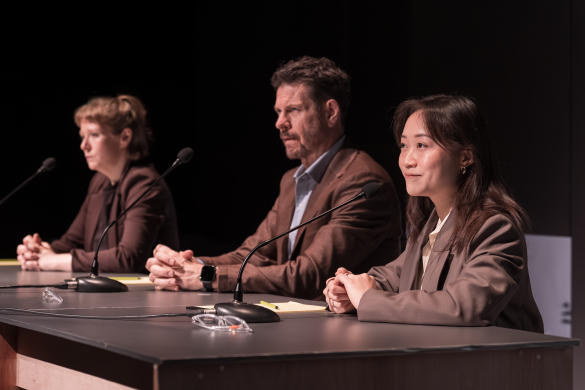
The next night at Hampstead downstairs we saw R.O.I. (Return on Investment) another short new play by Aaron Loeb which examined the releationship between creator and investor in the context of big pharma. Paul, Lloyd Owen, runs a venture capital fund with which he intends to change the world. His colleague May Lee, played by Millicent Wong, is on the hunt for a unicorn – a start up company with a $1billion valuation which will gain her a partnership and personal wealth. Along comes Willa, Letty Thomas, with a cure that will eradicate cancer from the entire world. I wondered if she was the real deal or another Elizabeth Holmes of Theranos ignominy – who did get a mention in the script. We were left to wonder throughout as the wonderdrug trials progress through successful initial stages into really murky territory to avoid scrutiny by the FDA. Add an affair between Paul and Willa, gaslighting May Lee, questionable views about ethnic types and a Congressional tribunal – there’s a whole lot going on in there, including a late appearance of The Woman (Sarah Lam) perhaps showing where May might be heading. It’s very sharp and witty in its dialogue and there are many moments of humour among the sad implication that power and money will always corrupt even the most well-meaning of souls.

Willa, (Letty Thomas) Paul (Lloyd Owen) and May (Millicent Wong) at the tribunal.

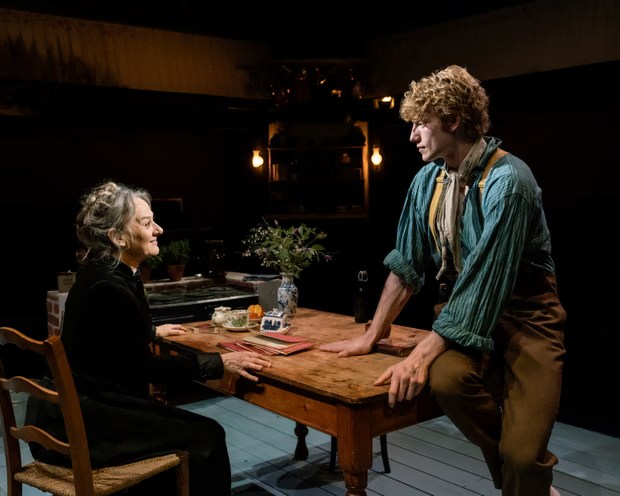
Next was a trip to Richmond for Vincent in Brixton which I missed at the NT in 2002 but this seems to be a time of revivals what with Teeth and Smiles and Copenhagen on the horizon. Nick Wright’s imagined revelations of van Gogh’s year in lodgings in Brixton, while working as an art dealer in Covent Garden, was a delight. The amazing Niamh Cusack led a cast in which three of the four were making their stage debuts – quite a week for debuts! It’s a quiet domestic piece in which we are treated to the kitchen odours of cooking on a working stove and later shared Niamh’s pride at her separation of egg yolk and white done in real time. It’s like a mystery story where you know the outcome but the characters don’t. Vincent was scathing about the work of fellow lodger Sam but we didn’t see any of his own work or sense his promise. He was a confused young man in a foreign country experiencing strong emotions and desire for the first time. Initially attracted to the daughter Eugenie, it was to landlady Ursula that we are led to believe he lost his virginity. It’s a play about grief, Ursula still in widow’s black, restless relationships and passion and everyday life gently unfolding in the Orange Tree’s intimate space.

Niamh Cusack as Ursula with Jeroen Frank Kales as Van Gogh. 
Photograph: Johan Persson/Orange Tree

The next day Fran invited me to join her for a technical rehearsal of Copenhagen at Hampstead Theatre. This time I had seen the original production of Michael Frayn’s play back in 1998. The staging was very similar with a sparse set with three chairs. At Hampstead there is the addition of a spectacular set back wall which I won’t describe so as not to spoil your gasps when you see it. It’s fascinating to see how lighting, sound and movement blocking subtly affect your understanding of what is taking place. Can’t wait to see the whole thing in a couple of weeks’ time. It’s a real festival of Michaels – Frayn, Blakemore the original director and Longhurst this revival.

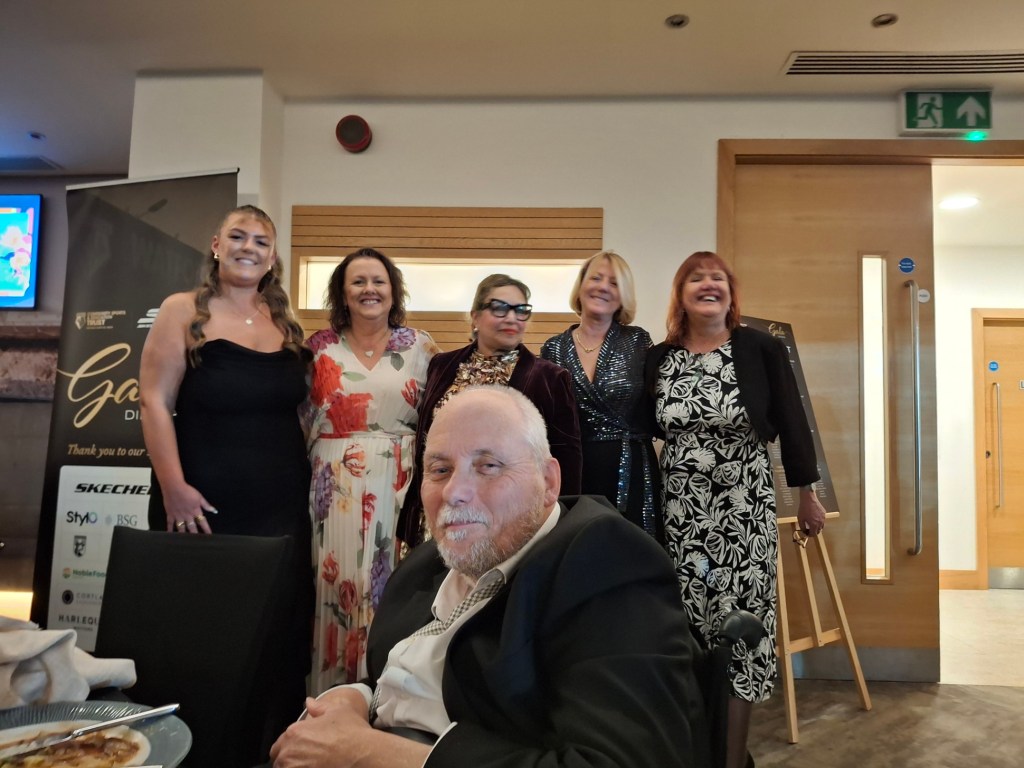
Thursday was the Watford Community Sports & Education Trust’s Annual Gala Dinner and so the usual suspects assemble at Vicarage Road for an evening celebrating what the charity has achieved against the gloom of the economy, through the dedication of staff and volunteers. It came as a pleasant surprise to me to discover that Frances’ sister Rose (second from right) has been asked to succeed Simon Macqueen as chair of the trustees. Well deserved for her energy and enthusiasm for the work it does. We all had a great time chatting to former and current players and meeting young people the Trust has helped over the years.

As it was a late finish, Rose had kindly invited Fran and me to stay with her and husband Mark in Bovingdon. This proved a great boon for me as I planned to catch my friend Kristina Ammatil giving a lecture/recital in Henley-on-Thames the next morning. So I set off for a pleasant drive through the Chilterns and made it in good time to hear Kristina discuss allegory in opera with the title: Love, Gods and Mortals. It was a well argued essay supported with slides and illustrated with excerpts from operas old and modern in Kristina’s powerful, melodic soprano accompanied by Jack Redman at the piano. She is particulary keen to perform contemporary repertory and introduced us to several pieces I didn’t know. I was very pleased to have the serendipitous chance to attend from nearby rather than making the trip from London.

I had a chance to chat with Kristina and her boyfriend Luka after the event for a catch up before dashing (I wish! Thanks M25.) back home to park and unpack the car and catch a train and bus to Shoreditch for a performance of Handel’s Tamerlano from which I’d heard excepts but never seen the whole of this great opera. Part of the annual London Handel Festival this was taking place in a completely new venue for me – the splendid Shoreditch Town Hall.

The orchestra under Laurence Cummings were superb and the production was delivered in a witty English language update of the original Italian. The design and concept led one to rename the opera Trumperlano since a blue suited, red tie wearing golfer Tamerlano, a Tartar emperor, tries to impose his will on the traditionally-costumed Turkish sultan Bajazet and grab his daughter Asteria who is in love with a Greek prince Andronico. It’s convoluted but hey it’s opera from 1724 and the London crowds loved it.

The year 1724 was a good one for Handel as he wrote Rodelinda and Giulio Cesare in the same year. I’ve now seen all three in the space of the last two years. They are all full of great tunes and high drama mixed in with a sense of humour which makes them very appealing. Certainly the Shoreditch audience loved the whole thing given the ovation the singers and players received at the end. A very varied musical day!

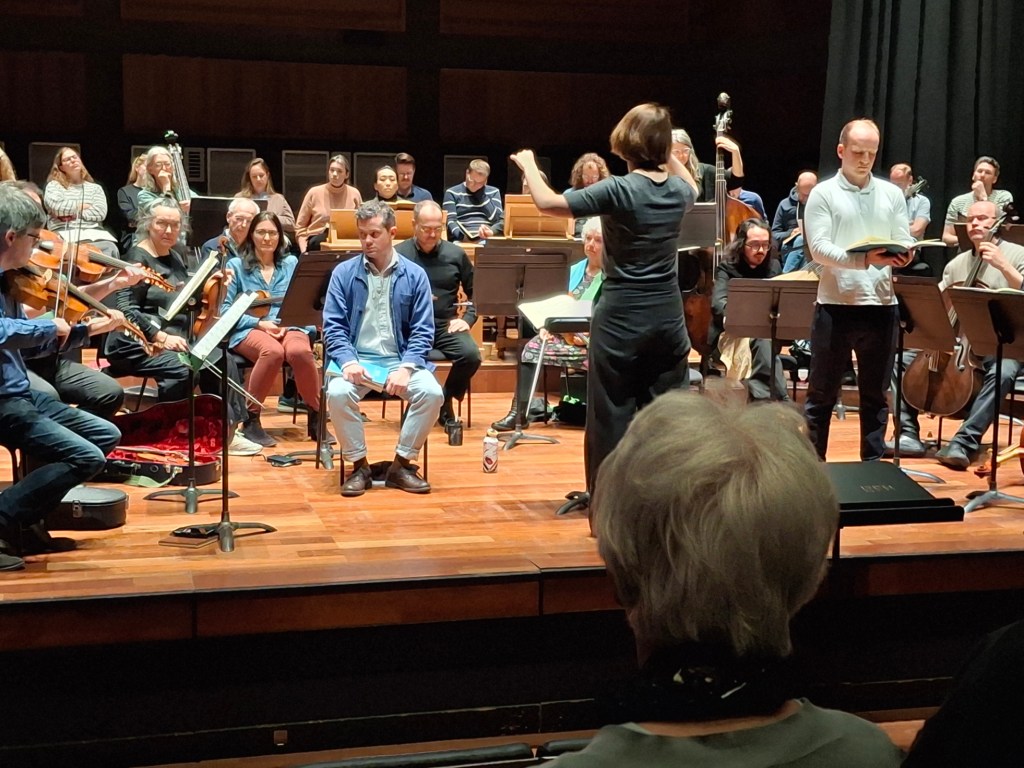
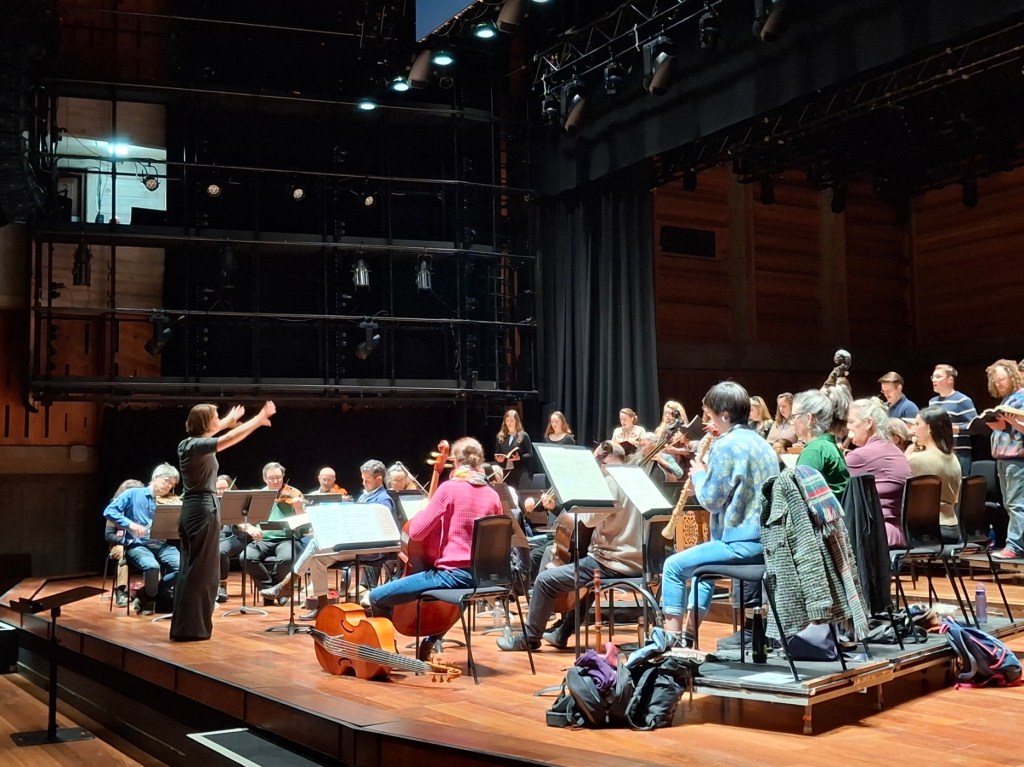
My last cultural outing of March also celebrated, by a weird coincidence, the year 1724 which just happened to be the date of Bach’s St John Passion which the OAE were performing in the Queen Elizabeth Hall. As a ‘friend’ I was also invited to attend the rehearsal with German conductor Johanna Soller making her debut appearance with the orchestra. She knows how to get asked back – she cut Sunday’s rehearsal by an hour – always goes down well with musicians! This rehearsal may have been brief but it was also fascinating. Ms Soller is clearly a producer as well as conductor, keyboard star and singer. She started by having the QEH staff move the rostra about so that the chorus formed a shallow horeshoe rather than a straight line; she moved soloists’ seats to better catch the hall’s lighting and during the course of the rehearsal frequently skipped off the stage, ran up the aisle to listen from the cheap seats and make sure we’d all get the best possible experience in the evening. She gave a number of notes and we could hear their immediate effect on volume, phrasing, pronunciation and diction. All very impressive but did it work?

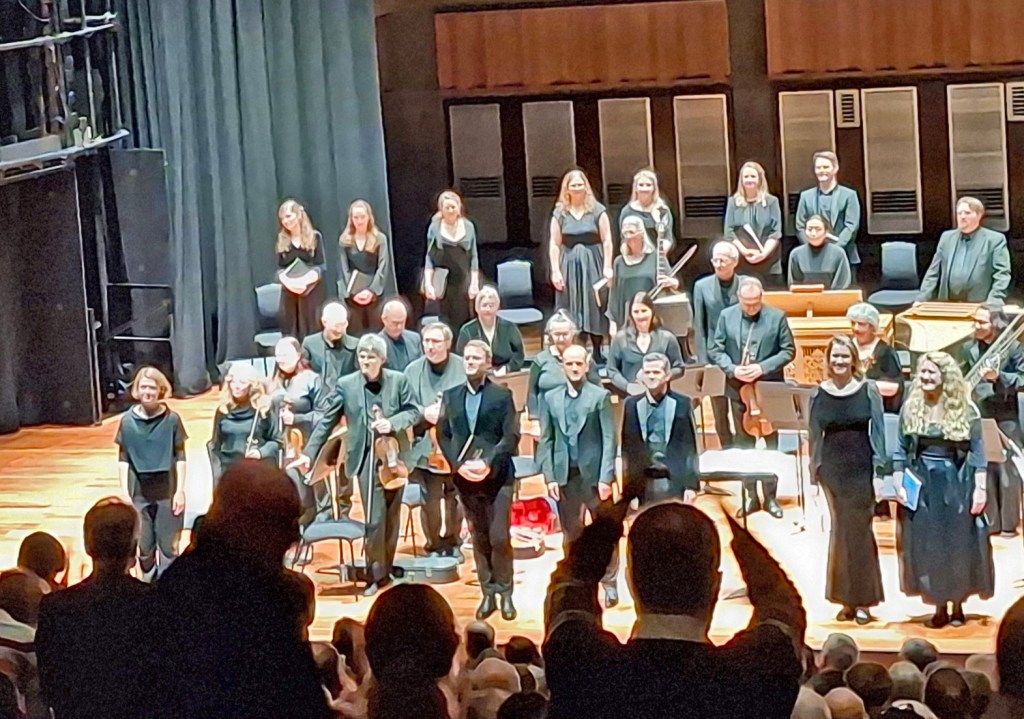
Emphatically, yes! Her energy and dramatic timing made this one of the most operatic readings of the mass and that includes Peter Sellars’ staged version with Simon Rattle and the OAE in 2019. The orchestra have played both Bach passions many times but sounded fresh and engaged last night. The score is so melodic and dramatic – the build up to scene 33 “And behold, the curtain in the temple was torn in two pieces from top to bottom. And the earth shook, and the cliffs were rent, and the graves opened up, and many bodies of saints arose.” shook the entire hall. This is in contrast to the beautiful alto aria “Es ist vollbracht – It is finished” sung by the wonderful Helen Charlston continuing her long assoctaion with the OAE having been one of its early Rising Stars. All soloists were excellent James Way as the evangelist, Peter Edge – one of the current cohort of Rising Stars – as Christus, Hillary Cronin, Jonathan Hanley and then Tristan Hambelton as Pilate was outstanding in his empathetic reading as the representative of Roman law. Johanna Soller congratulated all areas of the orchestra in turn and selflessly stood to one side as the band and soloists took their bow, A fine debut and let’s see much more of her in the UK.