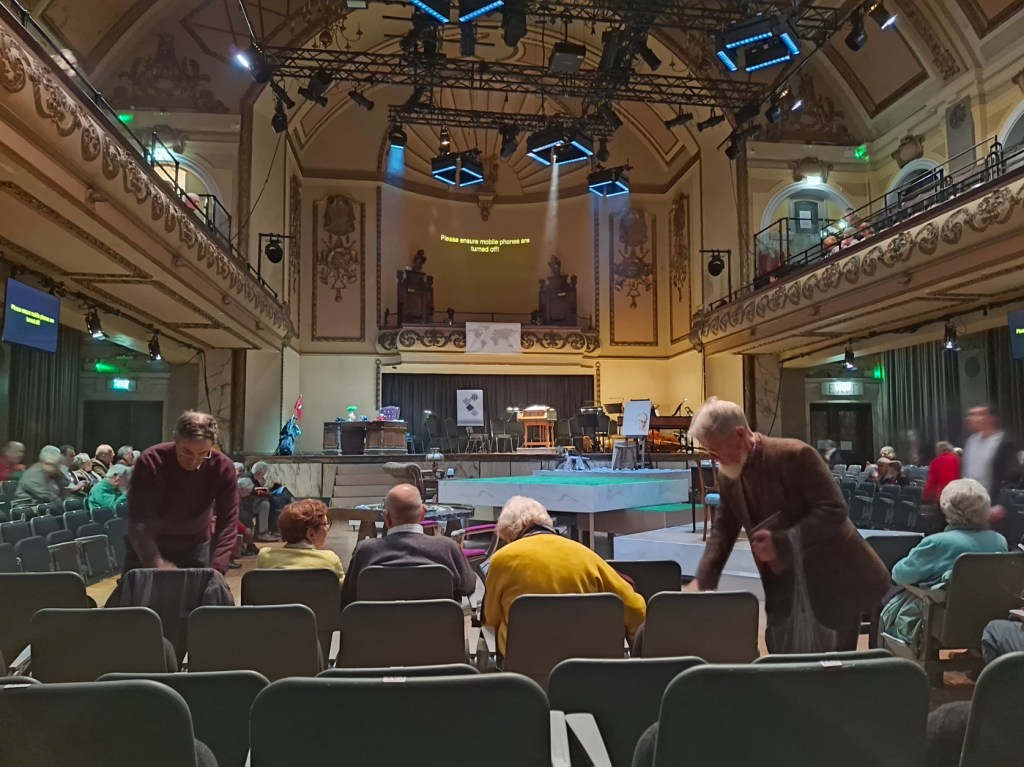
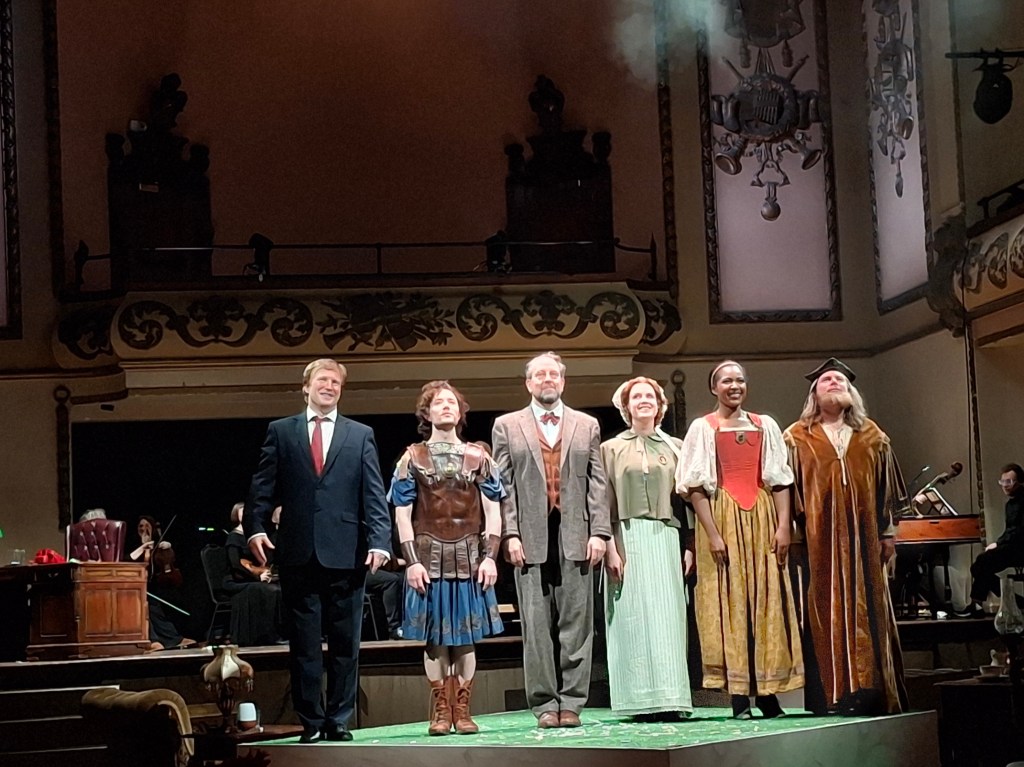
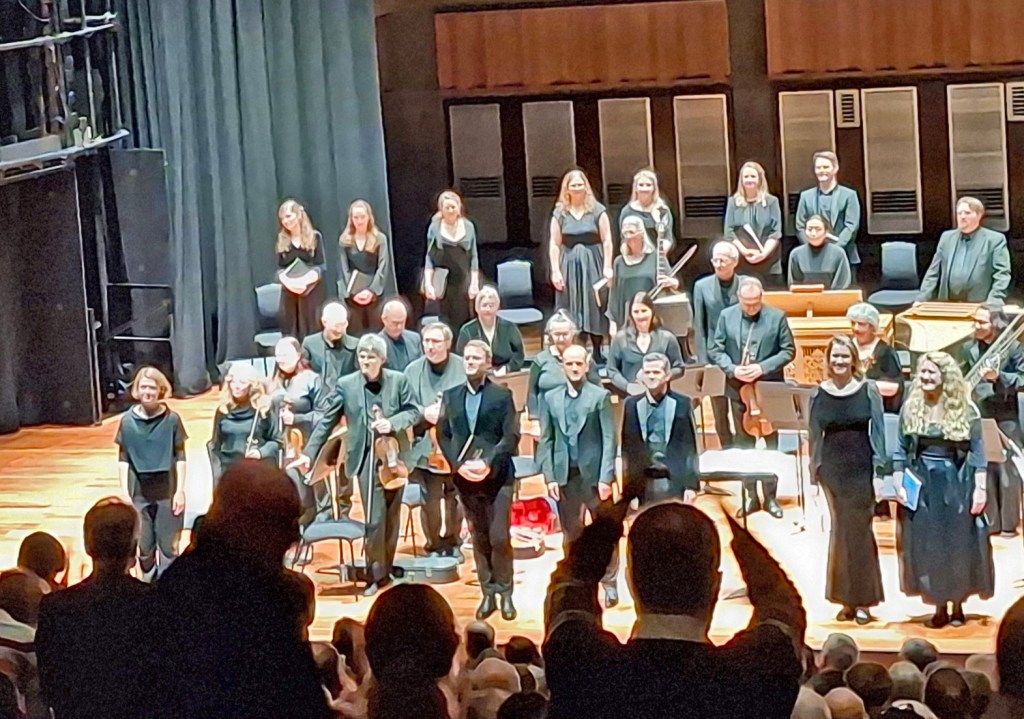
Maybreak

The momentous decision in early May was to sell my car. So I now have a car-free drive!

I’ve been a car owner for 60 years so this was a big step but insurance and running costs were becoming unsustainable, I travel in London by public transport for free and when I go elsewhere there are trains and buses. And my car insurance premium alone will pay for lots of minicabs when I’m feeling lazy or access is difficult by other means. Big mental adjustment but so far so good. I managed a recording session in Greenwich and my weekly shop three times now by bus – and all for free.

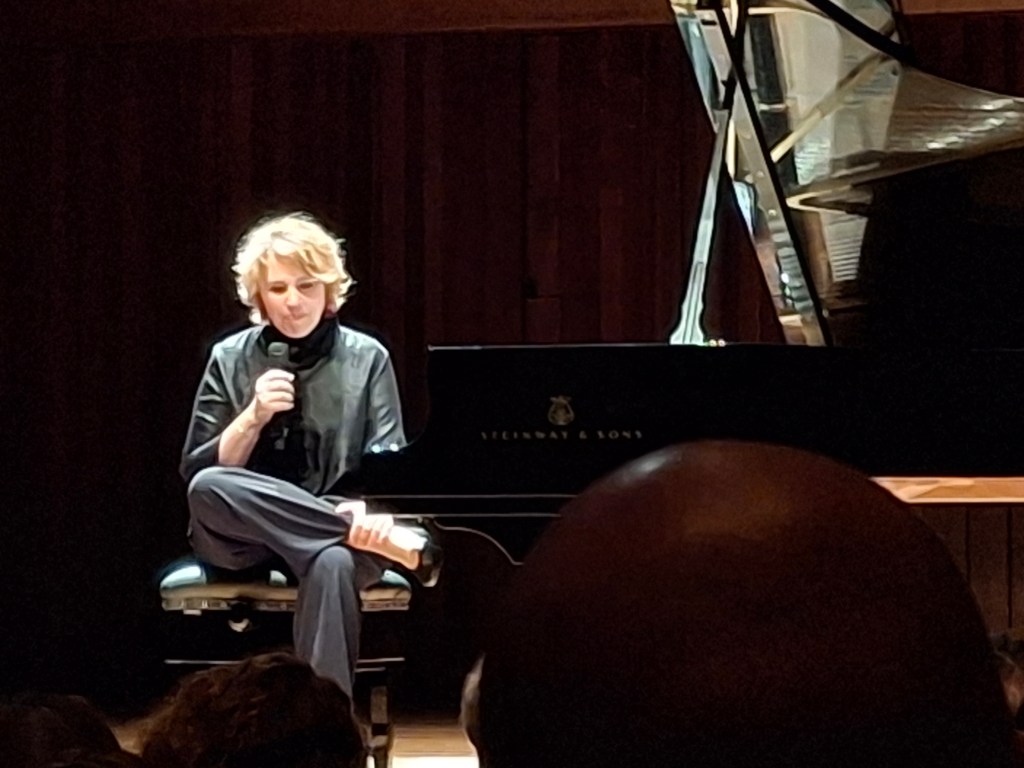
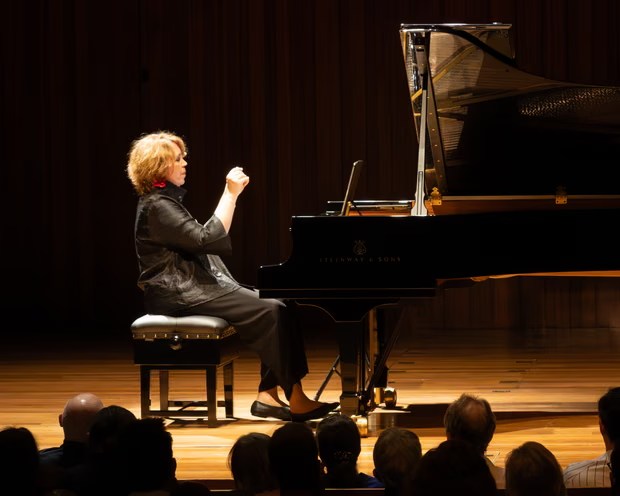
My daughter and son-in-law introduced me to the Venezuelan pianist Gabriela Montero who was performing at Milton Court at the Barbican on May 1st. We met for a pre-concert dinner at Pham Sushi which I’ve walked past many times but never been in. It was excellent! I didn’t know the pianist’s work but she played an exciting programme under the umbrella title Iberia with pieces by Albeniz, Granados, Alicia de Larrocha, Soler and Mompou and Spanish-flavoured pieces from Scarlatti, Chopin, Liszt and ending with Ravel’s Rhapsodie Espagnol. The Spanish aspect appealed of course and she is a vibrant and expressive performer who played with nuance and verve. I’m glad to add her to my list – thanks Jo and Chris.

Then she returned to the stage for the unprogrammed part three of the concert in which she improvises on themes suggested by the audience or of her own choosing. The first suggestion was ‘Mamma Mia’ which she took on board and proceeded to amuse us and herself i suspect with a wonderful set of variations on a theme by Abba! Next she worked around a theme of her own which was a rather introspective, musing piece with a lower tempo but very affecting.

Her final improvision was on the Beatles’ ‘Here comes the Sun’ which started in the Baroque era and reminded me of Purcell before veering off in all sort of directions which echoed at different times the Keith Jarrett Cologne concert, Scott Joplin ragtime and the blues. Brilliant! And who says classical players don’t like to improvise! As Gabriela said Bach, Beethoven and Liszt all just sat and made it up as they went along so why not me?

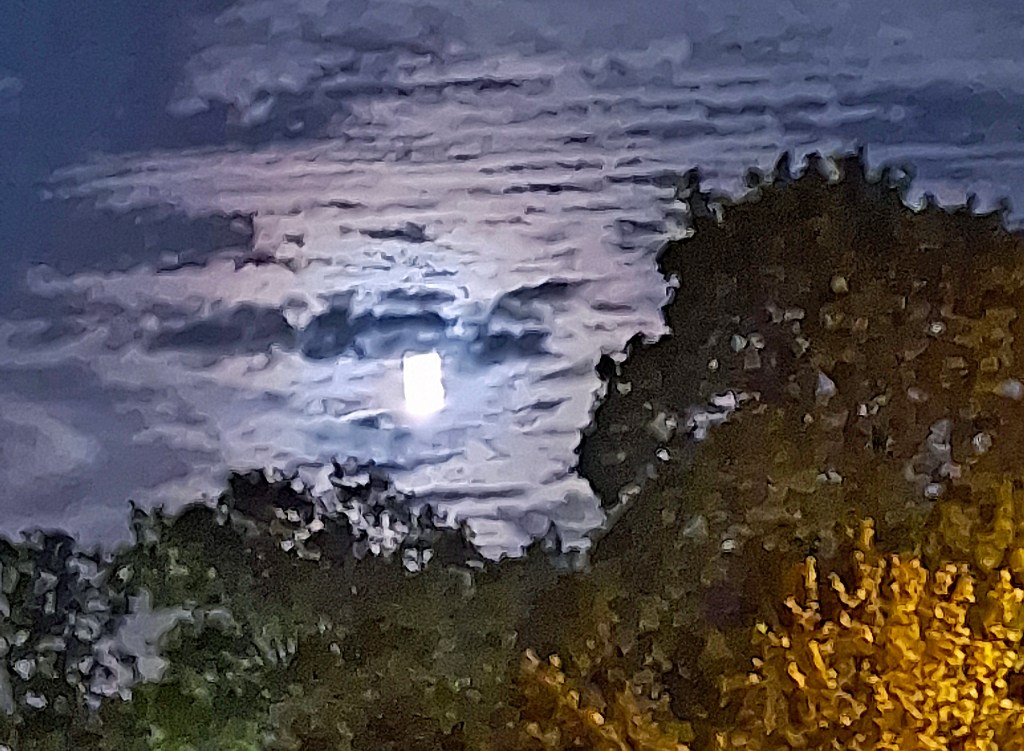
Having just heard a song about the sun, my walk home from the station was blessed by a wonderful night sky with a Murakami Moon. As fans will know a double moon is a big feature of Haruki’s novel 1Q84. The appearance of this two disc moon took me back to that amazing book and our time spent looking for locations in his novels which, of course, was the original inspiration for this blog. As a classical and jazz music fan, he would also have loved Gabriela Montero’s improvisations.

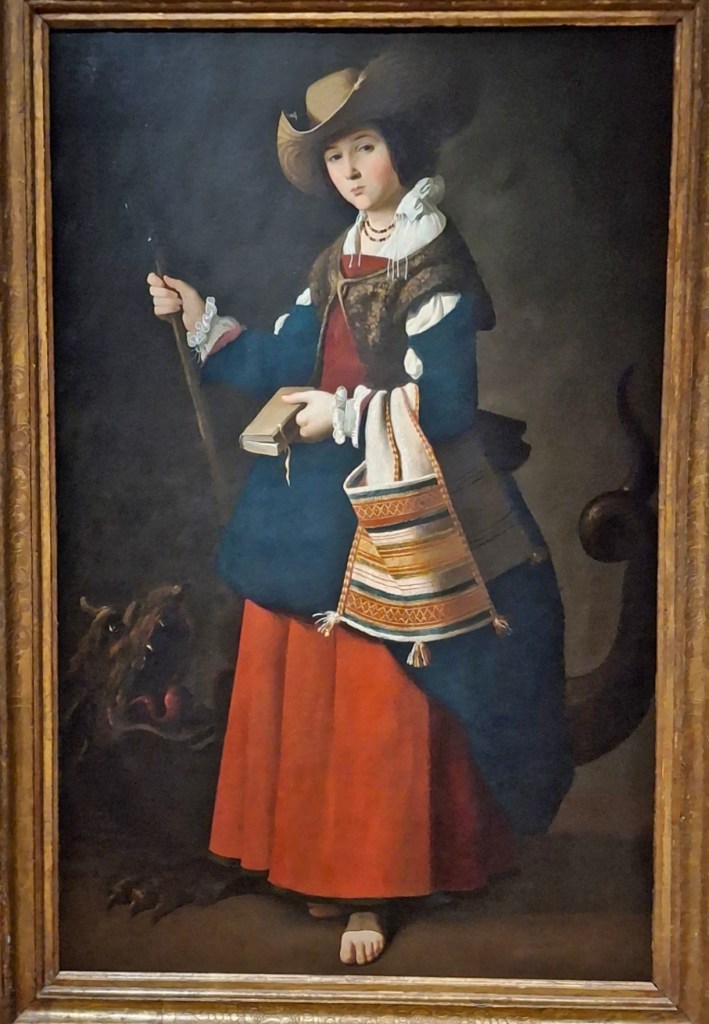
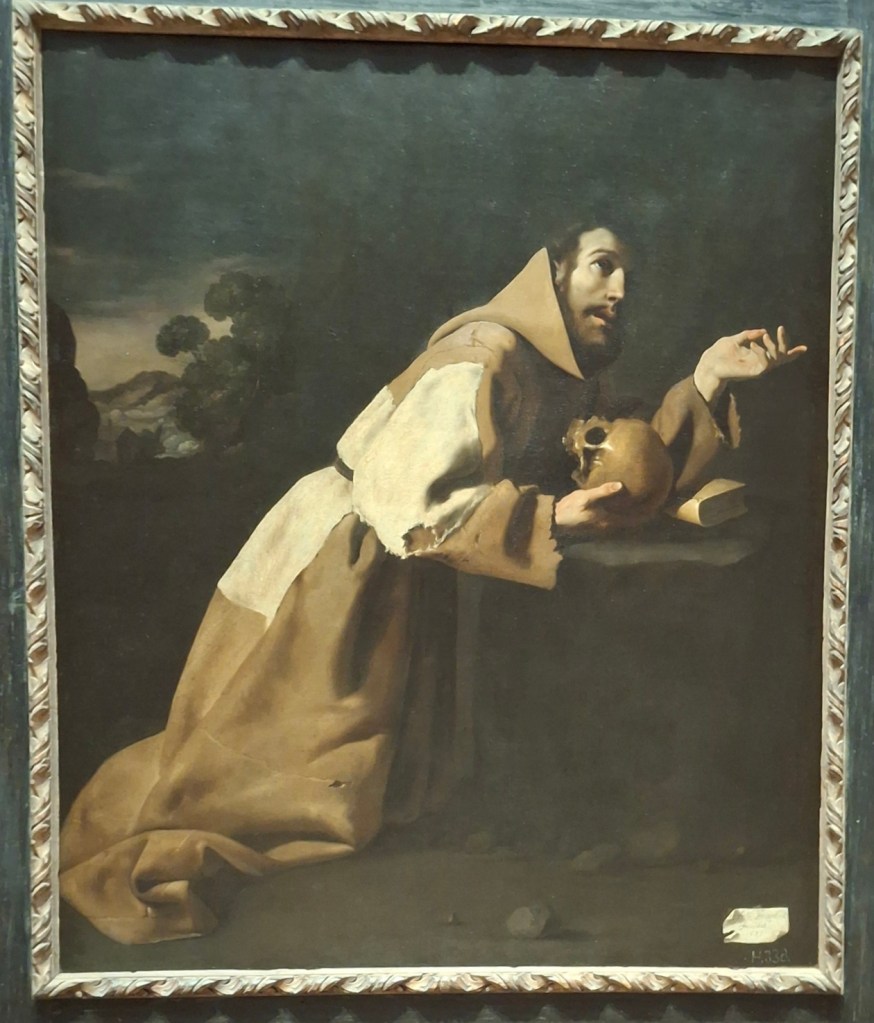
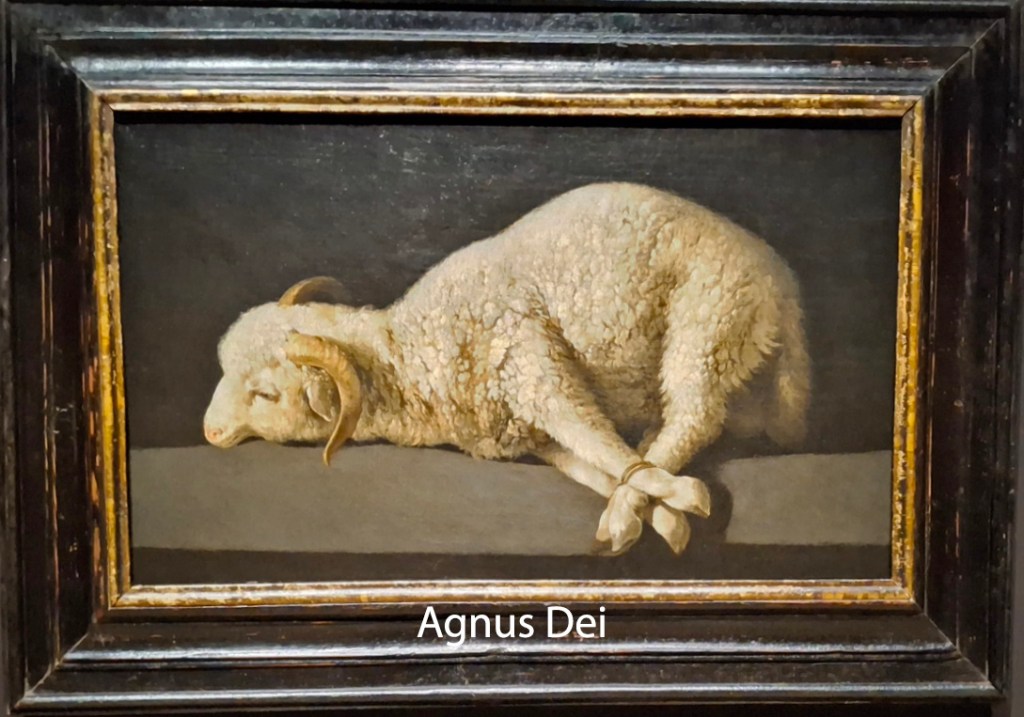
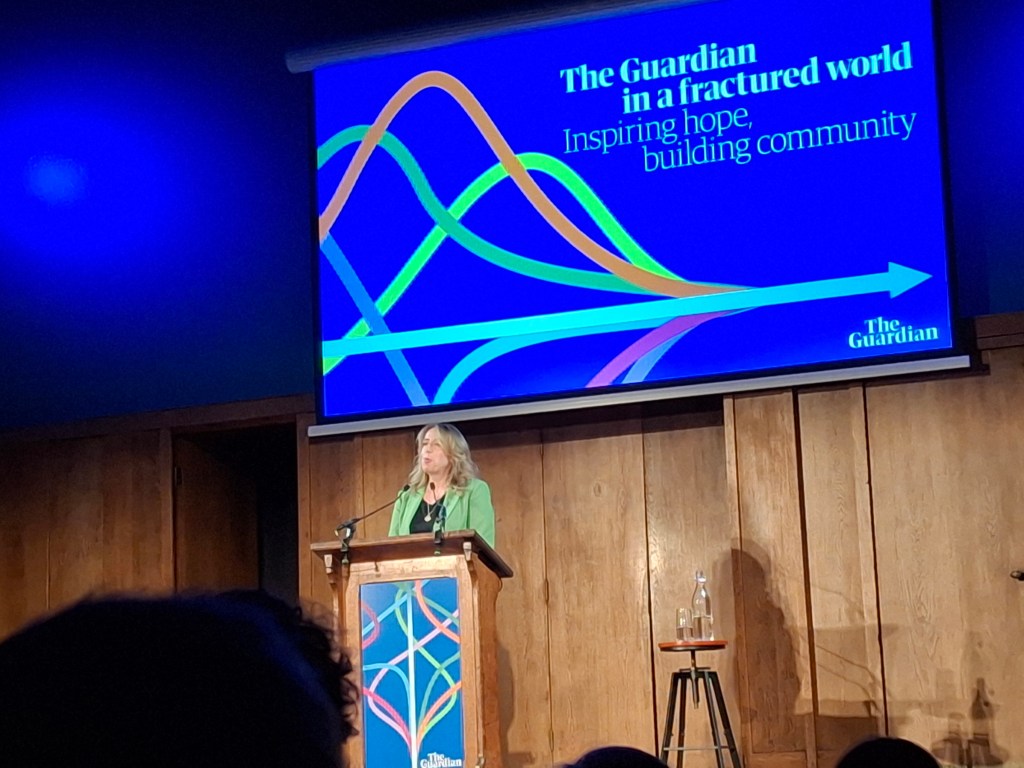
The bank holiday weekend saw some decent weather for gardening so the place is looking a bit better now and on the Tuesday I was booked in for a lecture by the Guardian editor in chief Katherine Viner at the Conway Hall. However with Spain still in my soul from Friday’s concert I decided to go via the National Gallery and take in the Zurbarán exhibition. It’s the first time a full array of his work has been assembled in London and included works on loan from an impressive number of sources – hats off to the curators we know how difficult loans can be! I had seen his works in the Prado and Thyssen-Bornemisza in Madrid and a portrait in the wonderful Isabella Stewart Gardner Museum in Boston. I knew he was part of the great Spanish Baroque era alongside Velazquez and Murillo but had ignored many works dismissing them as being too religious for my taste. He did paint a lot of altar pieces some of which are huge and here; some with panels back together for the first time since their commission, and lots of saints and immaculate conceptions. However I was delighted by what I saw in the gallery. He has a real grasp of chiarosuro second only – if you insist – to Caravaggio. I have never seen painting of fabric done with such detail and emotional effect. The holes in Saint Francis of Assisi’s sackcloth robe give sainthood a whole new dimension. The faces of the characters were so intimate and distinctive, their settings often so scarce that you felt the painting was actually a sculpture. I wasn’t converted but I did feel the power. When he turned from religion to still-lifes the attention to detail and imaginative impact was amazing. The highlight for me was Agnus dei – OK religious title but with a touch of irony – as it depicts a bound lamb ready for slaughter. You could smell the lanolin and feel the coarse wool of the curls on this poor creature’s fleece. And it is possibly not yet dead but aware of its fate. A masterpiece.

A pleasant early evening stroll through Covent Garden and Holborn brought me to the Conway Hall a suitable venue for a talk about independence in journalism given the history of nonconformist and ethical mores of its occupants over the years. Katherine Viner spoke about distinguishing fake news and fake reality, the threats and uses of AI and the importance of the Scott Trust in ensuring that The Guardian remains an independent voice unaffected by media moguls or profit-motivated owners. The commercial model relies on 1.5 million people like me who subscribe to the outlet in the hope that it will continue the fine work it does already. For someone who has been reading the paper since it had Manchester attached to its banner, she was inspiring and cautiously optimistic.

That was my first outing without walking past the car on my drive – no problem as I never use it when going into the centre for concerts, theatres etc. However Wednesday was the appointed day to record the next Robin Reader audio for International Language Teaching Services and Hueber Verlag. The recording engineer Mark Smith and I do a couple of these each year

Mark’s studio is part of Jools Holland’s Helicon Mountain complex in Greenwich to which I normally drive. A quick consultation with Citymapper indicated that I could get a bus to Blackheath and another to Westcombe Park Station right next to the studio. It worked and took me 30 minutes of free public transport as opposed to 20 minutes in the car. The session went well with archaeologist and actor Mandy Weston who showed her voice versatility as a variety of Australians ranging from 5 to 70 years of age and male and female characters. They finish up as downloadable files in books like Joining the Circus that we recorded last year with Gyuri Sarossi.

Then it was off to the Donmar for Mass. This is an incredibly tense watch but great theatre. A church hall provides the setting for a restorative justice session and reminded me a bit of James Graham’s Punch that we saw at the Young Vic last year. But the one accidental punch that caused a death in a night out in Nottingham was overshadowed by a school shooting in the US. Here the parents of the killer and the final victim meet to see if there is any possibility of forgiveness. As a static ‘sitting at a table’ scenario it was enhanced by a revolve operating at different speeds as the dialogue unfolded. We waited to meet the two sets of parents as the room was prepared by church staff and details were checked by the mediator but the tension was palpable from the start. Cast and direction were excellent and it once again made you wonder who on earth could support the right to bear arms for anyone who chose to do so.

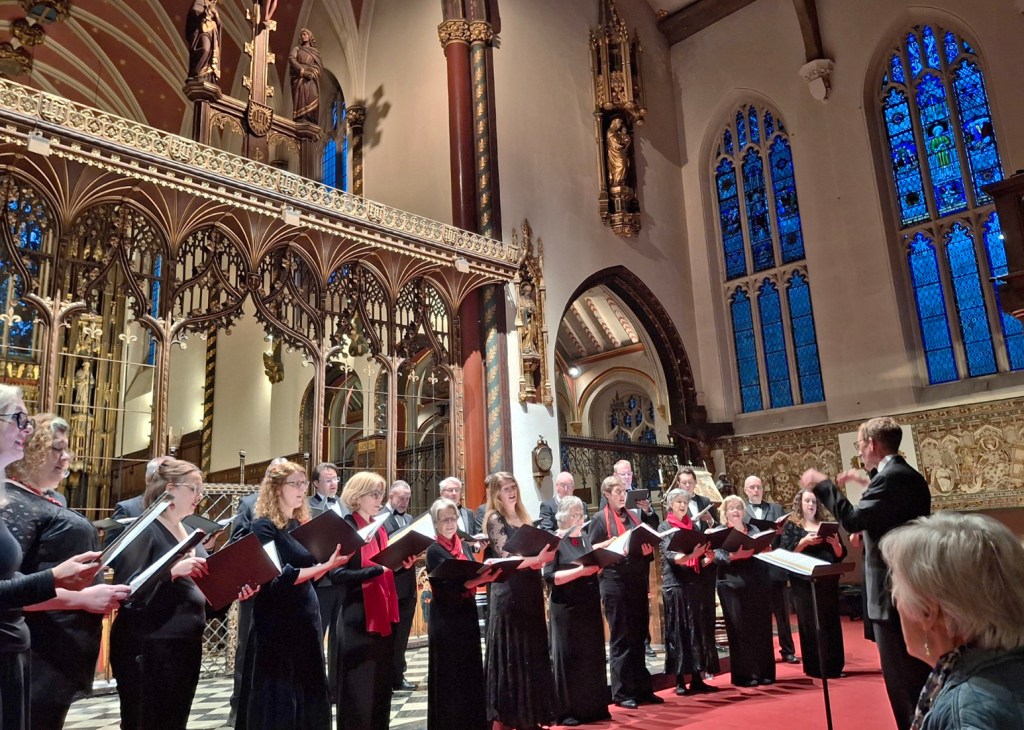
Given my comments about religion in the context of Zurburán it may seem a little odd that I’m attending the opening concert of the London Festival of Contemporary Church Music in a church in Knightsbridge. Well the concert is given by the choir Pegasus in which my son Tom sings. So I met up with my friend Jadwiga in a nearby pub, The Grenadier, for a catch up before the concert. Good beer and wine, good atmosphere inside, sun shining outside – what’s not to like. The concert was filled with interesting music from composers I knew of and three new commissions for the LFCCM festival. Two of the composers Cassie White who wrote one of the new pieces and Roxanna Panufnik spoke about the motivation for their pieces. Roxanna was particularly interesting in the context, being a practising Catholic who is also a Jew and her Love Endureth showed her concern for interfaith music-making with Spanish Jewish elements woven into this two-choir piece. Cassie White’s Arise my Darling was a lyrical flowing setting of the Song of Solomon. There were one or two familiar items but on the whole the music was fresh and new to me. One of the highlights was a piece by a young Polish composer Zuzanna Koziej setting the Lord’s Prayer which was followed later by another of her works with a setting of William Blake’s The Lamb – they are becoming a thing this week! She is clearly a talent to watch. We had a chance for a chat to Tom and several of the musicians and composers after the concert with a glass of wine so all in all a rather lovely evening. The only flaw was when, hidden behind another bus I boarded what I though was a number 9 bus to take me to Charing Cross which when it started going up Shaftesbury Avenue I realised was actually a number 19. The extra walk from Cambridge Circus probably did me good.

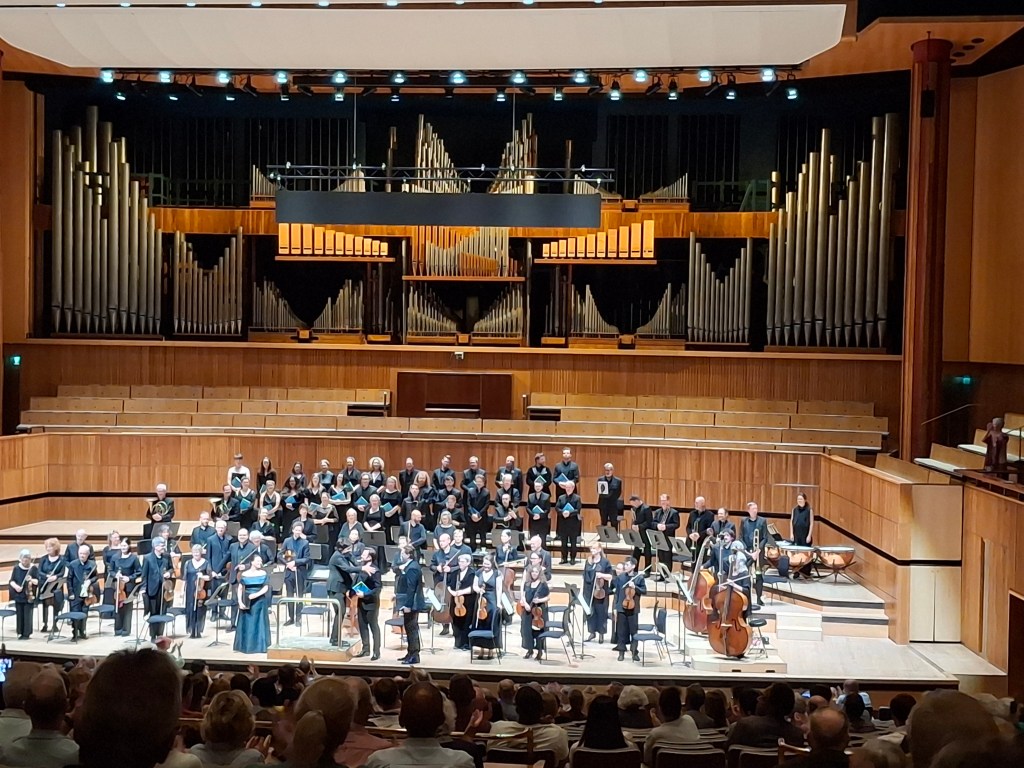
Matthew Altham conducting Pegasus in St Paul’s Knightsbridge

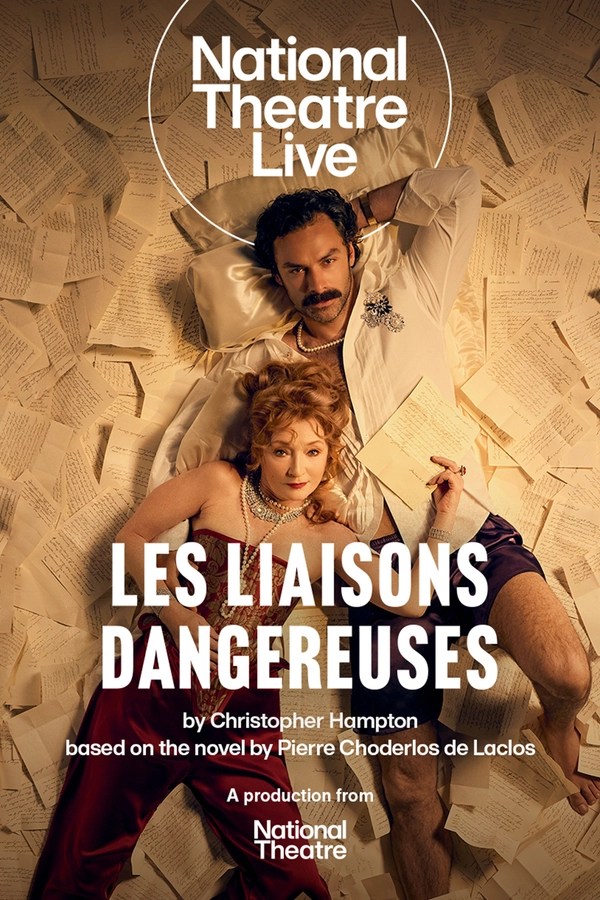
After a heavy football-free weekend of gardening, it’s back to the theatre to see the new NT production of Les Liaisons Dangereuses. Oh what a contrast to my memory of the 1985 London original! That was in the dark bowels of the Barbican’s Pit studio theatre with a louche set all cream silk and warm lighting – actually the NT’s poster makes you think there will be a reflection of this – although Valmont (Aidan Turner) and Mme de Merteuil (Lesley Manville) are appropreiately lying in letters rather than sheets – it was an epistolary novel by Laclos before Christopher Hampton adapted it for the stage.

But no! As I walked in I thought I was in for Michael Frayn’s Audience as we were all reflected in a massive mirrored set. The mirrors proved to be the facade of boudoir rooms on casters that were swirled about throughout the production by a series of dancers with some elegant choreography. The production might heve been called Les Liaisons Danses Heureuses as music and movement were an essential part of the concept. What emerged was the sadistic rivalry of the two principals played out in this this great reflective space which pointed up the multi-perspective nature of the novel where you never knew who was telling the truth – if any. What shone throughout was Christopher Hampton’s pithy dialogue delivered well by all the characters. As with Indian Ink at Hampstead last year it was interesting that tonight’s lead Lesley Manville had played the ingenue role of Cecile in the original with Lindsay Duncan and Alan Rickman as Merteuil and Valmont. Were notes given in rehearsal to Hannah van der Westhuysen this production’s Cecile?

I am glad to have seen this new interpretation of a fine script, but I suspect it will not last as long in my memory as that evening in the Pit where we were intimately involved in the vicious tussle of love and loathing so elegantly played out. In Marianne Elliott’s version there were a few very effective transitions, breathtaking ballet and excellent acting by all – Monica Barbero grew impressively into her debut stage role as the object of Vamont’s lust-turned-to-love as Madame de Tourvel and the dancer Lucia Chocarro was all sinuous sexuality as Emilie. Lesley Manville was outstanding. Aidan Turner was fine but up against Alan Rickman!

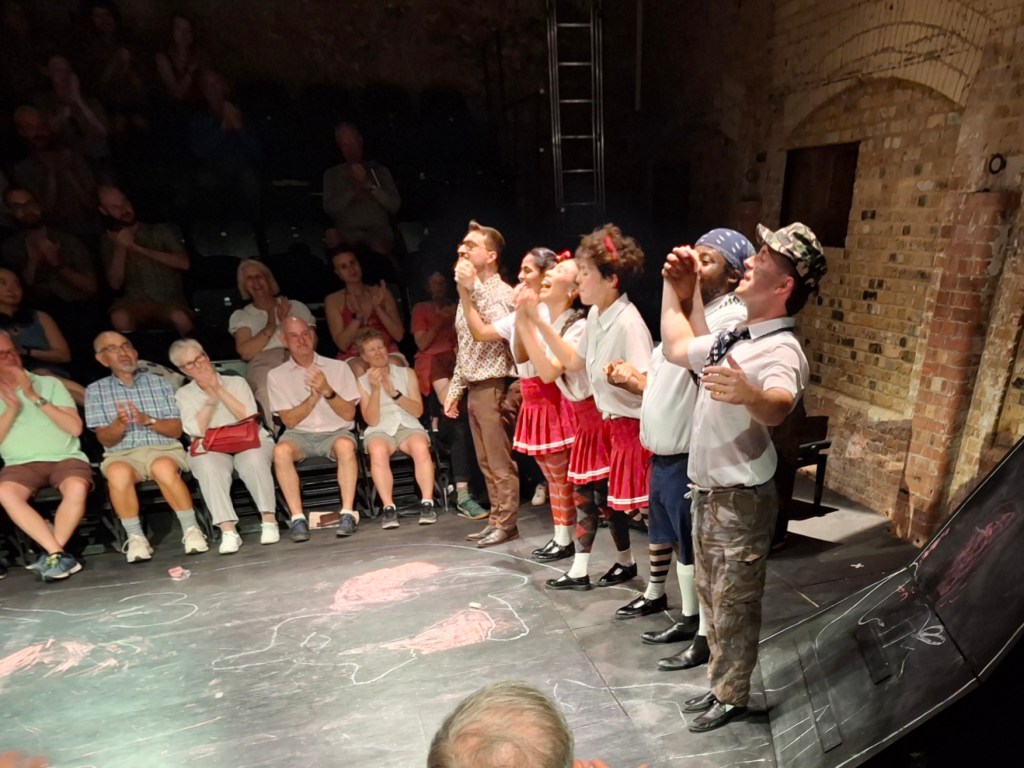
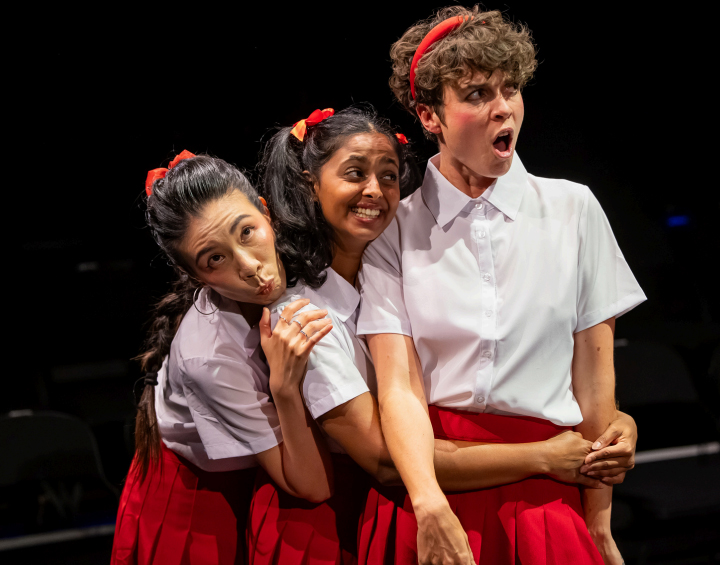
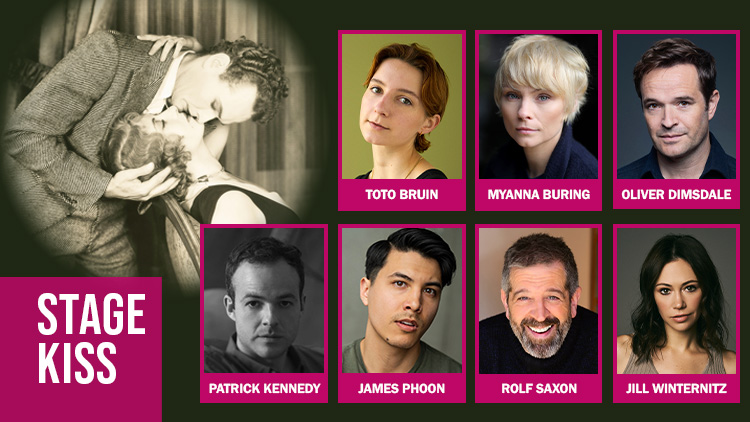
In the middle of a hatrick of theatre outings was the press night for Stage Kiss at Hampstead. What a feast of bad acting, dreadful scripts and fun slapstick! But in Sarah Ruhl’s writing there’s always a serious note as well. When ex-partners are called on to kiss passionately in the play they are both cast in, will old feelings return? Directing farce well is quite a trick and Blanche McIntyre pulls it off brilliantly. Sets, wardrobe and wooden acting take us back to the bad old cliches of “acting” – stilted, mistimings and collapsing the props all detracting from the drama. But the cast also have to act in the real world as well as the artificial one. Within the two very bad plays which Ruhl must have loved writing is a serious examination of what actors are asked to do, what theatre means to its audience and how relationships develop, diverge and reconvene. MyAnna Buring and Patrick Kennedy as She and He were brilliantly supported by the other cast members. A very funny evening but one which also made you ponder some fundamental attitudes about life and the theatre and relationships. And afterwards Frances and I had the pleasure of sharing a tube ride back towards our various homes with Blanche and her partner Gyuri.

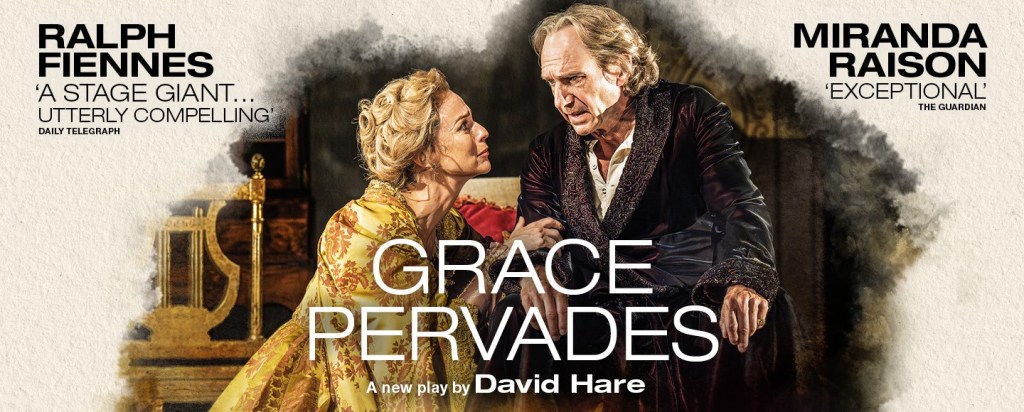
More theatre about theatre on Friday when a former colleague of Fran’s from Boston, Vicky and her husband John, joined us and Farzana for a delightful and delicious dinner at Yoshino followed by Grace Pervades by David Hare at the Theatre Royal Haymarket starring Ralph Fiennes and Miranda Raison as Henry Irving and Ellen Terry. There’s a trend here as we had the Divine Mrs S about Sarah Siddons at Hampstead last year and a while back Kean and The Dresser which Ronald Harwood based on Donald Wolfit. I wonder who is writing the play about Laurence Olivier or Peter Hall – characters large enough to fill the stage posthumously. As the previous evening the intermingling of professional and personal lives was a key factor in the story which was extended with contributions from Ellen Terry’s children during her fame and in her dotage in her Kent home of thirty years. This involvement of the Bloomsbury set with Edith played by Ruby Ashbourne Serkis, who was so good in Indian Ink last year, and is in a lesbian throuple one of whom has been dumped by Vita Sackville West, sets the play in an much wider context. The other child Edward Gordon Craig is a narcissitic self-proclaimed genius who has some great scenes with Stanislavski in Moscow – more exploration of theatrical styles. There are some moments of great hilarity as when Terry suggests to Irving that he might perhaps look at other actors rather than the audience and when chided about his deliberation Irving says he will ‘strive to be more last minute’ and his expletive rendering of the name of the new radical playright Shaw epitomised his contempt for all things modern.

Through the trials and tribulations of Irving’s running of the Lyceum Theatre Hare makes some pertinent points about patronage and funding, staffing levels and audience expectation. The design with animated backcloths, stage within a stage and period costumes were excellent and it was a thoroughly engaging and entertaining look at the nature of theatre and its importance in society. And about relationships with actors and with families.

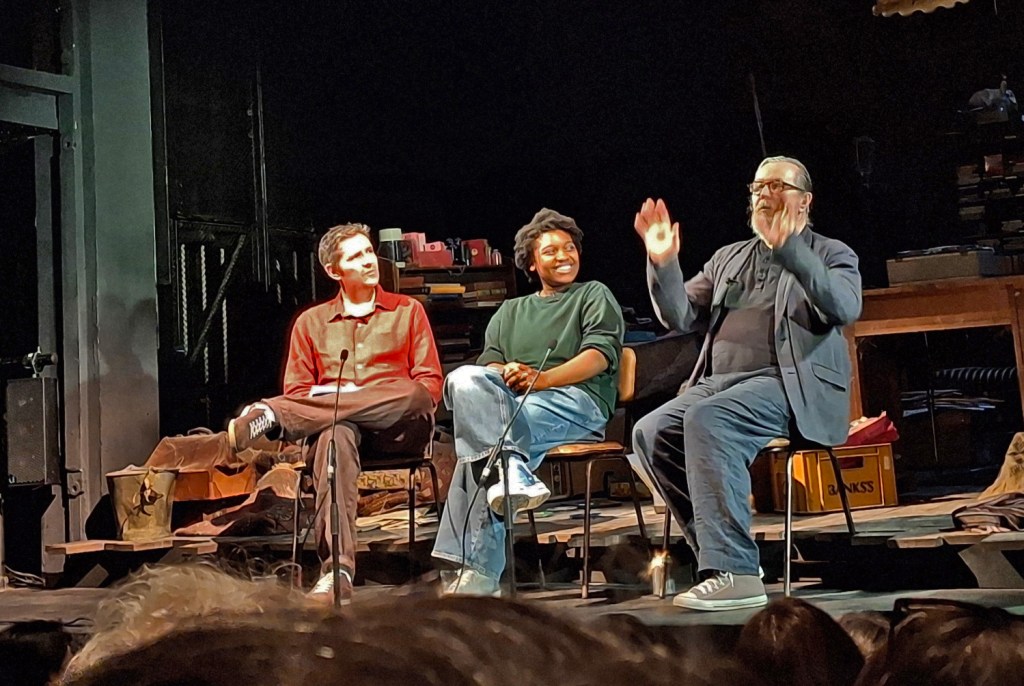
Godot’s To Do List by Leo Simpe-Asante was a curtain raiser at the Royal Court before Gary Oldman took the stage for Krapp’s Last Tape, itself originally a curtain raiser for Beckett’s Endgame when it first played at the Royal Court in 1968. The 19-year-old music and drama student Leo won the Royal Court’s first Young Playwright Award in 2025 and now has the accolade of his work appearing alongside that of Beckett. At the post-show Q&A he said the motivation was to wonder what kept Godot so late. So his play sets Godot a series of increasingly surreal tasks to detain him from his appointment. It is very funny, prefigures the Beckett perfectly and was delivered splendidly by Shakeel Haakim on stage and the ephemeral taskmistress voice of Flora Ashton who we only see at her deserved curtain call. A truly stunning piece of work for a 19-year-old and finely directed by the Court’s Resident Director Aneesha Srinivasan.

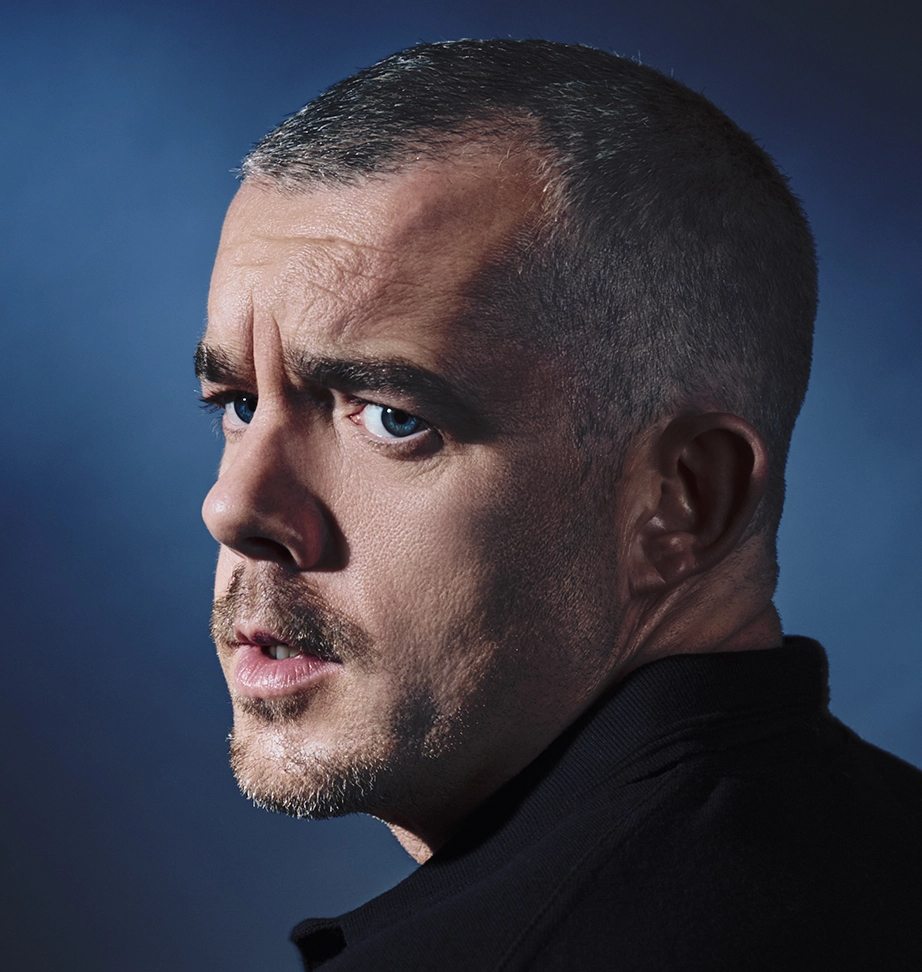
And so to Krapp. Gary Oldman was magnificent in every aspect. He designed the set, directed himself and performed the musing monologue with his younger selves superbly. The pregnant pauses, the occasional moves from his desk from light to darkness all added to the impact of this most personal of Beckett’s plays. In the Q&A he revealed himself as a thoroughly likeable person with a great rapport with the young playwright sharing the stage with him and Artistic Director David Byrne. Asked about directing himself he said that having not been on stage for 30 years he’d had plenty of preparation as “you don’t get much direction in films”.

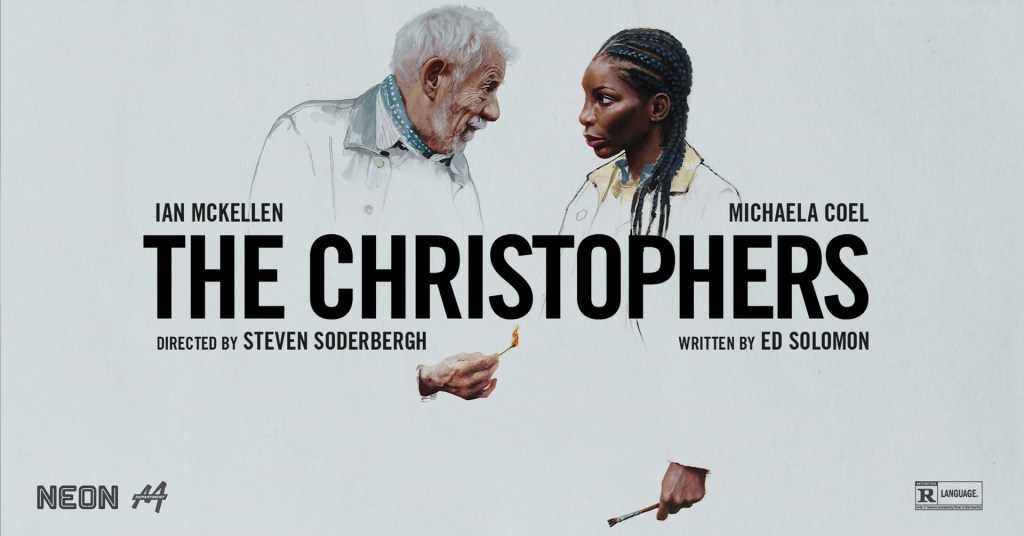
Before making my first visit to Camden People’s Theatre to see Nomakhwezi Becker’s Holding Ground, I went to see The Christophers at Picturehouse Central. The performances of Michaela Coel and Ian Mckellen were absolute magic in a film that examines quirky relationships, the nature and value of art and is a whole lot of fun as well. James Corden and Jessica Gunning as grasping children are great support.

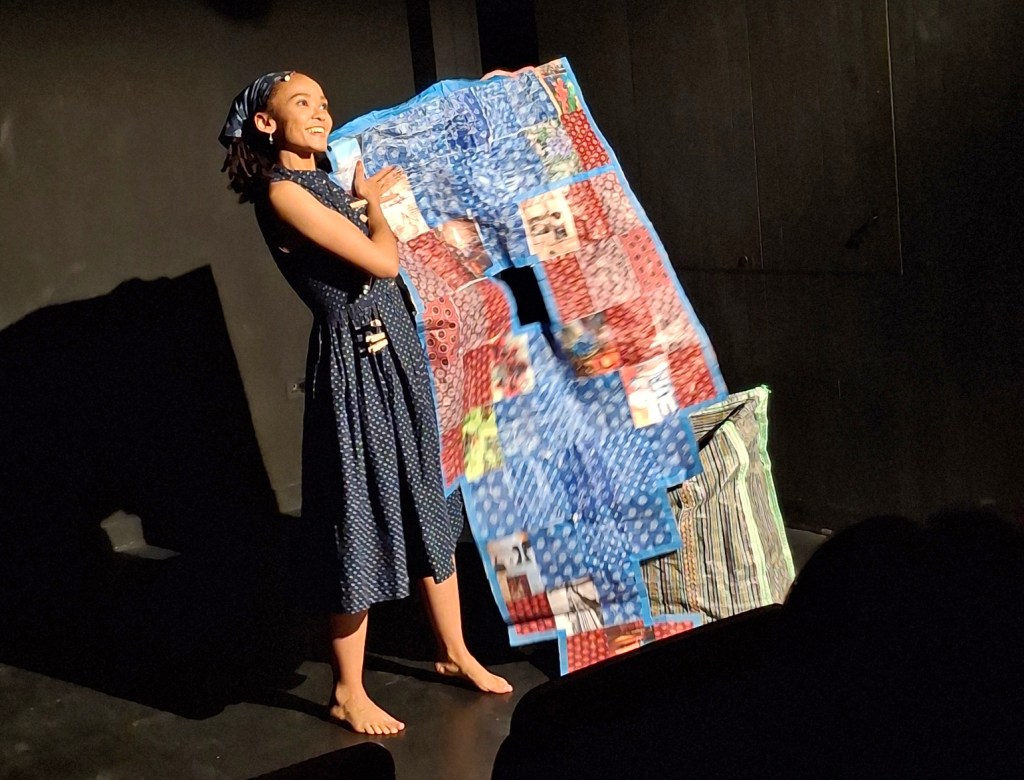
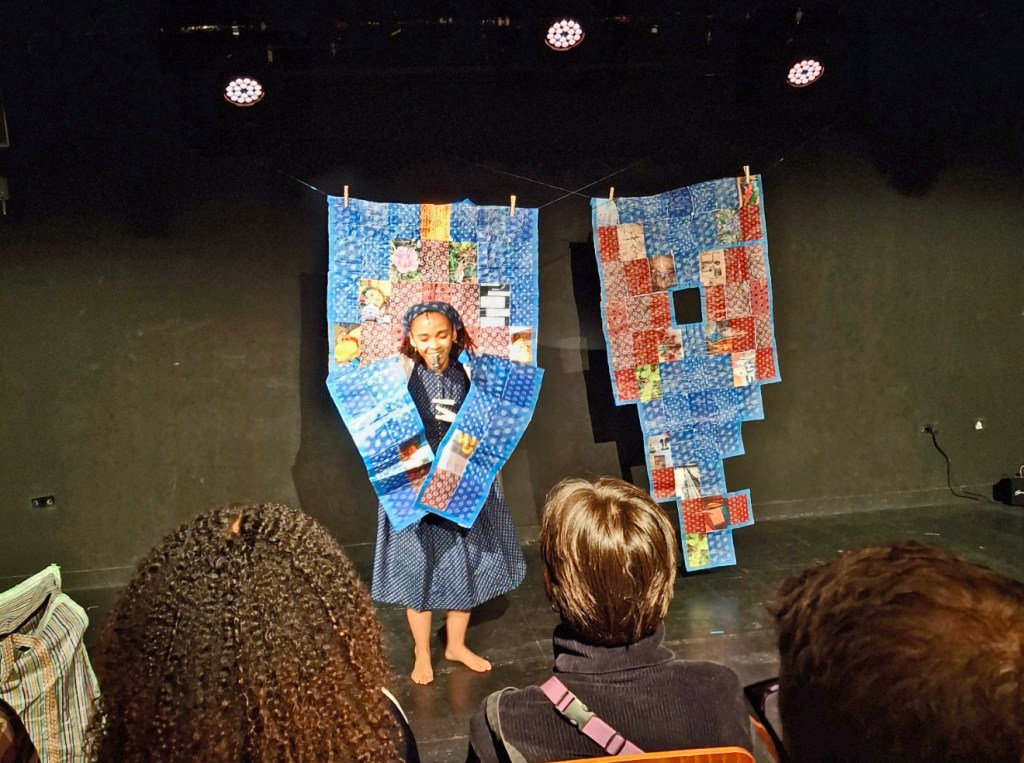
I had heard some of the themes explored in Nomakhwezi’s workshop at the Whitechapel Gallery last month and was interested to see how she would entertain and educate us in an hour-long solo show. With a mixture of Xhosa, German and English she took us on an exciting journey across countries and cultures. We joined in at times copying her movements cued by a blast of her whistle. She talked of culture at home in South Africa and the inability to touch both sides of her life simultaneously now that she’s based in London. Beading, fabric dying, cooking and storytelling were all prominent in what turned out to be both informative, entertaining and engaging combining continents, customs and cultures in a fascinating way.

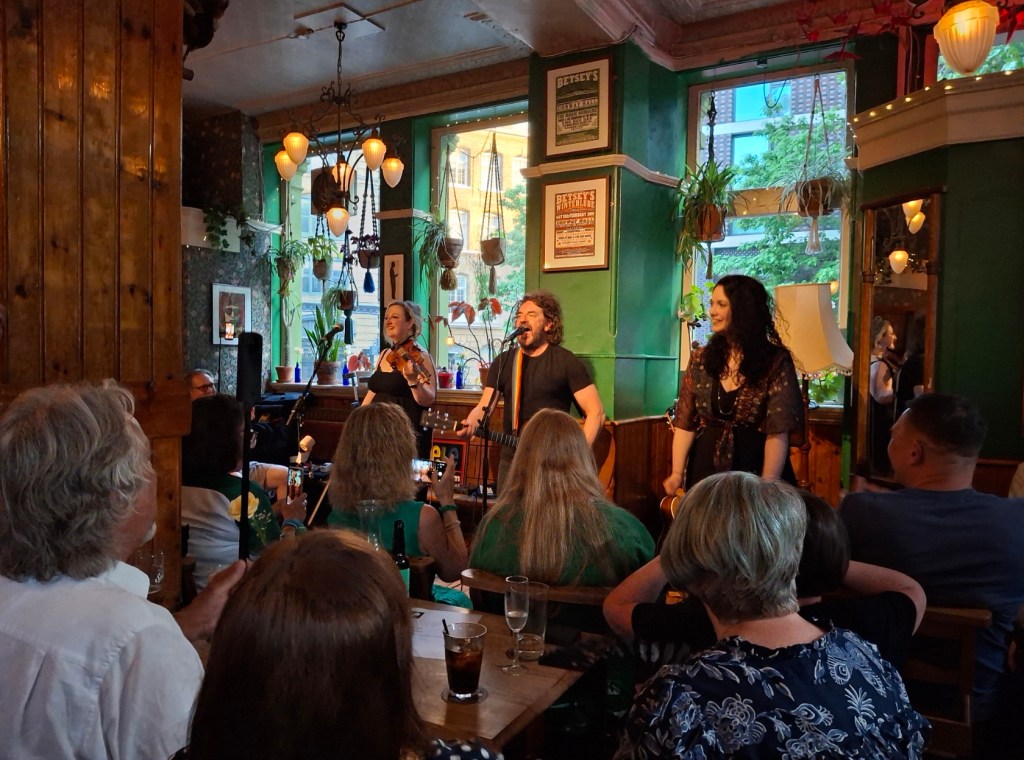
The hottest (at that point) May day ever made me reach for my sweat-repelling Bangladeshi gamcha (thanks Zaki) as I headed off to the Betsey Trotwood in Farringdon to see Ian Prowse perform his annual intimate show here. The show got underway with a set from the excellent Banjo Jen a Sheffield-based singer-songwriter and excellent dancer. Then TUC Secretary General and folk singer Paul Nowak did a guitar-based set with Heidi Smith on violin with a Palestine support anthem included. That line-up was perpetuated as Laura Macmillan brought her violin to join Ian for a rousing session for the Pele-Prowsey family that had gathered in this fabulous little pub where I had previously only been for poetry sessions upstairs with BBPC and Exiled Writers Ink.

Laura Macmillan, Ian Prowse and Banjo Jen at the Betsey Trotwood 24 May 2026

The highest May temperatures ever recorded in the UK were the talk of the Bank Holiday weekend. I was lucky enough to spend a couple of days pressure washing my patio to remove a year’s worth of algae and dirt. Lots of cooling spray mingled with the sweat! It had cooled a litlle for my Wednesday trip to the Royal Festival Hall to hear the OAE play Haydn’s The Creation under Czech conductor Vaclav Luks. The blog is getting quite a lot of religious input this month one way or another. I’d heard this oratorio before but with the appropriate period instruments and a modest choir, the clarity of Haydn’s brilliant writing was totally apparent. In a pre-concert talk Luks and Dr Rachel Stroud explained the complex origins of the work’s libretto – turned down by the more famous Handel – with versions by various hands in English and German and the decision to perform tonight in German. Luks argued that the music was written to accompany the sounds of sung German and that trying to fit it to the different rhythms and cadences of English lost a lot of impact and empathy. Certainly his work with the orchestra and singers was such that I thought I was hearing this work for the first time. It contains descriptive writing of the highest order – quite what audiences in 1798 made of that massive opening note and the subsequent discordant portrayal of chaos from which the creation was to ensue, I can’t imagine. However they clearly loved the rest of its depiction of water, light and especially the humorous treatment of the creation of animals and man followed by Adam and Eve’s blissful time in Eden, since it ran for many performances and is a firm part of the current orchestral repertoire. Emotional tugs at the heartstrings, belly laughs at some of the musical tricks and the sheer energy of the finales to each part had the hall erupt with applause. A truly stunning creation.

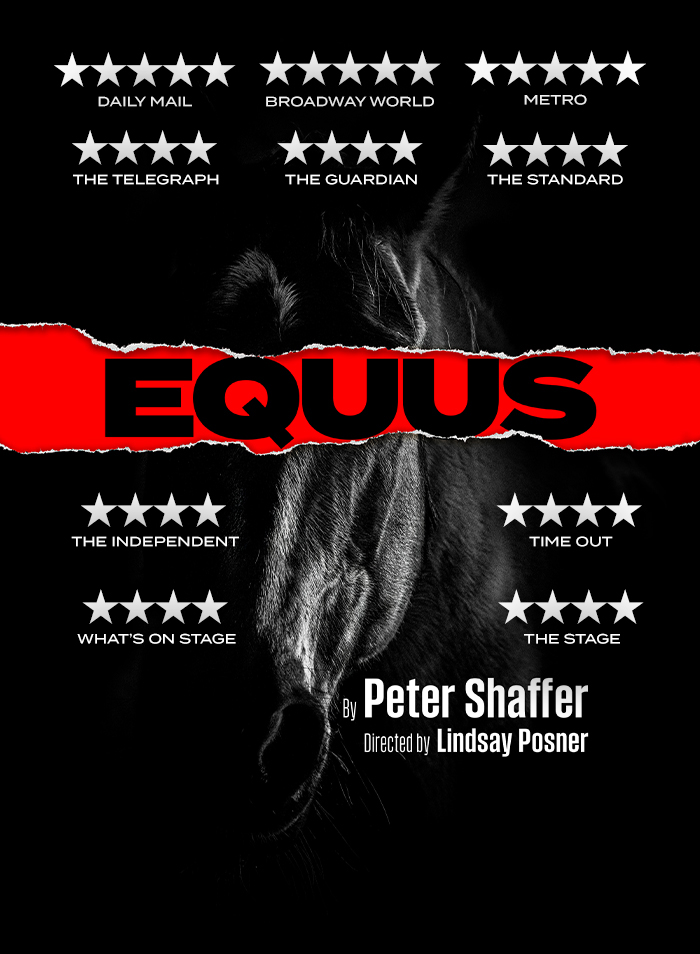
The revivals keep on coming don’t they? My last culture trip in May was to Peter Shaffer’s Equus at the Menier Chocolate factory. Frances and I had a delicious tapas supper beforehand at Brindisa in Borough Market and walked along Southwark Street to the theatre. I’d seen the original NT production with Alex McCowen and Peter Firth as psychiatrist and patient, then the controversial 2007 revival with Richard Griffiths and Daniel Radcliffe – both fresh from Harry Potter fame and people were shocked to see Daniel naked on stage. Tonight Toby Stevens played the psychiatrist and Noah Valentine the young Alan Strang who was being assessed after blinding six horses. The theme has never been an easy one but this production by Lindsay Posner was truly outstanding. The cast were all excellent – as written in stage directions they were all present throughout, as audience members in this production so you were right in the thick of the action, especially as the space is tiny with only 180 seats.

The boy’s father was played by a fellow Watford season ticket holder and Hornet Heaven podcaster Colin Mace with whom we enjoyed a post show drink and a chat. A striking feature of the show was the horses portrayed by six actors whose movements were brilliantly choreographed by James Cousins. At one point they all combined to form one horse with a rider astride and your breath was just torn away. Shaffer’s psychiatrist’s teasing out of the reasons for the boy’s horrendous act were twisty and unconventional and left you with lots to think about current mental health issues with the young obsessed with social media. A fine play and a very fine revival.

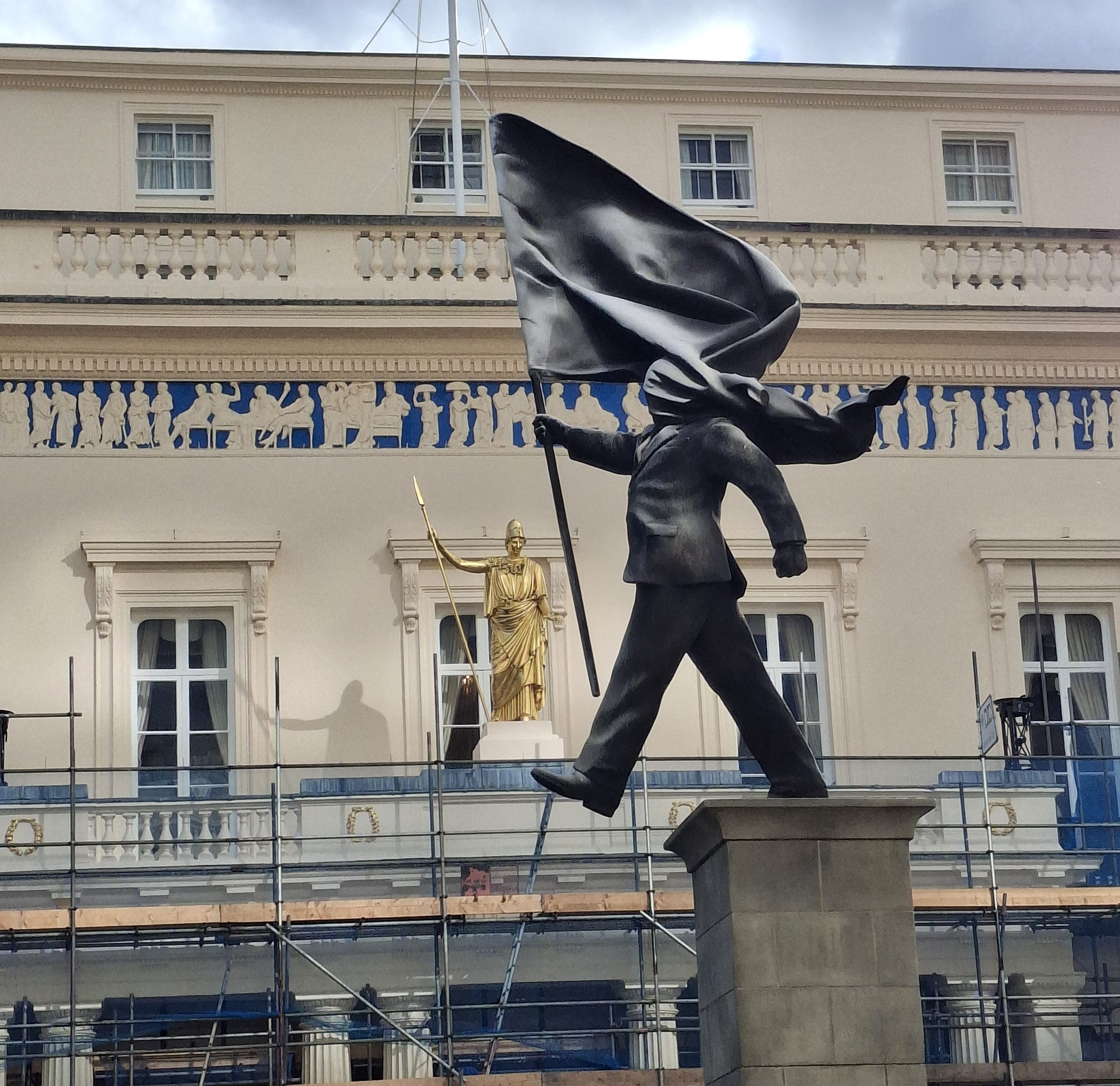
Marching on …

Finally after all the gloom of the year to date we had a few days of sun and I was able to plant some vegetables – broad beans and parsnips so far – check on the onions and garlic planted last autumn and do the annual hack and slash of all the dead brush from last year’s flowers. Then as I turned to go indoors the sunset showed me my next big task. The tree in the left foreground is my quince which has given us so much membrillo and jelly over the years but has lots of overlapping branches and needs a really good prune. A start has been made.

My rather aching limbs picked up some energy on Monday evening as I set off fot the Wigmore Hall to hear the Irish Baroque Orchestra play The Trials of Tenducci as the first part of a tour to Dublin, Limerick, New York and Virginia. I’m a great admirer of Peter Whelan who leads the IBO and the energy and clarity the band brings to the repertoire.

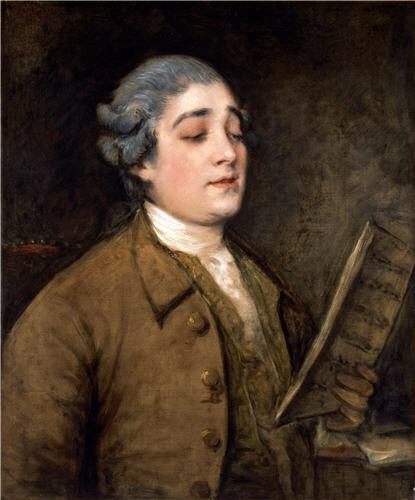
Tonight’s was an interesting programme based around the exploits of one Giusto Fernando Tenducci, a famous eighteenth century castrato singer. Born in Siena he came to London in 1758 and later moved to Dublin where he met and married Dorothea who later bore two children but later sued him for divorce for non-consummation. He became something of a celebrity – he was painted by Gainsborough, was friends with J C Bach and a singing teacher to Mozart. He was also to spend eight months in a debtors’ prison in London and later in Ireland. One admirer wrote of his voice: ‘neither man’s nor woman’s but it is more melodious then either’. Tenducci by Gainsborough in the Barber Art Gallery in Birmingham.

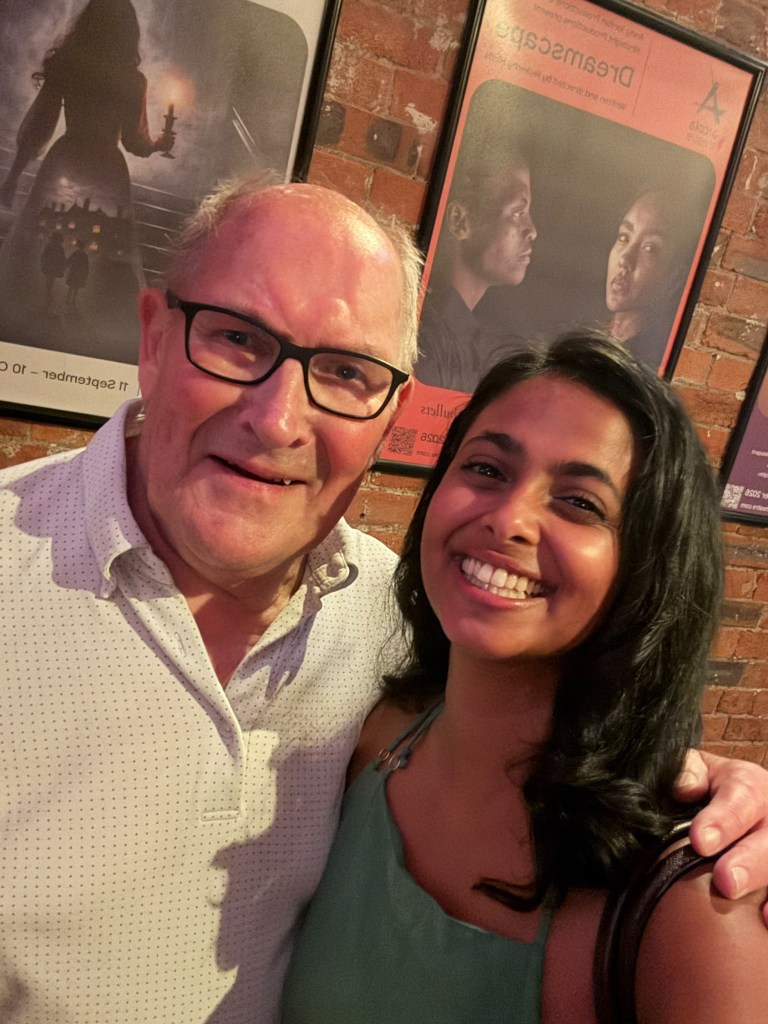
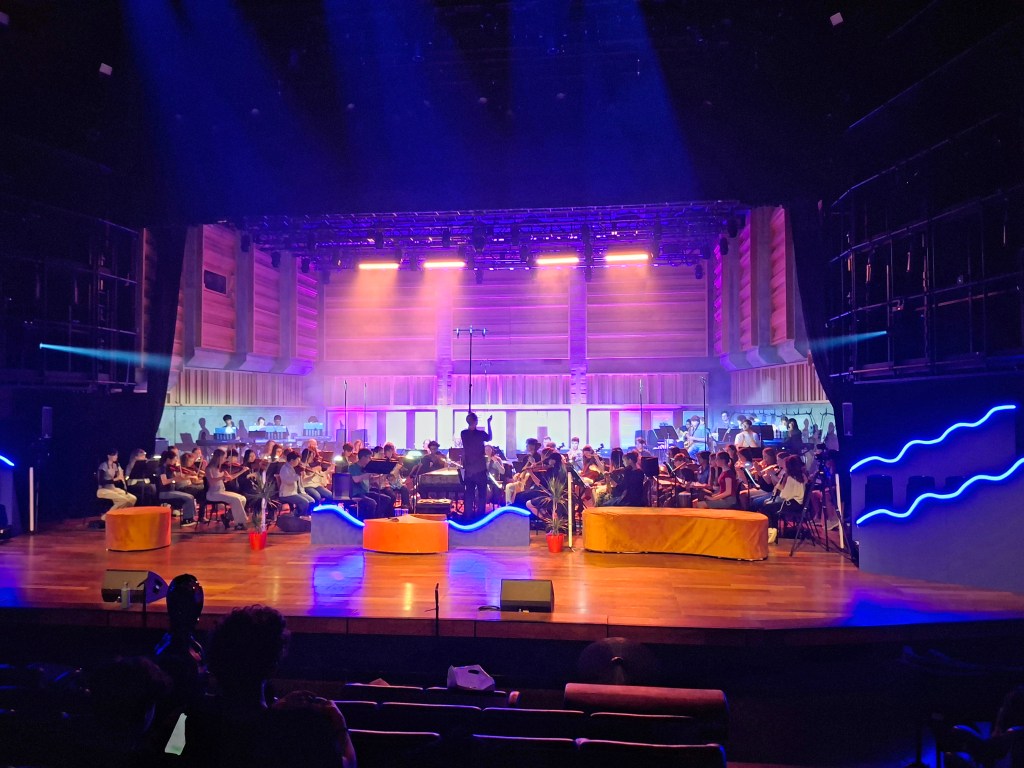
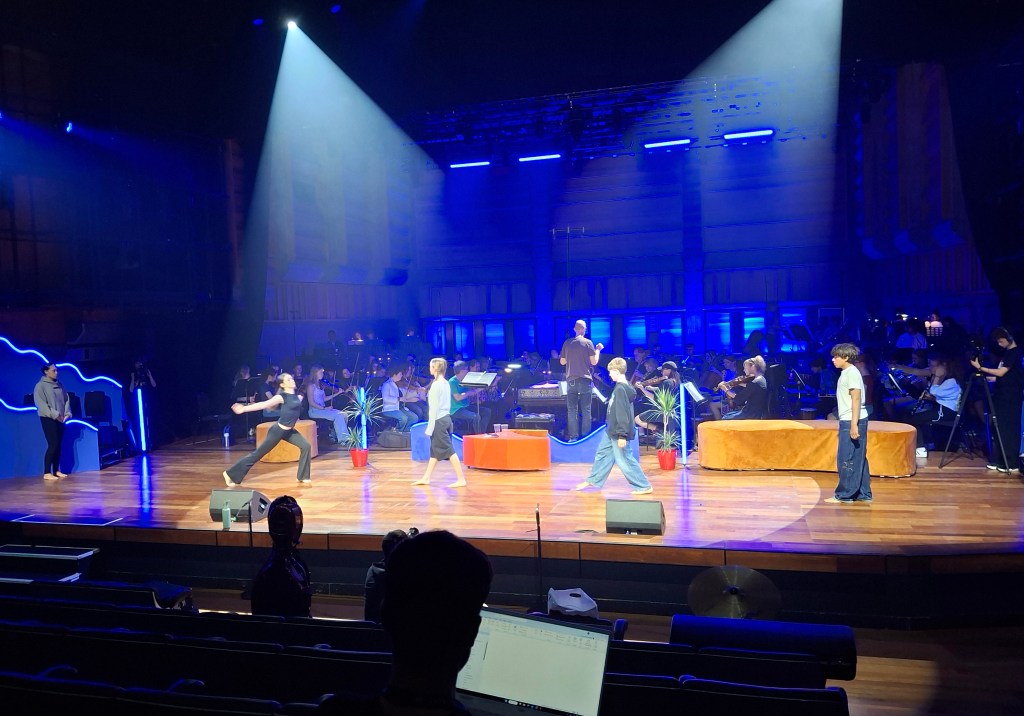
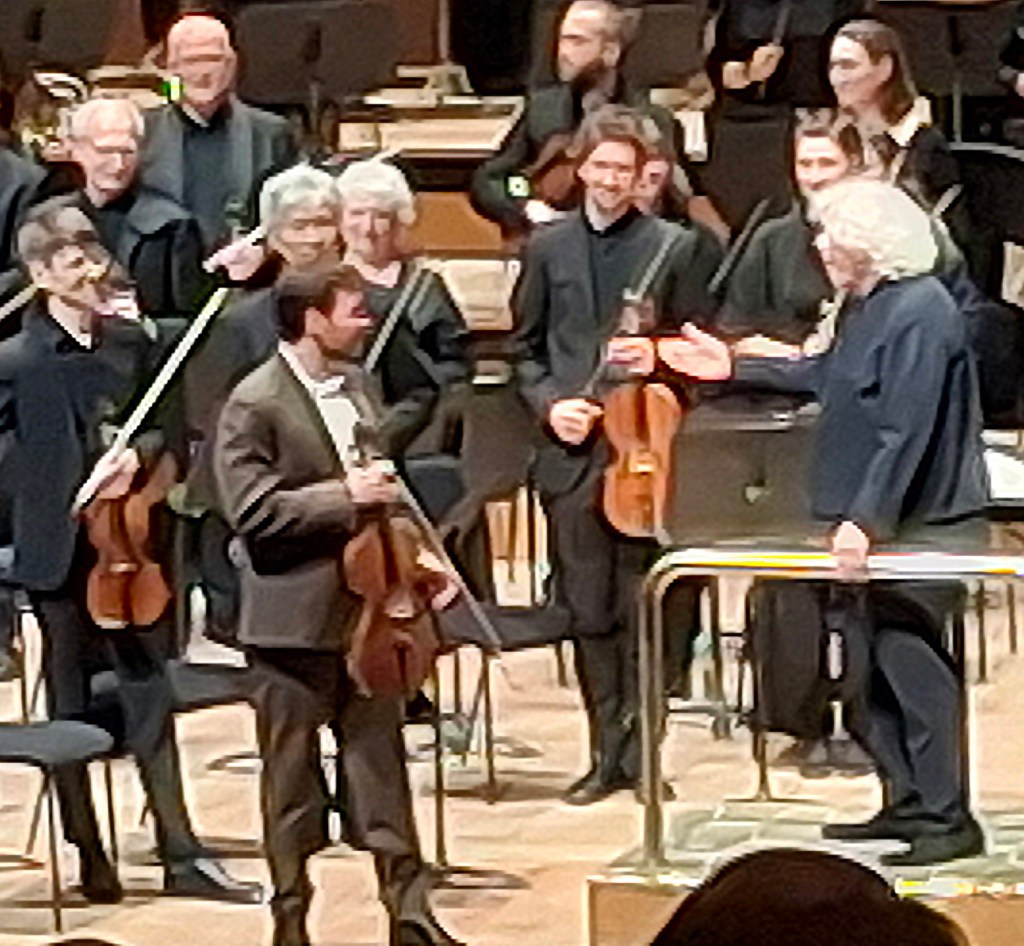
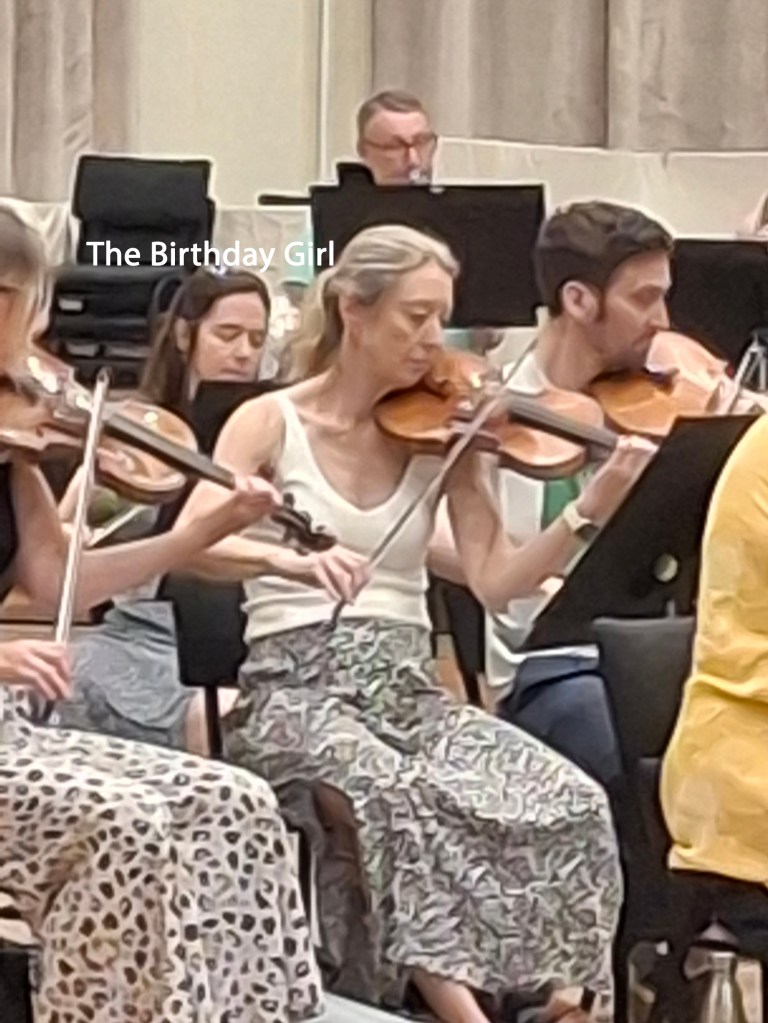
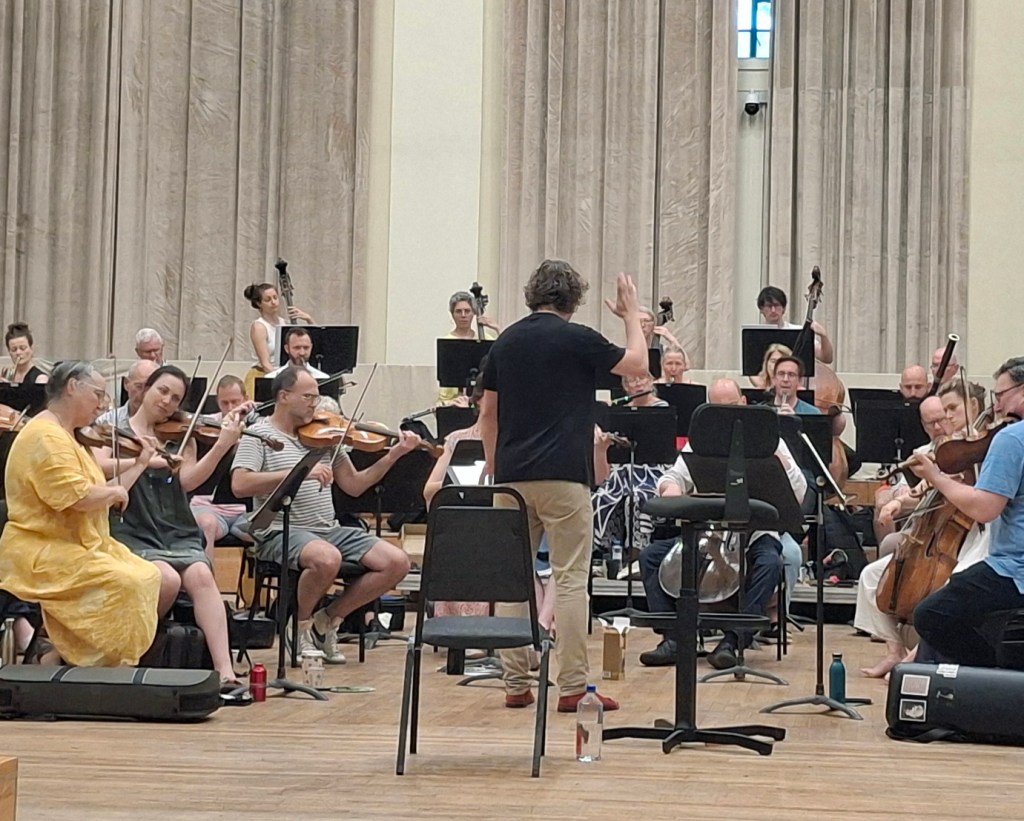
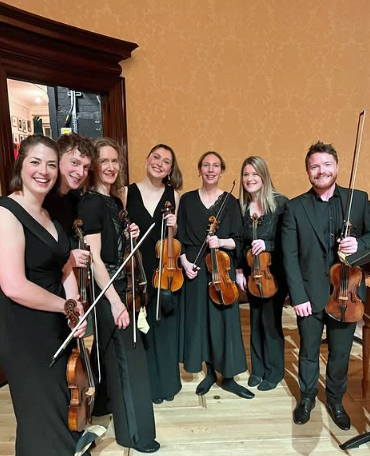
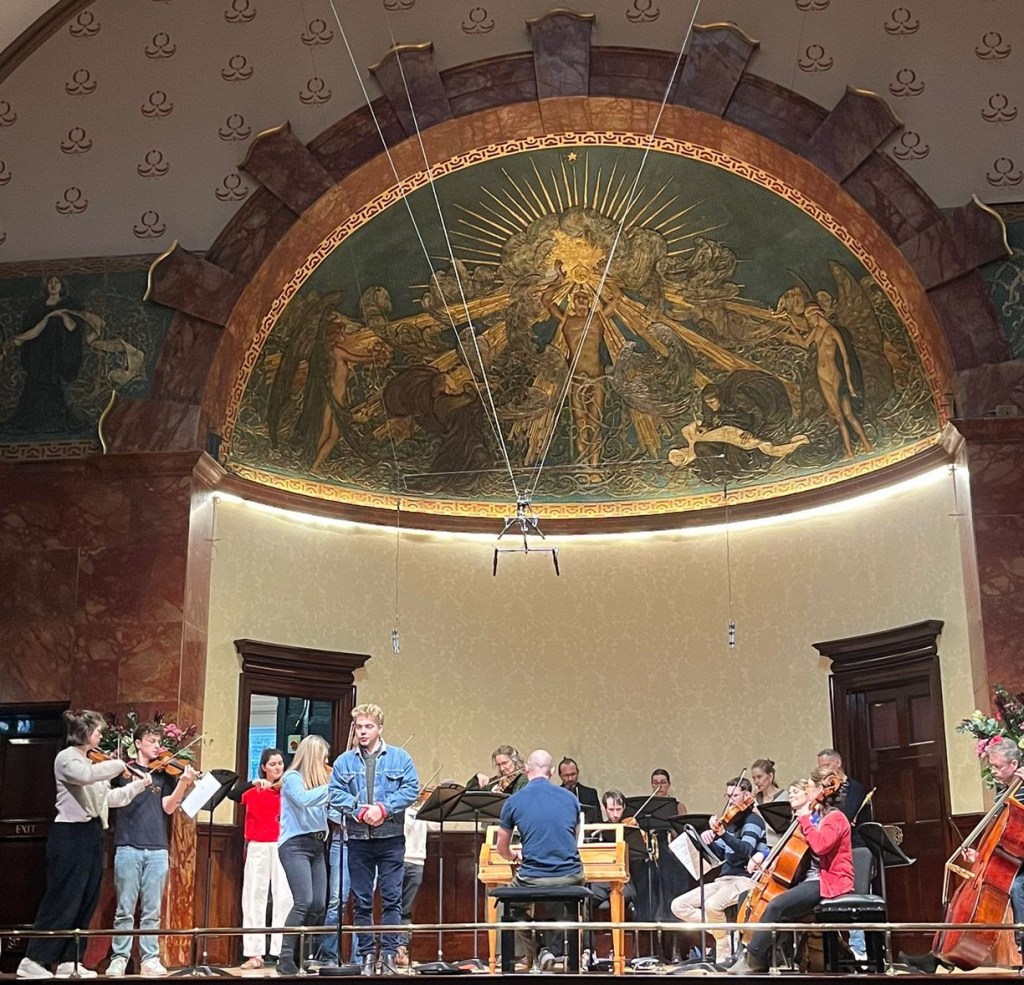
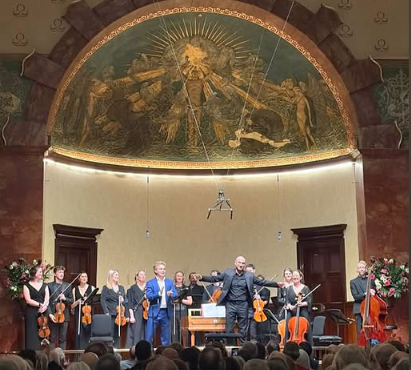
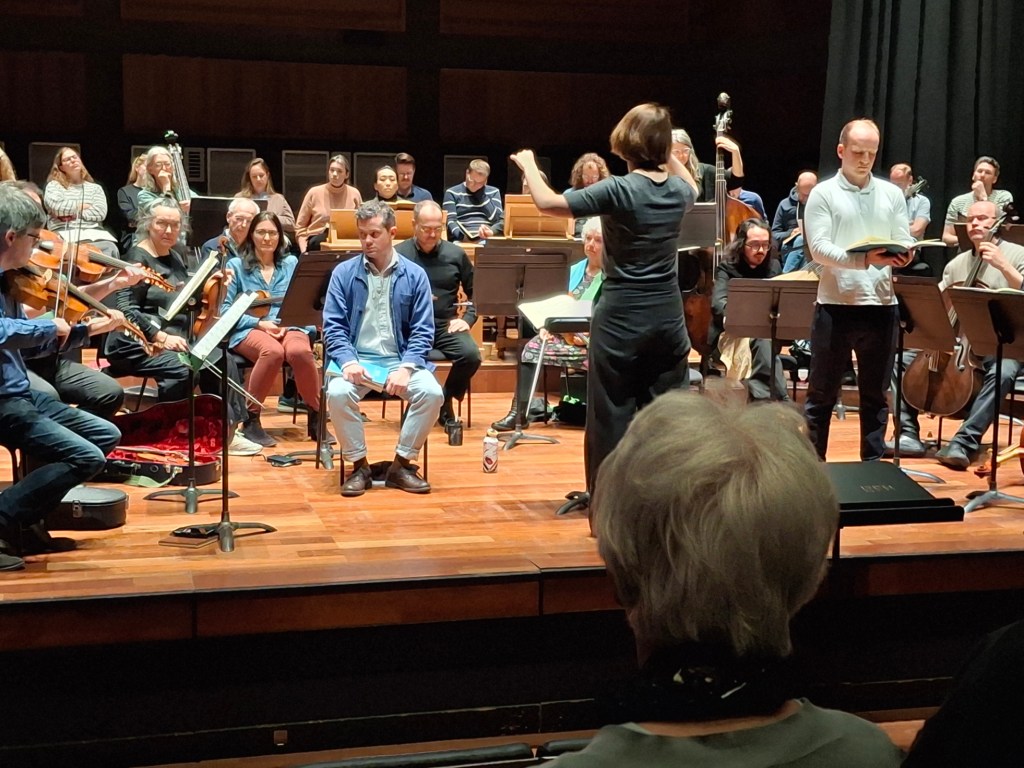
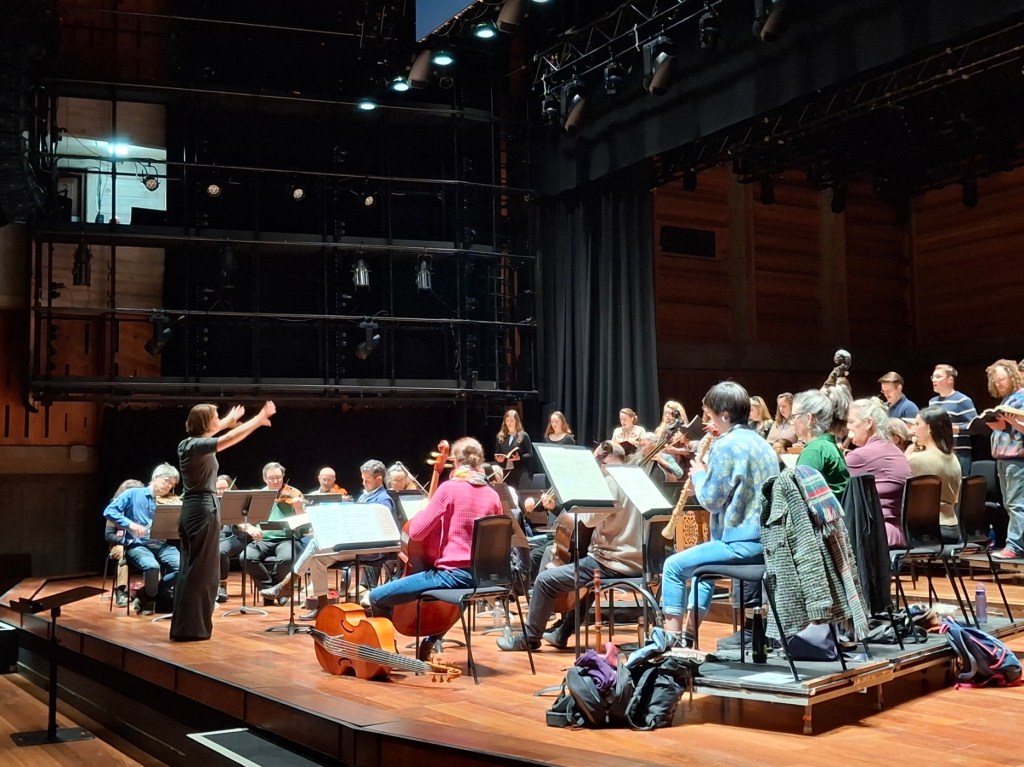
Having heard last week Mozart’s last three symphonies, each half of the evening began with two of his earliest ones, numbers 1 and 4. Short, sharp and lively, they set the sense of fun for the evening which involved works which Tenducci had sung or were by his friends and contemporaries. Tenducci’s role was taken by the excellent countertenor Hugh Cutting who expressed his delight that high range male soprano voices were no longer the result of mutilation. He sang arias by Gluck, Thomas Arne, J C Bach and Mozart and as an opera singer he filled them with expressiveness and drama. The orchestral playing in an oboe concerto by Johann Christian Fischer and the symphonies and a rollicking version of Tommaso Giordani’s Overture and Irish Medley which contained well-known Irish folk tunes was brilliant with a small orchestra filling the hall with an eclectic and delightful programme. And afterwards I was able to catch up with violinist Jenna Raggett as she and fellow violin players were taking a selfie. And the IBO conveniently posted photos of the rehearsal and the final bow.

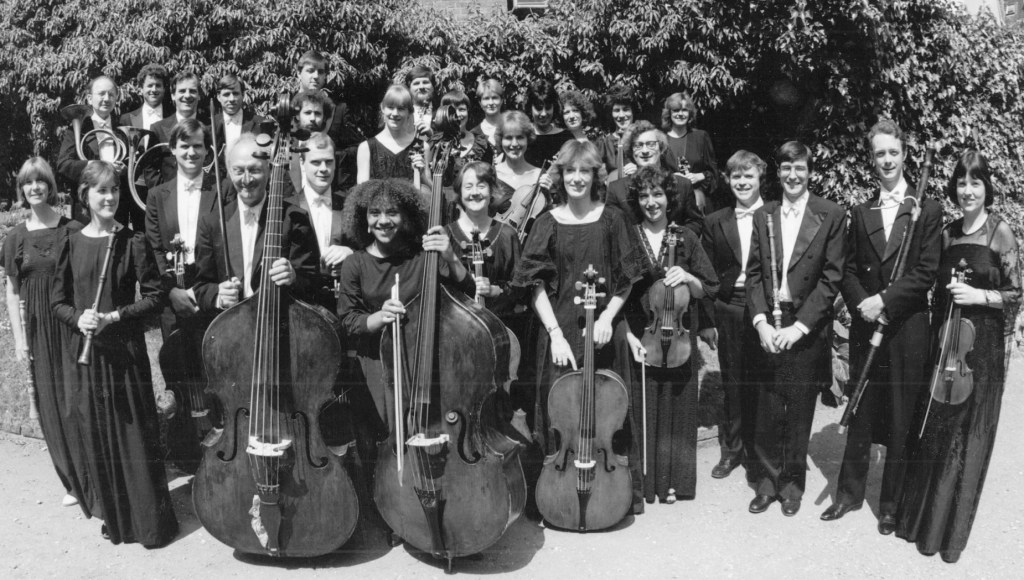
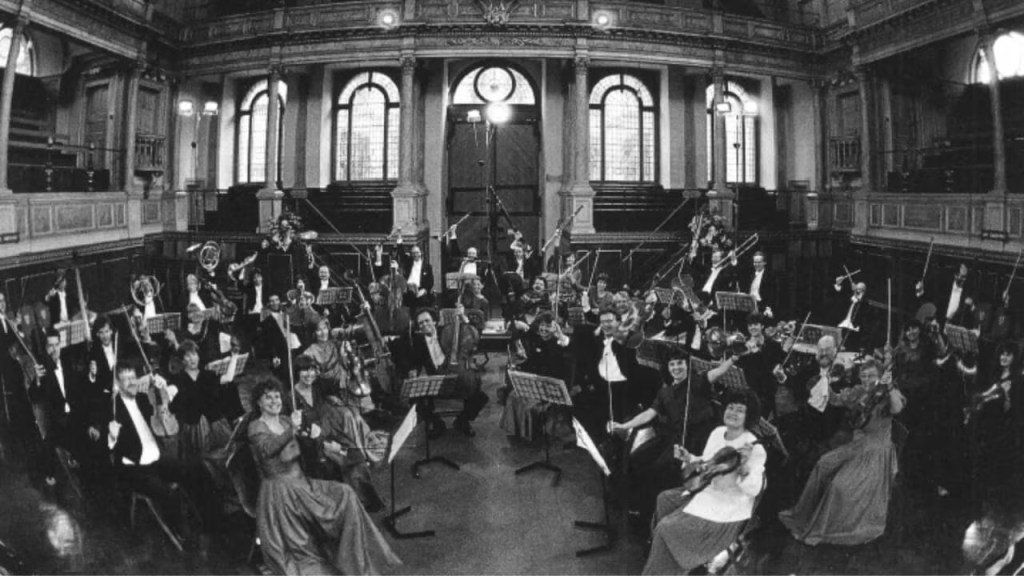
Later in the week my favourite orchestra the OAE held a session to launch its Southbank Programme for 2026-27, Held in the elegant hall of Acland Burghley School in Tufnell Park and hosted by Radio 3 and Proms star Katie Derham, the evening had music from a string quartet with vocals from tenor Hugo Hymas who was one of the OAE’s ‘Rising Stars’ in the 2019 cohort. While discussing each of the concerts with long standing players Annette Isserlis (viola), Cecelia Bruggemeyer (bass) and Martin Lawrence (horn), we also heard the fascinating story of the band’s formation back in 1986 when a number of players decided they were doing all the work and others were getting all the plaudits so they formed an orchestra that was run by its players not by a single celebrated conductor. It’s proved a great success for forty years and has allowed for concerts with a wide variety of conductors and several directed from within the orchestra itself. Another very pleasant evening in the company of friends and with some excellent music from Vivaldi, Bach, Handel and Mozart.

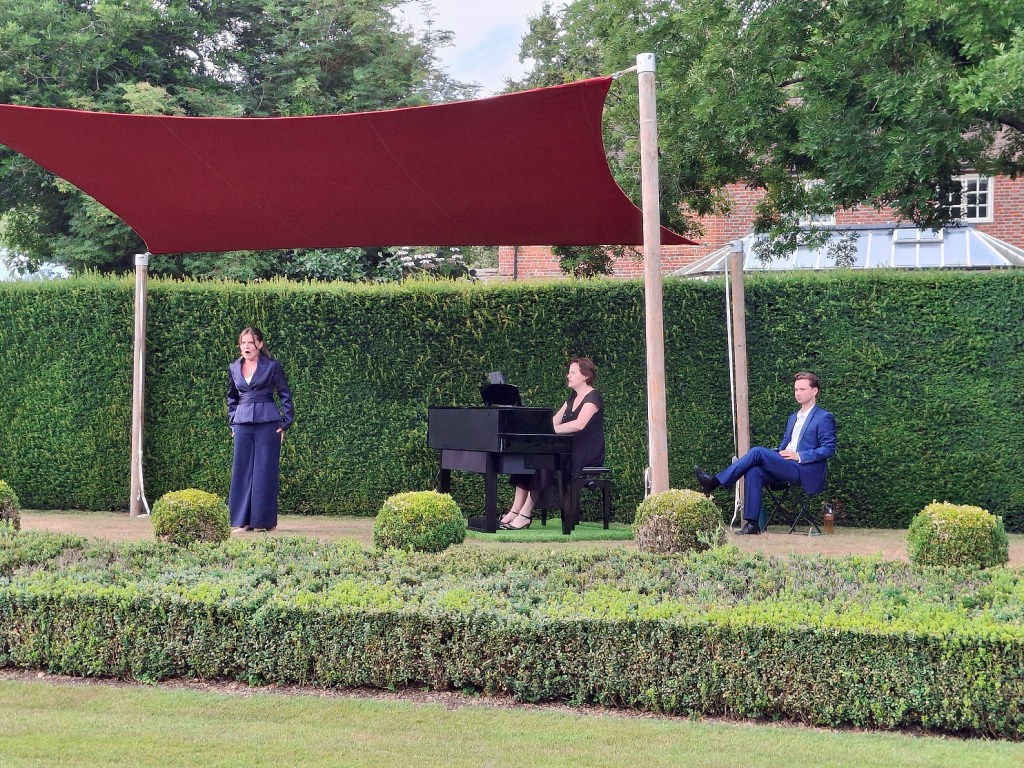
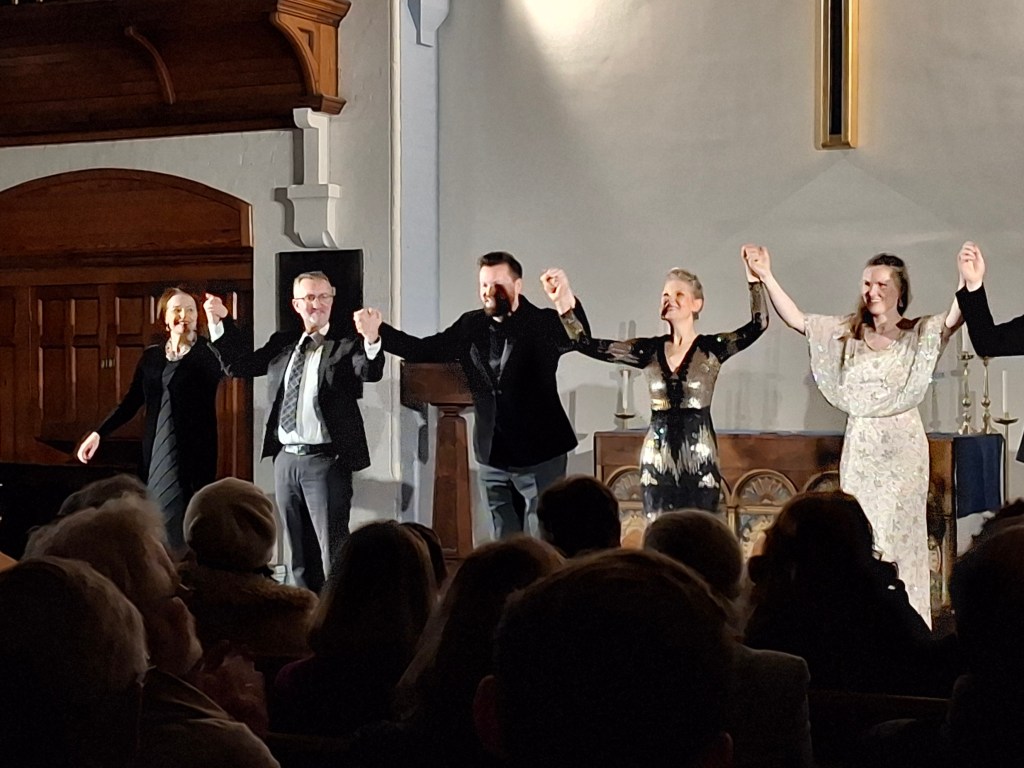
Friday brought a real surprise. Ace pianist and dear friend Susie Stranders invited me to a gala evening with St Paul’s Opera in Clapham. Well if Susie’s involved it will be good so off I set in a convoluted cross Sarf Lunnun jaunt with a bus, two trains and a walk to a wonderfully simple church, St Paul’s Clapham, to meet my friend Jadwiga who was coming from Putney. I’ve been previously to similar evenings in Fulham Palace and the Blackheath Halls and it appears that there are many occasional opera group and societies all over London and indeed the country. It’s great that there are so many opportunities for talented young singers to engage with diverse audiences in different locations. St Paul’s Opera has a dynamo at its heart in Tricia Ninian and the evening was billed as David Butt Philip and Friends. David has been associated with St Paul’s Opera since 2017 and gathered some great friends to perform arias and songs from Handel and Mozart through Wagner and Bizet to Britten and Bernstein. David was joined by soprano Ellie Laugharne, mezzo Marta Fontanals-Simmons and bass Liam James Karai. As accompanists for the four singers Susie was reunited with Eric Melear with whom she had been on the young artists programme at the Grand Opera Studio in Houston back in 2000. Both experienced repetiteurs, they managed to make the piano sound like a full orchestra in the fine acoustic of the church. I can’t make St Paul’s production of La Traviata this summer as I’m out of town at a wedding but I’m sure it will be worth a trip.

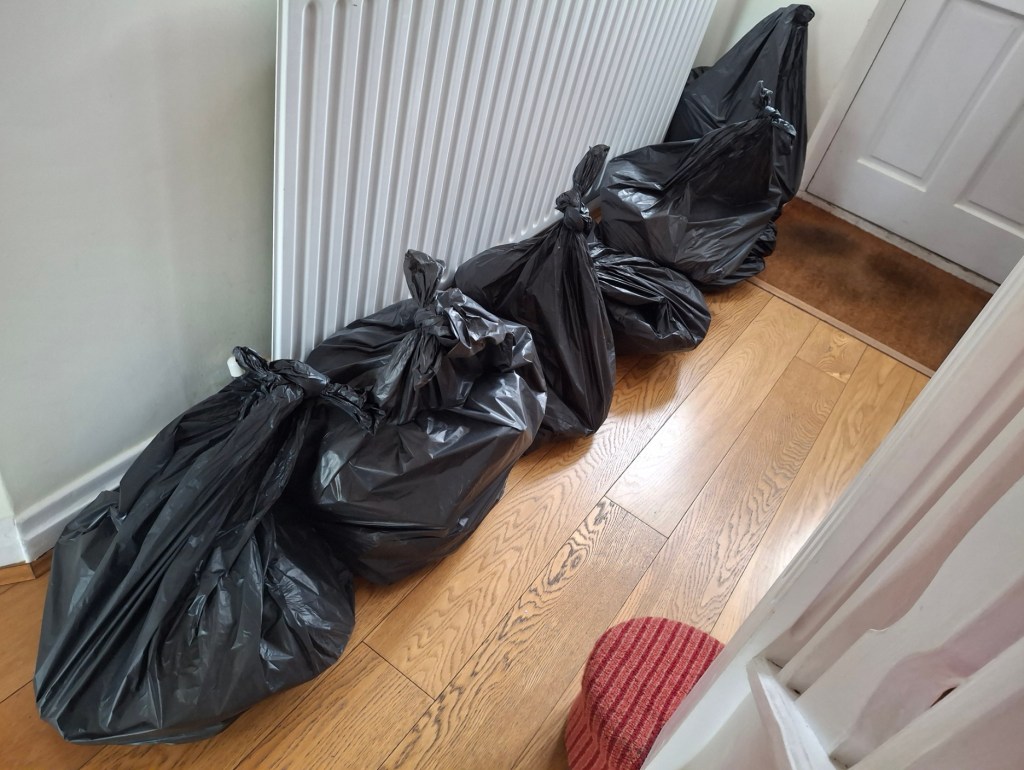
A business bagged up for shredding! 30 years of my various company documents all on their way to be shredded. Because many of the call sheets and contact lists, invoices and (remember them?) cheque stubs contain the names and details of several rather well-known names I’ve been lucky enough to work with over the years, they can’t just go into my Lewisham Council recycling bin. So off they go to Restore Data Shred for secure and certified destruction.

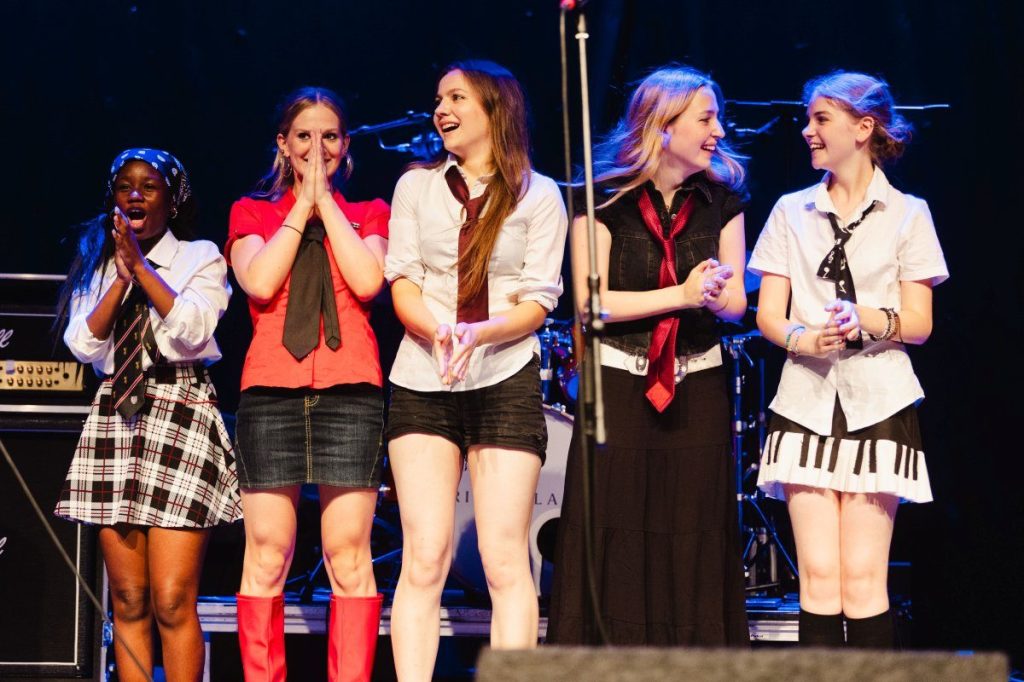
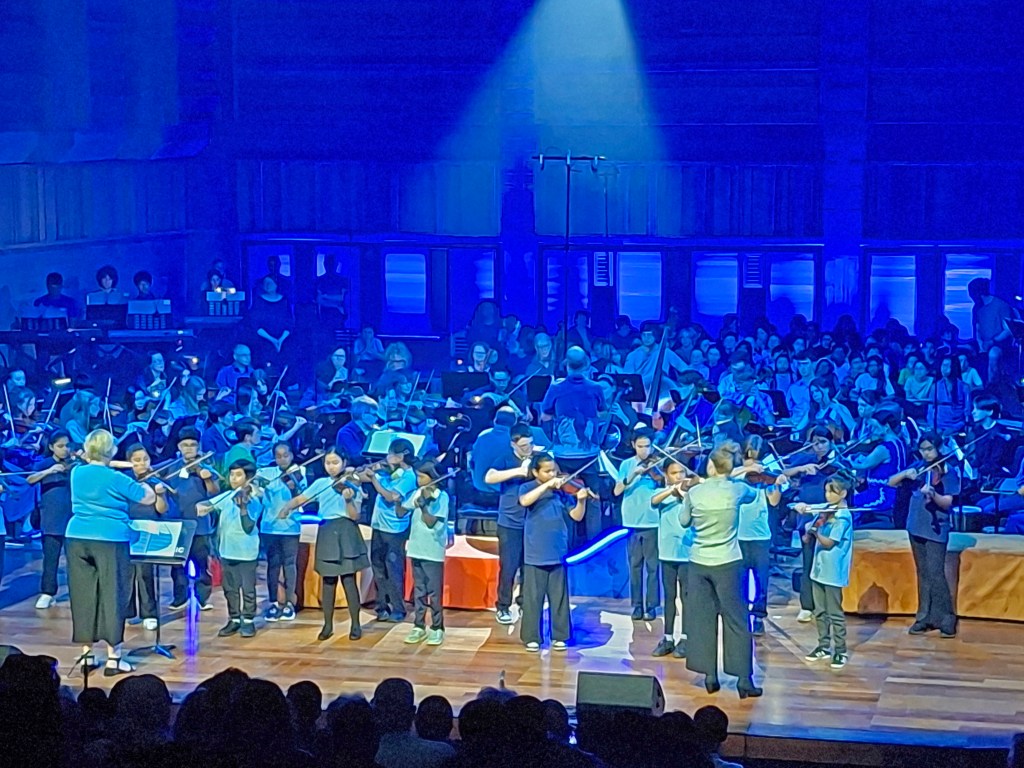
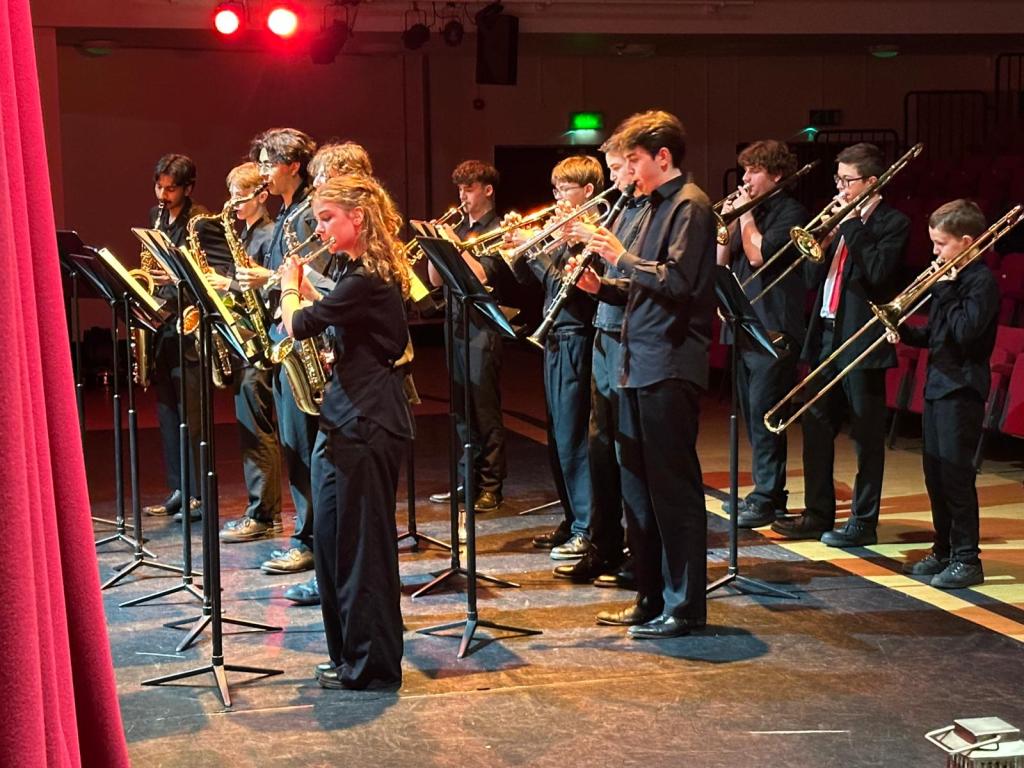
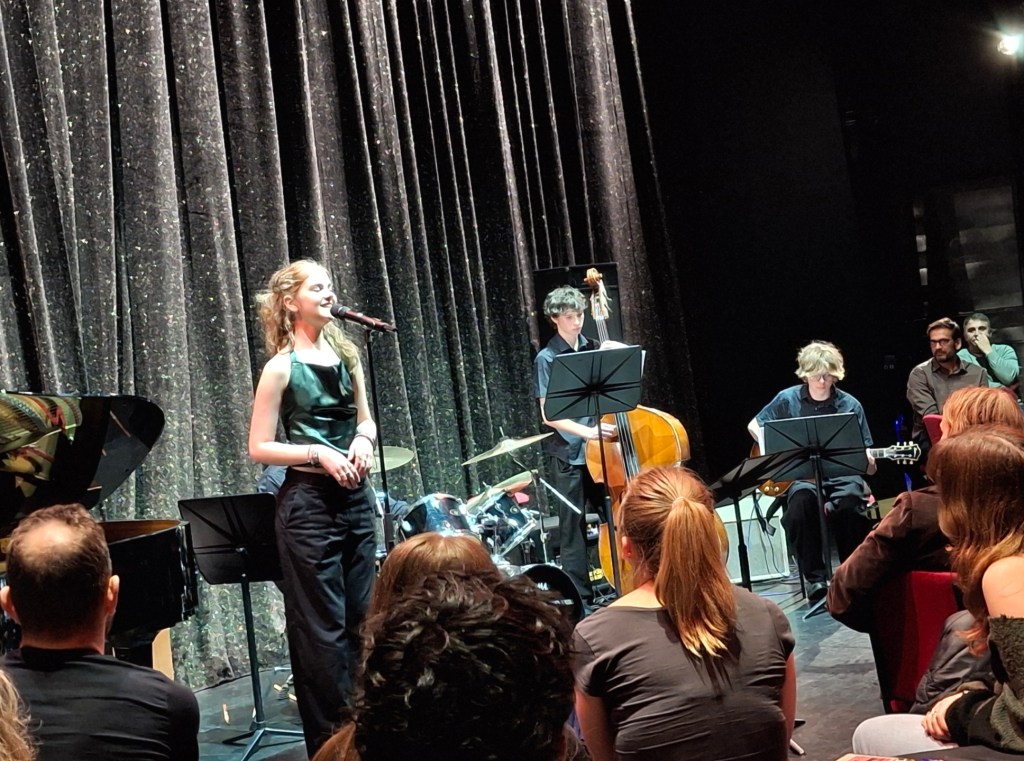
After that it was a visit to Langley Park Boys School for an ‘Evening of Jazz’ in which my granddaughter was playing flute in the big band numbers. The evening opened with a quintet featuring Sam on tenor sax who had guested with Soulstice last week at Off the Cuff. They were very good as were the big band that played a few standards. Then to my surprise after Soulstice lead singer Bea had sung Round Midnight, Trixi (Daisy) stepped up to the mic to sing Dream a Little Dream for Me. Her parents had failed to inform proud grandad that she was a featured soloist as well and she gave an emotional rendition of a fine thirties song imbuing Gus Kahn’s lyric with a real sense of longing. The whole evening was a further confirmation of the immense depth of talent that is produced when the arts in schools are properly respected and resourced. Soap box suspended for now!

Next to the Donmar for Anna Ziegler’s Evening all Afternoon – a tense two-hander with Anastasia Hille as Jennifer, a suspect new stepmother and Erin Kellyman, making her stage debut, as Delilah, the suspicious and resentful daughter. Both actors are superb – Hille is all internalised emotion, with staunch British values, stiff upper lip and sense of decorum, responding stoically to the taunts thrown at her. I really can’t believe that this was Kellyman’s stage debut – apparently she’s well-known on screen but not in shows I’ve seen. (I also note now that Erin will be in the TV show 2026 – the successor to the 2012 and W1A satires that lit up our screens with [presentation of wondrous, pretentious incompetence.)

Jennifer is a young, bolshie, opinionated half Brit, half Brooklyn tornado who rages at her mother’s early death and her father’s gall in replacing her. The play revealed many ideas of grief, loneliness, age differences, relationships and an eventual uneasy and tentative rapprochement. With some scenes of dialogue between the two characters and others where they address us the audience directly the revolve stage worked really well against a dark blue brooding set. Lots of food for thought in a dramatic short play.

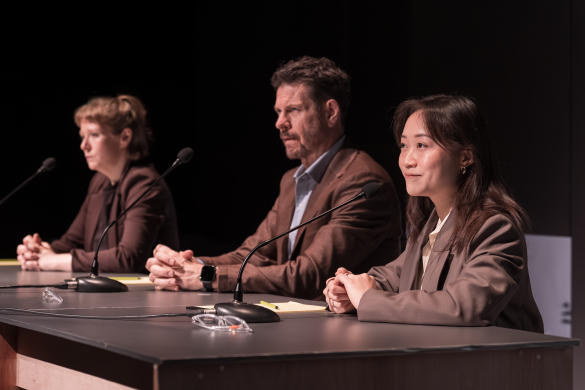
The next night at Hampstead downstairs we saw R.O.I. (Return on Investment) another short new play by Aaron Loeb which examined the releationship between creator and investor in the context of big pharma. Paul, Lloyd Owen, runs a venture capital fund with which he intends to change the world. His colleague May Lee, played by Millicent Wong, is on the hunt for a unicorn – a start up company with a $1billion valuation which will gain her a partnership and personal wealth. Along comes Willa, Letty Thomas, with a cure that will eradicate cancer from the entire world. I wondered if she was the real deal or another Elizabeth Holmes of Theranos ignominy – who did get a mention in the script. We were left to wonder throughout as the wonderdrug trials progress through successful initial stages into really murky territory to avoid scrutiny by the FDA. Add an affair between Paul and Willa, gaslighting May Lee, questionable views about ethnic types and a Congressional tribunal – there’s a whole lot going on in there, including a late appearance of The Woman (Sarah Lam) perhaps showing where May might be heading. It’s very sharp and witty in its dialogue and there are many moments of humour among the sad implication that power and money will always corrupt even the most well-meaning of souls.

Willa, (Letty Thomas) Paul (Lloyd Owen) and May (Millicent Wong) at the tribunal.

Next was a trip to Richmond for Vincent in Brixton which I missed at the NT in 2002 but this seems to be a time of revivals what with Teeth and Smiles and Copenhagen on the horizon. Nick Wright’s imagined revelations of van Gogh’s year in lodgings in Brixton, while working as an art dealer in Covent Garden, was a delight. The amazing Niamh Cusack led a cast in which three of the four were making their stage debuts – quite a week for debuts! It’s a quiet domestic piece in which we are treated to the kitchen odours of cooking on a working stove and later shared Niamh’s pride at her separation of egg yolk and white done in real time. It’s like a mystery story where you know the outcome but the characters don’t. Vincent was scathing about the work of fellow lodger Sam but we didn’t see any of his own work or sense his promise. He was a confused young man in a foreign country experiencing strong emotions and desire for the first time. Initially attracted to the daughter Eugenie, it was to landlady Ursula that we are led to believe he lost his virginity. It’s a play about grief, Ursula still in widow’s black, restless relationships and passion and everyday life gently unfolding in the Orange Tree’s intimate space.

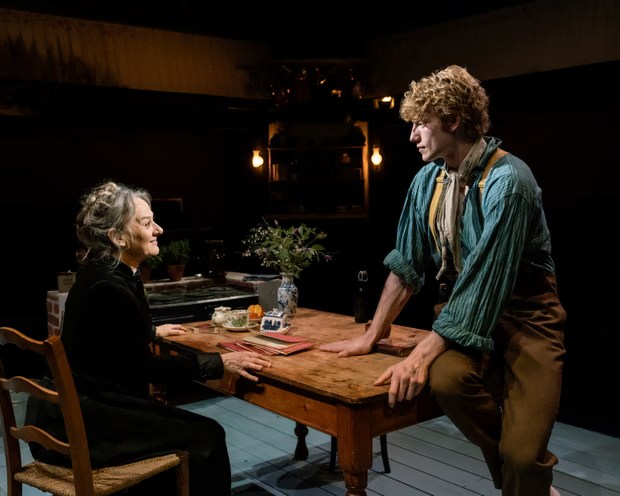
Niamh Cusack as Ursula with Jeroen Frank Kales as Van Gogh. 
Photograph: Johan Persson/Orange Tree

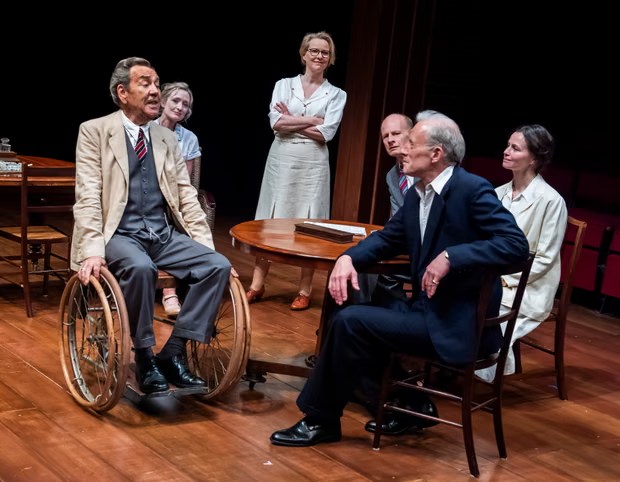
The next day Fran invited me to join her for a technical rehearsal of Copenhagen at Hampstead Theatre. This time I had seen the original production of Michael Frayn’s play back in 1998. The staging was very similar with a sparse set with three chairs. At Hampstead there is the addition of a spectacular set back wall which I won’t describe so as not to spoil your gasps when you see it. It’s fascinating to see how lighting, sound and movement blocking subtly affect your understanding of what is taking place. Can’t wait to see the whole thing in a couple of weeks’ time. It’s a real festival of Michaels – Frayn, Blakemore the original director and Longhurst this revival.

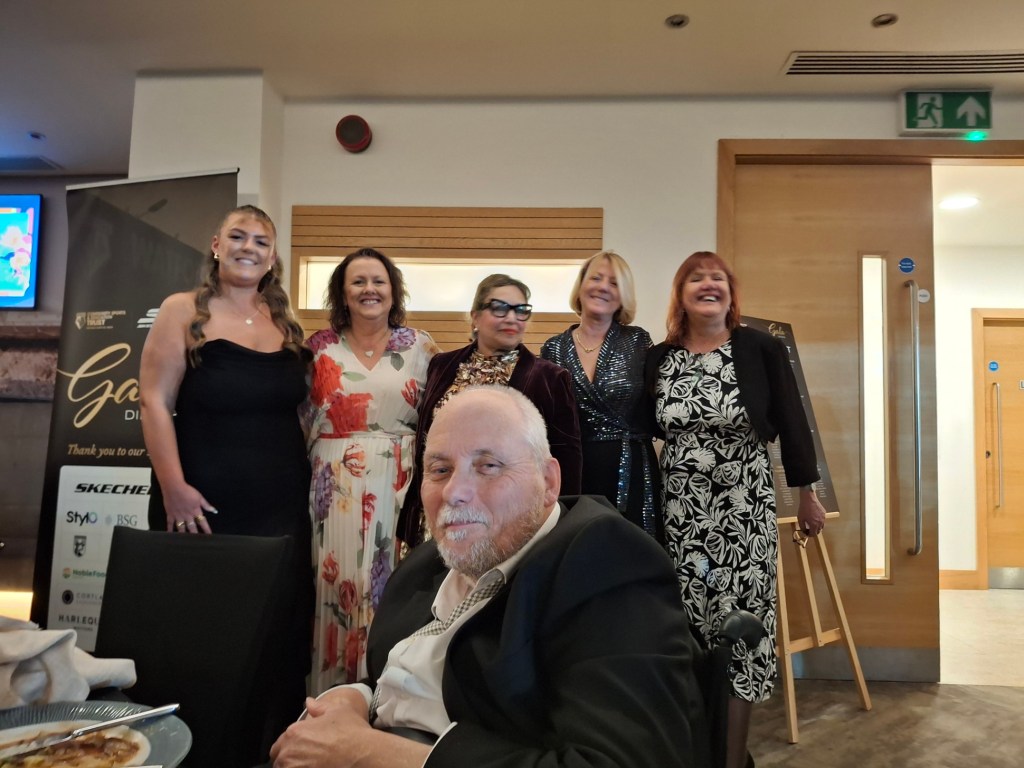
Thursday was the Watford Community Sports & Education Trust’s Annual Gala Dinner and so the usual suspects assemble at Vicarage Road for an evening celebrating what the charity has achieved against the gloom of the economy, through the dedication of staff and volunteers. It came as a pleasant surprise to me to discover that Frances’ sister Rose (second from right) has been asked to succeed Simon Macqueen as chair of the trustees. Well deserved for her energy and enthusiasm for the work it does. We all had a great time chatting to former and current players and meeting young people the Trust has helped over the years.

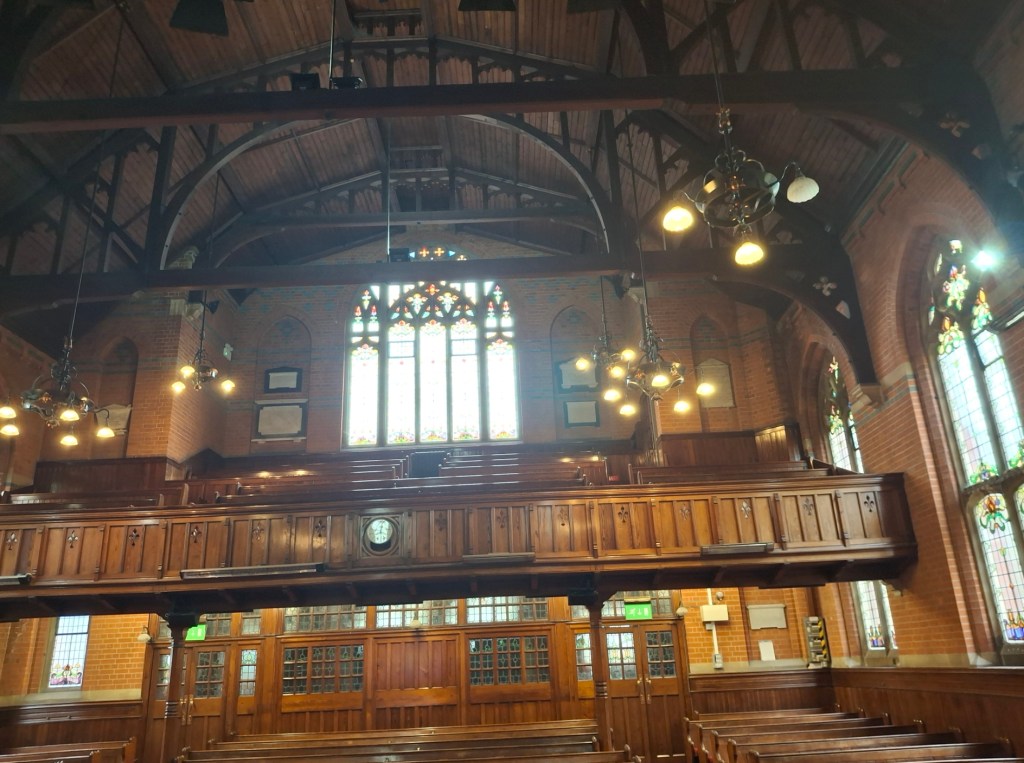
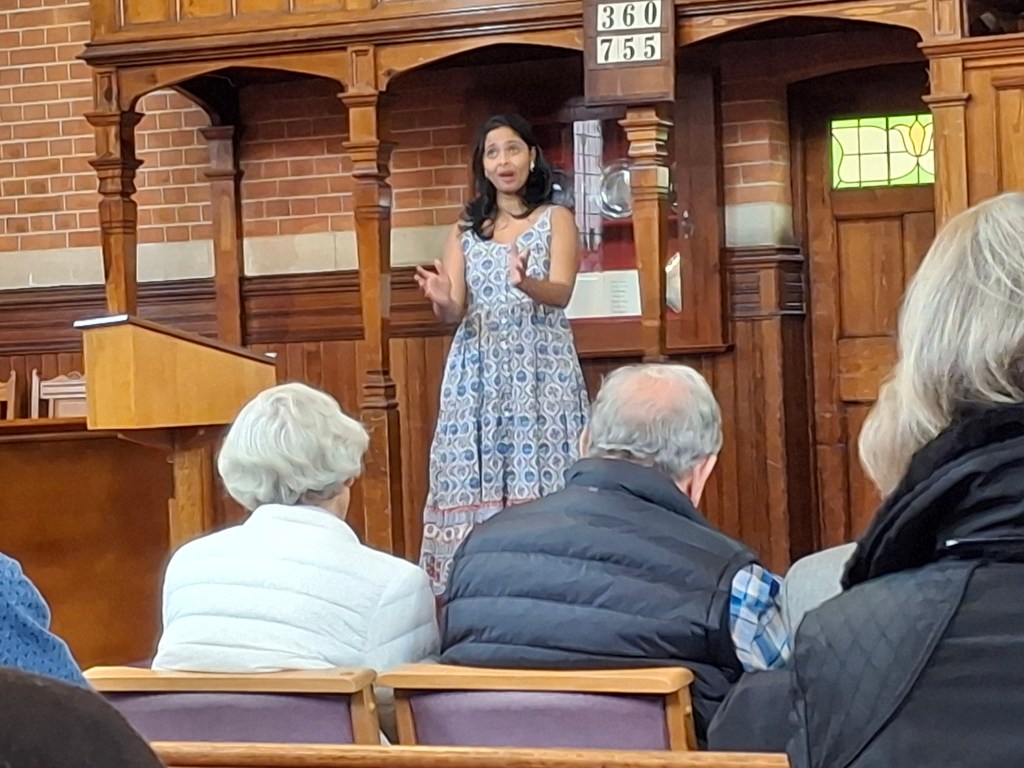
As it was a late finish, Rose had kindly invited Fran and me to stay with her and husband Mark in Bovingdon. This proved a great boon for me as I planned to catch my friend Kristina Ammatil giving a lecture/recital in Henley-on-Thames the next morning. So I set off for a pleasant drive through the Chilterns and made it in good time to hear Kristina discuss allegory in opera with the title: Love, Gods and Mortals. It was a well argued essay supported with slides and illustrated with excerpts from operas old and modern in Kristina’s powerful, melodic soprano accompanied by Jack Redman at the piano. She is particulary keen to perform contemporary repertory and introduced us to several pieces I didn’t know. I was very pleased to have the serendipitous chance to attend from nearby rather than making the trip from London.

I had a chance to chat with Kristina and her boyfriend Luka after the event for a catch up before dashing (I wish! Thanks M25.) back home to park and unpack the car and catch a train and bus to Shoreditch for a performance of Handel’s Tamerlano from which I’d heard excepts but never seen the whole of this great opera. Part of the annual London Handel Festival this was taking place in a completely new venue for me – the splendid Shoreditch Town Hall.

The orchestra under Laurence Cummings were superb and the production was delivered in a witty English language update of the original Italian. The design and concept led one to rename the opera Trumperlano since a blue suited, red tie wearing golfer Tamerlano, a Tartar emperor, tries to impose his will on the traditionally-costumed Turkish sultan Bajazet and grab his daughter Asteria who is in love with a Greek prince Andronico. It’s convoluted but hey it’s opera from 1724 and the London crowds loved it.

The year 1724 was a good one for Handel as he wrote Rodelinda and Giulio Cesare in the same year. I’ve now seen all three in the space of the last two years. They are all full of great tunes and high drama mixed in with a sense of humour which makes them very appealing. Certainly the Shoreditch audience loved the whole thing given the ovation the singers and players received at the end. A very varied musical day!

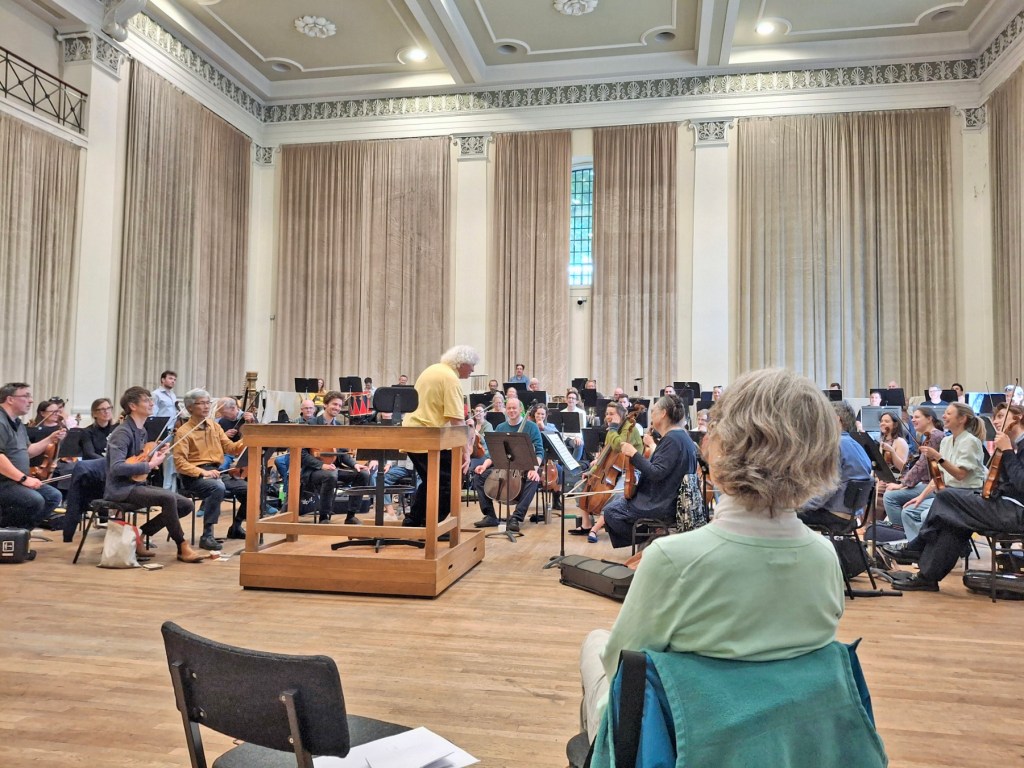
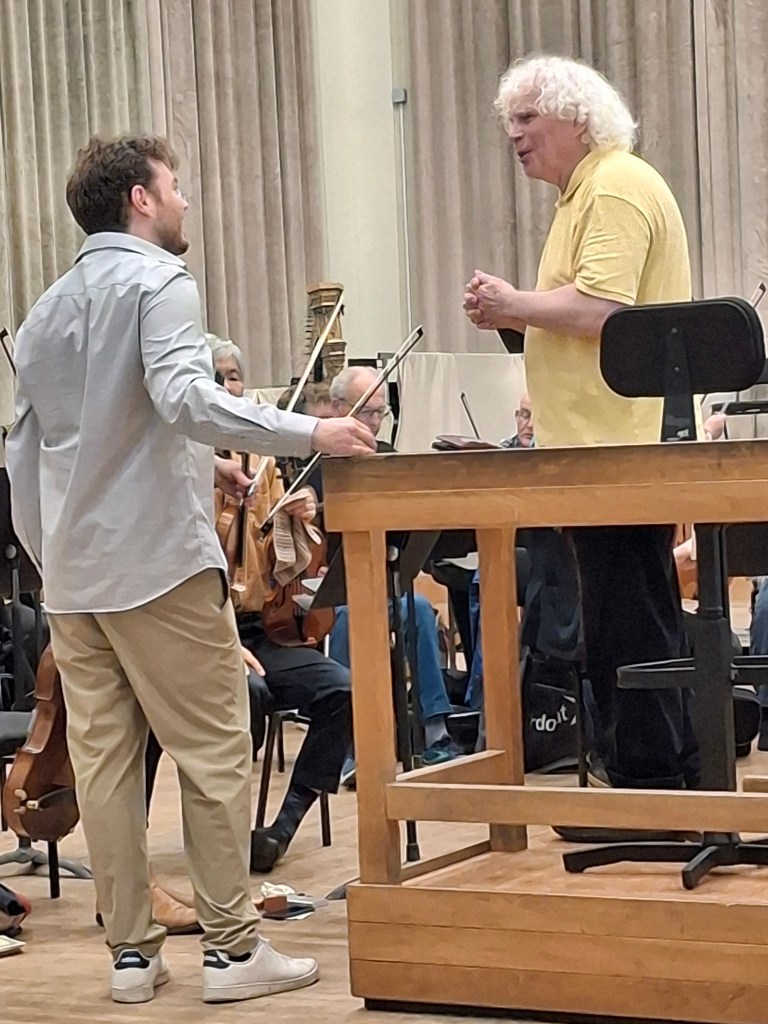
My last cultural outing of March also celebrated, by a weird coincidence, the year 1724 which just happened to be the date of Bach’s St John Passion which the OAE were performing in the Queen Elizabeth Hall. As a ‘friend’ I was also invited to attend the rehearsal with German conductor Johanna Soller making her debut appearance with the orchestra. She knows how to get asked back – she cut Sunday’s rehearsal by an hour – always goes down well with musicians! This rehearsal may have been brief but it was also fascinating. Ms Soller is clearly a producer as well as conductor, keyboard star and singer. She started by having the QEH staff move the rostra about so that the chorus formed a shallow horeshoe rather than a straight line; she moved soloists’ seats to better catch the hall’s lighting and during the course of the rehearsal frequently skipped off the stage, ran up the aisle to listen from the cheap seats and make sure we’d all get the best possible experience in the evening. She gave a number of notes and we could hear their immediate effect on volume, phrasing, pronunciation and diction. All very impressive but did it work?

Emphatically, yes! Her energy and dramatic timing made this one of the most operatic readings of the mass and that includes Peter Sellars’ staged version with Simon Rattle and the OAE in 2019. The orchestra have played both Bach passions many times but sounded fresh and engaged last night. The score is so melodic and dramatic – the build up to scene 33 “And behold, the curtain in the temple was torn in two pieces from top to bottom. And the earth shook, and the cliffs were rent, and the graves opened up, and many bodies of saints arose.” shook the entire hall. This is in contrast to the beautiful alto aria “Es ist vollbracht – It is finished” sung by the wonderful Helen Charlston continuing her long assoctaion with the OAE having been one of its early Rising Stars. All soloists were excellent James Way as the evangelist, Peter Edge – one of the current cohort of Rising Stars – as Christus, Hillary Cronin, Jonathan Hanley and then Tristan Hambelton as Pilate was outstanding in his empathetic reading as the representative of Roman law. Johanna Soller congratulated all areas of the orchestra in turn and selflessly stood to one side as the band and soloists took their bow, A fine debut and let’s see much more of her in the UK.

Masterpieces metamorphosed

Les Bonnes by Jean Genet was one of the plays I read at university in the 60s and I’d seen the film version with Glenda Jackson, Susannah York and Vivien Merchant a decade later, so it was with great anticipation that I went with Frances to see what Kip Williams would make of it. After last year’s Picture of Dorian Gray with Sarah Snook we expected screens to play a part. And they did. And how! The filmy curtains initial framing the set gave us the feeling of trangressively entering madame’s boudoir and then the fun began. The role-playing maids of the title act out fantasies of dominating and eventually killing their disdainful mistress.

Quite how the actors managed to use their cameras and select filters to produce the effects on the screens that dominated the background, I’ll never know. Emotional performance while managing tech – the demands are high on acting skills these days! Phia Saban and Lydia Wilson met them with apparent ease. Yerin Ha was a little too camp and age-adjacent for my taste as the draconian madame but it was a great evening’s entertainment. With Kip Williams you learn to accept that things will change – it was billed as ‘a version’ after all.

Before going to the Donmar, I had been to the Dulwich Picture Gallery with Jadwiga to see the exhibition devoted to Anne Ancher, a Danish painter I confess I’d never heard of. Living all her life in the town of Skagen at the extreme northern point of Denmark she was devoted to capturing light in the landscape but especially in portraits and interiors where there were hints of the influence of Vermeer in the lighting effects. She died in her seventies in 1935 and the paintings cover most of her long life. The exhibition runs till March 2026 and is highly recommended not just by me – it got 5 stars in The Guardian.

Next up was a group outing with Frances, Farzana, Richard and me to see Assembled Parties at Hampstead. It’s a blackish comedy written by Richard Greenberg and was a great hit on Broadway in 2013. Set two decades apart in the same apartment of screen star Julie, we find a Jewish family celebrating Christmas with assorted relatives, friends and others. In Act 2 Julie is widowed and has a feel of a Norma Desmond who life has passed by and only survives in her rather less opulent surrounding by the invisible support of others.

Among these is her sister-in-law Faye, superbly played by Tracey-Ann Oberman in scintillating form who gets the best lines and attitude. We all found Julie, as played by Jennifer Westfeldt a little unconvincing but the poignancy of the reduced means and expectations of a once proud family showed through the many laughs that the script also gave us.

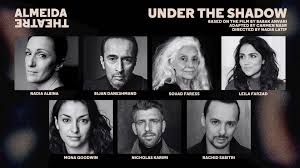
Talking of metamorpheses, how do you make a 500+ page 2004 Booker prize-winning novel into a two hour stage play? Fran and I had been to an Almeida insight session earlier at which the answers were clear – get an ace adaptor in Jack Holden and a great director in Michael Grandage. The resulting script clearly had to leave a lot out for those of us familiar with The Line of Beauty, but author Alan Hollinghurst had been involved throughout and the evening gave us a good account of the early days of Thatcherism, the gay scene in the 80s with the spectre of Aids and the class system in full flow. And it did contain some very explicit scenes of sex and drug taking that were so much a part of the source. The lessons of a dangerous era seem not to have been learned – the wealth and class gap is ever wider, tolerance of ‘otherness’ is at a very low ebb again and politics and politicians remain completely out of touch with everyman.

And follow that with another great challenge. How do you bring “one of the most important English-language poems of the 20th century” to the stage? Adrian Dunbar has produced and directed a staging of T S Eliot’s The Waste Land. There’s the full text of the 434 lines of the poem spoken by four actors but it’s interspersed with music by Nick Roth for a jazz quintet and the Guildhall Session Orchestra conducted by John Harle. Added to this melange was some of the earliest colour footage of London which evoked and echoed Eliot’s words about his adopted city such as “Under the brown fog of a winter dawn / A crowd flowed over London Bridge, so many / I had not thought death had undone so many.” Hearing Eliot’s complex work recited added greatly to my appreciation of it. The music was an interesting complement, never overlapping with the text and the footage was just stunning. A fascinating hour in the Queen Elizabeth Hall.

I was up bright and early the next morning to drive down to Hatchlands House near Guildford for one of the Orchestra of the Age of Enlightenment’s periodic Friends’ excursions. The house contains the Cobbe Collection which has a staggering array of keyboard instruments owned and played by some of the great composers among them Purcell, Johann Christian Bach, Mozart, Haydn, Beethoven, Chopin, Mahler and Elgar as well as the piano that Napoleon gave to Josephine. We were conducted through this historical tour by the OAE’s principal keyboard player Steven Devine with added insights from the eponymous collector Alec Cobbe, a little jet lagged after flying in from Ireland that morning. Their shared knowledge and Steven’s keyboard artistry made for an engaging trip and added substantially to my own musical education.

I travelled back in good time to join Frances, Farzana and Richard for a trip to the Pinter Theatre to see the revival of Conor McPherson’s The Weir. Timing was such that we were able to have a pre-theatre dinner in the wonderful Yoshino. Lisa was her usual welcoming self and managed to feed us elegantly as well as the late-arriving Farzana (thoughtless colleagues on Zoom calls!) with food that delighted her on her first visit before we all set off.

It’s a play I’ve seen before – nothing happens in a rural Irish pub, but everything happens in the minds, interplay and scary stories of the four male locals and the incomer Valerie. With Brendan Gleeson and Sean McGinley in the cast it was a super evening of witty dialogue, hidden back stories and brooding atmosphere. Lots of Guinness and scathing references to Harp drinkers – remember Harp?

23 years ago I filmed a studio interview and a gig at the Cavern Club in Liverpool with a young indie singer songwriter Ian Prowse. It was part of a language teaching video series for teenagers in Europe that we did in a yoof magaziney style. Dee and I loved his music and attitude and we remain friends after all this time. So on Saturday I set off for the Half Moon in Putney for a set from his current band Amsterdam. Frances joined me at the pub hot foot from Derby where she’d seen Watford’s first away win for eight months! I settled for the TV experience and was glad I’d conserved my energies as the evening was an all singing all dancing show with the band on top form – standin’ and boppin’ for two hours takes it out of us old uns!

The next day Frances and I and Farzana went to a new venue in London that led to another incredible evening – this time of multi-influenced jazz. HERE at Outernet is beside Centre Point and Tottenham Court Road Station. It’s deep in the basement but we weren’t bothered by noise from the tube. We were enthralled by a brilliant set from Nubya Garcia and her band. Anyone who has read my blogs knows I am a huge fan, following her from her early days in Lewisham pubs. This set – mostly songs from her latest album Odyssey – was supported by visuals on the giant screen at the back of the stage. Nubya herself was in great form with her mix of musical cultures inflecting her music, but with some lovely old school touches like references to My Funny Valentine and other classics in her solos. This lady does jazz. An ever-present in her line up over the years has been Sam Jones on drums. What is it about drummers called Jones? Jo held Count Basie’s band together, Philly Joe was Miles’ and Bill Evans’s favourite, Elvin was inseparable from Coltrane and now there’s this guy Sam whose propulsive and imaginative work takes the band into the stratosphere. Farzana and Fran had to put up with me hustling one of Nubya’s former managers as I’ve quoted Nubya in a pitch for BBPC to the Deptford Literary Festival next year. (I later got her blessing so forgive me!) What a night!

Next up was a theatre road trip. Fatherland by the precocious Nancy Farino who also starred in it, is a journey of discovery between an ominously named father, Winston Smith, and his daughter Joy in a converted school bus to County Mayo to discover some newly discovered heritage. Car seats on wheels and lighting effects neatly deliver the bus to the stage. There’s a great deal of barbed and bitchy banter among the deeper affection and interpolated scenes with father and a solicitor indicate that Winston’s life coaching practice has led to a suicide for which he’s being sued. Joy also lets us into her mind world of fears and fantasies. Nancy Farino has come through the Hampstead Theatre’s Inspire programme. More power to it if it continues to produce work of this quality.

Work of high quality was a trademark for Josef Hadyn. The OAE had been touring a programme of symphonies and a piano concerto through Germany, Switzerland and Italy with Sir Andras Schiff at the keyboard and as conductor (I nearly wrote with the baton but his hands are expressive enough). The did a concert in Udine and I had to wonder whether any of the Pozzo family attended – the Pozzos own both Udinese and Watford football clubs. The last date on this tour was at the Queen Elizabeth Hall.

I like Haydn’s rhythmic impulse, his unpredcitability and his sense of fun and the two symphonies – one from his early period No 39 at the Esterhaza Court and No 102 from his prime in London showed real development of style and technique and were a joy to listen to as was Sir Andras’ performance of the concerto No 11 played on a Walter fortepiano just like one we’d seen at the Cobbe Collection a few days earlier.

Another busy month concluded with BBPC’s last bimonthly poetry meet up of the year at the Whitechapel Gallery which took the form of a review of the year’s activities and an open mic session for a dozen poets to share their own work or read from their favourite poets.

Many of us then went to the nearby Altab Ali Park for the launch of this year’s bijoyphool. This is the Bengali victory flower which has evolved from the British Remembrance Day poppy.

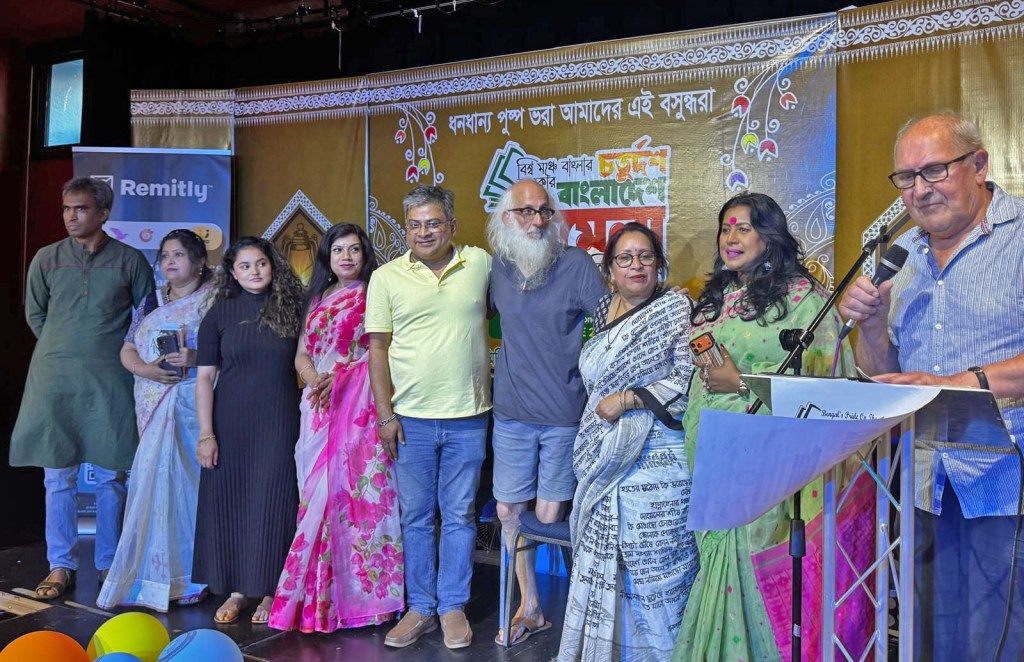
The green and red flower is worn for the first two weeks of December and commemorates the Bengali language wars of 1952, the war of independence of 1971 and the countless citizens who died in them and since. Three of the freedom fighters from the latter war were present in front of a replica of the Shahad Minar matryrs’ memorial in Dhaka. It was a privilege to be asked to say a few words for the local TV chanel about what it meant to be there at this moving ceremony.

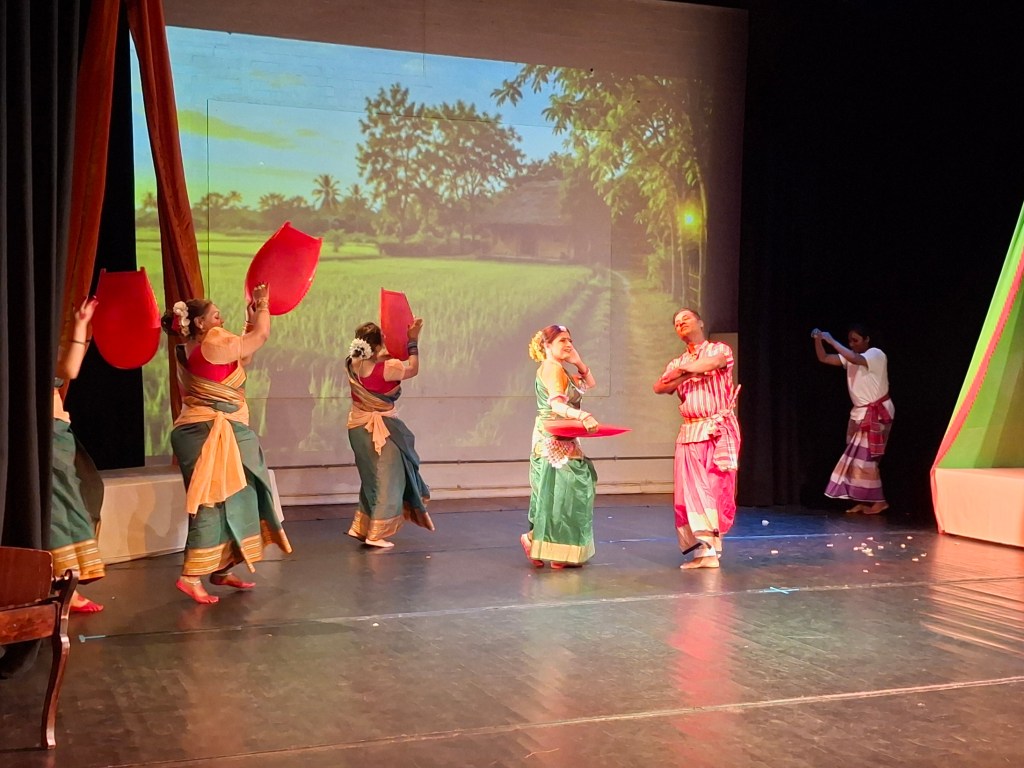
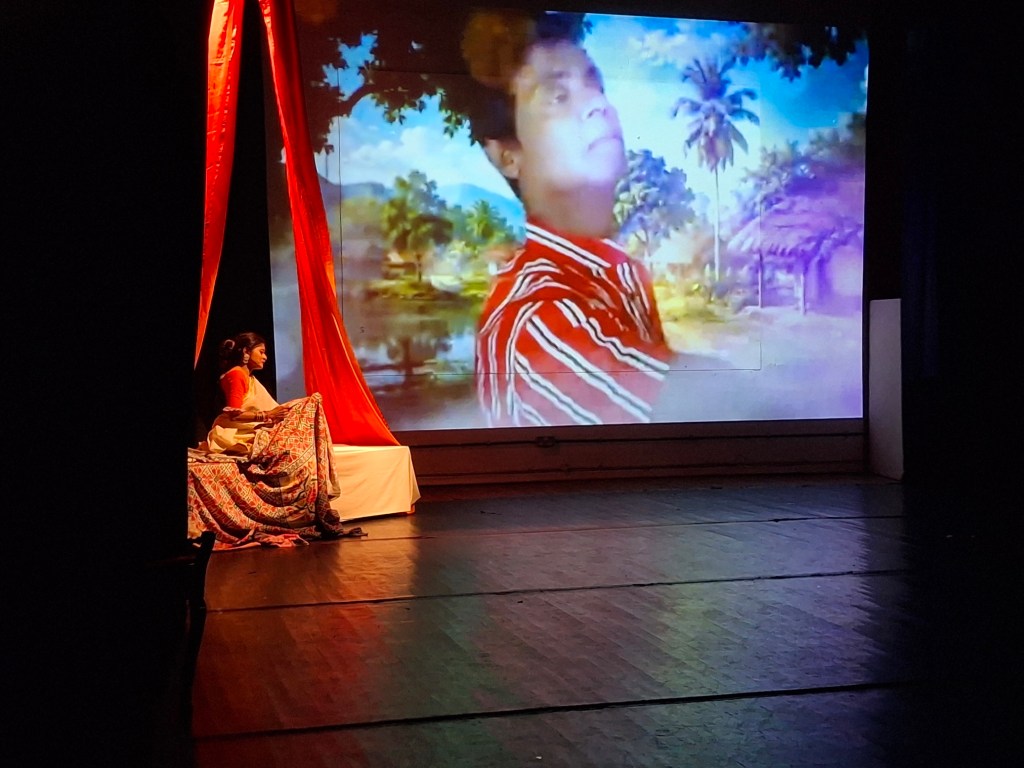
The final event of this year’s Season of Bangla Drama was a play Joyontika produced by Trio Arts about post partum depression, a topic little discussed in the community but which affects many women. It was a mixture of drama, dance and polemic with some interesting technical tropes and delivered a powerful message. I was able to catch up with a few friends and indulge in some super spicy biryani to conclude a successful Season – delivered this year with no funding from the Arts Council. All hail to the indefatigable Kazi Ruksana Begum the Arts Development Officer for Tower Hamlets for bringing it all together.

Gentle June

After the madness of May the new month starts at a somewhat gentler pace. First up on 2 June is a trip to Glyndebourne to see the Festival’s first ever production of Wagner’s last opera Parsifal. Having just driven to Stratford and back, I decided to do this one by train and the excellent £10 return Glyndebourne bus service from Lewes Station. It worked really well and I arrived on the most beautiful sunny day, took a walk around the lake, had a glass of wine and watched all the lovely people. I decided on a dark suit rather than the full DJ and it’s becoming clear that the dress code is much more relaxed than it used to be – there were even men in shorts! Oh and had a preview of dinner!

So, into the auditorium and during the wonderfully atmospheric overture a caption appears on the curtain referencing Cain and Abel. Now Wagner had already mashed up Arthurian legend with strict Roman Catholic Good Friday rituals. Could the story take another level of myth? Well in my opinion, no. The main charaters’ alter egos or older doppelgänger mooching around at the back of the set didn’t do it for me and the construct that Klingsor and Amfortas had been quarreling brothers also didn’t wash. All that said it was magnificently sung and the orchestra under Robin Ticciati was just sublime. And there were some great moments of theatre in Jetske Mijnssen’s production too. I loved the gang of Kundry clones whooshing down on poor Parsifal and I liked the procession of Titurel’s coffin round and round the altar before laying him to rest. On the coach back to Lewes one visitor complained that this went on a bit too long to which I replied “Well, there is a lot of music to get through before the next aria and at least there was some action.” Despite some reservations about the over-concepty production it was a great evening and I’m very glad I saw, but especially, heard it.

The next evening (Tuesday) saw me join a friend from 50 years ago, Alison Dunn, at her retirement party in the splendid Humble Grape wine bar off Fleet Street – a great choice as that’s where we first knew each other when she worked on Education and Training magazine with Barry Turner a long-standing writer and editor friend who did some consultancy work for me in my guise as an educational publisher back in the 70s. Tasked with speaking to everyone in the room – I only knew Ali – I did about 70% and what some fine famaily, friends and former colleagues she has.

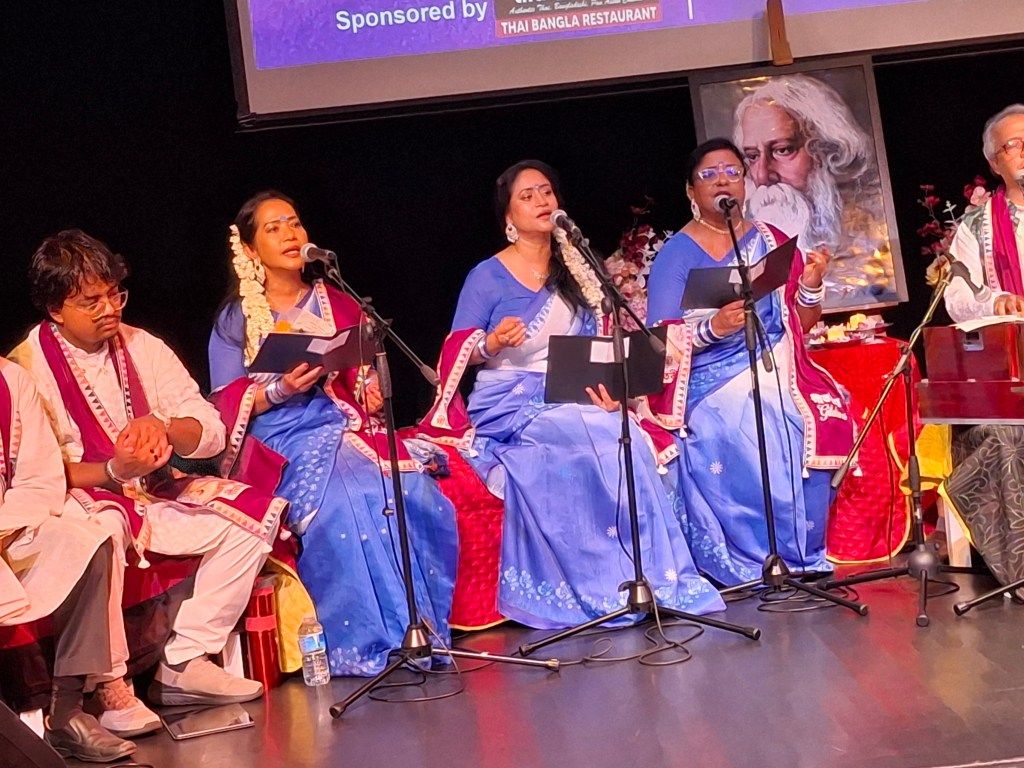
Each year in November the British Bilingual Poetry Collective, of which I’m a trustee, runs an interactive poetry event as part of Tower Hamlets’ Season of Bangla Drama. So on Wednesday Shamim Azad, the founder, and I head off to see the coordinator of the festival Kazi Ruksana Begum to discuss plans schedules and the broad outline of this year’s event. The theme for 2025 is ‘Kindness’ and we’ll be switching our focus from Rabindranath Tagore to the national poet of Bangladesh Kazi Nazrul Islam in a session with the title Kindness with Kazi.

< Last years’ poster

The evening brings the last concert I’ll see in the Orchestra of the Age of Enlightenment’s Southbank season. It’s an old favourite but like you’ve never heard it before. Elgar’s Enigma Variations must be one of the most played pieces in the repertoire with ‘Nimrod’ known in many different forms. However, the OAE presents ‘ historically informed’ performances so to hear the music played on gut strings, wooden not metal flutes, French not German bassoons made it sound completely fresh. Quite possibly how Elgar himself would have heard it. The variations formed the second half of the concert. Before the interval we heard his lively concert overture In the South written while he was in southern Italy and reflecting the sounds and landscape of the country. The mezzo Frances Gregory then performed five of Elgar’s Sea Pictures with great sensitivity and bursts of power to soar above the rich orchestral tones. the Portuguese conducter Dinis Sousa made his debut with the OAE and clearly developed a great rapport with them. He’s the principal conducter of the Royal Northern Sinfonia based a the Glasshouse in Gateshead and looks a fine prospect.

I remember a lot of excitement around Patrick Marber’s Dealer’s Choice back in 1997 in the confines of the Cottesloe theatre at the National and I enjoyed it very much at the time. I was looking forward to this revival in the similarly contrained arena of the Donmar and it didn’t disappoint, mainly thanks to a brilliant performance from Hammed Animashaun as Mugsy. The banter between the boys, the knowledge that he’s going to lose and his dream of opening a restaurant in a disused toilet in Bow infuse the whole play which has a spectacular set transformation that’s worth the ticket alone. As with House of Games, I’m more than ever convinced I’m not cut out to be a gambler.

I should have gone to Garsington to see Tchaikovsky’s Queen of Spades on Friday. However my frequent opera comapnion Jadwiga was unwell and I couldn’t find a replacement at short notice. The brilliant box office have moved my booking to 21 June and we’ll be seeing Handel’s Rodelinda instead.

My next musical outing was on Sunday 8 June when I went to a new venue for me – Charterhouse. It was a concert organised by the Barbican as part of the European Concert Hall Organisation’s (ECHO) rising stars programme. It was a recital for trumpet and piano and featured a premiere piece Continuum by my friend Dani Howard. Dani had worked with the trumpet player Matilda Lloyd to create the piece. As Matilda said in her intro “It started with an icecream on the beach”. Knowing Dani’s large orchestral works, her opera and hearing her percussion composition for Colin Currie last month, it confirmed – if it needed it – her versatility and gift for melody and creating atmospheres. Matilda and her pianist Jonathan Ware had played this piece 18 times as they toured the European concert halls who form the ECHO with this one being the last. They all kindly invited me to join them for tea and cake or a beer after the concert so it was altogether a super Sunday afternoon.

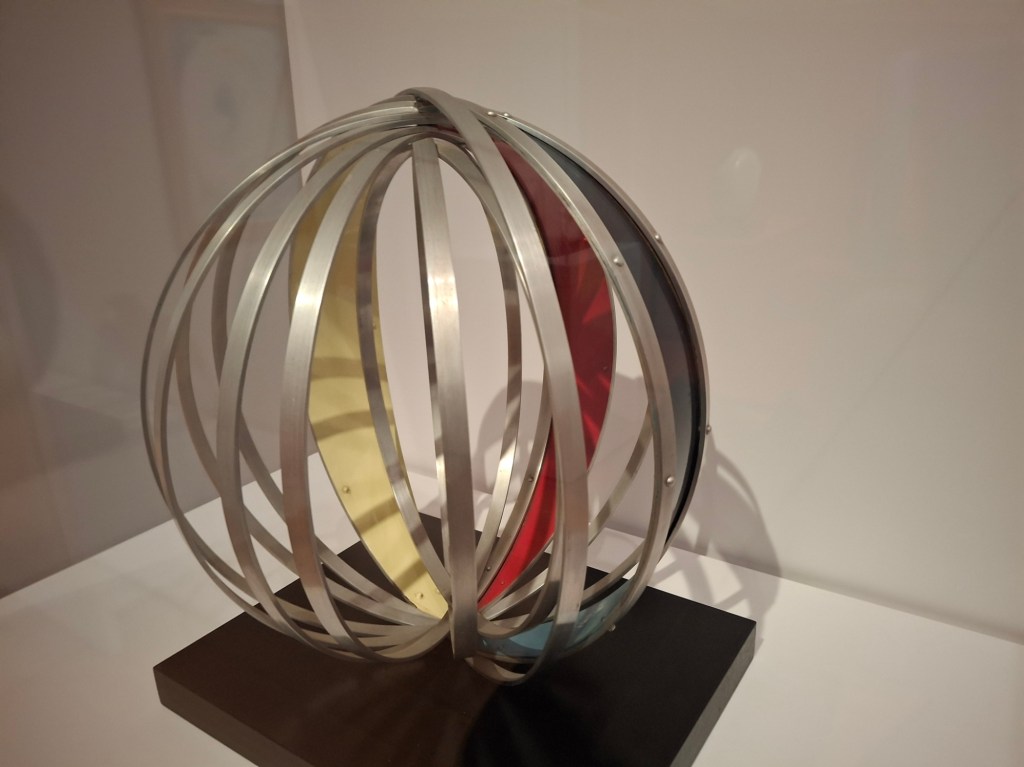
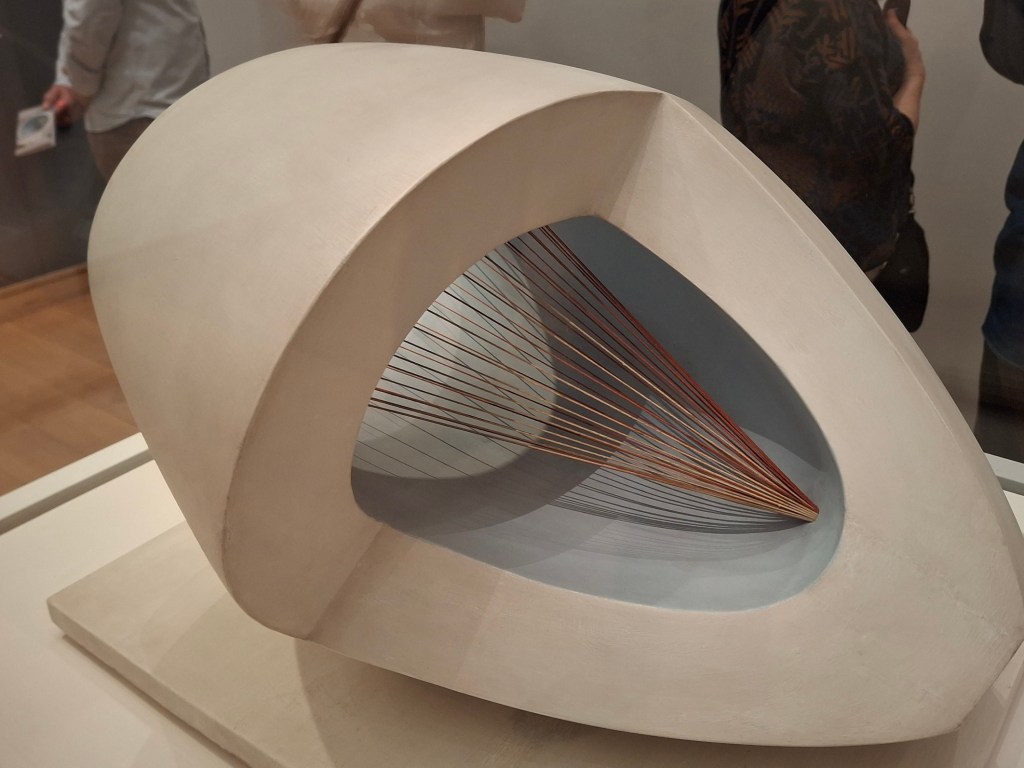
As a special offer if you’d booked a Barbican ticket you could see the Encounters exhibition for a fiver, so I did. This was in a small gallery on floor 2 and featured the contrasting works of Giacometti, with whom I was familiar, and Huma Bhabha who I didn’t know at all. Huma was born in Pakaistan but is now based in upstate New York. Her monumental works which incorporate found materials contrast with the elegant skinny figures of Giacometti. I know which ones i’d like to own but it was an interesting hour contemplating differeing approaches to making sculptures.

Continuing with our catholic cultural chase, my next visit was to Sadler’s Wells with my daughter Jo to see Mathew Bourne’s The Midnight Bell . This was a belated birthday outing for Jo and we had a fine early supper in Moro before making our way through the heaving Exmouth Market up Rosebery Avenue. What are all these people doing out on a Tuesday? The ballet is set in sleazy Soho in the 30 where the eponymus pub is host to prostitutes, closeted illegal gays, a lovestruck barman and various other denizens of nighttime London. There were duets, larger ensemble pieces, the most amazing and fluent set changes and original music blended with ballads from the era sung with original vinyl hiss and crackle, endless style and commitment by booming baritones. We both enjoyed it a lot and chatted about it as we made our way back to Farringdon for trains back home. It’s good to enjoy your daughter’s birthday treat too!

Yoshitomo Nara is an artist I’d seen a little of and so off I went to the Hayward Gallery to see what must be one of his biggest ever shows outside Japan with over 150 works displayed. He’s the epitome of Japanese kawaii kitsch but with a twist – those sweet faced Hello Kitty style children’s faces contain messages of disquiet, protest and fear. Nara is very political in his work and repeats themes throughout his long career which the exhibition spans. There are installation – a ramshackle shed, a teacup fountain, paintings, drawings and sculptures spread over the whole expanse of the Hayward. It was fascinating to start with but there’s just too much to see and too much repetition of the themes that are dear to him. I’m glad I went however and got to have a chat with a film crew shooting it for The Sunday Times.

There was a double challenge getting from the gallery to my dinner with friends in Soho. First I had to navigate the waterfall and fountains on the walkway. They were fun – a cascade from the level above, water pouring from a waist and a green figure with a fountain for a head. Then I had to make my way across the Hungerford footbridge the scene of my disastrous fall last May. I managed both and had a great evening. I’ve been a fan of Nubya Garcia the young British saxophonist for a long time and managed to pop into the Queen Elizabeth Hall to get one of the last few tickets for her gig there next Thursday. It’s part of Little Simz’ Meltdown Festival which sounded a bit youth for me but I do like Nubya’s music so I bought one

The warm up band, Oreglo were a quartet of keyboard, drums, guitar and tuba – the latter becoming an instrument of choice it seems since Theon Cross in Sons of Kemet and other of the new groups that have arisen from Tomorrow’s Warriors – also a training ground for Nubya which she graciously acknowledged in her concert introductions. Oreglo were full of life and energy in a field that spanned jazz and prog rock and were an adequate preparation for the main event.

I was very surprised to see the band walk on stage Sam Jones headed for the drum kit but that doesn’t look like Daniel Casimir and that is certainly not Joe Armon jones at the keyboards. Nubya then followed in a huge-skirted off the shoulder gown and later introduced Lyle Barton at the keys and Max Luthert on bass. It’s a tribute to the quality of musicianship that you didn’t notice the personnel changes – yes the solos might have been a bit different but they fitted the music, mostly from the latest album Odyssey. She proudly announced that she had done all the arrangements for the strings that are on the album herself – taking her out of her comfort zone to make the sounds she wanted to hear. She also apologized for the lack of a string section tonight but had rearranged the songs for this concert. I am so glad I bought that ticket. The album is great and different but her live performances and those of these superb players were electrifying. She even did a walkabout through the audience with the final song from the album ‘Triumphance’ with its spoken word lyrics of life enhancing advice about resilience, tolerance and collective power. Nubya is true talent at the height of her own powers who received a standing ovation from the packed QEH audience which did include a few other people of my generation as well as all the meltdown youth.

After another visit to the Union Club, this time for lunch with a friend, we set off in the evening to enjoy The Taming of the Shrew in Tredegar Square in Mile End performed by a group called Shakespeare in the Squares. They perform an adapted version of one of the bard’s plays – different each year – in squares across London. I think it was 18 this year. The production includes songs for the audience to sing along with, some high quality acting and projection against traffic and aircraft and other ambient noise. And not only do they speak Shakespeare’s words eloquently they also play instruments and sing. We were lucky that it was a beautiful sunny pre-solstice evening and it was hugely enjoyable. I’ll try another venue next year.

The Taming of the Shrew in Tredegar Square

More music on Sunday when my son was singing with the choir Pegasus and the Outcry Ensemble at St John’s Smith Square. Two fanfares opened the evening the familiar Copland’s Common Man and Joan Tower’s Uncommon Woman which I didn’t know and then a Britten choral work which I’d never heard ‘Ad Majorem Dei Gloriam’ which was, I’m told, very hard to sing but was a great listen with six differently styled sections setting the words of Gerard Manley Hopkins for unaccompanied voices. I had a good catch up with Tom in the interval and then enjoyed Britten’s Variations on a theme of Frank Bridge and Leonard Bernstein’s Chichester Psalms where the countertenor soloist was none other than Hugh Cutting who had been at Garsington the night before. I was able to tell him how much we’d enjoyed Rodelinda and his performance tonight. He too enjoyed the production at Garsington and thought it worked well, especially the dancers.

The Outcry Ensemble and Pegasus Choir at St John’s Smith Square

Carry On Culture

After my slightly odd Valentine’s weekend I plunged into a fortnight of amazing cultural activity. Keeping on keeping on will, I hope, hold dementia at bay. Another life motto has always been ‘Do it while you can’. I don’t usually write about this stuff but the blog is partly for me to reminisce with when I can get out anymore. So ignore if you just like my travels not my opinions.

So here’s how it all kept coming. Monday 17 February East is South at Hampstead Theatre courtesy of Frances’ patronage. Company, canapes, networking first class play not so much. It was a semi sci-fi thriller/Line of Duty style interrogation about data leaks from a world changing computer programme Logos. Written by Beau Willimon the creator of the US version of House of Cards, its subject matter was highly apposite with the march of AI. However it sometimes felt as if the script had been written by AI with strange diatribes, a virtually unused character and rather cliched and confusing flashbacks.

The next night made up for any disappointment. Following my previous exploration of Sadler’s Wells East Tuesday saw me heading for the Rosebery Avenue Sadler’s for Pina Bausch’s Vollmond. Need Es to lift your spirits? Well they were here aplenty! Entertaining, exquisite, energetic, enthralling. It was one of the last things Bausch choreographed and it a lot lighter in mood than some of her work.

We had dancers flirting, arguing, courting and conversing often soaked in torrential water flowing from the flies. I got talking in the interval to a couple of professional classical musicians – she harpist, he oboe – which was an interesting precursor to Wednesday. We all absolutely loved the performance and my only regret was that two friends who would have loved it couldn’t be with me.

Wednesday evening saw me accompanied by local resident Frances to the launch of the 2025-26 season of the Orchestra of the Age of Enlightenment of which I’ve been a long-time supporter and occasional contributor of blogs, scripts and articles. It was help in the wonderful brutalist hexagonal hall of their home Acland Burghley School in Tufnell Park. Alongside the exciting reveal of Fantastic Symphonies to be played between October and March at the Southbank Centre and on tour, we were treated to a recital by the mezzo-soprano Helen Charlston accompanied on the harpsichord by Satako Doi-Luck. Helen benefitted from the OAE’s rising stars scheme and now has a stellar recital career covering baroque, classical and contemporary repertoire. However she will find it hard to stop being asked about singing Dido’s Lament backwards in an OAE video. Satako is part of Ensemble Moliere that specialises in exploring the world of Baroque music. I’ve been to a couple of their concerts too. But the plans for celebrating OAE’s 40th anniversary are exciting with the return of early supporter Sir Simon Rattle who contributed a splendid video interview to the evening, alongside many other familiar figures in OAE history. Check out the programme here and let me know if you fancy joining me to hear this fantastic group of players and lovely people.
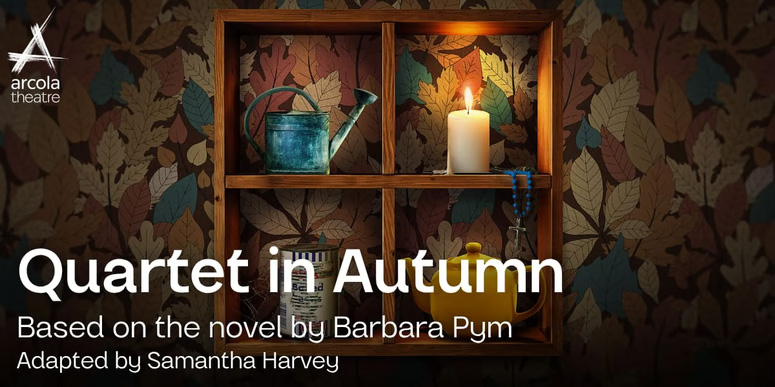
I stayed home on Thursday and on Friday joined my friend Opu Islam at the launch of an exciting heritage project in the Bengali community in the East End. It’s an initiative from the Season of Bangla Drama to which the British Bilingual Poetry Collective (of which I am a gtrustee) contributes each year. There were discussions with producers and poetry recitals as well. It’ll be interesting to see the outcome in the 2026 festival.

What a treat on Saturday with Celia Imrie and Tamsin Greig both on stage at the Donmar Warehouse in Backstroke! Two superb actors trading mother daughter love and insults in equal measure in a fascinating if slightly baggy play. It made me wonder if writers are always the best people to direct their own work. Still a hugely enjoyable evening.

I woke on Sunday at 10:15 after finally falling asleep at six after a horrendous night with acute toothache. This was too late for me to get to Watford to see our arch rivals Luton beaten 2-0 some revenge for our defeat in the reverse fixture. It was on the telly and the house was filled with shouting best left on the terraces.
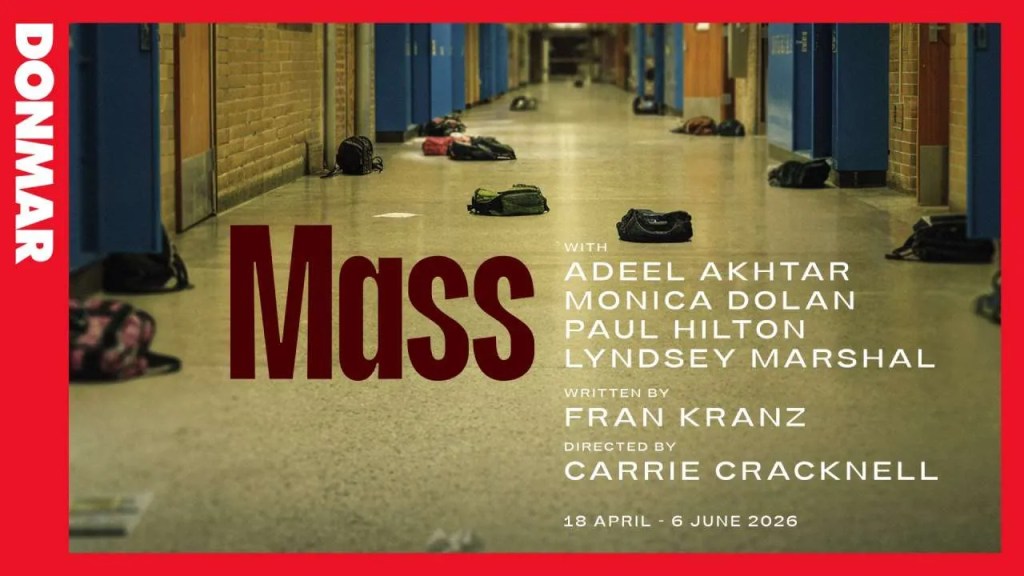
I’d arranged to visit a friend Nuala O’Sullivan on Monday afternoon before going to join Frances at the Orange Tree in Richmond. Nuala was a BBC World Service colleague back in 2009 and then co-wrote on of my ELT series with me in 2014-15, She has subsequently founded and runs the highly successful Women Over Fifty Film Festival so it was great to talk film, literature and life with her. Walthamstow to Richmond is not the most straightforward journey but I’m glad I made it. Frances had been invited to a special staging of the play in the hope (successful) of luring her back as a patron. At a reception we had an opportunity to talk with Tom Littler the artistic director of the Orange and also the director of the play we were about to see. Both very impressive.

I’ve long been a fan of Howard Brenton from the controversy over The Romans in Britain back in 1980, through plays like Pravda at the National, The Arrest of Ai Wei Wei and Drawing the Line at Hampstead. This new work Churchill in Moscow in which two would-be world leaders slugged it out in negotiations could not be more timely. Dramatically it was frightening, funny and fascinating with wonderful supporting roles for the two interpreters who put their own palliative gloss on what Churchill and Stalin were saying to each other. In the compact space of the Orange Tree you really felt part of the action.

The rest of the week was calmer just on Thursday a pre-concert talk about and an electrifying performance of the Beethoven Violin Concerto with Vilde Frang and the Eroica Symphony in which Maxim  Emelyanychev conducted the OAE in a rousing performance with no residual hint of Napoleon.  

Then there was a trip to Watford as part of a consulting group helping plan the move of the Watford Museum from the old site in what was Benskin’s Brewery into the Town Hall later this year. Lots of interesting ideas with fellow supporters and friends. I also foolishly decided to have an occasional away-day trip to our game at Stoke on Saturday which proved beyond all doubt that we go for the people not the football – excruciatingly dull match – adjudged a bore draw by colleague Frances in her blog, but great beer and conversation.

And the next week was pretty similar …