August unfolds

August started well with an invitation to my granddaughter’s18th birthday party. Daisy could at last legally buy a pint and I enjoyed a few with her and many other family members and friends in the Shortlands Tavern. It has recently implemented an “No under 21s after 8pm” rule after recent troubles with young people. My daughter thinks these were largely self-inflicted by putting televisions everywhere and staying open late during the World Cup and encouraging a younger clientele. We were not ushered off the premises but chose to leave around nine after a good evening of catching up. Daisy and the family had just returned from a fabulous trip to Vietnam and Cambodia about which I heard lots of good things.

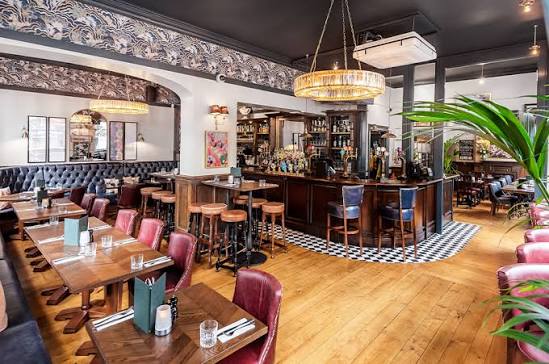
The next Sunday saw another trip to the Royal Albert Hall to a concert by the Orchestra of the Age of Enlightenment. I had arranged to dine with Frances in the Queen’s Arms the lovely nearby pub where we had missed Dani Howard on the previous Sunday’s Prom trip. There are still no trains into Charing Cross from Lee so I thought a bus from Victoria to the RAH would be easy. Not so. The National March for Palestine had caused a massive gridlock around Hyde Park Corner – no problem with that a worthy cause – but a TFL guy advised that he couldn’t say when the next 52 bus would make it down to Victoria. There were two other concert goers who were anxious about making the trip as they wanted to catch the Hockney at Serpentine North before the concert – I just wanted to get to the pub to meet Frances. So I suggested a taxi. They were worried about cost but finally we agreed and were joined by a fourth passenger so all costs were shared.

By a brilliantly circuitous route the driver contrived in good time to drop three of us at the hall and took the fourth woman on to her home on Kensington High Street – raised eyebrows were met with “I downsized a big house into a tiny postage stamp flat!” Good food, wine and conversation ensued and we made our way to the hall.
The OAE development team had suggested we might like to join them for a pre-concert or interval drink at their box. We headed there to find that only white wine was on offer. In a piece of noble generosity my friend Luka whizzed off to source some red as Fran and I had not wished to switch from our dinner tipple. Thanks Luka – much appreciated! Some very interesting conversations with other guests included music, lack of arts funding and cricket. The concert itself was excellent. I had never heard of, let alone heard music by, Zelenka. He was admired by Bach and Telemann and I enjoyed his Misere for its brooding intensity and varied choral writing but especially for the soprano lines for Erin Morley who was in brilliant form in this piece and in two Mozart concert arias. In between Peter Whelan directed the OAE in a performance of Mozart’s Masonic Funeral Music a rather strange requiem for a fellow mason as indeed was Zelenka’s piece. It was a very engaging first half with the band on great form under a conductor they love working with. The second half was devoted to Hadyn’s Nelson Mass where Erin Morley was joined by Helen Charlston, Guy Cutting and William Thomas. Both Helen and Guy are graduates of the Rising Stars programme through which the OAE helps so many young singers progress their careers. While Erin Morley has the lion’s (esses’?) share of the arias, the other voices worked well to provide us with a thoughtful version of this complex work with its low strings and drums contrasting with steely blasts from the trumpets and lush orchestral ensemble passages. Another great evening at the Proms.
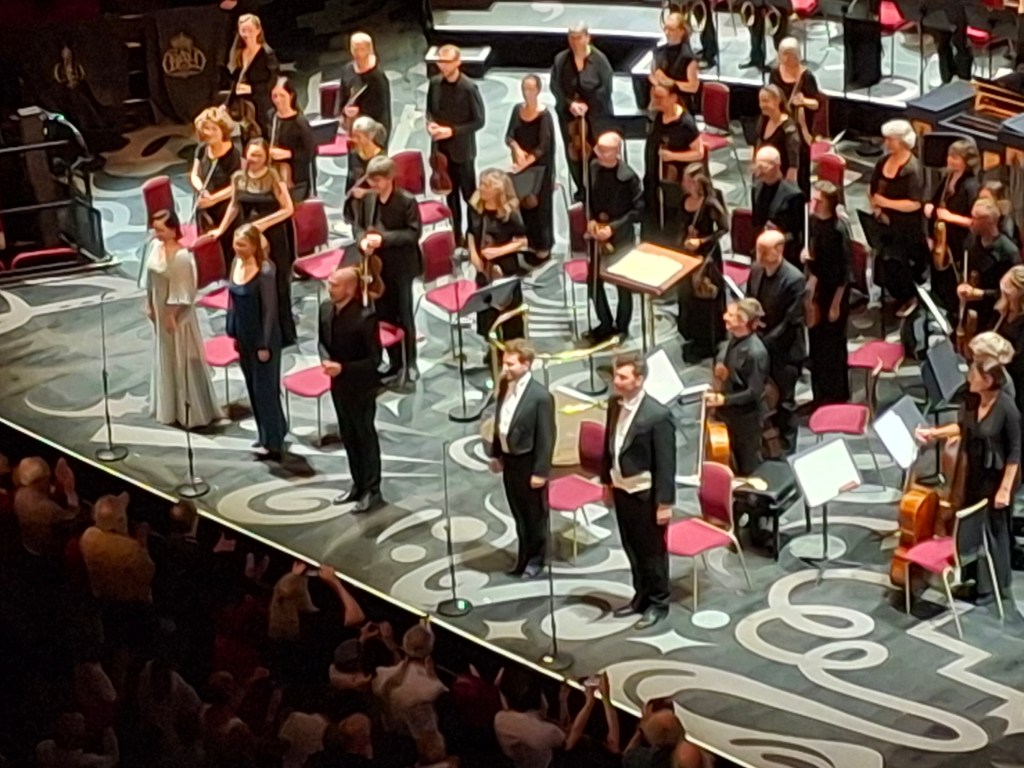
Erin Morley, Helen Charlston, Peter Whelan, Guy Cutting and William Thomas receive applause

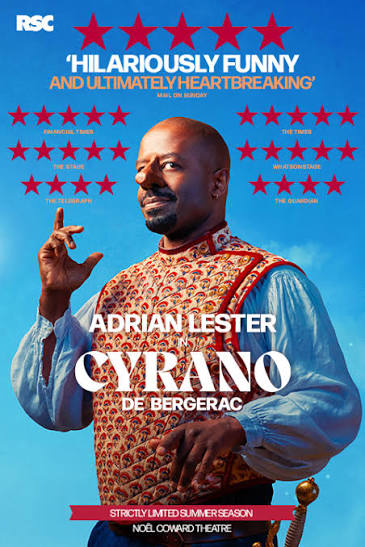
The next trip was to catch up with Adrian Lester and Susannah Fielding in Cyrano which has transferred from Stratford to the Noel Coward Theatre in St Martin’s Lane. I met Fran again for a pre-theatre snack in the excellent Barrafina in Adelaide Place – wonderfully convenient for Charing Cross station which is today again receiving trains from Lee for the first time in a month. Barrafina staff are chatty, the food superb and the wine slipped down nicely. As did the play. I’ve always known Adrian Lester was a great actor but this performance was outstanding and backed up by a superb cast of actors and musicians who roamed around the theatre throughout a really funny and emotional evening. As someone who likes playing with words, I loved this adaptation by Debris Stevenson and director Simon Evans which absolutely crackled with one-liners, classy put downs and truly duff verse as well as some emotional interplay in the love triangle. Brilliant!

You know you are getting old when the NHS offers you a vaccination against a virus you’ve never heard of. I looked up RSV and found that it was respiratory syncytial virus and the vaccination is intended for “older adults and newborn babies”. So I’m now worried that I’m entering Shakespeare’s seventh age and will finish up “sans teeth, sans eyes, sans taste, sans everything”. As an asthmatic anyway I thought I’d better do it and discover that the nearest pharmacy I can attend is in Downham Way which “sans car” is an exciting two-bus ride away.

It all worked out fine and to date, the possible flu-like symptoms I was warned of haven’t materialised and my weak lungs have some extra protection. And I had a trip as a passenger through some of the less familiar parts of southeast London.

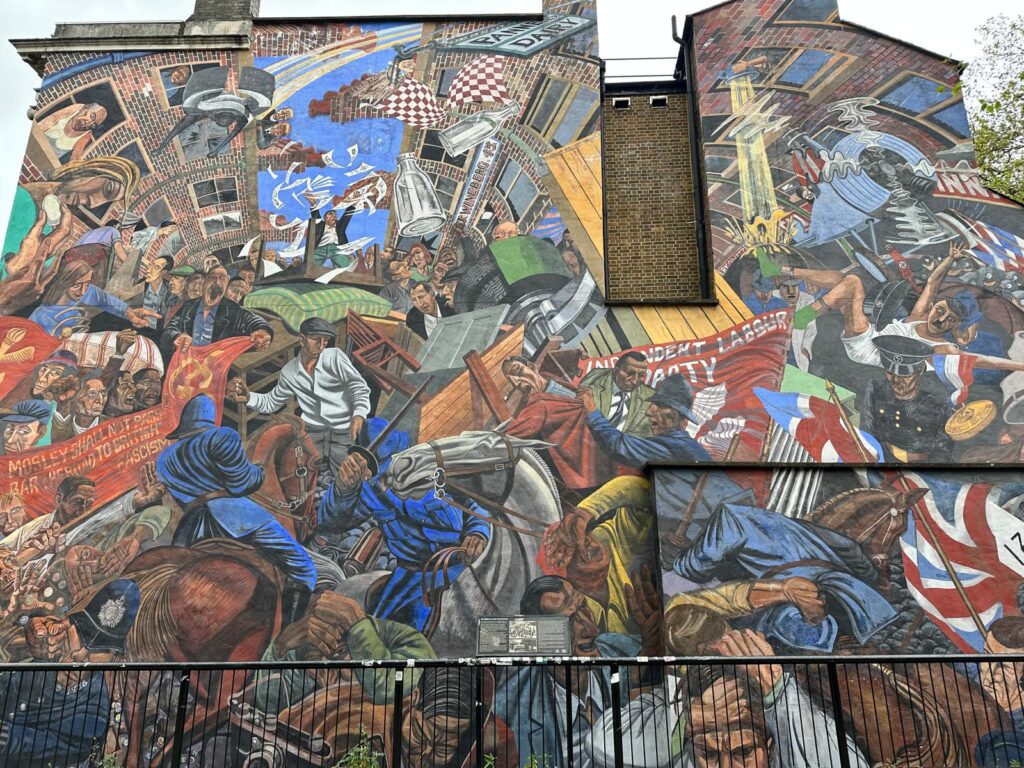
BBPC is working with New Cockney Poets towards an event on 4 October to commemorate the 90th anniversary of the Battle of Cable Street when the East End rose to repel Owald Mosley’s fascists from marching through the area. So we set our participants the theme of East End Identity for this session’s poems. Some wrote on the day, some had prepared poems ahead of the meeting and others who couldn’t attend sent in their poems. Inspiration came from a film of the action back in 1936 with first hand commentary from a particpant and from the Cable Street mural.
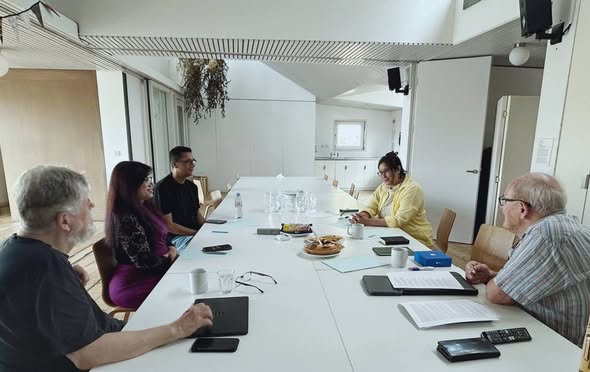
My friend Jadwiga and I celebrate each others’ birthdays with a lunch. We share a date 19 but are two months apart. Because of lots of other commitments we celebrated mine in August at Ognisko, Jadwiga’s favouriite Polish restauarant in Exhibition Road. After a surprisingly hot beetroot soup – we both expected it to be cold – I then had a rabbit leg in mixed vegetables and Jadwiga who doesn’t eat meat had smoked salmon blinis.
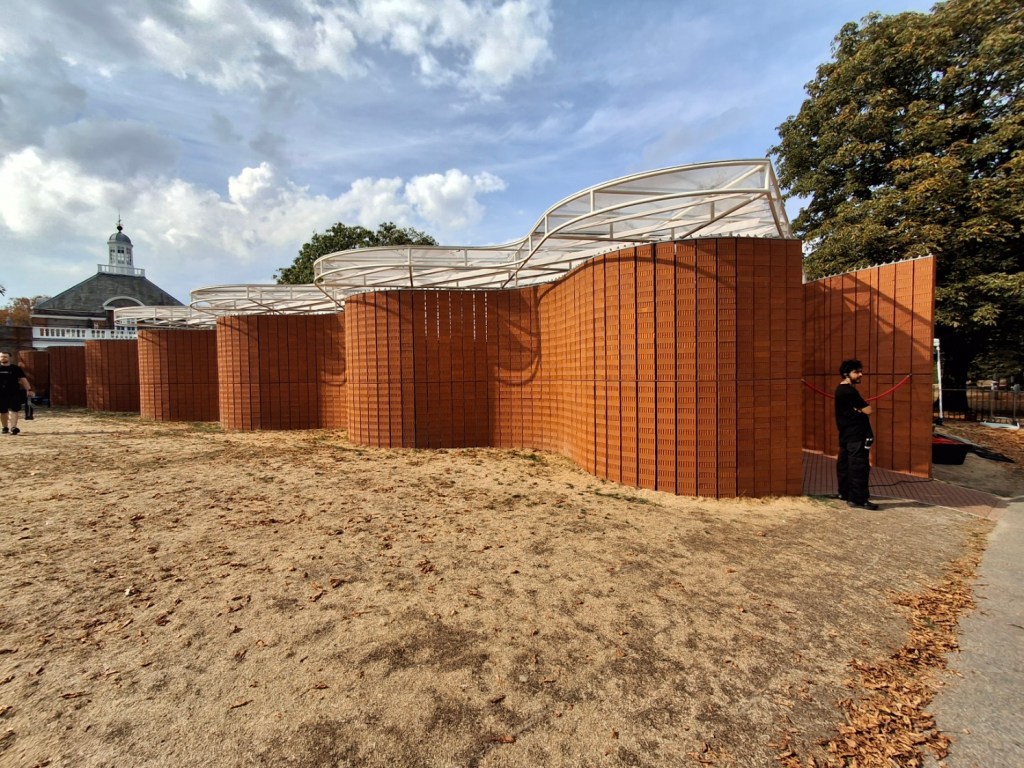
Our tradiiton is then to walk up and view the current year’s Serpentine Pavilion. Unfortunately it was closed for a private event so we could only admire the fine red brickwork of its construction. Designed by LANZA atelier from Mexico City the design is known amusingly as a crinkle-crankle wall. The serpentine nature of the wall apparently gives it more stability and uses fewer brisks. It is certainly very curvy and has some bricks with inttricate patterns baked in. We weren’t able to experience its translucent canopy roof so had to make do with the website images for the effect.

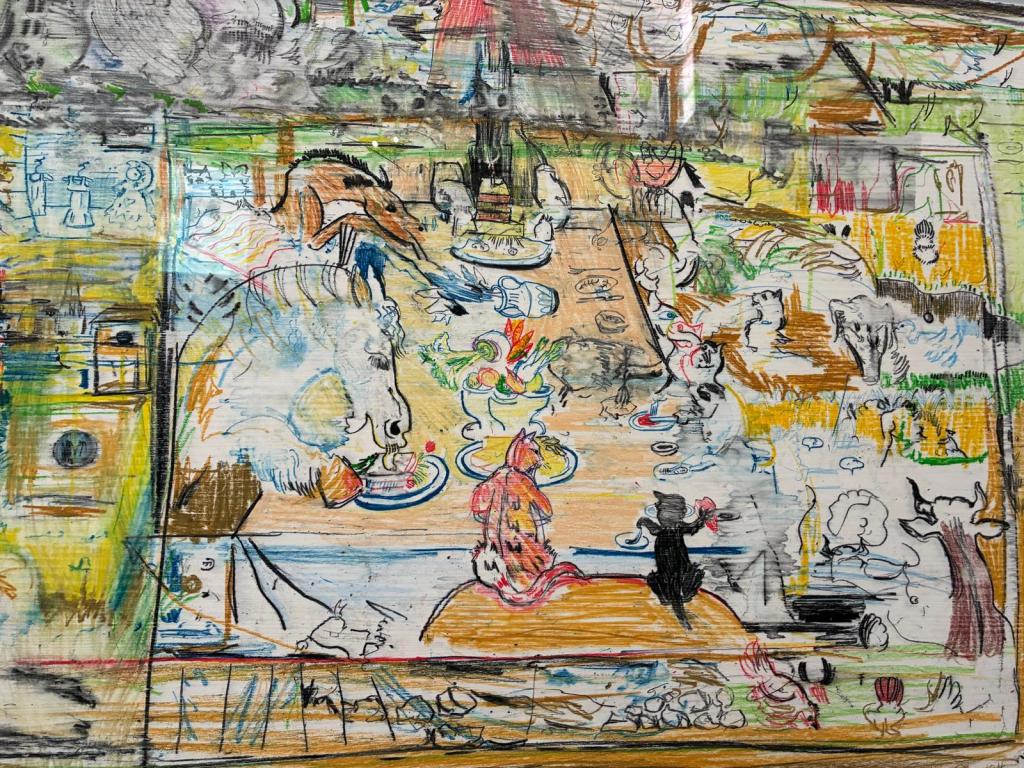
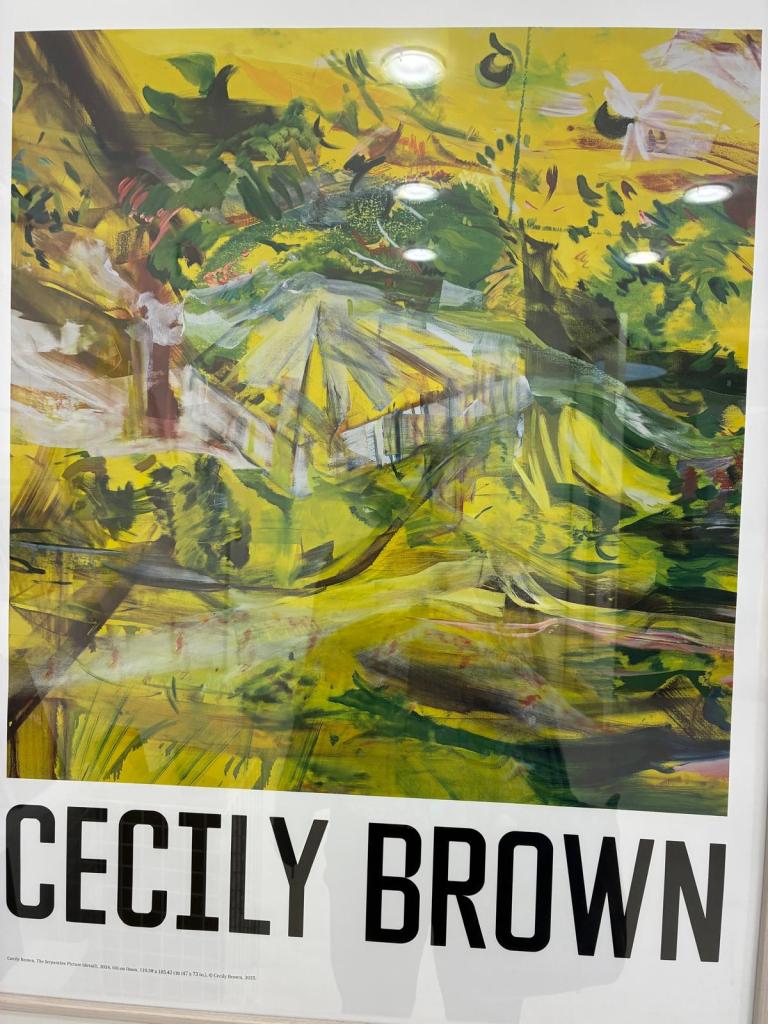
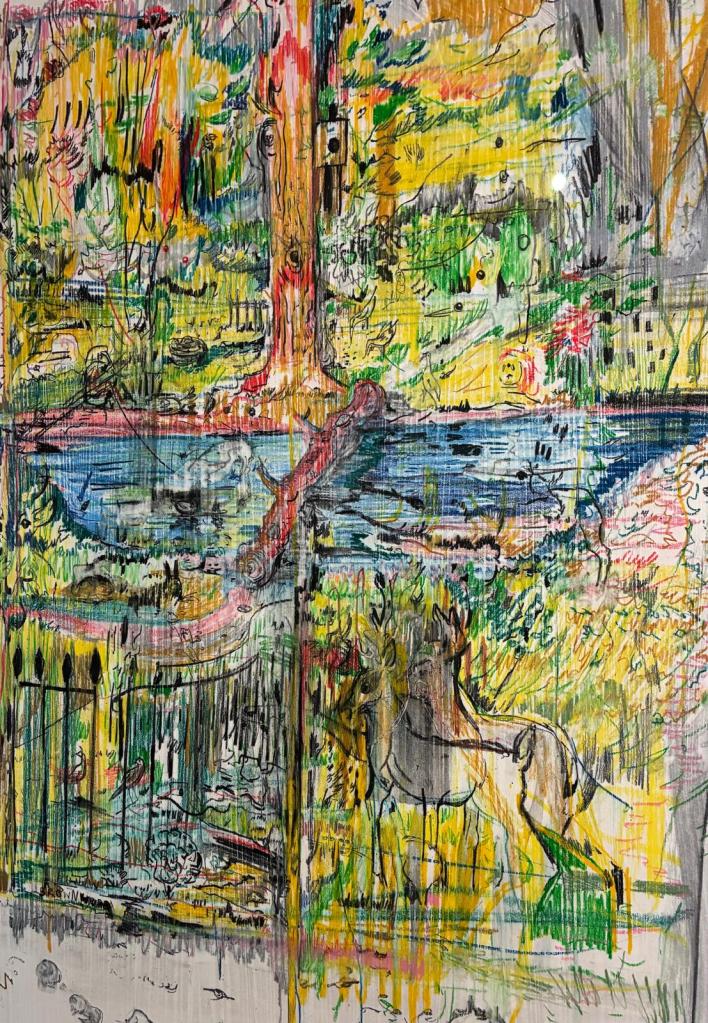
What we did discover was a new artist in the Gallery. We had to admit that neither of us knew anything about Cecily Brown a Btritish born painter who trained at the Slade and moved to the USA in 1994. They are mostly very large colourful canvases close to abstraction. However as you look closer there are humans, animals and especially fallen logs over streams in a reccurring series of “Nature Walks”. She applies paint in very thick broad strokes in the majority of works here but we both really liked some of her smaller works, These are mainly monotypes, that is one-off prints, not editions, to which she adds pen and ink drawing, crayon and pastels to great effect. I found these really interesting in subject matter and technique. An unexpected pleasure that rounded out the birthday treat very nicely.
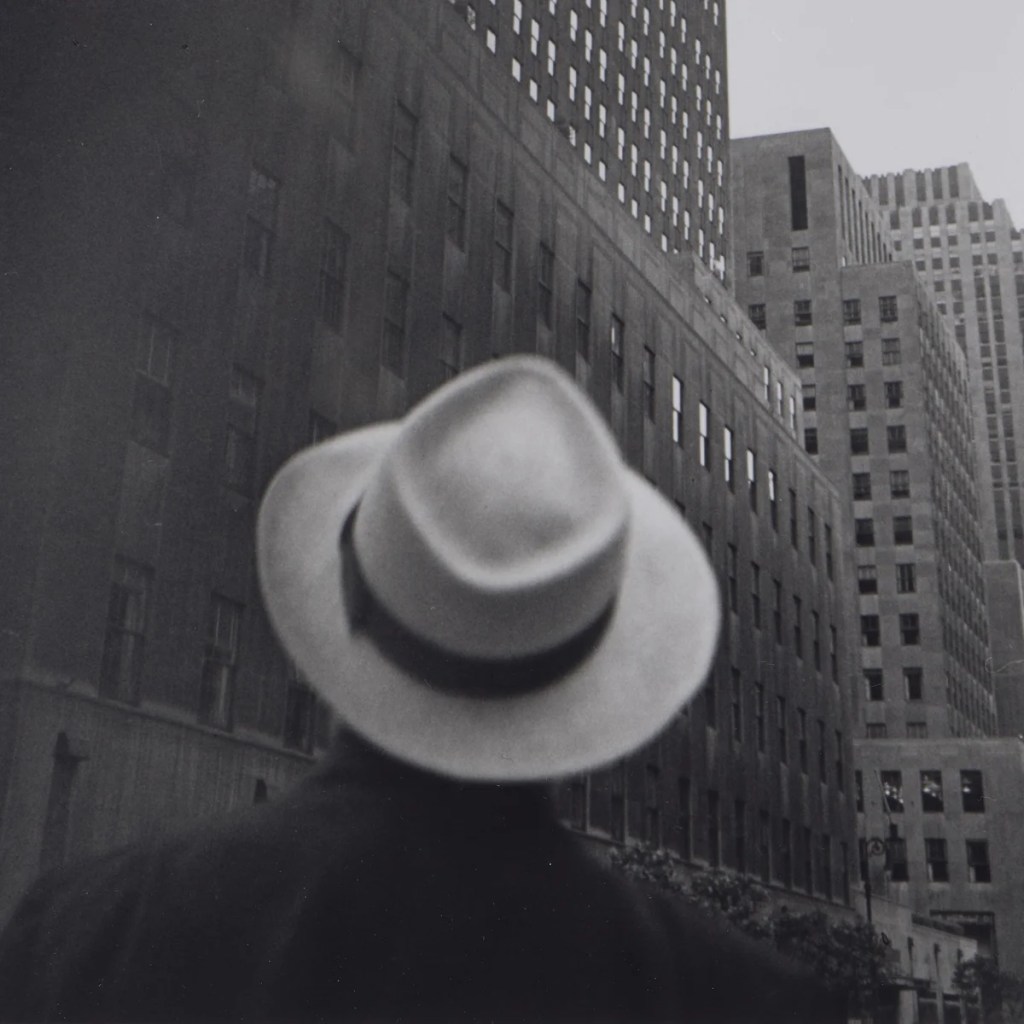
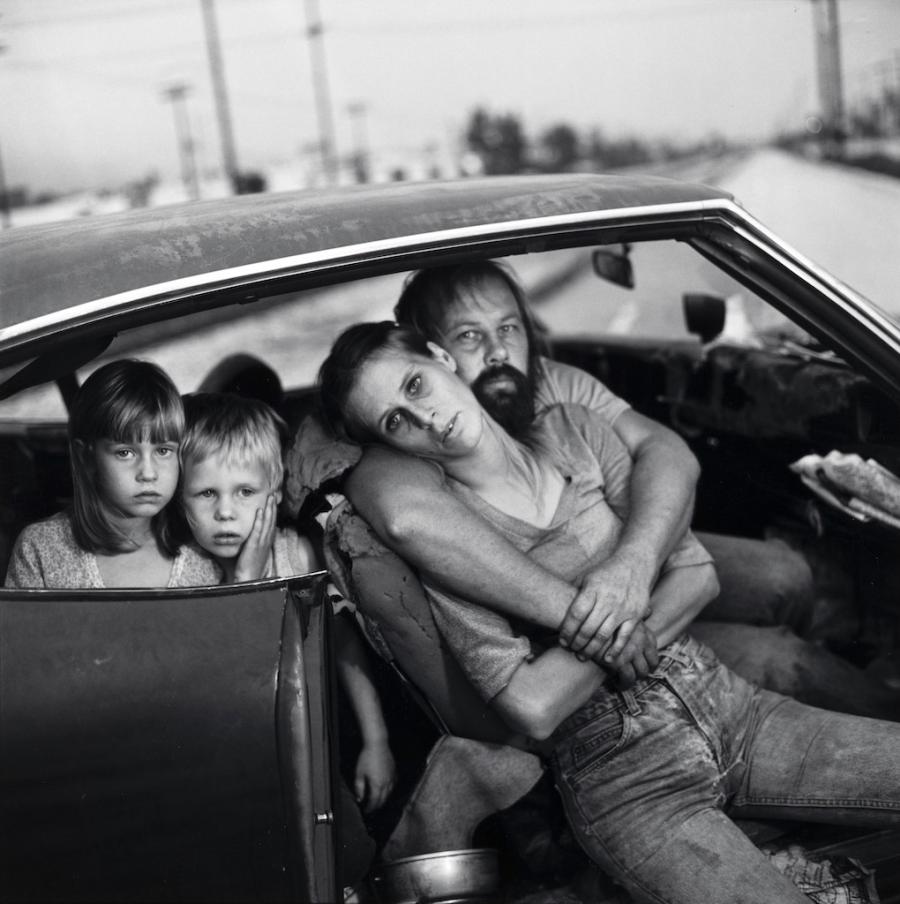
Another cross south London multi-bus trip found me at the gate of the Dulwich Picture Gallery. A couple of weeks ago Lucy Nicholson, herself a renowned photographer, recommended the exhibition Portrait of a City which showcases over 100 images of urban life in the USA from 1907 to 2012. Many are by well-known photographers like Diane Arbus, Saul Leiter, Alfred Stieglitz, Helen Levitt and Bruce Anderson and many by others I hadn’t heard of. The photographs themselves were all worthy of a long look just as images but build a dramatic impression of urban life in America over the century. There were some interesting film clips too.Thanks for the tip Lucy.
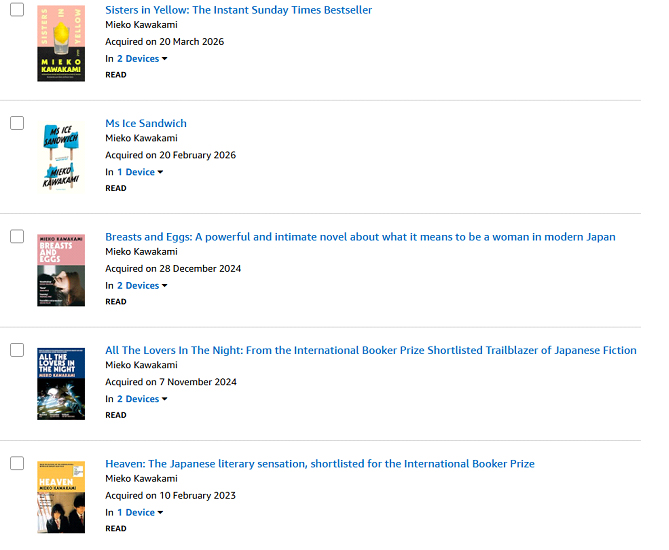
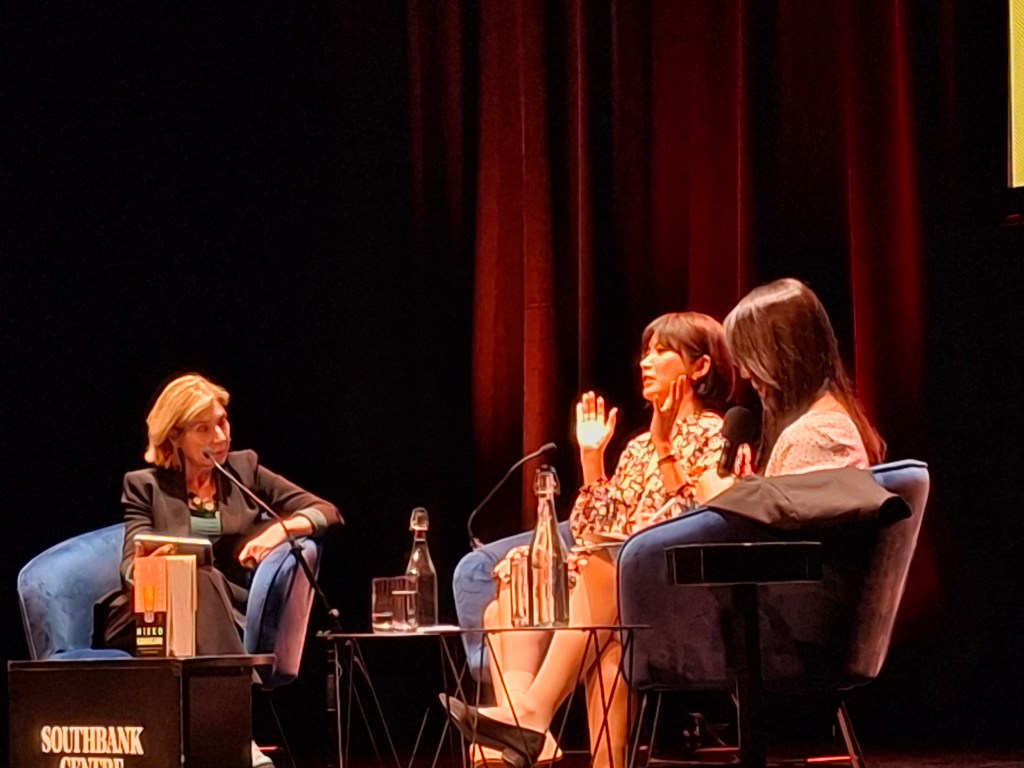
More bus journeys took me from Dulwich to the Southbank Centre for a talk by a favourite Japanese writer Mieko Kawakami. I debated taking a photo of her book titles in my Kindle to sign but decided that would not be cool. Her talk was fascinating covering her own rather deprived background, her writing style and choice of themes – all quite different so far in the five books I’ve read. Then a large chunk of the evening was devoted to talking about Murakami and translation. The description of the collaboration with translators and the degree of trust involved was very insightful. At one point she said that Jay Rubin, who has translated a lot of Murakami, was of the opinion that Murakami’s translation into Japanese of Catcher in the Rye was better as a read than Salinger’s original – quite a claim. Mieko also talked with admiration of Murakami’s beautiful Japanese. She was funny – you knew when a joke was coming because the Japanese in the room laughed before the superb interpreter, whose name I didn’t catch, – could deliver the English equivalent. A fascinating evening and some re-reading to be done withn new perspectives on the books.
The arrival of a new Almodovar film is a real incentive to venture into Picturehouse Central for a treat. His latest is Amarga Navidad – Bitter Christmas in English. A recurring theme in his later work has been the blurring of fiction and reality. How ethical is it to steal someone else’s life story for your script? As always, the sets and wardrobe are strikingly colourful and chic. The acting is emotionally powerful and the split era timescale works well with tragic events of 2004 being purloined for eminent director Raul’s (Leonardo Sbaraglia) 2025 script.
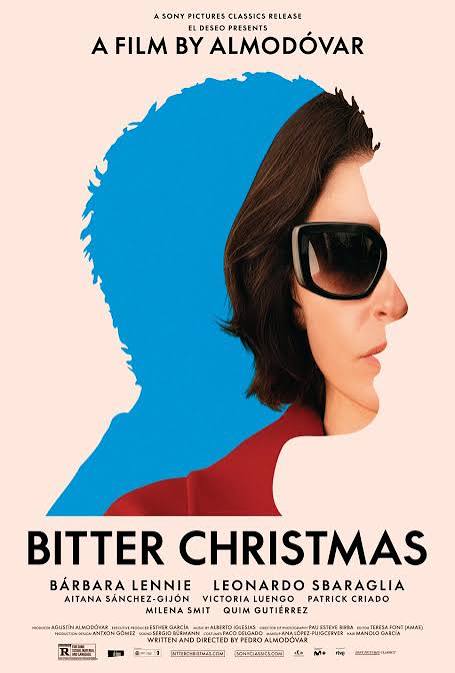
Relationships across genders are vivdly drawn and the close friendships of the female characters contrast with the more withdrawn males. The execption here is the brilliant Patrick Criado a firefighter who moonlights as a stripper in brilliant glitzy underpants who is supportive of the panic attack prone commercials director Elsa, played by Barbara Lennie. In a gender swap Elsa is Raul’s alter ego in the modern day script. The parallel stories intertwine in an intriguing way and as so often music plays an important part – Alberto Iglesias’ score won the Soundtrack Award at the Cannes Film Festival and a haunting Mexican song from Chavela Vargas makes an impact. This is not Almodovar’s best work but I found it riveting throughout and with Madrid at Christmas and the black sand of Lanzarote as locations and his brillinat designers’ sets, props and costumes it are always visually as well as intellectually and morally interesting.

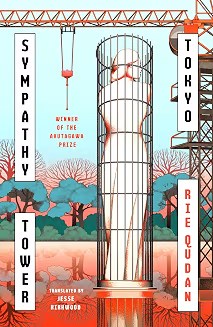
After the film, I popped into Yoshino to pick up my supply of gyokuro and apart from the usual delightful catch up with Lisa, I had the bonus of seeing Shoko who had come to the Prom a couple of weeks ago that featured Dani Howard’s concerto for brass Signal. Shoko had been away in Poland for a week and is now back in London where she works at a Japanese bank. Both these women are delightful company and a longer session at Yoshino where food as well as beer will be taken is planned. Shoko approved of my current reading – a hilarious, scary, futuristic satire called Tokyo-to Dojo-to or The Sympathy Tower Tokyo. She doesn’t completely share my love of Murakami finding his “beautiful Japanese” (Meiko Kawakami) prose quite hard going sometimes.
A Month in the Country is Ivan Turgenev’s most famous (only performed) stage work although there have been adaptations for the stage of several of his novels including Fathers and Sons also by Brian Friel whose version I just saw at the Donmar. I have seen the play before but it was difficult to tell whether what the audience shared was more Turgenev or Friel. OK, the plot was Turgenev with the pampered, moody Natalya longing for a true connection, preferably with a younger beau, from her loveless marriage – very Nordic, with echoes of Strindberg, Ibsen and of course Chekhov. However the latter comparison is retrospective as this play predates his better known compatriot’s theatre debut by 25 years. As we enter we find a leafy glass box through which said Natalya peers out from her symbolic prison – a little heavy perhaps. No complaints with the rest of the production though. It moves swiftly through the scenes with the box descending as a marker. The sets are sparse with lots of very wafty grasses and minimal furniture. Natalya’s gowns are exquisite – hats off to the design team – and the other cast wardrobe well chosen for their characters. But that’s all surface, what about the play?
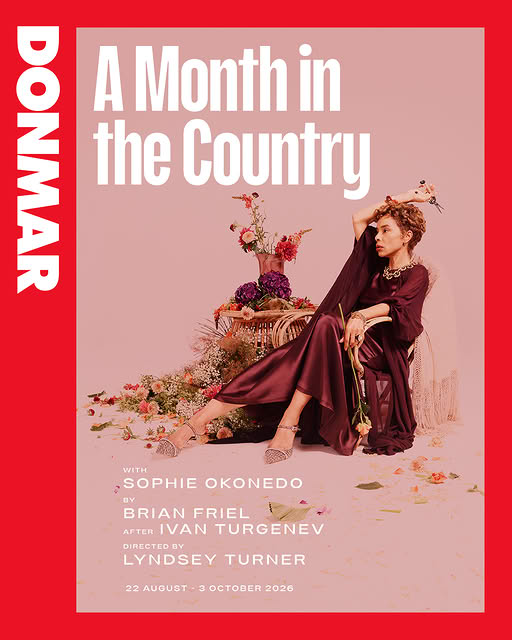
Sophie Okonedo can seemingly do no wrong. She gives a faultless performance as the sneering and demanding diva Natalya and as the pleading and needy would-be mistress. Just brilliant! Alastair Petrie was also outstanding as the spurned but devoted lover-in-waiting, Patrick Gibson was a revelation as the young tutor Alexey by turns falling in and out of love with both Natalya and her ward Vera in a nuanced performance. I couldn’t fault any of the supporting cast who are too many to list – it’s a big cast for a small space – but they all do justice to Friel’s witty adaption. Oh did I mention that it is sidesplittingly funny? I was sitting behind critic Mark Lawson whose frequent guffaws should guarantee a good review. It’s an evening about love and marriage – the first both requited and not and the latter a prison and a promise. I think I wrote that the Donmar’s The Guilty was my play of the year. This runs it close.

This blog started and ends with my granddaughter. For some time Dani Howard and her partner Sion Jones had said they could arrange for Daisy to sit in the pit beside their friend flautist Holly during a performance of Oliver! at the Gielgud Theatre. A great opportunity for work-experience for one about to study music and drama at the Guildford School of Acting. After an early supper in Pasta Evangelsists in Wardour Street, the Addisons and I arranged to meet and make introductions in the Blue Posts pub and then walk to the theatre. Why are there two Blue Posts pubs within about 300 yards of each other? I knew the one in Berwick Street very well from days past when recording voice overs with Chris Timpson at his studio in Duck Lane round the corner. However Dani and Sion were in the one in Rupert Street – even closer to the theatre. Oops! We did meet, chat and become firm friends all round and then Jo, Chris and I went in the front door to take our seats in the stalls while Daisy went in through the stage door. She found it loud – it is remarkable how much noise a 12 piece band can produce – interesting and useful. After the show we then all (minus Jo who had a bit of a headache) gathered at the other Blue Posts for a debrief, some networking and a few drinks before heading off home after a thoroughly entertaining evening.
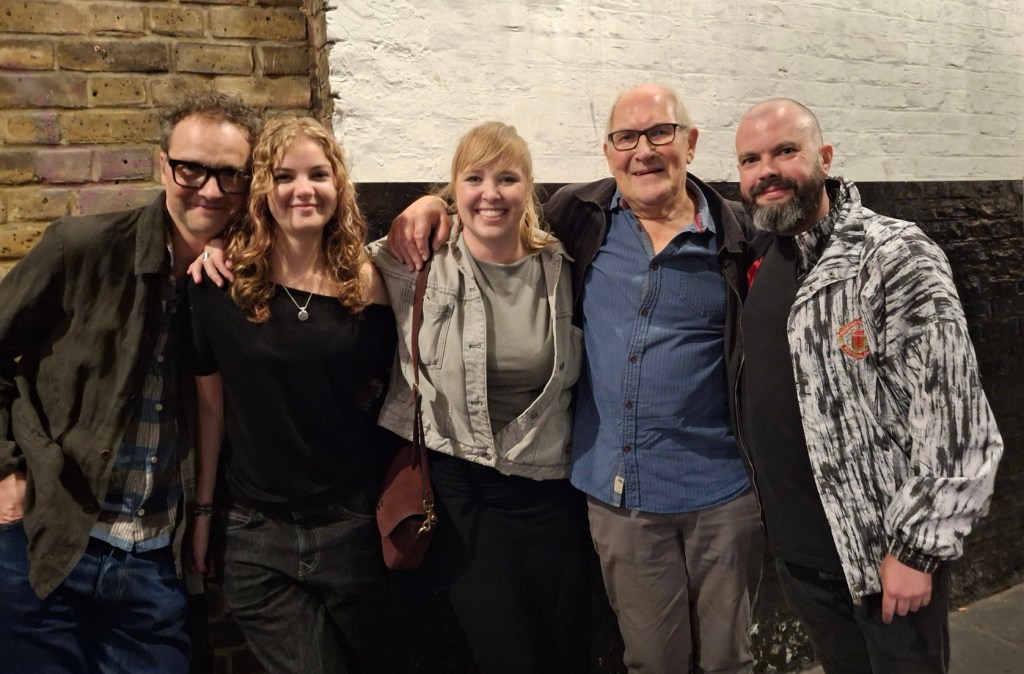
After the show outside the other Blue Posts

Blazing through July

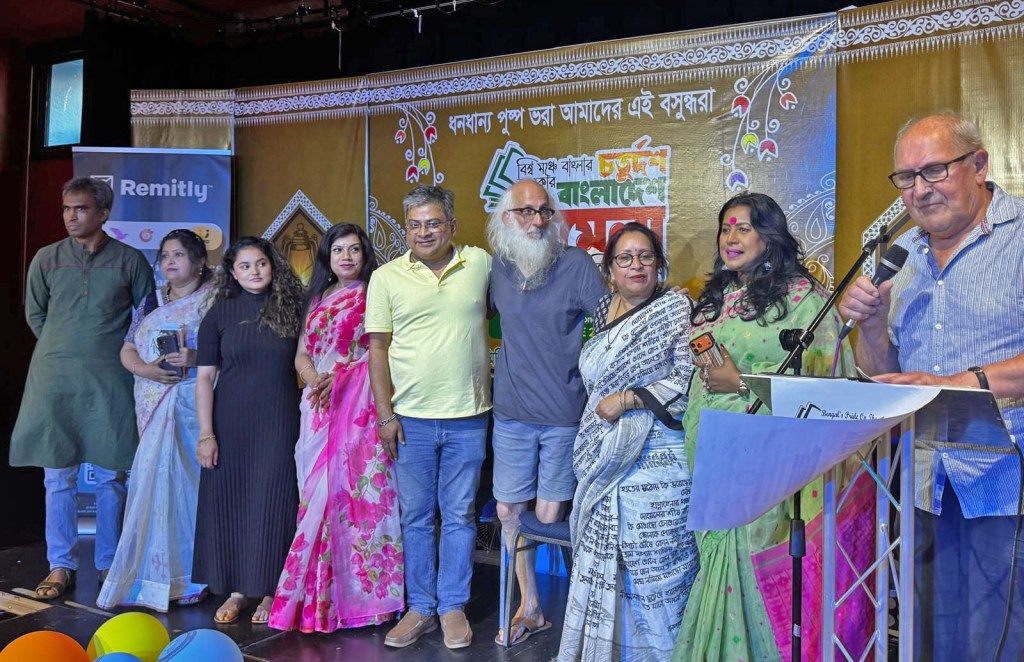
My June ended with a BBPC Bimonthly Meetup and an hour of poetry performance at the Bangla Book Fair at the Brady Arts Centre in Hanbury Street on Sunday 28th. Our theme was Anti-War Poems and seven poets recited in Bengali, Spanish and English. It was a lively session and we received some positive feedback.

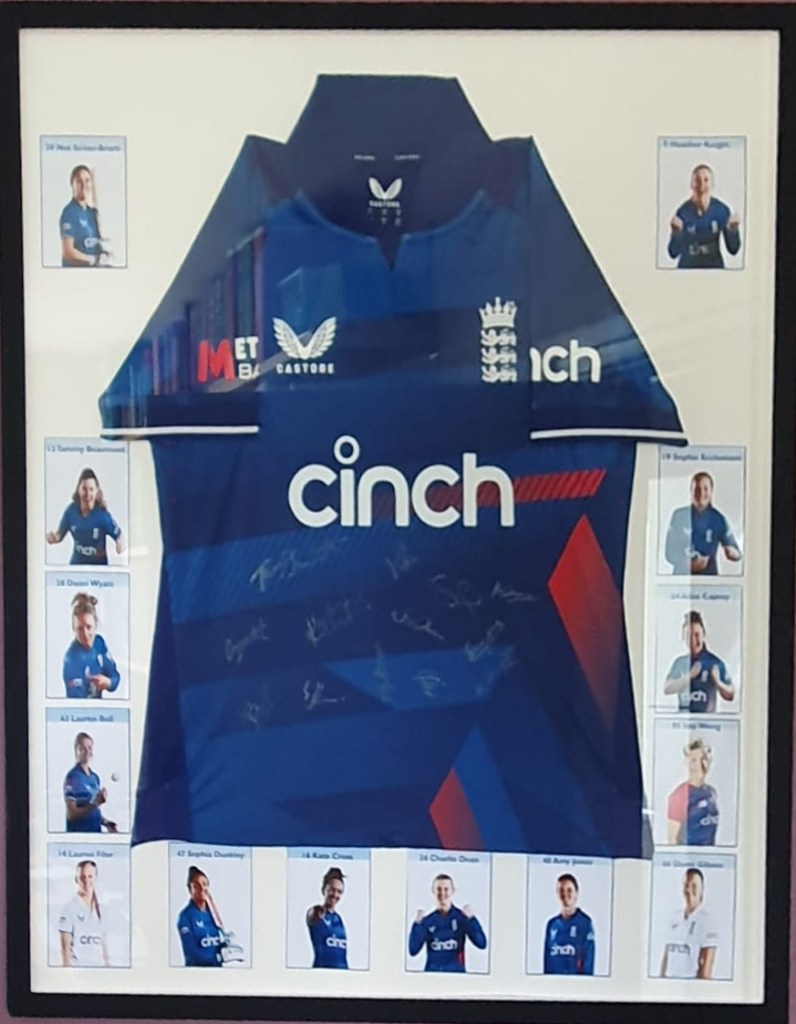
So while there’s some football happening in North and Central America which I am boycotting because I loathe Infantino and FIFA – don’t think I’ll be missing much – I have a feast of cricket to enjoy. And more specifically Womens’ Cricket. I’ve been a big fan of this aspect of cricket fuelled perhaps by the success of my home county Hampshire in various guises as Southern Vipers, Southern Brave and just Hampshire. I was lucky enough to be gifted a signed England Womens team shirt for my 80th birthday which hangs proudly on my office wall, thanks to a request from my son-in-law Chris to Charles Dagnall of the Sky and TMS teams.

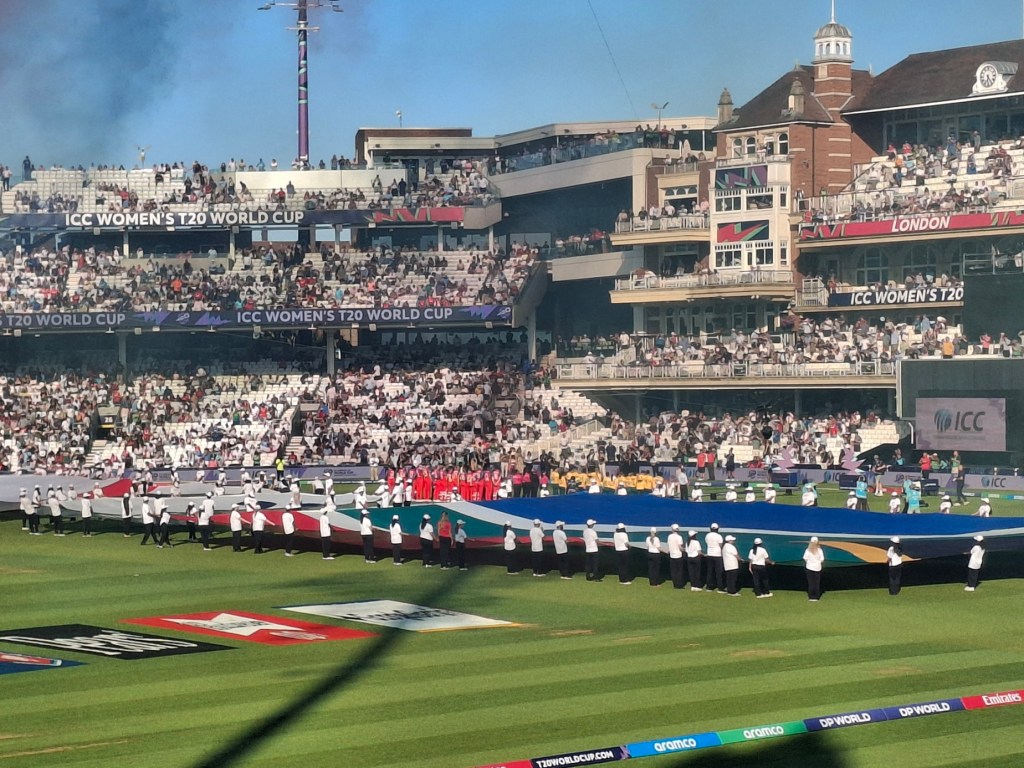
So when England made it to the semi final of the ICC Womens’ T20 World Cup 2026, it was off to the Oval on 2 July to see England battle it out with South Africa for a place in Sunday’s Final. I was able to meet up with Chris and a producer friend of his Toby Welch who is exec producing on David Mitchell’s Ludwig. After a fine game of cricket we repaired to the Fentiman Arms to discuss cricket, TV and the world was a better place for our deliberations. England made it to the final and Jo had already booked final tickets many months ago so the whole Addison family set off for Lord’s where England were duly demolished by Australia who are still in a different league despite the odd blip, Sadly no blip today.

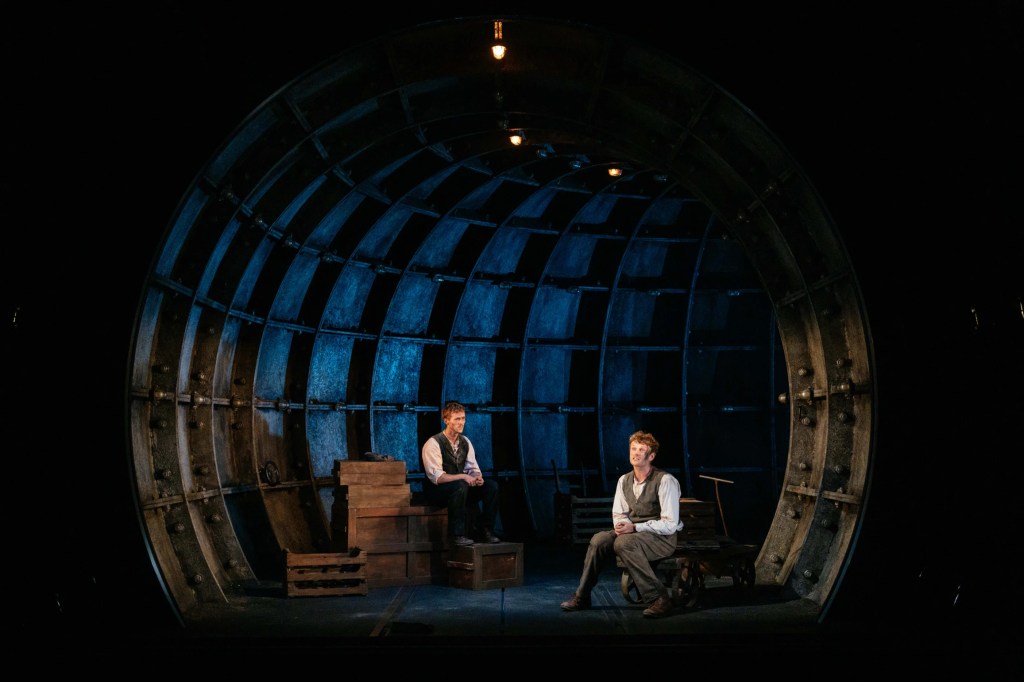
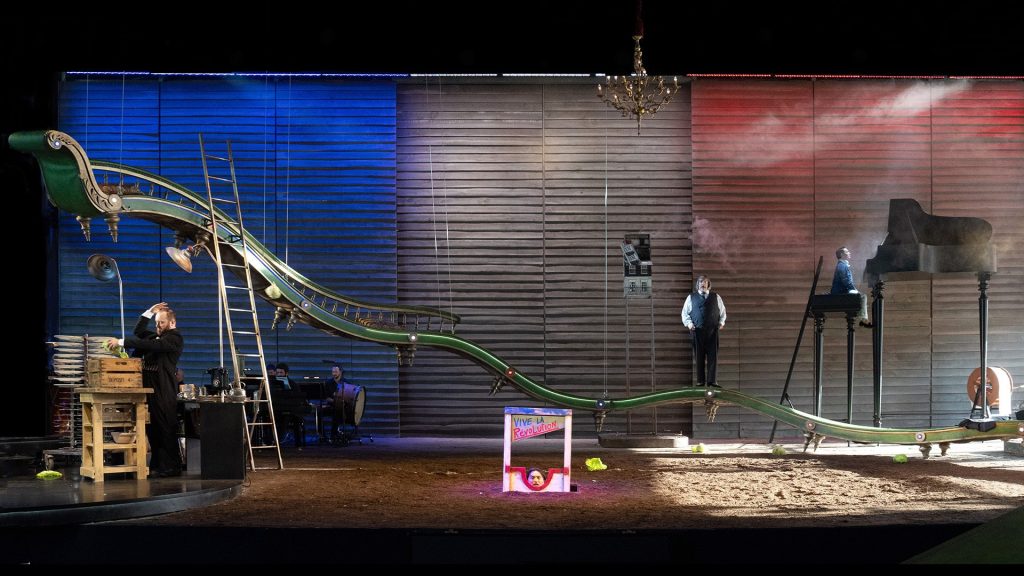
Then on Monday it was off to the Royal Court Theatre for The Archduke. Yes that one – “the shot that rang out around the world”. The assassination in Sarajevo that is reputed to have started World War I. Except this fascinating take on the story had a chilling resonance with the exploitation of the young and poor that drives the county lines today. Having previously seen Rajiv Joseph’s Bengal Tiger at the Baghdad Zoo, I wasn’t expecting straight history. With many moments of hilarity it also posed serious questions about recruiting vulnerable people to carry out heinous tasks on your behalf – kamikaze pilots, jihadi martyrs spring to mind – history repeats itself with no regard for morality. The acting was superb through comedy and tragedy but Es Devlin’s set was the theatrical coup of the evening.

Photo: Helen Murray Royal Court

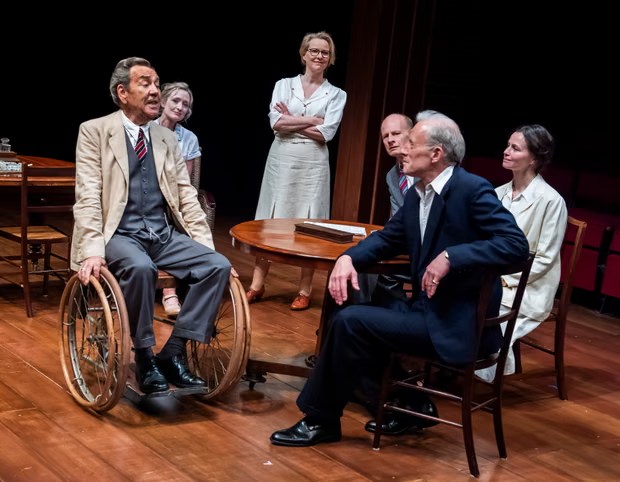
More politics on Tuesday with Springwood at Hampstead. This featured the 1939 meeting between King George VI and President Roosevelt to attempt to get the USA to support Britain in the looming Second World War. Robert Lindsay and Gemma Redgrave were POTUS and First Lady with Andrew Havill and Rebecca Knight as Bertie and Elizabeth.

Photograph: Tristram Kenton/The Guardian

It was again very resonant with modern times with Charles III having had to deal with tyrant Trump in the country’s interests. It was Richard Nelson’s third outing with the same material following a 2009 BBC radio play, the 2012 film Hyde Park on Hudson and now Springwood. It’s pretty static in action terms but very lively in mental gymnastics as the two country representatives try to exert pressure – Roosevelt with all the strength, George VI in a weak position of still owing the USA millions from the previous conflict. Robert Lindsay was excellent and Gemma Redgrave matched him but was perhaps a little underwritten.

A gap on Wednesday when a pub lunch trip to the Surrey Hills was cancelled when my oldest schoolfriend called to say he’d tripped awkwardly, broken his ankle and didn’t feel like socialising in a massive ankle boot.

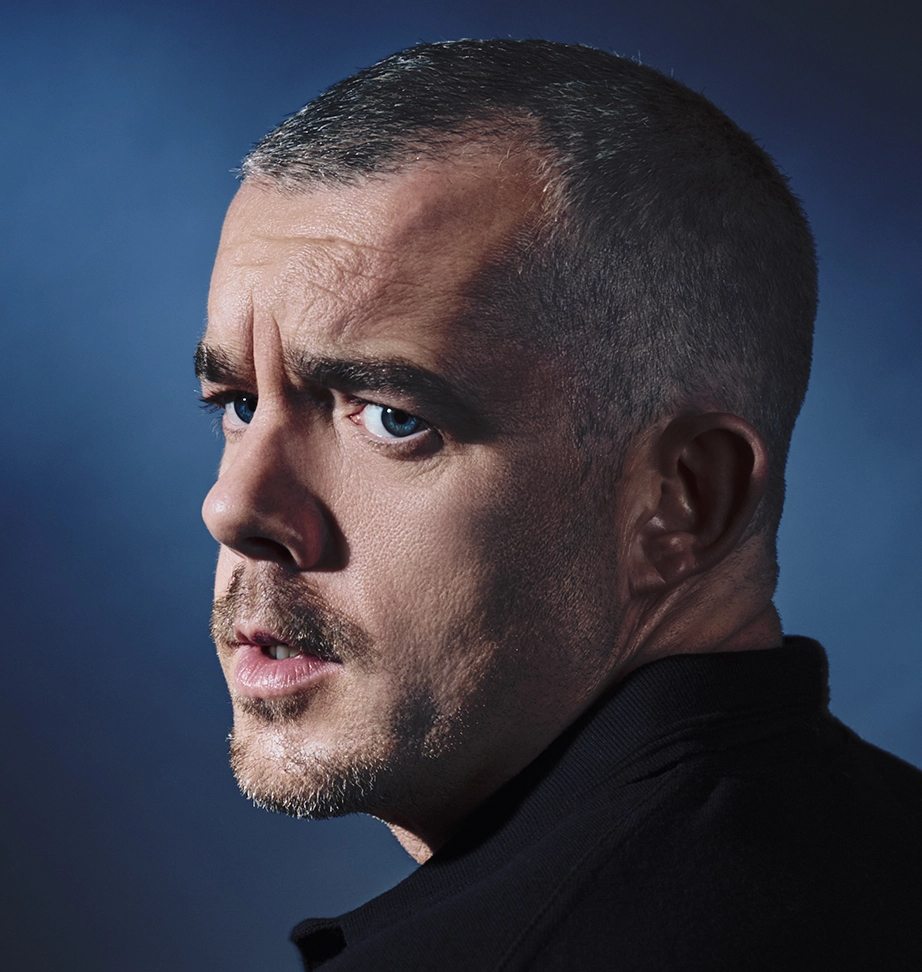
Thursday saw me join Frances at the Donmar Warehouse for certainly the play of the week if not the play of the year. The Guilty by Chloë Moss is based on a Danish film from 2018. It’s getting to be a signature of the Donmar with recent productions Mass, Force Majeure and The Fear of 13 all stage adaptations of films. The Guilty stars Russell Tovey as Joe, a nightime police despatcher, suspended from active duties for reasons that are unclear at the outset. Tovey’s perfomance is outstanding as he struggles to cope with frequent ’emergency’ nuisance callers, real emergencies and his unravelling domestic life. It’s incredibly intense with some relief with humorous moments but the pace of the multiple calls and the several different storylines revealed in just over an hour is astonishing. There’s also a further staggering piece of theatre that I can’t reveal as the show is still running and we were handed a card on exit from the auditorium. It’s sold out but if you can beg or steal a ticket do so. It’s a masterpiece!

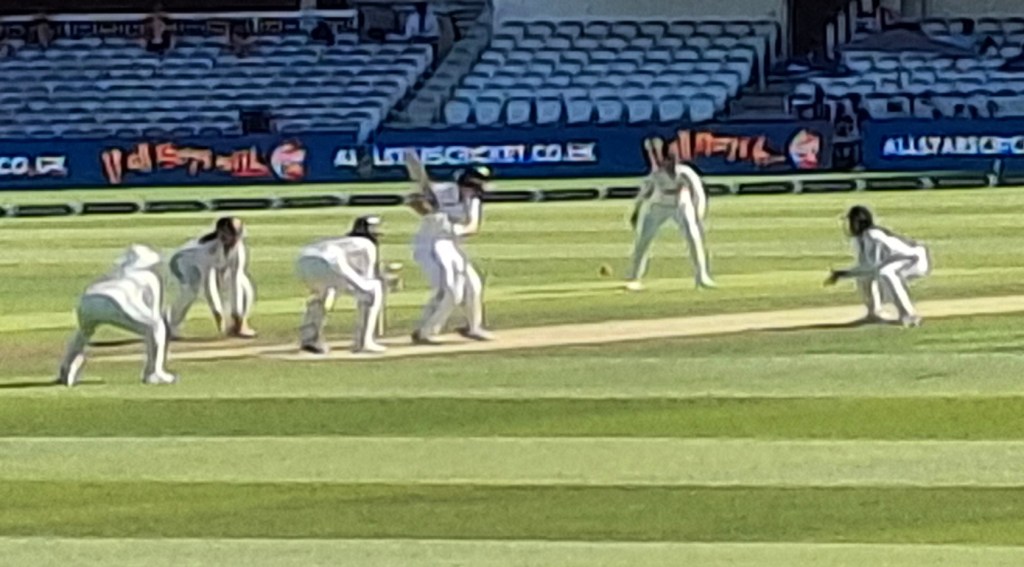
After that thrilling night of theatre it’s off to Lord’s again for a unique experience. The first womens’ Test Match is being held at the ground between England and India. Jo and Chris and I were soon joined by BBC Test Match Special statistician Andy Salzman who was enjoying a day off – just watching cricket for his own enjoyment. We saw a good day of proper white-clad cricket with India all out for 285 and England 21 for 1 at the close of play.

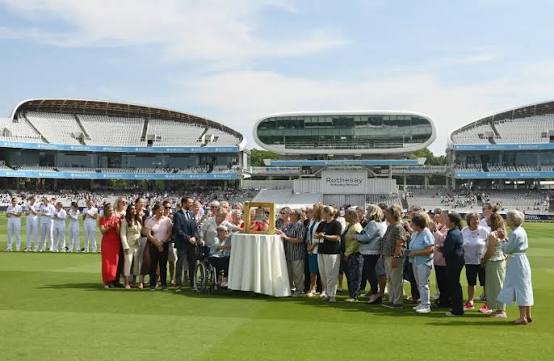
50 England women cricketers gather at Lord’s for the first ever womens test match here.

The day started with a historic parade of some 50 former England women cricketers among them the 85 year-old Enid Bakewell who, with help, rang the five-minute bell to get this long-overdue moment underway.

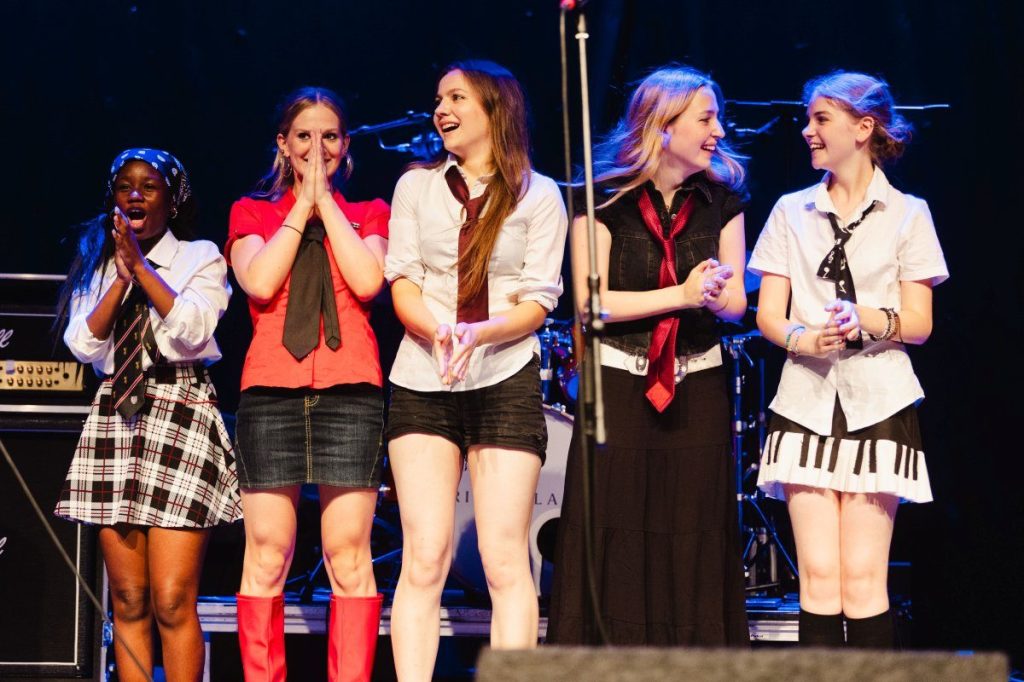
We then had to dash back to the Blackheath Halls where as last year’s winners, Soulstice, the band my grandaughter plays in, had to play a set while the judges deliberated on this year’s contestants. It was a rather sad occasion, possibly their last gig as they are all leaving school and going to different places for uni. They were still brilliant – even better actually – and I said I was going to book the O2 for their 20th reunion in 2046 – I might not be there to supervise. You can hear them on SoundCloud here.

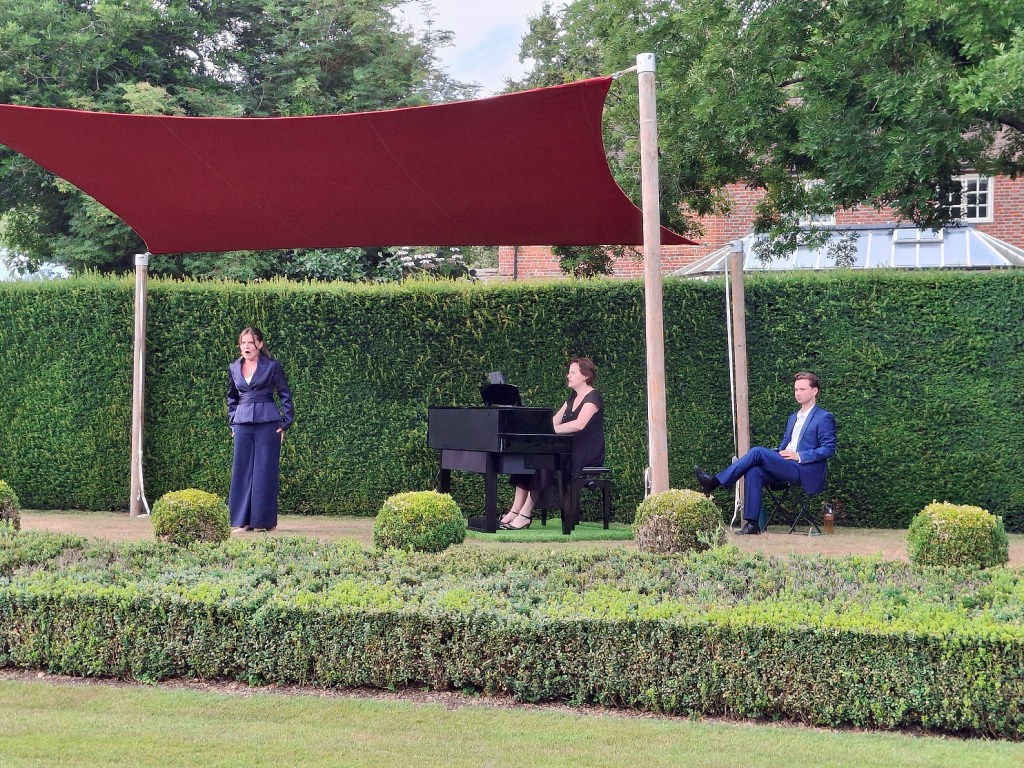
On the Saturday, I’m due to pick up Jadwiga in Putney and take us to Garsington Opera to see Gerald Barry’s The Importance of Being Earnest. But in my new car-free state, I first have to go and pick up a hire car. Fortunately there’s a branch of Switch Car Hire in Mottingham – one train stop down the line and a five minute walk from the station. It’s all very efficient and I set off in a manual (how long has that been!) Citroen Captur. with a little time to spare I did a shop for heavy items before returning home getting into my dinner trousers and shirt – too hot for jackets and set off for Stokenchurch via the south circular and Putney. The car went well the trip out of London was dire but the M40 pretty clear and we arrived in good time to catch the vintage Aldershot and District coach (the compoany that used to take me to school all those years ago) down to the walled garden where in a delightful bonus, our friend Susie Stranders was the accompanist for a recital by two of Garsington’s emerging artists. Miro Treharne is a fine mezzo and Matthew Sotillo-Cooke a lyrical tenor. They encompassed classical repertoire and concluded with a dramatised ‘On the street where you live’. The half hour in the garden was a delightful curtain raiser and we had a chance to spend time with Susie which we all enjoyed.

Miro Treharne, Susie Stranders and Matthew Sotillo-Cooke on the Garsington garden stage.

Then back up to the opera pavilion for the main event. An opera I didn’t know at all but based on a play I knew very well. Would it desecrate Oscar’s work or celebrate it? Well the core was there – false identity, harridan Lady Bracknell (played by a baritone to good effect!), deception and delusion but not necessarily in the same order as in the Wilde play. There was some fine singing of very demanding parts, some stunning visual effects and a set that was out of its mind. I found the score a little disjointed in the first part but grew into something much more engaging in the second with some fabulous moment of drama, humour and joy. And hats off to conductor Douglas Boyd being mugged across the stage to get to the podium. Really entering into the production! Both Jadwiga and I really enjoyed it with a caveat on her part that it shouldn’t be called ‘opera’ there ought to be another category for this kind of event. I disagreed and told her that she was too much of a traditionalist, despite agreeing to come and see it and having a good time.

Earnest stage at Garsington Photo: Richard Hubert Smith Garsington Opera

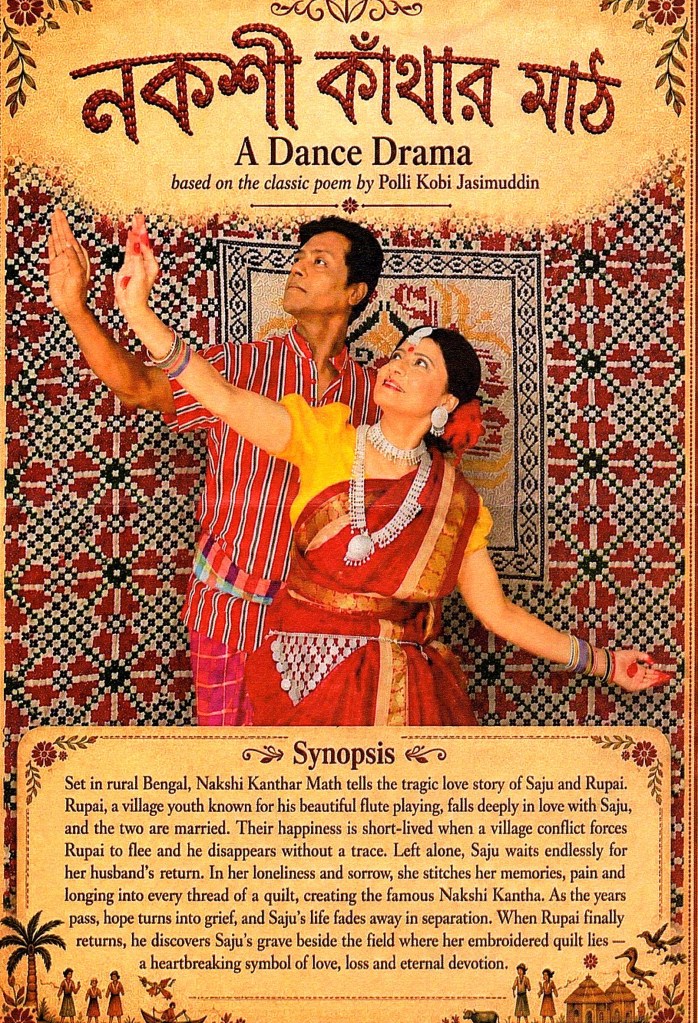
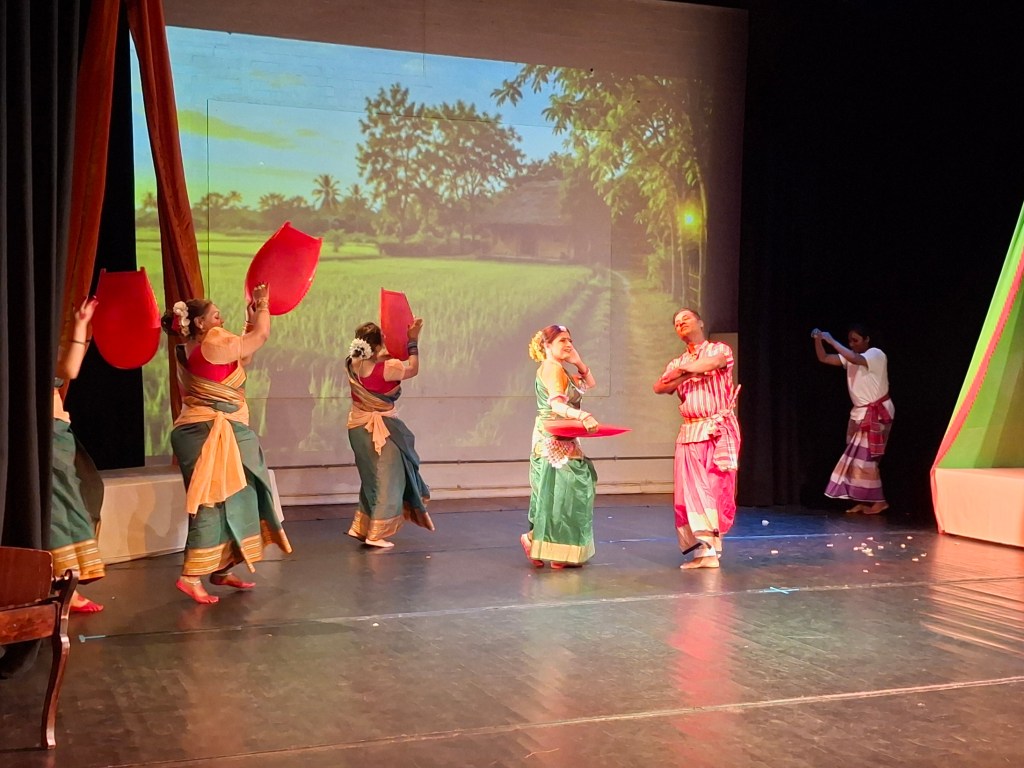
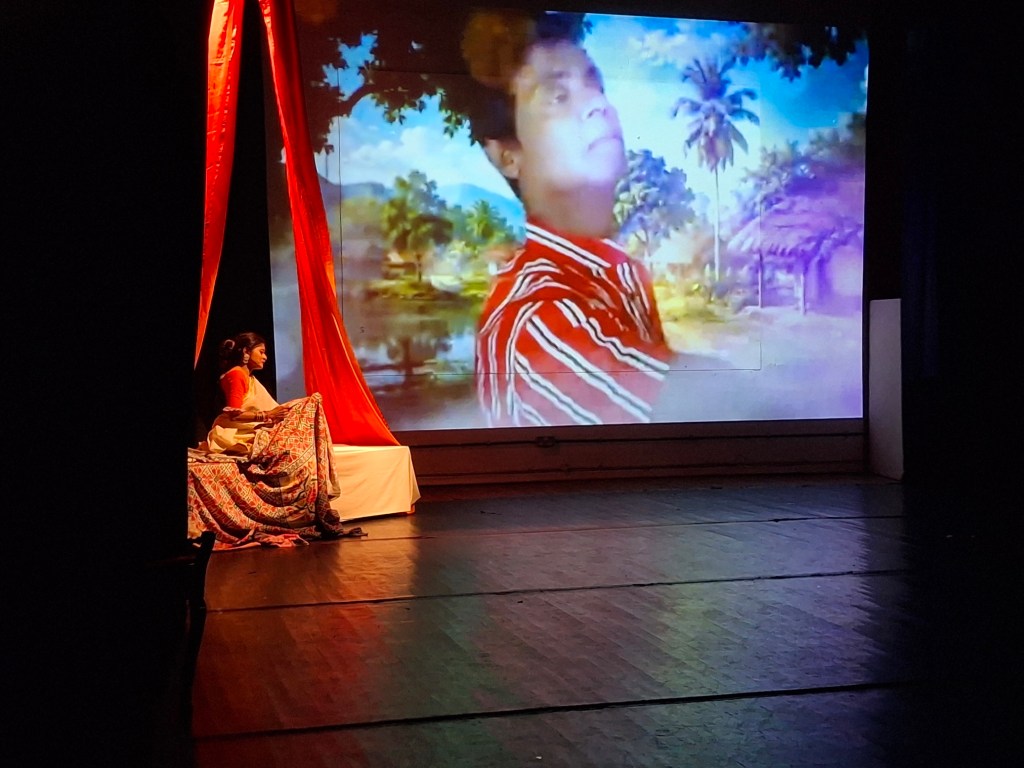
Music of a very different kind on my actual birthday. With no knowledge of the coming event. I joined Shamim at the Brady Arts Centre for a performance of Nakshi Kanthar Math a dance drama which translates as The Field of the Embroidered Quilt. With projected video, dramatic acting and fine traditional dancing it told the story of a couple separated by a family feud. He, Rupai, travels widely for work, she Saju embroiders the quilt Nakshi Kantha until he returns. Except she dies before he returns and all he finds is the quilt covering her burial site. Echoes of Penelope and Odysseus, Romeo and Juliet were there showing that some stories are universal whatever the language. Shamim and I then went for a lovely birthday dinner, during which admittedly a little work was done preparing for a BBPC project funding bid to the British Council. It entailed quite a few Zoom meetings during the next week. We’ll know in October but it might entail a trip to Dhaka.

Despite the busy week I did find time for a very pleasant lunch at the Union Club with Mike and Joan Addison, Chris’s parents. We hadn’t caught up for a while so grandchildren, opera and cricket were discussed along with worries about us sometimes feeling young amongst audiences at musical events. Where will the future audiences come from?

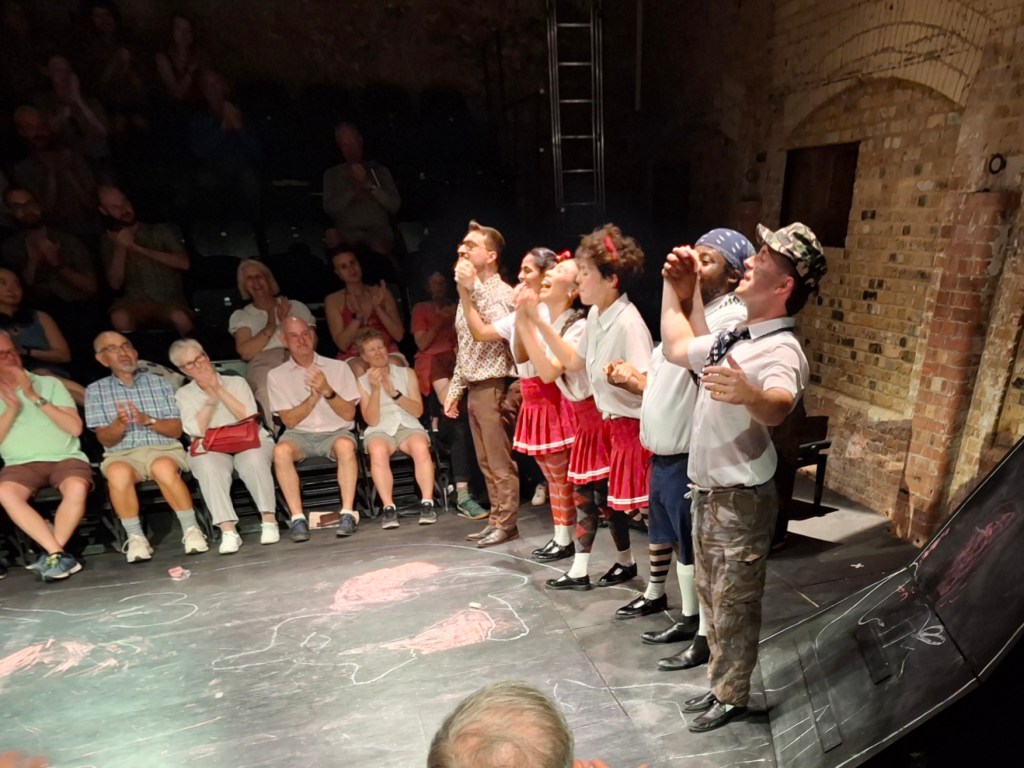
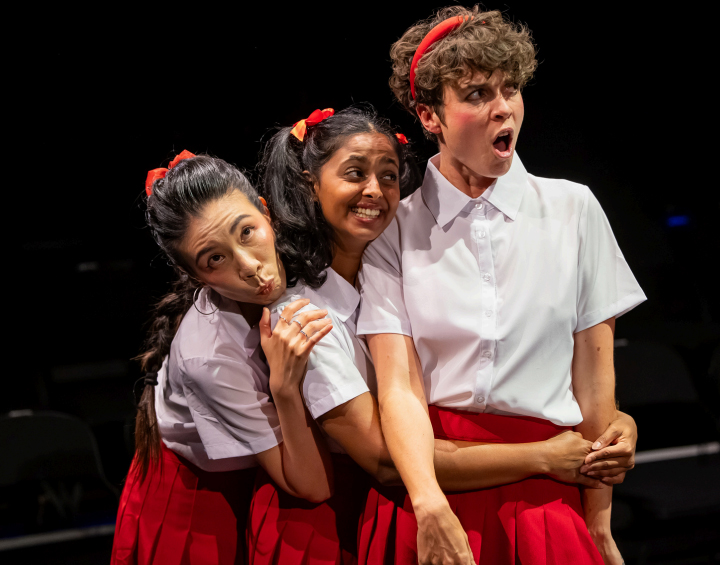
Well there was no chance of feeling young at my last cultural trip of July. Another of Garsington’s emerging artists this summer was my friend Kristina Ammattil. She was appearing at the Arcola Theatre in Dalston in a double bill called Murder Games. The first half was Cupboard Love a 1950s comic opera by British composer Madeleine Dring with a libretto by D.F. Aitken – well a farce really involving some superb ‘dead body’ acting from Ellie Westbrook. After the interval we were treated to Three Sisters who are not Sisters another short comic opera by American composer Ned Roram with a text by Gertrude Stein. Lots of dashing about and lying dead surrounded by chalk body outlines. Both were written for chamber performance with piano accompaniment which was provided by the music director of the producers Opera Makers Panaretos Kyriatzidis. I found the music in Ned Roram’s piece more interesting and the performances of all the singers was remarkable. Annoyingly they didn’t do a curtain call bow towards my seat so Kristina is distant second from left in red stripey stockings. However the programme had a fine photo of the three sisters Salome Siu, Kristina and Ellie. And we did a selfie to send to my friend and her boyfriend Luka.

We were able to share a drink in the bar – with the benefit of performers’ discount coupons! As well as the cast I was able to talk to Tricia Ninian who I met at St Paul’s Opera gala back in March and engage in a – probably boring for him – lengthy discussion about directing for stage and screen and the differences between them, with the director of this show Jonny Danciger. It was another outing where I didn’t really know what to expect when I set off but ended up having a great night out and meeting some talented and lovely people.

Masterpieces metamorphosed

Les Bonnes by Jean Genet was one of the plays I read at university in the 60s and I’d seen the film version with Glenda Jackson, Susannah York and Vivien Merchant a decade later, so it was with great anticipation that I went with Frances to see what Kip Williams would make of it. After last year’s Picture of Dorian Gray with Sarah Snook we expected screens to play a part. And they did. And how! The filmy curtains initial framing the set gave us the feeling of trangressively entering madame’s boudoir and then the fun began. The role-playing maids of the title act out fantasies of dominating and eventually killing their disdainful mistress.

Quite how the actors managed to use their cameras and select filters to produce the effects on the screens that dominated the background, I’ll never know. Emotional performance while managing tech – the demands are high on acting skills these days! Phia Saban and Lydia Wilson met them with apparent ease. Yerin Ha was a little too camp and age-adjacent for my taste as the draconian madame but it was a great evening’s entertainment. With Kip Williams you learn to accept that things will change – it was billed as ‘a version’ after all.

Before going to the Donmar, I had been to the Dulwich Picture Gallery with Jadwiga to see the exhibition devoted to Anne Ancher, a Danish painter I confess I’d never heard of. Living all her life in the town of Skagen at the extreme northern point of Denmark she was devoted to capturing light in the landscape but especially in portraits and interiors where there were hints of the influence of Vermeer in the lighting effects. She died in her seventies in 1935 and the paintings cover most of her long life. The exhibition runs till March 2026 and is highly recommended not just by me – it got 5 stars in The Guardian.

Next up was a group outing with Frances, Farzana, Richard and me to see Assembled Parties at Hampstead. It’s a blackish comedy written by Richard Greenberg and was a great hit on Broadway in 2013. Set two decades apart in the same apartment of screen star Julie, we find a Jewish family celebrating Christmas with assorted relatives, friends and others. In Act 2 Julie is widowed and has a feel of a Norma Desmond who life has passed by and only survives in her rather less opulent surrounding by the invisible support of others.

Among these is her sister-in-law Faye, superbly played by Tracey-Ann Oberman in scintillating form who gets the best lines and attitude. We all found Julie, as played by Jennifer Westfeldt a little unconvincing but the poignancy of the reduced means and expectations of a once proud family showed through the many laughs that the script also gave us.

Talking of metamorpheses, how do you make a 500+ page 2004 Booker prize-winning novel into a two hour stage play? Fran and I had been to an Almeida insight session earlier at which the answers were clear – get an ace adaptor in Jack Holden and a great director in Michael Grandage. The resulting script clearly had to leave a lot out for those of us familiar with The Line of Beauty, but author Alan Hollinghurst had been involved throughout and the evening gave us a good account of the early days of Thatcherism, the gay scene in the 80s with the spectre of Aids and the class system in full flow. And it did contain some very explicit scenes of sex and drug taking that were so much a part of the source. The lessons of a dangerous era seem not to have been learned – the wealth and class gap is ever wider, tolerance of ‘otherness’ is at a very low ebb again and politics and politicians remain completely out of touch with everyman.

And follow that with another great challenge. How do you bring “one of the most important English-language poems of the 20th century” to the stage? Adrian Dunbar has produced and directed a staging of T S Eliot’s The Waste Land. There’s the full text of the 434 lines of the poem spoken by four actors but it’s interspersed with music by Nick Roth for a jazz quintet and the Guildhall Session Orchestra conducted by John Harle. Added to this melange was some of the earliest colour footage of London which evoked and echoed Eliot’s words about his adopted city such as “Under the brown fog of a winter dawn / A crowd flowed over London Bridge, so many / I had not thought death had undone so many.” Hearing Eliot’s complex work recited added greatly to my appreciation of it. The music was an interesting complement, never overlapping with the text and the footage was just stunning. A fascinating hour in the Queen Elizabeth Hall.

I was up bright and early the next morning to drive down to Hatchlands House near Guildford for one of the Orchestra of the Age of Enlightenment’s periodic Friends’ excursions. The house contains the Cobbe Collection which has a staggering array of keyboard instruments owned and played by some of the great composers among them Purcell, Johann Christian Bach, Mozart, Haydn, Beethoven, Chopin, Mahler and Elgar as well as the piano that Napoleon gave to Josephine. We were conducted through this historical tour by the OAE’s principal keyboard player Steven Devine with added insights from the eponymous collector Alec Cobbe, a little jet lagged after flying in from Ireland that morning. Their shared knowledge and Steven’s keyboard artistry made for an engaging trip and added substantially to my own musical education.

I travelled back in good time to join Frances, Farzana and Richard for a trip to the Pinter Theatre to see the revival of Conor McPherson’s The Weir. Timing was such that we were able to have a pre-theatre dinner in the wonderful Yoshino. Lisa was her usual welcoming self and managed to feed us elegantly as well as the late-arriving Farzana (thoughtless colleagues on Zoom calls!) with food that delighted her on her first visit before we all set off.

It’s a play I’ve seen before – nothing happens in a rural Irish pub, but everything happens in the minds, interplay and scary stories of the four male locals and the incomer Valerie. With Brendan Gleeson and Sean McGinley in the cast it was a super evening of witty dialogue, hidden back stories and brooding atmosphere. Lots of Guinness and scathing references to Harp drinkers – remember Harp?

23 years ago I filmed a studio interview and a gig at the Cavern Club in Liverpool with a young indie singer songwriter Ian Prowse. It was part of a language teaching video series for teenagers in Europe that we did in a yoof magaziney style. Dee and I loved his music and attitude and we remain friends after all this time. So on Saturday I set off for the Half Moon in Putney for a set from his current band Amsterdam. Frances joined me at the pub hot foot from Derby where she’d seen Watford’s first away win for eight months! I settled for the TV experience and was glad I’d conserved my energies as the evening was an all singing all dancing show with the band on top form – standin’ and boppin’ for two hours takes it out of us old uns!

The next day Frances and I and Farzana went to a new venue in London that led to another incredible evening – this time of multi-influenced jazz. HERE at Outernet is beside Centre Point and Tottenham Court Road Station. It’s deep in the basement but we weren’t bothered by noise from the tube. We were enthralled by a brilliant set from Nubya Garcia and her band. Anyone who has read my blogs knows I am a huge fan, following her from her early days in Lewisham pubs. This set – mostly songs from her latest album Odyssey – was supported by visuals on the giant screen at the back of the stage. Nubya herself was in great form with her mix of musical cultures inflecting her music, but with some lovely old school touches like references to My Funny Valentine and other classics in her solos. This lady does jazz. An ever-present in her line up over the years has been Sam Jones on drums. What is it about drummers called Jones? Jo held Count Basie’s band together, Philly Joe was Miles’ and Bill Evans’s favourite, Elvin was inseparable from Coltrane and now there’s this guy Sam whose propulsive and imaginative work takes the band into the stratosphere. Farzana and Fran had to put up with me hustling one of Nubya’s former managers as I’ve quoted Nubya in a pitch for BBPC to the Deptford Literary Festival next year. (I later got her blessing so forgive me!) What a night!

Next up was a theatre road trip. Fatherland by the precocious Nancy Farino who also starred in it, is a journey of discovery between an ominously named father, Winston Smith, and his daughter Joy in a converted school bus to County Mayo to discover some newly discovered heritage. Car seats on wheels and lighting effects neatly deliver the bus to the stage. There’s a great deal of barbed and bitchy banter among the deeper affection and interpolated scenes with father and a solicitor indicate that Winston’s life coaching practice has led to a suicide for which he’s being sued. Joy also lets us into her mind world of fears and fantasies. Nancy Farino has come through the Hampstead Theatre’s Inspire programme. More power to it if it continues to produce work of this quality.

Work of high quality was a trademark for Josef Hadyn. The OAE had been touring a programme of symphonies and a piano concerto through Germany, Switzerland and Italy with Sir Andras Schiff at the keyboard and as conductor (I nearly wrote with the baton but his hands are expressive enough). The did a concert in Udine and I had to wonder whether any of the Pozzo family attended – the Pozzos own both Udinese and Watford football clubs. The last date on this tour was at the Queen Elizabeth Hall.

I like Haydn’s rhythmic impulse, his unpredcitability and his sense of fun and the two symphonies – one from his early period No 39 at the Esterhaza Court and No 102 from his prime in London showed real development of style and technique and were a joy to listen to as was Sir Andras’ performance of the concerto No 11 played on a Walter fortepiano just like one we’d seen at the Cobbe Collection a few days earlier.

Another busy month concluded with BBPC’s last bimonthly poetry meet up of the year at the Whitechapel Gallery which took the form of a review of the year’s activities and an open mic session for a dozen poets to share their own work or read from their favourite poets.

Many of us then went to the nearby Altab Ali Park for the launch of this year’s bijoyphool. This is the Bengali victory flower which has evolved from the British Remembrance Day poppy.

The green and red flower is worn for the first two weeks of December and commemorates the Bengali language wars of 1952, the war of independence of 1971 and the countless citizens who died in them and since. Three of the freedom fighters from the latter war were present in front of a replica of the Shahad Minar matryrs’ memorial in Dhaka. It was a privilege to be asked to say a few words for the local TV chanel about what it meant to be there at this moving ceremony.

The final event of this year’s Season of Bangla Drama was a play Joyontika produced by Trio Arts about post partum depression, a topic little discussed in the community but which affects many women. It was a mixture of drama, dance and polemic with some interesting technical tropes and delivered a powerful message. I was able to catch up with a few friends and indulge in some super spicy biryani to conclude a successful Season – delivered this year with no funding from the Arts Council. All hail to the indefatigable Kazi Ruksana Begum the Arts Development Officer for Tower Hamlets for bringing it all together.