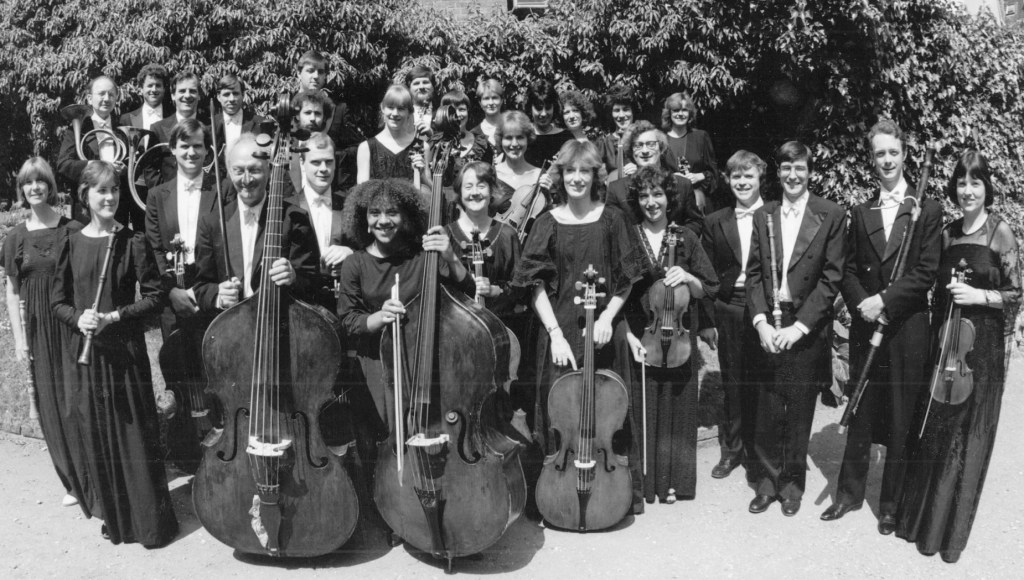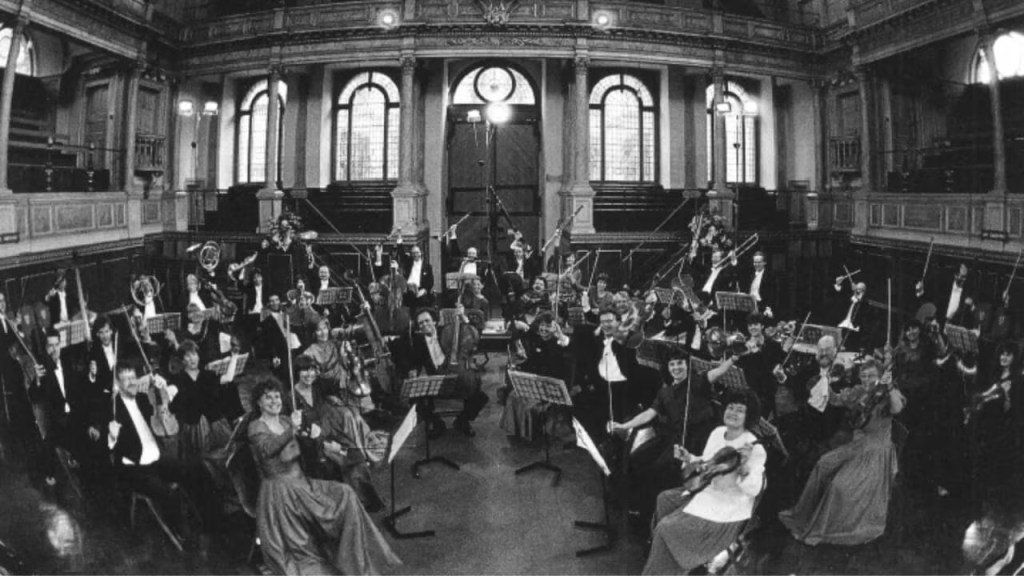
Too busy to blog …

It’s been a long time since I last did this. There’s been a lot going on. Cataract operations and follow ups. British Bilingual Poetry Collective’s first appearance at the Barbican. Football matches. Women’s World Cup cricker. Copy to prepare for Watford Museum and editing for TU Delft. A massive crop of quinces to be cooked and made into jelly, pickles, marmalade and membrillo. But still time for a few theatre and concerts. And while my last post began with a trek west across south London to see my granddaughter play in her band, this one starts with a diagonal trip north to Alexandra Palace to see my son-in-law perform.

It’s 20 years since The Thick of It hit our screens and so why not have a party to celebrate? The creator Armando Ianucci was joined by the stars Peter Capaldi, Rebecca Front and Chris Addison, who at the time was mainly known as a standup comedian rather than an actor. The evening was elegantly hosted by Miles Jupp. There was lots of chat about the provenance (Yes Minister), about the semi-improvisatory nature of the scripts and the fluid filming style. There was a lot of swearing of course and a pre-interval recreation of the Tucker/Reeder sacking scene. It was a very entertaining evening although as a fellow-traveller on the bus back to Finsbury Park said: “It turned a bit into the Chris Addison show in the second half.” When tasked with this Chris confessed it was PTSD from all those panel shows he used to do.

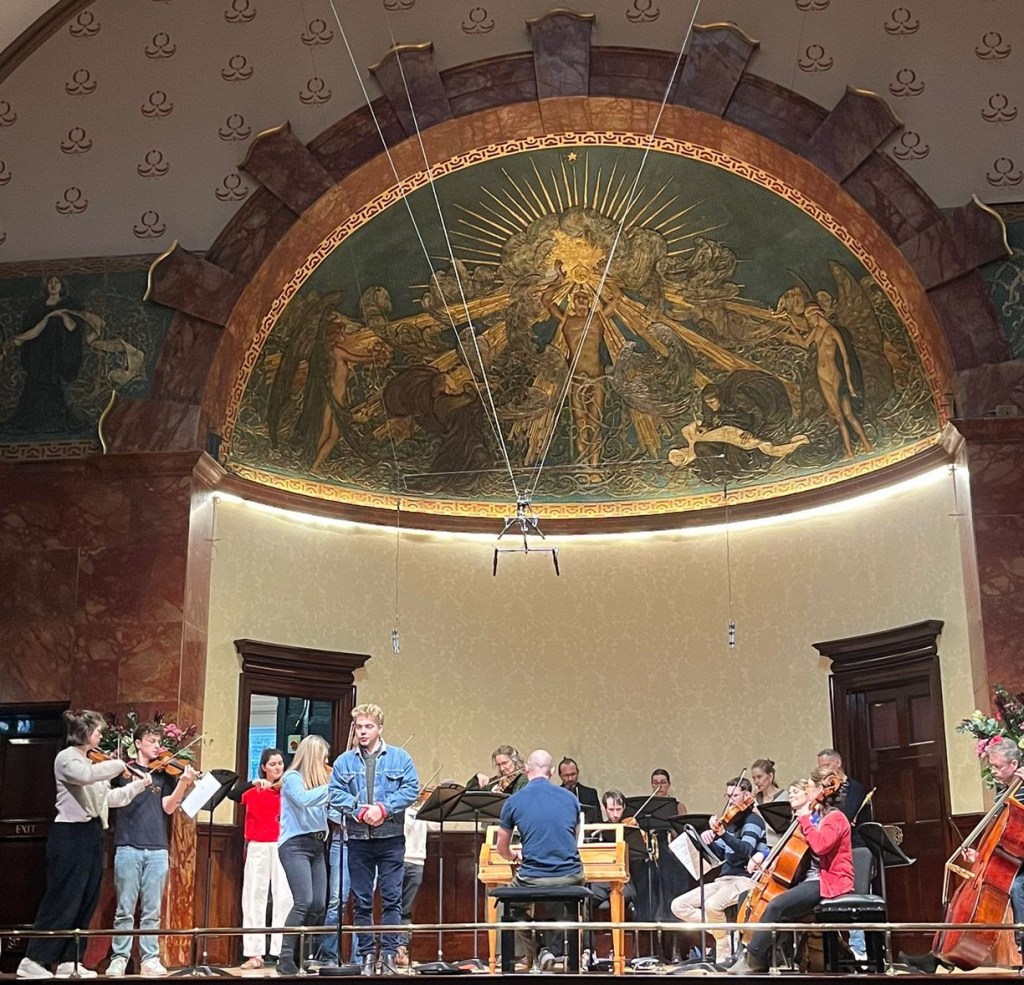
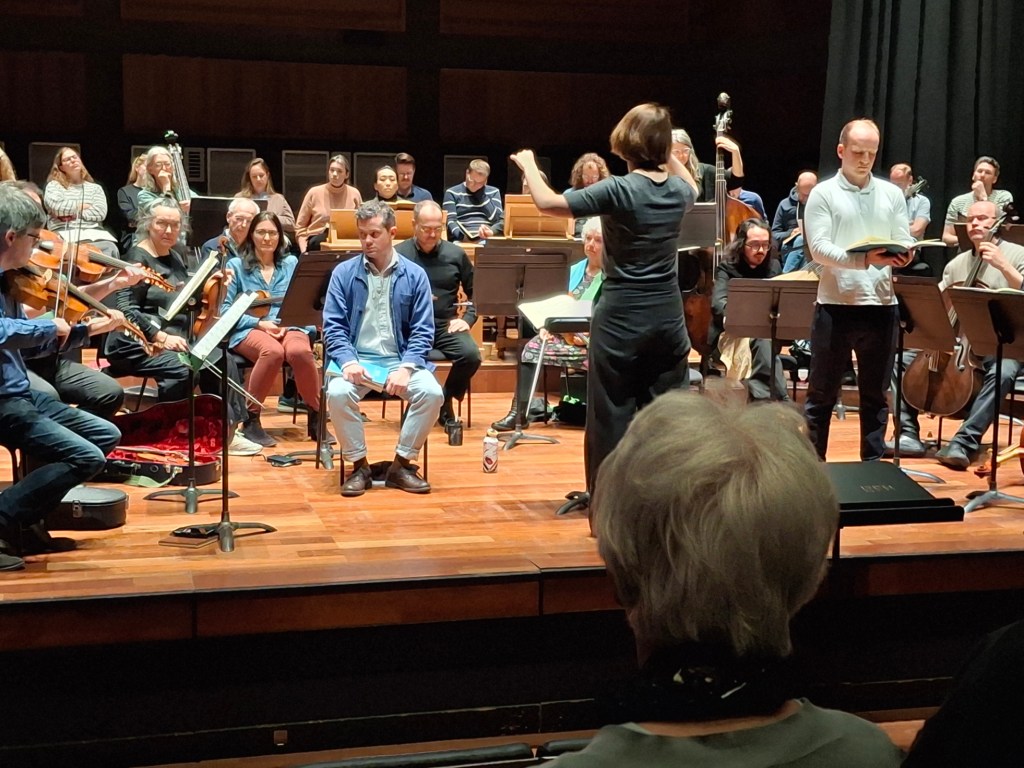
Next up was another visit to Acland Burghley School for a recital by the Orchestra of the Age of Enlightenment’s new intake to their Rising Stars scheme. Every two years the OAE recruits young singers to serve a kind of apprenticeship with opportunities to appear at their concerts and develop their professional lives. This year’s group seemed pretty well set to me with well-delivered introductions to their Handel arias.

They were left to right Sofia Kirwan-Baez (soprano), Angharad Rowlands (mezzo-soprano), Hugo Brady (tenor) and Peter Edge (baritone).  Chosen from over 100 singers who applied they were accompanied by a chamber group of OAE players conducted from the harpsichord by Steven Devine. It’s really encouraging to see so much young talent embarking on their chosen careers.

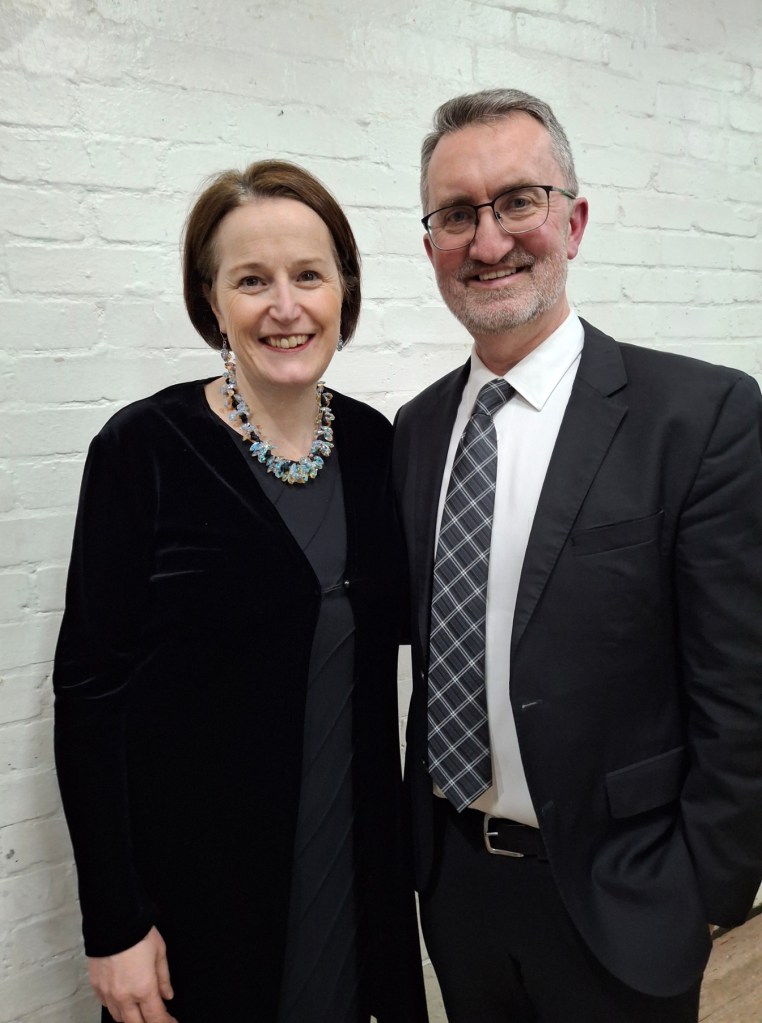
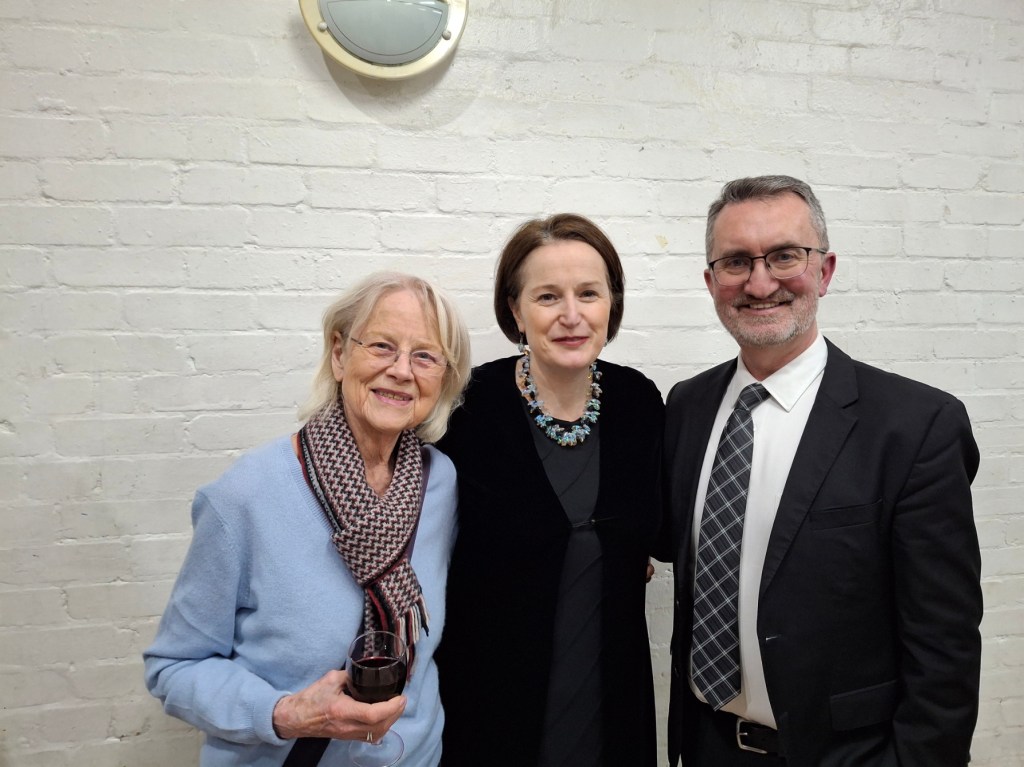
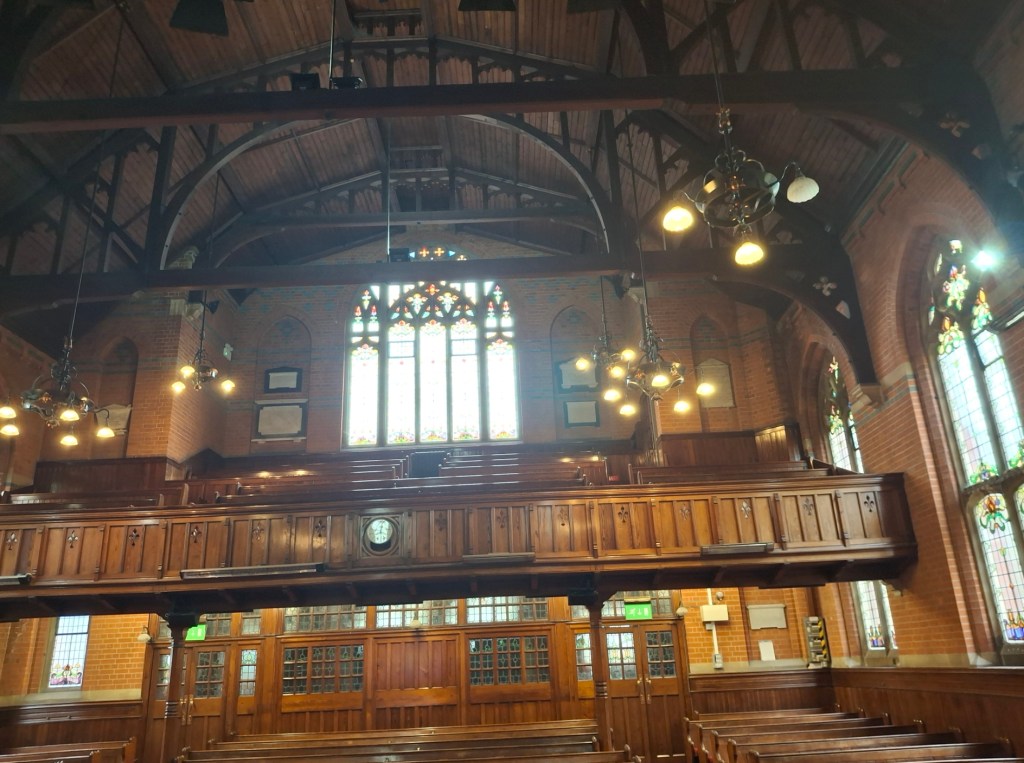
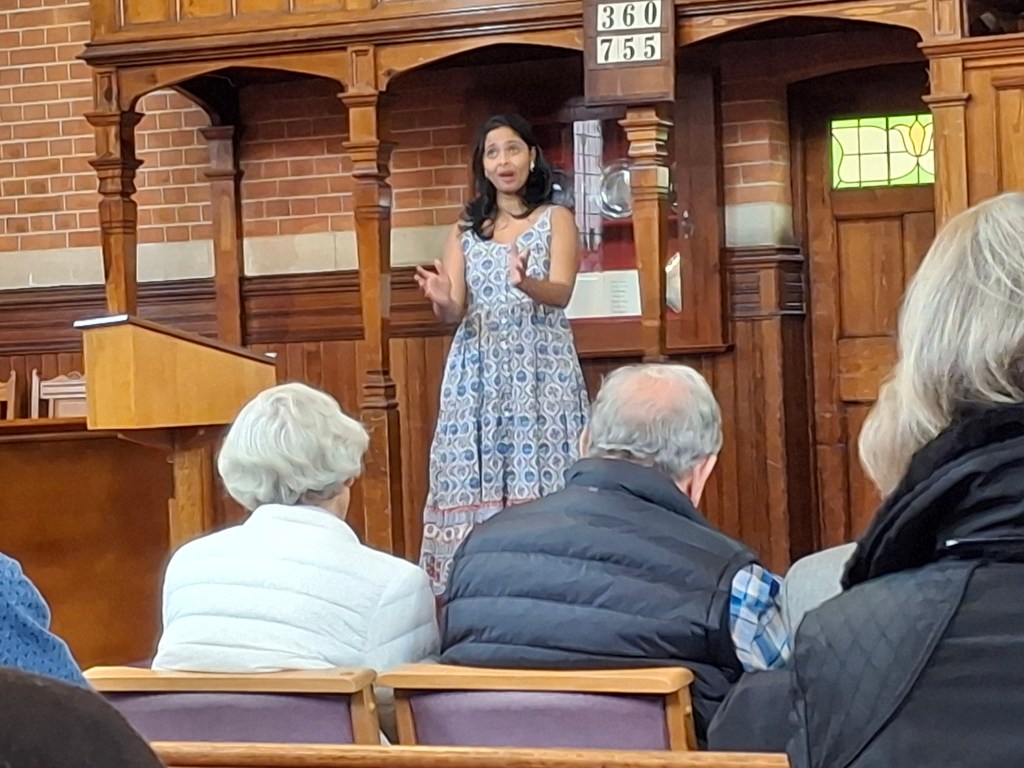
The last Sunday of every other month finds me co-hosting a BBPC poetry adda (get together). We read, perform and often translate poetry and have voluble discussions about what we hear. This month we had a performance poet Pip McDonald perform a couple of pieces and then engage in a valuable discussion about the art of performance with many tips for budding performers. It was a friendly and positive occasion, with tea and snacks, as I hope the photos demonstrate.

So what’s occurring at Marble Arch? After the horror of that artificial hill, it was a delight to discover that there’s a new MOCO in town. I’ve visited the museums in Barcelona and Amsterdam but had missed out on the fact that MOCO London opened in September last year but had an email with a voucher for half-price entry so off I set. It’s a similar collection of modern and contemporary works with Banksy, Emin, Hirst, Kusama, Opie and Warhol all present and correct but with some excellent pieces that were completely new to me. One of thee first images to confront me was a photo of Elton John by Chris Levine, currently in a dispute with a collaborator over his holographic portraits of the late queen. I was then lured into a fascinating psychedelic infinity mirror room and then to its exact opposite in a contemplative installation Lunar Garden by Daniel Arshan inspired by the classic Japanese Zen gardens I enjoyed so much in Japan. There were a lot of really interesting artworks on display so it will be firmly on my agenda of museum visits as they have changing displays as well as the permanent collection. And it’s a spacious and elegant space over three floors.

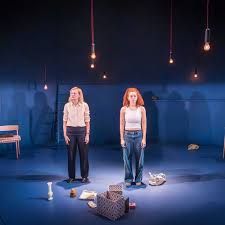
I don’t often go to see a play twice in ten days but when Frances and I went to see The Land of the Living at the Dorman Theatre at the National, I said “I should have brought Rosa to this”. So I told her about it and we went together a week later. Rosa is my artist friend, one of whose major installations Lost treats the adoption scandal that took place in Spain between the late 30s and early 90s, known as the Spanish Stolen Children and she is currently working on a similar work featuring the American US Adoption Re-homing scheme. You can check Rosa’s work out at https://artcollaboratif.com. This play by David Lan, who used to be the creative director at the Young Vic, is about the attempt to repatriate children who were stolen from Ukraine and Poland by the Nazis because of their suitability to breed the super Aryan race. It was disturbing, thought-provoking and contained a masterful performance by Juliet Stevenson, an actor I’ve long admired. But there were also moments of humour and theatricality as when the Dorfman’s traverse stage is converted into a swaying train taking children back to their homes.

Both Frances and I have marvelled at the genius of Indhu Rubasingham and her work transforming the Kiln Theatre. Now she’s the artistic director of the National and as someone said after the play she’s spent a year of the Kiln’s budget on her first production as director in the Olivier. Bacchae is losely based on Euripides in a debut play by  Nima Taleghani – a brave commission to open your first season at the nation’s principal theatre. Did it work? Hell yes! Rambunctious rapping, rhyming, big revolves, flying and dancing brought the contrast between the lifestyles and philosophies of Dionysus and Pentheus sharply into focus and the ever-present chorus of bacchantes led by Clare Perkins kept the whole spectacle flowing through mood swings and emotional turmoil. Ukweli Roach, James McArdle and Sharon Small shared the lead roles. There were lots of laughs, lots of theatrical in jokes and while it may not be what conventional NT audiences were expecting all the people we spoke to thought it was great fun.

My friend Jadwiga likes lunchtime recitals and has a list of churches and venues where she goes regularly so I was delighted to be able to take her to a lunchtime recital in a venue she hadn’t been to before. Some time ago on a vist to Ramsgate for the launch of Anna Blasiak’s latest book, I met Gabriela Mocan of the Romanian Cultural Institute and had taken my friend Dana to an evening concert there. The upshot is that I’m on their mailing list and was attracted by a recital by a Romanian pianist Kira Frolu in St Bartholomew the Great in Smithfield.

Jadwiga was suitably impressed by this ancient church and we were both enthralled by the young pianist’s performance of an Georges Enescu suite – Mélodie, Mazurk mélancolique and Burlesque from Suite No.3 Op.18 – to keep the Romanian theme running followed by a wonderful performance of one of my favourite pieces Mussorgsky’s Pictures at an Exhibition which is great in Ravel’s orchestration but rather special in the original piano form. It was made all the more poignant as the last movement is called ‘The Heroes’ Gate at Kyiv’.

Once again it was a privilege to experience the wealth of talent emerging from British conservatoires (Royal Academy of Music in Kira’s case) and a tragedy that so many of them will struggle to make a living because governments plural don’t care about the arts. We had a light lunch after the concert and walkedpast St Paul’s Cathedral and then through Postman’s Park with its fascinating plaques to people who died trying to save others’ lives. We then crossed the Millennium Bridge and along the south bank where I peeled off to meet Rosa for an early supper in the Archduke before making my second trip to the Dorman for The Land of the Living. It was interesting to see it from a different viewpoint and its powerful messages rang through again. I’m pleased to say Rosa was impressed too.

The Barbican Centre ran a series of October events under the title Voiced: the Festival for Endangered Languages. My poetry group BBPC was invited to contribute in three sessions. We ran a Translation Circle on Saturday 11 October (top below), our chair Shamim read poems in Sylheti in person on Friday 17 (left below) and in a foyer display through headphones and Eeshita and Anahita produced a polylingual audiovisual poem at the final session on Saturday 18. (Eeshita introduces the poem and the BBPC team celebrates.)

Shamim and I have run a number of translation session together but we usually know several of the people present. Not this time. Because of GPDR the barbican couldn’t even let us know who had signed up. However we did enlist the talent of Anna Blasiak to prepare a poem in Polish and Kashubian (endangered mix of Polish and German used on the north coast) which we then translated as a group which contained speakers of ten different languages. Interesting! However, the organiser got good feedback and we had a good party after the final session.

A change of mood on the Sunday as I moved back into the world of music with the OAE performing their first concert of their 40th anniversary season at the Queen Elizabeth Hall – Handel’s oratorio Solomon. It’s a fine work that includes the ever popular Arrival of the Queen of Sheba. Conducted by John Butt who has a long association with the OAE, it was great to see two of the rising stars from last week in the two choirs with Angharad having a small solo role as the second harlot involved in the famous judgement. The main character of Solomon was sung by one of the first intake of Rising Stars Helen Charlston, Zadok by Hugo Hymas and a Levite by Florian Störtz fellow alumni of the scheme. The three sections of the oratorio are very different in style and emotional impact but it was a pleasure to hear the crisp playing of the orchestra and the beautiful antiphonal choirs raising the roof.

The period was rounded off with visits to the Young Vic and the National again. A couple of weeks’ ago Frances was invited to an insight event in the Young Vic rehearsal room at which we heard from some of the actors and from director Nadia Fall about the forthcoming production of Joe Orton’s Entertaining Mr Sloane. I think I saw the first revival at the Royal Court in 1975 with Beryl Reid and Malcolm Macdowell. It raised a lot of scandalous outrage among certain elements of society and the media.

Tamzin Outhwaite is the central character Kath in this production with Jordan Stephens as Mr Sloane. Poor Joe Orton is best remebered for being murdered by his boyfriend but he actually wrote some very funny plays (Mr Sloane, Loot, What the Butler Saw).

Within the frequent elements of farce are strong messages about unwanted pregnancy, homosexuality, promiscuity, race and class and hints of criminality. Well worth reviving in our once again intolerant times.

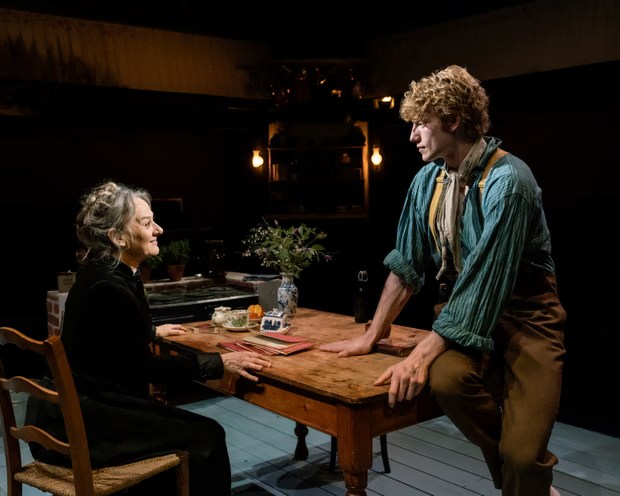
Another of the benefits of friendship with Frances was an invite to a talk to staff in the archive and design departments of the NT followed by a matinee performance of Hamlet. This is the second production in Indhu Rubasingham’s first season at the National and was directed by her deputy artistic director Robert Hastie. Hiran Abeysekera plays the prince quite brilliantly with much more humour than usual and a very emotional reading of the role. He’s matched by an outstanding performance from Francesca Mills as Ophelia who skips and dances across the stage enlivening every scene she’s in and casting a shadow over others after her death. It’s brilliantly staged in a palatial ballroom with an amazing mural which we were told in the pre-meet contains portraits of everyone who has played Hamlet at the National.

Musical mystery tour

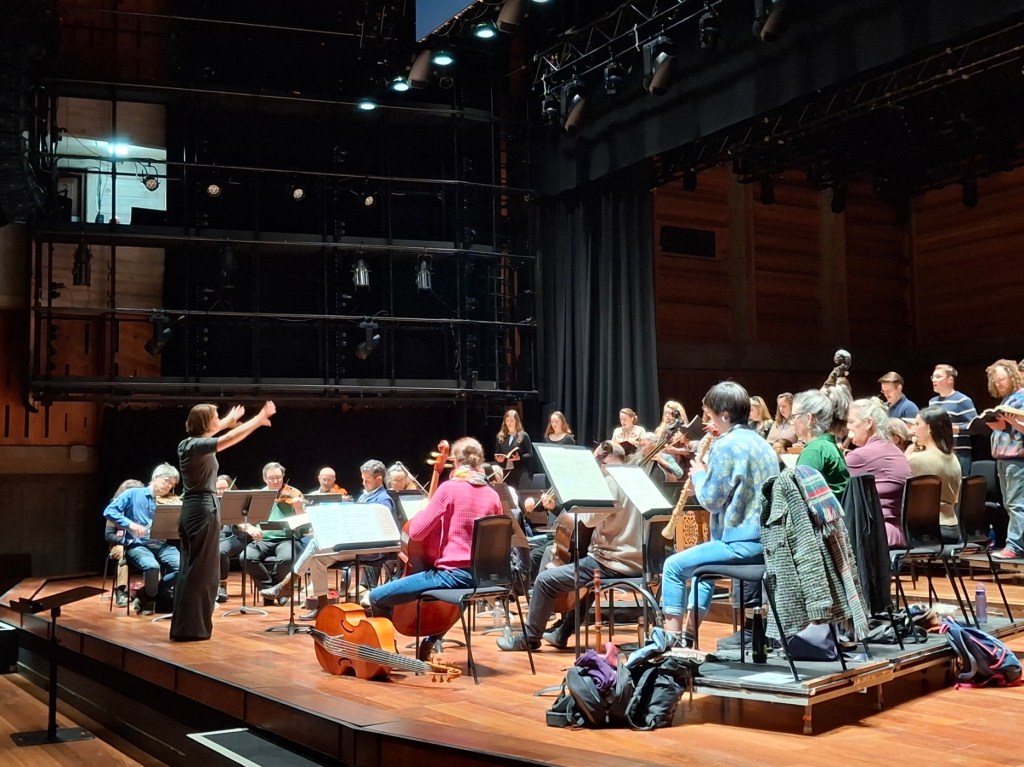
August brought three excellent musical events all with a hint of mystery. The first was a rehearsal at Acland Burghley School in Camden for the Orchestra of the Age of Enlightenment’s project Breaking Bach. Bach suites and concertos played on period instuments by musicians for whom I have the greatest respect, fine – but with street, hiphop and break dance accompanying it! Really? Not much of what the OAE does fails miserably so my frequent dance companion Rosa and I made it to Tufnell Park on a Sunday afternoon for the final rehearsal before the group took Breaking Bach to the Edinburgh Festival for its world premiere in the Usher Hall three days hence. We were asked not to photograph the performance so I don’t have any pictures but you can get a feel for it from the OAE’s website in a mo. Meanwhile our tickets included some branded merchandise – Rosa accepted my gift of a tote bag – “you can never have too many tote bags” while I have two pencils with seed capsules which I hope next spring will be planted out and become sunflowers.

To say we were blown away by the performance would be to put it mildly. Did I say the dancers accompanied the players? I was wrong – the dancers added a whole new dimension through their elegant, energy-filled moves and fantastic sense of rythym. They truly interpreted the music not just performed alongside it. Choreographer Kim Brandstrup had wanted to meld street dance with Bach for some time and now was afforded the perfect solution. Some of the dancers were newly professional, several were still students at Acland Burghley School and you really couldn’t tell the difference most of the time. There were solos, pas de deux and ensemble pieces caringly matched to the emotions and rythyms of the various selections from the repertoire. At the end of the afternoon my only regret was that I hadn’t booked to go to Edinburgh to see the full performance – although whether I’d have managed to get up from a bean bag is debatable. It went down a storm with the critics as I was delighted to read the following Sunday in my Observer and everybody else who attended. There’s lots more about the project on the OAE’s YouTube channel too with interviews with the choreographer, dancers and students . We can’t wait for a full production in the UK – no wait there has been one I guess – parochialist! – I mean in London. Staggeringly risky, stunningly successful!

The next stop on the mystery tour was a trip into a different musical culture. Rumy Haque is a friend who I’ve worked with at the British Bilingual Poetry Collective on many occasions, on translations and in workshops. She’s recently concentrated her attention on forming a musical group and invited me to its launch event at the Brady Arts Centre in Tower Hamlets.

I’ve heard a fair bit of Bengali inspired- music, have co-curated workshops on the poetry of Rabindranath Tagore and – while unable to read the poster – Rumy explained that the concert was celebrating the anniversary of Tagore’s death and would feature his songs. The ensemble is called GitaBina and has Rumy, Mitali Bonowari and Sunita Chowhury on vocals with harmonium, tabla and keyboards accompaniment. As often with these events it took a while to get started – the Spanish are accused of a manaña attitude – but my Bengali friends run them close.

However it was worth the wait. The three voices have contrasting tones but combine brilliantly in conveying both the introspective, lyrical elements and the more rousing and passionate passages in the Tagore songs they performed. The harmonium underscore, strongly accented beat from the tabla and improvised frills from he keyboards added to the atmosphere of respect for and celebration of Tagore. Interpolated between the songs were readings of poems some in Bangla, one I’m glad to say in English – thanks Rumy. It was interesting and thoroughly enjoyable. Whatever the genre or style, music speaks to the soul and mine went home refreshed.

I’m fairly familiar with song cycles from both Robert and Clara Schumann and Fanny and Felix Mendelssohn with both male and female singers and piano accompaniment. So it’s off to Acland Burghley School again with my friend Frances, who lives nearby, for another new experience.

Tonight it’s the lovely Helen Charlston singing with a string quartet! That’s new. Helen has a long association with the OAE as one of the first in its Rising Stars programme and the star of the memorable Coldplay tribute video of Dido’s Lament.

Helen writes in her programme notes that there’s no precedent for this kind of arrangement. But she thinks similar things might have happened at the soirées where these songs would have been first heard. The conversion of the accompaniment from piano to scoring for string quartet by Bill Thorp brought a whole new level of expression to the songs for me.

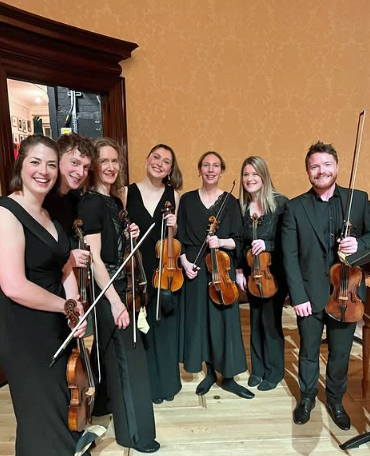
It was fascinating to hear how the piano sounds were expertly shared around the four instruments. The Consone (Latin for harmonious) Quartet use period instruments – they were the first such to be chosen as BBC New Generation Artists – and those familiar warm gut string sounds added new sonorities and their playing a new sense of fluency to familiar tunes. I felt a much stronger emotional reaction to the fuller sound surrounding the lyrics and maybe the intimate surroundings of the elegant hexagonal school hall at the centre of Brutalist Acland Burghley helped as well.

Three very different experiences with unexpectedly (shame on me) pleasing results. And there’s another adventure to come with a trip to the Royal Albert Hall to hear the Irish Baroque Orchestra play Alexander’s Feast by Handel which I’ve never heard so the mysteries continue to unfold.

A week of triumphs

The week started with a couple of weird happenstances – two very good friends of mine from way back in the seventies got in touch and we’ve arranged to meet and catch up. With five decades of life, love, marriages and deaths to discuss – it should be fun. A triumph for the connected world.

The sun came out and I got to do some much-needed gardening clearance, pruning and even some planting. I also had an evening at home during which I was able to watch the amazing Adolescence the Jack Thorne/Stephen Graham four part series on Netflix. 

It’s a shame that British tv is in the state where to make a show of this brilliance and significance it has to be on a streamer. The message it conveys about incel inculcation seemingly by osmosis in teenage boys needs the widest possible audience to have the societal impact that Mr Bates had. As television it is magnificent with stand out performances from Stephen Graham (expected), Ashley Walters (playing totally against type) and Owen Cooper (staggering newcomer’s first role) with superb support from a fine cast. It follows the proven meme of ‘show don’t tell’ with director Philip Barrantini employing the fluid single-take camerawork that allows you to observe how this tragedy has come to pass. It’s not an easy watch because of the content and the fact that you are emotionally – almost physically – invested in every nuance. A triumph for filmaking and communicating essential information – would have been even greater had it been on the BBC or Channel 4.

Tuesday’s triumph was for honesty over spin. I was setting off on a train for a meeting at Watford Museum having judged the connections to help me get there on time. However the train from Lee to Charing Cross kept stopping and then running extremely slowly. Rather than the usual tannoy guff the driver came on and said: “I apologise for the extremely long time it has taken us to get into Charing Cross this morning . I’d like to explain why it has been so slow but I haven’t a clue”. I was late but we still had a good meeting helping sort out Watford FC and its charity, the Community Sports & Education Trust’s, presence in the new museum when it moves later this year.

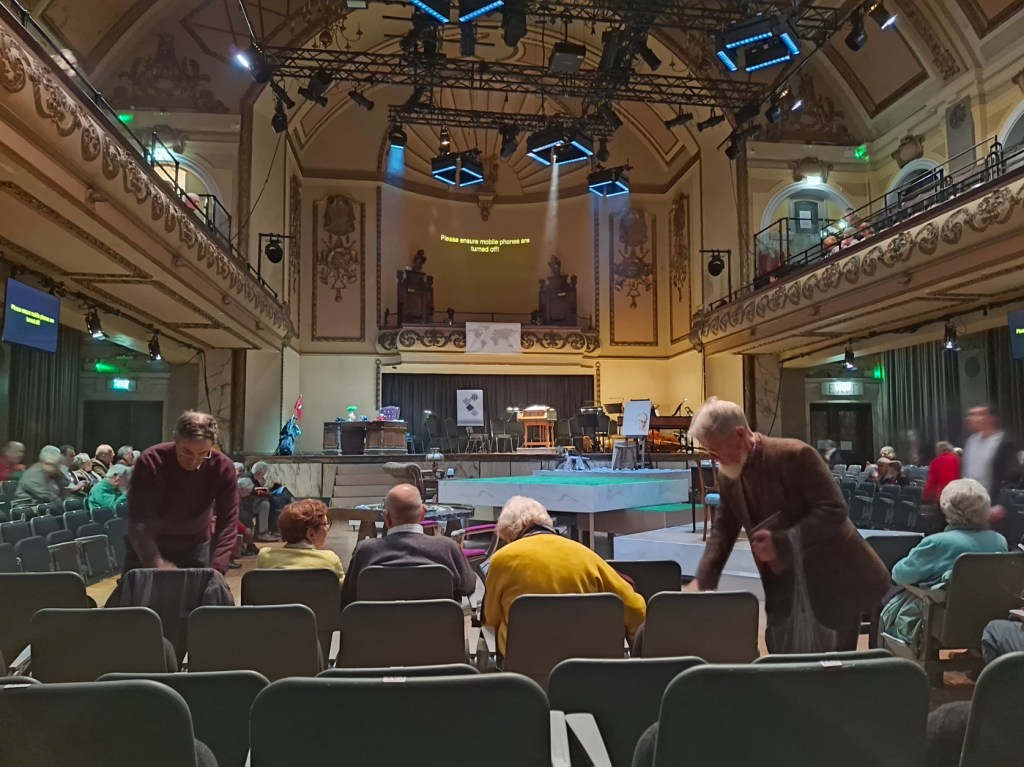
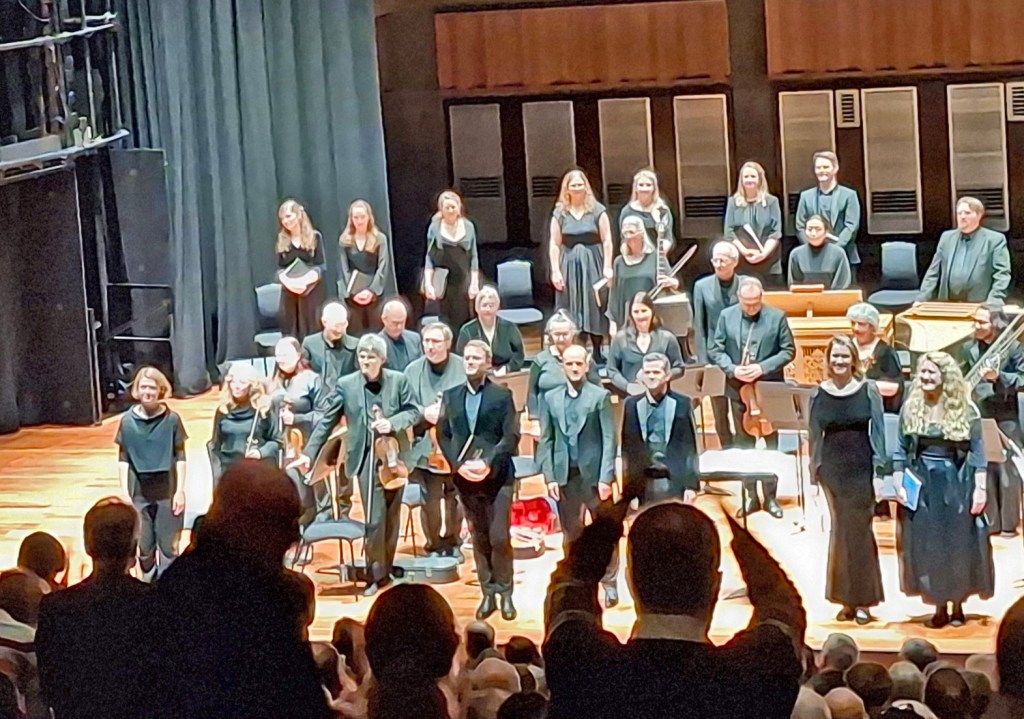
Wednesday took me to St George’s Hanover Square to hear Handel’s Trionfo del Tempo e del Disinganno an oratorio he wrote in Rome in 1707 when he was 22.  Beauty (Bellezza), struggles to reject the short-termist sensual temptations offered by Pleasure (Piacere) but receives wise and benevolent counsel from Time (Tempo) and Enlightenment (Disinganno). The title tells you who wins. It’s a wonderful score with lyrical arias, instrumental sequences favouring different sections of the orchestra and it was performed brilliantly by the Irish Baroque Orchestra directed by Peter Whelan from the harpsichord as part of the annual London Handel Festival.

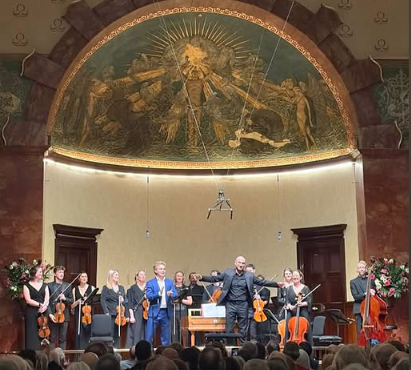
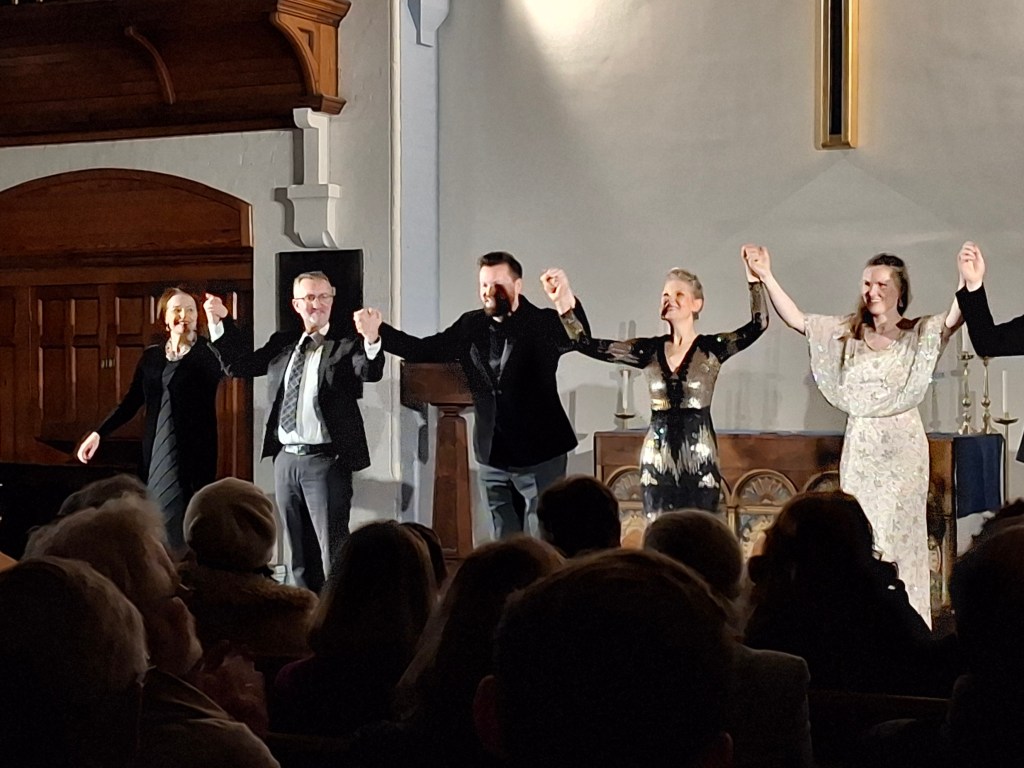
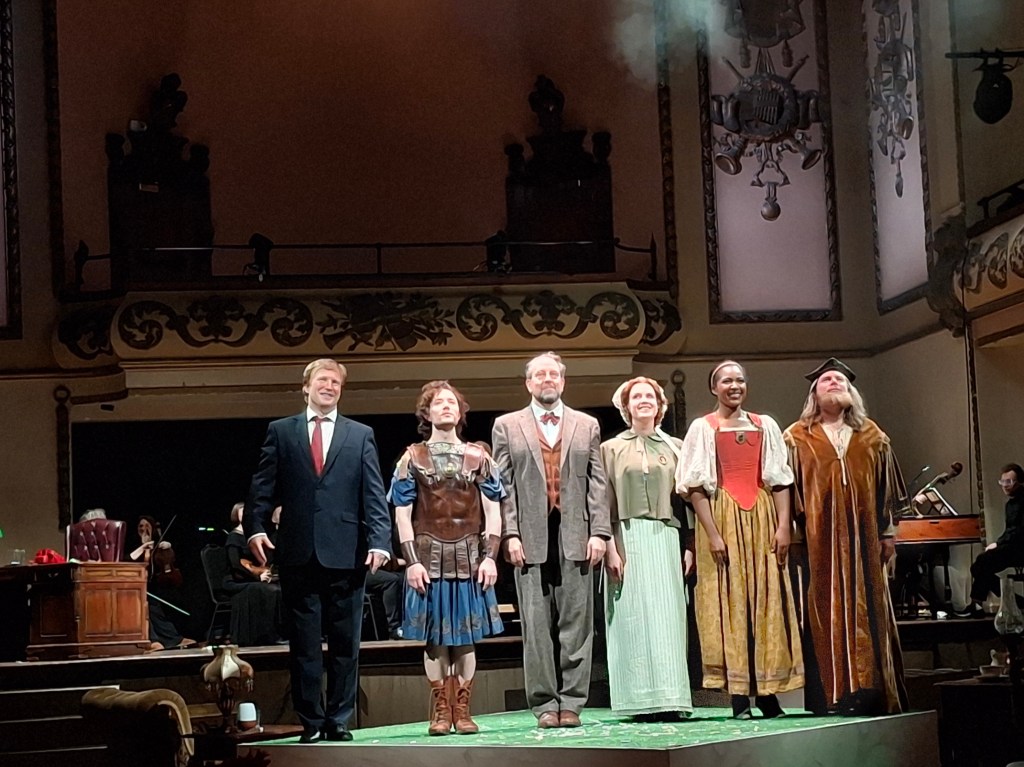
It was sung by four exceptional soloists seen above taking their bows with Peter Whelan far left. Rowan Pierce, soprano, was the naive Beauty, Helen Charlston’s powerful mezzo offered seductive temptations as Pleasure which were countered by Jess Dandy, a contrasting mellow mezzo representing Enlightenment while James Way’s tenor called Time. Rowan, Helen and James were in the first group of ‘Rising Stars’ of the Orchestra of the Age of Enlightenment which anyone has read previous blogs will know is my favourite ensemble. Their two-year programme serves as an apprenticeship for young professionals giving them the opportunity to perform with the orchestra in a wide variety of repertoire. It clearly works as these alumni were in super form.

In a week that started with weird happenstances, this evening continued the pattern. On the programme sheet I noticed that one of the violinists was called Jenna Raggett. Now my surname is not that common so I asked the orchestra manager if she would pass my card to Jenna. We had a chat after the concert and we were both delighted to meet each other. Jenna said “I’ve never met another Raggett” and was going to share the news with her parents and we’ll hopefully keep in touch. I wasn’t aware of any Irish connection so research is needed into clan Raggett.

During the time I got home from the Trionfo concert and when I went out to my car mid morning on Thursday, it had been broken into and the battery had drained as the radio was left on with no volume so it looks like deliberate vandalism as there was nothing stolen just a horrid mess to sort out and an annoyingly repetitive police report to file online.

The AA came and charged up the battery and I was able to make my planned journey to Bovingdon.

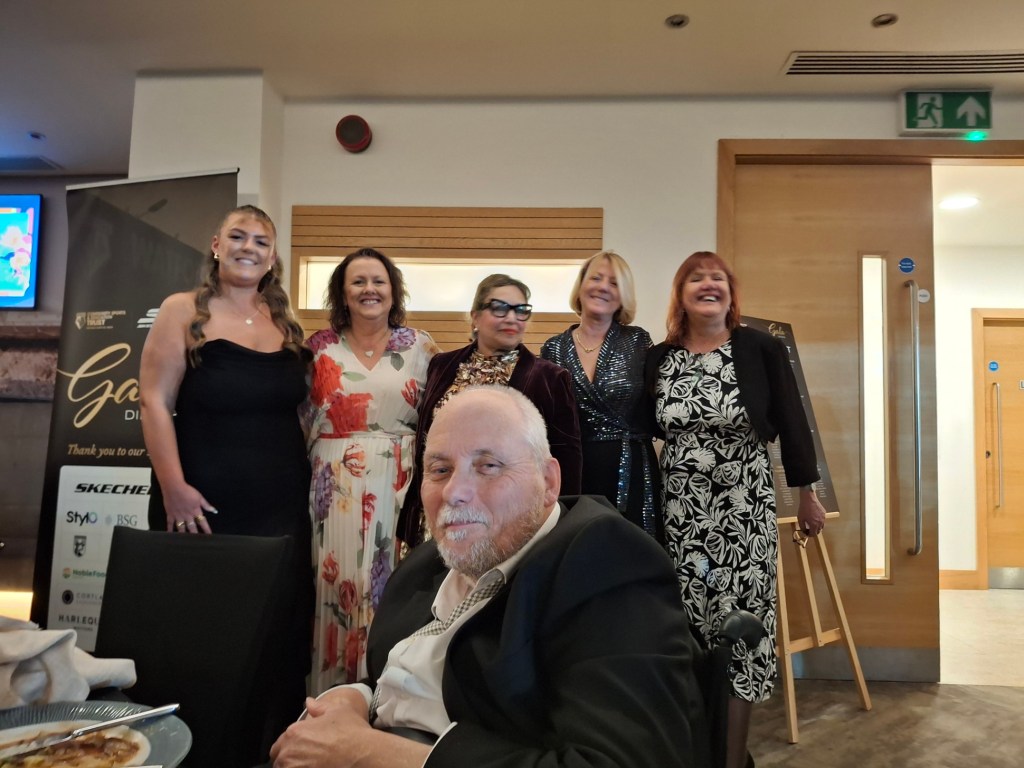
I was kindly invited to stay the night there after accompanying Frances, her sister Rose and her niece Amelia to the Annual Gala Dinner of the Watford Community Sports & Education Trust. As we left for Watford I was surprised to have a phone call from the police asking if there was any CCTV footage available or other evidence. I had to confirm that there wasn’t – I don’t pay to have my Ring doorbell record video (cheapskate!) – and asked whether I wanted to be referred to Victim Support. I thanked Irena for the offer but thought there were others more urgently in need of the service.

The Gala is a great occasion celebrating the charity work of the excellent organisation which is in itself a triumph at a time of shrinking budgets and donations. 17, 796 individuals have used it services or facilities in the last year providing a huge social benefit to the community in Hertfordshire and the London Borough of Harrow. It was a chance to catch up with friends, former and current players and to chat to the head coach Tom Cleverly who we’ve known since he came to Watford on loan as a seventeen-year-old when he sat on a table with Dee and me at that year’s end of season dinner with a leg in plaster and needing crutches to collect his player of the season award. It’s a delight to see him doing so well with limited resources.

… and on, and on

This is a sequel to Carry On Culture

The end of the short month didn’t bring any let up in activity as March started with me being out every night of the week. And what a week of contrasts. In brief: Monday Kyoto at Sohoplace after visiting the Goya to Impressionism exhibition at the Courtauld. Exhibition brilliant with paintings never seen outside Switzerland and collector parallels between Oskar Reinhart and Samuel Courtauld – good to have been a fly-on-the-wall at their meeting.

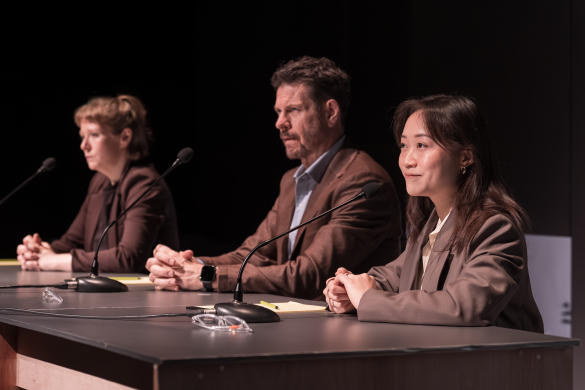
The play Kyoto was scarily excellent showing the lies and horse-trading of the climate change summit brilliantly performed by a large ensemble cast in which we the audience were very much involved with some actually sitting at the huge debating chamber table.

Tuesday couldn’t be more different but equally poignant and dramatic. At The Royal Court A Knock on the Roof was a nearly ninety-minute monologue by writer Khawla Ibraheem in which she portrayed the horror of a mother in Gaza with a young child and an ageing mother rehearsing how she would react when the ‘knock’ of a non-explosive or small bomb hit the apartment block as a five-minute warning before the real bombs drop.

What do you take, how far can you run, what if you’re on the loo or in the shower? It depicted the horror so much more effectively than all the photographs of the rubble by giving this intensely personal version of life as a Palestinian. A phenomenal piece of work all round.

Wednesday saw my second visit to Sadler’s Wells East, this time to see Jasmin Vardimon’s Now a 25-year retrospective of her contemporary choreography. I had planned to go with friends Rosa and Hattie and was pleasantly surprised to be joined in the bar by Pete and Julie, friends from the Watford FC family.

The auditorium proved a wonderful venue, the dance was superb mixing humour, drama and sophistication in the most brilliant amalgam of on stage and projected performances. Stunningly brilliant – a great first show at the new venue followed by a fascinating and insightful Q&A. And we made it back to the station without getting lost or having to go through the horror that is Westfield.

Thursday saw me head for the Almeida in Islington to see Otherland a play about transitions – one gender, one pregnancy by Chris Bush. While there were moments that moved me, I found the songs intrusive and not musically interesting and the whole structure a bit of a mess but then maybe that was the point – trans life is not easy or straightforward.

The highest quality artistic experience was restored on Friday with a lunch time recital of their album Battle Cry – She Speaks by Helen Charlston – what a treat twice in a week – and Toby Carr with his lute. The ease with which they jump from seventeenth century Strozzi and Purcell to the new song cycle written for them by Owain Park was mesmeric. The concert was given to a full one o’clock Wigmore Hall audience and was ecstatically recieved as was the Barbara Strozzi encore.

I then went for a light Spanish lunch with my friend Jadwiga and then strolled down Bond Street to the Halcyon Gallery which was showing stunning photorealistic oils by Mitch Griffiths, highly stylised photographs by David LaChapelle and across the street a surprisingly impressive (God you’re a snob Raggett!) exhibition of paintings and drawings by Bob Dylan – Grammys. Nobel, Turner next? Then I went for a fine dinner at the Union Club with our niece Kate to round off a fortnight of conversations, culture and fun.

Carry On Culture

After my slightly odd Valentine’s weekend I plunged into a fortnight of amazing cultural activity. Keeping on keeping on will, I hope, hold dementia at bay. Another life motto has always been ‘Do it while you can’. I don’t usually write about this stuff but the blog is partly for me to reminisce with when I can get out anymore. So ignore if you just like my travels not my opinions.

So here’s how it all kept coming. Monday 17 February East is South at Hampstead Theatre courtesy of Frances’ patronage. Company, canapes, networking first class play not so much. It was a semi sci-fi thriller/Line of Duty style interrogation about data leaks from a world changing computer programme Logos. Written by Beau Willimon the creator of the US version of House of Cards, its subject matter was highly apposite with the march of AI. However it sometimes felt as if the script had been written by AI with strange diatribes, a virtually unused character and rather cliched and confusing flashbacks.

The next night made up for any disappointment. Following my previous exploration of Sadler’s Wells East Tuesday saw me heading for the Rosebery Avenue Sadler’s for Pina Bausch’s Vollmond. Need Es to lift your spirits? Well they were here aplenty! Entertaining, exquisite, energetic, enthralling. It was one of the last things Bausch choreographed and it a lot lighter in mood than some of her work.

We had dancers flirting, arguing, courting and conversing often soaked in torrential water flowing from the flies. I got talking in the interval to a couple of professional classical musicians – she harpist, he oboe – which was an interesting precursor to Wednesday. We all absolutely loved the performance and my only regret was that two friends who would have loved it couldn’t be with me.

Wednesday evening saw me accompanied by local resident Frances to the launch of the 2025-26 season of the Orchestra of the Age of Enlightenment of which I’ve been a long-time supporter and occasional contributor of blogs, scripts and articles. It was help in the wonderful brutalist hexagonal hall of their home Acland Burghley School in Tufnell Park. Alongside the exciting reveal of Fantastic Symphonies to be played between October and March at the Southbank Centre and on tour, we were treated to a recital by the mezzo-soprano Helen Charlston accompanied on the harpsichord by Satako Doi-Luck. Helen benefitted from the OAE’s rising stars scheme and now has a stellar recital career covering baroque, classical and contemporary repertoire. However she will find it hard to stop being asked about singing Dido’s Lament backwards in an OAE video. Satako is part of Ensemble Moliere that specialises in exploring the world of Baroque music. I’ve been to a couple of their concerts too. But the plans for celebrating OAE’s 40th anniversary are exciting with the return of early supporter Sir Simon Rattle who contributed a splendid video interview to the evening, alongside many other familiar figures in OAE history. Check out the programme here and let me know if you fancy joining me to hear this fantastic group of players and lovely people.

I stayed home on Thursday and on Friday joined my friend Opu Islam at the launch of an exciting heritage project in the Bengali community in the East End. It’s an initiative from the Season of Bangla Drama to which the British Bilingual Poetry Collective (of which I am a gtrustee) contributes each year. There were discussions with producers and poetry recitals as well. It’ll be interesting to see the outcome in the 2026 festival.

What a treat on Saturday with Celia Imrie and Tamsin Greig both on stage at the Donmar Warehouse in Backstroke! Two superb actors trading mother daughter love and insults in equal measure in a fascinating if slightly baggy play. It made me wonder if writers are always the best people to direct their own work. Still a hugely enjoyable evening.

I woke on Sunday at 10:15 after finally falling asleep at six after a horrendous night with acute toothache. This was too late for me to get to Watford to see our arch rivals Luton beaten 2-0 some revenge for our defeat in the reverse fixture. It was on the telly and the house was filled with shouting best left on the terraces.

I’d arranged to visit a friend Nuala O’Sullivan on Monday afternoon before going to join Frances at the Orange Tree in Richmond. Nuala was a BBC World Service colleague back in 2009 and then co-wrote on of my ELT series with me in 2014-15, She has subsequently founded and runs the highly successful Women Over Fifty Film Festival so it was great to talk film, literature and life with her. Walthamstow to Richmond is not the most straightforward journey but I’m glad I made it. Frances had been invited to a special staging of the play in the hope (successful) of luring her back as a patron. At a reception we had an opportunity to talk with Tom Littler the artistic director of the Orange and also the director of the play we were about to see. Both very impressive.

I’ve long been a fan of Howard Brenton from the controversy over The Romans in Britain back in 1980, through plays like Pravda at the National, The Arrest of Ai Wei Wei and Drawing the Line at Hampstead. This new work Churchill in Moscow in which two would-be world leaders slugged it out in negotiations could not be more timely. Dramatically it was frightening, funny and fascinating with wonderful supporting roles for the two interpreters who put their own palliative gloss on what Churchill and Stalin were saying to each other. In the compact space of the Orange Tree you really felt part of the action.

The rest of the week was calmer just on Thursday a pre-concert talk about and an electrifying performance of the Beethoven Violin Concerto with Vilde Frang and the Eroica Symphony in which Maxim  Emelyanychev conducted the OAE in a rousing performance with no residual hint of Napoleon.  

Then there was a trip to Watford as part of a consulting group helping plan the move of the Watford Museum from the old site in what was Benskin’s Brewery into the Town Hall later this year. Lots of interesting ideas with fellow supporters and friends. I also foolishly decided to have an occasional away-day trip to our game at Stoke on Saturday which proved beyond all doubt that we go for the people not the football – excruciatingly dull match – adjudged a bore draw by colleague Frances in her blog, but great beer and conversation.

And the next week was pretty similar …